Pages

Showing posts with label Acrylamide. Show all posts

Wednesday, 15 July 2020

Is it safe to microwave food?

There’s nothing risky about microwave radiation – but there is about heating up plastic.
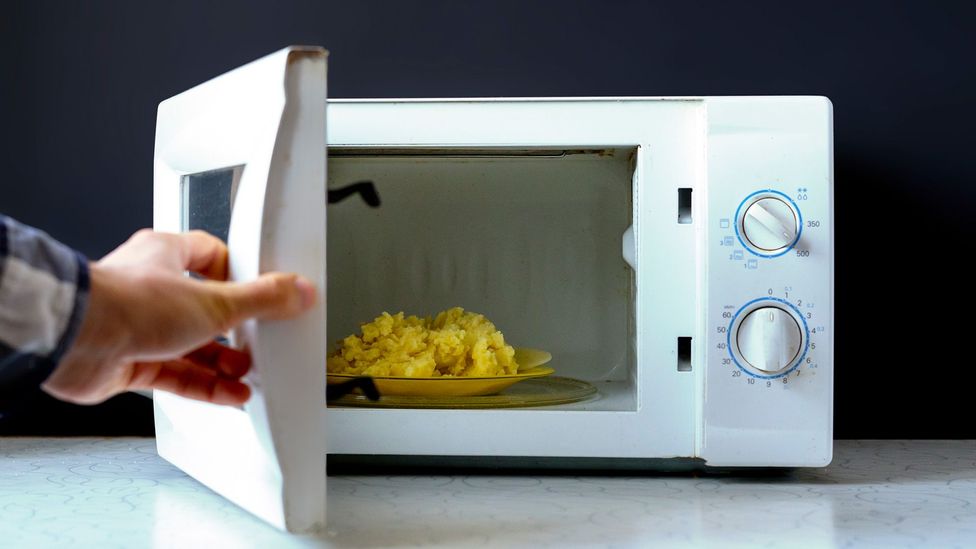
The radiation in microwaves is completely harmless (Credit: Getty Images)
By Jessica Brown15th July 2020
D
Despite being a kitchen workhorse for decades, few household items have been more divisive than the microwave. It’s hailed as a lifesaver for those who can’t, or won’t, cook, and portrayed by some chefs as singlehandedly dragging the art of cooking into the gutter.
But another debate lies beyond the culinary disputes – when is microwave cooking bad for you?
When used correctly, there’s nothing to worry about in terms of a microwave’s radiation, according to the World Health Organization. But other concerns are less clear – including whether microwaving food causes nutrient loss, or whether heating food in plastic can trigger hormone disruption.
Losing nutrients
Some research has shown that vegetables lose some of their nutritional value in the microwave.
For example, microwaving has been found to remove 97% of the flavonoids – plant compounds with anti-inflammatory benefits – in broccoli. That’s a third more damage than done by boiling. 
You might also like:
However, one 2019 study looking at the nutrient loss of broccoli in the microwave pointed out that previous studies varied the cooking time, temperature, and whether or not the broccoli was in water. It found that shorter cooking times (they microwaved the broccoli for one minute) didn’t compromise nutritional content. Steaming and microwaving could even increase content of most flavonoids, which are compounds linked to reduced risk of heart disease. “Under the cooking conditions used in this study, microwaving appeared to be a better way to preserve flavonoids than steaming,” the researchers wrote.
Yet they also found that microwaving with too much water (such as the amount you’d use to boil) caused a drop in flavonoids.

Some foods, such as peas, lose nutrients when microwaved or steamed, but others, like green beans, do not (Credit: Getty Images)


Lead researcher Xianli Wu, a scientist at the Beltsville Human Nutrition Research Center at the US Department of Agriculture, says there isn’t one agreed mechanism to explain why microwaving could increase flavonoid content. It could be that microwaving makes flavonoids easier to measure – perhaps by softening the plant tissue, making them easier to extract – rather than increasing their amount
But there’s no straightforward answer as to whether microwaving vegetables will retain more nutrients that any other method. That’s because each food is different in terms of the texture and nutrients they contain, according to Wu.
“Though in general microwaving is a preferred method, the optimum time will be different for different vegetables,” Wu says. “When considering commonly used domestic cooking methods, microwaving is a preferred cooking method, at least for many plant foods, but probably not for every plant food.”
In another study, researchers compared the content of phenolics (compounds associated with various health benefits) of various vegetables after being boiled, steamed and microwaved. Microwaving and steaming caused a loss in phenolic content in squash, peas and leeks, but not in spinach, peppers, broccoli or green beans. The researchers also tested for antioxidant activity.
For both measures, vegetables fared better in the microwave compared to being boiled.
“Moderate heat treatment might have been a useful tool in improving health properties of some vegetables,” the researchers write.
Heating plastic
We often microwave foods in plastic containers and wrapping, but some scientists warn of the risk of ingesting phthalates. When exposed to heat, these plastic additives can break down and leach into food.
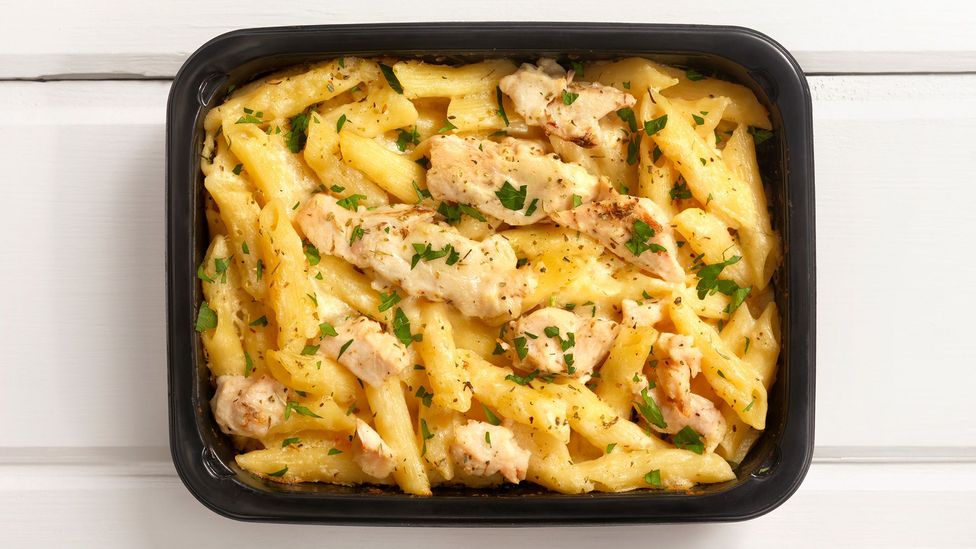
When exposed to heat, plastic additives like phthalates can break down and leach into food (Credit: Getty Images)

“Some plastic isn’t designed for microwaves because it has polymers inside to make it soft and flexible, which melt at a lower temperature and may leach out during the microwave process if it goes beyond 100C (212F),” says Juming Tang, professor of food engineering at Washington State University.
In a 2011 study, researchers purchased more than 400 plastic containers designed to contain food, and found that the majority leaked chemical that disrupt hormones.
Phthalates are one of the most commonly used plasticisers, added to make plastic more flexible and often found in takeaway containers, plastic wrap and water bottles. They have been found to disrupt hormones and our metabolic system.  In children, phthalates can increase blood pressure and insulin resistance, which can increase the risk of metabolic disorders such as diabetes and hypertension. Exposure also has been linked to fertility issues, asthma and ADHD.
Phthalates are also potential disrupters of thyroid hormones, says Leonardo Trasande, professor of environmental medicine and population health at NYU School of Medicine in New York. Among other things, these hormones are crucial for babies’ brain development during pregnancy.  
Bisphenol (BPA) is also commonly used in plastic products, and studies have suggested it may also disrupts hormones. But research is limited, compared to the amount of studies looking at phthalates.
Phthalates are everywhere – even in toys and body lotions – and it’s still unclear just how much damage they do. But most experts agree that heating plastic with phthalates can increase exposure.
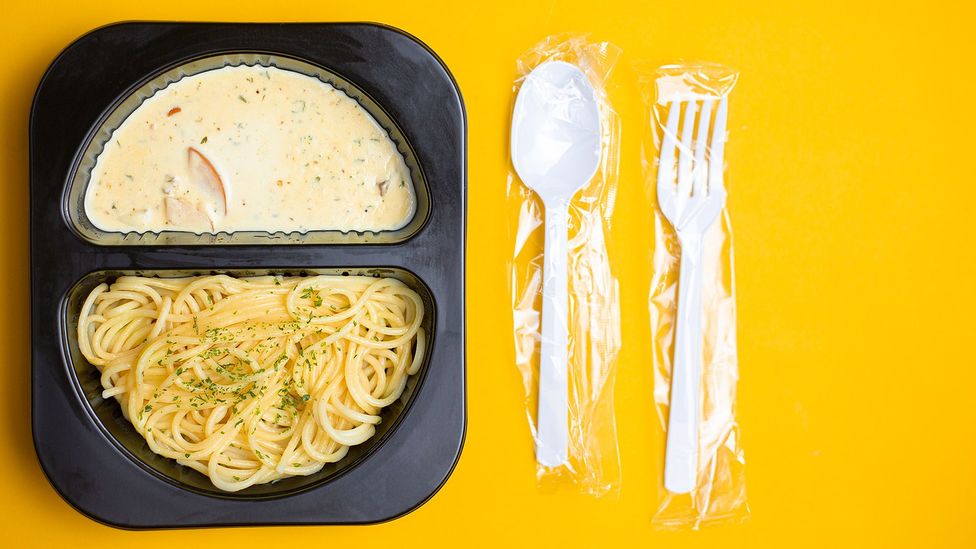
Phthalates have been found to disrupt hormones and our metabolic system (Credit: Getty Images)


“Microwaving mobilises contaminants,” says Rolf Halden, professor and director of the Biodesign Center for Environmental Health Engineering at Arizona State University. “This process is used in laboratories to extract pollutants from samples, prior to chemical analysis.”
And the potential risks don’t necessarily increase with how often an individual microwaves food in plastic containers, Trasande argues – as the relationship is non-linear between the amount of chemical exposure and risk of hormone disruption. 
“The old pedagogy was that the dose mediated poison. Now we understand from multiple studies that low level exposures are where the greatest component of effects happens, so there’s no safe level of exposure,” Trasande says.
It’s important to remember that, when heating food in a plastic container, exposure also can happen with plastic that doesn’t touch the food, such as a lid.
“Water rises as steam from the food, and then condenses on the underside of the lid, and the extracted chemicals from the lid then fall down into your food, contained in the condensation droplets,” Halden says.
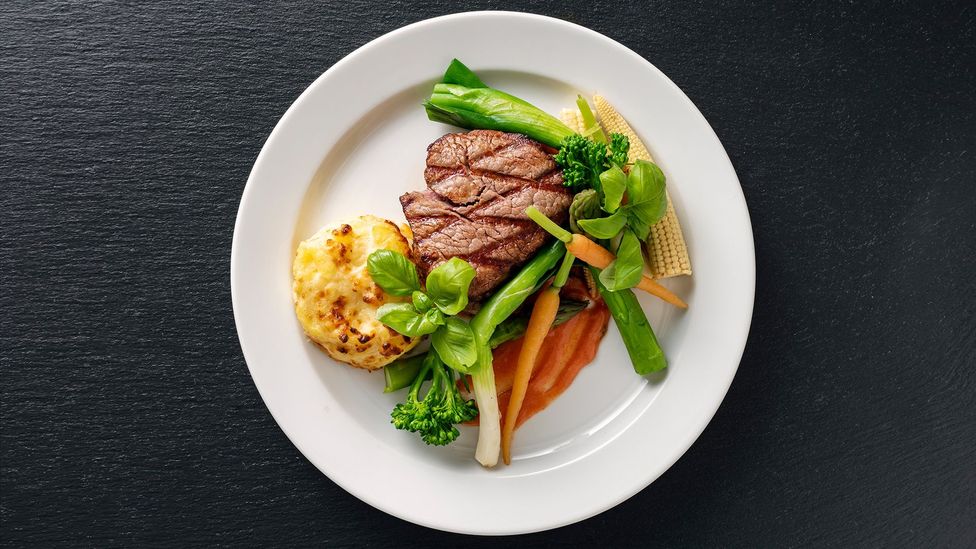
To minimise risk, microwave food in a material that isn’t plastic, such as ceramic (Credit: Getty Images)

The best ways to minimise risk are to use other microwave-safe materials than plastic, such as ceramic. If you do use plastic containers, avoid any that are losing their shape, since old and damaged containers are more likely to leach chemicals. You can also check your container’s universal recycling symbol, often on the bottom of a product – those with a number 3 and the letters “V” or “PVC” include phthalates.
Heat risks
Even if you avoid plastics, there are other potential risks of heating food in the microwave – including uneven heating, and the high temperatures used.
First, consider using microwaves to reheat, rather than cook, food, as it may cook unevenly. “Depending on the portion of food that’s heated, there will be some parts that are hotter than others,” says Francisco Diez-Gonzalez, professor of food safety at the University of Georgia.
“Temperatures will be different in a cross-section of the food. It’s hard to achieve a completely uniform temperature, especially when talking about raw foods.”
But it’s important to note that reheating food comes with risks, too. Food must be heated until it is 82C (176F) throughout to kill any harmful bacteria – and because bacteria can still grow each time food cools back down, you shouldn’t reheat a meal more than once. (Read more about whether it’s safe to reheat food).
Microwaves should be used to reheat food, not cook it, but it’s better not to reheat the same meal more than once – especially rice (Credit: Getty Images)

The high temperatures of the microwave may also pose some risk. Generally speaking, higher temperatures aren’t a problem, but there is some research suggesting a risk linked to cooking some starchy foods in the microwave, including cereals and root vegetables.
When Betty Schwartz, professor of nutritional sciences  at theHebrew University of Jerusalem, saw her students heating jacket potatoes in the microwave on their lunchbreaks, she noticed small crystals inside their potatoes.
When she analysed them, she found they were high in the chemical acrylamide, which can be a natural by-product of cooking. Schwartz asked her students to boil their potatoes instead, and found that this didn’t create acrylamide, which she says forms in higher temperatures in the microwave.
This is a concern because animal studies have shown that acrylamide acts as a carcinogen because it interferes with cell’s DNA, but evidence in humans is limited. There is some research to suggest that microwaves are more favourable to the growth of acrylamide than other methods of cooking.
“At 100C (212F), there’s enough energy to alter the automatic joints between molecules to produce a molecule with much higher energy, which can react with DNA, which induces mutations," says Schwartz. "When you have many mutations it can produce cancer.” Animals studies have shown this to be the case with acrylamides.
One way around this is to soak the potatoes in water before putting them in the microwave.
Radiation safety
As for the radiation in microwaves, it is completely harmless. Microwaves use low frequency electromagnetic radiation – the same kind used in lightbulbs and radios. When you put food inside a microwave, it absorbs these microwaves, which makes water molecules in the food vibrate, causing friction that heats up the food.

The radiation in microwaves is completely harmless (Credit: Getty Images)

Humans absorb electromagnetic waves, too. But microwave ovens produce relatively low frequency waves and they are contained inside the microwave. Even if that weren’t the case, the waves are harmless, says Tang. (Of course, the heat in a microwave isn't harmless — so you should never put, say, a living creature inside of a microwave).
“Microwaves are part of the electromagnetic waves we’re exposed to daily. When you bake bread, you’re exposed to electromagnetic waves and infrared energy from the heating elements of the oven. Even people exchange radioactive waves between each other,” Tang says.
“If you’re eating crops grown from sunlight, you shouldn’t be concerned about food from a microwave.”
Unlike X-rays, microwaves don’t use ionising radiation, which means they don’t carry enough energy to detach electrons from atoms.

Microwaves don’t use ionising radiation, so there’s nothing unsafe about using them to heat food (Credit: Getty Images)

“You have to break chemical bonds to damage DNA. This is the chief way radiation kills – it mutates cells and causes cancer,” says Timothy Jorgensen, associate professor of radiation medicine at Georgetown University’s medical centre.
Concerns about microwave radiation were largely settled in the years after the microwave oven was first invented, Jorgenson says.
In particular, a lot of research was carried out by scientists at the Army Natick Research and Development Laboratories in Massachusetts, US, around the safety of microwaves, which went a long way to allaying concerns.
When it comes to cooking food in the microwave, there’s a lot to consider. Microwaves have long been deemed a safe kitchen appliance – but that comes with caveats, according to research. And in particular, experts are still raising concerns about how the plastic packaging we use in the microwave can disrupt our hormones, and, subsequently, affect our health.

Monday, 3 September 2018

CRISPR Gene Editing Fixes Muscular Dystrophy in Dogs. Are Humans Next?

The powerful gene editing technology CRISPR is one small step closer to treating a human disease.


By ALICE PARK 
August 30, 2018


In a new paper published in Science, researchers led by Eric Olson, professor and chair of molecular biology at UT Southwestern Medical Center, reported that he and his team successfully used CRISPR to correct the genetic defect responsible for Duchenne muscular dystrophy in four beagles bred with the disease-causing gene. It’s the first use of CRISPR to treat muscular dystrophy in a large animal. (Previous studies had tested the technology on rodents.) In varying degrees, the genetic therapy halted the muscle degradation associated with the disease.
Duchenne is caused by mutations in the dystrophin gene, which codes for a protein essential for normal muscle function. People born with the disease are often eventually confined to wheelchairs as their muscles continue to weaken, and in the later stages, many rely on ventilators to breathe as their diaphragm muscles stop working. Eventually, they develop heart and respiratory failure.
Olson and his team “fixed” the mutated dystrophin gene in four dogs by splicing out an offending section of the gene using CRISPR. The gene editing technology, discovered in 2012, can cut out sections of DNA at precise locations (and also potentially introduce new DNA as well). In the case of Duchenne, says Olson, simply snipping out a section of the mutated dystrophin gene allows the gene to make enough of the proper protein that muscles need to function.
Olson tried two different methods of injecting the CRISPR molecular scissors. With two dogs he directly injected the CRISPR technology into muscle, while in two other dogs he injected the same CRISPR technology into the bloodstream, so it could travel to more parts of the body and have a broader effect on different types of muscle from the limbs to the heart and diaphragm. Because Duchenne seems to affect the heart and respiratory system muscle preferentially, he also loaded the CRISPR cutting complex onto a molecular vehicle, a cold virus that was modified to seek out and splice DNA in those muscle cells in particular.
“I was frankly exuberant by the results,” says Olson. “It was jaw dropping.”
In the dogs that had received the systemic injections, he found that muscle cells in various parts of their bodies, including the heart and diaphragm, were churning out healthy dystrophin protein at anywhere from 3% to 90% of the normal levels eight weeks after injection. Olson says that muscular dystrophy experts believe that if dystrophin levels in affected people were raised to 15% of normal, it would make a dramatic difference in their lives and their ability to function. The dogs receiving the CRISPR injections directly into their muscle also showed higher levels of dystrophin production, but just in those muscles specifically. Because Duchenne affects deep organs like the heart and respiratory system, Olson says finding a way to deliver CRISPR more widely, without repeated and multiple injections, is preferable.
The idea is that CRISPR would essentially delete the mutation in muscle cells, and return the affected dogs to a nearly normal state. So far, the animals continue to make higher amounts of dystrophin after eight weeks.
The study is the latest in an encouraging string of results in applying CRISPR to treat human disease. Researchers have also successfully used the gene editing technology to splice out HIV from both infected human cells in the laband in living mice and rats, and are close to beginning trials to blood disorders like beta thalassemia and sickle cell anemia. Scientists have even corrected a genetic heart defect in embryos in the lab, which were not allowed to develop further or be implanted for ethical reasons. While serious questions about the safety of CRISPR-based therapies remain — some studies revealed greater than expected side effects from overzealous DNA snipping, for example — both academic and commercial researchers remain committed to investigating CRISPR as a new tool in addressing genetic diseases such as Duchenne.
Olson is encouraged by the results, even if they came from just a few dogs. They provide some reassurance that Duchenne, which is often diagnosed before people start to notice symptoms of muscle weakness, might be halted in its tracks before important skeletal, heart and breathing muscle are damaged beyond saving. A CRISPR-based therapy, he says, may be most effective in treating young people recently diagnosed with the disease, to prevent them from ever experiencing the symptoms of Duchenne.
Even people with more advanced disease might benefit, Olson thinks, as long as there is some muscle left to maintain a certain level of function, whether that’s moving the legs and arms or keeping the heart functioning. “I absolutely believe that whatever stage we intervene with this therapy, it could halt or slow the progression of the disease from that point forward,” he says.
First, however, more studies need to be done in larger animals like dogs. Olson is planning on a longer term study to see how long the CRISPR cells remain in the dogs, and how safe the therapy is.
The hope is that if those animal studies and human trials prove this technique is safe and effective, CRISPR could potentially lead to a cure for Duchenne, Olson says. “We are going for a cure, not a treatment,” he says. “All of the other therapies so far for Duchenne muscular dystrophy have treated the symptoms and consequences of the disease. This is going right at the root cause of the genetic mutation.”
http://time.com/5382101/crispr-muscular-dystrophy-in-dogs/

Saturday, 8 July 2017

If You Eat French Fries or Potato Chips, This Will Stop You

The potato has a history dating back to 1536 when the Spanish Conquistadors discovered the plant. The potato launched modern pesticide manufacture and use, and may double your risk of death when you eat fried potatoes more than twice a week. I'll give you strategies to enjoy potatoes without the risk.

June 28, 2017

eating fried potatoes

Story at-a-glance

  • The potato has a long and illustrious history ranging from worship by the Incan tribe in Peru to launching the first use of artificial pesticide developed from arsenic
  • Recent research demonstrates a potential link between eating fried potatoes two or more times each week and doubling the risk of death from all causes; other research links white potatoes to high blood pressure, type 2 diabetes and heart disease
  • French fries and potato chips are also high in trans fat; sweet potatoes are your best option as they are high in prebiotic fiber that feeds beneficial bacteria in your digestive tract


By Dr. Mercola
The potato has had a long history. The Incan tribe from the highlands of Peru worshipped the potato and people from Ireland blamed the potato for the Great Famine when a blight destroyed potato crops across Europe.1 Today, the potato is the fourth largest food crop in the world.
The potato is a perennial plant that is high in starch and has more potassium than bananas.2 The vegetable is also source of vitamin C and B-6, and is sodium and fat free. However, while there are benefits to the vegetable, it is also high in carbohydrates; one medium potato contains 37 grams of carbohydrates. I recommend you limit your net carbohydrates (total carbs minus fiber) to between 50 and 80 grams per day, depending upon your metabolism.
This means a single potato can be 45 percent to 75 percent of your daily net carb amount. The consumption of fresh potatoes has declined in the past 50 years, dropping from 61 pounds per year per person in 1970 to 36 pounds per year per person in 2008.3However, consumption of processed potatoes, such as french fries or potato chips, has increased over the same period.
Processed potatoes cooked at high heat contain byproducts that are known carcinogens and trans fats linked to a number of health conditions. Recent research has now found a potential link between fried potato consumption and increased risk of death.

The Lowly Potato

In 1536, the Spanish Conquistadors arrived in Peru and discovered potatoes. They brought them back to Europe, and before the end of the 16th century sailors were planting them along the northern coast of Spain.4 By 1589, they reached Ireland and over the next 40 years spread across the rest of Europe.
In the mid-1840s a blight on potatoes wiped out most of the crop in many countries across Europe, especially in Ireland where the potato had become a staple. Over the course of the blight, nearly 1 million people died from starvation or disease, and another 1 million people emigrated from Ireland to Canada and the U.S.5
Some believe Marie Antoinette, the last queen of France before the revolution, enjoyed the flower blossoms from the potato plant so much she put them in her hair and her husband, King Louis XVI, wore them in his buttonhole.6 Historians think this was an attempt to encourage farmers to plant more potatoes.
As Europe and North America adopted the potato, it initiated a template for an agriculture industrial complex, eventually leading to the use of intensive fertilizer and of arsenic as the first artificial pesticide to eradicate the Colorado potato beetle.7 Competition to manufacture potent arsenic blends opened the modern pesticide industry.

Fried Potatoes May Increase Your Risk of Death

McDonald's has sold millions more fries each year with the simple question, "Would you like fries with that?"8 Also known as an upsell, this simple technique has contributed to ever increasing waistlines for their customers. Now, researchers have found those who eat fried potatoes two or more times each week may double their risk of death from all causes.9
Eating potatoes that were not fried was not linked to an increase in mortality risk according to the researchers.10 The authors had been tracking nearly 4,400 people over eight years to study the effects of osteoarthritis when they decided to include an evaluation of the participants' intake of potatoes and the impact it had on their lives.
In analyzing the data from the study, the researchers found that people who ate fried potatoes had double the risk of death during the study. Fried potatoes included french fries, hash browns and potato chips. Any preparation of potatoes that required frying was included in the fried potato category in the study.
The data from the study was observational, which presents challenges to extrapolating the results. The gold standard for medical research is randomly controlled experimental studies. These are often costly, while observational studies can be completed more economically.11 However, observational studies may not enable researchers to accurately link cause and effect.
The study could correlate french fries with an increased risk of death, but the researchers could not assume that french fries caused the death. The researchers tried to control for variables, but as this was an observational study, other factors that may have been involved could have been missed.12
However, while this type of study precluded the ability to establish a link between an increased intake of french fries and death, performing a controlled study would be unethical as the researchers would have to ask participants to increase their consumption and then measure risk of death.
In 2014, Americans ate an average of 112 pounds of potatoes each year; 33 pounds were fresh potatoes and 78 pounds were processed.13 The potential danger of eating pounds of fried potatoes is generated by acrylamide, a chemical produced when the starchy potato is fried at high temperatures.

How Acrylamide Affects Your Health

Acrylamide, a byproduct of processing, is one of the most hazardous ingredients found in potato chips, hash browns and french fries. The browning process is what produces the chemical, so boiling and steaming doesn't create it. Beginning in 2013, the U.S. Food and Drug Administration (FDA) recommended Americans reduce the amount of browned and overcooked foods that may be high in acrylamide.14
The FDA continues to recommend people cut back on the amount of foods high in acrylamide, as the chemical has been shown to cause cancer in animals and may also be responsible for causing cancer in humans.15 Acrylamide is also found in coffee, cereals, crackers, breads and dried fruit, to name a few. In fact, it may be found in up to 40 percent of calories eaten each day.16
In a study evaluating the amount of acrylamide found in chips, researchers found levels over the upper limit set by the European Union (EU) in 16 of the 92 brands tested.17 Currently, the EU set the upper limit at 1,000 micrograms per kilogram (mcg/kg) for crisps and they are considering lowering that benchmark to 750 mcg/kg, as acrylamide has been demonstrated and identified by the World Health Organization as a cancer risk.18
Although scientists knew the chemical was present in plastics and water treatment facilities, it wasn't until 2002 that scientists discovered it was present in foods. While acrylamide is a known carcinogen, links have been found between acrylamide-hemoglobin levels and estrogen receptor positive breast cancer.19 Higher levels of dietary acrylamide have also been linked to an increased risk of postmenopausal endometrial and ovarian cancer.20
Storing starchy vegetables, such as potatoes, in the refrigerator increases the amount of acrylamide produced if you do cook them at high heat or brown them.21 The process of increasing the amount of sugar in the potato that then produces more acrylamide during cooking is called "cold sweetening." Instead, raw potatoes should be stored in a cool, dark place above 42 F (6 C).

Trans Fat Found in More Than Potatoes


Acrylamide exposure is not the only risk associated with fried potatoes. Trans fat products are often used to fry the potatoes and chips, adding another layer of risk. This short video shows you some of the foods where trans fat may hide. There are two types of trans fats; one is made by hydrogenating vegetable oil in a chemical process and the other is found in natural meat products and has no harmful effects on your health.
Processed trans fats have been linked to heart disease,22 insulin sensitivity23 with type 2 diabetes,24 inflammation,25 damage to the lining of your blood vessels26 and cancer.27 Aside from french fries and potato chips, harmful trans fats may also be found in:28,29,30
Pie crust
Cakes and cookies
Biscuits
Breakfast sandwiches
Margarine
Crackers
Microwave popcorn
Cream filled candy
Fast food
Doughnuts
Frozen pizza
Cake mixes
Frostings
Pancakes and waffles
Nondairy creamer
Ice cream
 Meat sticks
Frozen dinner
Packaged pudding
Creamy frozen drinks
Asian crunchy noodles

Eating Potatoes Linked With Negative Health Conditions

Steaming or boiling potatoes may reduce your exposure to acrylamide and trans fat, but the potato itself may still increase your risk for other health conditions. They are high in carbohydrates, creating a blood glucose spike and resulting release of insulin. One cup of potatoes has a similar effect on your blood sugar as a can of Coke.31 This roller coaster effect of rising and crashing blood sugar often leaves you feeling hungry within hours, leading to overeating, weight gain and an increasing risk of type 2 diabetes.32
In 2010, more than 2 in 3 adults were considered either overweight or obese33 and in 2014, 9.3 percent of the population had been diagnosed with type 2 diabetes.34 These numbers are continuing to rise each year, and both of these conditions contribute to heart disease, stroke and a higher risk of death.
A recent study published in The BMJ found that those who ate four servings per week of baked, boiled or mashed potatoes had an 11 percent increased risk of high blood pressure.
Those who ate french fries or potato chips four times a week raised their risk by 17 percent.35 High blood pressure in turn increases your risk of cardiovascular disease and stroke and is linked to kidney disease and peripheral vascular disease. In other words, while potatoes carry some health benefits, they are best eaten baked or boiled in moderation.

Some French Fries Are Worse Than Others


Although all french fries are unhealthy, some are worse than others. In this short video, American journalist, author and activist Michael Pollan explains how "the desire for a certain kind of [french fry] leads to a certain kind of agriculture." McDonald's french fries are made with Russett Burbank potatoes, a particularly difficult potato to grow.
They must also be free of blemishes, so to eliminate the aphids that cause net necrosis in the potato, farmers will use an exceptionally toxic pesticide. It is so toxic they cannot venture into the fields for five days after spraying, and harvested potatoes have to off-gas in atmospheric-controlled sheds for six weeks before they're even safe to eat.
Your best potato choice are sweet potatoes. While they share the same name, they don't come from the same family of plants and have many more health benefits than the standard white potato you find in french fries, hash browns and mashed potatoes. Both white and sweet potatoes have the same number of grams of carbohydrates, but sweet potatoes have more than double the amount of fiber, thereby reducing the glycemic load on your body.
This fiber content may be referred to as digestive resistant fiber, an important prebiotic necessary for the nourishment of beneficial bacterial colonies in your gut. A large number of studies have linked an imbalanced gut microbiome with a number of diseases, including obesity, depression, anxiety and inflammatory diseases.36

Minimize Your Acrylamide and Trans Fat Exposure

Thus far, acrylamide has been found in foods heated to 250 F (120 C), which includes most processed foods. Basing your diet on whole foods, with a significant amount eaten raw, slightly cooked or steamed, is one of the best ways to avoid this cancer-causing byproduct. Raw foods are also recommended for general good health as it helps to optimize your nutrition.
For a step-by-step guide to making the transition to a healthier diet as simple as possible, see my optimized nutrition plan. For the times you would like to cook your food, keep the following tips in mind:
  • Frying, baking and broiling appear to be the worst offenders, while boiling or steaming appear to be safer
  • Longer cooking times increase acrylamide, so the shorter the duration of cooking, the better
  • Soaking raw potatoes in water for 15 to 30 minutes prior to roasting may help reduce acrylamide formation during cooking. Chilling the potatoes after cooking (and other starch-rich foods such as rice and pasta) will make it healthier by turning much of that starch into digestive-resistant starch that helps optimize your gut health. Potato salad is perhaps one of the healthiest ways to eat your potatoes
  • The darker brown or blackened the food, the more acrylamide it contains, so avoid overcooking your food
  • Acrylamide is found primarily in plant-based carb-rich foods such as potatoes and grain products (not typically in meat, dairy or seafood)

Healthier Potato Recipes

Sweet potatoes are a deliciously sweet and satisfying potato option you may eat baked or in a tasty potato salad.
Sweet Potato Fries
Ingredients
  • One sweet potato
  • Sea salt, coarse
  • Black pepper, ground
  • Olive oil (coconut oil can serve as an even healthier option as it withstands heat better)
Instructions
  1. Heat the oven to 450 F. You may or may not peel the potato. If you don't peel the potato, clean the skin.
  2. Cut the potato into large chunks about 1/2- to 3/4-inch thick.
  3. Place the sweet potato fries onto a baking sheet and sprinkle a pinch of sea salt and ground black pepper. Next, drizzle the fries with about 1/8 cup of oil. You may add more if you wish.
  4. Place in the oven for 15 minutes. Afterward, take them out and flip and return to oven for 10 minutes.
  5. May take 1.5 hours to make and can serve 2 to 3 people.


Sweet Potato Salad courtesy of BBC Good Food:37
Ingredients
  • 2 1/2 pounds. sweet potato, peeled and cut into chunks
  • 1 tablespoon coconut oil
For the dressing
  • 2 shallots (or half a small red onion), finely chopped
  • 4 spring onions, finely sliced
  • small bunch chives, snipped into quarters or use mini ones
  • 5 tablespoons sherry vinegar
  • 2 tablespoons extra-virgin olive oil
  • 2 tablespoons honey
Instructions
  1. Heat oven to 350 F. Toss the sweet potato chunks with coconut oil and salt and pepper; spread on a baking parchment-lined baking sheet. Roast for 30 to 35 minutes until tender and golden. Cool at room temperature.
  2. When just about cool, whisk together the dressing ingredients and gently toss through the potato chunks — use your hands to avoid breaking the potatoes.

http://articles.mercola.com/sites/articles/archive/2017/06/28/eating-fried-potatoes-doubles-death-risk.aspx