Pages

Showing posts with label Dr S Burzynski. Show all posts

Saturday, 7 September 2013

Why chemotherapy doesn't work - Cancer tumors ...

... confirmed to have stem cells that regenerate tumors

cancerTuesday, September 11, 2012 by: Jonathan Benson, staff writer

(NaturalNews) Three recent studies published in the journals Nature and Science shed new light on why chemotherapy, a common conventional treatment for cancer, is typically a complete failure at permanently eradicating cancer. Based on numerous assessments of how cancer cells multiply and spread, researchers from numerous countries have confirmed that cancer tumors generate their own stem cells, which in turn feed the re-growth of new tumors after earlier ones have been eliminated.

In one of the studies published in the journal Nature, researcher Luis Parada from the University of Texas (UT) Southwestern Medical Center in Dallas and his colleagues decided to investigate how new tumors are able to re-grow after previous ones have been wiped out with chemotherapy. To do this, Parada and his team identified and genetically labeled cancer cells in brain tumors of mice before proceeding to treat the tumors with conventional chemotherapy.

What they discovered was that, although chemotherapy appeared in many cases to successfully kill tumor cells and temporarily stop the growth and spread of cancer, the treatment ultimately failed to prevent new tumors from forming. And the culprit, it turns out, was cancer stem cells that persisted long after chemotherapy, which quietly prompted the re-growth of new tumors later down the road.

A second study published in Nature found similar results using skin tumors, while a third published in the journal Science confirmed both of the other studies in research involving intestinal polyps. It appears as though, all across the board, cancer tumors possess an inherent ability to produce their own stem cells, which can circulate throughout the body and develop into tumors. And traditional cancer treatments do nothing to address them.


Forward-thinking cancer experts suggest abandoning chemotherapy, radiation, and surgery to treat cancer


Researchers at the University of Michigan's (UM) Comprehensive Cancer Center seem to agree with these conclusions as well, and are now suggesting, along with many others, a completely new approach to cancer treatment. Rather than continue to rely on chemotherapy, radiation, and surgery, which we here at NaturalNews have long been warning our readers of, are largely ineffective. Progressive cancer researchers believe it is now time to move forward with investigating new treatment approaches.

"[T]raditional (cancer) therapies like surgery, chemotherapy, and radiation do not destroy the small number of cells driving the cancer's growth," says UM's Comprehensive Cancer Center. "Instead of trying to kill all the cells in a tumor with chemotherapy or radiation, we believe it would be more effective to use treatments targeted directly at these so-called cancer stem cells. If the stem cells were eliminated, the cancer would be unable to grow and spread to other locations in the body."

Alternative cancer therapies like the Gerson therapy (http://www.naturalnews.com/Gerson_therapy.html) and Dr. Stanislaw Burzynski's antineoplastons (http://www.naturalnews.com/Burzynski.html), for instance, are already successfully treating cancers in this way. But because of heavy-handed censorship and medical tyranny, these treatments are not widely accepted, and are actually considered to be fraudulent by the U.S. Food and Drug Administration (FDA) and virtually all state and federal medical boards.

Sources for this article include:

http://www.ctvnews.ca
http://www.cancer.med.umich.edu/research/stemcells.shtml

http://www.naturalnews.com/037148_chemotherapy_stem_cells_regeneration.html

Wednesday, 17 July 2013

Dr. Burzynski's Cancer Treatment

Dr. Burzynski the Movie Part II

July 13, 2013

Story at-a-glance

  • Burzynski—Cancer is Serious Business details the struggles and victories of Dr. Burzynski and his groundbreaking cancer treatment, and explores the current status of Antineoplastons’ clinical testing
  • Antineoplastons are peptides and derivatives of amino acids that act as genetic switches. They turn off the oncogenes that cause cancer, and turn on or activate tumor suppressor genes—genes that fight cancer
  • Dr. Burzynski’s treatment holds the first cures ever for brainstem glioma, a fatal type of brain cancer that typically affects children and young adults
  • Japanese researchers have spent 27 years independently testing Antineoplastons and reproducing Dr. Burzynski’s findings, leading them to conclude that the effectiveness of Antineoplastons is “obviously not anecdotal anymore”
  • A group of patients and patient advocates have launched a campaign to have Antineoplastons accepted worldwide as a “standard of care” for the treatment of cancer
            
Mercola.com is proud to announce that Burzynski: Cancer is Serious Business Part II will be shown exclusively for FREE on Mercola.com now through July 20th, 2013 only! Click HERE to purchase the film!

Visit the Mercola Video Library
 

By Dr. Mercola

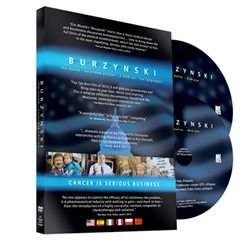
Dr. Stanislaw Burzynski received much deserved publicity with the release of the 2011 film, Burzynski—The Movie
Eric Merola’s award-winning documentary showcased Dr. Burzynski’s remarkable cancer discovery for all the world to see, and explained how he won the largest and possibly the most convoluted and intriguing legal battles against the Food and Drug Administration (FDA) in American history.  
Dr. Burzynski’s story now continues in the compelling follow-up film:  
Burzynski—Cancer Is Serious Business, Part II. This second film details his continued struggles and victories, and explores the current status of Antineoplastons’ clinical testing—now (finally) sanctioned by the FDA.

Dr. Burzynski's Cancer Treatment

Dr. Burzynski, trained as both a biochemist and a physician, has spent the last 35+ years developing and successfully treating cancer patients suffering with some of the most lethal forms of cancer at his clinic in Houston, Texas.  
The treatment he developed involves a gene-targeted approach using non-toxic peptides and amino acids, known as Antineoplastons. I personally interviewed Dr. Burzynski about his treatment in the summer of 2011.  
He coined the term ”antineoplastons” and defines them as peptides and derivatives of amino acids that act as molecular switches. However, as genome research blossomed and science progressed, Dr. Burzynski discovered that antineoplastons also work as genetic switches.  
They actually turn off the genes that cause cancer (oncogenes), and turn on or activate tumor suppressor genes—genes that fight cancer. His treatment strategy, which he refers to as “Personalized Gene Targeted Cancer Therapy,” includes mapping the patient's entire cancer genome.  
This involves analyzing some 24,000 genes in order to identify the abnormal genes. Once they've determined which genes are involved in the cancer, drugs and supplements are identified to target those specific genes.  
Antineoplastons work on approximately 100 cancer-causing genes, but traditional oncology agents (including chemotherapy) may also be used, typically in combination with antineoplastons. This expanded direction of “personalized gene-targeted treatment" has permitted people who would otherwise be denied access to the still-unapproved antineoplastons to benefit from his treatment.

The War on Cancer Cures

As the first film in this series clearly revealed, the FDA began scheming to eliminate the threat Dr. Burzynski and his discovery posed to the cancer industry as early as 1977, when Dr. Burzynski first tried to get antineoplastons approved.  
The reason he was (and still is) considered a significant threat to the cancer industry is because he’s the sole patent holder of the treatment, which means he’s the sole beneficiary, should the FDA approve Antineoplastons—not a pharmaceutical company and the bosses thereof.  
As a matter of fact, Dr. Burzynski is the first and only scientist in United States’ history to enter the federal drug approval process for a proprietary cancer therapy without any financial support from the American government, the pharmaceutical industry, or the cancer establishment. 
Vast amounts of money are at stake, since FDA approval of Antineoplastons would not only threaten conventional chemotherapy and radiation, it would also result in billions of dollars of cancer research funds being funneled over to the one single scientist who has exclusive patent rights—Dr. Burzynski.  
The sad fact is, as stated by Dr. Julian Whitaker in the featured film, that true medical breakthroughs are suppressed these days because they “put at risk the entire financial underpinnings” of medicine.  
If a medical breakthrough replaces failing therapies, the cash flow and profits of those failing therapies are lost forever, and the industry simply chooses profits over cures... Instead of investing in actual cures, medicine, over the past five decades, has invested in awareness campaigns. But, as Dr. Whitaker points out, awareness does not cure the disease, and will never lead to a cure, no matter how much money is raised by these campaigns, for the simple fact that there’s too much vested interest in therapies that fail and perpetuate a money-making disease.

Cancer Is Serious Business

In recent years, the focus for cancer therapy has increasingly shifted toward individualized gene-targeted cancer treatment, such as that provided by Dr. Burzynski for the past decade. So it’s no wonder, really, that the industry has tried so hard to get rid of him, in order to protect their own profits and access to research funds. Burzynski—Cancer is Serious Business, picks up where the first movie left off, detailing Dr. Burzynski’s continued struggles and victories, and explores the current status of Antineoplastons’ clinical testing, now sanctioned by the FDA. It also follows the progress of several of his patients. As described in the film’s synopsis:1
“For most patients undergoing Burzynski’s treatment, their advanced cancer itself runs secondary to the constant barrage of skepticism coming not only from their local oncologists, but also from friends and family who feel their loved ones are making suspect treatment decisions—even though mainstream oncology has already left many for dead.
As the story unfolds, you will observe a real-time change of hearts and minds from many of these doctors and families. Unlike the first documentary, Part II showcases interviews with board-certified oncologists, surgeons and neurosurgeons, who witnessed patients leave their care, soon to return in great health after opting for the Burzynski Clinic.”

National Cancer Institute Acknowledges Antineoplastons’ Success

Incredibly, in August of last year, America's National Cancer Institute (NCI) finally acknowledged and cited some of Burzynski's peer-reviewed Antineoplaston studies, as well as findings by Japanese researchers who have been independently reproducing Antineoplaston clinical trial studies since the 1980's, without any involvement by Dr. Burzynski. One of the most remarkable admissions by The National Cancer Institute is the following:2
"A Phase II study also conducted by the developer and his associates at his clinic reported on 12 patients with recurrent diffuse intrinsic brainstem glioma. Of the 10 patients who were evaluable, two achieved complete tumor response, three had partial tumor response, three had stable disease, and two had progressive disease."
What’s truly remarkable about this is that a brainstem glioma has simply never been cured before in the history of medicine—Antineoplastons hold the first cures ever! In the featured film, you will also learn how a Japanese team, consisting of pathologists, oncologists and surgeons, has conducted the first-ever independently-run randomized controlled human clinical trials on Antineoplastons, and the results thereof. According to Dr. Hideaki Tsuda, MD with the Kurume Medical University in Japan:
"After 27 years of independently testing Antineoplastons—including randomized clinical trials, we found that Dr. Burzynski was right. It's obviously not anecdotal anymore.”

The Story Everyone Needs to Know

Dr. Burzynski has developed a cancer treatment that surpasses all other treatments on the market today, and the FDA and the pharmaceutical industry knows it. They also know his treatment threatens the entire paradigm of the cancer industry, which is based on expensive treatments with a high rate of failure and retreatment. 
For the past 15 years, they’ve harassed him, tried to take away his medical license, and even tried to put him in prison for life—all in order to protect the status quo. Adding insult to injury, you and I have been paying for the brutal opposition to Dr. Burzynski’s cancer treatment this whole time. The US government spent $60 million on legal fees for just one of his trials alone. 
Still, Dr. Burzynski has prevailed, and the truth about his gene-targeted treatment is finally receiving some well-deserved acknowledgment. After all, Dr. Burzynski has published over 300 articles on Antineoplastons, many of them peer-reviewed. And more than 100 independent Antineoplaston studies have been published, including those from Japan.

Support a Cancer Cure, Not Merely the Awareness of the Condition

Earlier this year, a group of patients and patient advocates launched a campaign to have Antineoplastons accepted worldwide as a “standard of care” for the treatment of cancer.3 For more information, please see www.iwantanp.com:
“Unlike all other cancer research campaigns which rely 100% on awareness alone, we realize that awareness itself does not cure the disease. Medications such as Antineoplastons are what can lead to the cure of the disease of cancer.
If the United States still refuses to allow Antineoplastons into its marketplace, we will then make sure another country will be properly funded to set up the proper channels for Antineoplastons to be approved for their marketplace. Another avenue would be simply opening up a massive Antineoplastons clinic allowing the cancer patients of the world to seek treatment using Antineoplastons.
Upon gaining either market approval—or the funding the construction of an Antineoplaston clinic overseas, our funds will then go to make sure everyone who cannot afford to travel overseas to receive Antineoplaston therapy—can do so by requesting money through this organization.
Either way, whether the market or its government's regulatory agencies want Antineoplastons available to its citizens or not—Antineoplastons are here to stay, and the members of our global human family deserve the right to have access to them.”

[-] Sources and References


http://articles.mercola.com/sites/articles/archive/2013/07/13/burzynski-cancer-film.aspx

Monday, 3 June 2013

Cancer is cured safely, in spite of widespread suppression by the "cancer industry"

Saturday, June 01, 2013 by: Michelle Goldstein

cancer
(NaturalNews) Pioneering, dedicated researchers have discovered numerous holistic cancer treatments in this country beginning in 1840. These natural protocols save lives from "incurable" cancer.

Leading cancer experts and authors Dr. Samuel Epstein and Ralph Moss, author of the Cancer Industry, among others, have documented widespread efforts to thwart safe, cancer cures in the United States. (http://www.naturalnews.com)

The FDA will only approve pharmaceutical, synthetic drugs for cancer treatments. However, even Burzynski's attempts to patent and use lifesaving antineoplastons have met violent opposition. See award winning documentary: (http://burzynskimovie.com/ )

Sadly, most Americans continue using toxic and invasive radiation, chemotherapy and surgery to treat their cancers, with dubious results. A fortunate minority have discovered effective and safe "alternative cures".

Hoxsey therapy and Essiatic Tea use potent herbs to cure cancer


Native Indians used the herb blood root to cure cancer for centuries. In 1840 John Hoxsey discovered the Hoxsey therapy which contained blood root, along with other herbs with anticancer properties. This treatment was used to successfully treat advanced cancers at 17 Hoxsey Cancer Clinics from 1924 to 1960, before being forced to close and move to Tijuana, Mexico. In 1954, ten physicians evaluated hundreds of case studies and patients, concluding that Hoxsey therapy left patients free from cancer from 6-24 years and in excellent health.

Essiac tea, comprised of 4 types of herbs, was successfully used by Canadian nurse Rene Caisse, Dr. Brusch and several practitioners in Canada and the U.S. to reverse thousands of cases of advanced cancers. This formula also originated from Native Americans. It was destroyed by the Canadian Ministry when Caisse died in 1978. Dr. Brusch, in the U.S., was able to create a new version of the remedy, known as Flor-Essence and marketed as a detoxifying tea.


Nutritional "Gerson therapy" cures cancer


Brilliant physician Max Gerson developed the Gerson therapy in the 1930's. This treatment combined organic vegetarian juices and coffee enemas to successfully treat thousands of patients from cancer and other diseases. Gerson published 50 medical papers and 3 books describing his treatment methods in detail. Gerson clinics were eliminated in the U.S., but exist in Mexico and Hungary, through the tireless efforts of Gerson's daughter Charlotte. Gerson therapy continues to save lives. (www.Gerson.org)

Laetrile, vitamin B17, works like an anticancer smart bomb


Laetrile, a pure form of B17, has been used by physicians around the world with widely documented success to ingeniously treat cancer. The vitamin is found abundantly in certain cultural diets, where no cancer exists. American physician Binzel demonstrated an 87.3 success rates for advanced cancers treated with Laetrile, compared to 0.1 percent for cancers using conventional methods.

Every American physician who used Laetrile was arrested, taken to court, put in jail or had their medical license removed for the "crime" of curing cancer patients. The cancer industry went on to almost entirely eliminate the sale in the U.S .of apricot seeds, a rich source of vitamin B17. Some clinics continue to offer Laetrile treatments including the Reno Integrative Medical Center (www.renointegrative.com) and two clinics in Tijuana, Mexico.

Additional safe cures and resources


Dr. Kelly's ingenious, highly effective enzyme therapy has survived at Dr. Gonzalez's clinic in N.Y.C. (www.dr-gonzalez.com). Protocel, which rids the body of anaerobic cells, has cured thousands from cancer, at a cost of $60-85/month. (www.YourVitaminDepot.com), (www.Protocel.com) and (WebNd.com). Other effective treatments include: the Budwig Diet (www.budwigcenter.com), low dose naltrexone (www.lowdosenaltrexone.org), Poly-MVA, IV vitamin C, and the ketogenic diet (www.ketogenicdiet.com).

Excellent resources for natural treatments and prevention include Tanya Pierce's Outsmart Your Cancer, Suzanne Somer's Knockout, Cancer Prevention Coalition (http://www.preventcancer.com) and Tony Isaacs' anti-cancer protocol (http://www.naturalnews.com/022808_cancer_health_supplement.html).

Sources for this article include:

Mazzucco, Massimo. Director, Writer, Producer. June 20, 2010. Cancer the Forbidden Cure. documentary. Italy: (www.luogocomune.net.)

Pierce, Tanya. (2009), Outsmart Your Cancer; Alternative Non-Toxic Treatments that Work. 2nd ed. Stateline, Nevada: Thoughtworks Publishing.

Somers, Suzanne. (2009). Knockout: Interviews with doctors who are curing cancer and how to prevent it in the first place. New York: Crown Publishing Group.

The Gerson Institute. (2011, September 16). "The Gerson Therapy." Retrieved March 4, 2013 from (http://gerson.org/gerpress/the-gerson-therapy/)

The Gerson Institute. (2011, September 17). "Get Started". Retrieved March 4, 2013 from (http://gerson.org/gerpress/get-started/)

Mercola, Eric. Writer/ Director/ Producer. 2010 Burzynski the movie: Cancer is serious business. documentary. U.S. Available at (www.Burzynskimovie.com).

http://www.naturalnews.com/022808_cancer_health_supplement.html

Dr-Gonzalez.com. (n.d.) " Individualized Nutritional Protocols". Retrieved March 5, 2013 from (http://www.dr-gonzalez.com/index.html)

www.dr-gonzalez.com

http://www.preventcancer.com

www.ketogenicdiet.com

www.budwigcenter.com

www.lowdosenaltrexone.org

http://www.renointegrativemedicalcenter.com/laetrile.html

About the author:
Michelle Goldstein is a licensed clinical social worker working as a mental health therapist. She incorporates holistic approaches into her counseling practice. She is a mother who found a cure in the realm of alternative medicine for her 11 year old daughter diagnosed in 2008 with an "incurable disease". Her two year search involved tremendous research, experimentation, and consultation with over 12 different holistic practitioners. Ms. Goldstein is now passionate about alternative health care and the politics which impact it. She has finished her first draft of a comprehensive book on holistic health. Her hobbies include short interval running, swimming and walking.
http://www.naturalnews.com/040585_cure_for_cancer_gerson_institute_therapies.html

Sunday, 20 January 2013

Case Against Dr Burzynski Dismissed!

Treats Cancer Without Chemo - And It's Not a "Crime" After All... Cancer Doctor Burzynski

This newly accepted cancer treatment forces cancer cells out of hiding so your immune system recognizes them as an enemy, then selects and kills them - but not your healthy cells. Way smarter than chemo, which kills everything in sight. Read on to find out more...


Case Dismissed!
Texas Ends 15-Year Fight Against Cancer Doctor Burzynski

January 19, 2013 | 234,085views

Story at-a-glance

  • After a 15-year long battle, the Texas Medical Board has officially ended its crusade to revoke Dr. Stanislaw Burzynski's medical license in an effort to end the use of his pioneering personalized gene-targeted therapy for cancer
  • Evidence has shown in the past that the FDA has pressured the Texas Medical Board to revoke Dr. Burzynski's medical license—despite the fact that no laws were broken, and his treatment was proven safe and effective
  • The Texas Medical Board (TMB) has a long history of harassing doctors. The entire Board was sued by the Association of American Physicians and Surgeons (AAPS) in 2007, citing an “institutional culture of retaliation and intimidation.” Legislation was also drafted in 2009 in an effort to clamp down on the abuses by the TMB, but the bill failed to be passed into law
  • Dr. Burzynski’s treatment also includes antineoplastons, which are peptides and derivatives of amino acids that act as molecular and genetic switches. They turn off oncogenes that cause cancer, and activate tumor suppressor genes
  • Once they've determined which genes are involved in the cancer, after extensive third-party genomic testing on both the cancer tissue obtained during biopsy as well as the patient's blood, a custom formulation of FDA-approved gene-targeted drugs are then meticulously chosen to target that patients genes specially related to their cancer. Antineoplastons by themselves work on nearly 100 cancer-causing genes, while traditional gene targeted oncology agents like Avastin, are only proven to target a single gene. Typically, patients who participate in Burzynski's personalized gene-targeted regimen also receive Phenylbutyrate, a metabolite of Burzynski's original Antineoplaston invention.


By Dr. Mercola
After a grueling 15-year long battle, the Texas Medical Board has officially ended its crusade to revoke Dr. Stanislaw Burzynski's medical license in an effort to end his use of Antineoplastons, as well as his combination gene-targeted therapy for cancer.

The Texas Medical Board’s case against him was dismissed1 on November 19, 2012, just in time for Thanksgiving. According to Dr. Burzynski’s attorney, Richard A. Jaffe, Esq:2
“Early on, two medical board informal settlement panels found that the use of these combination drugs on the advanced cancer patients involved was within the standard of care.
However, the Texas Medical Board refused to drop the case and instead filed a formal complaint3 against Dr. Burzynski alleging the same standard of care violations previously rejected by the board settlement panels.
After two years of intense litigation, the case was set for trial in April 2012. However, a week before trial, the administrative law judges dismissed most of the charges against Dr. Burzynski which forced the Board to seek to adjourn the case to do some reevaluation.
After the judges denied the Board’s attempt to reverse the previous partial dismissal of the case, the Board did more reevaluation and moved to dismiss the entire case.”
In 2010, Texas Medical Board staff charged4 Dr. Burzynski with prescribing and administering drugs not yet approved by the FDA for the treatment of cancer in two patients. They also claimed he had overcharged for the drugs, and, in one case, that he had failed to inform the patient that the treatment was having an insignificant impact on her cancer, delaying her ability to make an informed decision about whether to continue her treatment.

On both counts, the Board determined that the treatments did not violate the standard of care, and that patients had been appropriately billed. They did however agree he failed to inform the patient that the treatment was ineffective, and in the other case, they determined he had failed to maintain adequate medical records.
Dr. Burzynski to Make History Yet Again
Dr. Burzynski received much-needed publicity two years ago with the release of Burzynski — The Movie, a documentary about Dr. Burzynski’s remarkable cancer discovery, and how he won the largest and possibly the most convoluted and intriguing legal battle against the Food and Drug Administration (FDA) in American history.

This year, a second film detailing his continued struggles, and victories, is scheduled to be released. As announced in the trailer (see above), Dr. Burzynski is now doing the unthinkable... He is “the first and only scientist in United States history to enter the federal drug approval process for a proprietary cancer therapy without any financial support from the American government, the pharmaceutical industry, or the cancer establishment.”  
After it was revealed that the FDA had pressured the Texas medical board to revoke Dr. Burzynski's medical license — despite the fact that no laws were broken, and his treatment was proven safe and effective — the obvious question was “why?” In 1982, Dr. Richard Crout, Director of the FDA Bureau of Drugs, wrote:
"I never have and never will approve a new drug to an individual, but only to a large pharmaceutical firm with unlimited finances."
The answer to this has to do with money. Lots and lots of money... See, Dr. Burzynski owns the patent for this treatment, and should it actually gain FDA approval, not only would it threaten conventional chemotherapy and radiation, it would also result in billions of dollars of cancer research funds being funneled over to the one single scientist who has exclusive patent rights — Dr. Burzynski.  
When Medical Harassment Becomes Standard Practice
As Burzynski — The Movie revealed, it became clear that ever since 1977, when Dr. Burzynski first tried to get antineoplastons approved, the FDA had begun scheming to eliminate the threat he and his discovery posed to the cancer industry. With that in mind, the mistreatment dished out by the Texas Medical Board (TMB) against Dr. Burzynski becomes easier to understand.

The situation becomes even more enlightening once you take into account the fact that, for years, the TMB has cultivated intimidation and harassment of doctors to the point that the entire Board was sued by the Association of American Physicians and Surgeons (AAPS) in 2007, citing an “institutional culture of retaliation and intimidation.” The suit specifically pointed out misconduct by then Board president, Roberta Kalafut, who was accused of enlisting her husband to file anonymous complaints against targeted doctors, including her own competitors, who then faced losing their license and other punitive disciplinary actions based on fraudulent charges. (She resigned from her post in December 2008.)5

The situation was so bad that legislation was drafted in 2009 in an effort to clamp down on the abuses by the TMB.6 Unfortunately, the bill, HB3816, failed to get a House vote and didn’t make it into law. The bill would have prevented anonymous, unsworn complaints from ruining the careers of doctors, and given physicians a right to jury trial before license revocation, among other things. It seems not much has changed in the years since. In an AAPS blog dated September 22, 2011, Jane M. Orient, MD, Executive Director of AAPS stated:7
“Complaints from our members have identified the TMB as probably the worst in the country. It’s bad for patients when their doctors are afraid that doing the right thing could result in licensure action.”  
Summary of Dr. Burzynski's Cancer Treatment
Dr. Stanislaw Burzynski, a Polish immigrant, was trained as both a biochemist and a physician. He's spent the last 35 years developing and successfully treating cancer patients suffering with some of the most lethal forms of cancer at his clinic in Houston, Texas. The treatment he developed involves a gene-targeted approach using non-toxic peptides and amino acids, known as antineoplastons. I personally interviewed Dr. Burzynski about his treatment in the summer of 2011.

  
His strategy includes studying the patient's entire cancerous genome; analyzing some 24,000 genes in each cancer patient, in order to identify the abnormal genes. Once they've determined which genes are involved in the cancer, drugs and supplements are identified to target those genes. Antineoplastons work on approximately 100 cancer-causing genes, but traditional oncology agents (including chemotherapy) may also be used, typically in combination with antineoplastons.
Antineoplastons are peptides and derivatives of amino acids that act as molecular switches. However, as genome research blossomed and science progressed, Dr. Burzynski discovered that antineoplastons also work as genetic switches. They turn off the oncogenes that cause cancer, and turn on or activate tumor suppressor genes — genes that fight cancer. The antineoplastons were initially obtained from blood. For a time they were then extracted from urine, but they've now been using synthetic antineoplastons since 1980.

Burzynski — The Movie features several case stories of people who were successfully cured of cancer, and reveals for example clinical trial data of conventional therapies versus antineoplastons in Phase II FDA-sanctioned clinical trials for a type of brain cancer called Anaplastic Astrocytoma, Grade III. When stacked against each other, the benefits of antineoplastons become quite obvious:

Radiation or Chemotherapy OnlyAntineoplastons Only
5 of 54 patients (9 percent)5 of 20 (25 percent)
were cancer free at the end of treatmentwere cancer free at the end of treatment
Toxic side effectsNo toxic side effects
Gene Targeted Cancer Therapy is the Future 
In recent years, the focus for cancer therapy has increasingly shifted toward individualized gene-targeted cancer treatment — such as that provided by Dr. Burzynski for the past 10 years. A description of how the patient’s individualized treatment plan is devised is given in the second video above, starting three minutes into the video. So, is it any wonder the industry wants to get rid of him in order to protect their own profits and access to research funds?

As an example, in January 2011, the Khalifa Foundation gave a $150 million grant to the University of Texas MD Anderson Cancer Center8 “to support genetic-analysis based research, diagnosis, and treatment of cancer.” In short, personalized cancer treatment is the future of oncology, and the US government has spared no expense in trying to make eliminate Dr. Burzynski from the race — including patent theft...

In October 1991, the National Cancer Institute (NCI) conducted a site visit to Dr. Burzynski's clinic and verified that "anti-tumor activity was documented by the use of antineoplastons."9 Seventeen days after this visit, the United States of America as represented by "The Department of Health and Human Services," filed a patent for antineoplastons AS2-1 — one of the two antineoplastons Dr. Burzynski had already patented. The inventor listed on the copycat patent was Dr. Dvorit Samid, a former research consultant of Dr. Burzynski’s. The patent states:
"The invention described herein may be manufactured, used and licensed by or for the government, for governmental purposes, without the payment to us of any royalties thereon." 
In November of 1995, the US Patent office approved the first US Government patent for antineoplastons. Between 1995 and 2000, the US Patent office approved 11 copycat patents on antineoplastons AS2-1. Incredibly, In August of 2012, America's National Cancer Institute has begun to finally acknowledge and cite some of Burzynski's peer-reviewed Antineoplaston studies, as well as Japan's studies who have been independently reproducing Antineoplaston clinical trials studies since the 1980's. One of the most remarkable admissions by The National Cancer Institute is where they quote10:
"A Phase II study also conducted by the developer and his associates at his clinic reported on 12 patients with recurrent diffuse intrinsic brainstem glioma. Of the ten patients who were evaluable, two achieved complete tumor response, three had partial tumor response, three had stable disease, and two had progressive disease."
A brainstem glioma has simply never been cured before in the history of medicine — Antineoplastons hold the first cures ever. Kudos to the National cancer Institute for finally giving credit where credit is due! 
Is the Cancer Industry Really Interested in Finding Cancer Cures?
To summarize Dr. Burzynski’s story: He developed a cancer treatment that surpassed all other treatments on the market, and the FDA and the pharmaceutical industry knew it. They also knew he was the sole owner of the patents for this therapy, and these two facts combined, threatened the entire paradigm of the cancer industry.

So they decided to steal his invention. The problem is, they cannot actually use the stolen patents as long as Dr. Burzynski walks free and has the ability to defend his rights to them.

So, for the past 15 years, they’ve thrown everything but the kitchen sink at him in an effort to tuck him away in jail for the remainder of his life, or at the very least, make sure he doesn’t have a license with which to practice any kind of medicine. Without a profitable career, making and raising the needed cash for patent defense would be tricky. Sadly, you and I have all been paying for the brutal opposition to his cancer treatment this whole time. The US government spent $60 million on legal fees for just one of his trials alone...

Still, Dr. Burzynski has prevailed against enormous forces so many times it’s enough to make one believe in a higher power. Certainly, many of his patients would call him a God-send. Now, with the TMB finally dismissing their case against him, let’s hope that’s the end of the absurd witch hunt against Dr. Burzynski.

Part 2 of the documentary will be released sometime this year. Until then, you can show support for Eric Merola and his film by purchasing the first one, Burzynski: The Movie.

fat Switch
Order button


http://articles.mercola.com/sites/articles/archive/2013/01/19/cancer-doctor-burzynski.aspx?

Monday, 19 December 2011

The Best "Drug" for Slashing Your Risk of Cancer?

Posted By Dr. Mercola | December 19 2011 | 36,541 views


Story at-a-glance

  • Cancer prevention strategies that need to become mainstream include: optimizing your vitamin D levels, normalizing your insulin levels, and exercise. Research shows you can likely cut your cancer-risk in half simply by optimizing your vitamin D levels with sun exposure. And if you are being treated for cancer it is likely that higher blood levels—probably around 70-100 ng/ml—would be beneficial
  • Cancer rates are projected to rise by 45 percent in the UK over the next 20 years due to population growth and an aging population.
  • Global cost of cancer is estimated at $286 billion annually in medical expenses and lost productivity. According to a new report from a panel of 37 experts, the rate of increase in expenditure on cancer within health-care systems is unsustainable.
  • Ignoring the fact that cancer is likely a man-made disease caused primarily by toxic overload is at the heart of our rising cancer rates, yet most of the cancer research is directed towards expensive drugs that target late stages of the disease and greatly enrich the drug companies but simply do not prevent cancer.
  • Overlooked contributing factors to cancer include: chemical exposures, pharmaceutical drugs, processed and artificial foods, EMF and dirty electricity, radiation exposure, obesity, stress, poor sleeping habits, and lack of sunshine exposure.


By Dr. Mercola
Research in the UK suggests that the number of new cancer cases could rise 45 percent by 2030.

Cancer Research UK, which funded the study, says that the National Health Service must act immediately to avoid being "overwhelmed".

The research looked at 23 different types of cancer, and found an expected cancer increase of 55 percent for men and 35 percent for women.

BBC News reports:
"The rate of breast cancer is projected to fall by 7 percent.
The authors attribute this to a recent reduction in the use of hormone replacement therapy, which is a risk factor for the disease.
However the rates of malignant melanoma and kidney cancer are forecast to rise sharply in men and women."
The primary reason for the rise in cancer cases is attributed to population growth in the UK and an increased ageing population.

Interestingly, while paying lip service to the necessity to create stronger initiatives for smoking, drinking, and obesity reduction.

England's Department of Health is planning to invest more than £750 million over the next four years to promote earlier cancer diagnosis and "better access to the latest treatments."

So in essence, they're going to throw millions of pounds into an already broken system—the Cut, Poison, Burn paradigm—that does nothing to actually prevent cancer...

No wonder cancer rates are projected to rise by 45 percent in the UK over the next 20 years!

New Study—Cost of Cancer Rapidly Becoming Unsustainable

Cancer now surpasses heart disease as the number one killer of Americans between the ages of 45 to 74. The odds are quite high that you or someone you know has cancer, is dying or has already died from it.

While life cannot be measured in dollars and cents, the financial burden of cancer is truly staggering. Currently, 12 million people worldwide are diagnosed with cancer each year, costing $286 billion annually in medical costs and lost productivity. By 2030, that number could increase to 22 million people each year, with a similar rise in costs.

According to a new report from a panel of 37 experts, the cost of cancer is rapidly becoming unsustainable in many developed countries. The report was published in the journal Lancet Oncology in September, and was covered in Time Magazine that same month.

According to the authors of the report:
"The burden of cancer is growing rapidly… This is not simply due to an increase in absolute numbers or need for optimized treatments, rather it relates to the unsustainable rate of increase in expenditure on cancer within health-care systems.

What are the drivers and solutions to the so-called cancer-cost curve in developed countries? How are we going to afford to deliver high-quality and equitable care? In this Commission and the linked Comments, expert opinion from health-care professionals, policy makers, and cancer survivors has been gathered to address the barriers and solutions to delivering affordable cancer-care in high-income countries."
The report wisely questions the value of expensive new therapies that prolong patients' lives by mere months. Some cancer drugs, such as Avastin, for example, can cost upwards of $100,000 per year. At that price, even with insurance coverage, your co-payments can easily run as high as $20,000 a year. This despite the fact that studies show the drug prolongs life by just a few months at best, and more recent studies have suggested the drug might be less effective against cancer than the FDA believed when it was approved. It also has potentially lethal side effects that might speed up your ultimate demise.

When the Treatment is Worse than the Disease...

Perhaps more importantly, most conventional cancer treatments tend to add insult to injury by doing more harm than good -- a fact that has been largely swept under the rug by the medical industry.

Meanwhile, the real culprits—the underlying causes—are completely ignored, and that is, I believe, the root of the problem. The cancer industry has become a massive for-profit business that is doing everything in its power to maintain the status quo. It is, quite simply, not interested in truly reducing cancer rates; it's interested in treating cancer. From that perspective, the more cancer cases the better...

This sordid reality has been well-documented in films such as Cut, Poison, Burn, and Burzynski: The Movie


Getting to the Root of the Problem

Ignoring the fact that cancer is for the most part a disease triggered primarily by exposure to industrial toxins, the now well-trod path of the Cut-Poison-Burn model is taking us ever further AWAY from the solution. The pharmaceutical researchers would like you to believe they're doing everything they can to come up with a solution. Yet most of the cancer research is directed towards expensive drugs that target late stages of the disease and greatly enrich the drug companies but simply do not prevent cancer.

Clearly they're not digging close enough to the root of the problem, because if they did, they'd touch on some of the lifestyle issues I'll review below.

If ever there was an area in which an ounce of prevention is worth a pound of cure it is cancer. I firmly believe that if you're able to work your way up to the advanced health plan, that you will virtually eliminate the risk of most cancers.

From my perspective, you ignore lifestyle factors at your own peril, as environmental- and lifestyle factors are increasingly being pinpointed as the primary culprits fueling our cancer epidemic. An exhaustive list of contributing factors would be exceedingly long, but some of the more obvious ones are listed below. For more information about each, follow the hyperlinks provided, and for specifics on consumer products implicated as contributors to cancer, take a look at the Cancer Prevention Coalition's "Dirty Dozen" list.
Pesticide- and other chemical exposures Processed and artificial foods (plus the chemicals in the packaging) Wireless technologies, dirty electricity, and medical diagnostic radiation exposure
Pharmaceutical drugs Obesity, stress, and poor sleeping habits Lack of sunshine exposure and use of sunscreens

In the last 30 years the global cancer burden has doubled, and as predicted in the featured study, we're looking at further dramatic increases—unless people begin to take cancer prevention seriously. I believe we can turn this trend around, but to do so the medical community must stop overlooking the methods that can actually have a very real and significant impact.

Three cancer advancements in particular merit special mention, and I will summarize them below. These advancements have not yet been accepted by conventional medicine, and they must be.

Vitamin D Plays a Crucial Role in Cancer Development

There's overwhelming evidence indicating that vitamin D deficiency plays a crucial role in cancer development. Research has identified a number of vitamin D's protective mechanisms against cancer, including:
  • Regulating genetic expression
  • Increasing the self-destruction of mutated cells (which, if allowed to replicate, could lead to cancer)
  • Reducing the spread and reproduction of cancer cells
  • Causing cells to become differentiated (cancer cells often lack differentiation)
  • Reducing the growth of new blood vessels from pre-existing ones, which is a step in the transition of dormant tumors turning cancerous
Researchers within this field have estimated that about 30 percent of cancer deaths could be prevented annually simply by optimizing the vitamin D levels in the general population. On a personal level, you can decrease your risk of cancer by MORE THAN HALF simply by optimizing your vitamin D levels with sun exposure. And if you are being treated for cancer it is likely that higher blood levels—probably around 70-100 ng/ml—would be beneficial.

If the notion that sun exposure actually prevents cancer is still new to you, I highly recommend you watch my one-hour vitamin D lecture to clear up any confusion. It's important to understand that the risk of skin cancer from the sun comes only from excessive exposure. Meanwhile, countless people around the world have an increased risk of cancer because their vitamin D levels are too low due to utter lack of sun exposure.

Why We Need to Re-Embrace Sun Exposure

I strongly recommend optimizing your vitamin D levels with appropriate amounts of sun exposure because when your skin is exposed to the sun, in addition to creating vitamin D3 it also synthesizes high amounts of vitamin D sulfate and cholesterol sulfate—both of which are very important for heart- and cardiovascular health. In fact, research by Dr. Stephanie Seneff suggests that heart disease may be a symptom of cholesterol sulfate deficiency, and healthy cholesterol and sulfur levels are both highly dependent on your vitamin D levels...

Vitamin D sulfate is a water soluble form of sulfur that can travel freely in your blood stream, making it readily available, while oral vitamin D3 is unsulfated, and therefore needs LDL (the so-called "bad" cholesterol) as a vehicle of transport. Dr. Seneff's suspicion is that the simple oral non-sulfated form of vitamin D may not provide as much of the same heart-healthy benefits as the vitamin D created in your skin from sun exposure, because it cannot be converted to vitamin D sulfate, and therefore will not improve your sulfur status.

Furthermore, sulfur deficiency also promotes obesity and related health problems like diabetes, so all in all, the importance of getting regular sun exposure simply cannot be overstated.

If you can't get enough sun exposure during certain parts of the year, I advise using a safe tanning bed to allow your body to produce vitamin D naturally. Safe tanning beds have electronic ballasts and produce less UVA than sunshine.

A third option is taking a high-quality vitamin D supplement. According to the most recent findings by Carole Baggerly, founder of GrassrootsHealth, her research of nearly 10,000 people shows the ideal adult dose appears to be 8,000 IU's a day to get most into the healthy range. Just remember to get your vitamin D levels tested regularly if you take an oral supplement.


Download Interview Transcript

World's First Breast Cancer Prevention Study Underway!

While virtually all cancer organizations ignore cancer prevention, focusing primarily on early detection instead, Grassroots Health is now in the process of initiating the world's first breast cancer prevention project and study, to investigate and evaluate vitamin D as a preventive strategy for breast cancer.

If you would like to sign up as a participant in this groundbreaking study, or make a donation to support this project, you can do so here. This project is only for women who are:
  1. 60 years of age and older
  2. have no current cancer
  3. are not currently being treated for cancer

Your Insulin Levels have a Direct Bearing on Your Cancer Risk

The second cancer prevention strategy that everyone needs to be aware of is the importance of normalizing your insulin levels. Aside from optimizing your vitamin D levels, normalizing your insulin levels is one of the most powerful physical actions you can take to lower your risk of cancer. Unfortunately, very few oncologists appreciate or apply this knowledge today. The Cancer Centers of America is one of the few exceptions, where strict dietary measures are included in their cancer treatment program.

High levels of insulin can cause major damage to your body. The most recognized of these is diabetes, but cancer is another common side effect. The good news is that controlling your insulin levels is relatively straightforward:
  1. First and foremost, limit your intake of processed foods, grains and sugars/fructose as much as possible, and
  2. Exercise regularly especially Peak Fitness exercises

Exercise is Slowly Becoming More Recognized for its Cancer Prevention Potential

While exercise might not be at the top of most people's lists of cancer prevention or treatment strategies, there is actually compelling evidence suggesting that exercise can indeed slash your cancer risk and improve recovery.

For example, physically active adults experience about half the incidence of colon cancer as their sedentary counterparts, and women who exercise regularly can reduce their breast cancer risk by 20 to 30 percent compared to those who are inactive. Furthermore, Harvard Medical School researchers found that breast cancer patients who exercise moderately -- 3-5 hours a week -- reduce their odds of dying by about half as compared to sedentary women. In fact, any amount of weekly exercise increased a patient's odds of surviving breast cancer.

One of the primary ways exercise lowers your cancer risk is by reducing elevated insulin levels, which creates a low sugar environment that discourages the growth and spread of cancer cells. Additionally, exercise improves the circulation of immune cells in your blood, which is your first line of defense against all disease, including cancer.
The trick though is understanding how to use exercise as a precise tool. It can be helpful to view exercise like a drug that needs to be carefully prescribed to achieve its maximum benefit.

You'll want to include a large variety of techniques in your exercise routine, such as:
  • High-intensity, burst-type exercise, such as Peak 8. (Peak 8 are exercises performed three times a week, in which you raise your heart rate up to your anaerobic threshold for 20 to 30 seconds, and then you recover for 90 seconds)
  • Strength training
  • Aerobics
  • Core-building activities
  • Stretching

Other Cancer-Prevention Strategies

Please understand that you can do a lot, right now, to significantly decrease your cancer risk. Even the conservative American Cancer Society states that one-third of cancer deaths are linked to poor diet, physical inactivity, and carrying excess weight. So making the following healthy lifestyle changes can go a very long way toward ending the failure-streak and becoming one less statistic in this war against cancer:
  1. Focus on fresh, whole organic foods, forgoing as many processed foods as possible. Aim to consume at least one-third of your food raw. Only 25 percent of people eat enough vegetables, so by all means eat as many vegetables as you are comfortable with. Cruciferous vegetables in particular have been identified as having potent anti-cancer properties.
  2. When eating meat, make sure it's grass-fed. Avoid CAFO beef and ALL processed meats, which have been clearly linked to increased cancer risk.
  3. Get appropriate amounts of animal-based omega-3 fats.
  4. Have a tool to permanently erase the neurological short-circuiting that can activate cancer genes. Even the CDC states that 85 percent of disease is caused by emotions. It is likely that this factor may be more important than all the other physical ones listed here, so make sure this is addressed. My particular favorite tool for this purpose, as you may know, is the Emotional Freedom Technique.
  5. Maintain an ideal body weight. For my top 10 guidelines for normalizing your weight, please see this previous article.
  6. Get enough high-quality sleep.
  7. Reduce your exposure to environmental toxins like pesticides, household chemical cleaners, conventional personal care products, synthetic air fresheners and air pollution.
  8. Reduce your use of cell phones and other wireless technologies, and implement as many safety strategies as possible if/when you cannot avoid their use.
  9. Boil, poach or steam your foods, rather than frying or charbroiling them.


Related Links:


.