Pages

Showing posts with label Cancer. Show all posts

Tuesday, 6 May 2025

Tuesday, 17 May 2022

Cancer: The signs and symptoms to look out for (Image: EXPRESS.CO.UK)


https://www.express.co.uk/life-style/health/1611585/cancer-symptoms-blood-clots-first-clue-redness-swelling-warmth-pain


Thursday, 11 November 2021

Cancer: Fatty Acid Found In Palm Oil May Increase Risk Of Skin And Mouth Cancer

 A study has found that when palmitic acid was supplemented into the diet of mice, mouth and skin cancers were more likely to spread. Palmitic acid, or palm oil has remained a controversial substance however this latest study shines a light on how it could be one of the main causes for the increase in cancer diagnosis seen of late.  


Metastasis – or the spread – of cancer remains the main cause of death in cancer patients and the vast majority of people with metastatic cancer can only be treated, but not cured.

As most are aware, food can have a major impact on cancer with fatty acids being the building blocks of fat in the body.

Unfortunately, metastasis is often promoted by fatty acids in one’s diet further warning what you put in your mouth can have a devastating health impact.

Newly published findings, led by researchers at IRB Barcelona, Spain, reveal that one such fatty acid commonly found in palm oil, called palmitic acid, promotes metastasis in oral carcinomas and melanoma skin cancer in mice.

“There is something very special about palmitic acid that makes it an extremely potent promoter of metastasis,” said Prof Salvador Aznar-Benitah, of the Institute for Research in Biomedicine (IRB), Barcelona.

“I think it is too early to determine which type of diet could be consumed by patients with metastatic cancer that would slow down the metastatic process.”

The study suggested that exposure to palmitic acid caused changes to the function of genes in cancer cells that allowed them to sense fatty acids and consume them more efficiently.

The presence of palmitic acid also appeared to send cancer cells into a “regenerative state” allowing them to form signalling networks beyond the tumour, which is known to be a crucial step towards spreading.


Prof Greg Hannon, director of the Cancer Research UK Cambridge Institute, said: “This is a rigorous and comprehensive study that suggests that exposure to a major constituent of palm oil durably changes the behaviour of cancer cells, making them more prone to progress from local to potentially lethal metastatic disease.

“Given the prevalence of palm oil as an ingredient in processed foods, this study provides strong motivation for further study on how dietary choices influence the risk of tumour progression.”

Helen Rippon, chief executive at Worldwide Cancer Research, added: “This discovery is a huge breakthrough in our understanding of how diet and cancer are linked and, perhaps more importantly, how we can use this knowledge to start new cures for cancer.

Metastasis is estimated to be responsible for 90 percent of all cancer deaths – that’s around nine million deaths a year globally.

“Learning more about what makes cancer spread and – importantly – how to stop it is the way forward to reduce these numbers.”

https://vervetimes.com/cancer-fatty-acid-found-in-palm-oil-may-increase-risk-of-skin-and-mouth-cancer-2/

Monday, 5 October 2020

16 Cancer Symptoms And Signs You'll Probably Ignore

 Cancer is the second most common cause of death. It's more curable when detected earlier. 

Although some cancers develop completely without symptoms, some do have signs you are likely to ignore.


1. Unexplained Weight Loss

Weight loss for no known reason, not through exercise or changes in diet is a common sign of cancers related to lung, stomach or pancreas.

12-cancer-symptoms-you-are-most-likely-to-ignore_2

2. Fever

Fever may be a sign of early cancer in the blood like leukemia and lymphoma. Fever may also reveal kidney and colon cancer at an early stage.

12-cancer-symptoms-you-are-most-likely-to-ignore_3

3. Fatigue

Extreme fatigue that cannot get better after rest can be a symptom of several cancer types such as leukemia, colon cancer, and stomach cancer.

4. Pain

Sometimes bone cancer or testicular cancer can cause pain. A headache that doesn't get better after a long-time treatment may be a symptom of a brain tumor. Back pain may be a sign of cancer in the ovary or colon.

5. Unusual Bleeding

Coughing up blood may be a sign of lung cancer. Blood in the stool or urine can forecast colon cancer or kidney or bladder cancer. A bloody discharge from the nipple can indicate breast cancer.

6. Lump

A lump that is usually hard, not painful, irregularly shaped or firmly attached deep in the soft tissue or under the skin is often caused by cancer.

7. Nagging Cough

More than half of people who have a cough that just wouldn't go away are diagnosed with lung cancer. Excessive coughing is also common signs of laryngeal and thyroid cancer.

8. Shortness of Breath

Cancer in or near the lungs may cause a blockage of the tubes that carry air. Breathlessness is also common with breast cancer tumors, ovarian or liver cancer.

9. Difficulty Swallowing

Mouth or throat cancers can make the swallowing difficult. It's also a common sign of various head and neck cancers such as esophageal, oropharyngeal cancer, thyroid, and laryngeal cancers.

10. Heartburn

Heartburn that doesn't go away or gets worse could mean cancer of the throat, stomach, or ovaries. Excessive food, alcohol, or stress can cause serious heartburn.

11. Belly Pain and Depression

It rarely happens, but belly pain plus depression can be a sign of pancreatic cancer. But you don’t need to worry unless this disease runs deep in your family.

12. Skin Changes

Any freckle, mole or wart that changes color, shape, or size should be examined for skin cancer. Besides, darker looking skin, reddened skin, itching, yellowish eyes, and skin may also be linked to cancers.

13. Change in Bowel or Bladder Habits

Long-term diarrhea, constipation or a change in the size of the stool can be a symptom of rectal or colon cancer. Pain when passing or blood in urine can be related to bladder or prostate cancer. 

14. White Patches Inside the Mouth

White patches inside the mouth can be leukoplakia, which is pre-cancerous and can become mouth cancer if it's not treated early.

15. Continued Itching

Precancerous conditions of the genital or anal areas can cause persistent itching. If the itching continues with over-the-counter topical medications, consult your doctor.

16. Non-healing Sores

Common sores usually heal quickly. If you have persistent sores in areas like your mouth, you may have cancer and should raise concerns and see a doctor.

https://www.buzzaura.com/12-cancer-symptoms-you-are-most-likely-to-ignore

Saturday, 29 August 2020

AI funding boost aims to speed up cancer diagnoses

Artificial intelligence capable of spotting deadly diseases like cancer is to receive a £50 million funding boost in a bid to speed up diagnosis times.
Jamie Harris, PA Science Technology Reporter
The extra cash is being awarded to three specialist centres based in Coventry, Leeds and London, delivering digital upgrades to pathology and imaging services across an additional 38 NHS trusts, the Department of Health and Social Care (DoH) said.
It is hoped the technology will improve outcomes for millions of patients, providing a more accurate diagnosis and freeing up NHS staff time, as part of a Government commitment to detect three quarters of cancers at an early stage by 2028.
Health Secretary Matt Hancock said: “Technology is a force for good in our fight against the deadliest diseases – it can transform and save lives through faster diagnosis, free up clinicians to spend time with their patients and make every pound in the NHS go further.

Health Secretary Matt Hancock said the investment will ‘make every pound in the NHS go further’ (Jonathan Brady/PA)

“I am determined we do all we can to save lives by spotting cancer sooner.
“Bringing the benefits of artificial intelligence to the front line of our health service with this funding is another step in that mission.
“We can support doctors to improve the care we provide and make Britain a world-leader in this field.
“The NHS is open and I urge anyone who suspects they have symptoms to book an appointment with their GP as soon as possible to benefit from our excellent diagnostics and treatments.”
The Government said the investment will support its long-term response to Covid-19, allowing centres to work with British businesses and thereby support the economic recovery.
The DoH said that since the beginning of the coronavirus pandemic, more than 92% of urgent cancer referrals have been investigated within two weeks and 85,000 people have started treatment.
Darren Treanor, a consultant pathologist at Leeds Teaching Hospitals NHS Trust and director of one of the three centres, said: “This investment will allow us to use digital pathology to diagnose cancer at 21 NHS trusts in the North, serving a population of six million people.
“We will also build a national network spanning another 25 hospitals in England, allowing doctors to get expert second opinions in rare cancers, such as childhood tumours, more rapidly.”
https://uk.finance.yahoo.com/news/ai-funding-boost-aims-speed-230100224.html


Wednesday, 13 November 2019

Cancer as a Curable Metabolic Disease

We have lost the war against cancer.  This becomes obvious by taking a quick look at the chart below.  Cancer Death Rates have declined slightly since 1975 due to reduction in lung cancer rates from decreased cigarette consumption.  Otherwise, there has been little change. 

Cancer as a Metabolic Disease
Published on jeffreydachmd.com

Lung cancer cell division, SEM
Above left lung cancer cell dividing courtesy of NIH.  Below chart image courtesy 
The Failure of Chemotherapy
In 1997, John C. Bailar M.D. explained how we lost the "War Against Cancer": 
"The failure of chemotherapy to control cancer has become apparent even to the oncology establishment."  
Here is a quote from Dr. Haines in Lancet:  
"The misplaced battlefield analogy has led to 40 years of toxic and overly aggressive chemotherapy in incurable solid cancers for which no studies have shown that maximum tolerated doses of chemotherapy achieve longer survival or better quality of life than do minimum effective doses. This approach has led to inappropriate and toxic therapies for many patients ... "
Dr Carlos Garcia says cancer treatment with chemotherapy has a 97% failure rate: Three Per Cent Efficacy Of CHEMO On Cancer by Carlos Garcia MD.

Chemotherapy Kills Normal Cells As Well As Cancer Cells
chemotherapy drug
The obvious flaw in cancer chemotherapy treatment is the non-specificity.  In other words, cancer chemotherapy kills cancer cells as well as normal cells.  This unwanted toxicity to normal cells accounts for the adverse side effects of chemotherapy, namely nausea, vomiting, loss of appetite, weight loss, bone marrow suppression with anemia, hair loss etc.
Finding a Selective Cancer Treatment, Leaving Normal Cells Unharmed
Cancer As Metabolic Disease Seyfried
Image above, cover of the book "Cancer as a Metabolic Disease" by Dr Thomas Seyfried courtesy of the Examiner
The optimal cancer treatment is one that kills cancer cells while leaving normal cells unharmed.  Dr Seyfried's article, "Cancer as a Metabolic Disease," points the way to this goal.(1)  Dr. Seyfried says: "cancer is primarily a metabolic disease involving disturbances in energy production through respiration and fermentation."(1)  Electron microscope studies have shown abnormalities in the mitochondria of cancer cells.(2)  The cancer cell's mitochondria have undergone "metabolic reprogramming," thereby providing a key which can be exploited to devise a more selective cancer treatment.(3,4) 

Drs Ko and Pederson, 3BP and Hexokinase II

Basic science studies by Drs Ko and Pedeson have uncovered the exact details of the metabolic reprogramming of the mitochondria of cancer cells.  In cancer cells, an embryonic form of Hexokinase called Hexokinase II has been attached to the membrane pores of the mitochondria (called VDAC voltage dependent anion channels).  Hexokinase II is the first enzyme in glucose utilization and its location on the outer membrane pores allows for the massive utilization of glucose to feed the rapidly growing tumor mass.  Separation of the Hexokinase II from the VDAC pore on the outer mitochondrial membrane triggers apoptosis (programmed cell death) of the cancer cell while sparing normal cells.(5,6)
Dr_Ko_Dr_Pedersen_Drs_Khan
Above image: Dr. Young Ko and Dr. Peter Pedersen with Dr. Humaira Khan, Medicor CEO (left) and Dr. Akbar Khan Medicor Medical Director (right) at the Medicor Office in Toronto, December 2008. Courtesy of Medicor.

Discovery of 3BP by Dr. Ko

Drs Ko and Pederson discovered a small molecule called 3BP which throws a "monkey wrench" into the metabolic machinery of the cancer cell, and induces apoptosis via separation of Hexokinase II from the outer mitochondrial membrane.(7)(27, 28)
3BP (3 Bromo Pyruvate) is a small non-toxic molecule that induces apoptosis in cancer cells while sparing normal cells, thus providing the most promising cancer treatment we have seen in many years.  In-fighting over patent rights by the key players has delayed drug development and commercialization.  Unfortunately, 3BP as a cancer treatment may never come to fruition.(7)

Natural Compounds That Disassociate Hexokinase II From VDAC

Human_VDAC
Image Above VDAC courtesy of NIH.
Thankfully, there are many other compounds in the natural world that act on this same mechanism of selectively inducing apoptosis in cancer cells while sparing normal cells.   Many of these have already been commercialized and are available at the health food store.

Resveratrol and Pterostilbenes

Resveratrol from grapes and its derivative Pterostilbene have been extensively studied and demonstrate striking anticancer activity.  Studies show that Pterostilbene induces apoptosis via the mitochondrial pathway in breast cancer cell lines. See the article by Moon and another article by Pei-Ching Hsiao.  His study used acute myeloid leukemia cells, finding pterostilbene induced apoptosis in cancer cells via mitochondrial pathways (with activation of caspase system).  Another study by Alosi on Pterostilbene in Breast Cancer also showed similar findings with apoptosis induced by mitochondrial pathways.  Another more recent study by Wang in 2012 showed Pterostilbene induces apoptosis and cell cycle arrest in breast cancer cells.  See my previous article on this.
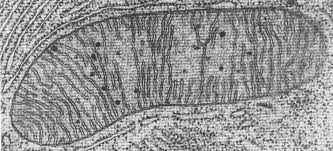
Mitochondria
Abov image : electron microscope image of normal mitochondria courtesy of NIH.

Methyl Jasmonate

Methyl Jasmonate has been studied and found to disassociate Hexokinase II from the outer mitochondria membrane (at the VDAC) thus inducing apoptosis in cancer cells.  Methyl jasmonate is ubiquitous in the plant world and found in the jasmine flower.  It is used extensively by the fragrance industry for perfumes, and is available as one of many Jasmine teas.(8,9,10)

Oroxylin A – Chinese Skullcap

Oroxylin A is found in Chinese skullcap a medicinal plant, Scutellaria baicalensis Georgi.  Researchers found Oroxylin A inhibits glycolysis and the binding of hexokinase II (HK II) with mitochondria in human breast carcinoma cell lines, thus inducing apoptosis (11,12)

Curcumin

Curcumin was studied by Dr Wang in an animal model of colorectal cancer showing Curcumin inhibits aerobic glycolysis and induces mitochondrial-mediated apoptosis through hexokinase II in human colorectal cancer cells in vitro.(13)(31)  Curcumin is available at the health food store.

Betulinic Acid

Betulinic acid naturally occurs in the bark of white birch trees and triggers mitochondrial apoptosis in cancer cells while sparing normal cells (14)  Dr, Simone Fulda from Ulm Germany has written a number of important papers on targeting mitochondria in cancer cells with various drugs and natural compounds.(14,15)

Berberine – Oregon Grape

Oregon_Grape_Berberine_Jeffrey_Dach_MD
 Image Above Oregon Grape courtesy of wikimedia commons.(31,32)
Berberine derived from the Oregon Grape plant is widely available as a botanical supplement at the health food store for blood sugar control.  Berberine also shows striking anti-cancer activity, inducing apoptosis via mitochondrial pathways in numerous studies.  See this 2014 review in Molecules,  Berberine as an "Epiphany Against Cancer".(32)

Artemesinin (Chinese Wormwood)

An anti-malarial Chinese herb, artemesia, has been found to have profound anti-cancer activity against multiple cancer cell lines. Studies show induction of apoptosis through mitochondrial pathways. Approximately 400 studies have been published in the scientific literature in recent years.
Click on this LINK for the list of publications. Click on this LINK for an excellent review.

Vitamin K

Vitamin K has been available for many years with heath benefits in blood coagulation, bone density, and prevention of soft tissue calcification.  See my previous article on Vitamin K.  Another surprising benefit of Vitamin K is cancer prevention.  A number of cell culture and animal xenograft studies shows that vitamin K2 induces apoptosis, programmed cell death, in cancer cells.(18-26)  There were a number of different cancers studied including Glioblastoma, Hepatocellular Cancer, Lung Cancer, Prostate Cancer, etc.(18-26)  Based on these reports, one might suggest adding Vitamin K  to a supplement program for anyone seeking to prevent cancer, or cancer recurrence after treatment.
Articles with related interest:

Addendum:

Selectively Killing Cancer Cells Leaving Normal Cells Unharmed – Apoptosis Through Mitochondrial Pathways
Mebendazole – Re purposing Old Drugs as Anti-Cancer Agents:
Researchers screened 2000 drugs currently approved for human use for anti-cancer activity against virulent melanoma cancer cell lines. They discovered mebenzadole as the most promising agent.  
"Mebendazole treatment induces apoptosis through the intrinsic and extrinsic (mitochondrial) pathways in melanoma cells but not in melanocytes ... After treatment with 0.5 μmol/L mebendazole for 14 h, we observed overall microtubular network disarray in melan-a, M-14, and SK-Mel-19 cells, characterized by diffuse staining."(33-37)

Links and References:

1) https://www.ncbi.nlm.nih.gov/pubmed/24343361
Carcinogenesis. 2014 Mar;35(3):515-27.
Cancer as a metabolic disease: implications for novel therapeutics.
Seyfried TN1, Flores RE, Poff AM, D'Agostino DP.
1Biology Department, Boston College, Chestnut Hill, MA 02467, USA and.
Emerging evidence indicates that cancer is primarily a metabolic disease involving disturbances in energy production through respiration and fermentation. The genomic instability observed in tumor cells and all other recognized hallmarks of cancer are considered downstream epiphenomena of the initial disturbance of cellular energy metabolism. The disturbances in tumor cell energy metabolism can be linked toabnormalities in the structure and function of the mitochondria.
Cancer growth and progression can be managed following a whole body transition from fermentable metabolites, primarily glucose and glutamine, to respiratory metabolites, primarily ketone bodies.
2) https://www.ncbi.nlm.nih.gov/pubmed/19703662
Int J Biochem Cell Biol. 2009 Oct;41(10):2062-8.
Electron microscopy morphology of the mitochondrial network in human cancer.
Arismendi-Morillo G.
Mitochondria have been implicated in the process of carcinogenesis, which includes alterations of cellular metabolism and cell death pathways. The aim of this review is to describe and analyze the electron microscopy morphology of the mitochondrial network in human cancer. The structural mitochondrial alterations in human tumors are heterogeneous and not specific for any neoplasm. These findings could be representing an altered structural and functional mitochondrial network. The mitochondria in cancer cells, independently of histogenesis, predominantly are seen with lucent-swelling matrix associated with disarrangement and distortion of cristae and partial or total cristolysis and with condensed configuration in minor scale. Mitochondrial changes are associated with mitochondrial-DNA mutations, tumoral microenvironment conditions and mitochondrial fusion-fission disequilibrium.
Functionally, the structural alterations suppose the presence of hypoxia-tolerant and hypoxia-sensitive cancer cells. Possibly, hypoxia-tolerant cells are related with mitochondrial condensed appearance and are competent to produce adequate amount of ATP by mitochondrial respiration. Hypoxia-sensitive cells are linked with lucent-swelling and cristolysis mitochondria profile and have an inefficient or null oxidative phosphorylation, which consequently use the glycolytic pathway to generate energy.Additionally, mitochondrial fragmentation is associated with apoptosis; however,alterations in the mitochondrial network are linked with the reduction in sensitivity to apoptosis induces and/or pro-apoptotic conditions. Pharmacological approaches designed to act on both glycolysis and oxidative phosphorylation can be considered as a new approach to selectively kill cancer cells.
3) https://www.ncbi.nlm.nih.gov/pmc/articles/PMC3311998/
Cancer Cell. Mar 20, 2012; 21(3): 297–308.
Metabolic Reprogramming: A Cancer Hallmark Even Warburg Did Not Anticipate
Patrick S. Ward1,2 and Craig B. Thompson1,*
4) Tumor_Cell_Metabolism_Cancers_Achilles_Heel_Kroemer_2008 
Cancer Cell  Volume 13, Issue 6, 10 June 2008, Pages 472–482
Tumor Cell Metabolism: Cancer's Achilles' Heel by  Guido Kroemer
Jacques Pouyssegur
Ko and Pederson
5) https://www.ncbi.nlm.nih.gov/pmc/articles/PMC2714668/
Semin Cancer Biol. Feb 2009; 19(1): 17–24.
Hexokinase-2 bound to mitochondria: Cancer's stygian link to the "Warburg effect" and a pivotal target for effective therapy[star]
Saroj P. Mathupala, Young H. Ko, and Peter L. Pedersen
6) https://www.ncbi.nlm.nih.gov/pmc/articles/PMC2890051/
Biochim Biophys Acta. 2010 Jun–Jul; 1797(6-7): 1225–1230.
The Pivotal Roles of Mitochondria in Cancer: Warburg and Beyond and Encouraging Prospects for Effective Therapies
Saroj P. Mathupala,1 Young H. Ko,3 and Peter L. Pedersen*,2
7) https://www.thefreelibrary.com/War+on+cancer%3A+3BP+and+the+metabolic+approach+to+cancer%3A+a+visit+with...-a0332893717
Townsend Letter › June 1, 2013
War on cancer: 3BP and the metabolic approach to cancer: a visit with Peter Pedersen and Young Hee Ko
Methyl Jasmonate
8) https://www.ncbi.nlm.nih.gov/pmc/articles/PMC3933403/
Int J Cell Biol. 2014; 2014: 572097.
Methyl Jasmonate: Putative Mechanisms of Action on Cancer Cells Cycle, Metabolism, and Apoptosis
Italo Mario Cesari,* Erika Carvalho, Mariana Figueiredo Rodrigues, Bruna dos Santos Mendonça, Nivea Dias Amôedo, and Franklin David Rumjanek
Laboratório de Bioquímica e Biologia Molecular do Câncer, Instituto de Bioquímica Médica, Universidade Federal do Rio de Janeiro, Avenida Carlos Chagas Filho 373, Prédio CCS, Bloco E, Sala 22, Ilha do Fundão, Cidade Universitária, 21941-902 Rio de Janeiro, RJ, Brazil
Br J Pharmacol. 2014 Feb;171(3):618-35. doi: 10.1111/bph.12501.
Methyl jasmonate sensitizes human bladder cancer cells to gambogic acid-induced apoptosis through down-regulation of EZH2 expression by miR-101.  Wang Y1, Xiang W, Wang M, Huang T, Xiao X, Wang L, Tao D, Dong L, Zeng F, Jiang G.
Gambogic acid (GA) and methyl jasmonate (MJ) are increasingly being recognized as novel natural anticancer compounds. Here, we investigated the antitumour effects of GA in combination with MJ on human bladder cancer cells.
EXPERIMENTAL APPROACH:Cell viability was detected by cell counting kit-8 assay. Cell apoptosis was assessed by Hoechst 33258 staining and flow cytometry. Protein levels were determined by immunoblotting and expressions of mRNA and miRNAs by RT-PCR. Differential expressions of a group of downstream genes were identified using microarray analysis.
KEY RESULTS:MJ significantly sensitized bladder cancer cells to GA-induced growth inhibition and apoptosis while sparing normal fibroblasts. MJ enhanced GA-induced activation of caspase-3 and caspase-9, and down-regulated the expression of XIAP. Furthermore, treatment of bladder cancer cells with a combination of GA and MJ induced synergistic inhibition of the enhancer of zeste homologue 2 (EZH2) expression, whereas miR-101 expression was up-regulated. Conversely, knockdown of miR-101 restored this decreased expression of EZH2 and suppressed the inhibitory effect of GA and MJ on the growth of bladder cancer cells. Microarray analysis showed that genes closely associated with bladder cancer development were significantly down-regulated by GA and MJ. In a s.c. xenograft mouse model of human bladder carcinoma, the combination of GA and MJ exerted an increased antitumour effect compared with GA alone.
CONCLUSION AND IMPLICATIONS:MJ sensitizes bladder cancer cells to GA-inducedapoptosis by down-regulating the expression of EZH2 induced by miR-101. Thus, the combination of selective anti-cancer agents MJ and GA could provide a novel strategy for treating human bladder cancer.
10) https://www.phytotechlab.com/detail.aspx?ID=1176
METHYL JASMONATE Product ID: J389 Storage Temperature: 2 to 6°C
CAS Number: 39924-52-2
Description:  >95% Purity
Methyl Jasmonate (MeJA) is a key signaling hormone associated with necrotropic/herbivore stress which affects plant defense responses as well as growth and development
MeJA, 2-Pentenylcyclopentanone-3-acetic acid, Methyl 3-oxo-2-(pent-2-enyl)cyclopentaneacetate
Form: Liquid
Formula: C13H20O3
FW: 224.3
Solubility: Miscible with EtOH
Plant Tissue Culture Tested
Tariff Code: 2918.30.9000
BEFORE ORDERING PLEASE NOTE:
THIS PRODUCT, LIKE ALL PRODUCTS FROM PHYTOTECH LABS, IS FOR RESEARCH USE ONLY. WE CANNOT SELL TO CUSTOMERS WHO INTEND TO USE METHYL JASMONATE FOR HUMAN USE.
This product cannot be shipped to residential addresses; only shipments to bona fide research institutions and companies will be accepted.

Oroxylin A
11) https://www.nature.com/cddis/journal/v4/n4/full/cddis2013131a.html
Cell Death and Disease (2013) 4, e601
Oroxylin A induces dissociation of hexokinase II from the mitochondria and inhibits glycolysis by SIRT3-mediated deacetylation of cyclophilin D in breast carcinoma by L Wei1,2, Y Zhou1,2, Q Dai1, C Qiao1, L Zhao1, H Hui1, N Lu1 and Q-L Guo1
1State Key Laboratory of Natural Medicines, Jiangsu Key Laboratory of Carcinogenesis and Intervention, Department of Physiology, China Pharmaceutical University, Nanjing, The People's Republic of China
Correspondence: Q-L Guo or N Lu, State Key Laboratory of Natural Medicines, Jiangsu Key Laboratory of Carcinogenesis and Intervention, Department of Physiology, China Pharmaceutical University, 24 Tongjiaxiang, Nanjing 210009, The People's Republic of China.
Oroxylin A is a major active component of the Chinese traditional medicinal plant Scutellaria baicalensis Georgi, which has been reported as a potential anticancer drug. We demonstrated that, Oroxylin A inhibited the glycolysis and the binding of hexokinase II (HK II) with mitochondria in human breast carcinoma cell lines, which was dependent on sirtuin-3 (SIRT3). The level of SIRT3 in mitochondria was increased by Oroxylin A. Then SIRT3 deacetylated cyclophilin D, diminished its peptidyl-prolyl cis-trans isomerase activity and induced its dissociation from the adenine nucleotide translocator. Finally, SIRT3-induced inactivation of cyclophilin D resulted in the detachment of mitochondrial HK II and the inhibition of glycolysis. These results have important implications for the metabolism reprogramming effect and the susceptibility to Oroxylin A-induced mitochondrial cytotoxicity through the regulation of SIRT3 in breast carcinoma.
Qiao, Chen, et al. "UCP2‐related mitochondrial pathway participates in oroxylin A‐induced apoptosis in human colon cancer cells." Journal of cellular physiology (2014).
Oroxylin A is a flavonoid extracted from the root of Scutellaria baicalensis Georgi. Our previous research demonstrated that oroxylin A have various anti-tumor effects including apoptosis, cell cycle arrest, drug-resistant reversion and others. This paper explores the mechanism how oroxylin A induce apoptosis by regulating uncoupling protein 2 (UCP2) in human colon cancer cells.
We found that the inhibition of UCP2 by UCP2 siRNA significantly increased the sensitivity of cells to drugs, reactive oxygen species (ROS) generation and the opening of mitochondrial permeability transition pore (MPTP) of CaCo-2 cells. We also found that UCP2 inhibition could lead to ROS-mediated MPTP activation. Furthermore, we demonstrated that oroxylin A triggered MPTP-dependent pro-apoptotic protein release from mitochondria to matrix and then induced apoptotic cascade by inhibiting UCP2. Intriguingly, the inhibition of UCP2 by oroxylin A was able to block Bcl-2 translocation to the mitochondria, keeping MPTP at open-state. In conclusion, we have demonstrate that UCP2 play a key role in mitochondrial apoptotic pathway; UCP2's inhibition by oroxylin A triggers the MPTP opening, and promotes the apoptosis in CaCo-2 cells.
Curcumin
13) https://www.ncbi.nlm.nih.gov/pubmed/25229889
Anticancer Drugs. 2014 Sep 16. [Epub ahead of print]
Curcumin inhibits aerobic glycolysis and induces mitochondrial-mediated apoptosis through hexokinase II in human colorectal cancer cells in vitro.
Wang K1, Fan H, Chen Q, Ma G, Zhu M, Zhang X, Zhang Y, Yu J.
1aJiangsu Institute of Cancer Research bJiangsu Research Institute of Geriatrics, Nanjing, China.
Curcumin, the major pigment of the dietary spice turmeric, has the potential for chemoprevention by promotion of apoptosis. Here, we investigated the molecular mechanisms of curcumin in glycolytic inhibition and apoptotic induction in human colorectal cancer HCT116 and HT29 cells. On the one hand, curcumin downregulated the expression and activity of hexokinase II (HKII) in HCT116 and HT29 cells in a concentration-dependent manner, but had little effect on the other key glycolytic enzymes (PFK, PGM, and LDH).
On the other, curcumin induced dissociation of HKII from the mitochondria, resulting in mitochondrial-mediated apoptosis. Furthermore, the phosphorylation of mitochondrial HKII through AKT was responsible for the curcumin-induced dissociation of HKII, which was different from the mechanism of HKII inhibitor 3-BrPA. These results have important implications for the metabolism reprogramming effect and the susceptibility to curcumin-induced mitochondrial cytotoxicity through the regulation of HKII, and provide a molecular basis for the development of naturally compounds as novel anticancer agents for colorectal carcinoma.
14) https://www.ncbi.nlm.nih.gov/pubmed/20486070
Planta Med. 2010 Aug;76(11):1075-9.
Modulation of apoptosis by natural products for cancer therapy.
Fulda S1. Children's Hospital, Ulm University, Ulm, Germany.
Fulda, Simone, Lorenzo Galluzzi, and Guido Kroemer. "Targeting mitochondria for cancer therapy." Nature reviews Drug discovery 9.6 (2010): 447-464.
Mitochondria are the cells' powerhouse, but also their suicidal weapon store.
Dozens of lethal signal transduction pathways converge on mitochondria to cause the permeabilization of the mitochondrial outer membrane, leading to the cytosolic release of pro-apoptotic proteins and to the impairment of the bioenergetic functions of mitochondria.
The mitochondrial metabolism of cancer cells is deregulated owing to the use of  glycolytic  intermediates, which are normally destined for oxidative phosphorylation, in anabolic reactions. Activation of the cell death machinery in cancer cells by inhibiting tumour-specific alterations of the mitochondrial metabolism or by stimulating mitochondrial membrane permeabilization could therefore be promising therapeutic approaches.
16) Mitochondrial_inhibitors_cancer_therapy_Pharmaceutical_Ramsay_2011 Ramsay, Emma E., Philip J. Hogg, and Pierre J. Dilda. "Mitochondrial metabolism inhibitors for cancer therapy." Pharmaceutical research 28.11 (2011): 2731-2744.
17) Mitochondrial_permeability_target_anticancer_Dalla_2014  Dalla Via, Lisa, et al. "Mitochondrial permeability transition as target of anticancer drugs." Current pharmaceutical design 20.2 (2014): 223-244.

Cancer. 2006 Feb 15;106(4):867-72.
The effect of menatetrenone, a vitamin K2 analog, on disease recurrence and survival in patients with hepatocellular carcinoma after curative treatment: a pilot study. Mizuta T1, Ozaki I, Eguchi Y, Yasutake T, Kawazoe S, Fujimoto K, Yamamoto K. 1Department of Internal Medicine, Saga Medical School, Japan.
19) https://www.ncbi.nlm.nih.gov/pubmed/23505456
PLoS One. 2013;8(3)  Postoperative use of the chemopreventive vitamin K2 analog in patients with hepatocellular carcinoma. Zhong JH1, Mo XS, Xiang BD, Yuan WP, Jiang JF, Xie GS, Li LQ. 1Hepatobiliary Surgery Department, Tumor Hospital of Guangxi Medical University, Nanning, People's Republic of China.
20) https://www.ncbi.nlm.nih.gov/pubmed/16010434
Int J Oncol. 2005 Aug;27(2):505-11.
Vitamins K2, K3 and K5 exert in vivo antitumor effects on hepatocellular carcinoma by regulating the expression of G1 phase-related cell cycle molecules.
Kuriyama S1, Hitomi M, Yoshiji H, Nonomura T, Tsujimoto T, Mitoro A, Akahane
21) https://www.ncbi.nlm.nih.gov/pubmed/15508263
Acta Neurol Belg. 2004 Sep;104(3):106-10.
Comparison of vitamins K1, K2 and K3 effects on growth of rat glioma and human glioblastoma multiforme cells in vitro. Oztopçu P1, Kabadere S, Mercangoz A, Uyar R. 1Osmangazi University Art and Sciences Faculty Department of Biology, Eskişehir, Türkiye.
22) https://www.ncbi.nlm.nih.gov/pubmed/19424596
Int J Mol Med. 2009 Jun;23(6):709-16.
Growth inhibitory effects of vitamin K2 on colon cancer cell lines via different types of cell death including autophagy and apoptosis.  Kawakita H1, Tsuchida A, Miyazawa K, Naito M, Shigoka M, Kyo B, Enomoto M, Wada T, Katsumata K, Ohyashiki K, Itoh M, Tomoda A, Aoki T.  1Third Department of Surgery, Tokyo Medical University, Tokyo, Japan.
23) https://www.ncbi.nlm.nih.gov/pubmed/12888897
Int J Oncol. 2003 Sep;23(3):627-32.
Apoptosis induction of vitamin K2 in lung carcinoma cell lines: the possibility of vitamin K2 therapy for lung cancer.  Yoshida T1, Miyazawa K, Kasuga I, Yokoyama T, Minemura K, Ustumi K, Aoshima M, Ohyashiki K.      1First Department of Internal Medicine, Tokyo Medical University, 6-7-1 Nishishinjuku, Shinjuku-ku, Tokyo 160-0023, Japan.
24) https://www.ncbi.nlm.nih.gov/pubmed/19929921
J Gastroenterol Hepatol. 2010 Apr;25(4):738-44. doi: 10.1111/j.1440-1746.2009.06085.x. Epub 2009 Nov 19. Naturally occurring K vitamins inhibit pancreatic cancer cell survival through a caspase-dependent pathway. Showalter SL1, Wang Z, Costantino CL, Witkiewicz AK, Yeo CJ, Brody JR, Carr BI.     1Department of Surgery, Jefferson Center for Pancreatic, Biliary and Related Cancers, Thomas Jefferson University, Philadelphia, Pennsylvania, USA.
25) https://www.ncbi.nlm.nih.gov/pubmed/17611688
Int J Oncol. 2007 Aug;31(2):323-31.
Vitamins K2, K3 and K5 exert antitumor effects on established colorectal cancer in mice by inducing apoptotic death of tumor cells.  Ogawa M1, Nakai S, Deguchi A, Nonomura T, Masaki T, Uchida N, Yoshiji H, Kuriyama S.
26) https://www.ncbi.nlm.nih.gov/pubmed/23875252
Pharmazie. 2013 Jun;68(6):442-8.
Vitamin K4 induces tumor cytotoxicity in human prostate carcinoma PC-3 cells via the mitochondria-related apoptotic pathway.
Jiang Y1, Yang J, Yang C, Meng F, Zhou Y, Yu B, Khan M, Yang H.
1School of Life Sciences, Liaoning Provincial Key Laboratory of Biotechnology and Drug Discovery, Liaoning Normal University, Dalian, PR China.
Xian, Shu-Lin, et al. "." Asian Pacific journal of cancer prevention: APJCP 15.7 (2014): 3175.

28) Chen, Zhao, et al. "Role of mitochondria-associated hexokinase II in cancer cell death induced by 3-bromopyruvate." Biochimica et Biophysica Acta (BBA)-Bioenergetics 1787.5 (2009): 553-560.

United States Patent 6469061
Inventors: Flescher, Eliezer (Hod Hasharon, IL), Fingrut, Orit (Kfar-Sava, IL)
Application Number: 09/825347
Publication Date: 10/22/2002
Filing Date: 04/04/2001

30) Methyl Jasmonate: A New Treatment for B-CLL?.
Alain Berrebi, MD1, Lucette Bassous1,*, Rinat Borenshtain, PhD2,* and Eliezer Flescher, PhD3,*  1 Hematology, Kaplan Medical Center, Rehovot, Israel; 2 Sepal Pharma, Nes Ziona, Israel and 3 Immunology, Tel Aviv University, Tel Aviv, Israel.

CEO Dr. Frederic Revah, PhD
Sepal Pharma, Nes Ziona
Registered Office P.O.Box: 333
Ness Ziona, 74103  Israel
Tel. 08-9302088
Web Site https://www.sepalpharma.com

Aggarwal, Bharat, et al. "Prevention and treatment of colorectal cancer by natural agents from Mother Nature." Current colorectal cancer reports 9.1 (2013): 37-56.

Guamán Ortiz, Luis Miguel, et al. "Berberine, an Epiphany Against Cancer." Molecules19.8 (2014): 12349-12367.

Anti-Parasitic Drug Vermox  (mebendazole)

Nygren, Peter, and Rolf Larsson. "Drug repositioning from bench to bedside: Tumour remission by the antihelmintic drug mebendazole in refractory metastatic colon cancer." Acta Oncologica 53.3 (2014): 427-428.

34) https://www.ncbi.nlm.nih.gov/pmc/articles/PMC4096024/
Pantziarka, Pan et al. "Repurposing Drugs in Oncology (ReDO)—mebendazole as an Anti-Cancer Agent." ecancermedicalscience 8 (2014): 443. PMC. Web. 13 Jan. 2015.

Doudican, Nicole, et al. "Mebendazole induces apoptosis via Bcl-2 inactivation in chemoresistant melanoma cells." Molecular Cancer Research 6.8 (2008): 1308-1315.

36)  https://neuro-oncology.oxfordjournals.org/content/early/2011/07/14/neuonc.nor077.full  Bai, Ren-Yuan, et al. "Antiparasitic mebendazole shows survival benefit in 2 preclinical models of glioblastoma multiforme." Neuro-oncology (2011): nor077.

37) Mebendazole metastatic adrenocortical carcinoma Dobrosotskaya Endocrine practice 2011 Dobrosotskaya, I. Y., et al. "Mebendazole monotherapy and long-term disease control in metastatic adrenocortical carcinoma." Endocrine practice: official journal of the American College of Endocrinology and the American Association of Clinical Endocrinologists 17.3 (2011): e59.
Disclaimer: This article is not intended to provide medical advice, diagnosis or treatment. Views expressed here do not necessarily reflect those of GreenMedInfo or its staff.


Key Research Topics

https://www.greenmedinfo.health/blog/cancer-curable-metabolic-disease