Pages

Showing posts with label Ginseng. Show all posts

Tuesday, 5 November 2019

6 Bodily Tissues That can be Regenerated Through Nutrition

... the default state of the body is one of ceaseless regeneration.

6 Bodily Tissues That Can Be Regenerated Through Nutrition

It may come as a surprise to some, especially those with conventional medical training, but the default state of the body is one of ceaseless regeneration. Without the flame-like process of continual cell turnover within the body - life and death ceaselessly intertwined - the miracle of the human body would not exist
In times of illness, however, regenerative processes are overcome by degenerative ones. This is where medicine may perform its most noble feat, nudging the body back into balance with foods, herbs, nutrients, healing energies, i.e. healing intention. Today, however, drug-based medicine invariably uses chemicals that have not one iota of regenerative potential; to the contrary, they almost always interfere with bodily self-renewal in order to suppress the symptoms against which they are applied.
Despite the outright heretical nature of things which stimulate healing and regeneration vis-à-vis the conventional medical system which frowns upon, or is incredulous towards, spontaneous remission in favor of symptom suppression and disease management, over the course of the past few years of trolling MEDLINE we have collected a series of remarkable studies on the topic...

nerve cell regeneration

Nerve Regeneration - There are actually a broad range of natural compounds with proven nerve-regenerative effects. 
A 2010 study published in the journal Rejuvenation Research, for instance, found a combination of blueberry, green tea and carnosine have neuritogenic (i.e. promoting neuronal regeneration) and stem-cell regenerative effects in an animal model of neurodegenerative disease.[1] 
Other researched neuritogenic substances include:
Curcumin
Lion's Mane Mushroom
Apigenin (compound in vegetables like celery)
Blueberry
Ginseng
Huperzine
Natto
Red Sage
Resveratrol
Royal Jelly
Theanine
Ashwaganda
Coffee (trigonelline)

There is another class of nerve-healing substances, known as remyelinating compounds, which stimulate the repair of the protective sheath around the axon of the neurons known as myelin, and which is often damaged in neurological injury and/or dysfunction, especially autoimmune and vaccine-induced demyelination disorders. It should also be noted that even music and falling in love have been studied for possibly stimulating neurogenesis, regeneration and/or repair of neurons, indicating that regenerative medicine does not necessary require the ingestion of anything; rather, a wide range of therapeutic actions may be employed to improve health and well-being, as well.

[View the first-hand biomedical citations on these neuritogenic substance visit our Neuritogenic Research page on the topic]

Liver Regeneration - Glycyrrhizin, a compound found within licorice, and which we recently featured as a powerful anti-SARS virus agent, has also been found to stimulate the regeneration of liver mass and function in the animal model of hepatectomy. 
Other liver regenerative substances include: 
Carvacrol (a volatile compound in oregano)
Curcumin
Korean Ginseng
Rooibos
Vitamin E

[view the first-hand biomedical citations on the Liver Regeneration research page]

Beta-Cell Regeneration - Unfortunately, the medical community has yet to harness the diabetes-reversing potential of natural compounds. Whereas expensive stem cell therapies, islet cell transplants, and an array of synthetic drugs in the developmental pipeline are the focus of billions of dollars of research, annually, our kitchen cupboards and backyards may already contain the long sought-after cure for type 1 diabetes. 
The following compounds have been demonstrated experimentally to regenerate the insulin-producing beta cells, which are destroyed in insulin dependent diabetes, and which once restored, may (at least in theory) restore the health of the patient to the point where they no longer require insulin replacement. 
Gymenna Sylvestre ("the sugar destroyer")
Nigella Sativa ("black cumin")
Vitamin D
Curcumin (from the spice Turmeric)
Arginine
Avocado
Berberine (found in bitter herbs such as Goldenseal and Barberry)
Bitter Melon
Chard (yes, the green leafy vegetables)
Corn Silk
Stevia
Sulforaphane (especially concentrated in broccoli sprouts)

[view the first-hand biomedical citations on the Beta Cell Regeneration research page]

Hormone Regeneration - there are secretagogues, which increase the endocrine glands' ability to secrete more hormone, and there are substances that truly regenerate hormones which have degraded (by emitting electrons) into potentially carcinogenic "transient hormone" metabolites. 
One of these substances is vitamin C. A powerful electron donor, this vitamin has the ability to contribute electrons to resurrect the form and function of estradiol (estrogen; E2), progesterone, testosterone, for instance. [2] In tandem with foods that are able to support the function of glands, such as the ovaries, vitamin C may represent an excellent complement or alternative to hormone replacement therapy.

Cardiac Cell Regeneration - Not too long ago, it was believed that cardiac tissue was uniquely incapable of being regenerated. 
A new, but rapidly growing body of experimental research now indicates that this is simply not true, and there is a class of heart-tissue regenerating compounds known as neocardiogenic substances. Neocardiogenic substances are able to stimulate the formation of cardiac progenitor cells which can differentiate into healthy heart tissue, and they include the following:

Resveratrol
Siberian Ginseng (Eleuthero)
Red Wine Extract
Geum Japonicum
N-acetyl-cysteine

Another remarkable example of cardiac cell regeneration is through what is known as fetomaternal trafficking of stem cells through the placenta. In a recent article we discussed the amazing process known as "fetal microchimerism" by which the fetus contributes stem cells to the mother which are capable of regenerating her damaged heart cells, and possibly a wide range of other cell types.

Cartilage/Joint/Spine Regeneration - Curcumin and resveratrol have been shown to improve recovery from spinal cord injury. Over a dozen other natural compounds hold promise in this area, which can be viewed on our Spinal Cord Injury page. As far as degenerative joint disease, i.e. osteoarthritis, there are a broad range of potentially regenerative substances, with 50 listed on our osteoarthritis research page.

Ultimately, regenerative medicine threatens to undermine the very economic infrastructure that props up the modern, drug-based and quite candidly degenerative medical system. Symptom suppression is profitable because it guarantees both the perpetuation of the original underlying disease, and the generation of an ever-expanding array of additional, treatment-induced symptoms.

This is the non-sustainable, infinite growth model which shares features characteristic of the process of cancer itself - a model, which by its very nature, is doomed to fail and eventually collapse. Cultivating diets, lifestyles and attitudes conducive to bodily regeneration can interrupt this pathological circuit, and help us to attain the bodily freedom that is a precondition for the liberation of the human soul and spirit, as well.

Additional related articles: 

Additional References
[1] NT-020, a natural therapeutic approach to optimize spatial memory performance and increase neural progenitor cell proliferation and decrease inflammation in the aged rat. Rejuvenation Res. 2010 Jun 29. Epub 2010 Jun 29. PMID: 20586644
[2] Photo-induced regeneration of hormones by electron transfer processes: Potential biological and medical consequences. Radiat Phys Chem Oxf Engl 1993. Updated 2011 Aug ;80(8):890-894. PMID: 21814301
Article originally published 2012
Article updated: 10-01-29
Disclaimer: This article is not intended to provide medical advice, diagnosis or treatment. Views expressed here do not necessarily reflect those of GreenMedInfo or its staff.

Key Research Topics

https://www.greenmedinfo.health/blog/6-bodily-tissues-can-be-regenerated-through-nutrition

Saturday, 27 May 2017

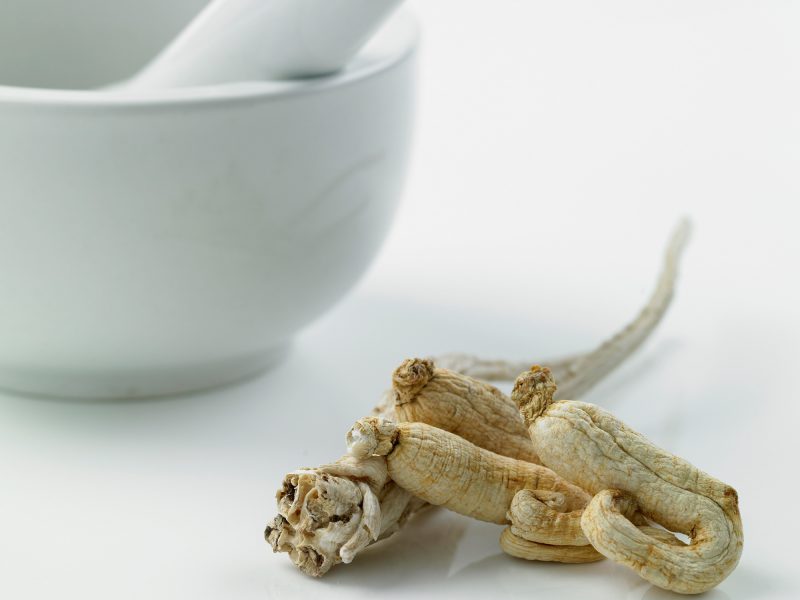
4 incredible benefits of ginseng

Ever since giving birth to our second child, I have used ginseng to help with my fatigue. As any new parent or grandparent knows, having a newborn in the house can prevent anyone from getting a good night’s sleep.
GinsengAnd, it’s been such a lifesaver for me that I’ve never stopped using it.
In fact, just a single cup of ginseng tea in the morning is better than coffee for giving me the energy I need to make it through my day.
However, I recently discovered four other amazing benefits this super herb has to offer.
Before I get to the benefits of this herbal powerhouse, please note that the ginseng I’m writing about is American ginseng and Korean red ginseng. Siberian ginseng is also marketed as a supplement, but its benefits haven’t been studied, as it’s not a true variety.
Now, let’s look at what ginseng can offer…

Ginseng benefit #1 – Improved cognition

Besides the extra energy benefit, ginseng has been shown to improve cognitive function, including enhanced focus and clarity.
Research involving 58 Alzheimer’s patients demonstrated increased cognition after only 12 weeks, as seen by improved ADAS scores. Those scores declined quickly after removing ginseng from the patients, suggesting a direct link to the effectiveness of the herb.
So, kick the caffeine to the curb and try ginseng to keep you on top of your game.

Ginseng benefit #2 – Cancer prevention

Ginseng may also possess broad-based anticancer properties according to a study in Asia. These include protection against cancers of the:
  • Lung
  • Stomach
  • Pancreas
  • Ovary
  • Colorectal
  • Lip
  • Larynx
  • Oral cavity
  • Liver
These long-term studies indicate real potential for ginseng as a useful preventative against several forms of cancer.
So, if you want to amp up your cancer-fighting power, it’s time to give ginseng a try.

Ginseng benefit #3 – Anti-viral

Then there is the possible prevention of Influenza A and RSV (respiratory syncytial virus) with the use of ginseng. One study reported that red ginseng extract improved the survival rate of lung cells infected with the influenza virus.
Dosage recommendations range from 100mg to 400mg daily, and up to 2,000mg for 3 months during the flu season.
If you want to forego the side effects of Tamiflu, including headaches, nose bleed, confusion, insomnia and even mood changes, consider using ginseng instead.

Ginseng benefit #4 – Anti-inflammatory

If you suffer from arthritis or another inflammatory condition, ginseng could give you the relief you’ve been waiting for.
Researchers have found that seven constituents in ginseng actually inhibit the expression of the “inflammatory gene”, demonstrating why this root has been used for centuries in traditional Chinese medicine for its anti-inflammatory effects.
And as a bonus, ginseng doesn’t come with a laundry list of side effects like those prescription arthritis medications or potentially dangerous short-term steroids.

Tips on using ginseng

You can find ginseng tea and supplements at your natural health food store or online. Just remember to choose either American ginseng or Korean red ginseng.
And, whether you drink a hot cup of ginseng tea, like I do, or take it in supplement form, make sure to take a 1-week break from it after every 3-4 weeks, as it can lose its effectiveness with continual use.
Now, a word of caution – Don’t take ginseng if you’re already taking an MAOI, blood pressure or heart medications, or any blood clotting medications like aspirin or warfarin. If you are on any of these medicines or others you take regularly, it wouldn’t hurt to ask your doctor if he thinks energy-boosting ginseng might interfere with them.
Sources:
  1. Panax ginseng enhances cognitive performance in Alzheimer disease — Alzheimer Disease and Associated Disorders
  2. Experimental and epidemiological evidence on non-organ specific cancer preventive effect of Korean ginseng and identification of active compounds — Mutation Research
  3. Immunomodulatory Activity of Red Ginseng against Influenza A Virus Infection — Nutrients
  4. Ginseng: Nature’s Anti-inflammatory? — Journal of Translational Medicine

https://easyhealthoptions.com/4-incredible-benefits-ginseng/

Thursday, 12 January 2017

'Bogus' Herbal Supplements Fail Ingredient Test: Investigation

An investigation by the New York State Attorney General’s Office alleges that some store-brand herbal supplements sold in New York by Walmart, Walgreens, Target and GNC are "bogus" – in that they "could not be verified to contain the labeled substance, or ... were found to contain ingredients not listed on the labels." Some the ingredients that were detected include mustard and powdered rice.


  •  
Feb 3, 2015, 2:29 PM ET


New York State Attorney General Eric Schneiderman sent cease-and-desist letters, dated Monday, to the four retailers demanding they pull the supplements from their shelves and provide additional information about the products tested. Nearly 80 percent of the state’s test results found that the store-brand supplements tested did not contain what is listed on the label, according to a press release from Schneiderman's office.
“In a good number of cases, there was no organic material in the product,” said Marty Mack, Executive Deputy Attorney General for New York. “In some cases, it was sand.”
According to the findings, the store brands of Gingko Biloba and St. John’s Wort at all four stores did not test positive for either herb. Walmart, Walgreens and GNC’s versions of Ginseng and Echinacea also failed their ingredient tests.
Americans spend billions of dollars each year on herbal supplements, with the products extolling health and wellness benefits.
The four companies named in the investigation have released statements to ABC News regarding the situation. A Walgreen Co. spokesman released a statement to ABC News stating the company’s cooperation with the investigation.
“We take these issues very seriously and as a precautionary measure, we are in the process of removing these products from our shelves as we review this matter further,” the statement reads. “We intend to cooperate and work with the Attorney General.”
Target said it is looking into the issue.
“Without the full report, we can't comment other than to reiterate that Target is committed to providing high quality and safe products to our guests,” the statement reads.
While GNC is focused on cooperating with Schneiderman’s office, the company is also standing behind its products.
“GNC tests all of its products using validated and widely used testing methods, including those approved by governing bodies like the United States Pharmacopeia and the British Pharmacopeia,” a statement from GNC reads. “The methodology that we understand has been employed by the University of Guelph in testing our products has not been approved by the United States Pharmacopeia and may not be appropriate for the testing of these herbal products.”
In response, the attorney general's office reiterated it was "confident" in the testing methodology. "The industry has repeatedly attacked those who have conducted testing of these products in an attempt to verify their contents," a statement in response to GNC reads. "The University of Guelph has said that they are confident in their testing procedures and we are confident in our testing procedures. The burden is on the industry to prove that what on the labels is in the bottles."

Walmart initially told ABC News it would be “reaching out to the suppliers of these products to learn more.”
“At Walmart, we want our customers to have complete trust in the products they buy from our stores. It is our expectation that all suppliers conduct their business and produce products that are in full compliance with the law. Based on this notice, we are immediately reaching out to the suppliers of these products to learn more information and will take appropriate action.”
In an updated statement, the company said their suppliers did not report “any issues” with the products cited in the investigation, but the chain will take steps to remove the products from New York stores.
“Based on the testing performed by our suppliers we have not found any issues with the relevant products, but in order to comply with the Attorney General’s request we have stopped selling them in New York,” Carmen Bauza, senior vice president of Health & Wellness for Walmart U.S. said in the updated statement. “We take this matter very seriously and will be conducting side by side analysis because we are 100 percent committed to providing our customers safe products.” 
Full statement from GNC to ABC News: In response to your inquiry, GNC states the following: • We stand behind the quality, purity and potency of all ingredients listed on the labels of our private label products, including our GNC Herbal Plus line of products. • GNC tests all of its products using validated and widely used testing methods, including those approved by governing bodies like the United States Pharmacopeia and the British Pharmacopeia. • The methodology that we understand has been employed by the University of Guelph in testing our products has not been approved by the United States Pharmacopeia and may not be appropriate for the testing of these herbal products. • We will certainly cooperate with the Attorney General’s office in all appropriate ways.
http://abcnews.go.com/Health/bogus-herbal-supplements-fail-ingredient-test-investigation/story?id=28684472

P/S: Take note that this article is dated Feb 2015.

Saturday, 17 September 2016

Do pharmacists know enough about supplements and traditional medicines?

In the traditional sense of the words, a pharmacy is a place where medicinal drugs are sold and pharmacists are the healthcare professionals who dispense those drugs.


While pharmacies in hospitals and clinics usually adhere strictly to this traditional definition, most retail or standalone pharmacies tend to sell far more products than just prescription and over-the-counter medicines.
According to a study conducted by Taylor’s University School of Pharmacy associate dean (learning and quality) Penny Wong Pei Nee, nearly three out of five Malaysian pharmacies (59%) stock a large variety of complementary medicines (CMs).
Only 1% say they don’t stock any CMs at all, while the remaining 40% report that they offer a limited variety of such products.
Wong showing the Meditag hologram decoder that helps to differentiate between real and fake holograms on medicines and supplements. — ROHAIZAT MD DARUS/The Star
Wong showing the Meditag hologram decoder that helps to differentiate between real and fake holograms on medicines and supplements. Photo: The Star/Rohaizat Darus
This finding is probably due to the fact that over 90% of the pharmacists participating in the study agreed or strongly agreed that such products are an important part of a retail pharmacy’s finances.
They also agreed or strongly agreed that:
• Customers now expect more information about CM products from their pharmacist compared to five years ago;
• Pharmacists have a professional responsibility to counsel customers about CM products; and
• Pharmacists should play a greater role in providing customers with safety and drug interaction information about CM products.
Over 80% also thought that pharmacists should play a greater role in recommending CM products to their customers.
Complementary medicine in this study was defined as “herbal medicines, vitamin and mineral supplements, and other nutritional supplements” that “can be bought in a supermarket, pharmacy, health-food store, on the internet, from a mail-order company or from a T&CM (traditional and complementary medicine) practitioner”.
Local usage of CM
Says Wong: “The use of complementary medicines in Malaysia generally has three purposes for consumers.
“The first one is general health maintenance, like multivitamins; (the second is) treatment and prevention of minor ailments, such as when someone has a cold or flu and are recommended echinacea or vitamin C just to boost up the immune system; and for specific serious and chronic diseases, (for example) saw palmetto, black cohosh and things like that.”
She adds that while there are no specific statistics for CM, the Health Ministry’s Health Expenditure Report 1997-2013 published last year, estimated the sales of traditional and complementary medicines to be about RM1.7 billion in 2013.
“And this is only 7% less than pharmaceutical products,” she says.
According to Wong, CM products are regulated by the ministry’s Pharmaceutical Services Division and need to be registered with the Drug Control Authority.
“A registered product would be given a hologram, and also, a registration number.
“So, all CM products will have a registration number starting with MAL, and ending with the letter T or N – T represents traditional and N represents supplements (nutritional),” she says.
She adds that most pharmacies should have the Meditag hologram decoder issued by the ministry, which can help differentiate between a genuine hologram and a fake one on all registered CM and pharmaceutical products.
image: http://www1.star2.com/wp-content/uploads/2016/09/sfitx_anr_1109_top5CM.PDF.jpg
sfitx_anr_1109_top5CM.PDF

Knowledge on CM


Sponsored by the Blackmores Institute, the study called Survey of Integration and Usage of Complementary Medicines in Pharmacy was conducted between last April and December, and involved 453 community pharmacists from around the country.
Around 47% of them were from large-chain pharmacies (i.e. consisting of more than 10 outlets, like Guardian, Watsons and Caring), 41% from pharmacy chains with less than 10 outlets, and the remainder were from independent pharmacies.
More than half of them (54%) received their bachelor’s degree locally, while the rest graduated from a mix of both Asian and Western countries, especially the United Kingdom (26%) and Australia (12%).
Wong notes that the respondents mostly agreed that pharmacists need to provide integrative care, i.e. the combination of allopathic and complementary medicines.
Around 93% of them agreed or partly agreed that their personal practice of pharmacy centred around integrative care.
The factors that prevented the remaining 7% from practising integrative care included lack of sufficient knowledge, lack of information sources, limited opportunity or insufficient time to talk to customers, the ineffectiveness of the product, and because the promotion of CM products is the responsibility of other colleagues.
Three-quarters of the pharmacists learnt about CM products on their own, 60% through seminars from the product manufacturer, 37% each through seminars from a professional association and lectures during their undergraduate course, and 7% through formal studies like certificate or postgraduate courses.
Six percent said they had no training whatsoever about CM products.
image: http://www1.star2.com/wp-content/uploads/2016/09/sfitx_anr_1109_drugcminteraction.PDF.jpg
sfitx_anr_1109_drugcminteraction.PDF

The study also found that the top three information sources about CM products used by pharmacists were the manufacturer or brand owner’s own material or training (59%), the World Wide Web (49%), and professional seminars, conferences or lectures (43%).


The top three factors that pharmacists consider when assessing information about CM products are: whether it has a scientific basis (68%), whether it contains both traditional and scientific information (49%), and whether it has been endorsed by a professional or educational organisation (46%).
The information they provide to customers is usually sourced from books or leaflets (65%); their own knowledge (63%); textbooks, journals and the Web (59%); manufacturers or brands (50%); and feedback from other customers (42%).
Explains Wong: “So, to ensure safe use of complementary medicines or conventional medicines, when customers present with a prescription, a brief medical history should be taken by the community pharmacist to see what medications they are taking so that safe drugs can be recommended.”
The study found that nearly three-quarters of pharmacists (74%) always or often ask their customers if they take CM when they present their drug prescriptions.
Fourteen of the pharmacies also currently employ a T&CM practitioner, while a similar number said they would consider employing one.
A T&CM practitioner in this study is defined as one who is registered with the Health Ministry. However, Wong cautions that registration for such local practitioners is currently voluntary, although compulsory for foreign practitioners.
While 17% of the respondents said they would definitely not employ a T&CM practitioner, the top three factors considered most important in employing such a practitioner for those considering doing so were tertiary qualifications (65%), increasing product sales (49%) and being a member of a professional association (43%).
Advice for patients
Wong says that the most important factors for those thinking of taking a CM product are ensuring that it is a registered product and knowing how to use it.
“It is a collaborative effort between pharmacist and patient.
“We know that the pharmacist has their professional role (in educating and providing information), but sometimes, customers need to know what kind of questions they need to ask,” she says.
Some of these questions should include the optimum dose of the product (in order to achieve the optimum effect), whether it is genuine or not, and whether it will interact with whatever medications they are currently taking.
Wong says that customers should also go back to their pharmacist and report if they have any adverse effects from the CM product they consume.
http://www.star2.com/health/wellness/2016/09/11/do-pharmacists-know-enough-about-supplements-and-traditional-medicines/

Sunday, 6 September 2015

Foods for male libido

top 10 most powerful foods for supporting male libido

One of the most important aspects of our health is our sexual health. When men, in particular, start exhibiting problems with their libido, they can then suffer not just from sexual dysfunction, but also from self-esteem issues and possibly a low sense of self-worth. Fortunately, there are natural foods that can help support and activate the male libido. Compiled below are the top 10 most powerful foods that do just that.
Sexual health should not be ignored. This aspect of one’s life is important and should be tended to when problems arise. Sexual healing can be achieved through natural foods such as the ones compiled in the list below.

PUMPKIN SEEDS

Pumpkin seeds, which can be eaten fresh from a pumpkin or purchased on their own, contain high levels of zinc. This is very important to produce more testosterone. Deficiency of this important hormone can lead to intimacy issues. Pumpkin seeds are also rich with omega-3 fatty acids. This component is essential for your overall sexual health. The tasty pumpkin seed also contains other libido vitamins, such as vitamins B, C, D, E and K, as well as other minerals like potassium, calcium, niacin and phosphorous. Do not overlook the power of this potent seed because this can help boost your arousal.(1)

WATERMELON

If you are searching for a sweet libido stimulator, then all you need is a slice of watermelon. Yes, it’s 92% water. However, this fruit is filled with essential nutrients that can boost the sexual performance of both men and women. Watermelon has “Viagra-like effects” that boost libido. It also has rich levels of a phytonutrient known as citrulline, which is converted by the body to arginine. Arginine is an amino acid that increases the nitric oxide levels in the body. This, together with its lycopene content, relaxes the blood vessels the way Viagra does. It amazingly supercharges your stamina and allows you to feel every ecstatic sensation better.(2)

GINSENG

Ginseng can also greatly improve sexual performance. A clinical study by the University of Hawaii supports this claim. Ginsenoside extracts trigger sexual health. There are many products and supplements which claim they contain real ginseng content. However, be careful because not all ginseng products can be trusted. Choose high quality ginseng supplements or just eat fresh ginseng. You can also simply drink ginseng tea. Some energy drinks may brag about their product’s ginseng power, but most of these products are just full of sugar which can do more harm than good. Again, choose your brand wisely to avoid fraudulent ginseng products which may only further damage your health. Pick the right product and see for yourself how ginseng helps you to maximize your libido.(3)

MACA

Maca is among the group of newly discovered superfoods which can effectively alleviate impotency. Maca has the power to boost sperm count as well as increase the testosterone production for men. It is also known as Peru’s organic Viagra. This natural root increases energy, stamina, strength, libido and fertility. This powerful combination intensifies sexual urge and helps couples enjoy their improved intimacy. Maca is now available in local food stores, so you should start checking out this effective aphrodisiac.(1)

BANANAS

Bananas have an enzyme called bromelain that is vital to enhance a man’s sexual performance. This enzyme is also in pineapple. Pineapples, by the way, are also a great source of vitamin B which can increase the energy levels of the body as well as increase the production of sex hormones. Bananas do not contain cholesterol, so it does not harm the blood flow that can indirectly impact erectile function. This gives men the libido boost they need to enjoy a lovely night.(1)

CELERY

Celery is another sexual stimulator that can give rise to a potent substance called androsterone, which is a relatively odorless aphrodisiac in male’s perspiration. It boosts the pheromone levels in men’s sweat which can make them more attractive to the women. Buy organic celery to get rid of toxic chemicals that might mess with your libido boost. Eat organic celery and get ready to raise your virility and masculinity. With organic celery, you are sure to give a boost to your sexual stimulation.(1)

AVOCADO

Avocado helps both men and women improve their libido. Avocados are full of folic acid which can drive the body’s sexual energy up. Avocados metabolize protein production effectively. Avocados are rich in vitamin B6, a known hormone regulator. These green fruits contain fatty acids, potassium, and vitamin E and B6 which can boost the hormone production in males. Your sexual responses will improve once these sexual stimulators are ingested.(2, 4)

OYSTERS

Oysters have long been considered a love drug. Oysters can boost the dopamine levels which can drive the libido up for men and women alike. Oysters are also very rich in zinc that activates the testosterone production and increases sperm count. Ideally, you should eat oysters raw; however, you should be aware of health risks from Vibrio vulnificusbacteria.(2)

ASPARAGUS

Asparagus has high levels of vitamin E which is a potent nutrient to fuel a good sex life. It is a legendary aphrodisiac that also is rich in folate and vitamin B6. Its folic acid content has the potential to stir up lust in both men and women. It also stimulates the production of histamine. If you lack histamine in your body, you are unlikely to reach an orgasmic state. Thus, histamine-rich asparagus is of utmost importance. It has the potential to more effectively boost orgasm and trigger sexual arousal. Even if you are not really fond of this food, now is the perfect time to become an avid fan.(2, 4)

BROCCOLI

Whether eaten raw or cooked, broccoli is a powerful vegetable that can help you whenever you want to supercharge your sexual fuel. Broccoli contains vitamin C which helps the body’s blood circulation flow toward vital organs. It also has indole-3-carbinol which decreases the estrogen levels in men. Broccoli surprisingly can do wonders to power up your sexual energy and stamina.(3)
A man’s libido can slow down if one is not getting the right nutrition that the body requires. Deficiencies in the necessary vitamins and minerals can lead to feelings of depression, fatigue and low energy levels that can block the way of passionate intimacy among couples. When sexual performance problems come up, it can put a real damper on a couple’s relationship. In some cases, sexual performance issues can even hurt the couple’s romantic relationship. If you want to keep your sexual energy high and if you want your bedroom to continually be put to use, you should take some time to consider perfecting your diet in a way that is geared towards an overall boost in your libido and in your sex life. The foods in our top 10 list are just some of the many libido-boosting items that can help you get rid of your erection problems. It would be ideal if you pair this up with maintaining a regular exercise, so you can see considerable difference in your overall sexual drive. For other libido-enhancing foods click here.(5)
Sources:
http://natural.news/2015-08-21-foods-for-male-libido.html


This post is on Healthwise