Pages

Showing posts with label New Straits Times. Show all posts

Saturday, 2 April 2016

Ex-soldier aims to become a millionaire by selling soursop

Sweet success: Ex-soldier aims to become a millionaire by selling soursop 

BY BERNAMA - 2 APRIL 2016 @ 9:06 AM

LARUT: Who would have thought that after three years of planting soursop, an ex-soldier can now set his dream to become the tropical fruit millionaire in the country.


Ismail Mahmod who earns an estimated RM50,000 profit per month, hopes to produce tea made from soursop leaves soon. Bernama pix


Ismail Mahmod, 61, who now works on four hectares of land in Bukit Kulim, Jalan Ijok-Sumpitan near here, planted 2,000 soursop trees, involving a total investment of RM14,000. 

The father of four has also planned to grow another 5,000 soursop trees, earning RM50,000 a month in estimated profit. 

Refusing to disclose his current monthly profit, Ismail nevertheless admitted to have reaped a windfall from 10 per cent of his crop that had started to bear fruit. 


“There are three types of soursop namely sour, sweet-sour and sweet. I am planting the sweet sour soursop type,” he told Bernama recently. 


According to Ismail, the current price for the fruit was between RM16 and RM25 per kg and the demand for soursop was high, as it was believed could be used to treat cancer.


 “Every week I send 150kg of soursop pulp to Penang and some customers will also come here by themselves to buy the fruit,” he said. 


Elaborating, Ismail, who joined the Malaysian Armed Forces in 1972 and left the service in 1993, said each soursop tree would take two years to bear fruit after planting and produce fruit two to three times a year. 


Ismail, who is assisted by his wife Norhayati Md. Rashid, 53, said he also has plans to produce tea made from soursop leaves soon. --BERNAMA


http://www.nst.com.my/news/2016/04/136719/sweet-success-ex-soldier-aims-become-millionaire-selling-soursop

Wednesday, 26 November 2014

WiFi users easy target for criminals

23 NOVEMBER 2014


This post is on Healthwise


HOW often have you asked “Is there free WiFi connection here?” or heard someone in a coffee shop or hotel asking the question. WiFi connectivity is a must-have service these days and many don’t seem to be able to do without it.
What’s pushing this need for WiFi is the huge uptake of mobile devices like smartphones and tablets packed with apps and services. Not wanting to use up their limited data or pay a rather high price to consume data on 3G/4G networks, especially when roaming, the first thing they do when in a public place is to look for free WiFi to connect to the Internet.
A research by online accommodation booking service, Hotels.com, also revealed that free WiFi connectivity mattered most to global business, as well as leisure travellers. More than 50 per cent of business travellers and 35 per cent of leisure travellers picked a hotel based on its free WiFi offering.
This insatiable demand for WiFi has led to the tremendous growth of WiFi hotspots around the world and the numbers are set to grow from 1.3 million in 2011 to 5.8 million next year, marking a 350 per cent increase, according to research published by the Wireless Broadband Alliance (WBA), and compiled by market research company, Informa Telecoms and Media.
Even telecommunication companies providing cellular network connections are now offering WiFi hotspots as means to offload mobile broadband networks and to provide a value-added service to their customers.
In five years, according to some studies, 52 per cent of mobile traffic is expected to be offloaded onto WiFi networks from cellular networks.
F-Secure Corporation Sdn Bhd security adviser Goh Su Gim said while everything looks good, there were obvious weaknesses as WiFi networks were not built with security demands in mind and people usually logged onto public WiFi without question about the security of the network.
Criminals were exploiting the weaknesses and setting up rogue WiFi access points to deceive users and steal personal data, he added.
“The key issue is that public access points are not regulated, which means any one can put up access points and let anyone connect for free. It’s fine if it is done with good intentions.
“However, the reality is that there are people with malicious intentions. Unlike home wireless networks, public WiFi can be a risky platform to be on as it has strangers using it, and even more petrifying is that these WiFi access points may not be genuine.”
Goh, who studies the threat landscape on networks, explained that these fake points could be used to conduct a man-in-the-middle attack.
Such an attack takes place when an attacker dupes users to connect to a malicious WiFi network and then intercepts their communications to steal valuable information or personal data.
Even an existing genuine WiFi service, such as that of a hotel or cafe, can be “forced out” by using an access point with a stronger signal and no password on it that allows everyone using the service to reconnect without realising they are now on a rogue system.
“This actor can actually see every bit and byte of information that users are sending across the network as he has placed himself between the users and the resources they (the users) are communicating with.
“For instance, if it’s a financial transaction, they will get hold of the user’s credit card information. As long as the data is not encrypted, e-mail or WhatsApp messages in plain text, can be viewed easily,” said Goh.
A fake WiFi network was almost impossible to identify and this, he added, made it even more difficult for users to protect their privacy.
He said many websites used HTTPS (Hypertext Transfer Protocol Secure) connections to encrypt the transfer of data but even this could not be depended on to keep users protected.
HTTPS is based on the Secure Sockets Layer (SSL), a standard security technology for establishing an encrypted link between a server and a client, such as a website and a browser. SSL allows information, such as credit card numbers and log-in credentials, to be transmitted securely.
“Today, a hacker can pretend to be that encryption certificate authority and trick users into conducting their online transactions as though they are on a safe platform. This is why users have to be careful when on public WiFi — you can never tell what is bona fide.”

Relying on Internet security software, he said, could not guarantee your data was protected when on public WiFi. The capability of such software is limited to protecting devices from viruses but it would not be able to protect the data that users sent out from falling into the wrong hands.
http://www.nst.com.my/node/55550

Go to Healthwise for more articles


‘People susceptible to threats as they’re trusting’

23 NOVEMBER 2014 @ 8:08 AM


WiFi connectivity is a must-have service these days.


IN an experiment conducted in London recently to find out how readily people would connect to an unknown WiFi hotspot, it was revealed that consumers carelessly used public WiFi without regard for their personal privacy.
The experiment by F-Secure, an anti-virus, online security and content cloud solutions provider, involved setting up “poisoned” WiFi hotspots in prominent business and political districts of London. Unsuspecting users exposed their Internet traffic, their personal data, the contents of their emails and even agreed to an outrageous clause.
“People, in their hastiness to get connected to the Internet over public WiFi, often overlook how susceptible they are to threats. They don’t even read the terms and conditions (T&C) before agreeing to the service.
“In the experiment, people were willing to give up their firstborn child or most beloved pet in exchange for WIFi use. This showed us the lack of attention people pay to T&C pages,” says Goh Su Gim, a security advisor at F-Secure Corporation Sdn Bhd.
The independent investigation, supported by law enforcement authority, Europol, was carried out on behalf of F- Secure by the UK’s Cyber Security Research Institute and SySS, a German penetration testing company.
“In a 31-minute period, 250 devices connected to the hotspot, most of them probably automatically without their owners realising it. Some people sent Internet traffic by carrying out web searches and sending data and emails.
“The researchers also found that the text of emails sent over a POP3 network could be read, as could the addresses of the sender and recipient, and even the password of the sender.”
According to Goh, with the information available online, it is easy for any one to set up a hotspot, give it a credible-looking name and to spy on users’ Internet activity.
“SySS built a portable WiFi access point from components costing about RM600 and requiring little technical know-how.
“The portable WiFi access point, used in the experiment, was built using a Raspberry Pi mini-computer system, a UTMS aerial, a WiFi aerial, a battery pack with a life of about two days, a USB port and a number of elastic bands.
“The device could be built by anyone with no specific knowledge. The device can be easily concealed in a bag and deployed in seconds.”
Lydia Chia, F-Secure’s regional marketing and communication manager, APAC, said a similar experiment would be replicated locally to gauge how the public react to free WiFi.
“We hope to get it wrapped up before the end of the year.
“We are getting support from our local regulatory body to make sure we are doing this ethically and not violating the law.
“The experiment in London revealed the widespread ignorance among the population on the issue of WiFi security.
“We believe it is the same world over: People trust technology and are not aware of the implications of that trust.”
Go to Healthwise for more articles

Friday, 31 October 2014

Slipped disc — how to manage the pain

This post is on Healthwise

14 OCTOBER 2014


The key to a better quality of life when you suffer from a slipped disc is learning to manage the pain
At 25 years old, being diagnosed with a slipped disc was not part of Aini’s plan. Newly married and with a promising career in a Fortune 500 company, Aini and her family didn’t react too well to the news.
They were worried about how she would cope with the diagnosis and if she would be able to lead a normal life.
However, the doctor assured her that with proper information and education, her condition would be manageable.
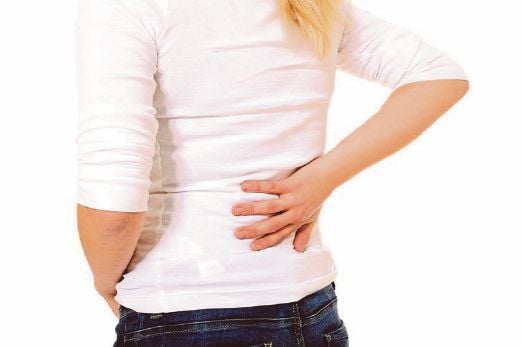
Slipped disc, also known as a prolapsed intervertebral disc or herniated disc, occurs when one of the discs in the spine ruptures and the gel within leaks out.
A disc prolapse can happen at any part of the spine and when it occurs, pressure is exerted on the nerve closest to it. The lower back (lumbar region) is the most common area for a slipped disc to occur.
The pressure exerted on the lumbar nerve is what causes severe pain and tingling sensation, which often radiates or “shoots” down to the calf and foot.
WORSENING PAIN
Aini’s pain started in March, just three months after her wedding. The pain was localised on the right side of her lower back but she didn’t think too much of it and figured it would soon pass but, as the days went by, the pain worsened.
Her muscles became tensed, causing her to lean to her right side and she was unable to straighten or stand up straight.
She started to feel pain from her back travelling down to her right calf. Often the pain was excruciating and kept her awake at night.
She described it as “someone taking a knife and stabbing me over and over again on my legs. It drove me crazy and I couldn’t sleep. Exhausted and drained from the pain, I couldn’t go to work. “
The unbearable pain left her with no choice but to finally consult a doctor.
She visited doctors at two different clinics and both provided the same diagnosis — that it was nothing more than regular back pain caused by lifting heavy items. Both doctors prescribed painkillers, which didn’t ease her suffering.
When she was finally referred to consultant orthopaedic and spine surgeon Dr Ozlan Izma Muhamed Kamil in mid-April, she was diagnosed as having lumbar disc prolapse.
Even though Aini was mentally prepared for surgery, Dr Ozlan assured her it was not necessary at this stage — proper medication would be sufficient to treat the pain.
“I was told that I had to change everything in my life, from my car to the chair I sit on at work. I started to panic when I thought of all the adjustments that I would have to make in my life but, with Dr Ozlan’s guidance on pain management, my family and I gained a more positive outlook and in the end, I only had to make a few minor changes. Part of my pain management included being aware of how long I sit — I make it a point to take a walk around the office every hour so that I do not remain seated for too long, said Aini.
OTHER CONCERNS
Aini had another concern. Would her new condition affect her chances of getting pregnant?
Dr Ozlan said: “It is not advisable for her to get pregnant while on medication. However, her condition is not permanent and nerve pain from the slipped disc will go away. One major misconception is that people with this medical condition should take extra precautions and limit their physical activities.
“This is not true because with proper medication and light exercises, patients can go about their daily routines without problems.”
With some lifestyle adjustments and the correct medications to help reduce pain, patients should be able to get back to their normal activities as soon as possible and recover eventually.
Lumbar disc prolapse is just one of the many causes of nerve pain. Others include shingles, diabetes, fracture, stroke, cancer and HIV.
Nerve pain happens when there is injury to the nerves, spinal cord or brain.
There are countless nerves in the body which make up your nervous system. These are like a series of electrical wires connecting your brain and spinal cord to the rest of your body.
PREVENTING SLIPPED DISC
Dr Ozlan says: “Be careful with the way you carry heavy items. Don’t overexert yourself, exercise regularly and sit up straight. Good posture is very important.”
In Aini’s case, her suffering was prolonged because she did not seek treatment early and when she did, she was misdiagnosed.
Another tip is to keep a pain diary: When did it start? Also note the nature and severity of pain and any aggravating or relieving factors.
All these can help your doctor with diagnosis and to provide treatment accordingly.
More details at www.knowyourpainasia.com
Symptoms of slipped disc include:
. Pain (shooting, burning, electric shock-like) and tingling sensation, most commonly on one side of the limb.
. Pain that extends to your arms and/or legs.
. Pain that worsens at night.
. Pain that worsens after standing or sitting.
. Pain when walking short distances.
. Unexplained muscle weakness.
http://www.nst.com.my/node/42586

Go to Healthwise for more articles

Thursday, 30 October 2014

Negative reactions to cow’s milk

This post is on Healthwise


BY FIRDAOUS FADZIL - 1 JULY 2014


ISAAC, a four-month-old boy, was suffering from eczema behind his ears and on his hands. Unaware that those were symptoms of cow’s milk protein allergy, his mother Carmen Low thought that this was common in babies until her paediatrician advised her to give her son soy-based formula instead of the ones derived from animals.
“We thought we were giving him the best by giving him the most expensive formula,” she said.

She started to introduce a soy-based milk to Isaac and after about three weeks, Isaac’s eczema had subsided and he started to look healthier and was even more active.
In a recent workshop sponsored and organised by Abbot Nutrition Malaysia, titled Conquering Cow’s Milk Protein Allergy In Children, consultant paediatrician Dr Khairul Zaman Omar and dietitian Indra Balaratnam gave a better understanding of the allergy among children. The event highlighted the importance of recognising the symptoms of the allergy, the diagnosis and its management in children.
The condition is a result of an adverse immune system reaction to the proteins found in cow’s milk.
Dr Khairul said that cow’s milk has been found to be the most common food allergen in Asia, including in Malaysia. Approximately five to 15 per cent of children develop adverse reactions to cow’s milk within the first three years of life.
Symptoms can vary from mild to moderate, and hence, can affect childhood development. It could even be life-threatening.
SIGNS AND SYMPTOMS
Explaining that it is one of the most prevalent but difficult to diagnose of food allergies, Dr Khairul said there is no definitive blood test to diagnose the allergy and history is the only key.
“The symptoms can affect gastrointestinal organs, the skin and respiratory tract, and can manifest as colic, loose stools, constipation, blood in stool, vomiting, eczema and so on. In Malaysia, there seems to be a trend to ignore the milder symptoms of blocked noses and sneezing in the morning; the coughing when crying, or when there is change in environmental temperature,” said Dr Khairul.
He stressed that those are often symptoms of an allergy and, specifically, cow’s milk protein allergy.
Therefore, parents should contact their paediatrician once they notice any of those symptoms. At this stage, they must share with the paediatrician their own family allergy history as this condition may have been passed on to the child. “The most common risk factor in developing the allergy is a parent with the allergy,“ said Dr. Khairul.
He pointed out that seborrhoea (eczema of the scalp) is commonly misdiagnosed as an infection, and treated with antibiotics, when it is often actually a symptom of cow’s milk protein allergy.
Food allergies are on the rise and parents need to take an active role in looking out for any negative reactions to ensure that their children develop properly.
“The advice is to reduce the risk. When your child is diagnosed with cow’s milk protein allergy, he should stop consuming cow’s milk,” said Dr Khairul, as he advised parents to take the route of preventive medicine.
AN ALTERNATIVE
Alternatively, parents can opt for soya-based milk formula, extensively pre-digested protein and amino acid modified formulae as alternative options.
“Many parents falsely believe that cow’s milk formulas are superior for children, so they feed their children who are milk intolerant with goat or sheep’s milk,” said Dr Khairul.
Goat’s milk is no substitute for cow’s milk when it comes to feeding a child with cow’s milk protein allergy.
“Goats and cows are both mammals, and it is only the size of the molecules that vary. The truth is that if a child has cow’s milk protein allergy, there is a significant possibility they will react to the goat (and sheep) milk too because of the similarity of the protein found in all of them.”
When discussing liquid milk substitutes in a cow’s milk protein allergy-friendly diet, Indra explained how soy-based formulas support normal growth and development in children just as well as cow’s milk-based formulas and are a safe and effective alternative to use for feeding of children with the allergy.
“In the market there are other substitutes for liquid milk, that are fortified with vitamins and minerals. I myself recommend these, because it’s a nice way of including them in your child’s diet,“ she said.
It is also a common misconception that soy milk is the same as soy-based formula.
“Soya milk lacks key nutrients, especially an essential amino acid, which the body needs for the proper growth and development of the child. Some preparations of soy milk have too much sugar which is not beneficial to growing children and that is why soy-based formulas could be the best alternative as they contain all the nutrients needed for children and keep cow’s milk protein allergy at bay.
http://www.nst.com.my/node/8137


Go to Healthwise for more articles

Wednesday, 29 October 2014

How vaccines provide protection

This post is on Healthwise


BY KASMIAH MUSTAPHA - 14 OCTOBER 2014


An expert tells Kasmiah Mustapha about the importance of vaccination and dealing with infectious diseases
AN epidemiologist and expert on preventive medicine, Dr Eddy Bresnitz has led numerous emergency response efforts throughout his career, including the West Nile and SARS outbreaks and anthrax attack.
An advocate for disease prevention and global health, he is a firm believer in vaccination as a life-saving intervention that can help prevent sickness, disability and death.
Currently the executive director of Adult Vaccines and Global Medical Affairs and Policy at Merck, Dr Bresnitz talks about dealing with infectious diseases and the importance of vaccination.
How can we prevent the outbreak of infectious diseases?
The simple answer is by preventing the transmission of diseases thorough a multi-faceted approach.
First and foremost, a country needs to have a comprehensive and functioning public health infrastructure to ensure the distribution of clean water and safe food, since food and water are one of the most common vehicles for disease transmission.
Second, the population, from children to adolescents to adults, needs to be vaccinated against all vaccine preventable diseases to protect the individual directly, and also indirectly through herd protection.
There has to be a good surveillance system in place to monitor the incidence of disease, track contacts of infected individuals and to respond to increases in disease incidence, including outbreaks, to target control measures.
Finally, there must be adequate medical care to provide timely isolation and treatment of individuals to reduce the risk of transmission of disease to others.
What are the challenges in dealing with emerging and re-emerging of infectious diseases?
The biggest challenge is complacency, thinking that everything is under control or what looks like nothing more than a spark is really a small fire ready to explode.
The current ebola outbreak is a good example of that. What started out as a few cases in one country has now resulted in over 3,000 reported cases with over 50 per cent mortality in at least five countries (that we know of) and no prospect of controlling the outbreak in the immediate future.
The ongoing disease transmission of this deadly virus has many contributing factors. From my perspective, the main one is lack of adequate healthcare infrastructure including healthcare facilities, personal protective equipment, personnel, and appropriate control policies.
Adding to the chaos is an apparent distrust of government, poverty and cultural norms that can facilitate the transmission of disease.
With cases of ebola and Middle East Respiratory Syndrome (MERS), there are worries that more infectious diseases will become pandemic. Is that what’s going to happen?
We have witnessed many novel disease outbreaks in the last few decades where there has been significant person-to-person spread globally.
In addition to ebola and MERS, we had SARS, pandemic H1N1 flu, dengue and chikungunya.
With increasing urbanisation, population growth and ageing, global warming, global travel, food insecurity and the prevalence of social determinants of disease — such as income inequality and differing cultural norms — and the constant evolution of biological organisms and pathogens, we can expect to continually confront infectious diseases that do not respect geopolitical boundaries.
Can vaccination protect a person from infectious disease? How does it work and are there vaccinations for all infectious diseases?
Currently, there are many vaccines capable of providing protection to individuals, targeting close to 30 different diseases. Many of these have different formulations that allow for different modes of administration (intramuscular injection, subcutaneous injection, intradermal injection, oral ingestion, nasal instillation) or are combined with other vaccines to facilitate vaccination.
But no vaccine is 100 per cent efficacious. The reasons are complex but involve some aspect or a combination of factors related to the vaccine, the infectious agent and the individual.
Vaccines tend to work better in younger people because they have younger immune systems which tend to become less responsive to vaccines with age.
This concept is called immunosenescence. Through various approaches such as higher antigen content of the vaccine, the use of adjuvants to bolster the immune response to the antigen and intradermal injection, the immune system can be stimulated to have a higher immunologic response.
If there are no vaccines, how can we protect ourselves against infectious diseases?
There are infectious diseases for which there are no vaccines or, for some reason, there are insufficient supplies of vaccines. For example, there are currently no licenced human vaccines for preventing mosquito-borne organisms such as West Nile virus, chikungunya, and malaria.
I strongly believe that the most important approach to preventing mosquito-borne diseases, even when a vaccine is available (such as yellow fever and Japanese encephalitis) is good environmental control. This lowers the risk of transmission by either reducing the disease vector, in this case the mosquito, or reducing the opportunity for contact with the individual.
Environmental control can reduce the factors which support the breeding of mosquitoes, while personal protective controls (clothing, mosquito netting and insect repellant) reduce the opportunities for mosquitoes to bite the individual.
Even if a vaccine exists, environmental and personal protection controls are equally, if not more important, in reducing the risk of disease since vaccines are never 100 per cent effective.
For food and water-borne diseases, aside from ensuring good public health infrastructure, basic things that can help are cooking food properly, washing hands before and after eating and using the bathroom, keeping an appropriate distance from people who are ill with certain communicable diseases, practicing safe sex and other measures.
Dengue cases here are on the increase annually. What is your advice for dealing with this?
With climate warming, the natural habitat for mosquitoes is increasing and dengue is the most common mosquito-transmitted disease.
Dengue transmission has increased thirty-fold in the last 50 years and has been reported in over 100 countries globally, with estimates of as many as 528 million cases annually. The reasons are already mentioned earlier. Without a licensed vaccine, (although there is one in the horizon with demonstrated efficacy in clinical trials in Asia and Latin America), the major approaches to prevention are as discussed in the above answer.
Do adults need vaccination? If so, what types of vaccination should they have?
Vaccination is important for disease prevention throughout our life cycle. Many countries, including Malaysia, US, Australia, Canada, and the UK, have comprehensive recommendations for vaccinating adults. There are many vaccines which are currently licensed for preventing disease in adults. They should consult a doctor to find out what is best for them.
http://www.nst.com.my/node/42601


Go to Healthwise for more articles

Tuesday, 28 October 2014

Good gut feeling for health

This post is on Healthwise


BY PROFESSOR DR POH BEE KOON - 14 OCTOBER 2014


A healthy digestive system starts with proper nutrition, writes Professor Dr Poh Bee Koon
WHEN was the last time your child visited the toilet? What did he eat or drink before that?
You may not realise it, but the food and fluids you feed your child can affect what comes out at the other end. The types of foods or liquids your child consumes will affect stool size, colour, consistency and frequency of bowel movements.
If you are concerned about your child’s bowel movement, there is one thing you should know: Everything starts in the gut.
The gut is where every child’s well-being begins. When he passes stools regularly and feels good inside, it shows on the outside.
The condition of your child’s gut may also affect his sleep, energy levels, behaviour, ability to concentrate and overall well-being.
Of course, parents hope they don’t have to cope with a child who is experiencing gut discomforts such as straining, hard stools or difficulty in moving bowels. So improve your child’s gut health by ensuring that he has a healthy and nutritious diet.

GOOD NUTRITION
Feeding a child may be one of your most important tasks as a parent.
Healthy and nutritious food will allow a child to meet the daily nutrient requirements needed for growth and development during the growing years and ensure good health later in life.
A balanced and nutritious diet should comprise a wide variety of food groups, such as rice, bread, cereals and tubers, fish, meat, poultry and legumes, fruit and vegetables as well as milk and dairy products.
For gut health and to prevent constipation, offer children foods that are rich in fibre, such as fruit and vegetables. Give fruit and vegetables daily — one cannot be substituted for the other as nutrient contents are different. Children below 7 years should be offered two servings of vegetables and two servings of fruit every day.
The gut plays an important role in other areas of a child’s health, such as ensuring the proper absorption of nutrients and supporting a healthy immune system. A poor immune system can make a child susceptible to diarrhoea and infections, which can lead to appetite loss, decrease in nutrients intake, malabsorption and eventually, under-nutrition. If a child is under-nourished, it can affect his cognitive development, behaviour and performance in school.
This is why a healthy gut is important to ensure nutrients from food are effectively absorbed.

GOOD BACTERIA
The human gut is home to trillions of microorganisms. Research shows that the number of microbial cells in a human body is 10 times more than human cells.
There are two types of bacteria in the gut. Beneficial bacteria help the gut regulate immunity and protect your child from infections.
One way to ensure your child has more beneficial than harmful bacteria is to offer a diet rich in prebiotics.
Prebiotics is a special type of insoluble fibre that acts as food source for beneficial or good bacteria naturally present in the gut.
They help stimulate the growth and multiplying of good bacteria which will suppress the growth of harmful bacteria. The increased number of good bacteria also supports a healthy gut environment, which in turn helps soften stool and promote better bowel movement.
Prebiotics, including galacto-oligosaccharides (GOS) and long-chain fructo-oligosaccharides (FOS), can help promote children’s gut health. The prebiotic, long-chain fructo-oligosaccharide (FOS) can be found naturally in many foods such as wheat, onion, banana and honey.
The unique mixture of GOS and FOS can increase the existing beneficial bacteria and subsequently reduce the harmful bacteria in the body. Other sources of prebiotics include apple, oatmeal, leek, asparagus, soya bean, tomato, garlic and onion.

START WITH THE GUT
When it comes overall health, taking care of a child’s gut health is just as important as maintaining the rest of the body.
A healthy gut will prevent stomach discomforts, ensuring a child’s overall well-being and happiness. For parent’s, that’s one less thing to worry about.
Don’t wait until your little one experiences gut discomfort. Take charge of his gut health today, starting with the food he eats. Ensure your child’s meal is healthy, nutritious and contains gut-friendly prebiotics.
The writer is a nutritionist and head of Nutritional Sciences
Programme at Universiti Kebangsaan Malaysia

Go to Healthwise for more articles

Monday, 27 October 2014

Drink to lower risk of kidney stones

This post is on Healthwise


By Nadia Badarudin - Tuesday, 7 October 2014.


If you do not drink enough water, you are at risk of getting stones in the kidneys, bladder and gall bladder, writes Nadia Badarudin
YOU have been working several hours since morning.
You are thirsty and your lips are dry but you are too lazy to walk to the pantry for a glass of water.
Sometimes you refuse to drink because you do not want to go to the toilet frequently.
This is a common scenario.
We all know the importance of drinking plenty of water to maintain our health but we choose to ignore it.
Not drinking enough water means you are simply asking for trouble.
Your body will be prone to numerous health problems, including stones in kidneys, bladder or gall bladder which can cause e x c r u c i a t i n g pain.
UROLITHIASIS Pantai Hospital Kuala Lumpur consultant urologist Dr S.
Ambikai Balan says a kidney stone is a solid mass f o r m e d f r o m dietary minerals in the urine.
“The stones a re identified based on their locations in the body.
For instance, stones formed in the kidney are called kidney stones, while bladder stones are those found in the bladder.
Ureteral stones are those which originate in the kidney and get stuck in the ureter.” He says the types of stones can be ascertained from their mineral compounds.
The common types are calcium-oxalate (most common), struvite, uric acid and cystine.
Dr Balan says stone formation is related to decreased urine volume which happens because of insufficient water consumption.
“The stone is formed in a process called urolithiasis that makes the urine become supersaturated.
Urine will become crystallised, and eventually stones are formed,” he says.
Small stones can move down the urinary tract and be flushed out of the body.
However, some get stuck in the ureter and block urine flow.
“This is when the problem starts.
Some stones are so big they can only be removed surgically,” he says.
SEVERE PAIN Dr Balan says kidney stones can cause severe pain.
Some patients describe it “as bad as labour pain”.
The pain is sudden and intense.
Patients will experience a dull aching pain from the back, which moves toward the groin.
Dr Balan says the pain is unlike a urinary tract infection where patients experience a severe burning sensation while urinating and which can be eased with painkillers.
“Some patients say the pain is like somebody breaking your bone.
Some have even confused it with a heart attack.
There are also patients who collapse because of the unbearable pain,” he says.
“Sometimes, the stones are big but do not cause any pain.
They can be detected during a routine health screening or if blood is found in the urine.” AT RISK People who do not drink enough fluids (less than 1,200ml a day) a nd who a re constantly in a hot environment are at risk of having kidney stones.
“ P e o p l e living within a specific climate and geographic location (with similar dietary habits) are prone to the disease.
Other factors are family history of stone disease, a diet high in salt, calcium and animal protein, infection in the urinary system and chronic obstruction to urinary flow,” says Dr Balan, adding that patients with uncontrolled diabetes are also susceptible.
He says men are more likely to get stones than women.
“Female hormones may help prevent the formation of calcium-oxalate stones by keeping urine alkaline and by raising protective citrate levels,” he says.
“Recurrence rates are high.
Patients have a 10 per cent chance of getting the condition again if they do not change their diet and lifestyles.” Can it be fatal? Kidney stones per se do not cause death, but the consequences of having stones might have severe impact on health.
Dr Balan explains: “Stones can cause infection due to the obstruction.
This can cause severe sepsis (urosepsis) in the elderly or individualswithanimpairedimmune system.
This is life-threatening.
The renal function can deteriorate due to the obstruction, leading to renal failure in the long run.” TREATMENTS Treatment options vary, based on the size of stone, its location and whether it causes an obstruction.
The general condition of the patient also plays a big role when considering treatment options.
Dr Balan says while acute cases with obstruction require surgery, most kidney stones are managed conservatively.
The patient is advised to drink plenty of liquids.
Fresh, citrus drinks sometimes help dissolve certain types of stones.
However, prevention is always better than cure.
Dr Balan advises: “Drink water regularly and maintain a healthy diet to avoid kidney stones.
If you think you are at risk of developing urinary tract stones, it is best to talk to your doctor.
If you have suffered with stones previously, it is important to have some radiological follow-up to monitor the condition.
“Besides pain, one has to be mindful of other symptoms such as fever, chills, or loss of appetite which may indicate a more serious problem.”
http://www.nst.com.my/node/40428

Go to Healthwise for more articles