Pages

Showing posts with label FoodFacts. Show all posts

Sunday, 9 March 2014

What Is Parsley Good For?

Parleying Parsley

Botanical name: Petrosalinum sativum
Some know parsley only as an attractive leaf garnish that's ignored, not eaten. It's true that parsley leaves are an attractive plant with small, scalloped leaves, but it has more than a pretty appearance. It’s an annual herb thought to have originated in southeastern Europe or western Asia, now grown in gardens throughout the world.
There are two basic parsley types: one with curly, crinkly leaves and the more familiar Italian parsley, which is flat. The latter is hardier for withstanding cold in Northern or Midwest gardens. Parsley usually reaches one to two feet in height in the first year before flowering, and grows best in partial shade. It's been suggested that because it's a bit difficult to start from seed, taking up to two months to sprout, buying small parsley seedlings (organic is best!) may be a better way to start this in your indoor pots or late spring garden. One tip involves pouring a kettle of boiling water along the row before covering the seeds. As a potted plant, keep it evenly moist.
Chopped fresh or dried and combined with thyme and bay leaves, parsley is included in the French combination of herbs called bouquet garni, used to season stock, stews, and soups. It can be added to sandwiches, any type of casserole and adds a fresh, spring-like flavor to dips and cheese. The best way to keep fresh parsley sprigs is to wrap them in damp paper towels, place in a sealed zip-lock baggie, and keep refrigerated. Dried parsley flakes are useful for several months when stored in a tightly sealed glass container and stored in cool, dark, and dry place.

Health Benefits of Parsley

If you want to be impressed by parsley, take a look at its vitamin K content – a whopping 574% of the daily recommended value. What this does is promote bone strength, but it also has a role in the treatment and possible prevention of Alzheimer's disease by limiting neuronal damage in the brain. The vitamin K dominance is enough to make the 62% daily value of vitamin C and the 47% DV in vitamin A look positively paltry, but the “C” content is 3 times more than in oranges, and the “A” augments the carotenes lutein and zeaxanthin, helping to prevent eye diseases like cataracts and macular degeneration.
The iron in parsley (twice as much as in spinach) is essential for the production of an important oxygen-carrying component in the red blood cells called heme. Copper is important because it’s required by the body for normal metabolic processes, but must be supplied through outside sources. The manganese in parsley contains super-antioxidant superoxide dismutase, and the folate helps form red blood cells and make up our genetic material.
Parsley is useful as a digestive aid with its high fiber content. This helps move foods through the digestive tract and controls blood-cholesterol levels, but has a diuretic effect as well. A tea made from parsley is a traditional remedy for colic, indigestion, and intestinal gas. As an herb sprinkled in food, it actually helps purify the blood and fight cancer. Eating parsley is now thought to be a way to detoxify the system of harmful compounds like mercury, sometimes found in dental fillings.
Quite a unique compilation of compounds and volatile oils is contained in parsley. Eugenol is used in dentistry as a local anesthetic and an antiseptic to help prevent gum diseases. It's also been found to reduce blood sugar levels. Polyphenolic flavonoids and antioxidants include apiin, apigenin, crisoeriol, and alphathujen. Volatile oils include myristicin, limonene, apiol, and alpha-thujene. It also contains one of the highest antioxidant counts among plants, with an oxygen radical absorbance capacity (ORAC) of 74,349 per 100 grams of fresh, raw parsley.

Parsley Nutrition Facts

Serving Size: One oz. of chopped parsley (28 grams)
Amt. Per Serving
Calories
10
Carbohydrates
2 g
Fiber
1 g
Protein
1 g

Studies on Parsley

The apigenen in celery and parsley was also shown to dramatically inhibit breast cancer cells in a celebrated study done at the University of Missouri. Scientists found apigenin shrank a certain breast cancer tumor stimulated by progestin, a synthetic hormone taken by women for menopausal symptoms.1
Fourteen subjects participated in a randomized crossover trial to research the effectiveness of the flavone apigenin in parsley on the biomarkers for oxidative stress. Erythrocyte glutathione reductase (a polypeptide important in oxidation-reduction) and superoxide dismutase (which removes free radicals) activities were found to increase during intervention with parsley.
The conclusion: parsley seemed partly responsible for increased levels of glutathione reductase and superoxide dismutase.2

Parsley Healthy Recipes: Garlic Green Beans with Parsley


Parsley Healthy Recipes

Ingredients:
  • 1 pound green beans, stem ends removed
  • 2 tablespoons olive oil
  • 2 medium cloves of garlic, minced
  • 2 teaspoons lemon zest
  • Sea salt and freshly ground pepper
  • 1 tablespoon lemon juice
  • 2 tablespoons chopped Italian parsley
Procedure:
  1. Bring a large pot of salted water to boil. Add green beans and cook until tender but still crisp, about 4 minutes. Drain and set aside.
  2. In the same pot, heat 1 tablespoon of oil over medium low heat. Add the garlic and cook until it begins to soften, about 2 minutes. Return the beans to the pot. Add the lemon zest, remaining 1 tablespoon oil, and season with salt and pepper. Remove from heat and stir in the lemon juice and parsley. Toss to coat and serve.  
Optional: Sprinkle with 1/4 cup almonds, toasted and chopped, and sprinkle with raw cheese of choice.
This recipe makes 4 servings.
(From: Healthy Recipes for Your Nutritional Type by Dr. Mercola)

Parsley Fun Facts

Parsley as a word is derived from two Greek words: "petrose," meaning rock, since it so often pops through rocky terrain and stone walls; and "selenium," an ancient name for celery. So literally, parsley means “rock celery.” This herb was often planted at gravesides, so the loaded phrase in need of parsley” meant someone was not long for this world.

Summary

Parsley is an herb known primarily as a decorative embellishment in restaurant food presentation, but it's so much more than that. Its subtle flavor is useful in all kinds of dishes, cold and hot. To grow it yourself, remember: as a biennial, it only flowers the second year, but it’s well worth the wait.
Parsley is useful as a digestive aid and natural breath freshener, and contains lots of vitamin A, copper, and manganese, plus three times more vitamin C than oranges, and twice the iron than the same amount of spinach. A tea made from parsley is a traditional remedy for colic, indigestion, and intestinal gas, and as an herb helps to purify the blood and fight cancer. Sprinkle it in your next casserole or pot of soup to add a fresh and nutritive flavor dimension.
Other sources:
References:

Sunday, 9 February 2014

What Are Guavas Good For?

Guava: The Queen of Fruits

Guava Nutrition Facts
Botanical name: Psidium guajava
If pineapple is known as the "king" of fruits, guava is considered the queen. Thought to be native to southern Central America and Mexico where it's been a major crop for centuries, guavas are members of the myrtle and eucalyptus family, growing throughout the tropics on small trees with smooth, copper-colored bark. Another type, Psidium cattleianum, grown in flower and foliage gardens, is not for eating.
Soft, sweet, and fragrant when ripe, guavas are small and round or oval, with varying colors from yellow to pink to dark red, depending on the variety. Each fruit contains a large number of tiny, edible seeds at the center. Guavas are very good simply sliced for a snack or added to salads. In other areas of the world, guava is popular as a thick, rich paste made into cheese. Fresh guava juice is common in Hawaii. In Fiji, guavas are used to make tasty jelly.
While one of the first references to guava fruit was made in 1526 in the West Indies, they were only introduced in Florida in 1847, where they became familiar commodity within about 40 years. Between 1948 and 1969, 21 guava cultivars from seven countries were introduced in Hawaii. Today, about 125,327 acres are dedicated to guava cultivation in India, yielding more than 27,300 tons every year.
Apparently a somewhat fragile fruit, a sharp dip in temperatures can threaten guava trees in northern California, while the intense heat of Southern California scorches them.

Health Benefits of Guava

It's no wonder guava is called a “super fruit.” Compared to the same amount of pineapple, guavas contain 30 more calories per serving, but three times the protein and more than four times the fiber. All that fiber makes guavas a great "regulator," while helping to protect the colon by reducing the risk of cancer-causing toxins and chemical build up; the fiber actually binds to the toxins and helps move them out of the body.
While pineapples provide 131% of the daily value of vitamin C in a serving, guavas offer 628%. Guava should be eaten with the skin, like an apple, imparting even higher concentrations of vitamin C. Eating fruits rich in this vitamin helps the body build up resistance to infection, including infectious diseases, while scavenging free radicals that could cause serious illnesses.
Guavas contain: vitamin A (21% of the daily value), essential for maintaining healthy mucus membranes and skin; folate (20%), great for pregnant women to help prevent neural tube defects. Flavonoids include beta-carotene (a known cancer inhibitor); lycopene, which in pink guava has been found to protect the skin against UV rays and help prevent prostate cancer; lutein and cryptoxanthin, both antioxidants. Guavas have potassium, too - more per serving than even a banana - which is important as heart rate and blood pressure regulators.
Smaller amounts of other vitamins in guava deserve mention: pantothenic acid, niacin, vitamin B6 (pyridoxine), vitamin E and K, and the minerals magnesium, copper, and manganese, the latter imparting the enzymesuperoxide dismutase.
However, consume guavas in moderation because they contain fructose, which may be harmful to your health in excessive amounts.

Guava Nutrition Facts

Serving Size: One cup of guava chunks (165 grams)
Amt. Per Serving
Calories
112
Carbohydrates
24 mg
Sugar
15 g
Fiber
9 g
Protein
4 g

Studies on Guava

In one study, guava showed a marked blood glucose lowering effect when eaten by both adults at risk for diabetes and healthy volunteers, indicating its possible usefulness in improving and/or preventing diabetes mellitus, or adult-onset diabetes.1
After conducting a Japanese study on guava leaf tea (GLT), which contains the polyphenols quercetin and ellagic acid, and regulates the absorption of dietary carbohydrate from the intestines, GLT can be (and is) given to patients at high risk of developing diabetes to curb blood sugar spikes after meals.2

Guava Healthy Recipes: Spicy Guava Salad

Guava Healthy Recipes
Ingredients:
  • 2 to 4 medium-sized guavas
  • Half teaspoon roasted cumin powder
  • Half teaspoon red chili powder
  • A pinch of Chaat masala
  • A few sprigs of cilantro or coriander leaves, finely chopped
  • Lemon juice to tast
  • Salt to taste
Procedure:
  1. Chop the guavas finely or into bite-sized pieces, depending on how you want it. Ensure that guavas are not too ripe or too raw.
  2. Transfer the chopped guavas into a bowl.
  3. Add the chaat masala, red chili powder, cumin powder, and salt.
  4. Add finely chopped coriander leaves.
  5. Squeeze lemon juice over it and give it all a good toss till everything is mixed well.
  6. Serve immediately.
(Source: Sify Bawarchi)

Guava Fun Fact

Guava can be almost invasive if allowed to grow at will, reaching heights of 30 feet. On some South Pacific Islands, it's illegal to plant new trees just for this reason. Guava trees can produce fruit twice a season in areas where the climate is right, and can live for around 40 years. Beautiful, edible flowers precipitating the fruit have myriad, tall stamens with tiny pistils at the ends, resembling exploding fireworks.

Summary

Guava may not be the most popular fruit in America, but more consumers are now becoming aware of the flavor and uses this interesting little fruit offers. Guava contains nutrients that help curb all kinds of illnesses, including cancer and diabetes. Its vitamin A content is five times that of an orange, and it also has stellar amounts of protein, fiber, and folate, and possibly more vitamin C than any other fruit. Antioxidants and flavonoids also are in abundance in guavas. But it's what this fruit means to tropical areas of the world that's important, deliciously adding to the nutrition needs of people who might otherwise be lacking.
If you've never eaten a guava, pick up a few the next time you hit the local farmer's market. You might find them to be a fresh new addition to your fruit repertoire.

Other sources:
 
References:

Saturday, 8 February 2014

What Are Dates Good For?

Distinguished Dates


Dates Nutrition Facts

Botanical name: Phoenix dactylifera
While dates don't appear to be particularly special with their oddly wrinkled, brown exterior, they're satisfyingly chewy and flavorful. Undoubtedly a favorite since the Garden of Eden, dates are considered a drupe because they contain a single pit or stone at the center.
Date palms, which produce these little beauties, were brought to America's Western coast by Spanish missionaries in the late 1700s. Medjool dates, which originated in Morocco, were introduced in the U.S. in 1927 when 11 shoots were placed in quarantine in Nevada for seven years. The nine plants that survived were taken to Southern California in 1935, where 24 offshoots were planted in 1944.
Reportedly the most labor intensive to grow and harvest, medjools are not only one of the most prominent varieties – they are the only one that can be picked and eaten fresh.
Date palms begin to bear fruit at three to five years, and are fully mature at 12 years. Cultivated in arid regions of the world, wild populations can still be found around Jordan and the border between Iran and Iraq.
Popular uses around the world include date vinegar, chutney, date paste for bakery products, flavorings and roasted whole date seeds. The tree's buds (hearts of palm) are tasty additions to salads.

Health Benefits of Dates

When it comes to the number of minerals, vitamins, and health-benefiting phytonutrients in dates, suffice it to say there are a lot of them. First and foremost, they're easily digested, allowing your body to make full use of their goodness.
Dietary fiber in dates helps to move waste smoothly through your colon and helps prevent LDL (bad) cholesterol absorption by binding with substances containing cancer-causing chemicals. The iron content, a component of hemoglobin in red blood cells, determines the balance of oxygen in the blood. Potassium, an electrolyte, helps control your heart rate and blood pressure. B-vitamins contained in dates, such as the carotenes lutein and zeaxanthin, absorb into the retina to maintain optimal light-filtering functions and protect against macular degeneration.
Want more? They contain vitamins A and K. Vitamin A protects the eyes, maintains healthy skin and mucus membranes, and even protects the lungs and mouth from developing cancer. Tannins, which are flavonoids as well as polyphenolic antioxidants, fight infection and inflammation and help prevent excessive bleeding (anti-hemorrhagic). Vitamin K is a blood coagulant that also helps metabolize your bones.
Copper, magnesium, manganese, vitamin B6 (pyridoxine), niacin, pantothenic acid, and riboflavin are also present in dates and provide their own unique preventive and healing functions.
Together, these cofactors help your body metabolize carbohydrates, protein, and fats. Eating dates in moderation can contribute to many health benefits, such as protecting against damage to cells from free radicals, helping preventing a stroke, coronary heart disease and the development of colon, prostate, breast, endometrial, lung, and pancreatic cancers.

Dates Nutrition Facts

Serving Size: 1 oz. of pitted dates (28 grams)
Amt. Per Serving
Calories
78
Carbohydrates
21 g
Sugar
19 g
Fiber
2 g
Protein
1 g

Studies Done on Dates

Cadmium, a well-known testicular toxicant, was tested against date palm pollen extract for therapeutic potential and ability to avert reproductive damage. The results supported scientists' hypothesis that not only are the testicles vulnerable to cadmium toxins, but that date palm pollen extract treatment can also amend its deleterious effects, probably by activating testicular endocrine and antioxidant systems1.
Another study reported the most prominent health benefits of dates: there are at least 15 minerals in dates, including selenium, an element believed to help prevent cancer and important in immune function, protein, containing 23 types of amino acids, some of which are not present in the most popular fruits, such as oranges, apples, and bananas. Unsaturated fatty acids include palmitoleic, oleic, linoleic, and linolenic acids. The study concluded that dates could be considered a nearly ideal food, with a wide range of essential nutrients and potential health benefits2.

Dates Healthy Recipe: Date Butter


Dates Healthy Recipes

Creamy date butter can be made in any amount. It's one of those recipes that changes each time you make it because the ingredients aren't necessarily measured. You also can add other dried fruits such as raisins and/or prunes if you wish. The spice list can be altered to fit your own tastebuds.
Ingredients:
  • 2 cups of dates
  • 2 tsp. fresh lemon juice
  • Water
  • ¼ tsp. cinnamon
  • ¼ ground nutmeg
  • ¼ ground cloves
  • ¼ ground ginger
Procedure:
  1. Place dates in a saucepan and add water to cover two-thirds of the fruit. Add lemon juice. Bring to a rolling boil, cover with a lid part-way to allow steam to escape.
  2. Reduce heat to low. Depending on ingredients, cook time and moisture, it may take anywhere from 10-30 minutes to reach the right consistency, which is evidenced when a tablespoon can stand straight up in the middle of the mixture without falling to the side.
  3. Cool mixture a bit then place in a food processor and process until smooth. It may have a few lumps, but that's okay!
  4. Store in refrigerator for up to a few weeks and in freezer indefinitely. Wonderful on toast or even added to baked breads, cakes, etc.

Dates Fun Facts

Dates were mentioned several times in the Bible, probably ancestors to the oldest-known seed planted successfully in modern times.
In 1963, a date palm seed was discovered at Masada, an ancient fortress where, in 70 A.D., a large group of Jewish families killed themselves rather than face capture by the Romans. Planted in January 2005, the ancient date palm, named “Methuselah,” is now four feet tall.

Summary

From the primeval banks of the Tigris and Euphrates rivers, the date palm has provided the Phoenix dactylifera - the botanical name for dates - as an important food and medicinal source throughout the world.
Iron for your blood, fiber for roughage, vitamin A for your eyes, potassium for your heart, B-vitamins, tannins - these are just a few of the many nutrients in dates, making them one of the healthiest foods in the world. They have a noble history that healers have used through centuries for many of the same properties they're used for today.
Dates are a wonderful snack all by themselves. But make sure you eat them in moderation, as fruits can contain high levels of fructose that can harm your health. For a new twist, try stuffing them with a mixture of chopped raw almonds and walnuts, and raw cream cheese for a delicious, nutritious – and completely unique – hors d'oeuvre.
Other sources:
References:

http://foodfacts.mercola.com/dates.html

Friday, 7 February 2014

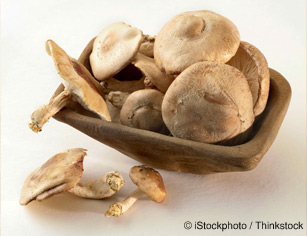
What Are Shiitake Mushrooms Good For?

Shiitake Mushroom Showcase

Botanical name: Lentinula edodes
Shiitake Mushrooms Nutrition FactsTranslated from Japanese, "shii" refers to the tree on which these mushrooms originally grew, while "také" simply means mushroom. These little beauties are venerated not just because of their primordial origin, but because of the many health-boosting properties they contain, discovered over centuries of ancient medicine.
Having no roots, leaves, blossoms, or seeds, shiitake mushrooms fall into a special category: fungus. Famous for their rich texture and smoky flavor, they're the second most commonly cultivated edible mushrooms, readily available on market shelves worldwide. Compared with white button mushrooms, shiitakes are purported to have more than 10 times the flavor. This can intensify when they're dried and reconstituted by soaking in water.
Although they still grow wild, China yields around 80% of the world market in production, although Japan held this distinction initially. Today, more than 200 growers in the U.S. utilize the labor-intensive but superior "forest farming" method to produce shiitake mushrooms on hardwood logs. "Grow-at-home" kits prepared by mushroom specialty companies also maintain a lively business.
Overseas, where oversight is limited, shiitake mushrooms are sometimes mass cultivated on sawdust blocks, using pesticides and fungicides that compromise the quality and safety of the finished product. Between forest-farmed shiitakes and the "mock-up" variety, the difference can range between $4 and $40 per pound, depending on the market. So when purchasing, look for the "certified organic" logo on the label to ensure you're getting the real deal.
When purchasing, shiitakes should be firm, not moist or wrinkled. Keep them refrigerated in a paper bag for up to a week. Just before use, wipe them with a clean, damp cloth to prevent sogginess. Dried, they keep in the freezer for up to a year. Sautéing shiitake mushrooms gently is the best cooking method to keep the good stuff good, both taste-wise and nutritionally.

Health Benefits of Shiitake Mushrooms

Comparing the vitamins, minerals, antioxidants, and phytonutrients between foods, shiitake mushrooms are completely unique. Copper figures most prominently, with 65% of the daily value per serving, significant because copper is one of the few metallic elements accompanied by amino and fatty acids, essential to human health. Linoleic acid is one. Since the body can't synthesize copper, our diets must supply it regularly. But researchers say that not only do few people eat adequate amounts of copper-containing foods, but copper deficiency can also be a factor in coronary heart disease development.
Right behind copper is pantothenic acid and selenium, which provide 52% and 51% of the daily value, respectively. Riboflavin, niacin, zinc, and manganese play supportive roles, along with ergothioniene, an antioxidant that inhibits oxidative stress.
Shiitake mushrooms also contain strong compounds having the natural ability to discourage inflammation, tumors, "bad" bacteria, harmful viruses, and, ironically, fungus. B vitamins such as B2, B5 and B6 are part of the package, providing energy by breaking down fats, carbs, and proteins.

Shiitake Mushrooms Nutrition Facts

Serving Size: One cup of cooked shiitake mushrooms (145 grams)
Amt. Per Serving
Calories
81
Carbohydrates
21 g
Sugar
5 g
Fiber
3 g
Protein
2 g

Studies on Shiitake Mushrooms

Lentinan, a potent antifungal protein in shiitake mushrooms, was found to have cancer-preventing properties. One study resulted in slower development of smaller tumors after oral treatment with lentinan.1 It also exhibited a reduction in the negative effects in the progression of HIV and ability of leukemia cells to proliferate.2
Another study found that the spores (mycelia) of shiitake mushrooms can have protective abilities on the liver, suppress inflammation, and even have cancer-preventive properties for patients with chronic hepatitis.3

Shiitake Mushroom Healthy Recipes: Chicken with Crimini and Shiitake Mushrooms


Shiitake Mushrooms Healthy Recipes

Ingredients:
  • 8 skinless and boneless organic chicken thighs or breast
  • Salt and pepper, to taste
  • 6 teaspoons chopped marjoram, divided
  • 2 tablespoons coconut oil, divided
  • 2 tablespoons olive oil, divided
  • 12 ounces crimini and shiitake mushrooms, thickly sliced
  • 1 cup onion, chopped finely
  • ¾ cup chicken broth
  • ½ cup organic raw whipping cream
  • 3 tablespoons dry sherry/marsala (optional)
Procedure:
  1. Season chicken with salt and pepper, and add 2 teaspoons marjoram. Melt 1 tablespoon coconut oil with 1 tablespoon olive oil in large pan over moderate to high heat.
  2. Add chicken to pan and sauté until just cooked through, about 7 minutes per side. Transfer chicken to plate; cover with lid to keep warm.
  3. Melt remaining tablespoon of coconut oil with 1 tablespoon of olive oil in same pan. Add mushrooms, onions, and 2 teaspoons marjoram. Sauté until mushrooms are brown and tender, about 6 minutes. Season with salt and pepper. Transfer to bowl.
  4. Combine broth, cream and sherry (if using) and remaining 2 teaspoons marjoram in same pan, boil until thickened and reduced to ½ cup, about 5 minutes. Season sauce with salt and pepper.
  5. Divide mushrooms among four plates. Top mushrooms with chicken. Spoon sauce over and serve.
This recipe makes four servings.
(From Healthy Recipes for Your Nutritional Type by Dr. Mercola)

Shiitake Mushrooms Fun Facts

Shiitake mushrooms still grow wild in mountainous regions of Asia, but nowhere in the United States or anywhere else. Scientists have discovered a possible correlation between typhoon wind patterns and the scattering of shiitake spores dispersed from one country to the other.

Summary

It's no secret that shiitake mushrooms are one of the healthiest foods on the planet, used extensively in ancient Chinese medicine. Scientists have now proven that shiitake mushrooms offer antiviral, cholesterol-lowering and cardiovascular support, and amazingly, properties in just the right amounts to augment the immune system, revving it up or leveling it off where needed. Immune cells called macrophage, for instance, are responsible for identifying and removing potentially cancerous cells from the body, including colon cancer cells; enzymes called cytochrome are known to metabolize carcinogens in the body.
At the same time, shiitakes enjoy gourmet status in the culinary world, which is why they're carefully produced through the labor-intensive method of forest farming. Sliced and sautéed with butter and parsley, they release a tantalizing flavor unknown to other foods.

No article date available.

Other sources:
References:

http://foodfacts.mercola.com/shiitake-mushrooms.html?

Other articles also on Healthwise: