Pages

Showing posts with label Digestive Health. Show all posts

Tuesday, 5 November 2019

CELERY JUICE: MIRACLE JUICE

ALL ABOUT CELERY JUICE


Teeming with powerful anti-inflammatory properties...

Celery juice is teeming with powerful anti-inflammatory properties. This means it’s highly beneficial for people who suffer from chronic and mystery illnesses, including conditions labeled “autoimmune.”  Hashimoto’s thyroiditis, rheumatoid arthritis (RA), fibromyalgia, myalgic encephalomyelitis/chronic fatigue syndrome (ME/CFS), Lyme disease, migraines, vertigo, celiac disease, irritable bowel syndrome (IBS), diabetes, psoriasis, eczema, acne, lupus, Guillain-Barré syndrome, sarcoidosis, Raynaud’s syndrome, Ménière’s disease, gastroesophageal reflux disease (GERD), gout, bursitis, bloating, intestinal cramping, distention, acid reflux, vertigo, constipation, restless leg syndrome, tingles, numbness—all of these symptoms and illnesses are mysteries to medical communities, even though they have names. Their true causes are not yet known by medical research and science.
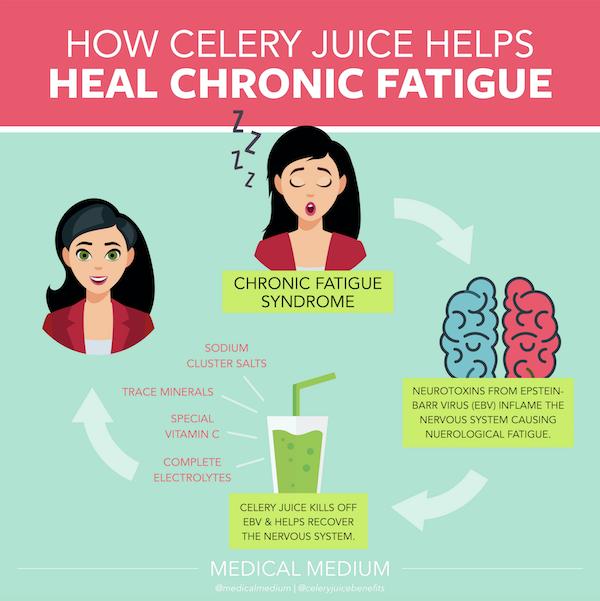
Celery is perfect for reversing inflammation, because it starves the pathogens, including unproductive bacteria and viruses such as Epstein-Barr (EBV), that create it.  
As I reveal in my book, Thyroid Healing: The Truth behind Hashimoto’s, Graves’, Insomnia, Hypothyroidism, Thyroid Nodules & Epstein-Barr, EBV is the actual cause of Hashimoto’s thyroiditis and many other diseases that medical communities call autoimmune. 
THE WONDERS OF CELERY’S MINERAL SALTS
Celery is able to starve pathogens, plus it contains a multitude of undiscovered mineral salts that act together as an antiseptic. When these powerful mineral salts make contact with viruses such as Epstein-Barr, HHV-6, and shingles; bacteria such as Streptococcus; and other pathogens—troublemakers responsible for chronic illness—the salts begin to break down the pathogens’ cell membranes, eventually killing and destroying them.

If you’re worried that the sodium in celery is a problem because you’ve heard that “salt is salt,” know that the sodium in celery is not just salt or the basic mineral sodium. Medical research and science have not yet discovered the different varieties of sodium in celery, nor how beneficial they are. Celery’s naturally occurring sodium actually helps stabilize blood pressure, bringing it down when it’s too high and up when it’s too low. Further, it won’t dehydrate your organs—instead, it clings to toxic, dangerous salts from poor-quality foods and helps draw them out of your body while replacing them with undiscovered cluster salts.

These subgroups of sodium bond together as one and are infused with celery’s other critical chemical compounds and information that’s highly active in healing the body. Science has not yet deconstructed or studied these cluster salts. 

Eventually, research will reveal that these cluster salts work symbiotically and systematically to flush out toxins, dead pathogens such as viruses and bacteria, and pathogenic neurotoxins and debris from every crevice of the body.

Neurotoxins, by the way, are created by viruses such as EBV feeding on toxic heavy metals, including mercury and aluminum. Medical science and research are not yet aware that viruses feed on certain fuel, let alone that they produce neurotoxins as waste. 

Neurotoxins create neurological symptoms, including burning skin, twitches, tremors, spasms, cold hands and feet, balance issues, vertigo, erratic heartbeat, insomnia, and body jerks, that confound doctors.

Now that you know that pathogens like EBV are responsible for chronic illness, you can understand just how critical the antiseptic function of celery’s cluster salts truly is. 

Your white blood cells use these cluster salts as both shield and weapon to go after viruses and unproductive bacteria—and that translates to relief from the numerous symptoms and conditions they cause.

Your body is loyal to you. It’s doing it’s very best to help you be whole and healed.


MORE ON CELERY’S MAGNIFICENT MINERAL SALTS
Mineral salts are critical for our bodies to function optimally. They keep your kidneys and adrenals functioning and raise your gut’s hydrochloric acid so your body can break down and assimilate what you eat—while they balance your pH as well as cleanse and repair your stomach, the rest of your digestive tract, and, most importantly, your liver. They also allow information to travel throughout your body so it can keep itself in balance no matter what’s occurring.

The mineral salts specifically in celery are instrumental in the electricity that governs the body—they’re building blocks for neurotransmitter chemicals, they ignite electrical impulse activity, and they support neuron function. A brain with weak electrical impulses and weak neurotransmitters shuts down and goes into “low battery” mode—which makes celery juice, a battery charger for the brain, an answer to stop this from happening. Mineral salts keep the heart pumping and create the neurotransmitters needed to take information from point A to point B, that is, from neuron to neuron. (Picture a thought as a boat and mineral salts as the ocean: if the ocean dries up, the boat can’t go anywhere.)

That celery’s mineral salts are such an important support for the central nervous system means they are extremely healing for people who are struggling with depression, anxiety, brain fog, confusion, bipolar disorder, memory loss, Alzheimer’s disease, obsessive-compulsive disorder (OCD), attention-deficit/hyperactivity disorder (ADHD), and posttraumatic stress disorder (PTSD), as well as people who have difficulty with focus and concentration.

Celery can really enhance the ability of supplemental GABA, glycine, and magnesium L-threonate to be absorbed by the brain and aid in neurotransmitter performance for sleep support. Celery also improves methylation, that is, the proper absorption and utilization of hundreds of nutrients, including B12 and zinc. 

The electrolytes in celery hydrate on a deep cellular level, lessening your chances of suffering from migraines, anxiety, panic attacks, and more. Celery also stabilizes and supports the adrenal glands, offers stress assistance, and repairs damaged cells inside the liver.

And since celery’s mineral salts are antibacterial, they kill bacteria such as strep, and that encourages a healthy environment for “good” bacteria. Low-grade strep infections are often the actual cause of urinary tract infections (UTIs), chronic sinus infections, acne, IBS, and small intestinal bacterial overgrowth (SIBO), though at this time medical communities aren’t aware that strep infections are involved in these conditions. Now you know that celery juice and its antibacterial properties can help heal all of these conditions, too.

If you suffer from a thyroid condition, take note: celery has the ability to cleanse the thyroid of toxins and bolster production of the thyroid hormone T3. For more on the unknown true cause of thyroid problems like Hashimoto’s thyroiditis, Graves’ disease, thyroid nodules, cysts and tumors, enlarged thyroid, parathyroid disease, and much more, refer to Thyroid Healing.


CELERY JUICE AND AUTOIMMUNE DISEASE
Celery’s ability to break down and flush out viruses is life-changing news for anybody who has been told they have an autoimmune disease. Pathogens such as viruses, including EBV and shingles, are the true cause of the inflammation that’s mistakenly considered an autoimmune condition. Medical communities just aren’t aware of the real cause yet.

The prevailing autoimmune theory is that the immune system is mistaking a part of the body for an invader and has begun attacking it, causing inflammation. This belief developed because by the 1950s, the medical world had become frustrated with not having an explanation for why conditions such as Hashimoto’s, Graves’, lupus, RA, Crohn’s disease, celiac, ulcerative colitis, and multiple sclerosis (MS) were leaving people ailing or even crippled. Close observation of some patients’ blood work revealed the presence of antibodies. A theory took off that the body had become confused and created antibodies to attack itself. It’s vital to remember that this was just one out of dozens of theories—it was never a definitive answer. The whole premise was an unproven hypothesis that the medical establishment came up with because they didn’t have the real answers for people’s suffering. So they pointed the blame at people’s bodies, which took the blame off of medical research and science, and unfortunately, the theory has stuck and become law.

The autoimmune theory is not true. It’s critical to know what’s really happening with autoimmune issues: antibodies are present because your body is fighting a pathogen that scientific testing can’t detect yet. For example, in the case of Hashimoto’s, if antibodies are present, it’s because your body is going after the Epstein-Barr virus. It’s not that your body created antibodies that are attacking your thyroid gland. You can learn more about this in Thyroid Healing.

Again, contrary to current thinking, the body does not attack itself or turn against you. Your body only goes after pathogens, and only two factors cause inflammation: injury and invasion. Pathogens cause both. They’re invaders—foreign bodies in your body—and can also be injurers, sometimes damaging tissue in their travels through your system. (It doesn’t always take both factors to cause inflammation; for example, if you break your leg and it swells up, that’s solely an injury. It does always take at least one of these two causes.)

Sadly, the popular, incorrect autoimmune theory holds people responsible for their sickness. It leads people to believe that their body has betrayed them, turned against them, let them down. When you’re leaving the doctor’s office after being told that your body is attacking itself or attacking a specific organ, it can be emotionally damaging, and that belief itself hinders your immune system. 

Your body is loyal to you. It’s doing it’s very best to help you be whole and healed. It loves you unconditionally. Your own immune system will never harm you, it only works for you. Knowing this truth can kick-start the healing process for someone who previously believed their body was against them.

The autoimmune confusion is one of the greatest mistakes in modern medicine. It’s a prime example of why more than 250 million people in the U.S. alone are living with or suffering from mystery symptoms and conditions with no real relief.

Which brings us back to why celery juice is such a big deal. As celery ushers pathogens out, your body will be much better able to handle whatever life throws your way.


CELERY JUICE AND BALANCING YOUR BODY’S PH
Why is it so beneficial that celery juice strengthens hydrochloric acid in your gut? Because hydrochloric acid is critical to digestion and to keeping your digestive system alkaline.

Although we can hear the word “acid” and think “bad,” gastric acids, including hydrochloric acid, are critical, helpful acids, not to be confused with having an acidic digestive system, which is detrimental to health.

When you eat, food quickly travels down to your stomach to be digested with the help of hydrochloric acid. Although science hasn’t discovered this yet, hydrochloric acid isn’t just one acid—it’s actually a complex blend of seven acids. If hydrochloric acid levels are out of balance or low, your food won’t be sufficiently digested in your stomach. That means the food won’t break down enough for your cells to access the nutrients, and instead the food will just sit there and rot, causing bad acids to develop.


PREVENTING AMMONIA PERMEABILITY, A MAJOR UNKNOWN CAUSE OF ILL HEALTH
This gut rot, or putrefaction, creates ammonia gas, which has the ability to float, ghost-like, out of your digestive tract and directly into your bloodstream. It can also cross into organs such as your liver and brain. This is what I call ammonia permeability.

Millions of people walk around with digestive health problems, and one of the contributing factors is ammonia permeability, along with underlying sluggish liver issues. (The truth about ammonia permeability hasn’t yet been discovered. Similar though mistaken concepts are often referred to as “leaky gut syndrome” or “intestinal permeability.”)

Another condition that worsens low hydrochloric acid and creates ammonia permeability is a sluggish, stagnant, fatty liver. Underlying liver conditions are extremely common. Medical communities don’t yet know how prevalent they really are or what’s behind these issues in the first place. A sluggish, stagnant, fatty liver causes lower bile production, which means the body can’t break down and disperse fats easily, and that also contributes to gut rot, causing even more ammonia permeability. It is vital to understand how to support your liver as almost everyone today has a sluggish liver which is at the core of countless symptoms, illnesses and premature aging and death. Thankfully, there are simple ways to support your liver’s health. I share these in detail in my book, Liver Rescue.

Here’s where our heroic celery juice comes in: It effectively rebuilds the stomach’s complex balance and supply of hydrochloric acid. It also strengthens the digestive system by helping to heal the liver, which leads to an increase in bile production, easing constipation and bloat. Plus by lowering levels of pathogens such as bacteria and viruses and invaders such as fungus and mold, it leads to strengthened intestinal linings. Celery juice is one of the most profound ways, if not the most profound way, to restore digestive health. It is that powerful.


CELERY JUICE FOR BODY AND EMOTIONS
We tend to hold a lot of fear in our guts. Nervousness causes those sensations we know as tummy flips or butterflies in the stomach, and anxiety can run deep through the nervous system, putting our guts in knots. By restoring the entire digestive system, celery juice puts our minds and hearts at ease, too. Use it for its calming effects when you are feeling frightened, panicky, shocked, fretful, nervous, threatened, unsure, afraid, or defensive.

I could go on and on about the benefits of celery juice for all manner of ills—mental, physical, spiritual, emotional. Celery juice is alkalizing, enzyme-rich, electrolyte-enhancing, liver-repairing, blood-sugar-balancing, antiseptic, and more.

Don’t let the simplicity of humble celery mask it’s strength—it’s often the simplest of measures in life that gracefully work wonders in the most complex situations. Celery juice truly is a miracle juice. It’s one of the greatest healing tonics of all time.

https://www.celeryjuice.com/celery-juice-101


Benefits of Celery Juice

Amazing benefits of Celery Juice...

  • Critical for healing chronic acid reflux
  • Fights autoimmune disease, including Hashimoto’s, Lyme disease, lupus, rheumatoid arthritis, and every other autoimmune condition
  • Incredible for constipation and all digestive issues
  • Helps restore the adrenals
  • Contains mineral salts that are critical for the central nervous system
  • Helpful for depression, anxiety, brain fog, confusion, bipolar disorder, memory loss, Alzheimer’s disease, obsessive-compulsive disorder (OCD), attention-deficit/hyperactivity disorder (ADHD), and posttraumatic stress disorder (PTSD), poor focus and concentration
  • Important for skin conditions such as acne, eczema and psoriasis
  • Flushes toxins and pathogenic byproduct from the body
  • Helps stabilize blood pressure
  • Helps eradicate strep bacteria
  • Fights Epstein-Barr and Shingles viruses
  • Brings down toxic liver heat
  • The ultimate gallbladder rehabilitator
  • Eliminates mucus
  • Restores bile production and potency
  • Celery’s natural sodium draws toxic salts out of the body
  • Powerful weapon against SIBO
  • Inhibits viruses, bacteria, and fungus
  • Enhances the immune system
  • Helps repair damaged ligaments & bones
  • Highly anti-inflammatory
  • Powerful way to alkalize the gut
  • Celery juice raises hydrochloric acid 
  • Supports and calms the central nervous system
  • Helps the liver produce bile 
  • Has mineral salts are instrumental in the electricity that governs the body
  • Contains the building blocks for neurotransmitter chemicals
  • Helps heal and prevent gut rot 
  • Helps repair damaged cells inside the liver
  • Cleanses the thyroid of viral byproduct
  • Bolsters production of thyroid hormone T3
  • Helps improve kidney function
  • Helpful for healing allergies
  • Powerful tool for brain health
  • Helps heal Crohn’s, Colitis and IBS
  • Offers stress assistance
  • Strengthens digestion
  • Celery juice blended with papaya is an amazing gut tonic
  • Helps heal addictions
  • Improves methylation
  • Helps prevent gum recession
  • Provides essential mineral salts
  • Helps restless leg syndrome
  • Counteracts acidosis
  • Helps heal POTS
  • Hydrates on a cellular level
  • Helpful healing tool for every symptom and condition
  • Celery juice’s undiscovered mineral salts break down pathogens’ cell membranes, killing and destroying them
  • The cluster salts in celery are used by your white blood cells as both shield and weapon to go after viruses and unproductive bacteria
  • Helps to heal the liver
  • Enhances electrolytes
  • Has undiscovered mineral salts that act together as an antiseptic in the body
https://www.celeryjuice.com/celery-juice-benefits-medical-medium

Sunday, 22 September 2019

9 Incredible Benefits of Papaya Leaf Juice

9 Incredible Benefits of Papaya Leaf Juice

Sushmita Sengupta  |  Updated: August 31, 2018 17:29 IST
Reddit
9 Incredible Benefits of Papaya Leaf Juice
Highlights
  • Every part of the papaya plant can be used for multiple health benefits
  • Like papaya, the leaf is also rich in enzymes like papain and chymopapain
  • Papaya leaf juice increases the platelet count
Grown in the tropical regions, papaya is possibly one of the most loved fruits in the world. The yellowish orange fleshy fruit containing lots of seeds is replete with umpteen benefits. According to the book Healing Foods by DK Publishing House, papaya is “known to have antibacterial properties and promotes good digestion and almost every part of the plant can be used." Yes, every part! While the fruit is said to be rich in contents of vitamin E, C and beta-carotine making it loaded with antioxidant properties, the seeds are rich in fatty acids and papaya oil, have a sharp peppery flavour, and can be used in place of your spices. We tell you benefits of papaya leaf juice.

Papaya leaf juice, on the other hand, is also fast gaining importance in a world of nutrition for packing incredible health and skin benefits. Like the fruit, the leaf is rich in enzymes like papain and chymopapain, which aid digestion, prevents bloating and other digestive disorders. Apart from digestion, the strong alkaloid compounds like karpain works effectively against fighting dandruff and balding. Papaya leaves also contain high amounts of vitamins A, C, E, K, and B and minerals like calcium, magnesium, sodium magnesium and iron.


Here is a round up of some benefits you can reap of papaya leaf juice -


1. Treats Dengue fever

A common remedy that is advised by all to dengue patients is papaya leaf juice. Dengue is caused by infected Aedes mosquitoes, who transmit the disease into our blood. Dengue fever severely brings down the blood platelet count, and the extracts from papaya leaf are known to help increase the count.
Bangalore-based nutritionist, Dr. Sheela Krishnaswamy says, "Studies have proved that papaya leaf juice contributes significantly in the production of platelets and increase the platelet count."
Also Read:8 Amazing Benefits of Papaya for Health and Skin
dengue 625
Benefits of papaya leaf juice:  A common remedy that is advised by all to dengue patients is papaya leaf juice

2. Anti-Malarial Properties

Papaya leaves have strong anti-malarial properties. A compound found in papaya leaf is acetogenin, which can help prevent dangerous disease like malaria and dengue.
 
mosquitoes malaria dengue
Benefits of papaya leaf juice:  A compound found in papaya leaf is acetogenin

3. Good for Liver

Just as papaya, papaya leaf juice also acts as a potent cleansing agent for the liver, thereby healing many chronic liver diseases, jaundice and liver cirrhosis.

4. Supports Digestion

The book Healing Food mentions how “papaya contains enzymes papain and chymonpapain. Both have been shown to aid digestion, prevent constipation and clean the colon. Papain is also helpful in healing and preventing stomach ulcers.”

Papaya leaves are also rich in protease and amylase. These enzymes help break down proteins, carbs and minerals aiding digestion. Its high anti-inflammatory properties also reduce the inflammation of stomach and colon. The juice can also heal peptic ulcers by killing bacteria H.Pylori owing to its antimicrobial properties.
 
stomach
Benefits of papaya leaf juice:  Papaya leaves are also rich in protease and amylase
5. Lowers Blood Sugar Levels

Papaya leaf juice can work wonders for diabetics as well, as it regulates the production of insulin, which in turn checks blood sugar levels. Its strong antioxidant nature also helps to bring down the consequent complications of diabetes like kidney damage and fatty liver.

6. Cure to Your Menstrual Pain

Are you a victim of excruciating menstrual cramps and lower abdominal pain during your periods? Papaya leaf juice works wonders to ease the menstrual flow and reduce the pain. Drinking this juice also brings down PMS symptoms. Its potent healing properties balance hormones, and regulate menstruation cycles. You can try this concoction to treat your menstrual pain: take one papaya leaf, a pinch of salt and tamarind, mix them all in a glass of water and bring it to boil. This juice should ease your pain greatly.
 
stomach pain
Benefits of papaya leaf juice:Papaya leaf juice works wonders to ease the menstrual flow and reduce the pain  

7. Helps Treat Skin Problems

Papaya leaf juice has a rich content of vitamin C and A, which boost skin health and lend you a healthier and radiant skin. Papaya leaf juice suppresses the activity of free radicals. The presence of karpain compounds checks the growth of excess micro-organisms, and cleanses your skin of the toxins, providing protection against skin problems like pimples, freckles and acne. 

skincare
Benefits of papaya leaf juice:  Papaya leaf juice has a rich content of vitamin C and A

8. Promotes Hair Growth

The extract of papaya leaf is said to promote hair growth, prevent balding and thinning of hair. It is an important ingredient used in anti-dandruff shampoos because of the karpain compound. This alkaloid component is effective in removing dirt and oil from your scalp. It can also serve as a natural conditioner and bring back the lost sheen to your hair.

hair 620
Papaya leaf juice benefits:  The extract of papaya leaf is said to promote hair growth

9. Reduces Cancer Risks

Extracts from papaya leaf boasts of great anti-cancer properties majorly because of its compound acetogenin. According to the study carried by the journal of Ethnopharmacology, the enzymes in papaya leaf can fight liver cancer, lung cancer, pancreatic cancer and breast cancer. The anti-inflammatory properties of papaya leaf could also be helpful in reducing inflammation and chemotherapy side effects.

5COMMENTSIf the bitterness of the leaves bother you, you can also mix the juice with other juices like that of coconut. So don’t hold yourself back from gaining these benefits and grab some now.


Monday, 16 July 2018

Curious Cook: The strange story of gluten, part 1

The story begins with a personal (and unscientific) anecdote about gluten. Several years ago, in Taipei, Taiwan, I was convulsed with severe abdominal cramps after several days of eating (too much of) the delicious steamed wheat-flour buns and wheat noodles there. As I have had previously issues with commercial breads, I suspected a link to gluten and a quick switch to eating rice-based foods resolved the problem, seemingly confirming the suspicions. So I cut down on all gluten for a while after Taiwan – which was a pretty flawed decision, and the reasons why will be clear later.
Curious Cook: The strange story of gluten, part 1
Some people suffer from having too much of a good thing. Photo: The Star

What is gluten anyway?
Since you have probably heard a lot about it, let us examine what gluten actually is. The word is derived from the Latin word for glue, and gluten is basically an agglomeration of grain-based proteins called glutelins and prolamins. These proteins can stretch and remain springy even under high cooking temperatures, conferring that lovely chewy texture to breads and other baked foods. Wheat prolamins are known as gliadins, soy prolamins are glycinins, barley has hordeins, and other grains have different prolamins – wheat gliadins are water soluble and are the molecules most associated with gluten sensitivity, though there likely sensitivities also to other prolamins and glutelins as well.

Now meet coeliac disease

A genetic condition known as coeliac disease (CD) is typified mostly by severe intolerance to gliadins in wheat gluten, with a variety of symptoms such as chronic diarrhoea, abdominal distension, fatigue, intestinal pain, hypoproteinemia (low blood protein), etc. There is also non-classic CD which has indeterminate symptoms such as chronic migraine, infertility, teeth enamel defects, depression, etc – and a variant called asymptomatic CD where no obvious symptoms are evident even though sufferers have characteristic intestinal lesions. All proteins are made up of linked chains of amino acids – therefore, CD is a genetically-based autoimmune response triggered by certain amino acid chains in wheat gliadin (and probably other gluten proteins).
Due to the (very) wide range of symptoms associated with CD, a firm diagnosis is not really possible without a serological (blood serum) test to detect the gene-based markers behind CD. If you are interested, markers assessed for diagnosing CD include anti-tissue transglutaminase immunoglobulins (in particular IgA), and in borderline assessments, secondary tests may be required to confirm presence of CD-related anti-endomysium antibodies, IgA-transglutaminase 2 (TG2) and/or positive IgG-deamidated gliadin peptides.
An intriguing 2017 paper indicated that CD can be caused by certain human reovirus strains, particularly one called Type 1 Lang (T1L) which is known to infect intestines and disrupt their functions. In experiments, healthy mice infected by these reovirus strains developed CD. However, there are no human epidemiology studies linking T1L to CD so this remains an interesting theory. If you are curious, a reovirus is based exclusively on ribonucleic acid (RNA) while a virus can have both deoxyribonucleic acid (DNA) and RNA as its infection vectors.

Consumption of gluten-free foods

Statistically CD affects around 1% of the population in most developed nations (eg. US, or any country in the EU). Yet the gluten-free food business in the US grew by 136% from 2013 to 2015, and is currently estimated to be worth more than US$17bil (RM67bil) annually. More than 18% of Americans now consume gluten-free food (30% would also prefer it if they can), and judging from the numerous gluten-free items in local supermarkets, Europeans are catching up fast.
One reason for the huge growth in gluten-free was initial research supported the idea that non-CD gluten sensitivity (NCGS) is a real condition – and people with NCGS can recover from gastrointestinal issues by avoiding gluten.
A classic 2011 paper from Monash University determined that foods containing dietary gluten caused gastrointestinal distress in non-CD subjects. To be fair, the researchers were themselves not wholly convinced by the result and they repeated the study in 2013, after enhancing the methodology and monitoring more food compounds. With the more rigorous study, the team could find no link between gluten and gastrointestinal problems – but they did establish a link between NCGS and a class of food compounds called FODMAPs (acronym for fermentable, oligo-, di-, mono-saccharides and polyols). Needless to say, FODMAPs are usually present in foods that contain gluten – a detailed analysis follows later. The revised study also identified that some people were sensitive to foods which have no gluten AND no FODMAPs – and which may be attributable to other allergies such as nut and lactose intolerance.
So if gluten is not the real gastrointestinal culprit, then why is a large percentage of the developed world going gluten-free? It is partly because gluten-free became a fad, heavily promoted by countless “alternative health/medicine/cure” websites, magazines, videos, books, etc. It is also highly probable people are ascribing other allergic reactions to gluten. Gluten-free is also lumped in with general but technically vague trends such as “healthy living”, “better eating/living”, etc – though there is a huge irony involved which will be noted later.

Pretty complex subject, is gluten

To reflect the complexity of the subject, gluten is possibly not off the hook entirely, according to some recent hypotheses – one claim is that NCGS may be due to metabolites (or intermediate digestion products) created during the processing of gluten by the digestive system. Other research also linked NCGS with other afflictions such as postural tachycardia syndrome (abnormal heart rate/blood flow issues caused by changes in posture) and Histamine Intolerance, though again it is not conclusive whether gluten is the sole culprit and not FODMAPs or other food compounds. And as mentioned, it is entirely feasible that other allergic reactions may be classed incorrectly as NCGS.
Another possible factor is the complexity of the genes in bread wheat – the biggest source of gluten and FODMAPs in human diets. The original wheat (Triticum dicoccoides) grown around 10,000 years ago was crossed with Aegilops tauschii (goat grass) about 8,000 years ago to improve yields and hardiness. Hybridisation continued until variants called Triticum aestivum were developed to suit modern farming environ­ments. Bread wheat is therefore a complex hybrid, with 17 billion base-pairs of DNA (compared to only three billion for humans), derived from 42 chromosomes (compared to 46 for humans). There is a lot of duplication of DNA pairs in wheat (80% is repeated) which makes it difficult to establish which genes are relevant to human digestive systems in any part of the wheat genome. It may be one DNA pair, many DNA pairs, certain permutations of genes, or all three – we do not know for certain which combinations of wheat genes trigger negative reactions in humans.
Regardless of all the above, NCGS remains mostly a self-diagnosed syndrome and is seldom based on medical assessments. Gluten-free is now therefore mostly a lifestyle choice, and not conclusively linked to any real gastrointestinal issues to do with gluten itself – unless, of course, you actually have CD. It is similar to fat-free foods, where some people choose to ingest sugar-laden foods textured by synthetic emulsifiers, conditioners and additives, just to avoid the natural fats in, for example, yoghurts. As with many “lifestyle choices”, the food industry is delighted to offer another range of premium-priced consumables.

Love of cake

After the unnerving episode in Taiwan, I was fearful of gluten for some time – but eventually my fondness of baking (quite ordinary) cakes helped overcome reservations. And I found, as before I went to Taiwan, that I had no discernible problems with wheat flour. But the old digestive problems with industrial breads persisted – a condition common to many people choosing to go gluten-free. Since wheat flour is involved in all cases, what might be the problem issue?
Frankly, there is no single defini­tive answer – human digestive systems are too complicated for that, especially its obscure, largely unexplored and often perplexing interactions with modern food ingredients and additives.
So on offer instead next is a summary of an investigation into reactions such as NCGS along with some plausible explanations as to why people may be affected by dietary issues – and I hope that you will find it as interesting as I did researching it. If nothing else, the next part should be a surprising insight into why humans evolved to have such negative reactions in the first place, how human immune systems work in conjunc­tion with bacteria in the human gastroin­testinal microbiota and a strange observation about most research into food.

https://www.star2.com/food/2018/05/13/the-strange-story-of-gluten-part-1/


Sunday, 8 October 2017

4 Little Ways to Help Your Body Detox

What do the healthiest people have in common? For starters, they limit the junk that enters their body. This means cutting back on irritants to the gut (alcohol, coffee) and foods that trigger inflammation, like sugar and processed foods, according to integrative medicine physician Dr. Frank Lipman, founder and director of Be Well, a wellness company. 

Image result for lemon

May 11, 2016

But even if you don’t eat perfectly 24/7, you can do simple things to help the liver—your body’s natural filter—do its job. “Boosting liver function helps to decrease the accumulation of toxic products in the tissues,” Dr. Lipman says. Here are cleansing moves you can do on the regular—no juice-fasting or salt-cave-dwelling required.

1. Wake up with lemon

As soon as you wake up, drink a glass of warm water with fresh lemon squeezed in. “It will provide your body with hydrating electrolytes in the form of potassium, calcium and magnesium,” Dr. Lipman says. “We get dehydrated overnight as the body takes care of its detoxification processes, so it's important to hydrate and replenish first thing.” Lemon juice also helps your liver produce more enzymes, which aid digestion and prompt the liver to purge toxins . The vitamin C in lemon juice, a powerful antioxidant, protects against free radicals, strengthening the immune system.

Health.com: 6 Ways to Get More Veggies Into Your Diet

2. Get bendy

Twisting yoga poses—think, a seated spinal (or torso) twist—helps with the detox process by stimulating digestion and elimination. “ A lot of digestive discomforts come from stress,” Dr. Lipman says, “so by releasing gripping and holding in the belly and taking deep calming breaths, we can relax the muscles and diaphragm, allowing the GI system to do a better job.”


Play Video

3. Eat your broccoli

Image result for broccoli

Reduce chronic inflammation—which has been linked to heart disease, diabetes, and cancer— by filling your plate with sulfur-rich foods, such as onions, garlic, and cruciferous vegetables, including broccoli, kale, collard greens, Brussels sprouts, cabbage and cauliflower. “ These foods are high in antioxidants, which support the body’s ability to fight off toxins,” Dr. Lipman says. A 2014 study revealed that women who ate the most cruciferous vegetables had substantially less inflammation than those who ate the fewest.

Health.com: The Best Meal Kit Services for Healthy Eaters

4. Sip tea

Image result for dandelion

Teas containing dandelion or milk thistle may boost liver function, helping to decrease the build-up of toxins in the tissues. In a study review on milk thistle commissioned by the National Center for Complementary and Alternative Medicine, researchers found that the herb may help enhance liver function, possibly by protecting against cell damage and stimulating repair of liver tissue. 

Image result for milk thistle
And cancer studies suggest that milk thistle may strengthen cell walls to prevent toxins from getting in, stimulate enzymes that make toxins less harmful and block free radicals from attacking cells. A word of warning though: Avoid “detoxing” teas that also promise to curb appetite or rev metabolism, because they can be laced with herbs delivering unwanted side effects such as agitation and headache. (We like The Republic of Tea Organic Milk Thistle Superherb Tea and The Republic of Tea Organic Dandelion Superherb Tea).

Health.com: 6 Iron-Rich Food Combos—No Meat Required

This article originally appeared on Health.com

http://time.com/4323264/detox-body-lemon-vegetables/