Pages

Showing posts with label Meat - Red. Show all posts

Friday, 6 August 2021

Eating a largely vegan diet made up of plant-based foods ...

 ... can slash the risk of heart disease by up to 52 per cent, new research suggests. 

https://247newsaroundtheworld.com/health-news/plant-based-diet-can-slash-the-risk-of-heart-disease-by-up-to-52-study-finds/


Eating a largely vegan diet made up of plant-based foods can slash the risk of heart disease by up to 52 per cent, new research suggests. 

A variety of fruit and vegetables, whole grains, low-fat dairy products, skinless fish and chicken, nuts and legumes are all key to staving off health problems later in life.

Conversely, researchers advise that young adults limit saturated fat, salt, red meat, sweets and sugary drinks to prevent heart attacks in middle-age.

While they didn’t look at the reason behind the link, previous research suggests plant-based diets can lower your blood pressure, improve cholesterol and help you lose weight – all risk factors for heart disease.  

Eating a largely vegan diet made up of plant-based foods can slash the risk of heart disease by up to 52 per cent, new research suggests (stock image)

Eating a largely vegan diet made up of plant-based foods can slash the risk of heart disease by up to 52 per cent, new research suggests (stock image) 

VEGETARIAN DIETS CAN LOWER YOUR CHOLESTEROL 

Plant-based diets really do lower cholesterol, according to a review of nearly 50 studies.

Vegetarians generally eat more greens, fruits and nuts which means they have a lower intake of saturated fat, researchers found.

These foods are naturally rich in components such as soluble fibre, soy protein, and plant sterols (a cholesterol found in plants), all of which lower cholesterol. 

The research, led by Dr Yoko Yokoyama, from Keio University in Fujisawa, found vegetarians had 29.2 milligrams less of total cholesterol per decilitre (one tenth of a litre) than meat-eaters. 

The long-term study, led by scientists at the University of Minnesota School of Public Health in Minneapolis, looked at the diet of some 5,000 people over a 30-year period and whether they developed heart disease. 

They were not told what to eat. Instead, the quality of their diet was assessed at the start of the study and then after seven years and 20 years based on the A Priori Diet Quality Score (APDQS).

The APDQS was made up of 46 food groups split into beneficial foods (such as fruits, vegetables, beans, nuts and whole grains); adverse foods (such as fried potatoes, high-fat red meat, salty snacks, pastries and soft drinks); and neutral foods (such as potatoes, refined grains, lean meats and shellfish). 

This was done based on their links to heart disease.

People who got higher scores ate a variety of beneficial foods that largely made up a plant-based diet, while those who scored lower ate more adverse foods.  

During 32 years of follow-up, researchers found that 289 people involved in the study developed heart disease (including heart attack, stroke, heart failure, heart-related chest pain or clogged arteries).

They also discovered that those who scored in the top 20 per cent on the long-term diet quality score (meaning they ate the most nutritionally rich plant foods and fewer adversely rated animal products) were 52 per cent less likely to develop heart disease.

Meanwhile, between year seven and 20 of the study when the ages of participants ranged from 25 to 50, those who improved their diet quality the most were 61 per cent less likely to develop heart disease, compared to those whose diet quality declined the most during that time. 

Researchers advise that young adults limit saturated fat, salt, red meat, sweets and sugary drinks to prevent heart attacks in middle-age (stock image)

Researchers advise that young adults limit saturated fat, salt, red meat, sweets and sugary drinks to prevent heart attacks in middle-age (stock image)

There were few vegetarians among the participants, so the study was not able to assess the possible benefits of a strict vegetarian diet, which excludes meat and fish.

‘A nutritionally rich, plant-centred diet is beneficial for cardiovascular health,’ lead author Yuni Choi said.

‘A plant-centred diet is not necessarily vegetarian. People can choose among plant foods that are as close to natural as possible, not highly processed. 

‘We think that individuals can include animal products in moderation from time to time, such as non-fried poultry, non-fried fish, eggs and low-fat dairy.’ 

Fellow author David E. Jacobs said: ‘As opposed to existing diet quality scores that are usually based on small numbers of food groups, APDQS is explicit in capturing the overall quality of diet using 46 individual food groups, describing the whole diet that the general population commonly consumes. 

‘Our scoring is very comprehensive, and it has many similarities with diets like the Dietary Guidelines for Americans Healthy Eating Index (from the U.S. Department of Agriculture’s Food and Nutrition Service), the DASH (Dietary Approaches to Stop Hypertension) diet and the Mediterranean diet.’

Meanwhile, a separate study published last month found that eating red and processed meat such as bacon, sausages and ham can significantly increase the risk of developing heart disease.

Analysing data from 13 different studies involving 1.4 million people allowed the team from the University of Oxford to examine the impact of meat on health.

They found that for every 50g per day of processed meat, such as bacon, ham and sausages eaten, the risk of coronary heart disease goes up by 18 per cent.

For unprocessed meat such as pork, lamb and beef, the risk increased by nine per cent over no red meat. There was no risk increase with poultry. 

The team say their study didn’t investigate the cause, but suggest it could be down to higher concentrations of saturated fat in red meat and salt in processed meat. 

The latest study has been published in the Journal of the American Heart Association.

WHAT SHOULD A BALANCED DIET LOOK LIKE?

Meals should be based on potatoes, bread, rice, pasta or other starchy carbohydrates, ideally wholegrain, according to the NHS

Meals should be based on potatoes, bread, rice, pasta or other starchy carbohydrates, ideally wholegrain, according to the NHS

• Eat at least 5 portions of a variety of fruit and vegetables every day. All fresh, frozen, dried and canned fruit and vegetables count

• Base meals on potatoes, bread, rice, pasta or other starchy carbohydrates, ideally wholegrain

• 30 grams of fibre a day: This is the same as eating all of the following: 5 portions of fruit and vegetables, 2 whole-wheat cereal biscuits, 2 thick slices of wholemeal bread and large baked potato with the skin on

• Have some dairy or dairy alternatives (such as soya drinks) choosing lower fat and lower sugar options

• Eat some beans, pulses, fish, eggs, meat and other proteins (including 2 portions of fish every week, one of which should be oily)

• Choose unsaturated oils and spreads and consuming in small amounts

• Drink 6-8 cups/glasses of water a day

• Adults should have less than 6g of salt and 20g of saturated fat for women or 30g for men a day

Source: NHS Eatwell Guide 

https://247newsaroundtheworld.com/health-news/plant-based-diet-can-slash-the-risk-of-heart-disease-by-up-to-52-study-finds/

Wednesday, 27 November 2019

Five Shunned Foods You SHOULD be Eating

There are some foods out there that get an undeserved bad rap. They’re delicious, satisfying, and—most important—good for you. The problem isn’t, a lot of people aren’t getting them in the right form. They may even be avoiding these foods completely.
INH Research
The mainstream has some shocking misconceptions about these foods. But knowing the right form to eat makes all the difference when it comes to your health.
Here are the top five shunned foods that you SHOULD be eating.
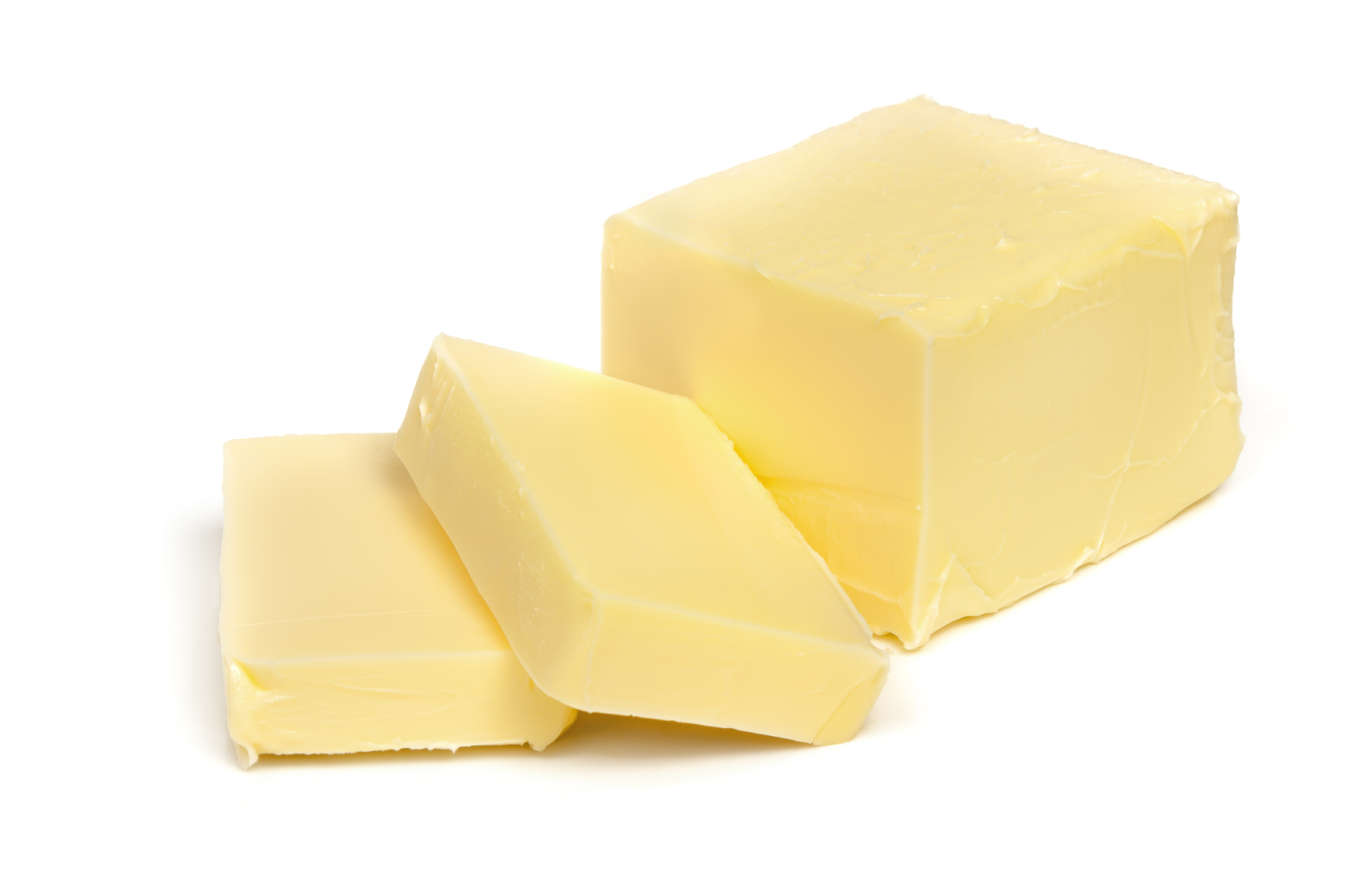
1. Butter: There has been a war on fats in the U.S. for decades now. And there has been no greater “enemy” than butter. Just look at how many chemical-filled butter substitutes you’ll find at your local grocer. But the problem isn’t butter per se. The problem is that most butter comes from sick, grain-fed cows. Then there’s the fake salt they put in most salted butter. But switching to grass-fed butter can make a big difference when it comes to your health. It gives you high doses of natural vitamins A, D, E, and K2.
This form—the real one—of butter fights inflammation and protects against heart disease. It may even help you avoid cancer.1 You can find grass-fed, unsalted butter in most health food stores. Some high-end grocers carry it too. Try adding your own natural sea salt for taste and trace minerals.
2. Chocolate: It’s no secret that we love it. In fact, we recommend you eat a serving of chocolate every day… Just not the kind waiting for you at the grocery store checkout line. These are full of high-fructose corn syrup and preservatives. We’re talking about real chocolate. It fights inflammation, lowers stress, and boosts cognitive function. But don’t expect these results if you aren’t eating the right form of it.
Look for dark, organic chocolate bars. The higher the percent of cocoa, the greater the health benefits in each bite. Aim for at least 70%. But be careful: Anything above 70% gets pretty bitter. Start low and work your way up. You can find a good variety in most health food stores and online.
3. Coffee: Coffee is one of the oldest—and most beloved—beverages on the planet. But a lot of people stay away from it. Frankly, we don’t get it. The truth is coffee helps preserve your vision. Drinking it even helps protect your hearing. Coffee may even keep your memory sharp. But not the syrup-infused, overly-sweetened stuff on the menu at most coffee places. We’re talking about real, organic coffee.
Drinking up to three cups of it each day will provide you with these health benefits—and a steady dose of antioxidant power. You can find single source, organic coffee in most food stores. Buying online will give you even more varieties to choose from.
4. Red Meat: Just like butter, this notorious food is seen as decadent—even deadly. But Health Watch readers know that it’s processed meats that are dangerous. In fact, grass-fed organic beef is one of the healthiest foods you can eat. It’s free of the grain, steroids, and antibiotic drugs that make grain-fed beef unsafe to eat. This kind of beef is also higher in B vitamins, calcium, and essential fatty acids.
And you can’t forget that it’s a complete protein. It gives your body the amino acids it needs to keep muscles strong and supported. Eating the right kind of beef may even help save your heart. You can find it in most health food stores. Just make sure it’s grass-fed and finished. Your butcher can help you if you aren’t sure.
5. Eggs: Eggs are one of the best sources of protein. They provide you with leucine. It’s an essential amino acid you need to regulate blood sugar and build muscle. It may even help you lose body fat. The problem is people think the yolk isn’t good for you. But the fact is that about half of the protein—plus all of the vitamins and minerals—are in the yolk. It provides vitamins A, B6, B12, D, E, and K.
It’s also where you’ll get calcium, folate, iron, and zinc. In other words, don’t skip the yolk. Make sure your eggs are pastured and fresh. Some health food stores carry local eggs. You should also be able to find them at farmer’s markets and even nearby farms. Just skip the gross egg substitutes that offer next to zero health benefit.
You may be avoiding them… But don’t believe everything you’ve heard about these foods. Eating them in the right form can give you major health benefits that their mainstream versions can’t. In fact, if you can’t find these foods in their ideal forms, your best bet is to limit how often you eat them—not eliminate them entirely.
References:
1http://www.bulletproofexec.com/wp-content/uploads/2012/04/Butter-Infographic1.jpg

https://www.institutefornaturalhealing.com/2014/09/five-shunned-foods-you-should-be-eating/

Thursday, 17 October 2019

The Meat You Eat and Cancer

Who are we supposed to believe when it comes to our health? There is a movement towards plant-based foods with many leading physicians seeing the reversal of conditions in patients following plant-based diets. 
PEN-FM-logo
By Gary Null PhD, Amy Mitura Esq. and Neal Greenfield, Esq.
Who are we supposed to believe when it comes to our health? There is a movement towards plant-based foods with many leading physicians seeing the reversal of conditions in patients following plant-based diets. Unfortunately, people researching the subject may come across writings by Dr. Stephen Barrett. Regarding nutrition, Barrett relies on the now scientifically debunked advice of the food pyramid where meat and dairy are the top bases of the diet, followed by wheat products, such as breads and pastas. Fruits and vegetables are given less significance. As Barrett has been a primary source for health-related articles on Wikipedia, influencing a massive audience, we decided to look at a few of the statements he has made over the years. Does he deserve to be considered an unbiased, objective authority on the subject? Judge for yourself… 
In his book The Health Robbers (last edition in 1993), Barrett argues that quacks and charlatans “claim that most Americans are poorly nourished,” saying, “this is an appeal to fear that is not only untrue, but ignores the fact that the main forms of bad nourishment in the United States are undernourishment among the poverty-stricken and overweight in the population at large.” (32) Many of Barrett’s assertions are based on the U.S. government’s original Food Guide Pyramid, which, according to Harvard School of Public Health, “conveyed the wrong dietary advice. And MyPyramid, its 2005 replacement was vague and confusing.” Again Barrett was wrong. Terribly wrong. 
Barrett has also been consistently incorrect about one of the food groups in that pyramid—meat and the chemical used during the curing process, sodium nitrite. According to Barrett, “Nitrosamines have been found to cause cancer when fed in large amounts to test animals. However, sodium nitrite is a normal component of human saliva, and some 80 percent of the nitrite in the body comes from eating celery, beets, radishes, lettuce, spinach, and other commonly consumed vegetables. So it seems a bit absurd to panic about adding small amounts of substances that prevent serious health threats while remaining unconcerned about larger amounts that are present naturally.” (Barrett 70-71) 
Barrett’s comparison of nitrosamines to sodium nitrite and commonly consumed vegetables is misleading at best. According to the National Cancer Institute, “vegetables also contain compounds that prevent the formation of N-nitroso compounds (NOC), which are known to cause cancer in animals and may cause cancer in humans.” Studies have shown increased risks of colon, kidney, and stomach cancer among people with higher ingestion of water nitrate and higher meat intake compared with low intakes of both. Other studies have shown modest evidence that higher nitrate intake can increase the risk of thyroid cancer and ovarian cancer among women. 
There are several notable studies that appear in the peer-reviewed medical literature showing the increased risk of cancer associated with higher nitrate intake: 
In 2013 the International Journal of Cancer published the Shanghai Women’s Health Study. The study, conducted by the University of Chicago, evaluated the effects of nitrite and nitrate from meat consumption in over 73,000 Chinese women. The researchers concluded that “women consuming higher levels of nitrite from animal sources, particularly from processed meat, may have an increased risk of thyroid cancer.”
 According to the Harvard School of Public Health, the World Health Organization (WHO)’s International Agency for Research on Cancer (IARC) found that “consumption of processed meat is ‘carcinogenic to humans,’ and…consumption of red meat is ‘probably carcinogenic to humans.” The IARC Working Group, comprised of 22 scientists from ten countries, evaluated over 800 studies. “Conclusions were primarily based on the evidence for colorectal cancer. Positive associations between processed meat consumption and stomach cancer, and between red meat consumption and pancreatic and prostate cancer were also identified. “Meat processing such as curing (by adding nitrates or nitrites) or smoking can lead to the formation of potentially cancer-causing (carcinogenic chemicals such as N-nitroso-compounds and polycyclic aromatic hydrocarbons (PAH).” 
Other health risks associated with meat consumption include cardiovascular disease and stroke, diabetes, obesity, acne, erectile dysfunction, and Alzheimer’s. A University of Wurzburg analysis of 11,000 middle-aged people concluded that those who consumed the most red meat had a 47 percent higher risk of ischemic stroke caused by artery blockage. A more recent 2016 Mayo Clinic analysis, published under the heading “Is Meat Killing Us?” reviewed 1.5 million Americans and found that all health causes for mortality was higher among regular meat-eaters.  
In an article published this June, the Union of Concerned Scientists informs us that “guidelines reflecting up-to-date science could have saved as many as 3,900 deaths from colorectal cancer and cut related medical costs by $1.5 billion.” Despite the fact that a review of the scientific evidence concluded that a healthy diet generally means less red and processed meat, the U.S. Department of Agriculture (USDA) and the Department of Health and Human Services (HHS), the federal agencies that have the final say on the guidelines, chose not to recommend eating less of either. 
So perhaps it wasn’t “absurd to panic” about nitrates after all. And perhaps it wasn’t wise to assume that following the U.S. dietary guidelines would keep people well-nourished. In what seems like an attempt at humor, Barrett writes, “Every group of people on earth gets cancer. So do virtually all animals (vegetarians and meat-eaters alike)…” (Barrett 9) But perhaps they don’t get cancer “alike.” Clearly the science indicates that people who rely upon the Food Pyramid and Barrett’s suggestions get cancer more than other groups. Once again, it appears to be Stephen Barrett, and anyone using him as a source, who is the real Health Robber. 
In conclusion, it is this simple, look on PubMed or any other legitimate resource and you will find a considerable amount of peer-reviewed studies–710 studies on plant-based diets and health, 4800 on vegetarian diets and health, 1059 on vegan diets and health, and 3454 on Meditteranean diets and health. Try to find one on meat-based diets and health… 
Duke Med Health News. 2010 Jan;16(1):1-2.
http://prn.fm/meat-eat-cancer/