Cabbage is packed in nutrients as vitamins, fibers and minerals and also in micronutrients too as vitamin A, iron and riboflavin.
Leticia Soares, Postgraduate Degree in Public and Family Health/Bachelor Degree in Nutrition and Dietetics and Carolina Castro, PhD Candidate (Health Services) -
Cabbage can help control high blood pressure. Cabbage is a source of fiber, folic acid and potassium. Potassium relaxes the walls of the blood vessels, lowering blood pressure and protecting cardiovascular system.
Cabbage may help in weight loss. The vegetable has few calories and it is rich in dietary fiber, which promotes the feeling of satiety for a longer time, helping in weight loss.
Cabbage regular consumption contributes to a healthy vision. Cabbage is rich in vitamin A, which is one of the most important nutrients to reduce the risk of macular degeneration and vision loss.
Cabbage can strengthen the immune system. Cabbage is a source of antioxidants compounds such as vitamin C, carotenoids and folate, which help prevent that free radical damage body cells and protect the body against infection.
Cabbage help prevent constipation. The high dietary fiber content of cabbage can help make your stools larger and softer and this can help lower the risk of constipation and diarrhea.
Cabbage has anti-inflammatory properties. The vegetable is a source of antioxidants that fight inflammation and prevent chronic diseases such as type 2 diabetes, heart disease, Alzheimer, cancer and depression.
Possible Side Effects
Excess consumption of cabbage can lead to increased gas, as it is high in sulphur and raffinose, which are substances that cause flatulence and gas.
This is for information purpose only, and should not be considered as a substitute for medical expertise. These are opinions from an external panel of individual doctors, and not to be considered as opinion of Microsoft. Please seek professional help regarding any health conditions or concerns.
Last month in Health Watch, we revealedthe five most nutrient-dense greens. But that’s only half the story… Researchers at William Paterson University also looked at the nutrient density and bioavailability of fruits. The study reveals that fruits—based on their scoring system—aren’t as potent as vegetables…but that’s no reason to skip them. You just have to know which ones are the best. And just like last time, the results may surprise you… INH Research
Here are the top five most nutrient-dense fruits:
5. Strawberries: They’re a sweet snack that also helps protect your heart. Strawberries may help you lower LDL cholesterol. Their fiber content could start fighting heart disease in 30 days. And researchers in this study didn’t even take their phytochemical content into account.1 This includes powerful compounds—like anthocyanin—that can help lower blood pressure and prevent free radical damage.
4. Lemons: Don’t overlook this tart fruit. Lemons are a great way to add extra vitamin C to the foods you eat. Fresh lemon juice on a salad or in your water adds flavor and antioxidant power. But lemons also pack limonoids—potent anti-cancer compounds—in their peels.2 Adding the zest to your veggies or fish is a great way to get natural limonoids into your diet—and help keep cancer at bay.
2. Pumpkins: Pumpkins are actually a nutritional powerhouse. Their seeds are an excellent source of zinc. It’s a vital nutrient that you’ll need for healthy aging. They may even help you keep blood sugar levels in check. Pumpkins are also rich in beta and alpha-carotene. These carotenoids may help you preserve eyesight. They may also help fight the signs of aging caused by oxidative damage. You can find raw—or roasted—organic pumpkin seeds online and in most health stores year-round.
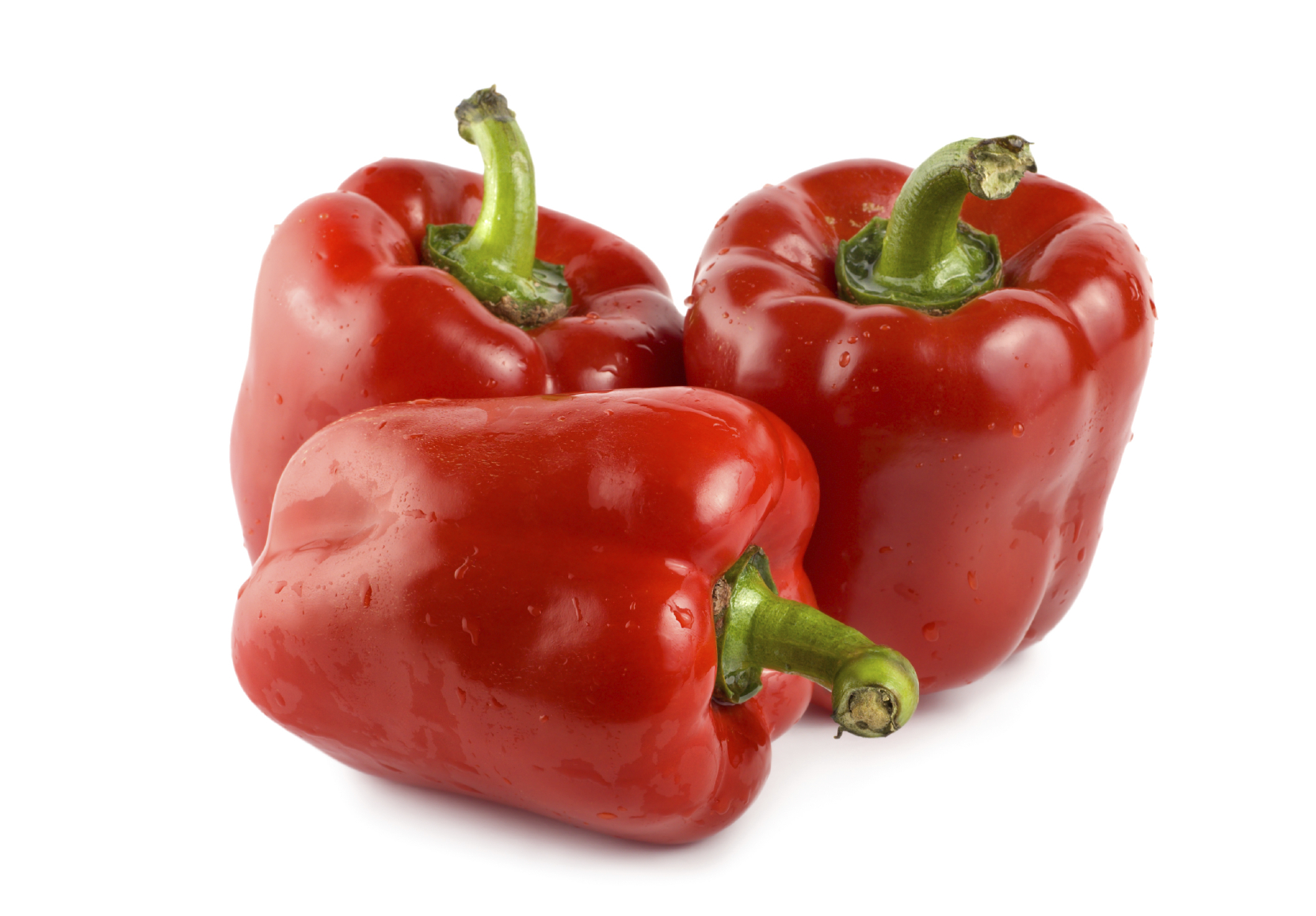
1. Red Peppers: These ranked higher than any other fruit. And not just because they’re high in vitamin C—they have more than an orange. Red peppers are also high in heart-healthy lycopene. Eating them may even help prevent Parkinson’s disease. These peppers contain small amounts of natural nicotine. Research shows that getting nicotine from peppers twice a week may help lower your risk for developing Parkinson’s by around 30%.3
The results are surprising… After all, some of the most popular fruits—like apples, bananas, and oranges—didn’t make the list. But remember: These rankings come from both how much nutrition is in each serving…and how easily your body absorbs it.
It doesn’t mean you shouldn’t skip other fruits—like tart berries and pineapples—altogether. But consider swapping them out for some raw, organic red pepper slices a few times a week to get the most nutrition out of your fruits. Like this Article? Forward this article here or Share on Facebook.
It's sometimes said that eating a lot of bananas at once could be dangerous - it has even been suggested that eating more than six in one sitting could kill you. Can this really be true?
By David RhodesBBC News
13 September 2015
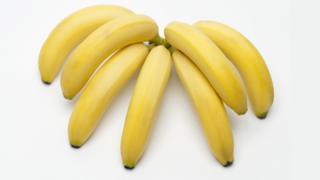
Bananas are one of the world's most popular fruits, stuffed with vitamins and minerals. On the face of it they are good for you, so why do some people think they could be fatal?
One well-known figure who has spread this idea around is Karl Pilkington, the grumpy friend of comedian Ricky Gervais.
"It is a fact. Potassium levels are dangerously high if you have six bananas... I saw a bowl of bananas. There's six bananas there. You know why there's only six? Seven would be dangerous."
So how dangerous is potassium? Actually, it is crucial for survival and can be found "within every single cell of the body," says Catherine Collins, a dietitian at St George's Hospital in London.
"We use it to help generate an electrical charge which helps the cell function properly. It helps keep your heart rate steady, it helps trigger insulin release from the pancreas to help control blood sugars, and more importantly keeps blood pressure in check."
On the other hand, if the level of potassium in the body is too low or too high it can result in an irregular heartbeat, stomach pain, nausea and diarrhoea. Potassium chloride is even one of the chemicals used in lethal injections in the US, as extremely high doses can cause cardiac arrest.
But for a healthy person, "it would be impossible to overdose on bananas," says Collins. "You would probably need around 400 bananas a day to build up the kind of potassium levels that would cause your heart to stop beating... Bananas are not dangerous - and in fact they are, and always have been, very good for you."
Adults should consume about 3,500mg of potassium per day, according to the UK's National Health Service. The average banana, weighing 125g, contains 450mg of potassium, meaning a healthy person can consume at least seven-and-half bananas before reaching the recommended level.
There are some people who should steer clear of foods that are high in potassium though, warns Collins - those with kidney disease.
"These patients have a very low kidney function which can potentially see a build-up of harmful potassium levels in their blood stream because they can't get rid of the mineral when they pass urine," she says. "So in theory it is possible for someone with kidney disease to die of a high blood potassium level if they decided to consume lots of different food types rich in the mineral."
She once had a patient on dialysis who had a heart attack after eating too many tomatoes - another fruit rich in potassium. His kidneys had already stopped working so he was unable to get rid of the excess.
Another thing that could cause some to worry about bananas is radiation.
Like many foods, bananas naturally contain some radioactive isotopes - enough for the US-based think tank, Nuclear Threat Initiative, to warn that they can trigger sensors used at US ports to detect smuggled nuclear material.
A typical banana contains 0.1 microsieverts of radiation. To put that in context, a typical CT scan in a hospital exposes humans to between 10 and 15 millisieverts - about 100,000 times more.
"The levels of radioactivity are negligible," says Collins. "Bananas are not as radioactive as Brazil nuts and they are safe to eat in moderation."
Watermelon may be the best dessert nature ever created, with its sweet juice cleverly bound inside that spongy red (sometimes yellow) matrix, and fully protected by psychedelic green rind.
Talk about a party orb.
But much like the thespian whose good looks overshadow brilliant acting skills, the watermelon’s sweet, colourful qualities have long undercut its attributes as a wholly nutritious fruit whose tasty powers hydrate, as well as heal.
And no matter how you slice it, this green cannonball of nutrition is attracting scientific attention as an elixir that reduces muscle pain after workouts and a whole lot more.
Studies have also shown beneficial effects on arterial plaque in cardiovascular disease, prostate and other cancers, erectile dysfunction, menopause, acid reflux, and potentially, Alzheimer’s disease, among others.
A recent study, for example, found that “watermelon extract supplementation reduces blood pressure and arterial stiffness” in older adults in cold weather, so it “can prevent the progression of hypertension and the hypertensive response to cold exposure”, said author Dr Arturo Figueroa-Galvez, associate professor at Florida State University’s department of nutrition, food and exercise sciences.
Watermelon may be able to boost health benefits including lowering inflammation that leads to prostate cancer, says research. Photo: TNS
Another of his studies found that the supplement also reduced ankle blood pressure in obese adults with hypertension.
Studies by others found that watermelon compounds reduced inflammation in prostate, gastrointestinal and other cancers, while a study published recently showed that lycopene, which provides the red pigmentation in watermelon and tomatoes, potentially reduced the inflammatory cascade of Alzheimer’s disease.
In April, yet another study found lycopene reduced reflux disease in animals, in part, by inhibiting acid pathways in the stomach.
“Watermelon is a pretty well-documented source of vitamin C, vitamin A and potassium,” said Dr Penelope Perkins-Veazie, a professor of horticulture in the Plants for Human Health Institute at North Carolina State University, United States. She said she’s been studying watermelon nutrients for 15 years.
Most noteworthy are watermelon’s two “secondary metabolites”, citrulline and lycopene, which have been the focus of recent research.
Citrulline, a non-essential amino acid, is abundant in watermelon, with yellow watermelons having four times that of red ones.
As it turns out, citrulline is involved in producing nitric oxide, a potent molecule that relaxes blood vessels and lowers blood pressure, “with benefits to the brain, heart and in a cycle of amino acids necessary to properly flush the kidneys”, said Dr Perkins-Veazie, who has a PhD in horticulture.
Lycopene is actually more abundant and more easily available in watermelon than tomatoes, where it’s bound up in cellular walls, even if tomatoes draw more research attention due to their importance in the American diet.
Dr Perkins-Veazie said lycopene shows clear benefits in reducing plaque build-up in arteries and preventing prostate cancer.
Botanically, watermelon is a fruit in the same cucurbit family as pumpkins, squash and cucumbers, which are often mistaken as vegetables.
The longstanding bias against watermelon stems from its 21 grams of carbohydrates, mostly sugars, in every two-cup serving, with only a single gram of fibre.
“People are concerned about the sugar, but compared to processed products, it tastes sweet but isn’t loaded with sugar,” Dr Perkins-Veazie said. “It’s counterintuitive, but there is an enzyme present to regulate the glucose.”
Despite the sugars (equally divided among sucrose, glucose and fructose), two cups of watermelon have only 80 calories with no fat, sodium or cholesterol.
“Using the same watermelon extract used in my previous human studies, watermelon supplementation did not increase body weight and improved blood lipids in rats,” Dr Figueroa-Galvez said.
Watermelon originated in southern Africa and became nature’s canteen. Rather than transport water long distances, travellers took watermelons, which are 92% water and don’t begin rotting for three weeks.
Stephanie Barlow, spokeswoman for the National Watermelon Promotion Board, said the fruit offers consumers health, value and versatility all year-round, all parts being edible, including the rind and seeds.
“We’re really focusing on health,” she said. “All pre-packaged foods have a smattering of health claims, so our health message has to be the strongest one.”
There are 1,200 varieties of watermelon grown in 96 countries, she said, noting that square ones are being grown in square containers in Japan so they fit into smaller refrigerators. There are even a few orange watermelons.
The 100 seeds in a watermelon are heavier than the flesh, she said, and act like marbles, damaging the flesh and causing them to rot more quickly. That helps explain why in the market today, she said, “It’s a landslide majority of seedless watermelons.” – Pittsburgh Post-Gazette/Tribune News Service
Ever wondered what goodness is in a banana? Other than being rich in vitamin B6, bananas are a good source ofvitamin C, dietary fibre and manganese. Bananas are also fat-free, cholesterol-free and virtually sodium-free. So what do these mean for your health?
Bananas are one of the best fruit sources of vitamin B6
Vitamin B6 from bananas is easily absorbed by your body and a medium-sized banana can provide about a quarter of your daily vitamin B6 needs.
Vitamin B6 helps your body:
produce red blood cells,
metabolise carbohydrates and fats, turning them into energy,
metabolise amino acids,
remove unwanted chemicals from your liver and kidneys, and
maintain a healthy nervous system.
Vitamin B6 is also good for pregnant women as it helps meet their baby’s development needs.
Bananas are respectable sources of vitamin C
You may not associate bananas with vitamin C but a medium-sized banana will provide about 10% of your daily vitamin C needs.
Vitamin C helps:
protect your body against cell and tissue damage,
your body absorb iron better,
your body produce collagen - the protein which holds your skin, bones and body together, and
support brain health by producing serotonin, a hormone that affects our sleep cycle, moods, and experiences of stress and pain.
Manganese in bananas is good for your skin
One medium-sized banana provides approximately 13% of your daily manganese needs. Manganese helps your body make collagen and protects your skin and other cells against free radical damage.
Potassium in bananas is good for your heart health and blood pressure
A medium-sized banana will provide around 320-400 mg of potassium, which meets about 10% of your daily potassium needs.
Potassium helps your body maintain a healthy heart and blood pressure. In addition, bananas are low in sodium. The low sodium and high potassium combination helps to control high blood pressure.
Bananas can aid digestion and help beat gastrointestinal issues
A medium banana will provide about 10-12% of your daily fibre needs. Singapore’s Health Promotion Board recommends a daily dietary fibre intake of 20g for women and 26g for men.
Soluble and insoluble fibres play an important role in your health. Soluble fibre helps your body control your blood sugar level and get rid of fatty substances such as cholesterol. Insoluble fibre adds weight and softness to stools, making it easier for you to have regular bowel movements. This helps to keep your gut healthy and safe from harmful bacteria.
Bananas, especially newly-ripened ones, contain starch that does not digest (resistant starch) in your small intestine and is able to pass into the large intestine. Such bananas help you manage your weight better as you stay full for longer.
That said, bananas can help you beat gastrointestinal issues such as:
Bananas give you energy – minus the fats and cholesterol
Bananas contain three natural sugars – sucrose, fructose and glucose – giving you a fat and cholesterol-free source of energy. As such, bananas are ideal, especially for children and athletes, for breakfast, as a midday snack or before and after sports.
When is the best time to eat bananas?
The best time to eat bananas depends on your nutritional needs and preference.
Generally, the taste and nutritional value of bananas change as they ripen. Newly-ripened bananas tend to be less sweet than well ripened bananas because the starch hasn't fully broken down into simple sugars.
The upside to eating newly-ripened bananas is that you stay full for longer and enjoy the benefits of the resistant starch therein.
On the other hand, a well-ripened banana with some dark patches on the skin is easier to digest and may give you the energy boost you require before playing sports.
Can everyone eat bananas?
Some medical conditions can result in people having a high level of potassium in the blood. In that case, it will be wise to refrain from taking bananas.
And contrary to popular belief, a person with diabetes can eat bananas as long as the carbohydrate contents are accounted for.
Tiong Bahru Community Health Centre (CHC) strives to bring about convenient health services to the community. It is helmed by a team of experienced nurses and allied healthcare professionals to support and complement GPs in their management of patients with chronic conditions.
Main services include Digital Diabetic Retinopathy Photography, Diabetic Foot Screening, Nurse Counselling and Education, as well as Dietetic Services.
From milk and cookies to chocolate and peanut butter, some foods make a tasty combination. But attention to medical labels, and not your taste buds, is needed when combining certain foods with medications.
Milk and other calcium products, for example, can block the absorption of certain antibiotics. And eating large quantities of chocolate while taking some antidepressants can cause a sharp rise in blood pressure. Even some licorice can reduce the effects of certain blood pressure drugs and diuretics.
A recently published review in the Canadian Medical Association Journal that found an increasing number of prescription drugs could have potentially dangerous interactions with grapefruit and grapefruit juice highlights the importance of consumers being aware of possible food and drug interactions.
It's been known for some time that grapefruit juice can "both increase or decrease the absorption of a small number of drugs," says Hartmut Derendorf, chairman of pharmaceutics at the University of Florida College of Pharmacy. Derendorf was not involved in the Canadian review.
"If the drug is metabolized in the gut wall to a large extent and this metabolism is blocked, then the concentrations in the blood will go up. An example is the lipid-lowering drug simvastatin (Zocor)," says Derendorf. "For other drugs such as the antihistamine fexofenadine (Allegra), grapefruit juice blocks the uptake into the bloodstream and the concentrations in blood will go down."
In all such cases there are alternative medications available that will not interact with grapefruit and the other citrus fruits that contain furanocoumarins, the culprit behind the "grapefruit juice effect," Derendorf says. These include Seville oranges (often used in marmalade), limes and tangelos, a cross between tangerines and grapefruit. Sweet oranges, such as navel and Valencia, do not contain furanocoumarins.
There's more attention than ever before being paid to reducing interactions between food and drugs, Derendorf says, and researchers are focused on finding safe alternatives, removing the chemical compounds that cause interactions, and in some cases, changing the genetic makeup of foods so that they do not interfere with medications.
In December, a team at the University of Florida's Citrus Research and Education Center published a paper about ongoing efforts to create a grapefruit hybrid with significantly reduced interaction risk.
Concerns about the interactions between foods and drugs are not limited to prescription medications. Dietary supplements (which also include vitamins, minerals and herbs) can likewise interfere with how some medications work.
"Often, people think that herbal supplements are benign and don't have interactions, and that's absolutely false," says Christine Gerbstadt, a registered dietitian and spokesperson for the Academy of Nutrition and Dietetics. "Most supplements have the exact same chemicals and ingredients as pharmaceutical drugs but simply in a naturally occurring form or lower dose," she says.
Drugs, of course, can have negative interactions with other drugs, and the same can be true of supplements. Calcium supplements, for example, may decrease the absorption of dietary iron, which is why people at high risk for iron deficiency are encouraged to take calcium supplements at bedtime, instead of with meals.
When being prescribed any medication it's important to inform your physician of all medications you're currently taking — prescription, over-the-counter and dietary supplements — to read the patient information material that comes with the medication and to ask about potential interactions, Gerbstadt says.
"Your pharmacist and registered dietitian can also provide a wealth of information," she says. "No one person can know it all, but huge databases are available to help professionals get access to this information."
A sampling of the potential interactions between foods and medications, including some supplements, according to the Food and Drug Administration:
-- Grapefruit juice: Some statin drugs to lower cholesterol, such as simvastatin (Zocor), atorvastatin (Lipitor), and pravastatin (Pravachol); some blood pressure-lowering drugs, such as Nifediac and Afeditab ; some organ transplant rejection drugs, such as Sandimmune and Neoral (both cyclosporine); some anti-anxiety drugs, such as BuSpar (buspirone); some anti-arrhythmia drugs, such as Cordarone and Nexterone (both amiodarone); some antihistamines, such as Allegra (fexofenadine); the anti-malaria drugs Quinerva or Quinite (quinine); and Halcion (triazolam), a medication used to treat insomnia.
-- Licorice: The sweetening compound glycyrrhizin in black licorice may reduce the effects of some blood pressure drugs or urine-producing drugs including Hydrodiuril (hydrochlorothiazide) and Aldactone (spironolactone). It may increase the toxicity risks from Lanoxin (digoxin), used to treat congestive heart failure and abnormal heart rhythms.
-- Chocolate: Antidepressant Monoamine Oxidase (MAO) inhibitors (such as phenelzine (Nardil, Nardelzine) and tranylcypromine (Parnate) are just one category of drugs that shouldn't be consumed with excessive amounts of chocolate and other caffeinated foods. Caffeine can also interact with stimulant drugs such as Ritalin (methylphenidate), increasing their effect, or by decreasing the effect of sedative-hypnotics such as Ambien (zolpidem). Using bronchodilators with caffeinated foods and drinks can increase the chance of side effects, such as excitability, nervousness, and rapid heart beat.
-- Potassium-rich foods (such as bananas, oranges, and green leafy vegetables): Can add to high potassium levels in the body caused by ACE (Angiotensin Converting Enzyme) inhibitors including captopril (Capoten) and enalapril (Vasotec) prescribed to lower blood pressure or treat heart failure. Too much potassium can cause an irregular heartbeat and heart palpitations.
-- St. John's Wort (Hypericum perforatum): Can reduce concentrations of medications in the blood, including digoxin (Lanoxin), used to treat congestive heart failure and abnormal heart rhythms; the cholesterol-lowering drug lovastatin (Mevacor and Altocor), and the erectile dysfunction drug sildenafil (Viagra).
-- Vitamin E: Taken with a blood-thinning medication such as warfarin (Coumadin) can increase anti-clotting activity and may cause an increased risk of bleeding.
-- Ginseng: May increase the risk of bleeding when taken with anticoagulants (blood thinners such as warfarin and heparin). Can also increase the bleeding effects of aspirin and non-steroidal anti-inflammatory drugs such as ibuprofen, naproxen, and ketoprofen. Combined with MAO inhibitors such as Nardil or Parnate may cause headache, trouble sleeping, nervousness and hyperactivity.
-- Ginkgo biloba: High doses can decrease the effectiveness of anticonvulsant therapy in patients taking seizure-control medicines Tegretol, Equetro or Carbatrol (carbamazepine), and Depakote (valproic acid).
For more information:
-- Download Avoid Food-Drug Interactions, an online guide by the U.S. Food and Drug Administration and the National Consumers League
this “plain grain” superfood helps the body heal itself?
When you think of superfoods, chances are barley is not at the top of your list. But it may be time to change that!
While barley may not have the flash and sparkle of other, trendier superfoods, it contains a natural balance of nutrients that make it the ideal food for helping the body heal and renew itself.
Barley facilitates the optimal function of organ and tissue systems, thanks to nutrients such as…
Amino acids
Fiber
Selenium
B-complex vitamins
Potassium
Calcium
When It Comes to Detoxing, Defense Really IS the Best Offense
When three of the minerals found in barley—zinc, copper, and manganese—combine, they form a very potent enzyme known as superoxide dismutase (SOD). SOD is one of the body’s built-in anti-oxidant defense responders. It protects your health and wellbeing by reducing internal inflammation. Thanks to the high levels of antioxidants it contains, it can neutralize free radicals, thereby preventing damage to cell membranes. When environmental hazards such as smoke… radiation… poisons… or chemicals damage your cells, SOD works to repair them.
Boosting SOD Levels: A Challenge With Huge Benefits
Atherosclerosis (hardening and narrowing of the arteries) Stroke Print PDF Further Related Reading:
Barley is also a rich source of tocols (a type of antioxidant) and beta-glucan soluble fiber, which is especially beneficial for diabetics. Best of all, barley is 93-95% digestible, so all the healing nutrients it contains can be easily absorbed.
For years, scientists have sought a way to boost levels of SOD. But attempts to do so proved unsuccessful—the harsh acids and enzymes in the digestive tract deactivate oral doses of pure SOD. According to a report in Life Extension magazine, coupling the enzyme with a protective protein (like those found in barley and other grains) allows it to be “delivered intact to the intestines and absorbed into the bloodstream, thus effectively enhancing the body’s own primary defense system.”
Once this mighty antioxidant reaches the bloodstream, it immediately begins detoxifying dangerous substances. SOD decreases your oxidative stress load, which helps prevent diseases such as…
Arthritis
According to Life Extension, SOD-boosting supplements “offer the most powerful free radical solution available today.”
In April of 2012, doctors diagnosed then—78-year-old Allan Taylor with advanced cancer of the colon and small intestine. His doctors told Taylor there was no way to treat the cancer, but he refused to surrender to the disease. “I was determined to stay positive and decided to find my own cure,” Taylor told the Sunday Mirror. Online research led him to make significant dietary shifts and add supplements—including barley—to his daily routine.
Four months later, he received a letter from his hospital informing him “the abnormality is no longer visible.” In other words, his latest scans showed no trace of cancer. In his interview with the Mirror, Taylor stated that he believes barley was “particularly crucial” to his remarkable recovery.




 Atherosclerosis (hardening and narrowing of the arteries)
 Print
Print  PDF
PDF