Pages

Showing posts with label Avastin. Show all posts

Sunday, 23 June 2013

Mainstream medicine "discovers​" alternativ​e secret

23 June 2013

Newsletter #302
Lee Euler, Editor


    Alternative medicine has focused on the power of the immune system and immune-boosting treatments for years. Right here in this newsletter, we cover the many natural remedies known to strengthen the immune system—lactoferrin and colostrum come to mind as two of the most powerful, not to mention a whole slew of mushroom remedies.

    So it's hard to know whether to laugh or cry when we hear that mainstream medicine has discovered a powerful new tool for fighting cancer: the immune system. Hey, better late than never! At least they're now focusing their massive research budgets in the right direction. With luck, the new drugs they're developing could lead to a revolution in conventional cancer treatment.


In their quest to beat cancer, heavy-hitters like Bristol-Myers Squibb and Merck & Co. are now focusing on experimental drugs that work with the human immune system (instead of against it, the way chemotherapy does). The results so far look very promising.

    Money is at the heart of it, of course, and investors are closely watching the progress of these drug tests. There's a chance we're going to see real results from these pharmaceutical treatments, and soon.

    At the very least, these new drugs may extend the length of time cancer patients stay in remission. And with luck they may add years to a patient's life — or even lead to an outright cure for some types of cancer. But research on that won't be available for another year.

    Equally exciting is that the new approach hints at a way to keep metastatic cancer under control for long periods of time, as opposed to jumping from one chemo drug to another as a tumor develops resistance. It turns out you don't need a succession of different chemo drugs to chase after shape-shifting cancer cells. You just need a strong immune system—exactly what cancer advocates like myself, Bill Henderson and Ty Bollinger have been saying for years.

    That's because immunotherapy drugs (or better yet, natural immune boosters) allow a patient's immune system to keep up with mutations in a tumor. Early results of the new drugs suggest that patients given as few as nine months to live could survive for several years.

    These new therapies could potentially bring in billions of dollars for the pharmaceutical companies promoting them. Really, it's the first innovative method for attacking cancer in a decade that's come out of Big Pharma. So much research in recent years has gone toward treating uncontrolled cell growth and genetic processes that little progress was made for treating advanced tumors.


They see dollars, and lots of 'em. . .
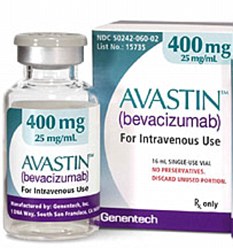
    Bristol-Myers is developing a new immune-boosting cancer drug candidate called nivolumab. If it works for lung cancer, as they hope, it could bring in sales close to the recent drug Avastin: $5.8 billion in sales just last year. Made by Roche, Avastin is used to fight colon cancer and other tumors.

    The concept behind drugs that strengthen the immune system is this: The immune system is able to respond to changes in the body's enemies. Get the immune system to adapt to fighting any dangerous malignancy, and you'll give mutating cancer cells a fair fight. The immune cells are able to change right along with the cancer cells. The new immunotherapy drugs target the immune system's T-cells, well known as our body's key defenders against germs and infections.

    T-cells have something akin to an off-switch, called PD-1. These new immune-boosting drugs essentially prevent this switch from ever going off. This makes it more likely for T-cells to recognize and attack invading tumors as dangerous. Prior to this, tumors were able to fly under the T-cell radar and weren't immediately recognized as a risk.

    But—and this is the most important point of all—many experts feel this new revolution in drug design will bring about a paradigm shift for fighting cancer. That is to say, it's a paradigm shift for mainstream medicine. Alternative therapies have focused on the immune system for decades.

    Merck's senior vice president Gary Gilliland stated immune therapy was the key to finally eradicating tumors. "We are pretty good at shrinking tumors," he said in an interview, "but not good at getting rid of them." This could be the key.
The results are astounding
    Bristol-Myers did something similar two years ago with a drug called Yervoy, tested on patients suffering from advanced, late-stage melanoma. Melanoma is the deadliest form of skin cancer, and indeed one of the deadliest of all cancers.

    Yervoy doubled the number of patients surviving four years after their diagnosis to 19 percent. This success is what brought the idea of immunotherapy to light in conventional care. Now you might say immunotherapy has officially been accepted into mainstream medicine.

    A Merck drug, Lambrolizumab, shrank tumors in 38 percent of advanced melanoma patients, with even better results at the highest doses: a 52 percent tumor shrinkage.

    These immunotherapy drugs have shown such promising results early on that some doctors are speculating that patients with melanoma could be cured. Not just in remission — cured.

    Nivolumab, the drug in development by Bristol-Myers, is in final-stage trials for patients with lung cancer, kidney tumors, and melanoma. So far, nivolumab has been shown to shrink tumors for between 18 and 28 percent of patients who didn't respond to other treatments.

    And for 53 patients given a combination dose of nivolumab and Yervoy, 82 percent were alive after a year, which was a better rate than seen with Yervoy alone.

    The race is on for big drug companies to get their hands on a piece of this pie. Right now, at least six other companies are pursuing tests of immune therapy drugs for patients facing advanced cancer.

    Much is yet to be discovered, including side effects. Both Bristol-Myers and Merck drug tests showed potential inflammation of the lung as a side effect, among other complications.
Let's wait and see
    Isn't it nice that mainstream medicine has finally recognized the immune system as a reliable cancer-fighting strategy? And the field is quickly getting crowded. These PD-1-targeting, tumor-shrinking drugs aren't the only approaches to bolstering the immune system that are being studied right now. Amgen Inc. is testing an anti-cancer virus therapy. Because antibodies and viruses target the immune system in different ways, it's believed an anti-cancer virus approach may produce a synergistic effect when combined with other treatments like the ones being developed at Merck and Bristol-Myers.

    I think they're on to something. They do, too — Merck senior vice president Gary Gilliland told reporters they have their best people and best teams working on this angle for treatment.

    The thing to remember, at the heart of this, is the power of the human immune system. Stimulating it leads to great things. Personally, I'd rather stimulate it naturally, with supplements and dietary approaches that don't prompt dramatic, unknown side effect. Refer to our archives for information on the many ways you can boost your immune system naturally, using proven approaches such as chlorella and spirulina supplements, bovine colostrum, and even good old-fashioned exercise. There's so much material on this subject, it's hard to know where to begin, but I suggest you check out Issue #5, Issue #139, Issue #177, Issue #208 and Issue #220.

    Last week I covered one of the best foods you can eat to fight cancer (I eat it almost every day myself). If you missed the article, you can read it now below.
http://healthticket.blogspot.com/2013/06/can-one-tiny-seed-flaxseed-put-brakes.html

References

"Human Immune-Boosting Cancer Drugs Seen Extending Lives: Health." By Robert Langreth. The Washington Post, 13 May 2013.  http://washpost.bloomberg.com/Story?docId=1376-MMJLLE6S972O01-39S7ID84S63KC7FAO61215HTFJ

"Engineered molecules boost immune attack on cancer, researchers say." By Christopher Vaughan. 10 June 2013.  http://med.stanford.edu/ism/2013/june/sirp-0610.html

"New Cancer Treatments Boost Drug Firms." By Richard Davies, ABC News. 4 June 2013.
http://abcnews.go.com/blogs/business/2013/06/new-cancer-treatments-boost-drug-firms/

"New medicine | Could immune-boosting drugs beat the deadliest form of skin cancer?" by Robert Langreth, Bloomberg News. Courier-Journal.com, 3 June 2013.
http://www.courier-journal.com/article/20130603/PRIME01/306030051/New-medicine-Could-immune-boosting-drugs-beat-deadliest-form-skin-cancer-


Source:  http://cancerdefeated.com/newsletters/Mainstream-Medicine-Discovers-What-Alternantive-Doctors-have-Known-for-Decades.html


Other articles on mushroom on Healthwise:

Monday, 15 October 2012

Sea Cucumber - an Angiogenesis and RTK inhibitor


Benefits of a special sea cucumber extract in anti-angiogenic therapy and RTK inhibition for cancer


Introduction

Angiogenesis, or the growth of new blood vessels, is involved in such vital processes as wound healing, restoration of blood flow to tissues after injury, and menstruation1-2. However, when the body is unable to control angiogenesis, diseases such as age-related macular degeneration, rheumatoid arthritis, or psoriasis can result3. But more importantly, angiogenesis is central to tumor growth, proliferation, invasion, and metastasis.

When normal tissues are diseased or injured, such as in tumors, different growth factors or proteins are released into the nearby tissues to stimulate angiogenesis. The growth factors subsequently bind to their corresponding receptor tyrosine kinases (RTKs) within endothelial cells in the blood vessels. This receptor binding results in the activation of the otherwise dormant endothelial cells, causing them to divide and migrate towards the diseased tissues or, in this case, the tumor cells. Adhesion molecules help the growing new blood vessels to sprout forward. These sprouting endothelial cells roll up to form new blood vessel tubes. Ultimately these tubes form a network of new blood vessels that can circulate blood4. With the new blood vessels now feeding it, the tumor can continually grow in size, invade other tissues and facilitate the spread of the cancer to other organs.

Inhibiting angiogenesis at some point in this process is obviously central to stopping tumor growth. Normally, the body has naturally-occurring angiogenesis inhibitors that try to counter the potentially abnormal effect of growth factors. However, when a tumor reaches a size of about 2 mm in diameter, growth factors are produced in overwhelming amounts and the effect of natural angiogenesis inhibitors is overpowered4. As a result, a cascading process of new blood vessel formation is initiated. One aspect of cancer therapy research, called RTK inhibition, concentrates not necessarily on stopping the overproduction of angiogenesis-related growth factors but on blocking these from binding to their receptors in order to stop the signaling that launches the process of new blood vessel formation.

For more than three decades now, cancer therapy research has tried to find resources-- natural or otherwise-- that can block the angiogenesis process. Researchers have since developed synthetic angiogenesis inhibitors, but they have also found potential angiogenesis inhibitors in natural marine resources, most especially sea cucumbers. Sea cucumbers are delicacies in the South China seas and are known to be rich in nutritional compounds such as polysaccharides5 and lactones6. In the 1990s, scientists have uncovered that sea cucumbers are active inhibitors of angiogenesis as well (U.S. Patent No. 5,985,330). This comes as no surprise to people living in the South China seas. For centuries, sea cucumbers have been considered as an integral part in Chinese folk medicine, primarily used as treatment for stomach ulcer and stomach cancer. The discovery that these natural resources are angiogenesis inhibitors only reinforces their centuries-old history of traditional use. More recently, a research team in China published more concrete evidence that philinopside A (chemical formula C55O22H85SO3Na), extracted from a special sea cucumber species, is not only able to suppress new blood vessel formation but also inhibit RTK binding of growth factors7.

The anti-angiogenic and RTK inhibitory functions of Philinopside A

Results of studies by the research team in China revealed that due to philinopside A’s significant inhibition of three important stages of angiogenesis (endothelial cell proliferation, migration and tube formation), the formation of new blood vessels was greatly reduced. It was observed that, at various doses, philinopside A inhibited proliferation of human microvascular endothelial cells (HMECs) at rates of up to 98.7%. Using the same doses, HMEC migration was also inhibited by as much as 94.1%. Figures 1 and 2 illustrate the sprouting of microvessels in cultured rat aortas before and after treatment with philinopside A. After addition of philinopside A, the outgrowth is visibly reduced, indicating that it did block blood vessel formation. In more specific tests, philinopside A was found to inhibit proliferation in several cancer cell lines, including MKN-28 (gastric cancer), SPC-4A (colorectal cancer), HL-60 (leukemia), A-549 (lung tumor), BEL-7402 (liver cancer), MCF-7 (breast cancer), HCT-116 (colorectal cancer) and HO-8910 (ovarian cancer)7.

In subsequent studies, philinopside A produced a more potent anti-angiogenic effect than Suramin, a synthetic angiogenesis inhibitor manufactured by Parke-Davis, requiring only a minimal dosage to produce the same effect as Suramin. A comparable result, in terms of dosages, was obtained when philinopside A was compared against 5- Fluorouracil (5-FU), a popular chemotherapeutic agent7.

Further studies revealed that philinopside A is able to shrink mouse sarcoma 180 tumor tissues by inducing apoptosis, or cell death. It produced a 10-fold increase in apoptopic endothelial cells and a 9-fold increase in apoptopic tumor cells compared to the untreated tissues. A similar degree of tumor shrinkage was observed using 5-FU but a much higher concentration (at least 12 times more than philinopside A) was needed. In addition, both compounds operate through different modalities: philinopside A through apoptosis of tumor and endothelial cells and 5-FU through cytotoxicity of tumor cells7. The method by which it reduces tumor size is what sets philinopside A, and other angiogenesis inhibitors, apart from other cancer treatments. By inducing apoptosis of tumor and endothelial cells, treatment is localized and damage to the surrounding healthy cells is minimized. Chemotherapeutic agents and/or radiation, on the other hand, directly kills both healthy and cancer cells (cytotoxicity) and generates more physiological side effects.

Perhaps the most novel function of philinopside A is its ability to inhibit RTK binding. It has been previously mentioned that shutting off the switch close to the source can effectively stop the angiogenesis process. To achieve this, growth factors must be prevented from attaching to their receptors.

There are at least 20 known growth factors associated with angiogenesis, each with its own corresponding receptor(s)8. Some of these growth factors include the vascular endothelial growth factor (VEGF), fibroblast growth factor (FGF), platelet-derived growth factor (PDGF) and epidermal growth factor (EGF). The type of growth factors produced and their degree of responsiveness to receptors can vary from tumor to tumor. For example, VEGF is highly expressed in solid tumors-- such as in breast cancer, gliomas, and gastrointestinal cancer-- and attaches to the receptor fetal liver kinase-1 (Flk-1), among other receptors. By interfering with the stimuli at the receptor site, VEGF-RTK inhibitors can stop further tumor growth in these types of cancer.

The studies on Philinopside A illustrate that it is able to stop the signaling caused by the binding of VEGF, FGF, PDGF and EGF to their corresponding receptors (Flk-1, FGFR-1, PDGFR-β , and EGFR, respectively). Two other angiogenesis inhibitors, PD153035 and SU5416, were also tested. Results indicate that PD153035 inhibits the EGF receptor (EGFR) alone. Similarly, SU5416, manufactured by Pfizer, only inhibits the Flk-1 tyrosine kinase. It was concluded that because growth factors tend to critically overlap, inhibition of one RTK alone might not be enough to sufficiently block RTK signaling. Philinopside A, with its inhibition of all four tested RTKs, might possibly prove to be an effective RTK inhibitor with a lethal dose (LD50) of only 625 mg/kg orally in mice7.

Discussion

The inhibition of angiogenesis now seems like the most logical and valuable tool in the fight against cancer. Yet when it was first hypothesized in 1971 by Dr. Judah Folkman that tumor growth depends on new blood vessel formation, it was considered heresy by scientists9. Through continuing research by him and others who believed in his hypothesis, angiogenesis inhibition has since been firmly established as an innovative cancer therapy and has led to the development of angiogenesis and RTK inhibitor drugs-- collectively known as targeted therapies-- by various pharmaceutical companies worldwide.

In 2004, the first angiogenesis inhibitor drug was approved for use in the United States. Although not the first targeted therapy drug approved, Avastin (bevacizumab), is the first drug proven to actually delay tumor growth by targeting the VEGF tyrosine kinase, which is mainly responsible for vascular growth. Manufactured by Genentech, Avastin works in combination with standard chemotherapy drugs like the Saltz regimen (a combination of three drugs: irinotecan, 5-FU and leucovorin). Patients who received both Avastin and the Saltz regimen were found to survive 5 months longer than those who received the Saltz regimen alone10.

Although Avastin is technically the first angiogenesis inhibitor, there are other drugs that belong to a class called tyrosine kinase inhibitors (or RTK inhibitors). Unlike Avastin, these drugs have not been shown to starve tumors and induce apoptosis. Rather they interfere with the growth factor-to-receptor signaling that facilitates the proliferation of the cancer. In a way, they indirectly influence angiogenesis inhibition. Gleevec (imatinib mesylate) is a drug manufactured by Novartis used to treat chronic myeloid leukemia (CML) by blocking the Bcr-Abl tyrosine. In studies, patients have a 76% response rate to Gleevec compared to interferon, the standard CML treatment, which has a 12% response rate. Gleevec also works Figure 1 Figure 2 Microvessel outgrowth Microvessel outgrowth without philinopside A with philinopside A Reference: Tong Y et al, Int J Cancer, 2005; 114(6):843-53 as a PDGFR inhibitor for the treatment of gastrointestinal stromal tumors (GIST), a rare form of stomach cancer. Additional studies have found that within two years of using Gleevec, GIST patients develop a 75% resistance to it11.

Three other RTK inhibitor drugs, Tarceva (erlotinib), Iressa (gefitinib) and Erbitux (cetuximab), block the EGF tyrosine kinase. The first two are used to treat non small cell lung carcinoma (NSCLC) while Erbitux is indicated for advanced colorectal cancer. Tarceva, manufactured by OSI Pharmaceuticals, was found to have an overall survival of 6.7 months12. Both Iressa, manufactured by AstraZeneca, and Erbitux, manufactured by Imclone Systems, have not been shown to prolong survival although some patients have responded to the treatment. In clinical trials, Iressa caused significant tumor shrinkage in about 10% of lung cancer patients13. Erbitux produced a 10.8% tumor response rate among colorectal cancer patients14.

These are just examples of a growing class of drugs that can be collectively called “smart bombs” -- a reference to the selective way these drugs target cancer cells and minimize damage to healthy cells15. And now this term not only refers to synthetic drugs but to naturally occurring compounds like philinopside A in special sea cucumbers as well. Based on the evidence presented, philinopside A shows great potential as a relevant cancer therapeutic agent because of its dual role as an anti-angiogenic agent and RTK inhibitor.

In its function as an angiogenesis inhibitor, philinopside A has been shown to inhibit cell proliferation, cell migration and tube formation -- three of the most important stages in angiogenesis. Evidence also suggests that treatment with philinopside A caused tumor shrinkage and apoptosis without any effect on normal cells. This is the very essence of targeted therapy: confining the treatment to the diseased area.

Philinopside A’s broad range of RTK inhibitory effect is an important factor that makes it potentially more effective than other agents that target only a specific RTK. Angiogenesis is a complex process that likely involves multiple RTK signaling pathways. Inhibition of one RTK, therefore, may not be able to fully suppress angiogenesis. A concrete example to illustrate this point is the inhibitory effect of Gleevec on GIST patients. In approximately 10% of GIST cases that are attributed to abnormal PDGF tyrosine kinase signaling, Gleevec has been shown to have favorable results. More recent studies, however, have found that after a year or two of treatment, these GIST patients develop resistance to it. There may be other factors that lead to the drug resistance but a prevailing theory is that inhibiting PDGFR alone may not be enough to stop the tumor from growing. A Pfizer drug, Sutent (also known as SU11248), currently in clinical trials, has been shown to benefit 65% of GIST patients resistant to Gleevec. Although Gleevec and Sutent are both RTK inhibitors, Sutent targets several more RTKs than Gleevec: VEGFR, PDGFR-∝ and PDGFR-β, Flt3 and C-kit16. This suggests that therapies that target a wide range of RTKs will provide more effective and long-term anti-angiogenic effects than those that target a limited number of growth factor receptors.

Preliminary studies have certainly shown philinopside A’s potential as an angiogenesis and RTK inhibitor; however, further investigational studies including human clinical trials are warranted in order to firmly establish it as a viable anticancer therapeutic agent.

REFERENCES

1. Benn SI, Whitsitt JS, Broadley KN, Nanney LB, Perkins D, He L, Patel M, Morgan JR, Swain WF, Davidson JM. Particle-mediated gene transfer with transforming growth factor-beta1 cDNAs enhances wound repair in rat skin. J Clin Invest 1996; 98: 2894-902.

2. Yamamoto S, et al. Expression of vascular endothelial growth factor (VEGF) during folliculogenesis and corpus luteum formation in the human ovary. Gynecol Endocrinol 1997; 11: 371-81

3. Folkman J. Angiogenesis in cancer, vascular, rheumatoid and other disease. Nat Med 1995; 1:27-31.

4. Eckhardt, Gail. Angiogenesis Inhibitors as Cancer Therapy. Hospital Practice 1999; 34(1):63. March 30, 2005.

5. Viera and Mourao. Occurrence of a unique fucose-branched chondroitin sulfate in the body wall of a sea cucumber. J Biol Chem 1988; 263:18176-18183.

6. Findlay J and Anand Daljeet. Frondogenin, a new Aglycone from the sea cucumber cucumaria frondosa. J Natural Products 1984; 47(2):320-24.

7. Tong Y, Zhang X, Tian F, Yi Y, Xu Q, Li L, Tong L, Lin L, Ding J. Philinopside a, a novel marine-derived compound possessing dual anti-angiogenic and anti-tumor effects. Int J Cancer 2005; 114(6):843-53.

8. Angiogenesis. Angiogenesis Foundation. March 30, 2005.

9. Folkman J. Tumor angiogenesis: Therapheutic Applications. N Engl J Med 1971; 285:82.

10. “FDA Approves First Angiogenesis Inhibitor to Treat Colorectal Cancer.” U.S. Food and Drug Administration FDA News. February 26, 2004. March 16, 2005

11. “Gleevec Approved for First Line Treatment of Chronic Myeloid Leukemia (CML).” U.S. Food and Drug Administration FDA News. December 20, 2002. March 16, 2005

12. “FDA Approves New Drug for the Most Common Type of Lung Cancer.” U.S. Food and Drug Administration FDA News. November 19, 2004. March 16, 2005

13. “FDA Statement on Iressa.” U.S. Food and Drug Administration. FDA News. December 17, 2004. April 6, 2005

14. “FDA approves Erbitux for olorectal cancer.” U.S. Food and Drug Administration. FDA news. February 12, 2004. April 14, 2005.

15. “Top health stories of 2004.” Harvard Health Letter. December 2004.

16. “Clinical trial shows SU11248 benefits more than half of patients with gastrointestinal tumors resistant to Gleevec.” Dana Farber Cancer Institute. June 8, 2004. April 11, 2005.

BIBLIOGRAPHY

“Angiogenesis Inhibitors in the Treatment of Cancer.” National Cancer Institute. May 20, 2002. March 22, 2005 Tan, AR, Yang X, et al.

“Evaluation of biologic end points and pharmacokinetics in patients with metastatic breast cacer after treatment with erlotinib, an epidermal growth factor receptor tyrosine kinase inhibitor.” J Clin Oncol. 2004 Aug 1; 22(15):3080-90.

“Top ten scientific breakthroughs in 2003.” Science. Dec 19 2003;302(5653):2038-2045

http://www.chi-health.com

Monday, 5 September 2011

Three bowel cancer drugs for people in advanced stages of disease rejected on cost grounds

Rejected: Avastin will not be routinely prescribed to people on the NHS with metastic bowel cancers
Rejected: Avastin will not be routinely prescribed
to people on the NHS with metastic bowel cancers
The NHS drugs rationing body has turned down three treatments for people with advanced bowel cancer, saying they are not cost effective.

The drugs Avastin, Erbitux and Vectibix will not be routinely available on the NHS for people with metastatic bowel cancers, those that have spread to the rest of the body.

The decision by the National Institute for Health and Clinical Excellence (Nice) came despite the fact that there is evidence that two of the drugs can prolong life.

However, patients should still be able get the medicines if their doctors believe they would benefit from them, through the £200million Cancer Drugs Fund set up by the Coalition last year.

Mike Hobday, head of policy at Macmillan Cancer Support, said last night: ‘This decision is very disappointing news for people with bowel cancer.’

In draft guidance unveiled yesterday, Nice said it could not recommend the use of the three drugs for metastatic colorectal cancer that has progressed after chemotherapy.

None of the treatments have been approved for use in Scotland.


Nice admitted Erbitux, also known as cetuximab, prolonged life for cancer sufferers who had tried other drugs that had failed, while Vectibix (panitumumab) also provided a ‘survival benefit’, although the length of this was uncertain.

The organisation said there was ‘no evidence’ that Avastin (bevacizumab) prolonged life for people with this type of cancer.

However, none of the drugs were deemed to be cost effective, with a treatment of Erbitux costing £90,000 a year and Vectibix up to £150,000.

Andrew Dillon, NICE’s chief executive, said: ‘Metastatic colorectal cancer is when the primary cancer has spread from the colon or rectum to other parts of the body, such as the liver. It can be a devastating disease for both the patient and their family.

‘We have already recommended six treatments for various stages of colorectal cancer and are disappointed not to be able to recommend cetuximab, bevacizumab and panitumumab for this stage, but we have to be confident that the benefits justify the cost of the drugs

'At present, the independent appraisal committee who drafted the recommendations does not feel it has enough clear evidence, especially in the case of bevacizumab, to be able to recommend these drugs for use on the NHS.’

Members of the public, doctors and drugs companies involved are now invited to respond to a consultation on NICE’s recommendation.

Last year the Coalition brought in the Cancer Drugs Fund, providing £200million for people unable to access drugs because of NICE decisions to get them funded.

The public, doctors and drugs companies are now being invited to respond to a consultation on Nice’s recommendation.


5th September 2011
Dailymail.co.uk


Read more: http://www.dailymail.co.uk/health/article-2033777/Three-bowel-cancer-drugs-people-advanced-stages-disease-rejected-cost-grounds.html