Pages

Showing posts with label Maitake. Show all posts

Saturday, 5 October 2019

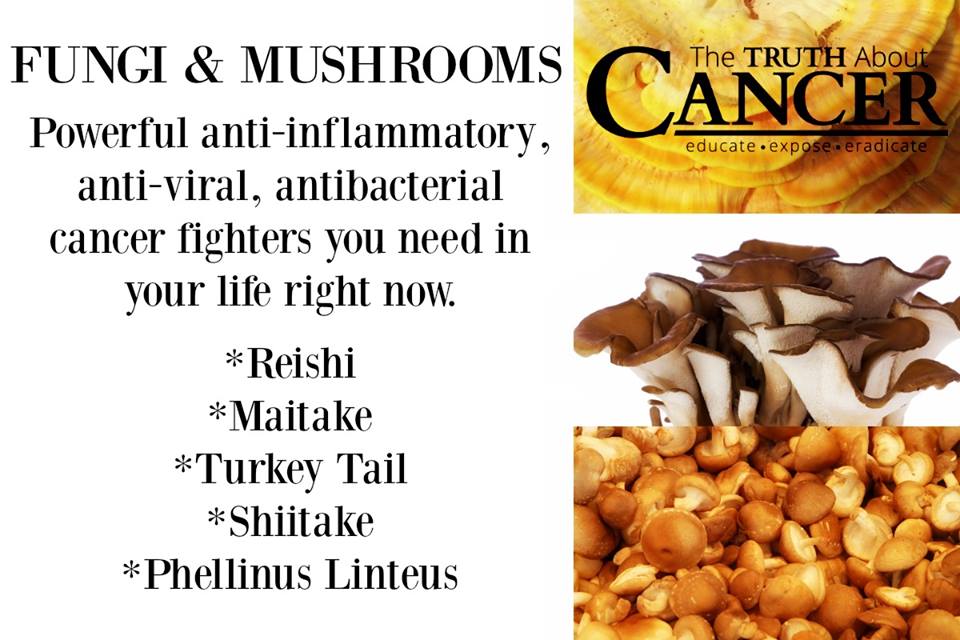
5 Medicinal Mushrooms That Fight Cancer

There is good evidence that mushrooms are among the most powerful functional food in a growing cancer-fighting and cancer-prevention arsenal.


March 19, 2019
Editor’s note: This post was originally published in March 2016. It has been updated and republished in March 2019.

Having secured a rich history in many ancient Asian healing practices, medicinal mushrooms have been prescribed and used for countless ailments for thousands of years. As modern medicine rediscovers these ancient superfoods, there is good evidence that mushrooms are among the most powerful functional food in a growing cancer-fighting and cancer-prevention arsenal.
Modern research confirms what many traditional healers have known for centuries – that mushrooms contain some of the most potent, yet safest medicinal ingredients found in nature. What’s more, most of these ingredients cause very few side effects – if at all – even at very high doses.
It is first important to differentiate between the anti-cancer medicinal mushrooms and the countless other common varieties. A quick visit to the local supermarket will reveal culinary mushrooms such as oyster, portabella, and others. Although these have their health benefits, the focus of this article will be on four of the more specialized and not typically commercially grown reishi, maitake, agaricus blazei murill, and turkey tail mushrooms.
It’s clear now that mushrooms are legitimate treatments in their own right for many health conditions, including diabetes, Alzheimer’s disease, and cancer.

Medicinal Mushrooms and Cancer

There are a few primary mechanisms that most of these functional, anti-cancer mushrooms share when assisting the body during cancer stages or in simple everyday prevention. First is their ability to enhance the body’s first line of defense against cancer − the immune system. When this system is weak or has failed, the mechanism for cancer has a better opportunity to manifest.
Next, some anti-cancer mushrooms exhibit direct antiviral and tumor shrinking abilities. As mentioned above, side effects are rare and mild but it is still important to talk with your healthcare provider before use.
It has been demonstrated that, in some cases, formulas containing multiple strains of different mushroom extracts often exhibit synergistic, complementary, and amplified effects. This is in stark contrast to many of the negative cumulative effects of chemotherapy drugs and radiation therapy methods commonly prescribed in hospitals today. As with research for many alternative treatments, the United States has been late to the party when it comes to medical research on the anti-cancer and overall health benefits of mushrooms.

Reishi Mushroom Benefits: The Mushroom of Immortality

Used for over 2000 years by sages and shamans and known in China as the “spirit plant” – also known as Mannentake, Ling Zhi or Ling Chi – Reishi relaxes and fortifies both mind and body. This fungus holds a very important place in the traditional medical systems of China, Japan, and Korea.
Ganoderma lucidum, or better known by its common name, reishi, it is one of the most well-known medicinal mushroom in Asian healing arts. The mushroom’s bioactive molecules and polysaccharides have been shown to better activate natural killer (NK) cells reducing cancer metastasis. NK cells are lymphocytes that perform immunosurveillance within the body, constantly on the lookout for “immuno-alerters” signaling tumor presence.
Reishi also has been shown to assist in slowing the growth (angiogenesis) of tumors as well as triggering programmed cell death in malignant cells. Currently, there is data to support the potential use of reishi as, at the very least, an adjunct therapy for colorectal cancer, lung cancer, prostate cancer, and breast cancer.

Studies have shown that Reishi helps to:

  • Counter free radicals and fight inflammation. Reishi has potent antioxidant and anti-inflammatory properties. In fact, Reishi compares very favorably to the synthetic anti-inflammatory drug prednisone, without the side effects. Also, Reishi may be able to counter our susceptibility to many aging-associated diseases, thanks to its powerful ability to fight free radicals and reduce cellular damage associated with oxidative stress.
  • Enhance immune system activity. Reishi enhances multiple aspects of the immune system in advanced stage cancer patients and lung cancer patients.
  • Fight cancer. Reishi ingredients are toxic to multiple cancer cell lines in culture – including leukemia, breast, ovarian, cervical, and lung cancer cells, among others. Evidence suggests Ganoderic acid is a potential anti-metastatic agent. Metastasis is the migration of cancer cells from their place of origin to other areas of the body.

Maitake Mushroom Benefits: The Dancing Mushroom

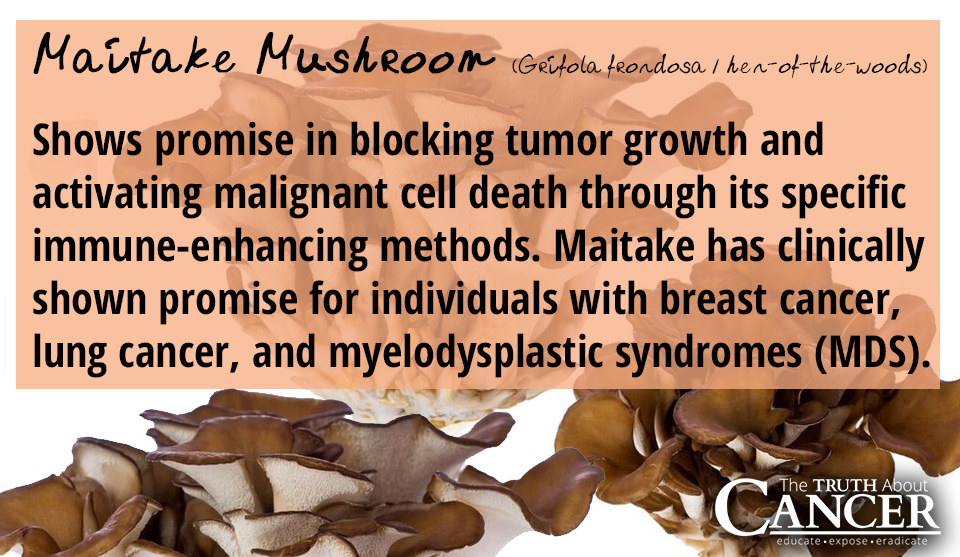
Maitake, like the reishi mushroom, also contains a broad-spectrum array of bioactive molecules. In studies, maitake has shown similar results as the reishi mushroom in stimulating NK cell activity in cancer patients. The mushroom also shows promise in blocking tumor growth and activating malignant cell death through its specific immune-enhancing methods. Maitake has clinically shown promise for individuals with breast cancer, lung cancer, and myelodysplastic syndromes (MDS).Maitake-Medicinal-Mushroom

Agaricus Blazei Murill: Tokyo’s Cancer Secret

This mushroom made perhaps the biggest splash when a study jointly conducted by the Medical Department of Tokyo University, The National Cancer Center Laboratory, and Tokyo College of Pharmacy showed a complete recovery in 90% of guinea pigs injected with cancer cells (180 sarcoma).
The pattern of other mushrooms was seen again as agaricus blazei murill activated macrophage and interferon immune activity leading to tumor shrinkage, a halt in metastasis, and reduction of future cancer occurrences. As an adjunct, agaricus blazei murill was shown to lessen the side effects in individuals undergoing chemotherapy for endometrial, cervical, and ovarian cancers.

Turkey Tail: The Natural Japanese Cancer Drug

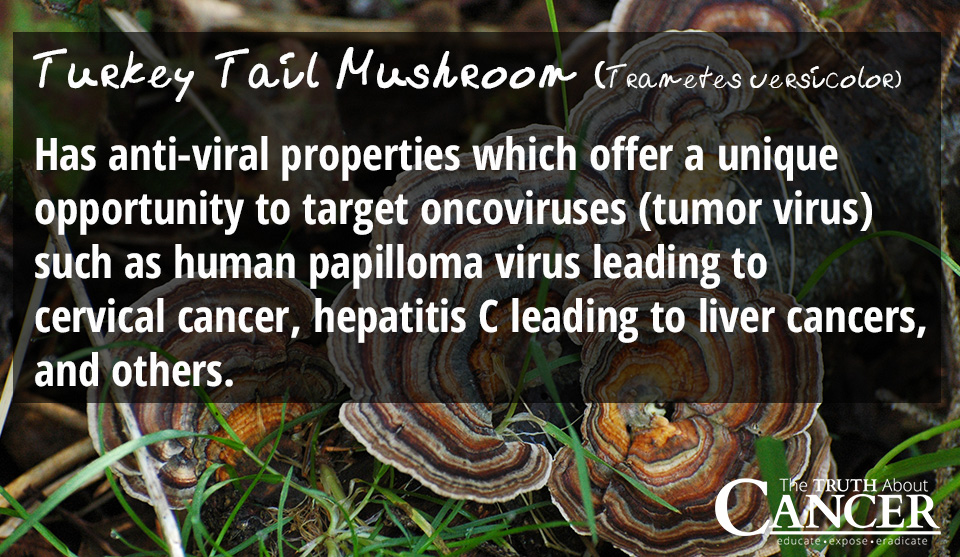
In 1976, a Japanese company patented certain extracts of this mushroom under the name PSK and later PSP. They have since become recognized cancer drugs in Japan. The anti-viral properties of the turkey tail mushroom offer a unique opportunity to target oncoviruses (tumor virus) such as hepatitis C leading to liver cancers, and others. For this mushroom, again studies are showing increased NK activity towards tumor detection and eradication.
It is important to note that drug companies cannot patent mushrooms. Due to this fact, funds typically won’t be allocated to study them unless they come from private institutions or government grants. However, this should be a positive as many studies only seek to isolate one part of a plant or mushroom to patent as a drug.
As mycologist (mushroom expert) Paul Stamets states,
Isolating one constituent from the others denatures and lessens the broad-spectrum potency of this natural, functional food.”
Turkey-Tail-Medicinal-Mushroom

Cordyceps: The Caterpillar Fungus

Cordyceps (Cordyceps sinensis) is also known as the Caterpillar Fungus and Dong Ching Xia Cao (Summer grass, winter worm), Cordyceps has long been a part of traditional Chinese and Tibetan medicine. An extremely rare combination of a mummified caterpillar and a fungus, it is found at very high altitudes in the Himalayas, on the Tibetan plateau, and other high-altitude locations around the world.
Cordyceps – both the mummified caterpillar and the fungus – contain many potent bioactive compounds, including cordyceptin, cordycepic acid, polysaccharides, and sterols.

Studies have shown that Cordyceps helps to:

  • Manage blood sugar levels in a healthy range. Emerging evidence indicates that the Cordyceps is likely to prove to useful in the management of diabetes.
  • Improve transplant success rates. Cordyceps protects the heart and lowered the rate of cardiac rejection in an animal model of heart transplantation. When given after kidney transplants, Cordyceps also reduced the rejection rate, improved kidney and liver function, boosted red blood cell production, and lowered infection rates in patients.
  • Strengthen the immune system. Cordyceps boosted production and activity of various components of the immune system in animal experiments.
  • Enhance antioxidant ability. Cordyceps raised levels and activity of innate enzymatic antioxidant systems in animal models.
  • Boost libido. Cordyceps boosts libido and sexual activity, along with restoring impaired reproductive function in animals as well as humans.
  • Improve exercise performance. Cordyceps made international headlines by helping Chinese runners break two world records by huge margins at the Asian Games in 1993. Cordyceps likely improves stamina because it stimulates production of ATP, one of the main sources of energy in our body’s cells. Cordyceps has also been shown to dilate the aorta – the main artery in the body that supplies oxygenated blood to the entire circulatory system – by 40%, greatly increasing blood flow and enhancing endurance.
  • Fight cancer. In laboratory experiments, Cordyceps was selectively toxic for cancer cells, without affecting normal, healthy cells. Bioactive ingredients in Cordyceps including cordyceptin attack and destroy mouth, bladder, prostate, breast, liver, lung, cervical, leukemia, and colorectal cancers as well as lymphoma, melanoma, and neuroblastoma in culture.

Medicinal Mushroom Supplementation: Choosing the Correct One for You

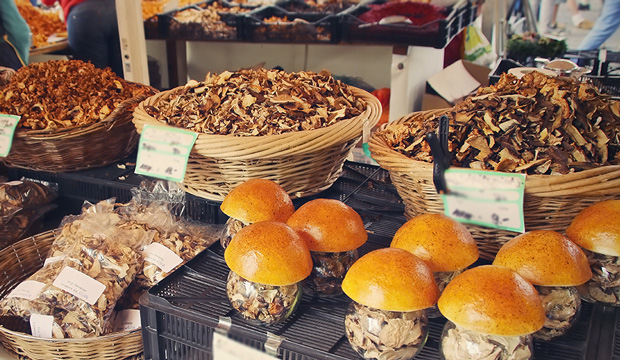
Mushrooms and mushroom supplements come in many different forms for health and wellness. These functional foods can be raw, powdered, liquid, and infused into other products. Each has their own sets of advantages and disadvantages.
  • Raw: Unlike consuming fruits and vegetables, raw mushrooms are not a superior form to consume if you’re looking to reap the health benefits from medicinal mushrooms discussed above. The polysaccharides, antioxidants, and metabolites can be better activated and concentrated using methods described below under the “liquid” category. It is for this reason that if you are experiencing a health crisis or simply looking to improve the functions of your mind and body, raw should not be your first choice.
  • Powdered: Like most other nutritional supplements, mushrooms also come in the powdered form as gel caps or loose. While the gel caps are preferred for daily convenience, the powder can be added to smoothies, juices, or sprinkled on food after it is cooked.
  • Liquid: If you are looking for rapid absorption into the digestive system, a liquid mushroom supplement form is a great choice. In addition, the liquid option offers perhaps the greatest versatility due to the fact that it can be added to coffee, tea, smoothies, soups, salad dressing, and just about anything else you can imagine. Regarding extraction methods, there are three methods used each focusing on distinct end results. Cold water extraction is used to extract extracellular metabolites. Hot water extraction is used to the extract the immune-stimulating polysaccharides. Ethanol/alcohol extraction is used to isolate antioxidants and smaller compounds that are more specific in their bio-activity.
  • Infused: This isn’t so much a category as it is a mere spin off of the liquid and powdered methods. Due to the popularity of mushrooms as a versatile and functional food, manufacturers are going the “value added” route by offering mushroom-infused versions of already existing products. For example, there has been a recent surge of popularity in the mushroom infused coffee bean market. A breakthrough method now allows the infusion of a mushroom strain directly into the whole coffee bean.

Labels & Production of Medicinal Mushrooms: What to Look For

Like most food and supplement production, it is now no longer a question that things must be organic. In addition, the “non-GMO” designation is also strongly considered for numerous reasons. Beyond that, mushrooms are good detoxifiers and accumulators of certain environmental particles and elements. Therefore, it is highly recommended to seek out growers and producers that follow strict methods and practices to ensure product purity.

Precautions: Clean Foods Equal Healthy People

Due to the makeup and properties of some mushrooms, there are dangers that consumers should be aware of. As I’ve covered in my docu-series, the concept of clean foods also applies to mushrooms due to our current environment. Of particular concern are heavy metals and radiation. Food and water contamination from heavy metals is a major problem. The soil and air has been affected by industry and pollution, and that directly impacts our food, water and physical bodies.
Certain mushrooms hyper-accumulate heavy metals which make them great environmental detoxifiers. However, for internal use, these same mushrooms should be laboratory cultivated to avoid toxins they’ve taken in.
There is no ignoring that Fukushima was perhaps the worst nuclear disaster in history. Certain mushrooms are known to hyper-accumulate radioactive particles. As with mushrooms that gather heavy metals from the environment, this is great news for cleanup purposes. For this same reason it is vital to choose mushroom supplements from cultures grown in controlled conditions.
A final note on safety: there are many species of mushrooms that are highly poisonous to humans. It is strongly advised that individuals do not wild gather mushrooms for consumption unless you have done extensive research. Regardless, for the reasons detailed in this article, it is still better if you leave your mushroom supplementation to professional, knowledgeable, and qualified producers who are using strict methods of extraction and preparation.

Did you know cancer has natural predators?

watch eastern medicine

Go here to discover how experts are eliminating cancer!

Article Summary

  • Some anti-cancer mushrooms exhibit direct antiviral and tumor shrinking abilities.
  • There is data to support the potential use of reishi as an adjunct therapy for colorectal cancer, lung cancer, prostate cancer, and breast cancer.
  • Maitake mushroom has clinically shown promise for individuals with breast cancer, lung cancer, and myelodysplastic syndromes (MDS).
  • Agaricus blazei murill mushroom made a big splash when a study showed a complete recovery in 90% of guinea pigs injected with cancer cells.
  • The anti-viral properties of the turkey tail mushroom target oncoviruses.
  • Studies have shown that Cordyceps helps to:
    • Manage blood sugar levels in a healthy range
    • Improve transplant success rates
    • Strengthen the immune system
    • Enhance antioxidant ability
    • Boost libido
    • Improve exercise performance
    • Fight cancer
  • Mushrooms can be consumed raw, powdered, liquid, and infused into other products.

[-] Sources and References

https://thetruthaboutcancer.com/medicinal-mushrooms-cancer/

Thursday, 3 October 2019

Avoid Cancer with Fungi and Mushrooms

It might sound ludicrous to say you can beat cancer with mushrooms but, rest assured, there are legitimate scientific studies to back up this statement.


March 2, 2015


It might sound ludicrous to say you can beat cancer with mushrooms but, rest assured, there are legitimate scientific studies to back up this statement.
No matter what type or stage of cancer applies to you (or someone you love), you can participate in your care and recovery every step of the way! Be proactive! Do your research and seek out safe, natural modalities that will improve your chance of survival.
Don’t depend solely on medical professionals or pharmaceutical drugs to help you get better. They see you as a case rather than a patient and are unlikely to tell you about safe complementary treatments you should consider.
They like to call superfoods and acupuncture “junk” science. I’d hold up my cancer patients’ survival rate against the “traditional” guys any day! Diet is a huge part of your wellness and that means it can be used to prevent as well as fight cancer cells.

An Ancient (Forgotten) Remedy

Mushrooms are similar to various “herbal” remedies, but unlike herbs they are able to process their food without the necessity of light. They’ve been used for thousands of years in the treatment of many conditions and those disease-fighting properties didn’t go anywhere; modern practitioners simply stopped using them!
Mushrooms are naturally…
  • Immune Boosting
  • Anti-Viral
  • Antibacterial
  • Anti-Cancer
  • Anti-Inflammatory
  • Antioxidant
Some mushrooms are used solely for their medicinal benefits while others are edible as well (used in countless recipes around the world).
There is a polysaccharide in mushrooms called beta glucan. In 1975, Dr. Peter Mansell with the National Cancer Institute tested this substance in the treatment of malignant melanoma. His conclusion stated that tumors injected with beta glucan were “strikingly reduced in as little as five days.” Incredibly, some tumors were gone entirely!
In addition to the remarkable beta glucan content, mushrooms are also abundant in lysine, tryptophan, terpenes, natural steroids, vitamin B2 (riboflavin), B3 (nicotinic acid), B5 (pantothenic acid), C, and K!

Top 5 Mushrooms to Support the Body

  1. Reishi: Known to the Chinese as “spirit plant,” this mushroom (Ganoderma lucidum) has been proven in clinical studies to have a strong anti-inflammatory effect that also works to balance blood sugar and regulate blood pressure. In regards to the immune system, Reishi boosts three key modulators (TNF alpha, interleukin-1-beta, and interleukin-6) that naturally seek out and destroy cancer cells and inhibit angiogenesis (the growth of new blood vessels that feed cancerous tumors ). It showed excellent results in preventing the excessive loss of white blood cells during traditional radiation treatment; thus preventing the immune system from being ravaged!
  2. Maitake: This large mushroom (Grifola frondosa) is used in recipes and has similar medicinal benefits to the Reishi. It has been shown to lower LDL “bad” cholesterol levels and improve triglycerides. Clinical trials have been done where the beta glucan extracted from maitake was injected into live cancer cells. The cells were dead within a day – and using a combination of beta glucan and vitamin C significantly increased its cancer fighting ability. The maitake’s affinity for the reduction of vomiting, loss of appetite and pain is a major benefit for those in the midst of chemotherapy.
  3. Turkey Tail: This mushroom (Trametes or Coriolis versicolor) is rare in that it is found throughout the forested regions of North America. Several hundred studies have been done on the benefits of the turkey tail mushroom. A strong polysaccharide known as polysaccharide-K (PSK – which is used as an active ingredient in chemotherapy drugs) enhances the immune system and improves the growth of white blood cells. The compound in this mushroom produces a strong immune system (antigen-antibody specific) response that destroys tumors; consequently,  survival rates are higher for patients who receive PSK during treatment. Using mushrooms to beat cancer is already being done in other parts of the world… most doctors in the U.S. simply don’t put the pieces together.
  4. Shiitake: This is probably the most popular mushroom (Lentinula edodes) known around the world. The beta glucan extracted from the shiitake is called Lentinan and Japanese scientists have found that it can be powerful ammunition in the fight against cancer. It doesn’t kill the cells directly, it boosts the T-cell and natural killer cell production instead, which search out and destroy cancer cells. After the ravages of chemotherapy and radiation therapy, Lentinan helps the immune system to recover more quickly. Though it is safe and effective, the extract has not been approved in the United States by the Food and Drug Administration (FDA). If you plan to get the compound through the consumption of shiitake mushrooms, at least they are delicious!
  5. Phellinus Linteus: Outside of Korea, this mushroom is fairly unknown (though it is an active ingredient in many skin care products) and is referred to by its scientific name. Boiled in water to produce a tea or soaked in wine, the health benefits of the Phellinus Linteus against cancer are promising. In clinical trials using animals, those given only the mushroom were concluded to have the highest survival percentage and lowest rate of metastasis (when cancer spreads to other parts of the body). Like others in my list, Phellinus works by enhancing your own immune system response to fight the cancer more effectively, rather than directly killing the cancer.
Anti-inflammatory MushroomsA word of caution… do NOT go out and begin harvesting wild mushrooms! Many fungi are dangerously poisonous. There are so many varieties, species, and sub-species that a simple mistake could result in severe consequences or even death.
If you are not a botanist or mycologist (a scientist who specializes in the study of fungi), please do not try to find your own. Look for a distributor that offers 100% organic mushroom extracts, produced under strict guidelines to preserve the nutrient content and overall effectiveness.
Beating cancer with mushrooms is not “junk” science. It is a valid, proven methodology for boosting your immune system (and overall health) while helping you fight cancer – and keep it from coming back. Prevention is always better than treatment so consider using mushrooms in your daily health regimen to inhibit the growth of cancerous cells from the start!
https://thetruthaboutcancer.com/avoid-cancer-fungi-mushrooms/

Monday, 21 March 2016

Could Mushrooms Aid in the Treatment of Cancer?

Mushrooms are neither plant nor animal. They're fungi and have been valued for their medicinal properties for centuries.
In ancient Egypt, mushrooms were thought to bring long life, and today in the 21st century, research is bearing out the mechanisms behind mushrooms' health-boosting properties, including their potential to fight one of the greatest plagues to modern man – cancer.
March 15, 2014 

Mushrooms

Story at-a-glance

  • Mushroom extracts have been shown to stimulate immune function in cancer patients as well as lead to complete tumor regression in animal studies
  • Unextracted whole mushroom products have been shown to improve immune status in immunocompromised breast cancer patients following standard primary oncologic treatment
  • Compounds from mushrooms such as shitake, maitake and reishi may have anti-cancer effects and may increase survival rates of cancer patients
  • Mushrooms are powerful immune boosters and are also excellent sources of antioxidants, including ergothioneine, which scientists are now beginning to recognize as a 'master antioxidant'
  • When consuming whole mushrooms or mushroom supplements, make sure they’re organic in order to avoid harmful contaminants that mushrooms absorb and concentrate from soil, air and water
Click on Healthwise for more articles


By Dr. Mercola
Mushrooms are neither plant nor animal. They're fungi and have been valued for their medicinal properties for centuries.
In ancient Egypt, mushrooms were thought to bring long life, and today in the 21st century, research is bearing out the mechanisms behind mushrooms' health-boosting properties, including their potential to fight one of the greatest plagues to modern man – cancer.

The Cancer-Fighting Properties of Mushrooms

About 100 species are being studied for their health-promoting benefits, and about a half dozen really stand out for their ability to deliver a tremendous boost to your immune system. In fact, some of the most potent immunosupportive agents come from mushrooms, and this is one reason why they're so beneficial for both preventing and treating cancer.
Long-chain polysaccharides, particularly alpha- and beta-glucan molecules, are primarily responsible for the mushrooms' beneficial effect on your immune system. In one study, adding one or two servings of dried shiitake mushroomswas found to have a beneficial, modulating effect on immune system function.1
Other naturally-occurring compounds in mushrooms such as fungal proteins, lectins, peptides, laccases, and others have also been reported to have significant effects on immune function. A protein-bound polysaccharide extract from turkey tail mushrooms is also being used to boost cancer patients' immune function in countries including Japan.2
An extract from maitake mushrooms has also been shown to stimulate the immune system in breast cancer patients.3 However, much research also shows that mushrooms have direct anti-cancer effects as well. For instance:
  • In a Japanese animal study, mice suffering from sarcoma were given shiitake mushroom extract. Six of 10 mice had complete tumor regression, and with slightly higher concentrations all 10 mice showed complete tumor regression.4
  • The compound lentinan in shiitake mushrooms has been found to increase the survival rate of cancer patients5
  • Extracts from maitake mushrooms, when combined with vitamin C, were shown to reduce the growth of bladder cancer cells by 90 percent, as well as kill them6
  • In Japan, the top two forms of alternative medicine used by cancer patients are a mushroom called Agaricus subrufescens (aka Agaricus blazei and Agaricus brasiliensis) and shiitake mushroom extract7
  • Ganoderic acid in Reishi mushrooms may be useful in treating lung cancer8
One particularly unique mushroom, Cordyceps, also called caterpillar fungus or Tochukasu, has anti-tumor properties as well. This parasitic mushroom is unique because, in the wild, it grows out of an insect host instead of a plant host. It has long been used within both traditional Chinese and Tibetan medicine. Scientists at The University of Nottingham have been studying cordycepin, one of the active medicinal compounds found in these fungi, as a potential cancer drug.9

What Else Are Mushrooms Good For?


Mushrooms are not only capable of bolstering immune function and potentially fighting cancer. Aside from being rich in protein, fiber, vitamin C, B vitamins, calcium, and minerals, mushrooms are excellent sources of antioxidants.
They contain polyphenols and selenium, which are common in the plant world, as well as antioxidants that are unique to mushrooms. One such antioxidant is ergothioneine, which scientists are now beginning to recognize as a "master antioxidant."
A previous study in the journal Nature10 discusses the importance of ergothioneine, which is fairly exclusive to mushrooms (ergothioneine is produced only by fungi and certain soil-inhabiting mycobacteria… plants may contain ergothioneine but only by an association of their roots with a fungus), describing it as "an unusual sulfur-containing derivative of the amino acid, histidine," which appears to have a very specific role in protecting your DNA from oxidative damage.
With that in mind, it becomes easy to see how mushrooms may be an important part of an optimal diet. If you don't like to eat them whole, you can also find them in supplement form, either as an extract or whole food supplement. TheFASEB Journal also published nine studies on mushrooms that detailed a wide variety of health benefits,11 including:
  • Weight management: One study found that substituting red meat with white button mushrooms can help enhance weight loss.12
  • Improved nutrition: One dietary analysis found that mushroomconsumption was associated with better diet quality and improved nutrition.13
  • Increasing vitamin D levels through your diet: Consuming dried white button mushroom extract was found to be as effective as taking supplemental vitamin D2 or D3 for increasing vitamin D levels (25-hydroxyvitamin D).14 Exposure of all species of mushroom tissue (fruit body and mycelia) to sunlight or artificial ultraviolet (UV) converts the bioactive mushroom compound ergosterol into significant amounts of vitamin D2. Some species of mushrooms also contain vitamin D3 and D4. 
In 2011, I interviewed Steve Farrar, who worked and studied mushrooms professionally for the last 30 years. The first 20 years, he spent growing them and working primarily with gourmet chefs, but in the past decade, he's started applying his expertise of mushrooms to health purposes. According to Farrar, Americans consume about 900 million pounds of mushrooms a year, but 95 percent of that is just one species: the common button mushroom and its relatives, the Crimini and the Portabello mushrooms.
Granted, the button mushroom is an excellent food, but there are many other types of mushrooms worthy of consideration if you want to improve your diet and health. Farrar's focus has been on growing various gourmet mushroom species, particularly the wood-decaying mushroom species, which differ greatly from your average button mushroom in terms of biology, nutrition, and medicinal value. To learn more, watch the interview below.

The Mysterious Mycelium

Mushrooms are nature's recycling system. If it weren't for mushrooms, we wouldn't have plants, because mushrooms (and their "parent" mycelium) break down rocks and organic matter, turning them into soil that provides the framework to nourish plants. Mushrooms are actually only the fruiting body of a more vast fungal form—the mycelium.
The mycelium is a fascinating cobweb-like mat that infuses nearly all landscapes. It is through the mycelium that the fungus absorbs nutrients from the environment. When two compatible mycelia combine, the resulting mycelium occasionally forms fruiting bodies called mushrooms. The mushrooms make spores, which fly away to make new mycelial colonies, and the lifecycle is complete.
Mycelial mats can be too small to see or cover vast areas of ground. Their extreme tenacity makes the soil spongy and able to support 30,000 times its weight. A single cubic inch of soil can contain eight miles of mycelium cells. The largest living organism on Earth is a mycelium in Eastern Oregon that covers 2,200 acres, is ONE cell wall thick and 2,000 years old. Paul Stamets, world-renown mycologist, believes fungal mycelia and the intricate, branching network they form function as "the Earth's Internet," a complex communication highway that is sort of Mother Nature's neural net.
In some ways, mycelia are "sentient" and seem to demonstrate learning. If one pathway is broken, it develops an alternate path. According to Stamets, when you step on it, it knows you're there and "leaps up" in the aftermath of your footstep, trying to grab debris. The mycelia—not JUST the mushrooms—contain many of the healing agents for which mushrooms are revered. Some supplements offer the added boon of including the mycelia of the mushroom for its added health benefits, including potentially enhancing energy production and focus.
Some mycelial products produced by a process known as "Solid State Fermentation" also contain extracellular (ie. secreted through the cell wall and into the surrounding environment) protective compounds that the mycelia produces to protect itself from competitors and pathogens. They may also contain a cocktail of extracellular digestive enzymes that the mushroom produces to digest and liquefy its substrate in order to absorb the liquefied nutrients across the cell wall.

How to Get More Mushroom Power in Your Diet

First off, I highly recommend adding a variety of mushrooms to your diet. They're an excellent addition to any salad and go great with all kinds of meat and fish. As a caveat, do make sure they're organically grown in order to avoid harmful contaminants that mushrooms absorb and concentrate from soil, air and water.  Also, avoid picking mushrooms in the wild unless you are absolutely sure you know what you're picking. There are a number of toxic mushrooms (all mushrooms are edible, but some of them just once—a mushroom joke), and it's easy to get them confused unless you have a lot of experience and know what to look for. Growing your own is an excellent option and a far safer alternative to picking wild mushrooms. 
In general mushroom fruit bodies, especially the button mushroom, are better to eat cooked. There were some studies in the '80s that reported Agaritine, a hydrazine compound found in Agaricus mushroom species, is a carcinogen.  Agaritine is mostly broken down by the heat of cooking. The studies were later mostly discredited.
Later studies done on the Agaritine in Agaricus blazei (a medicinal mushroom that is a tropical relative of the common button mushroom), found that extracted agaritine had antitumorial effects and induced apoptosis in leukemic cell lines.15Additionally, cooking breaks down the chitin in the cell wall of mushrooms and makes the nutrients and bioactive compounds more bioavailable. (Note: mushroom mycelium tissue, especially when finely milled, is more digestible than the above-ground mushroom fruit body tissue.) Also for mushroom species such as button mushrooms, which are grown on a pasteurized, manure-based compost (versus a sterilized wood or grain-based substrate), there are some hygiene issues to consider when consuming raw.
Dehydrated, finely milled mushroom powders (especially the milder-tasting mycelial powders) are excellent as "smoothie boosters." A teaspoon or two added to a veggie or fruit smoothie or protein shake is an easy and convenient way to add functionality to what is now a daily habit for many people. Dehydrated mushroom powders require no refrigeration and have a long shelf life, making it easy to maintain a daily mushroom regimen even when traveling. When it comes to mushroom supplements, there are two primary types:
  • Mushroom concentrates or extracts — Most of these are so-called hot water extracts, where either the mushroom mycelia — or the fruit body — is boiled for extended periods of time to extract the long chain polysaccharides. The end product is a concentrated form of glyconutrients (complex sugars) thought to be responsible for many of the health benefits, particularly the immunomodulating properties, of the mushroom. However, the heat of hot water extraction will destroy/denature many of the temperature-sensitive bioactive compounds (vitamins, proteins, amino acids, enzymes) and will not capture the alcohol-soluble or insoluble compounds (insoluble dietary fibers) in the mushrooms. Some extracts are produced using sequential hot water and alcohol solvent extraction processes that will contain more but not all of the multitude of naturally-occurring bioactive ingredients contained in the whole mushroom.
  • Whole food/raw mushrooms — Consuming the mushrooms raw or using a whole food mushroom (powdered pill) product is generally a better alternative if you're reasonably healthy and looking to maintain optimal health, as they help maintain ideal function of your various systems as opposed to imparting a direct effect. Most of the knowledge about mushrooms come from ancient Chinese medicine where mushrooms are regarded as tonics. Tonics are considered to have non-specific beneficial effects across several systems of your body that do not decline over time. The beneficial effects of tonics (sometimes referred to as adaptogens) are best achieved by taking tonics on a daily, on-going basis.
As mentioned earlier, if you choose to eat your mushrooms raw, make sure they are organically grown, as their flesh easily absorbs air and soil contaminants. Likewise, you'll want to make sure any product you buy is certified organic for the same reason. In addition to valuable nutrients, whole mushrooms also provide healthful dietary fiber that acts as prebiotic platforms for the growth of probiotic organisms in your gut, which is very important for digestive health. This is yet another reason to opt for a whole food mushroom product.
http://articles.mercola.com/sites/articles/archive/2014/03/15/mushrooms-cancer-treatment.aspx

 Click on Healthwise for more articles


You Might Also Like


You Might Also Like