Pages

Showing posts with label Dr R Lustig. Show all posts

Friday, 15 July 2016

Struggling to lose weight?

Expert reveals the 7 real reasons you aren't shedding the pounds:
  • Exercising doesn't help us to lose weight because it makes us hungrier
  • Meals with the same calories can produce dramatically different results
  • An excessive restriction of salt has been found to have a negative effect 
  • Obesity expert Dr. David Ludwig, explains why traditional diets don’t work

Forget everything you've been taught about dieting.

Many struggle to lose weight and often wonder why they can't get their desired body in time for the summer.

But now an expert believes he may know the reason why - and it lies within our eating habits.

You could be consuming too much after exercising, at a time when you're craving calories due to hunger.

Or you may be misunderstanding the real use of salt, damaging your chances of cutting down to a slimmer figure.  

Writing for Healthista, renowned endocrinologist and Harvard University obesity expert Dr David Ludwig explains in his new book, Always Hungry?, why traditional diets don't work.

Unfortunately consuming calories is much easier than burning calories, as Dr Ludwig said exercise doesn't produce much weight loss due to the fact physical activity makes us hungrier

Unfortunately consuming calories is much easier than burning calories, as Dr Ludwig said exercise doesn't produce much weight loss due to the fact physical activity makes us hungrier

1. YOU'RE EATING TOO MUCH AFTER YOUR WORK OUT 

Hundreds of studies have asked the question, is exercise the answer to weight loss? 

These studies include every imaginable approach of increasing physical activity and involve thousands of participants. 

The same conclusion is found in each study; some people lose a few pounds, others gain a few pounds, but most experience no meaningful weight change at all. 

Physical activity has many benefits such as enhancing motivation to eat well and increasing muscle mass, but lowering body weight isn't usually one of them.

The reason exercise does not produce much weight loss is due to the fact that physical activity makes us hungrier, so we compensate by eating more. 

Unfortunately consuming calories is much easier than burning calories. 

You may go for a 30 minute jog and burn 200 hundred calories only to replace those 200 hundred calories with an energy drink a minute later.

Dr Ludwig said: 'The reason exercise does not produce much weight loss is due to the fact that physical activity makes us hungrier, so we compensate by eating more.'

The reason exercise does not produce much weight loss is due to the fact that physical activity makes us hungrier, so we compensate by eating more, says Dr Ludwig

The reason exercise does not produce much weight loss is due to the fact that physical activity makes us hungrier, so we compensate by eating more, says Dr Ludwig

There is also indication that the more active we are at one time, the less active we are at a later time. 

In one study, thirty-seven adolescents with obesity engaged in varying levels of physical activity (high intensity, low intensity or rest) on three separate mornings. 

As anticipated, the adolescents burned more calories during exercise than when at rest. 

But in the afternoon calorie expenditure significantly decreased following these high intensity exercises. 

Regardless of how much the teens exercised, the total calories burned throughout the day remained the same. 

2. YOUR BODY HAS A NATURAL 'SET POINT' 

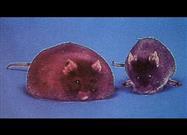
One of Dr Ludwig's first professional research studies was conducted on mice in order to uncover the complexity of the systems that control body weight. 

The results he found were fascinating. If the mouse fasted for a few days it lost weight as expected. But when finally given access to food, they ate until all their lost weight was regained. 

The opposite was also true. Force-feeding the mouse caused weight gain, but afterward the mouse would avoid food until its weight returned to normal.

Based on this experiment, there is evidence that an animal's body knows what weight it wants to be. 

As humans, we have a natural tendency to alter our food intakes to reach an internal 'set point' much like a thermostat maintaining a temperature in a room

As humans, we have a natural tendency to alter our food intakes to reach an internal 'set point' much like a thermostat maintaining a temperature in a room

This supports the idea that we, as humans, have a natural tendency to alter our food intakes to reach an internal 'set point'. 

Similar to the way a thermostat maintains the temperature of a room.

Dr Ludwig said: 'We, as humans, have a natural tendency to alter our food intakes to reach an internal set point.'

When you make a change in your behavior your internal biology fights back. For instance, when you restrict your food intake your body responds with increased hunger. 

For long-term weight management the idea is to change your biology in order to cause a natural behavioral adaptation. 

Try focusing on what you're eating rather than the calorie content. The biological effects of food make all the difference in feeling hungry or satisfied, having low or high energy levels, gaining or losing weight and a life of good health or chronic disease.

3. YOUR BREAKFAST IS SLACKING

In the words of Dr Ludwig, 'Not all breakfasts are created equal'. 

In a study published in the journal, Twelve adolescent boys were given three different breakfasts on three separate occasions.

Participants ate a significantly greater amount following the breakfast of instant oatmeal,  a study found
Each breakfast had the same number of calories, but varied in the type and amount of carbohydrate.

Dr Ludwig said: 'Meals with the same calories can produce dramatically different outcomes later on.'

The first breakfast consisted of instant oatmeal, a highly processed carbohydrate. 

The second was a minimally processed carbohydrate, steel-cut oatmeal. 

The third breakfast, a vegetable omelette with fruit, included more protein and fat, less carbohydrate and no grain products.

At lunch the teens were allowed to eat as little or as much as they wanted from large platters of bread, bagels, cold cuts, cookies and fruits. 

Participants ate a significantly greater amount following the breakfast of instant oatmeal (1,400 calories) then compared to the steel-cut oats (900 calories) and omelet with fruit (750 calories). 

This is a 650 calorie difference following meals with the same number of calories, but difference forms. 

Thus, supporting the idea that meals with the same calories can produce dramatically different outcomes later on. 

4. YOU'RE FOLLOWING A LOW CALORIE DIET

Most weight loss recommendations support the simple notion that 'a calorie is a calorie'. 
But the reality is consuming fewer calories is not what your body needs and will not lead to successful weight loss.

Since the 1970s reducing calorie consumption, in the hopes of achieving weight loss, has failed. 

When we become extremely hungry we are unable to concentrate on anything besides food and become increasingly weak, eventually surrendering to our hunger. 

If this vicious cycle occurs frequently it causes our metabolism to slow down making weight loss nearly impossible.

Consuming calories is not necessarily key to weight loss - it's what you eat that matters, Dr Ludwig says

Consuming calories is not necessarily key to weight loss - it's what you eat that matters, Dr Ludwig says

Dr Ludwig said: 'The reality is consuming fewer calories is not what your body needs and will not lead to successful weight loss.' 

Obesity rates are at a historic high with the government and food industries encouraging counting calories with inventions like the '100 calorie snack packs'. 

In reality, these so called 'healthy alternatives' and 'low-fat' candy, cookies and salad dressings typically contain more sugar and less nutrients than the original versions. 

Instead of counting calories think of how the food will effect your body. 

Recent studies show that highly processed carbohydrates adversely affect metabolism and body weight in ways beyond calorie content, while nuts, olive oil and dark chocolate (some of the most calorie-dense foods in existence) appear to prevent obesity, diabetes and heart disease.

5. ARTIFICIAL SWEETENERS NOT AS INNOCENT AS THEY SEEM 

Some artificial sweeteners contain saccharin as a substitute for sugar and include no fructose or glucose. 

Although artificial sweeteners have relatively no calories, they still have an effect on the body. 

There are synthetic chemicals in artificial sweeteners that stimulate the taste receptors for sweetness a thousand times more powerfully than sugar does. 

This causes damaging effects on ones diet. 

Sweet cravings can be fixed with fruit rather than artificial sweeteners, Dr Ludwig explains

Dr Ludwig said: 'There are synthetic chemicals in artificial sweeteners that stimulate the taste receptors for sweetness a thousand times more powerfully than sugar does.

'People who regularly consume artificial sweeteners may find naturally sweet foods, like fruit, unappealing and unsweet foods, like vegetables, intolerable.'

He found that people who regularly consume artificial sweeteners may find naturally sweet foods, like fruit, unappealing and unsweet foods, like vegetables, intolerable. 

Artificial sweeteners are also found to stimulate hunger by causing insulin secretion and driving calories into fat cells.

The best way to satisfy your desire for sweetness is with naturally fresh fruit. When you do use added sweetener, try pure maple syrup or honey instead of table sugar when possible.

These less-refined sweeteners contain nutrients and have a stronger flavor so you do not need to use as much. 

Also, if you give up inorganically sweetened stuff, you may find fresh seasonal fruit actually tastes better. 

6. CRAVINGS ARE TAKING OVER YOUR LIFE 

When the bloodstream is low on calories, the brain triggers an alarm system that leads to hunger and causes cravings. 

We specifically crave highly processed carbohydrates like chips, cookies, candy and cake because they make us feel better within moments.

The issue is that they also make us feel worse for hours afterwards, triggering an addictive cycle. 

Giving into cravings can start an addictive cycle as, after the initial high, they can make us feel worse in the long term

Highly processed carbohydrates are similar to abusive drugs in the sense that the fast absorption rates of both increase addictiveness.

Dr Ludwig said: 'By eliminating highly processed carbohydrates from your diet you may find your food-related behavioural problems suddenly improve.'

No matter what our psychological state is, highly processed carbohydrates set the stage for a binge. 

By eliminating highly processed carbohydrates from your diet you may find your food-related behavioural problems suddenly improve. 

If your looking for a savoury snack that will leave you feeling full and satisfied try Dr Ludwig's herb-roasted chickpeas from his book, Always Hungry?. 

Chickpeas have lots of satisfying protein and taste great with extra-virgin olive oil and parmesan.

7. YOU'RE MISUNDERSTANDING THE USE OF SALT 

Most processed foods have a tremendous amount of salt that help make them taste good.

Eliminating these highly processed foods naturally lowers salt consumption, but Dr Ludwig asks the question, 'When it comes to salt, is less always more?'.

An excessive restriction of salt is found to have negative effects. A recent study in the New England Journal of Medicine followed one hundred thousand people for four years. 
Individuals with sodium intakes ranging from 3 to 6 grams, which is well above the recommended dosage, had the lowest risk for major cardiovascular disease or death.

Eliminating these highly processed foods naturally lowers salt consumption, but Dr Ludwig asks the question, 'When it comes to salt, is less always more?'
Eliminating these highly processed foods naturally lowers salt consumption, but
Dr Ludwig asks the question, 'When it comes to salt, is less always more?'
Of course these findings must be interpreted cautiously, the increased risk might reflect preexisting disease rather than effects of sodium. 

However, it is known that a reduction of sodium from average to low levels has a negative effect on blood pressure and may even cause metabolic problems. 

While a diet of fast-food and junk-food provides too much salt and is not good for heart health 

A few potentially more effective ways to control your blood pressure may be to lower your intake of added sugars along with other highly processed carbohydrates, reduce your stress level, and increase your physical activity.  

These are all components of Dr. Ludwig's Always Hungry Solution, which can be found in his book, Always Hungry?.

Always Hungry? by David Ludwig, MD, PhD is available on Amazon for £7.48.

This article first appeared and is republished here with the permission of Healthista. 

http://www.dailymail.co.uk/health/article-3675096/Struggling-lose-weight-Expert-reveals-7-real-reasons-aren-t-shedding-pounds.html

Sunday, 10 July 2016

MUST READ: Obesity Is a Biochemical Problem Rooted in Excessive Fructose Consumption

And if you overconsume it, it's taking a hammer to your pancreas, liver and brain on a daily basis - affecting your body in much the same way as alcohol. It's the reason why 4 in 10 normal weight suffer from this "pudgy" disease.

June 25, 2016

Story at-a-glance

    Obesity Is a Biochemical Problem Rooted in Excessive Fructose Consumption
  • Six million American children were overweight or obese in 2001. Today, that number exceeds 23 million. Clearly, the dietary recommendations provided to the public over the past 15 years are deeply flawed
  • While 80 percent of the obese population is sick, metabolic dysfunction affects normal weight people as well. About 40 percent of normal weight individuals have the same health problems as those who are obese
  • The real problem is not obesity but rather metabolic syndrome, which is caused by excessive fructose consumption; 80 percent of all foods sold in the U.S. contain high fructose corn syrup and other added sugars

By Dr. Mercola
Dr. Robert Lustig’s 2009 video "Sugar: The Bitter Truth," has now garnered nearly 6.5 million views on YouTube. The featured video is a follow-up on that original lecture.
In it, he discusses the metabolic influence of sugar and processed foods on obesity and related diseases. He also reviews the importance of diet versus exercise when weight loss is your goal.
Delving into the science behind different types of sugar, Lustig explains the metabolic differences between glucose and fructose, which is at the very heart of the obesity and diabetes problems.

What Do Rising Obesity and Diabetes Rates Suggest?

According to Lustig, 6 million American children were overweight or obese in 2001. Today that number exceeds 23 million.1 This is despite all the anti-obesity campaigns and measures launched since then.
Clearly, nutritional and weight loss recommendations provided to the public over the past 15 years are deeply and fundamentally flawed.
Worldwide, obese people now outnumber the starving by 30 percent. Fifteen years ago, this statistic was the reverse. Today, 5 percent of the global population is also diabetic. According to Lustig, these kinds of statistics suggest that obesity and diabetes are not due to behavior, but rather exposure.
If the trends continue, it’s been estimated that by 2030, 42 percent of Americans will be obese, and 100 million Americans — nearly one-third of the current population — will have diabetes by 2050. Meanwhile, Medicare is expected to be broke by 2026.
The fact of the matter is we’ve been following the same reasoning for the past 30 years, and the problem of obesity and diabetes keeps getting worse by the year. It is time to reframe how we view the problem, and how we resolve it.

Visceral Versus Subcutaneous Obesity

While 80 percent of the obese population is sick, it’s important to realize that metabolic dysfunction affects normal weight people as well. In fact, about 40 percent of normal weight individuals have the same health problems as those who are obese.
Lustig shows a cross-section image of the internal abdominal cavity of two individuals. They both weigh the same, yet one is healthy and the other is not. The one struggling with health issues has far more visceral fat — the fat that accumulates around the internal organs.
The number on your scale does not tell you how your fat is distributed. It also cannot tell you how much of your weight is due to fat (subcutaneous fat, which is not necessarily bad for your health and visceral fat, which is quite hazardous), and how much is bone or muscle.
Your waist circumference can give you a decent clue, but even this measurement isn’t foolproof, as there are many thin people who fall into the “thin on the outside and fat on the inside” category, a condition referred to as TOFI.
Those with TOFI have the same health problems as obese people, including high blood pressure, diabetes and heart disease.
In short, obesity in and of itself is not the root cause of failing health worldwide. It’s merely another symptom. The real problem is metabolic syndrome, which accounts for 75 percent of all healthcare dollars spent in the U.S. Metabolic syndrome is a cluster of symptoms that include:
Diabetes
Hypertension
Lipid abnormalities
Cardiovascular disease
Non-alcoholic fatty liver disease (NAFLD)
Polycystic ovarian disease
Cancer
Dementia

Obesity and the Law of Thermodynamics

The law of thermodynamics says that “the total energy inside a closed system remains constant.” Obesity is said to be a result of this law. However, there are two different interpretations of this law.
1.The calories-in, calories-out interpretation. According to this interpretation, you have to use up the calories you ingest, or else the excess calories will turn into body fat and result in weight gain.
If this interpretation was correct, then the solution to weight gain would be a matter of energy balance, which is what the processed food and soda industries would like you to believe.
Since excess food consumption and lack of exercise are both behaviors, based on this interpretation, obesity is caused by personal shortcomings or choice.
The dogma associated with this interpretation is that “a calorie is a calorie,” and it doesn’t matter where the calories come from because they all produce the same results.
2.The energy deposition interpretation. If you accept that calories are NOT created equal and that obesity is the result of aberrant energy deposition, you can interpret the law of thermodynamics in a whole new way.
Essentially, in order to store fat, you have to increase your insulin level, and in order to raise your insulin you have to eat foods that cause it to spike.
As your insulin level becomes chronically elevated, insulin resistance sets in, which facilitates fat deposition. What foods raise insulin? The scientific evidence tells us that the most effective food source to raise insulin is fructose. 
But there’s more. As previously explained by Zoe Harcombe, Ph.D, thermodynamics is about the movement of energy. The second law of thermodynamics says that “energy will be lost and energy will be used up in creating available energy,” and the thermic effects of nutrients vary.
For example, the thermic effect of protein, i.e. the energy used up in making protein available to your body, is somewhere around 25 to 30 percent whereas the thermic effect of carbohydrates is around 6 to 8 percent. In addition to that, your body self-regulates based on available energy.
If this interpretation is correct, and Lustig insists it is, the solution to weight gain has nothing to do with “energy balance.” Instead, the answer is to eat real food, which are low in sugar (and devoid of HFCS) and high in fiber and healthy fats.
Moreover, it removes the stigma that obese people are simply gluttonous and lazy, as behavior follows biochemical reactions and not the other way around. Ultimately, this interpretation reveals that obesity is a problem caused by a toxic (and addictive) food environment, not behavior.

Obesity Is a Biochemical Problem

To recap, Lustig persuasively argues that the primary reason causing all of these visceral fat-related health problems is excessive fructose in our diet. Granted, ALL sugars contribute to weight gain to a certain degree, but highly refined and processed fructose, such as high-fructose corn syrup (HFCS), wreaks the most biochemical havoc, by negatively affecting your leptin and insulin sensitivity, which results in metabolic syndrome.
Leptin deficiency, a hereditary medical condition that affects about 14 people in the entire world, causes extreme obesity as the lack of this satiety hormone makes the brain think it’s starving all the time. What most people suffer with today is leptin resistance— a condition in which your body has lost its ability to register the signals from leptin. Still, the effect is much the same.
Leptin resistance, just like leptin deficiency, also causes you to become lethargic, as the brain doesn’t want to expend any energy when it believes it doesn’t have the energy to waste. So, as Lustig explains, obesity is a biochemical problem. It’s not about gluttony and sloth, which are largely voluntary behaviors.
According to his research, it’s quite clear that biochemistry drives behavior, so gluttony and sloth are the downstream results of biochemical dysfunction. They’re not the cause of the biochemical dysfunction.

Other Dietary Considerations

I have not had a chance to discuss this with Lustig and I’m not sure if his position has changed since he recorded this video, but I believe there are two other considerations that may be as significant, or even more of a contributing factor than sugar. Believe me, I’m a strong advocate of avoiding sugar, but that isn’t the entire story.
One also needs to limit protein, as excessive protein may have more of a deleterious health effect than excessive sugar. Most people would benefit from restricting the protein intake to 1 gram (gm) per kilogram (kg) of lean body mass.
So if you reduce net carbs and protein, you are only left with dietary fat, which may be one of the biggest culprits. Most of the fat people eat is unhealthy and consists of processed omega-6 vegetable oil (most of that fat is from soybean oil). In fact, the amount of soybean oil consumed in 2000 was more than 1,000 times higher than it was 100 years ago in 1900.

Insulin Blocking Leptin Is Another Factor

Leptin resistance correlates with higher amounts of body fat. So what blocks leptin from working properly? According to Lustig, once you solve that question, you solve the obesity problem. The answer to this question is insulin.
Insulin resistance produces weight gain, and there’s a biological purpose for this. During puberty and pregnancy, you need to gain excess fat for hormone production and the growth of another human being. So from a biological perspective, there are two life periods during which leptin should be blocked to allow for fat accumulation.
The problem is that for some reason, leptin is now being blocked by elevated insulin levels in a vast number of people all the time. So what causes chronically elevated insulin levels and insulin resistance? The answer is sugar, and more specifically fructose, which places a far greater metabolic burden on your body.

How Fructose Metabolism Gives Rise to Metabolic Syndrome and Obesity

A summary of fructose metabolism is as follows:
Every cell in your body utilizes glucose. Therefore, much of it is "burned up" immediately after you consume it. When you consume glucose, your liver only has to break down 20 percent of it.
By contrast, cells don’t use fructose for energy, so 100 percent of the fructose you eat is metabolized in your liver. Your liver is the only organ equipped with a fructose transporter, called GLUT5. Rather than being used as a quick energy source, fructose is turned into free fatty acids (FFAs), very-low-density lipoprotein (VLDL, the damaging form of cholesterol), and triglycerides, which are then stored as body fat.
When you eat 120 calories of glucose, less than one calorie is stored as fat; 120 calories of fructose results in 40 calories being stored as fat.
Fructose metabolism is very similar to ethanol metabolism, which has a multitude of toxic effects. The fatty acids created during fructose metabolism accumulate as fat droplets in your liver and skeletal muscle tissues, causing insulin resistance and NAFLD.
As your body becomes increasingly resistant to insulin, your pancreas keeps releasing ever higher amounts of insulin in an effort to curb your rising blood sugar levels. Eventually, your pancreas loses the battle; your blood sugar levels keep rising, and you end up with metabolic syndrome and full-blown diabetes.
Fructose is the most lipophilic carbohydrate. In other words, fructose converts to activated glycerol (g-3-p), which is directly used to turn FFAs into triglycerides. The more g-3-p you have, the more fat you store. Glucose does not do this.
The metabolism of fructose by your liver creates a long list of waste products and toxins, including a large amount of uric acid, which drives up blood pressure and causes gout.
Glucose suppresses the hunger hormone ghrelin and stimulates leptin, which suppresses your appetite. Fructose, on the other hand, does not appropriately stimulate insulin, which in turn fails to suppress ghrelin (the "hunger hormone") and blocks leptin signaling (the "satiety hormone"). The end result is overeating and insulin resistance. In short, fructose tricks your body into gaining weight by turning off your body's natural appetite-control system.

The Dose Determines the Poison

While fructose is not a toxic substance in and of itself, when it's consumed in excessive doses, your liver simply cannot metabolize it. And when the overexposure is chronic, metabolic syndrome develops, and this is true even if you’re not obese.
In short, fructose overconsumption damages your pancreas, liver and brain much like alcohol does, yet, despite its similarities, alcohol is regulated and fructose is not. As Lustig says, “You’d never consider giving your kid a beer, but you wouldn’t think twice about giving him a Coke, yet they do the same thing. That’s the problem.”
Another problem relates to the Maillard reaction, i.e., the browning reaction that occurs when glucose chemically interacts with the amino acid group of proteins.
This is what you see when you look at a piece of deep-fried chicken or a piece of toast, for example. Now, the Maillard or browning reaction also takes place inside your body. It’s a normal part of the aging process. The question is, how fast will this happen inside your body? The answer: the higher your fructose intake, the faster this chemical reaction takes place and the faster you age.

Diabetes Rates Correlate to Sugar Availability

By conducting an economic analysis of diet and diabetes prevalence, Lustig’s team was able to determine that changes in sugar availability were the only factor that correlated with changes in diabetes prevalence. For every 150 calorie increase, there was a 0.1 percent increase in diabetes. However, if those 150 calories came from soda, diabetes prevalence increased 11-fold, to 1.1 percent.
Extrapolating data further, Lustig claims that 25 percent of diabetes worldwide is attributable to sugar alone — not obesity or total calorie consumption, but sugar consumption specifically. Moreover, his research reveals how long it takes for increases in sugar consumption to translate into increases in diabetes. No matter which country you look at, three years after a spike in sugar consumption, diabetes rates rise.
“We have causal medical inference that sugar causes obesity,” Lustig says, which means that while more research is always needed, we already have enough evidence to act.

Sugar Is a Highly Addictive Substance

Adding insult to injury, sugar is also addictive. In fact, it’s been shown to be more addictive than cocaine. Sugar hijacks the reward center in your brain, causing brain changes identical to those in drug addicts and alcoholics. A critical player in all forms of addiction, including food addiction, is the neurotransmitter dopamine.
Groundbreaking research into addiction has revealed that you will not feel pleasure or reward unless dopamine binds with its receptor, called the D2 receptor, which is located all throughout the reward center in your brain. When dopamine links to this receptor, immediate changes take place in brain cells and then you experience a "hit" of pleasure and reward.
However, when you indulge in too much of any hyper-stimulator, be it cocaine, alcohol, sugar or caffeine, your brain's reward center notes that you're overstimulated, which the brain perceives as adverse to survival, and so it compensates by decreasing your sense of pleasure and reward. It does this by downregulating your D2 receptors, basically eliminating some of them.
But this survival strategy creates another problem, because now you don't feel anywhere near the pleasure and reward you once had when you began your addiction, no matter whether it's food or drugs. As a result, you develop tolerance which means that you want more and more of your fix, but never achieve the same "high" you once had. And so, cravings grow stronger. Addiction to any one substance also increases your risk of cross-addiction to other addictive substances.

Eating REAL Food Is the Answer

The concerted effort by the processed food industry to make their products as addictive as possible has the unfortunate side effect of stimulating your metabolism to burn carbs (sugar) as its primary fuel. As long as you are burning carbs as your primary fuel, you will strongly crave these types of foods.
The solution is to decrease the amount of processed foods and net carbs (total carbs minus fiber — think sugars) you eat, and replace them with real foods, i.e. high-quality whole foods, especially low net-carb vegetables.
As noted by Lustig, every single diet that works is a diet based on real food. Also remember that net carbs (i.e. non-fiber carbohydrates) need to be replaced with healthy fats to successfully achieve this metabolic switchover. Overall, a real food diet is high in fiber and healthy fats, and low in net carbs.
If you suffer from junk food cravings, especially cravings for sugar, know that intermittent fasting is one of the most effective ways to end them. Sugar cravings will dramatically diminish, if not vanish altogether, once your body starts burning fat instead of sugar as its primary fuel.
To protect your health, I recommend spending 90 percent of your food budget on real food, and only 10 percent or less on processed foods. Unfortunately, most Americans do the opposite, which is why so many struggle with junk food cravings, weight gain and poor health.
Remember, virtually ALL processed foods are loaded with HFCS. According to Lustig, of the 600,000 items in the U.S. food supply, 80 percent of them contain HFCS and other added sugars. And the reason for this is because the food industry knows that when they add sugar, you eat and buy more of it, for all the reasons discussed above.
If anyone tries to tell you "sugar is sugar," or “a calorie is a calorie,” they are way behind the times. As you can see, there are major differences in how your body processes fructose and glucose. The bottom line is: fructose leads to increased visceral fat, insulin resistance and metabolic syndrome — not to mention the long list of chronic diseases that result from it.
To learn more, please see the Institute for Responsible Nutrition’s (IRN) website, responsiblefoods.org. IRN is an organization that Lustig helped set up for the purpose of “providing medical, nutritional and legal analysis and consultation to promote personal and public health against Big Food.”

- - - - - - - - 

Fructose Overload: An Easy Guide to the Hidden Fructose in Foods

It's time for you to eliminate fructose from your diet. Check out my infographic Fructose Overload, and discover which food products contain large amounts of fructose. You will be surprised to discover that many of the seemingly "innocent" and "healthy" products you buy are loaded with large amounts of fructose – and should be avoided at all costs!
I strongly urge you to read Fructose Overload – it's the first step to ensuring that you are consuming only healthy, fructose-free foods every day. Share it with your family and friends, so they, too, can avoid the many damaging effects of fructose and live a healthier life.

fructose overload infographic
Discover the fructose content of common foods, beverages, sauces, and even sugar substitutes in our infographic "Fructose Overload."


Beware of Foods That Contain Toxic Amounts of Fructose!

Sweet, tasty, and satisfying – these are the usual words used to describe sugar.
I, on the other hand, think of sugar as the exact opposite: addictive, dangerous, and deadly.
Of all the foods capable of inflicting harm in your body, sugar is one of the most detrimental.
A sea of research now suggests that fructose, especially high fructose corn syrup (HFCS), is taking a devastating toll on your health. It is a MAJOR factor in the increasing rates of obesity and chronic diseases all over the world.
But if fructose is wreaking havoc on everyone's health, then why is it still found in a wide array of food products today?

Appalling Facts About Fructose

Fructose is a sweetener usually derived from corn, and is now the single largest calorie source of Americans. Fifty-five percent of sweeteners used by food and beverage manufacturers today are made from HFCS, because it's cheaper and 20 percent sweeter than regular table sugar (sucrose). In fact, the number one source of calories in the United States today is soda, which is sweetened with large HFCS amounts.
It is unsurprising that an average American now consumes roughly 47 pounds of cane sugar and 35 pounds of high-fructose corn syrup every year.
I believe that this is a cause for alarm, considering that sugar, particularly fructose, is a potent pro-inflammatory agent that creates advanced glycation end products (AGEs) and speeds up the aging process. Fructose also leads to insulin resistance and the growth of fat cells around your vital organs, which are risk factors of chronic diseases.
Just take a look at the wide array of health conditions that fructose is linked to:
  • Insulin resistance and obesity
  • Elevated blood pressure
  • Elevated triglycerides and LDL (bad) cholesterol
  • Depletion of vitamins and minerals
  • Cardiovascular disease, liver disease, cancer, arthritis, and gout
And here's the sad truth: not everyone is aware that fructose lurks in most processed foods and fast foods, even in those that have been touted "sugar-free" or "low-calorie"!

Just How Much Sugar is In Your Food?

Fructose is one of the most pervasive ingredients used in various foods today – it hides in almost all processed foods, from pretzels, bologna, cheese spread, and baked goods, to condiments like Worcestershire sauce.
You might even be surprised to know that some so-called "health foods" also contain large amounts of fructose – even surpassing the amount of sugar in a Twinkie!
Even infant formulas now contain as much sugar as one can of soda – meaning, babies just a few months old are already being fed this toxic substance.