Pages

Showing posts with label Collagen. Show all posts

Friday, 24 January 2020

Worst Collagen-Destroying Foods You Should Avoid

For those who have probably heard collagen but are still unfamiliar, collagen is the most abundant type of protein in our bodies. 
 Medical Daily23 Jan 2020
And as a protein, it’s a major component of connective tissues that make up several of our body parts, such as our skin, muscles, ligaments and tendons. It also has other important functions, such as increasing skin hydration as well as strengthening our bones.
As such, it’s important that we always have a sufficient supply of it in our bodies. How do you do it?
Well, for starters, make sure that you avoid a lot of the collagen destroying foods that are available today. This includes French fries, soda and other sugar-sweetened beverages, refined carbs like cookies, cereal, pasta and bread, and processed meats like salami, lunchmeat, hot dogs and pepperoni.
Second, consume a diet high in antioxidants. This means that you need to include a variety of whole foods that contain vitamin C, as well as other collagen co-factors, which are substances that help your body absorb collagen at a faster rate.
What To Eat
Fruit
For those who want to maximize anti-inflammatory compounds, opt for blueberries, strawberries, raspberries and blackberries, all of which have the polyphenols called anthocyanins that give them their distinct color. Elderberries, kiwis, apples, grapes, cherries, oranges, pineapples, cranberries, maqui, acai and goji berries are also great examples of fruit with lots of antioxidants.
Vegetables
For vegetables, opt for dark, leafy greens because they are great sources of collagen co-factors like zinc, copper and manganese, while having the extra perk of also having vitamin A, E and C. For this, choose broccoli, Brussels sprouts, cabbage, celery, beets, asparagus and cauliflower since they have collagen-protecting properties. Also, don’t forget to try garlic, onions, leeks, chives and shallots because they’re high in flavonols.
Protein
Getting a healthy amount of other types of protein is also essential, in addition to consuming the amino acids that are found in collagen. For this, we recommend grass-fed beef, lamb, bone broth and wild-caught fish, all of which are rich with amino acids. Additionally, tuna and sardines are also high in omega-3s, which are good for the heart.
Healthy Fats
Opt for grass-fed butter, coconut oil, nuts and seeds because they help support nutrient absorption.
Beverages
For beverages, we recommend green tea for its high antixodant content. Red wine also has lots of anti-inflammatory properties.
© Fix.com
https://www.msn.com/en-my/foodanddrink/foodnews/worst-collagen-destroying-foods-you-should-avoid/ar-BBZh1Iw

Thursday, 3 October 2019

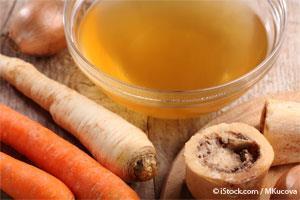
Hearty Bone Broth and Watercress Soup {Recipe}

Bone broth has widely been referred to as “nature’s multivitamin”… and for good reason. 

By Charlene Bollinger
July 17, 2019

watercress soup recipe
It makes for a hearty, nutritious, and cancer-killing soup that has been a kitchen staple for hundreds of years. Yet it has notably gained popularity with this generation’s cooks and health & fitness enthusiasts.
And why is that? Perhaps because it’s PACKED with 19 amino acids, nutrients like glucosamine, minerals, electrolytes, and collagen.

Get my 5 collagen-inspired recipes for graceful aging here>>

Another incredible benefit of bone broth is the healthy gut boost it provides… which, as we now know, supports about 80% of the immune system.
The collagen/gelatin and the amino acids proline, glutamine, and arginine in traditionally-made bone broths help seal the openings in the gut lining and promote gut integrity.

Read Ty’s article about bone broth nutrition here>>

Watercress, cauliflower, onion, and garlic help the liver to produce more glutathione. Often referred to as the “master antioxidant,” glutathione is a combination of three simple building blocks of protein or amino acids − cysteine, glycine, and glutamine.
Watercress is also a great source of omega-3s and has been shown to reduce chronic inflammation. This cancer-busting watercress soup recipe is a great dish for the whole family!
watercress soup recipe
Short on time?
Substitute the bone broth for Bone Broth Protein.


Hearty Bone Broth and Watercress Soup {Recipe}
Prep Time: 6 hours, 45 minutes
Yield: 12-15 servings
Hearty Bone Broth and Watercress Soup {Recipe}
Ingredients
  • 4 cups bones (organic & grass-fed!)
  • 5 cups water
  • 1 tablespoon apple cider vinegar
  • ⅔ cup onion, chopped
  • 2 cups cauliflower, chopped
  • 1 cup peas
  • 2 cups potatoes (or sweet potatoes), chopped
  • 2 cups watercress leaves
  • ¼ cup chives, chopped
  • ½ teaspoon salt
  • ½ teaspoon pepper
  • ½ teaspoon garlic powder
  • ½ teaspoon onion powder
Instructions
  1. Add 4 cups of bones to a pressure cooker. Then, cover the bones with water and one tablespoon of apple cider vinegar.
  2. Cook the bones on high pressure for 6 hours.
  3. Drain the liquid from the bones. Then, pour the broth to a pot on the stove on medium heat.
  4. Add the chopped onions, chopped cauliflower, peas, chopped potatoes, watercress leaves, salt, pepper, garlic powder, and onion powder.
  5. Simmer the contents of the pot for 30 minutes. Stir the soup occasionally.
  6. Serve hot and garnish with chopped chives.


https://thetruthaboutcancer.com/watercress-soup-recipe/

Bone Broth - The Ancient Healing Elixir that Boosts Health and Immunity

Bone broth is an amazing nutritious substance that while certainly not new, is steadily gaining in popularity with a whole new generation of cooks and health & fitness enthusiasts.


February 14, 2019


Editor’s note: This post was originally published in March 2016. It has been updated and republished in February 2019.
Bone broth is an amazing nutritious substance that while certainly not new, is steadily gaining in popularity with a whole new generation of cooks and health & fitness enthusiasts. Even celebrities are speaking out about the benefits of bone broth nutrition. Basketball star Kobe Bryant and actresses Gwyneth Paltrow and Salma Hayak are just a few of the celebs who have publicly proclaimed the numerous health benefits of this ancient savory recipe.
In fact, many people are calling bone broth “nature’s multivitamin” as it contains multiple minerals and other chemical compounds that most people are lacking in their diet. For example, bone broth is packed with:
  • Over 19 easy-to-absorb, essential and non-essential amino acids (the building blocks of proteins)
  • Collagen/gelatin which helps form connective tissue and promotes strong hair and nails
  • Nutrients that support your immune system, good digestion, and brain health

How to Make Bone Broth

As the name implies, bone broth is made by simmering animal bones for several hours to release the nutrients found in the bones, cartilage, and marrow. Vegetables, herbs, and spices are often added for flavor, along with a dash of vinegar to help draw the nutrients from the bones. The resulting broth can be consumed alone, used as a soup base, or added to sauces and other dishes.
Bone broth can be made from any type of animal bones, either cooked or raw. These include chicken & other types of poultry, beef, lamb, wild game, and fish. The only real difference in preparing different types of bone broth is the amount of time that the bones need to be simmered. A broth made with fish bones, for example, only needs to simmer for a few hours, while beef bones need to simmer for 48 hours or more to draw the maximum nutrients from the bones.
The most important consideration when making bone broth is the quality of the ingredients used. Bones from factory farmed animals that have been given hormones and antibiotics are not a good choice. Look for the highest quality, organic sources available for all of your bone broth ingredients.

6 Beneficial Nutrients Found in Bone Broth

  1. Glycosaminoglycans (GAGs) – support collagen and elastin production which is good for the structure of the body, skin, hair, and nails. GAGs also aid in digestive health by helping to restore the intestinal lining. Important GAGs found in bone broth include glucosamine, hyaluronic acid, and chondroitin sulfate.
  2. Glucosamine (hydrochloride and sulfate) – Supports joint strength and mobility by helping to maintain the integrity of cartilage (the rubbery substance within joints that acts as a natural cushion to keep bones from rubbing together). Bone broth can be a delicious and easy alternative to expensive glucosamine supplements for supporting joint health.
  3. Hyaluronic Acid – supports healthy tissues, including cell rejuvenation and skin firmness. Hyaluronic acid is a common ingredient in anti-aging skin care products. Bone broth provides the benefits from the inside out!
  4. Chondroitin Sulfate – Often used along with glucosamine to support joint health. Studies have shown that supplementing with chondroitin supports healthy inflammation response as well as cardiovascular health, bone health, skin health, and healthy cholesterol levels
  5. Minerals and Electrolytes – Essential minerals, including electrolytes, found in bone broth include calcium, magnesium, and potassium, as well as many other minerals such as phosphorus. These minerals are important for supporting healthy circulation, bone density, nerve signaling functions, heart health, and digestive health.
  6. Collagen – Quality bone broth is a good source of collagen which has a number of important functions in the body. These include helping to form connective tissue (allowing for easier movement) and protecting and sealing the lining of the gastrointestinal tract. Collagen is a complex protein that is a rich source of 19 amino acids, many of which must be obtained from diet.

bone-broth-nutrition

Bone Broth Nutrition for Cancer Patients

Bone broth is very high in both protein and nutrients and may be exceptionally beneficial for people with cancer.
Cancer patients who undergo conventional cancer treatments (surgery, chemo, and radiation) often experience a range of issues that impact eating. These can include: nausea, vomiting, headache, tiredness, sore mouth and/or throat, dry mouth, difficulty swallowing, loss of appetite, and changes in taste and smell of food.
After surgery, for example, the body requires extra calories and protein for wound healing and recovery. However, this is also when most cancer patients have pain and feel tired and often don’t feel up to eating. Bone broth is a great solution because it provides maximum nutrition in an easy-to-swallow form that is easily digested. This is in contrast to many other foods (especially solids) which can be difficult to fully break down.
The broth can be sipped alone, or turned into a base for soup to which you can add other cancer-fighting ingredients (i.e. organic vegetables, turmeric root, ginger, etc). For cancer patients who are experiencing a change in taste (or have lost their sense of taste) due to chemotherapy or radiation, herbs and spices can be easily added to enhance the flavor of the bone broth and make it more palatable.
Conversely, in The Truth About Cancer: A Global Quest, Dr. Russell Blaylock addressed the topics of L-glutamine and glutamate in relation to cancer. L-glutamine is an amino acid found in abundance in both plant and animal protein and is converted to glutamate (glutamic acid) as needed by the body. This conversion is performed by an enzyme in your cells called “glutaminase” and its function is to convert glutamine into glutamate.
According to Dr. Blaylock, the idea is to cut down on your glutamine intake. His premise is that eating a lot of sugar and glutamine can stimulate the growth of cancer cells.
However, new studies are challenging this. We don’t believe that bone broth should be avoided any more than we believe organic fruits (with natural sugar) should be avoided, because both are foods that God made for our health. And there is a big difference between synthetic, man-made chemical glutamate (like MSG or monosodium glutamate) and natural glutamine.

Bone Broth Supports a Healthy Immune System

One of the most remarkable benefits of bone broth is its ability to support the gut. This provides a holistic effect on the body which even supports healthy immune system function.
Leaky gut occurs when undigested particles from foods seep through tiny openings in the weakened intestinal lining and enter the bloodstream. The immune system detects these particles and becomes hyperactive which in turn increases inflammation. As the immune system releases high levels of antibodies, it causes an autoimmune-like response and attacks healthy tissue.
The collagen/gelatin and the amino acids proline, glutamine, and arginine in traditionally-made bone broths help seal these openings in the gut lining and promote gut integrity.
By restoring gut health, bone broth aids in supporting immune system function and healthy inflammation response. As an added bonus, bone broth can even promote healthy sleep, boost energy during the day, and support a healthy mood… all critical elements when healing from cancer.

Would you like to know ALL the ways to prevent, treat, and beat cancer?

watch now

If so, you’ll love what you discover here.

Article Summary

  • Contains multiple minerals and other chemical compounds that most people are lacking in their diet.
  • Bone broth is made by simmering animal bones for several hours to release the nutrients found in the bones, cartilage, and marrow.
  • Look for the highest quality, organic sources available for all of your bone broth ingredients.
  • 6 Beneficial Nutrients Found in Bone Broth
    1. Glycosaminoglycans (GAGs)
    2. Glucosamine (hydrochloride and sulfate)
    3. Hyaluronic Acid
    4. Chondroitin Sulfate
    5. Minerals and Electrolytes
    6. Collagen
  • One of the most remarkable benefits of bone broth is its ability to support the gut.

https://thetruthaboutcancer.com/bone-broth-nutrition/

Saturday, 14 July 2018

Do collagen supplements really do all that they claim?

From hotpot dinners to fortified smoothies, collagen has fast become one of the most popular health supplements on the market.
In the past, we would mainly supplement through food (such as bone broth, beef tendon, salmon or chicken feet), but the ‘eat clean’ movement has rapidly popularised collagen supplements, creating a high demand for faster and more convenient methods of collagen intake.
JULY 14, 2018
BY DATUK DR NOR ASHIKIN MOKHTAR

Do collagen supplements really do all that they claim?
Non-meat foods that can help increase collagen include legumes, like soybeans; spirulina, which can be added to smoothies or fruit juices; and agar, which is cheap and easy to make. — AFP
Now, the market is flooded with many types of supplements – pills and powders that you can mix into smoothies and lattes, collagen-packed protein bars, and injections.
Collagen has been touted for its ability to maintain youthful and supple complexions, relieve stress, soothe aching joints, and perhaps even improve gut health.
But how true are these claims?
What collagen is, types and how they work
In its medical form, collagen is the most abundant type of amino acid, or structural protein of connective tissue in animals.
It is an essential building block in our bones, skin, cartilage, tendons, muscles, skin and connective tissue, along with much else.
When heated for soups and cooking, collagen becomes gelatinous after being chilled, and this is perhaps the most familiar form of collagen that we are used to.
It’s a trend in some hotpot restaurants to offer “collagen” broths that tout beauty benefits.
Essentially, these are gelatinous pieces of bone broth that melt into a silky soup when heated up in a pot.
In other forms, collagen powder or pills also become gelatinous when mixed with water. All forms of collagen get broken down into individual amino acids for our body to use as building blocks to regenerate and repair vital organs and other parts of our anatomy.
This also includes producing more of our body’s own collagen.
It is a common assumption that the collagen we consume goes directly to our skin and joints, but the reality is that it has to go through the same process of digestion and biochemistry as the rest of our food.
Still, there are a few key types of collagen that are known to benefit different parts of our body.
There are 16 different types of collagen, but if you want healthy hair, skin, nails, and bones, there are two types that work best – Type I and Type 3.
Collagen Types 1 and 3 contain 19 amino acids, all of which are essential to the functions of the skin, muscles and bones. These amino acids are produced by the cells in connective tissues, known as fibroblasts, as well as cells that build bones, known as osteoblasts.
More than 90% of our body’s collagen is made up of Types 1 and 3.
Type I collagen is the most common form of collagen in the human body. Supplementing this collagen can have a dramatic effect on the health of the hair, skin and nails. Ingestion of Type I collagen can heal the skin by promoting density of collagen fibrils and fibroblasts, thus stimulating collagen production.
Type 3 collagen is the second most abundant collagen in the body. This type of collagen is also found in the skin and is responsible for its elasticity. It is also a building block for the extracellular matrix that forms the structure of blood vessels and organs.
Proteins found in these types include glycine, proline, alanine and hydroxyproline.
Glycine is found in the highest quantity in collagen, and requires large amounts of serine, a metabolic amino acid, to achieve the optimum levels in metabolic processes. It seems to have a calming effect on the nervous system, which can improve sleep.
Proline, a non-essential amino acid derived from glycine, plays an important role in our joints and tendons. Together with hydroxyproline, it also aids in stabilising the structure of collagen itself.
Finally, alanine is used in the biosynthesis of proteins.
Collagen Types 1 and 3 are often taken together in supplement form and are good for skin, muscles, bone health, as well as hair and nail growth and maintenance.
Collagen Type 2 is produced by chondrocytes, and it is a liquid-like filling within healthy cartilage.
It benefits the fluids and function in the cartilage and joints, but supplements should be consumed separately from Types 1 and 3 to ensure more efficient absorption.
Our bodies already produce collagen on their own, with the help of nutrients and vitamins that we derive from daily food intake. Additionally, we consume collagen if we eat dairy, eggs, fish and meat.
The reason that collagen supplements are popular, or maybe even essential, is because our body becomes less efficient in collagen production as we age, especially after the age of 30.
We experience wrinkles, sagging skin, and joint aches and pains because collagen production begins to decrease as early as our mid-20s, by approximately 1% every year.
Benefits of a collagen supplement
There is a growing body of research indicating that collagen supplements support skin and joint health, as well as muscle recovery and even stress relief.
While the latter two are still being studied, there is more indication that collagen supplements are beneficial for skin elasticity and hydration.
A 2017 study from China Agricultural University showed that the formation of deep wrinkles was reduced once collagen hydrolysate supplements were added to a participant’s diet for at least six weeks.
Participants older than 30 were observed to benefit the most from supplements.
Supplements may also help improve the condition of brittle peeling nails, according to a 2017 study published in the Journal of Cosmetic Dermatology, in which 25 participants took 2.5g of specific bioactive collagen peptides for 24 weeks, followed by four weeks of no supplements.
The trial resulted in the increase of 12% nail growth rate, and a decrease in the frequency of broken nails by 42%.
The research for joint health is even more compelling. A 2008 study at Penn State University showed that athletes with exercise-related joint pain who took 10g of collagen daily had a reduction of their symptoms.
The study indicated that collagen hydrolysate has an anabolic effect on cartilage tissue and is possibly beneficial to patients with osteoarthritis.
In fact, many studies link collagen to reduced symptoms of osteoarthritis and rheumatoid arthritis.
Undenatured type 2 collagen was found to be an effective treatment for four out of five osteoarthritis sufferers who took a daily 40 mg oral dose.
The American study, which appeared in the International Journal of Medical Sciences in 2009, also noted that participants experienced less pain, with pain levels dropping by an average of 26%.
Some things to consider
Considering that our body’s need for collagen goes far beyond skin deep, adding a supplement seems to be an easy decision to make.
Collagen powders and pills are especially popular now. But vegetarians and vegans should note that these supplements are usually made from bones or skin of cows, or scales of fish.
There are also several other considerations, such as efficiency in absorption, and cost.
There is a common misconception of how collagen gets absorbed.
Food or supplements you take don’t reach the intended targets in the original form it was in before being swallowed. It has to go through the digestive process, and most of it gets broken down by stomach juices and biochemical processes.
So the claims that collagen directly benefits our skin, for example, may not be entirely solid.
Types 1 and 3 collagen is more likely to be broken down by our gut’s digestive enzymes and acids, the type found in most collagen peptide powders. Meanwhile, Type 2 collagen may be able to slip past the digestive process without losing its chemical structure.
One possible theory on why collagen intake seems to be beneficial to our skin and joints is that it reduces inflammation, rather than adding to our body’s overall collagen supply.
Whether or not you choose to take a supplement, it’s no wasted effort in maximising your body’s own collagen output.
Your diet will need to incorporate high quality protein, which is easily obtained from bone and tendon broth, egg whites, meat, poultry, fish and plant proteins, such as beans, nuts, seeds and grains.
Other non-meat foods to increase collagen include legumes, like soybeans; spirulina, which can be added to smoothies or fruit juices; and agar, which is cheap and easy to make. These foods are sources of proline and glycine, two of the main amino acids in collagen that can help your body to boost its own production.
Apart from eating collagen-rich foods, you can maximise the absorption. Certain nutrients can kick-start the body’s production of natural collagen and optimise the effects of food and supplements.
Nutrients like vitamin C and iron are both essential for collagen production, and omega-3 fatty acids will protect the body’s collagen stores from damage.
For athletes or fitness enthusiasts, taking collagen protein within an hour after exercise may improve performance, as you may be able to use collagen more efficiently, right after a workout.
Collagen supplements
Supplements now come in pill or powder form, and they are often costly.
The recommendation is that you should pick a supplement that contains hydrolysed collagen, or collagen peptides, as it contains a complete amino acid profile. (Hydrolysed means that amino acids chains have been broken, allowing them to dissolve in liquids of any temperature.)
The high dose of hydrolysed collagen entering our bloodstream on a regular basis triggers our body’s “wound repair” response – a process that identifies and repairs damaged collagen in the dermis by stimulating the growth of new collagen.
Four main sources of hydrolysed collagen found in supplements are bovine (cow), poultry, marine (fish), and also pork.
Research on the benefits of collagen continues to grow, especially in identifying how the types of collagen peptides work in different conditions.
But because health authorities like the US Food and Drug Administration do not currently regulate collagen supplements, be sure to choose a supplement that is certified by a third-party quality-testing company, like NSF International or United States Pharmacopeia (USP).
Otherwise, testing out a supplement for two to three months should be fairly safe and may even bring benefits.

https://www.star2.com/health/2018/07/14/collagen-supplement-claims/

Friday, 1 September 2017

What you should know about stem cells

The mention of stem cell research might bring to mind images of embryos in a lab used to create products meant for the skin anti-ageing business.

What you should know about stem cells
The mountain flower called Edelweiss contains leontopodic acids, chlorogenic acid and other ingredients that may promote younger-looking skin.

For most of us, it seems unnatural, perhaps even unholy, to even think of using such a controversial method of defying age.
But stem cells from embryos are not the full picture, as there is more than one kind of stem cell.
Here is a breakdown of the science behind these mysterious skincare products to help you navigate this brave new world of beauty.
Human stem cells
Human stem cells are a powerful tool in science. They are unique because they have the potential to become a specialised cell, and can divide and renew themselves.
In research labs, embryonic stem cells are preferred, as they are more flexible than adult stem cells.
They usually come from four- to five-day-old embryos left over from in-vitro fertilization.
The controversy occurs because obtaining these stem cells requires the destruction of the embryo.
As it contains a potential human life, many have questioned the ethics of using embryos.
Plant stem cells
On the other hand, plant stem cells offer the same ability to self-renew and replace specific plant cells in need of repair, just like human cells.
Plant stem cells used in beauty products are cultured in pollution- and pesticide-free labs.
This technology enables scientists to have more control over the quality and quantity of anti-ageing substances the plant produces; without toxins or chemicals sneaking in from an outside source, purer ingredients are created.
Stem cells, or more precisely, the messaging molecules that are harvested from stem cells, can offer these benefits in skincare products:
• Provide antioxidant protection
• Protect skin from photo-damage by ultraviolet (UV) radiation
• Protect skin from other types of oxidative damage
• Provide anti-inflammatory benefits
• Provide stimulation to epidermal stem cells
• Increase the longevity of skin cells
Edelweiss, a mountain flower made popular by The Sound of Music, contains leontopodic acids, chlorogenic acid and other ingredients that may promote younger-looking skin.
It is said to have anti-inflammatory and cytoprotective (cell-protecting) properties. It may also prevent collagen breakdown.
Centella asiatica (also known as gotu kola, daun pegaga, Asian pennywort, pang dai woon) is native to the swamps of Madagascar, India, Sri Lanka and Indonesia.
It has been used in Ayurvedic medicine for thousands of years and supposedly has anti-ageing benefits, among other uses.
Centella asiatica (also known as Gotu kola, Daun Pegaga, Asian Pennywort, Pang Dai Woon) has been used in Ayurvedic medicine for thousands of years and supposedly has anti-ageing benefits, among other uses.
It has also been found to increase collagen in the face.
Uttwiler Spätlauber is a rare Swiss apple that supposedly has “magical” anti-ageing capabilities. However, there is not enough information about this endangered fruit to be sure of its properties.
Raspberry cell cultures are said to moisturise and lock in hydration.
Other popular sources of plant stem cells harvested for ingredients for skin care products include lilac, algae and grape seed.
The key to stem cells
Stem cells release cytokines, a type of protein, as a way to communicate with each other. This is called cell signalling.
One type of cytokine is known as growth factor, which promotes cell growth, healing and differentiation. It is important to know about cytokines because the stem cells of humans and plants do not share the same chemical make-up. Attempting to regenerate new skin cells in humans by using plant stem cells is physiologically impossible and an exercise in futility.
What can be done, however, is harvesting plant stem cells for their growth factors. Adding growth factors to stem cell products can stimulate protein production.
Stem cells are broken up when harvested, preserving the signalling molecules while discarding the rest.
So, when a product claims to contain stem cells, what it actually means is that the product contains growth factors and signalling molecules that have been extracted from the stem cells.
Whole stem cells would not be able to get through your skin because they are too large to penetrate the skin barrier.
Even individual ingredients like molecules often have difficulty getting into your skin and entering the deeper layers.
Why so expensive?
Creams and serums with stem cell-derived ingredients are also more expensive to produce, compared to going out to a field and picking some plants.
Youthful-looking skin comes at a price. The higher-end creams with stem cell-derived ingredients can set you back a few hundred, perhaps thousands of ringgit. A lot of what you pay for is really the research and development.
Other popular sources of plant stem cells harvested for ingredients for skin care products include lilac, algae and grape seed.
Other popular sources of plant stem cells harvested for ingredients for
skin care products include lilac, algae and grape seed.
Another possible reason that these serums contain hefty price tags is that they are “a novelty”. In 20 years’ time, it is possible that you may find them at your local pharmacy.
Cutting-edge skin care ingredients are exciting, but one should remain wary of the claims made about stem cell products.
This is because the evidence behind those claims is still limited, and we are just at the beginning of much more to come.
My advice is, if you can afford to experiment without a guarantee it will work, then by all means go ahead and try stem cell products.
But if you have a limited budget, wait a bit for the industry to advance and focus your attention instead on ingredients that are already proven to deliver results to your skin, like peptides, retinoids, antioxidants and anti-inflammatory ingredients.
There is a lot of promise when it comes to stem cell poducts, but some of the advertising is a bit overstated. The best advice to follow is if it sounds too good to be true, it probably is – buyers, beware.

http://www.star2.com/living/viewpoints/2016/09/18/what-you-should-know-about-stem-cells/

Tuesday, 24 February 2015

Is Bone Broth the New Super Food?

Move over coconut water and green juice, bone broth is the latest ancient superfood that's making a well-deserved comeback.

This post is on Healthwise


February 23, 2015


Homemade Bone BrothStory at-a-glance


  • Bone broth contains a variety of valuable nutrients, including calcium, collagen, and bone marrow, in a form your body can easily absorb and use
  • Homemade bone broth may help reduce joint pain and inflammation, promote strong bones and boost hair and nail growth

By Dr. Mercola
If you happen to be in New York City, you can stop by Brodo, a trendy new to-go restaurant devoted to selling broth.1 One cup will set you back about $8… or you can make a gallon (that’s 16 cups) of this healing staple food right in your own kitchen for far less than the equivalent $128.
There’s no doubt that bone broth’s popularity as a superfood is growing. More than a few New York City bars are even featuring bone broth shots and cocktails.2 But there’s nothing “new” about it.
Bone broth may quite possibly be one of the oldest meals on record. Hippocrates was known to extol its virtues, and according to Dr. Kaayla Daniel, vice president of the Weston A. Price Foundation and coauthor (with Sally Fallon Morell) of the book Nourishing Broth:
Bone broth goes way back to the Stone Age, when they were actually cooking broth in turtle shells and in skins over the fire.”3

Why Bone Broth Is Regarded as a Superfood

There’s something inherently soothing about sipping on a warm cup of broth, and it really does have medicinal potential. 

For starters, bone broth is used as the foundation of the GAPs diet, which is based on the Gut and Psychology Syndrome (GAPS) principles developed by Dr. Natasha Campbell-McBride. It forms the foundation because it is so healing to your gut.
The GAPS diet is often used to treat children with autism and other disorders rooted in gut dysfunction, but just about anyone with allergies or less than optimal gut health can benefit from it, as it is designed to heal leaky gut.
If your gut is leaky or permeable, partially undigested food, toxins, viruses, yeast, and bacteria have the opportunity to pass through your intestine and access your bloodstream; this is known as leaky gut.
When your intestinal lining is repeatedly damaged due to reoccurring leaky gut, damaged cells called microvilli become unable to do their job properly. They become unable to process and utilize the nutrients and enzymes that are vital to proper digestion.
Eventually, digestion is impaired and absorption of nutrients is negatively affected. As more exposure occurs, your body initiates an attack on these foreign invaders. It responds with inflammation, allergic reactions, and other symptoms we relate to a variety of diseases.
Leaky gut is the root of many allergies and autoimmune disorders, for example. When combined with toxic overload, you have a perfect storm that can lead to neurological disorders like autism, ADHD, and learning disabilities.
One of the main foods that you use is bone broth, because not only is it very easily digested, it also contains profound immune-optimizing components that are foundational building blocks for the treatment of autoimmune diseases.

Nutrients That Many Americans Are Lacking

Bone broth contains a variety of valuable nutrients of which many Americans are lacking, in a form your body can easily absorb and use. This includes but is not limited to:
Calcium, phosphorus, and other minerals Components of collagen and cartilage
Silicon and other trace mineralsComponents of bone and bone marrow
Glucosamine and chondroitin sulfateThe "conditionally essential" amino acids proline, glycine, and glutamine
These nutrients account for many of the healing benefits of bone broth. As Dr. Daniel told the Washington Post:4
“We have science that supports the use of cartilage, gelatin, and other components found in homemade bone broth to prevent and sometimes even reverse osteoarthritis, osteoporosis, digestive distress, autoimmune disorders, and even cancer.”
Additional benefits of bone broth include the following:
  1. Reduces joint pain and inflammation, courtesy of chondroitin sulfate, glucosamine, and other compounds extracted from the boiled down cartilage and collagen.
  2. Inhibits infection caused by cold and flu viruses etc. Indeed, Dr. Daniel reports chicken soup — known as "Jewish penicillin"—has been revered for its medicinal qualities at least since Moses Maimonides in the 12th century.5
  3. Recent studies on cartilage, which is found abundantly in homemade broth, show it supports the immune system in a variety of ways; it's a potent normalizer, true biological response modifier, activator of macrophages, activator of Natural Killer (NK) cells, rouser of B lymphocytes, and releaser of Colony Stimulating Factor.
  4. Fights inflammation: Amino acids such as glycine, proline, and arginine all have anti-inflammatory effects. Arginine, for example, has been found to be particularly beneficial for the treatment of sepsis (whole-body inflammation).6 Glycine also has calming effects, which may help you sleep better.
  5. Promotes strong, healthy bones: Dr. Daniel reports bone broth contains surprisingly low amounts of calcium, magnesium and other trace minerals, but she says "it plays an important role in healthy bone formation because of its abundant collagen. Collagen fibrils provide the latticework for mineral deposition and are the keys to the building of strong and flexible bones."
  6. Promotes healthy hair and nail growth, thanks to the gelatin in the broth. Dr. Daniel reports that by feeding collagen fibrils, broth can even eliminate cellulite too.

Kobe Bryant Swears By Bone Broth

Bone broth is also getting attention for its use in sports medicine. Genuine bone broth contains components of cartilage that may help your body make cartilage. In addition, Dr. Daniel notes that body builders have long used gelatin supplements to support muscle growth. She describes bone broth as “the raw food version of a gelation supplement.”7
Los Angeles Lakers player Kobe Bryant is among those who swear by bone broth, and he believes it has kept his NBA career sustainable. It’s a foundation of his pre-game meals. As ESPN reported:8
"I've been doing the bone broth for a while now," Bryant said. "It's great - energy, inflammation. It's great."
As Tim DiFrancesco, the Lakers' head strength and conditioning coach, said,"Everybody is looking for a magical elixir or some cure-all… but bone broth is where it's at."9 He told ESPN:10
You could go into a store and on the shelf you’ve got this carton of vegetable stock or chicken stock, and that’s probably something that’s been flavored with salt and chicken-flavored bouillon cubes or something like that.
But there’s no actual vitamin, mineral nutrient value in there. It just tastes good because there’s enough salt in there. But when you make a bone stock the right way, it’s like liquid gold. And the way you know you have real stock on your hand is if you put it in the refrigerator overnight and it basically turns into Jell-O.”
Indeed, the more gelatinous the broth, the more nourishing it will tend to be. The collagen that leaches out of the bones when slow-cooked is one of the key ingredients that make broth so healing. According to Dr. Daniel, if the broth gets jiggly after being refrigerated, it's a sign that it's a well-made broth.
To make it as gelatinous as possible, she recommends adding chicken feet, pig's feet, and/or joint bones. All of these contain high amounts of collagen and cartilage. Shank or leg bones, on the other hand, will provide lots of bone marrow. Marrow also provides valuable health benefits so ideally you'll want to use a mixture of bones. You can make bone broth using whole organic chicken, whole fish or fish bones (including the fish head), pork, or beef bones. Vary your menu as the many types offer different flavors and nutritional benefits.

Use the Highest Quality Ingredients You Can Find

Perhaps the most important caveat when making broth, whether you're using chicken or beef, is to make sure the bones are from organically raised, pastured or grass-fed animals. As noted by Sally Fallon, chickens raised in concentrated animal feeding operations (CAFOs) tend to produce stock that doesn't gel, so you'll be missing out on some of the most nourishing ingredients if you use non-organic chicken bones.
If you can't find a local source for organic bones, you may need to order them. A great place to start is your local Weston A. Price chapter leader,11 who will be able to guide you to local sources. You can also connect with farmers at local farmers markets. Keep in mind that many small farmers will raise their livestock according to organic principles even if their farm is not USDA certified organic, as the certification is quite costly. So it pays to talk to them. Most will be more than happy to give you the details of how they run their operation.

Homemade Chicken Bone Broth Recipe

The recipe that follows is from Hilary Boynton and Mary Brackett's GAPS cookbook, The Heal Your Gut Cookbook: Nutrient-Dense Recipes for Intestinal Health Using the GAPS DietFor even more broth recipes, this book is an excellent resource.
Homemade Chicken Broth
Ingredients
  • 1 3- to 4-pound stewing hen, 1-2 chicken carcasses, or 3-4 pounds of chicken necks, backs and wings
  • 4 quarts filtered water
  • 2-4 chicken feet (optional)
  • 1-2 chicken heads (optional)
  • 2 tablespoons apple cider vinegar
  • 3 celery stalks, coarsely chopped
  • 2 carrots, coarsely chopped
  • 1 onion, quartered
  • Handful of fresh parsley
  • Sea salt
Method:
  • Put the chicken or carcasses in a pot with 4 quarts of water; add the chicken feet and heads (if you’re using them) and the vinegar.
  • Let sit for 30 minutes to give the vinegar time to leach the minerals out of the bones.
  • Add the vegetables and turn on the heat.
  • Bring to a boil and skim the scum.
  • Reduce to barely a simmer, cover, and cook for 6 to 24 hours.
  • During the last 10 minutes of cooking, throw in a handful of fresh parsley for added flavor and minerals.
  • Let the broth cool, strain it, and take any remaining meat off the bones to use in future cooking.
  • Add sea salt to taste and drink the broth as is or store it in the fridge (up to 5 to 7 days), or freezer (up to 6 months) for use in soups and stews.

Effortless Healing – One Step at a Time

My newest bookEffortless Healing, is available February 24th! I've organized this book into a guide that will help you avoid the many pitfalls of the conventional approach to health. Rather than relying on expensive and potentially dangerous drugs, I will help you effortlessly make small shifts in what you eat and how you live to achieve your health goals. I promise,Effortless Healing isn't a book that will overwhelm you. On top of that, preordering the book today entitles you to 4 exclusive bonuses:

BONUS #1:

Your chance to see me live and ask me your health questions on Thursday February 26th on Google Hangouts.

BONUS #2:

A sneak peek of my new book! Books will be mailed starting February 24th, but you won’t need to wait until it arrives to get started. Begin reading my new book right away with your free sneak preview!

BONUS #3:

My most popular video interviews, all in one placeI’ve compiled 18 of my BEST expert interviews for you to watch and listen to at your leisure, and in the comfort of your own home or office.

BONUS #4:

Receive 15% off your next Mercola.com order. Depending on your order, your savings from this one bonus alone could more than cover the cost of your book!

All My Profits from This Book Will Be Donated

That's right. When you order a copy of my new book Effortless Healingyou'll be making a much-deserved donation to the key organizations that work quietly and efficiently behind the scenes to make the world a healthier place for you, your family, and your community.
Among them, you'll be benefiting and supporting the actions of:
  • National Vaccine Information Center (NVIC) – A non-profit organization that seeks to prevent vaccine injuries and deaths through public education and defending your right of informed choice.
  • Organic Consumers Association (OCA) – A grassroots public interest organization campaigning for health, justice, and sustainability, and addressing food safety, GMOs, the industrial agricultural complex, children's health, and more. The ONLY U.S. organization focused exclusively on the interests that you and I share!
  • Consumers for Dental Choice – Children, the unborn, and employees in the dental field are particularly vulnerable to mercury. But so is everyone with a mouthful of amalgam fillings (which are 50% mercury) at risk. Consumers for Dental Choice is working to phase out amalgam use and to promote access to mercury-free alternatives.
  • Fluoride Action Network (FAN) – An international coalition aimed at ending water fluoridation and alerting you to fluoride's environmental and health risks. FAN keeps you informed about fluoride toxicity, and monitors government actions that may expose you to fluoride.
Are you ready to get started? The timing has never been better. Order your copy of Effortless Healing today, collect your free gifts, and let your journey begin!

http://articles.mercola.com/sites/articles/archive/2015/02/23/bone-broth-superfood.aspx

Go to Healthwise for more articles