Pages

Showing posts with label Hay Fever. Show all posts

Monday, 29 April 2019

Curious Cook: The peculiar case of food allergies

No story about allergies would be complete without discussing the peculiarly nasty Texas Lone Star tick. It is an aggressive insect which is aroused by the carbon dioxide in the breaths of mammals and it will vigorously pursue its victims. This tick also has vile cousins such as the Castor Bean tick in Europe and the Paralysis tick in Australia.

Curious Cook: The peculiar case of food allergies
The Texas Lone Star tick (Amblyomma americanum) is curious because one bite from this insect can induce a permanent allergy to red meat in humans. This allergy cannot be cured and is spreading rapidly across the USA as warmer temperatures encourage this tick’s migration northwards. The allergy can induce a dangerous reaction called anaphylaxis – untreated, this can lead to death, and many thousands of people are afflicted though actual numbers are unclear as it is not a condition American doctors routinely monitor.

The Alpha-Gal

The interesting aspect of this allergy is that the allergen (or compound causing the allergic reaction) is specific, well-known and therefore easy to research. The allergen is an oligosaccharide (or complex sugar) called galactose-alpha-1,3-galactose, often shortened to alpha-gal. This sugar is found in the muscles of most mammals, except for monkeys, apes and humans – and alpha-gal is also the reason why organ transplants from animals into humans never work.
In unafflicted people, ingested red meat (including alpha-gal) processes normally through the digestive system with no issues. However, the bite of the Lone Star tick introduces a dose of alpha-gal into the bloodstream and presence of alpha-gal in human blood plasma provokes the production of an antibody called Immunoglobulin M (IgM). The presence of IgM then triggers a robust reaction from a potent antibody called Immunoglobulin E (IgE).
People bitten by the lone star tick can develop an incurable allergy to red meat. Photo: Ronald Sarayudej/Flickr
The danger of being allergic to alpha-gal is the body often reacts only after the digestive system has processed the ingested meat, perhaps hours later. So for years, people were keeling over for unknown reasons, resulting in several mysterious deaths of ostensibly healthy people. IgE is normally utilised to immunise the body against parasitic infections from helminths (parasitic worms) such as Schistosoma mansoni, Trichinella spiralis, Fasciola hepatica, etc. Once activated, such immunity exists for life, which is why alpha-gal allergy is incurable, because it becomes part of the body’s range of auto-immune responses.
People with this allergy may also have reactions to fumes arising from cooking meat or skin contact with animals.
Certainty
So one certainty about allergies is that if an allergen is well-known and universally acknowledged to cause a permanent reaction such as alpha-gal allergy, then it is well worth avoiding the vector of transmission, in this case the Lone Star tick.
Nobody knows why alpha-gal is so fiercely targeted by IgM and then IgE – perhaps it is the shape of the molecule (it has a hydroxyl pair in an odd location). Also, in populations where 20% of people have suffered bites from Lone Star ticks, not everyone bitten actually developed alpha-gal allergy.

The less known

But what if allergens are not well known or established? A classic example would be non-coeliac gluten sensitivity (NCGS) where it is still unclear whether the gliadins in gluten, fructans or FODMAPs (Fermentable, Oligo-, Di-, Mono-saccharides And Polyols) are responsible for the condition. This was investigated in my article, The Strange Story of Gluten.

Crossover

At first glance, there would not seem much of a connection between house dust mites (HDM) and crustaceans. But studies have indicated an allergic link between them – probably due to a protein called tropomyosin. This protein is also present in mammals and is explained in my article, A Tender Moment.
However, tropomyosins in invertebrates differ in molecular structure from tropomyosin in vertebrates. A 2016 paper researching an increase in crustacean allergies in Singapore suggested the rise was linked to tropomyosin found in HDM. Large scale studies indicate crustacean allergies now affect over 5% of Singaporean teenagers, over 7% of the population of Taiwan and around 7 million Americans.
Studies have found a link between house mites and an allergy to crustaceans like crabs. Photo: Richard Eriksson/Flickr
How this crossover sensitisation occurs may be explained in an earlier 2007 US paper which suggested that invertebrate tropomyosins are digested/decomposed into larger peptide fragments (such as Pepsin A) than meat-based tropomyosins – a peptide is a short chain of amino acids (which are building blocks of proteins).
For HDM, the tropomyosin may have entered the bloodstream via contaminated food or possibly via the nasal cavity. These large peptide fragments in the bloodstream may be detected as foreign bodies, especially by IgE antibodies, thus provoking an autoimmune reaction to the invertebrate tropomyosins. In Singapore, research found 72.4% of crustacean-sensitised children were also sensitive to HDM. Another small study of 95 Canadians had a 90.5% rate of dual-sensitisation.
The strong link suggests that it does not matter if an allergy to HDM proteins led to crustacean sensitivity or the other way around. If you are interested, some problematic HDM species identified are Dermatophagoides farinae and Dermatophagoides pteronyssinus. The allergy to crustacean tropomyosin is the most sensitive allergic reaction known to man – a very tiny amount can trigger deadly anaphylaxis and it is the allergy which sends the most people into hospitals every year.

Gut and general allergens

How the impairment of the human gastrointestinal microbiota (HGM) and a condition called dysbiosis may have an impact on allergies and other even worse conditions is discussed in my article, A Time For Gut Feelings.  Also, a comprehensive review of some environmental/food allergens and the hygiene hypothesis is on The Strange Story of Gluten, Part 2.

Genes

A 2015 study claimed that human eczema involves only as few as 21 genes in our genome of around 20,000 genes. This is followed by a 2018 paper claiming that hay fever is due to the expression of only up to 41 genes. Hay fever is interesting because it was only first documented in the 19th century. A physician called John Bostock searched the whole of Britain at the time for patients but could only come up with 28 sufferers.
Hay fever is more common now even though the air is supposed to be cleaner. Photo: Lee Wright/Flickr
Nowadays, hay fever is an epidemic – and the multitude of hay fever medications on chemist shelves prove it. The oddity is air in most places has been getting cleaner, not dirtier, since the 19th century – this should logically reduce incidences of hay fever. Therefore, even if hay fever has a genetic basis, other factors must be involved as humans have had the same genes for many thousands of years.

Energy requirement

The human immune system is a powerful system which prevents infections arising from breaches of the skin, respiratory system or from ingestion of tainted foods. It requires a surprising amount of energy. Battling an infection can raise body temperatures by, say, around 1°C and this will draw 150% of the energy used by a highly energetic organ such as the heart.
In addition, energy is required to produce new antibodies, macrophages and other defensive cells/structures and transport them to the required destinations.
Early avoidance
The UK-based Learn Early About Peanut allergy study involved 600+ infants between 4 to 11 months old with severe eczema and/or egg allergy – these subjects are normally prone to also develop an allergy to peanuts in later life.
From 11 months, randomly-selected infants were fed peanuts and overall results collated when they reached age 5. The data was startling. Of the children fed with peanuts, only 3% developed an allergy to peanuts while 17% of the children who had avoided peanuts acquired an allergy to peanuts. The conclusion was therefore: Early avoidance of an allergen is likely to later cause an allergy to the allergen.
An allergy to peanuts can be avoided if children are exposed to them earlier in life. Photo: Andrew Malone/Flickr
Avoidance of allergens may explain the exponential rise in hay fever cases in the modern world. Even in the 19th century, the people most likely to develop allergies were the wealthy, who insulated their homes from the dust and pollen outside. Studies into genetically-related people living in different environments (e.g. urban Finnish and rural Russians of Karelia) also established that urban communities with less exposure to environmental allergens are more likely to develop allergies.

Possibility

Allergies can occur any time in life and it is curious why immune systems suddenly choose to attack previously benign substances for seemingly no reason. One explanation might be the inherent strength of our immune system, which had evolved to protect humans against challenging environments.
Our Palaeolithic ancestors were nomads, continually encountering wildly-different foods along with bacterial, fungal and parasitic fauna in different locations. Survival relied on strong immune systems capable of constantly countering a broad spectrum of hazards.
It is therefore feasible modern allergen-free environments can result in autoimmune responses being misled and over-sensitised towards compounds which would normally not be threats. The full capacity of an under-utilised immune system can get misdirected towards anything arbitrarily considered foreign or anomalous, even if it is harmless.

The sun

A joint US/Australian study into geographic patterns of food allergies has found a link to non-exposure to sunlight (and possibly a deficit of Vitamin D). A lack of sunlight, especially in heavily urbanised areas, causes infants to triple the risk of getting an egg allergy and up to 11 times more risk of a peanut allergy.

Conclusion

Our immune system had evolved in natural environments which were vastly different from the modern, urban conditions most humans now live in. A lack of contact/access to natural allergens/conditions/sunlight is probably a significant driver in the epidemic of modern-day allergies. This is supported by strong links between rising numbers of allergies and urbanisation, though there are still other factors involved.

https://www.star2.com/food/2019/03/10/curious-cook-allergies/

Wednesday, 18 April 2018

‘Self experimenter’ Dr Michael Mosley tests on himself in the name of science MUST READ

Would you trust a man who infects himself with tapeworms in the name of science? It sounds crazy, but science journalist and BBC TV presenter Dr Michael Mosley proudly proclaims himself a “Self Experimenter”, according to his Twitter account.
APRIL 18, 2018
‘Self experimenter’ Dr Michael Mosley tests on himself in the name of science
Testing whether certain health fads, trends or concepts really work is the basis of Dr Mosley’s work. This shot represents an episode of the Trust Me, I’m A Doctor series where they check out whether coconut oil is harmful or beneficial. — BBC
Speaking to Star2.com on the phone from Taiwan, he says that there are “lots of programmes I do things to myself to test out ideas and claims”, freely admitting that “I think it is partly because it makes better television, and partly because I’m also genuinely interested in finding out about this stuff”.
No surprise that he was inspired by Australian gastroenterologist and Nobel Prize laureate for medicine Prof Dr Barry Marshall, the original modern day self-experimenter who famously downed a broth filled with Helicobacter pylori bacteria in a bid to prove that the microorganism caused gastritis and peptic ulcers.
This was in 1984. Ten years later, Dr Mosley directed a Horizon episode on the work of Prof Marshall and his colleague, pathologist Prof Dr Robin Warren, which was still not widely accepted though it had proven that H. pylori did cause gastritis and peptic ulcers.
The documentary received tremendous response from viewers, including thousands of letters seeking help to treat their gastritis and ulcers (easily curable by a course of antibiotics that kills off the H. pylori). It also triggered an interest that led to Dr Mosley eventually becoming a presenter.
“At that time, I was a director – so I was behind the camera – and I started reading up all about the history of medicine and discovered that it is full of people who experimented on themselves. (For example) anaesthetics was discovered by people snorting and sniffing everything they could lay their hands on.
“And so I proposed a series that was all about the history of medicine told from the lives of self-experimenters. I pitched that idea for 20 years, until eventually, one of the commissioners at the BBC said they wanted it and they wanted me to present it – that’s how I became a presenter,” he shares.
It was, as he described, “his third career within the BBC”, having previously been an executive producer as well. Coincidentally, working with the BBC is actually indeed his third career.
Coming from a family that tended either towards banking or religious service – his maternal grandfather was a bishop of Hong Kong and his paternal family were bankers and traders in the East – a career in the media was certainly not on his radar.
In fact, after studying philosophy, politics and economics at University of Oxford, Dr Mosley followed the family tradition and went into banking. But after two years in the finance industry, he decided to make the leap into medicine.
“I was very interested in what makes people tick, what makes them behave the way they do – psychiatry is what I would have done,” he shares.
However, after qualifying as a doctor, the long hours got to him and he decided that he would take a break, and work for the BBC as a trainee assistant producer for a couple of years before going back to medicine. “That was 32 years ago, so I’m probably not going back,” he says wryly.


Diet For Diabetes

In over three decades that he’s been at the BBC, Dr Mosley has produced, directed and presented dozens of TV series, episodes and documentaries on various science and health topics. He is probably best known for popularising the 5:2 diet.
About six years ago, he was diagnosed with type 2 diabetes – something not altogether surprising, considering that his father had the disease and eventually died from its complications at the age of 72.
His doctor naturally wanted to start him on diabetes medication, but Dr Mosley wanted to see if there was something else he could try, as he knew that the drugs would be a lifelong commitment.
He explains: “The reason you develop type 2 diabetes in most cases, is because you have too much fat in your liver and in your pancreas, not talking to each other. And the best way to get the fat out is through rapid weight loss, and you can effectively reverse your diabetes in as little as eight weeks.”
After doing his research and speaking to various experts, Dr Mosley came up with the 5:2 diet, where you eat only around 700-800 calories for two days in a week, but normally for the remaining five.
He shares that, to his surprise: “I lost 10 kilos, which was about 15% of my body weight at that time, and my blood sugars went back to normal, where they have stayed.
“If you had spoken to me before that, I would have told you that fasting was good for religious people. That was because I didn’t know about all the scientific research, which had been going on for 20 years.”
His self-experiment with this diet, also known as intermittent fasting, was documented in the 2012 Horizon episode Eat, Fast And Live Longer. He also wrote The Fast Diet with Mimi Spencer.
Later, Dr Mosley refined the diet to become the eight-week blood sugar diet, which is specifically tailored to reverse diabetes and written about in his eponymous 2015 book.
“With the eight-week blood sugar diet, you are eating 800 calories seven days a week – it’s a much faster weight-loss diet. Particularly if you want to reverse type 2 diabetes, it is a good idea to do it rapidly,” he says.
He adds that UK-based studies have shown that those on this diet usually lose an average of 14kg after eight weeks, with 85% of those diagnosed with type 2 diabetes for less than five years managing to reverse their condition. For those who have had diabetes for more than five years, the reversal rate is about 50%.


Exploring Good Science

“What I love about the science programmes I do for the BBC is that we go out there and test things, and we do it in a vigorous and proper way, and sometimes, it can be really surprising,” he shares.
The ideas and inspirations for his shows come from a few sources. “In programmes like Trust Me, I’m A Doctor, there is a big research team behind the scenes with scientific PhDs, and we are in close contact with a lot of experts as well. Our viewers also send in ideas,” he explains.
In fact, one of the upcoming episodes in their latest season – in which Dr Mosley is one of five regular presenters – will feature coconut oil as suggested by a viewer. “They had read some claims about the benefits of coconut oil, but their doctor had said it was terrible, so they wanted to know what was the evidence behind it,” he says.
So the show contacted University of Cambridge professors Dr Kay-Tee Khaw and Dr Nita Forouhi to help conduct a study with 94 healthy adults aged 50-75, who were divided into three groups that ate 50g of extra virgin olive oil, 50g of extra virgin coconut oil and 50g of unsalted butter respectively every day for four weeks.
The prediction was that those consuming the coconut oil would have the worst effect on their cholesterol levels, thus increasing their heart disease risk. But, “To everyone’s surprise, coconut oil came out best,” says Dr Mosley.
“It raised the LDL levels, the bad cholesterol, a bit; also, it raised the HDL levels, the good cholesterol, more. In terms of heart disease risk, it appeared to lower it. And it was also the only one of the oils that lead to a reduction in what they call inflammatory factors, which plays an important part in heart disease.
The study was significant enough to be published in the journal BMJ Open on Mac 6. Dr Mosley himself also throws in ideas that he finds interesting.
“Sometimes, I read things in the newspaper, and I think, is that really true? Then you start to investigate it. And many things you might think are a bit nonsense have a lot of science behind them.”
One of these, for him, was high-intensity interval training (HIIT).
“When I first heard that you could get many of the benefits of exercise from three-minutes-a-week of intense exercise, I thought that has to be nonsense. But it is true,” he says, adding that he has now incorporated the exercise into his life.
Not only did he try out HIIT on himself, but University of Nottingham researchers Dr Beth Phillips and Dr James Blackwell were also recruited to conduct a small study comparing different types of exercise – including HIIT – to see which was the most effective over a period of one month, for the fifth series of Trust Me, I’m A Doctor.
True enough, for the short period of the experiment, the two groups that did HIIT had the most improved fitness levels. Says Dr Mosley: “There’s a big body of scientific knowledge out there that needs to be more widespread, and that’s kind of one of the things we do on Trust Me, I’m A Doctor, which I’m very proud of.”
He adds that all their work is always double-checked by experts to ensure that it is based in good science. “BBC is very vigorous – journalism is very important, so we have to be able to support any claims we make, we have to be able to point to good, strong, robust evidence to back up what we say.”
Oh, and the reason he infected himself with tapeworms? That was to test the theory that these infestations somehow decrease allergies, and true enough, his hay fever episodes did decrease, as can been seen on his show Infested With Michael Mosley.
He recommends increasing our intake of fermented food for the same effect though, rather than ingesting tapeworms.


Trust Me, I’m A Doctor premiered in Asia Monday at 10.50pm on BBC Earth (Unifi channel 501) and online at www.bbcplayer.com.

Read more at https://www.star2.com/health/2018/04/18/he-self-experiments-in-the-name-of-science/

Saturday, 9 December 2017

Hay fever survival guide: why you have it and how to treat it

Three million Australian adults – 15% of the population – struggle through spring and summer with watery eyes, running nose, itchy throat and the hallmark hay fever symptom, sneezing.
November 17, 2014 6.16am AEDT
Antihistamines are the first-line treatment for those with mild or occasional hay fever. Tina Franklin/FlickrCC BY
When people with hay fever are exposed to particular pollens, their body mistakenly thinks this is a threat and triggers an allergic reaction. Inflammatory cells quickly release mediators such as histamine and that’s when the symptoms kick in.
In some people with hay fever, pollen allergens can trigger allergic symptoms in the lower airways as well as the nose, making it difficult to breathe. Under certain climatic conditions, such as after thunderstorms, pollen allergy can trigger asthma attacks, even in those without a history of asthma.
Hay fever can have a profound effect on our ability to function normally. The problem seems to be getting worse, or at least consumers are increasingly looking to alleviate their symptoms. In the ten years to 2010, the wholesale turnover of drugs to treat hay fever doubled.

Why you have it

Grass pollens are the major outdoor allergen trigger for hay fever in Australia. The timing and severity of the grass pollen season varies considerably between years and places, according to a recent analysis of 17 sites across Australia and New Zealand.
With a temperate climate, Melbourne usually has a short but intense grass pollen season, peaking late in spring (October to November). In Hobart, the grass pollen season peaks slightly later and the pollen load is low.
In contrast, Brisbane and Darwin have grass pollen seasons extending most of the year, with peaks in summer for Brisbane (January to March) and in the dry season in Darwin (May and June).
Adelaide, Sydney and Canberra have the temperate grass pollen season in spring but also have secondary peaks in summer. These late summer peaks in grass pollen are likely to be due to subtropical species.
Levels of airborne pollen are influenced by weather and pollen production. Juan Ojeda/FlickrCC BY-NC-SA
Australia is yet to establish a standardised network to monitor the timing and magnitude of pollen exposure. Levels of airborne pollen are influenced by weather and other factors affecting pollen production. Predictions of airborne pollen in the absence of actual pollen counts are therefore inaccurate and unhelpful.
Beyond biology, location and flowering times, patients with hay fever in Australia also show region-dependent patterns of allergic responses to subtropical and temperate grass pollens. This can affect the diagnosis and treatment of grass pollen allergy in Australia and elsewhere.

How to manage your symptoms

A number of oral medications, nasal sprays and eye drops to treat hay fever are available over the counter at pharmacies. They work in different ways and have different pros and cons.
Antihistamines have been used to manage hay fever for decades and can be the first-line treatment for those with mild or occasional hay fever. When you can predict exposure to an allergen, such as when lawn mowing or going on a picnic in spring, taking an antihistamine before the exposure will provide better protection. They are also safe to use in the long term.
Opt for the newer, non-sedating varieties of antihistamines. The older drugs, which are still available, cause drowsiness and have been shown to contribute to workplace accidents in adults and impaired learning in children.
Antihistamines in general are good for itching, sneezing and watering symptoms, but do not relieve nasal blockage very well. Decongestant tablets and sprays can do this job, but they are limited to relieving symptoms only and do not resolve the underlying inflammation.
Some people with hay fever have troublesome eye symptoms, usually itching, watering and redness. Andrew Goloida/FlkickrCC BY
Overuse of decongestant nasal sprays can lead to longer-term problems with nasal blockage, so limit their use to a few days only.
For people with moderate to severe and persistent symptoms of hay fever, the most effective medications are the intranasal steroid sprays. The older ones are now over-the-counter items and others are available by prescription.
These sprays have a “preventative” action and are most effective when use begins before the pollen season. If not, they will start relieving symptoms after a few days. The sprays must be used every day during the season to allow the best chance of success and to minimise side effects in the nose. They have also been shown to reduce allergic eye symptoms.
Some people worry that these are “steroid” sprays, but they differ greatly from traditional oral steroids. The modern topical steroid sprays are barely absorbed into the body and don’t have the much-feared muscle-building steroid side effects. A small percentage of people will experience some nasal bleeding, even if using the spray correctly; this is the most common side effect.
A number of people with hay fever will have troublesome eye symptoms, usually itching, watering and redness. If this isn’t relieved with topical nasal sprays, topical antihistamine eye drops can be very effective. Rinsing the eyes with an artificial tear solution of saline fluid can also be very soothing.
For people with severe and prolonged symptoms or who can’t gain adequate control with available medications, allergen-specific immunotherapy is available. This should be prescribed by an allergy specialist who determines the correct “vaccine” for the therapy. The immunotherapy program may extend over three to four years and is the only therapy that can provide long-lived benefit.
If you suffer from regular hay fever symptoms and medications don’t seem to be working, talk to your doctor. They can help guide you to the safest and most effective treatment option.
https://theconversation.com/hay-fever-survival-guide-why-you-have-it-and-how-to-treat-it-34000

Saturday, 24 June 2017

Can putting petroleum jelly around my nostrils prevent hay fever?

Q: Can putting petroleum jelly around my nostrils prevent hay fever? : Ask the pharmacist

A: Hay fever occurs when pollen enters the nostrils, eyes or throat and attaches to mast cells, white blood cells that are part of the body's immune system and which release the chemical histamine, triggering symptoms such as sneezing, itchy eyes and runny nose. 


Hay fever occurs when pollen enters the nostrils, eyes or throat and attaches to mast cells

Putting petroleum jelly around the nostrils acts as a simple barrier, trapping the pollen before it enters the nose, and is recommended by the NHS to prevent hay fever, says Anshu Bhimbat, from LloydsPharmacy in Buckinghamshire.


Putting petroleum jelly around the nostrils acts as a simple barrier, trapping the pollen

It is a very easy and cheap option that works for some people.  You need only apply a little inside the nostril (less than a fingertip amount) and this can be reapplied as often as needed during the day and at night.

Do this as a preventative - though it can also help if you've already got symptoms. 


http://www.dailymail.co.uk/health/article-4620786/Can-petroleum-jelly-nostrils-prevent-hay-fever.html

Tuesday, 25 April 2017

Allergies and runny noses

In Malaysia, haze often takes centre stage in conversations during the dry spells from May to October when the prevailing winds blow the smoke from forest fires in Indonesia towards Malaysia.
It is one of the more common reasons why many Malaysians suffer from airway ailments such as nasal congestion and runny nose to chronic bronchitis and asthma attacks.
Allergies and runny noses
If you have allergic rhinitis and your pet aggravates your symptoms, keep the animal out of your home as much as possible. — Reuters

Haze is an aggregation in the environment of very fine, widely dispersed solid or liquid, or both, particles, in relatively dry air, giving the air an opalescent appearance.
Haze contains dust and smoke particles. It also contains air pollutants such as sulphur dioxide, nitrogen dioxide, ozone, carbon monoxide and particulate matter.
Due to the small particulate size, the particles that make up haze can go deep into the lungs.
When inhaled over a period of time, it can aggravate underlying allergic rhinitis problems. Haze irritates the nose, which causes it to secrete more mucus to protect and flush out extra particles.
And when the mucus builds up, the nasal passages then become blocked, congested, and may even swell.
Allergic rhinitis defined
Allergic rhinitis develops when the body’s immune system becomes sensitised and overreacts to something in the environment that typically causes no problems in most people.
Allergic rhinitis is also commonly known as hay fever. Contrary to its name, you don’t have to be exposed to hay to get hay fever, nor a fever when you are actually suffering from it.
Two different types of allergic rhinitis are:
• Seasonal: Usually caused by allergic sensitivity to airborne mould spores or to pollens from grass, trees and weeds.
• Perennial: Generally caused by dust mites, pet hair, cockroaches or mould. Underlying or hidden food allergies rarely cause perennial nasal symptoms. People with perennial allergic rhinitis experience symptoms year-round.
Some people may experience both types of rhinitis, with perennial symptoms getting worse during specific pollen seasons.
There are also non-allergenic causes for rhinitis.
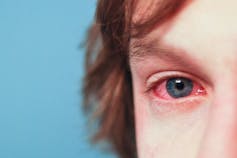
Signs and symptoms of allergic rhinitis include a runny or stuffy nose due to blockage or congestion; red, itchy and watery eyes; puffy eyelids; sneezing; and even coughing.
Symptoms may also be triggered by common allergens such as haze, cigarette smoke, strong odours (such as perfume or hair spray) and fumes.
Tips on managing hay fever
The first tip is to try and avoid or minimise allergen exposure that trigger symptoms.
Other tips include:
• Try not to rub your eyes; doing so will irritate them and could make your symptoms worse.
• Keep windows closed, and use air conditioning in your car and home. Make sure to keep your air conditioning unit clean.
• Reduce exposure to dust mites, especially in the bedroom.
Use “mite-proof” covers for pillows, blankets and mattresses.
Wash your bedding frequently, using hot water.
• Vacuuming is a better option than sweeping. Clean furniture and floors with damp cloth, because this removes dust better than dry dusting and sweeping.
• Wash your hands immediately after petting any animals, as well as your clothes.
• If you are allergic to a household pet, keep the animal out of your home as much as possible.
• Consider buying an air filter like a HEPA (high-efficiency particulate air) filter, which removes particles in the air by forcing it through screens containing microscopic pores.
Treatment options
Many allergens that trigger allergic rhinitis are airborne, so you can’t always avoid them.
If your symptoms can’t be well-controlled by simply avoiding triggers, your healthcare professional may recommend medications that reduce nasal congestion, runny nose, sneezing and itching.
They are available in many forms – tablets, liquid medication, nasal sprays and eye drops.
Most medications have side effects, so it is best to discuss these treatment options with your healthcare professional, who may also recommend some alternative treatment options that are natural and without side effects.
There is a safe and effective, clinically-tested, natural, non-medicated sterile nasal decongestant sea serum spray that is recommended for chronic nasal sufferers that helps soothe delicate nasal tissues. This solution comes from the pristine waters of Saint-Malo, a port city in north-western France.
Founded in the 12th century, Saint-Malo is well known for its singular tidal waters that ensure fresh and renewed water with every tidal cycle.
This natural, preservative-free decongestant spray is made up of a 2.2% hypertonic concentration of mineral salts in a sterile seawater solution and contains more than 80 minerals that work together to help cold, flu, allergy and sinusitis sufferers ease their delicate nasal tissues and expel excess fluids from swollen sinus passages – a natural process known as the “osmotic effect”.
This seawater decongestant spray can be used as often as needed without harming nasal tissues or causing unpleasant side effects.
It restores clear breathing through nasal passages with a dual-action hypertonic formula that clears and opens nasal and sinus passages, as well as soothes nasal tissues.
It is safer than traditional decongestants and because it does not contain medications, it is non-habit forming, does not cause unpleasant side effects and won’t interfere with any other medications you may currently be taking.
It’s safe for long-term use and for children six years and above.
Even pregnant, breastfeeding mothers and those intolerant to traditional decongestants can safely use it.

http://www.star2.com/health/wellness/2017/04/23/noses-that-run/

Wednesday, 18 March 2015

Astragalus: Chinese medicinal herb enlisted in fight against allergic rhinitis

A herb long used in traditional Chinese medicine for diabetes has been recently proven effective for allergic rhinitis, with some even touting the plant as a 'superfood'.

This post is on Healthwise

Sunday June 1, 2014

BY TAN SHIOW CHIN

For those with seasonal allergies, like hay fever, the A. membranaceus activated root extract needs to be taken one month before the start of the season as a preventive measure. – AFP

A herb long used in traditional Chinese medicine for diabetes has been recently proven effective for allergic rhinitis, with some even touting the plant as a 'superfood'.
Take a look around you, is there someone you know who has symptoms of allergies?
This might be in the form of allergic rhinitis — runny and/or blocked nose, watery eyes and sneezing; food allergies — itching, rashes, and even, difficulty breathing, upon consumption of the trigger food; eczema or contact dermatitis — itchy, red skin rashes; and allergic asthma — difficulty breathing upon exposure to the allergen, among others.
There is a pretty good chance that you know one or more persons who have some form of allergy, or even have allergies yourself, as the Malaysian Society of Allergy and Immunology estimates that one in three Malaysians suffer from some sort of allergy.
In fact, allergies are a rising medical trend both globally and locally. Experts predict that if the present trend continues, around half the country's will be affected by ailments caused by allergies by 2020.
While allergies are unlikely to be fatal for most sufferers, they do seriously affect quality of life. This is especially so for those who are allergic to substances that are commonly found in the environment, like dust mites, pet dander and pollen.
According to Croatian medical doctor and researcher Dr Silva Pecanic, the current goals of allergic rhinitis management is to improve quality of life and minimise side effects from treatment.
“There are three main methods of management. First, of course, is the allergen avoidance. But this requires a lot of education of the patient, a lot of discipline, habit changes, and is quite restrictive,” she says, noting that when one family member has an allergy, the entire family usually suffers along as well.
“The other method is pharmacotherapy. Current pharmacotherapy includes nasal steroids, which have a lot of side effects like dryness, and after long-term use, leads to thinning of the nasal mucosa, making it prone to bleeding or infections. There are also a lot of side effects for antihistamines, which are often used to decrease allergy symptoms, like dryness, drowsiness, dizziness, and sometimes, trouble urinating,” she says.
The third method of treatment is with leukotriene inhibitors. However, Dr Pecanic notes that the US Food and Drug Administration has updated the precautions on this group of drugs to include warnings on reported adverse neuropsychiatric side effects like agitation, aggression, problems sleeping, hallucinations and suicidal thoughts.
She says: “All these treatments are directed at the final symptoms — after the histamine attack. And all these patients usually change their therapy because they are never fully satisfied with their medication — changing from one antihistamine to another, and the nasal steroids and the nasal decongestants.”
Regulating allergy genes
Dr Pecanic, who is currently the Regulatory Department head of the South-East European Croatian-based health supplements and non-prescription drugs company Milsing, was in town recently to speak about a new allergy treatment based on the herb Astragalus membranaceus.
Also known as huang qibei qi or huang hu huang qi in Chinese, the dried root of A. membranaceus has actually been used in traditional Chinese medicine (TCM) for thousands of years. Its primary function in TCM is as an energising tonic and boosting the immune system, as well as treating diabetes.
It is this last function that led a group of researchers at the Ruder Bokovic Institute in Zagreb, Croatia, to take a deeper look at the root of this herb 14 years ago.
Milsing Product Development head and pharmacist Iva Martic shares: “During the research, they discovered that the activated root extract of A. membranaceussubstantially influences some of the genes which are involved in the inflammatory reaction.
“After that, they performed a series of tests, and animal and clinical trials, to show that it does affect more than 20 genes involved in the inflammatory process.”
In was at this stage in 2003 that Milsing, which develops such products commercially, got involved.
According to Martic, their research showed that the activated root extract of A. membranaceus helps to regulate the genes involved in the Th1 (Type 1 helper T cell) pathway. (See What are helper T cells?)
Increased activity of this pathway helps balances out the Th2 (Type 2 helper T cell) pathway, which is the one responsible for releasing histamine and other inflammatory chemical mediators that cause allergy symptoms.


Providing effective relief
In 2007, Dr Pecanic and her colleagues conducted a randomised, double-blind clinical trial at the University Hospital Dubrava in Zagreb. The results were published inPhytotherapy Research in 2010.
Forty-eight patients with seasonal allergic rhinitis were randomly put into two groups for the six weeks of the trial. Two-thirds of them received the activated root extract of A. membranaceus, while one-third received a placebo. No other pharmacological treatment for allergies was allowed.
According to Dr Pecanic, participants on the root extract showed significant improvement for rhinorrhoea (runny nose) after three weeks on treatment, and itching or burning eyes after six weeks, compared to those on the placebo.
In addition, subjective evaluations on treatment efficacy from patients and doctors respectively both showed an agreement that the root extract was significantly more effective than the placebo.
She adds: “There were very few adverse reactions, and all of them were actually symptoms from the allergy. The conclusion was that there were no adverse reactions related to the root extract.”
While the treatment for the clinical trial was administered at the start of the allergy season, Dr Pecanic says that the treatment works best when begun a month before exposure to the allergen or allergy season (for example, spring in temperate countries when pollen starts to spread), as a preventive measure.
Patients need to take the treatment as long as there is risk of exposure to the allergen.
However, those who have perennial or constant allergies can also start the treatment at any time, as then, it will work to reduce the symptoms they are already suffering from. They would need to take a stronger dose of the root extract until their symptoms subside, whereupon they can continue with the maintenance dose until they are no longer at risk of being exposed to the allergen.
Dr Pecanic says that it takes up to about a week in such patients for the treatment to start showing effect. She adds that they can also combine the root extract with their usual pharmacologic treatments for symptom relief.
Although patients will probably have to continue taking the root extract for as long as they have allergies, which is usually lifelong, Dr Pecanic notes: “It is a natural product; it does not have side effects. And it is much better to take such products than drugs with side effects. It is safe.”
http://www.thestar.com.my/Lifestyle/Health/Alternatives/2014/06/01/Astragalus-Chinese-medicinal-herb-enlisted-in-fight-against-allergic-rhinitis/

Go to Healthwise for more articles