Pages

Showing posts with label Black Cumin. Show all posts

Wednesday, 2 October 2019

Nigella sativa (aka Black Seed) Related Articles

Nigella sativa (aka Black Seed) Related Articles


Written by Sayer Ji, Founder
This humble, but immensely powerful seed, kills MRSA, heals the chemical weapon poisoned body, stimulates regeneration of the dying beta cells within the diabetic's pancreas, and yet too few even know it exists.
Written by Sayer Ji, Founder
Two new studies indicate that black seed (nigella sativa) may provide a unique set of benefits to aging women by protecting both against metabolic syndrome and accelerated bone loss.
Written by Sayer Ji, Founder
The tiny black seed strikes again! Even orally administered Tylenol can't compete with the topical application of this potent healing oil to reduce symptoms of one of the most common health complaints of our time.
Written by Sayer Ji, Founder
The powerful black seed strikes again! This time proving that food can be a powerful asthma medication alternative.
Written by Sayer Ji, Founder
H. pylori infection is often treated with three drugs simultaneously, but not everyone responds favorably. Thankfully there are clinically confirmed natural, food-based alternatives.
Written by Sayer Ji, Founder
A new study in the elderly finds that black seed safely improves memory, cognition and attention.
A number of natural herbs and nutrients have been shown to increase sperm count, sperm motility and sperm morphology. Now we can add a traditional remedy, Black seed oil - from Nigella sativa L. - to the list.
Written by Dr. Ali Hassan, MD
Nigella sativa is a truly magical plant with complex properties we are just beginning to understand. But the evidence increasingly shows that it is exceptionally beneficial to the skin.
Written by Sayer Ji, Founder
H. pylori infection may be treated effectively with two ancient food-based remedies, new research suggests.
Written by Sayer Ji, Founder
Known since ancient times as a 'remedy for everything but death,' an increasingly vast body of scientific research reveals that it is indeed one of nature's most potent and versatile healing agents.
Written by Dr. Ali Hassan, MD
The hay fever season is upon us and as pollen counts and tissue sales soar we review the evidence of the use black seed oil for hay fever treatment.
Written by Dr. Ali Hassan, MD
Today many cancer sufferers search for alternatives to conventional chemotherapy, such as thymoquinone, an active component of Nigella sativa or black seed oil.
A new study on a widely revered herbal medicine has produced a potential breakthrough in treating a condition that is a warning sign of serious disease risks. This common health problem affects as many as 90 million Americans, most of whom don’t even know they are in danger.
Written by Dr. Ali Hassan, MD
There are a number of trials which have shown black seed oil (Nigella sativa) has a beneficial effect on blood lipids, reducing cholesterol and low density lipoprotein and increasing beneficial high density low density lipoprotein
Written by Sayer Ji, Founder
Known mostly as a food condiment, this little black seed carries a medicinal punch so powerful it is being studied to treat some of the world's most deadly diseases.
Research indicates that you don't need drugs to control blood sugar. Food, herbs, and spices are the future of medicine.
Written by Dr. Ali Hassan, MD
This highly prized culinary spice has powerfully protective health properties as well...
Written by Sayer Ji, Founder
Could the long sought-after cure for type 1 diabetes be as close as your kitchen cupboard? An accumulating body of scientific research appears to point in exactly that direction
Okay, so you have a cold - or those around you have a cold. What to do? Get some drugs? Think again. Most are no better for placebo for treating the common cold. The most successful proven cold remedies are natural.
Written by Sayer Ji, Founder
There are words you don't use in medicine today, such as "cure." But a remarkable case study in an HIV positive patient treated with black seed extract resulted in a sustained remission, indicating a safe, accessible and affordable alternative to highly toxic antiretroviral HIV drugs may already exist.

https://www.greenmedinfo.com/substance/nigella-sativa-aka-black-seed

Saturday, 7 September 2013

Arm yourself against disease with these anti-cancer foods

Tuesday, June 12, 2012 by: PF Louis

cancer(NaturalNews) Most of us know the "War on Cancer" is a bad joke that churns revenue for the cancer industry while per capita cancer rates continue to surge. Based on the premise that food should be our first medicine, the cruciferous family of vegetables is the food choice for resisting cancer.

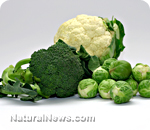
Cruciferous vegetables include broccoli, cabbage, cauliflower, collards, turnips, rutabaga, kale, kohlrabi, mustard greens, and watercress.

They all contain glucosinolates, antioxidant compounds that contain sulfur, which have attracted the interest of medical researchers' attempting to determine what makes this class of vegetables resist cancer and promote cardiovascular health.

Tracking the cruciferous cancer fighting compounds


Sulforaphane Glucosinolate (SGS) was isolated in 1992 by doctors Paul Talalay and Jed Fahey of the Johns Hopkins University School of Medicine. The Linus Pauling Institute at Oregon State University has also analyzed the phytochemical chain of events that produce isothiocyanates from glucosinolates, one of which is sulforaphane.

Sulforaphane is the active compound that directly eliminates carcinogens from the body and provides a protein that inhibits tumor growth. The process that produces sulforaphane is activated by an enzyme group in cruciferous veggies known as myrosinase.

Myrosinase is released upon biting or chewing a raw cruciferous. Just like all other enzymes, boiling or heating will destroy myrosinase.

Preparing and consuming cruciferous veggies


It's obvious that the less they are cooked, the better your chances are of receiving cancer preventative nutrition from cruciferous veggies. Broccoli and cauliflower can be steamed lightly enough to retain crunchiness and enough of the enzyme myrosinase. Simply putting raw pieces of them on salads would be ideal.

But if your gut flora is stacked well with probiotic bacteria, there's a good chance that they will jump in to help convert glucosinolates into sulforaphane even if the myrosinase enzymes are damaged. You can get the best of both worlds by fermenting cruciferous veggies.

If you're not familiar with fermenting vegetables, you can order a starter culture on line to help out (http://bodyecology.com/control-weight-vegetable-culture-starter.html).

Many cruciferous veggies are juice-able, especially with a slow speed masticating juicer that doesn't heat or shear the enzymes out of whatever is juiced.

Kale, mustard greens, and kohlrabi are easy to juice. Mixing any of those with carrots and apple pieces or adding coriander leaf (cilantro) boost cancer protection even more.

Additional health benefits


Adding cilantro (coriander) leaf to cruciferous juicing or coriander seeds to stir fried or steamed cruciferous veggies, adds another cancer fighting dimension. Dr. Yoshiaki Omura has observed all cancer cells have mercury in them (http://blog.imva.info/medicine/cancer-mystery-medical-science).

Dr. Omura has also observed that cilantro removes heavy metals, including mercury, from the body within two weeks of using it daily. Cilantro or coriander can be taken with cruciferous veggies every day of those two weeks. It's easy to add to your daily juicing routines.

Another spice, cumin or cumin seeds, has also demonstrated liver and stomach cancer prevention with animals in addition to its ability to aid digestion.

Getting back to cruciferous vegetables' sulforaphane, University of Michigan scientists have determined that sulforaphane attacks cancer stem cells without harming healthy cells.

Ironically, it was a Michigan University medical researcher, Dr. Max Wicha, who announced a few years ago to the Pittsburgh Post-Gazette that cancer reoccurs and spreads from chemotherapy because cancer stem cells remain intact (http://www.post-gazette.com).

Cumin and coriander seeds or leaves (cilantro) can be mixed and matched with a variety of organic cruciferous dishes or juices to satisfy a discriminating palate while serving to protect you from cancer and cardiovascular disease.

Stage your personal war on cancer from the kitchen.

Sources for this article include:

http://www.post-gazette.com

http://bodyecology.com/articles/anti-cancer.php

http://blog.imva.info/medicine/cancer-mystery-medical-science

http://www.medindia.net

http://lpi.oregonstate.edu/infocenter/phytochemicals/isothio/

http://www.indepthinfo.com/cumin/health.shtml

http://www.terramadrefarms.com/frontiers-organic-ground-coriander-seed

http://greensmoothiecommunity.com/tag/coriander/

http://www.naturalnews.com/036144_anti-cancer_foods_cruciferous_vegetables.html

Thursday, 14 June 2012

Black Cumin Seed Oil – An Ancient Healing Remedy

10 June 2012


Black cumin seeds (Nigella sativa) have long been used as a powerful remedy against major illnesses in nearly every major medical tradition…from Ayurveda to Chinese herbalism to ancient Egyptian and Greek medicine.

The earliest written reference to black cumin (also called “blackseed”) is found in the book of Isaiah in the Old Testament (28:25-27). Here, the holy prophet Muhammad calls blackseed “a remedy for every illness except death.”

Now, science also confirms that blackseed is one of the most powerful medicinal plants known to man.

black cumin seed oil
Several studies have also shown that black cumin seed extract may help fight cancer. In one recent study, black cumin seed oil was potent against pancreatic cancer, one of the deadliest and most difficult to treat of all cancers.

In the hundreds of studies conducted on black cumin, the seeds have been shown to contain compounds that fight disease by boosting the body’s production of…
  • Bone marrow
  • Natural interferon
  • Immune cells
And the Sloane Kettering hospital website has recently published exciting details on current anti-cancer research using black cumin seed oil.

Very few botanicals have shown the effectiveness of black cumin against a wide array of diseases and health conditions.

What is Black Cumin?

Black cumin is a member of the buttercup family. When whole, the seeds are dark, thin, and crescent shaped. They contain more than 100 chemical compounds, some of which are still unidentified.

The primary active compound in black cumin seed is crystalline nigellone. Other important active ingredients include:
  • Thymoquinone
  • Beta sitosterol
  • Myristic acid
  • Palmitic acid
  • Palmitoleic acid
  • Stearic acid
  • Oleic acid
  • Linoleic acid
  • Linolenic acid
  • Arachidonic acid
  • Protein
  • Vitamin B1
  • Vitamin B2
  • Vitamin B3
  • Folic acid
  • Calcium
  • Iron
  • Copper
  • Zinc
  • Phosphorous


Black Cumin Boosts Immunity and Health

Like the well-known herb Echinacea, black cumin is a powerful immune booster. But black cumin works very differently than Echinacea. Unlike Echinacea, black cumin does not negatively impact autoimmune disorders, and therefore can be used by those who suffer these conditions.

Black cumin is effective against allergies…multiple sclerosis…cancer…tuberculosis…and AIDS. Black cumin is also effective against liver problems, digestive imbalances, and asthma.


Black Cumin in History

  • Oil of black cumin was found in Tutankhamen’s tomb, and was used by Cleopatra for its valuable health and beauty benefits.
  • Hippocrates, the grandfather of modern medicine, considered black cumin a valuable remedy for digestive disorders.
  • Ibn Sina, the author of the famous Canon of Medicine, reports that black cumin stimulates the metabolism and supports recovery from dispiritedness and lethargy.
  • Ayurvedic medicine uses black cumin for a wide variety of diseases, including hemorrhoids, hepatitis, fever, diarrhea, cough, and tapeworm.


Modern Scientific Research on Black Cumin

Since 1959, black cumin has been examined in more than 200 different studies at universities and laboratories.

Research conducted at the Cancer Research Laboratory of Hilton Head Island in South Carolina showed that oil of black cumin fought cancerous tumors without the negative side effects chemotherapy.

The Hilton Head research showed that black cumin…
  • Increased the growth rate of bone marrow cells by a staggering 250%
  • Inhibited tumor growth by 50%
  • Stimulated immune cells and raised the interferon production (which protects cells from the destructive effect of viruses)
  • Has strongly antibacterial effects
  • Lowers the blood sugar level (essential for the treatment of diabetes)
In animal studies, two-thirds of mice given black cumin seed oil survived beyond 30 days despite deliberate efforts to induce cancer…while none of the mice in the control group survived.

Black cumin is especially effective for aggressive cancers whose growth depends on angiogenesis (the physiological process involving the growth of new blood vessels).

Dramatic Results for Asthma and Allergies…and Many Other Conditions

German research has shown that 70% of patients with allergic conditions—including pollen and dust allergies—benefit from treatment with black cumin seed oil. Long-term use (6 months or longer) often brings outstanding results.

Other uses of black cumin seed oil include for…
  • Acne
  • Colds and flu
  • Lethargy
  • Nervous tension
  • Tired legs muscles
  • Backache, arthritis, bruises, and rheumatism
  • High blood pressure
  • Stomach problems
  • Diarrhea
  • Hair loss
  • Headache
  • Earache
  • Intestinal parasites
  • Colic (babies)
  • Sinusitis
  • Skin fungus


Exceptional Health and Beauty Benefits with Internal and External Use

Experts often recommend taking one teaspoon of the spicy oil alone, taken alone or with hot tea one hour before meals once or twice daily.

However, many people choose to take the black cumin seed oil in capsule form. Whether taken as oil in tea or in capsules, black cumin seed oil not only supports health, but has beauty benefits as well, including stronger and more lustrous hair and fingernails after months of use. When used externally, black cumin seed oil can soothe psoriasis, eczema, and acne.

Black cumin seed oil is sometimes included in pre-made creams, or you can add it to your own favorite cream. Some people use black cumin seed oil preparations on burns or skin infections. It can also be used to moisturize the skin, relieve joint or pain, or to minimize wrinkles and other signs of aging.

Black cumin seed oil and pills can be found in many Indian and Lebanese food shops and online. According to Tony Isaacs, natural health researcher and author of Cancer’s Natural Enemy, consumers should shop carefully. Isaacs warns that, “Those who use black cumin seed oil should check labels and product information carefully.

Black cumin is commonly referred to as black cumin seed oil, black onion seed, black caraway, and black sesame seed, and other names, but only Nigella sativa is true black cumin.

http://undergroundhealthreporter.com/black-cumin-seed-oil#axzz1wvX0duWD