Do you know how important Vitamin D, also known as the sunshine vitamin, is to your health? This key vitamin is essential to regulating two important nutrients in your body, calcium and phosphate which are important to the formation and strengthening of your bones and teeth, help nerve function and make muscles contract. Without them humans could end up with bone deformities and muscle pain as well as increased risk of dying from cardiovascular disperse and in senior adults, cognitive impairment.
So how much Vitamin D do we need to keep calcium and phosphates in balance in our bodies?
According to the Institute of Medicine, being outside in the sunshine for at least 20 to 30 minutes a day is the best way to get your daily source of Vitamin D. During the spring, and summer months that’s not a problem unless you spend most of your time indoors or keep most of your skin all covered up. But generally, most us get our daily dose of Vitamin D just by a few minutes of sun exposure during those months.
However, during the fall and winter months, we tend to be indoors most of the time or we are more bundled up because its cold out. Also, the days are shorter and so our opportunities for receiving natural Vitamin D through sun exposure may be minimal.
According to the National Health Institute people with dark skin from the Caribbean, African or south Asian countries are at higher risks for Vitamin D deficiency as well.
So what to do during those months with shorter days of sunlight?
There are ways to get Vitamin D through our diet! As well as through supplements.
There are lots of good foods we can consume to help provide our daily needs for Vitamin D. And the very best food sources of Vitamin D are egg yolks, red meat, oily fish, liver and foods fortified with Vitamin D like milk for instance.
Web MD recommends the following foods:
•Fatty fish like tuna, mackerel and salmon which are also a great source of Omega 3’s.
•Then there are foods fortified with Vitamin D like dairy products such as milk, soy milk and almond milk and even orange juice and a few cereals.
The National Institute of Health has this recommendation for Vitamin D supplements: “since it’s difficult for people to get enough vitamin D from food alone, everyone should consider taking a daily supplement containing 10 micrograms of vitamin D during the autumn and winter.”
But they also caution against taking too much Vitamin D. So stick to the 10 mcg a day and be healthy!
There are some foods out there that get an undeserved bad rap. They’re delicious, satisfying, and—most important—good for you. The problem isn’t, a lot of people aren’t getting them in the right form. They may even be avoiding these foods completely.
INH Research
Here are the top five shunned foods that you SHOULD be eating.
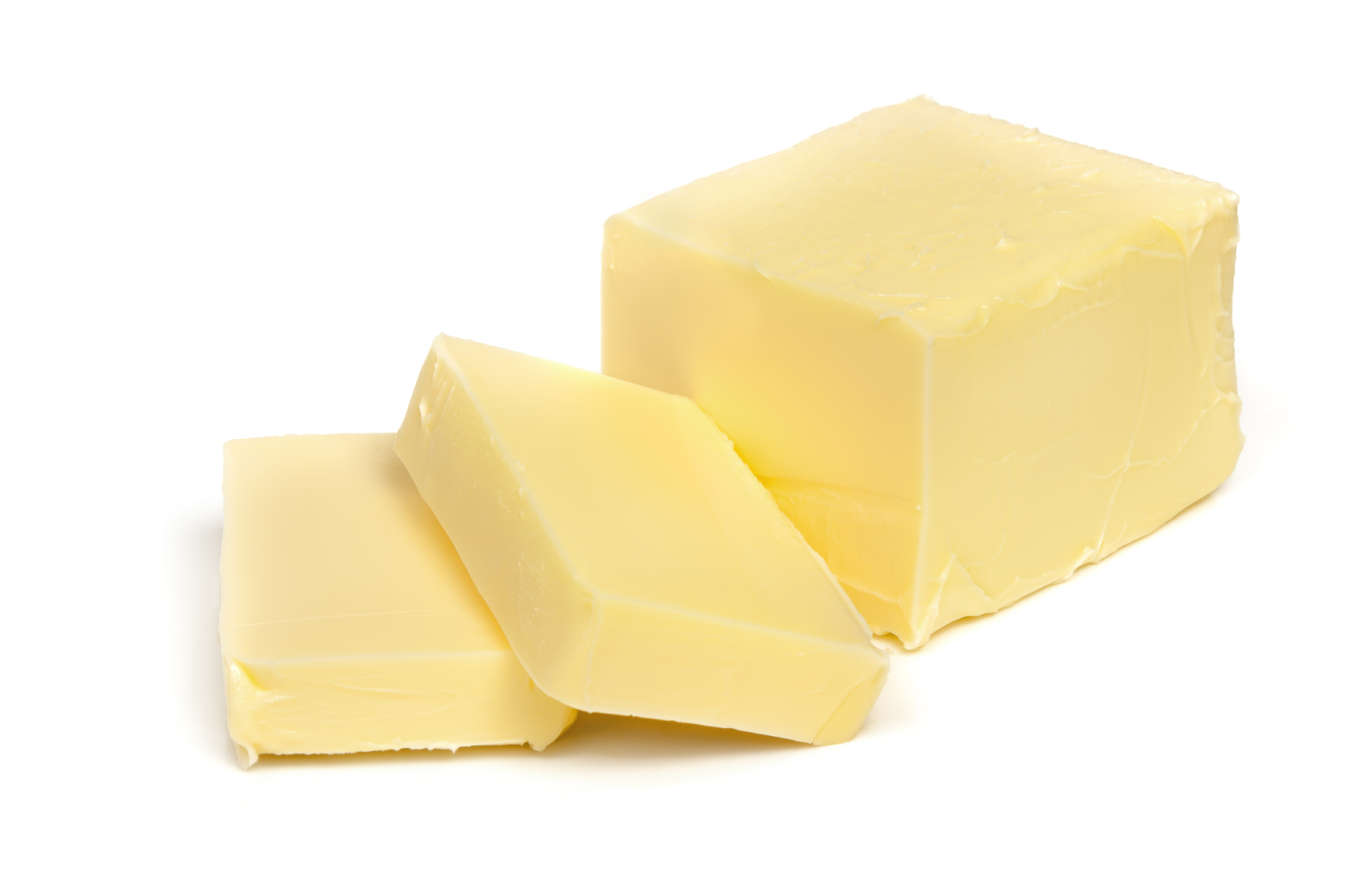
1. Butter: There has been a war on fats in the U.S. for decades now. And there has been no greater “enemy” than butter. Just look at how many chemical-filled butter substitutes you’ll find at your local grocer. But the problem isn’t butter per se. The problem is that most butter comes from sick, grain-fed cows. Then there’s the fake salt they put in most salted butter. But switching to grass-fed butter can make a big difference when it comes to your health. It gives you high doses of natural vitamins A, D, E, and K2.
This form—the real one—of butter fights inflammation and protects against heart disease. It may even help you avoid cancer.1 You can find grass-fed, unsalted butter in most health food stores. Some high-end grocers carry it too. Try adding your own natural sea salt for taste and trace minerals.
2. Chocolate: It’s no secret that we love it. In fact, we recommend you eat a serving of chocolate every day… Just not the kind waiting for you at the grocery store checkout line. These are full of high-fructose corn syrup and preservatives. We’re talking about real chocolate. It fights inflammation, lowers stress, and boosts cognitive function. But don’t expect these results if you aren’t eating the right form of it.
Look for dark, organic chocolate bars. The higher the percent of cocoa, the greater the health benefits in each bite. Aim for at least 70%. But be careful: Anything above 70% gets pretty bitter. Start low and work your way up. You can find a good variety in most health food stores and online.
3. Coffee: Coffee is one of the oldest—and most beloved—beverages on the planet. But a lot of people stay away from it. Frankly, we don’t get it. The truth is coffee helps preserve your vision. Drinking it even helps protect your hearing. Coffee may even keep your memory sharp. But not the syrup-infused, overly-sweetened stuff on the menu at most coffee places. We’re talking about real, organic coffee.
Drinking up to three cups of it each day will provide you with these health benefits—and a steady dose of antioxidant power. You can find single source, organic coffee in most food stores. Buying online will give you even more varieties to choose from.
4. Red Meat: Just like butter, this notorious food is seen as decadent—even deadly. But Health Watch readers know that it’s processed meats that are dangerous. In fact, grass-fed organic beef is one of the healthiest foods you can eat. It’s free of the grain, steroids, and antibiotic drugs that make grain-fed beef unsafe to eat. This kind of beef is also higher in B vitamins, calcium, and essential fatty acids.
And you can’t forget that it’s a complete protein. It gives your body the amino acids it needs to keep muscles strong and supported. Eating the right kind of beef may even help save your heart. You can find it in most health food stores. Just make sure it’s grass-fed and finished. Your butcher can help you if you aren’t sure.
5. Eggs: Eggs are one of the best sources of protein. They provide you with leucine. It’s an essential amino acid you need to regulate blood sugar and build muscle. It may even help you lose body fat. The problem is people think the yolk isn’t good for you. But the fact is that about half of the protein—plus all of the vitamins and minerals—are in the yolk. It provides vitamins A, B6, B12, D, E, and K.
It’s also where you’ll get calcium, folate, iron, and zinc. In other words, don’t skip the yolk. Make sure your eggs are pastured and fresh. Some health food stores carry local eggs. You should also be able to find them at farmer’s markets and even nearby farms. Just skip the gross egg substitutes that offer next to zero health benefit.
You may be avoiding them… But don’t believe everything you’ve heard about these foods. Eating them in the right form can give you major health benefits that their mainstream versions can’t. In fact, if you can’t find these foods in their ideal forms, your best bet is to limit how often you eat them—not eliminate them entirely.
The U.S. dietary guidelines have told us for years to watch our cholesterol.1 That meant staying away from eggs… Especially the yolks.2
INH Research
Now experts admit eggs aren’t the problem.3 That’s because dietary cholesterol has little effect on cholesterol in the blood. According to Steven Nissen, chairman of cardiovascular medicine at the Cleveland Clinic, “We got the dietary guidelines wrong. Thy’ve been wrong for decades.”4
e
Here are five ways eating egg yolks boosts your health.
1. Fights a Deadly Disease:
One study found men deficient in vitamin D3 were about four times more likely to develop a rare, aggressive form of prostate cancer… One that spreads fast.5 Eating pasture-raised eggs is a good way to get more vitamin D3 from your diet. The problem is you won’t get any D3 from eggs if you skip the yolks.
(Try adding wild-caught salmon and mushrooms to your omelets for even more D3 power.)
2. Builds a Solid Foundation:
Egg yolks have most of the vitamins you need for strong bones in one package.6 These include vitamins A, B6, B9 (folate), B12, and D3.7 The yolk also contains calcium. And talk about convenient… Egg yolks also give you the healthy fats you need to absorb these vitamins better. You won’t be getting any of these benefits if you’re only eating egg whites.
3. Preserves Your Strength:
Whole eggs are a perfect protein for building lean muscle. That’s why Jeff Volek endorses them. He’s a Ph.D. and registered dietitian. He’s also an exercise and nutrition researcher at the University of Connecticut. Jeff says, “Calorie for calorie, you need less protein from eggs than you do from other sources to achieve the same muscle-building benefits.”8
It’s not just about putting on muscle… The quality protein from eggs will help prevent you from losing muscle strength as you get older. This will make almost every daily activity easier.
4. Helps Tame a Dangerous Threat:
Inflammation is at the root of most illnesses… From allergies to Alzheimer’s.9 Eating foods rich in omega-3 fatty acids can help keep inflammation low. And once again, if you’re only eating egg whites, you’ll miss the healthy fats.
Where your eggs come from makes a big difference. Eating eggs from grain-fed hens won’t give you the most benefits. Organic, pasture-raised eggs have more than double the amount of omega-3s… They also have less of the inflammatory omega-6 fatty acids.10 Try your local farmer’s market for the best eggs you can find.
5. Keeps Your Motor Running:
The B vitamins in egg yolks may also protect your heart. B12 helps your arteries to function. Being deficient could lead to coronary artery disease.11 And B9 lowers your homocysteine levels. People with high levels of this amino acid are almost twice as likely to develop coronary artery disease.12
Are eggs helpful to our health… or a cause of heart disease? BBC Future examines the evidence.
By Jessica Brown
17 September 2019
If there was such a thing as a perfect food, eggs would be a contender. They’re readily available, easy to cook, affordable and packed with protein.
“The egg is meant to be something that has all the right ingredients to grow an organism, so obviously it’s very nutrient dense,” says Christopher Blesso, associate professor of nutritional science at the University of Connecticut in the US.
But for decades, eating eggs has also been controversial due to their high cholesterol content – which some studies have linked to an increased risk of heart disease. One egg yolk contains around 185 milligrams of cholesterol, which is more than half of the 300mg daily amount of cholesterol that the US dietary guidelines recommended until recently.
Does that mean eggs, rather than an ideal food, might actually be doing us harm?
Cholesterol, a yellowish fat produced in our liver and intestines, can be found in every one of our body’s cells. We normally think of it as “bad”. But cholesterol is a crucial building block in our cell membranes. It also is needed for the body to make vitamin D, and the hormones testosterone and oestrogen.
We produce all the cholesterol we need on our own, but it’s also found in animal produce we consume, including beef, prawns and eggs, as well as cheese and butter.
Cholesterol is found in animal products like beef as well as eggs (Credit: Getty Images)
Cholesterol is transported around our body by lipoprotein molecules in the blood. Every person has a different combination of various types of lipoproteins, and our individual make-up plays a role in determining our risk of developing heart disease.
Low-density lipoprotein (LDL) cholesterol – referred to as “bad” cholesterol – is transported from the liver to arteries and body tissues. Researchers say that this can result in a build-up of cholesterol in the blood vessels and increase the risk of cardiovascular disease.
But researchers haven’t definitively linked consumption of cholesterol to an increased risk of cardiovascular disease. As a result, US dietary guidelines no longer have a cholesterol restriction; nor does the UK. Instead, emphasis is placed on limiting how much saturated fat we consume, which can increase the risk of developing cardiovascular disease. Foods containing trans fats, in particular, increase our LDL levels. Although some trans fats occur naturally in animal products, most are made artificially and are found in highest levels in margarines, snacks, and some deep-fried and baked foods, such as pastry, doughnuts and cake.
Some deep-fried foods, which contain trans fats, can increase our LDL (or "bad") cholesterol levels (Credit: Getty Images)
Meanwhile, along with prawns, eggs are the only food high in cholesterol that are low in saturated fat.
“While the cholesterol in eggs is much higher than in meat and other animal products, saturated fat increases blood cholesterol. This has been demonstrated by lots of studies for many years,” says Maria Luz Fernandez, professor of nutritional sciences at the University of Connecticut in the US, whose latest research found no relationship between eating eggs and an increased risk of cardiovascular disease.
The discussion on the health effects of eggs has shifted partly because our bodies can compensate for the cholesterol we consume.
“There are systems in place so that, for most people, dietary cholesterol isn’t a problem,” says Elizabeth Johnson, research associate professor of nutritional sciences at Tufts University in Boston, US.
In a 2015 review of 40 studies, Johnson and a team of researchers couldn’t find any conclusive evidence on the relationship between dietary cholesterol and heart disease.
“Humans have good regulation when consuming dietary cholesterol, and will make less cholesterol themselves,” she says.
Cholesterol is harmful when it is oxidised – but the antioxidants in eggs prevent that process from happening (Credit: Getty Images)
And when it comes to eggs, cholesterol may pose even less of a health risk. Cholesterol is more harmful when oxidised in our arteries, but oxidisation doesn’t happen to the cholesterol in eggs, says Blesso.
“When cholesterol is oxidised, it may be more inflammatory, and there are all kinds of antioxidants in eggs that protect it from being oxidised,” he says.
Also, some cholesterol may actually be good for us. High-density lipoprotein (HDL) cholesterol travels to the liver, where it’s broken down and removed from the body. HDL is thought to have a protective effect against cardiovascular disease by preventing cholesterol from building up in the blood.
“People should be concerned about cholesterol that circulates in their blood, which is the one that leads to heart disease,” says Fernandez.
What matters is the ratio of HDL to LDL in our bodies, as elevated HDL counteracts the effects of LDL.
However, while most of us are able to buffer the cholesterol we consume with the cholesterol we synthesise in our livers, Blesso says around a third of us will experience an increase in blood cholesterol by 10% to 15% after consuming it.
Trials have found that lean and healthy people are more likely to see an increase in LDL after eating eggs. Those who are overweight, obese or diabetic will see a smaller increase in LDL and more HDL molecules, Blesso says. So, if you’re healthier to begin with, eggs potentially could have a more negative effect than if you’re overweight – but if you’re healthier, you’re also more likely to have good HDL levels, so an increase in LDL probably isn’t very harmful.
One study found that an additional half egg per day was linked to a higher risk of heart disease... (Credit: Getty Images)
Research published earlier this year, though, challenged the recent consensus that eggs pose no harm to our health. Researchers looked at data from 30,000 adults followed for an average of 17 years and found that each additional half an egg per day was significantly linked to a higher risk of heart disease and death. (They controlled for the subjects’ diet patterns, overall health and physical activity to try to isolate the effects of eggs.)
“We found that, for every additional 300mg cholesterol person consumed, regardless of the food it came from, they had a 17% increased risk of cardiovascular disease, and 18% increased risk of all-cause mortality,” says Norrina Allen, one of the study’s authors and associate professor of preventive medicine at Northwestern University in Illinois, US.
“We also found that each half egg per day led to a 6% increased risk of heart disease and 8% increased risk of mortality.”
Despite the study being one of the largest of its kind to address this specific relationship between eggs and heart disease, it was observational, giving no indication of cause and effect. It also relied upon a single set of self-reported data – participants were asked what they ate over the previous month or year, then followed up their health outcomes for up to 31 years. This means the researchers only got a single snapshot of what the participants were eating, even though our diets can change over time.
…but other studies have found that eggs are associated with a lower risk of heart disease (Credit: Getty Images)
And the study conflicts with past results. Numerous studies suggest eggs are good for heart health. One previous analysis of half a million adults in China, published in 2018, even found the exact opposite: egg consumption was associated with lower risk of heart disease. Those who ate eggs every day had an 18% lower risk of death from heart disease and 28% lower risk of stroke death compared to those who didn’t eat eggs.
Like the previous study, it too was observational – meaning it’s impossible to tease out cause and effect. (Do healthier adults in China simply eat more eggs, or do the eggs make them healthier?). That, of course, may be a big part of the confusion.
Good egg
While these studies have reignited the debate on the impact of cholesterol in eggs on our health, we do know some ways in which eggs could affect our risk of disease.
Choline, which is found in eggs, may protect us against Alzheimer’s disease (Credit: Getty Images)
But it may have negative effects, too. Choline is metabolised by gut microbiota into a molecule called TMO, which is then absorbed into people’s livers and converted to TMAO, a molecule associated with an increased risk of cardiovascular disease. Blasso has wondered if eating a lot of choline from eggs could lead to elevations of TMAO: he found studies where people were observed to have elevated TMAO levels up to 12 hours after eating eggs.
Research measuring egg consumption and TMAO has so far only found transient increases in TMAO. However, TMAO is measured as a marker for heart disease only at a baseline level, which can be detected when people are fasting. Blasso likens this to how our blood sugar levels increase temporarily after eating carbohydrates, but elevated blood sugar levels are only associated with diabetes when these levels are continuous.
This may be because when we eat eggs, we might only get choline’s beneficial effects, he says.
“The problem is when, instead of being absorbed into the blood, choline continues to the large intestine, where it can become TMA and then TMAO,” says Fernandez.
“But in eggs, choline is absorbed and doesn’t go to the large intestine, so it doesn’t increase the risk of heart disease.”
Meanwhile, scientists are beginning to understand other health benefits of eggs. Egg yolks are one of the best sources of lutein, a pigment that has been linked to better eyesight and lower risk of eye disease, for example.
Egg yolks are an excellent source of lutein, which has been linked to better eyesight (Credit: Getty Images)
“There are two types of lutein found the retina of the eye, where it can protect the retina from light damage by working as a blue light filter, as exposure to light makes the eye deteriorate,” says Johnson.
While researchers are a long way from understanding why eggs affect us differently, the vast majority of recent research suggests they pose no risk to our health, and are much more likely to provide health benefits.
Even so, having eggs for breakfast every day probably isn’t healthiest option, either – at least as it’s recommended we have a varied diet… rather than put all our eggs in one basket.
Choosing organic products for yourself and your family is one of the most proactive measures you can implement to take control of your health
Choosing organic foods lowers your exposure to pesticides. Research shows negative health effects may occur in children at current levels of exposure to pesticides
Organically grown foods contain higher levels of antioxidants and healthy fats than conventionally grown varieties
Soil depletion is a direct result of modern agricultural practices and has led to crops containing fewer nutrients. To receive the same amount of iron you used to get from one apple in 1950, by 1998 you had to eat 26 apples
By buying organic, you also support the mitigation of climate change, protect the environment, promote animal welfare and farmer profitability, and ensure your food is not genetically engineered
January 05, 2019
Written by Dr. Joseph Mercola
Many want to lead a healthier lifestyle but cannot figure out where or how to start. In the realm of diet, more than half believe it's easier to calculate their income taxes than figure out what to eat.1 While nutritional science is indeed a complex affair, there's a way to make it really, really simple: Just eat organic.
"Let thy medicine be thy medicine, and thy medicine be thy food."
That famous quote by Hippocrates, who is often referred to as "the father of medicine," is somewhere around 2,500 years old, and for a long time this sentiment was treated as fact.
Today, many scoff at this notion, thinking nutrition and medicine have very little in common, using food to quench hunger and little else, while turning to pharmaceutical drugs to treat illness. Turning our backs on the fundamental truth that "food is medicine" is no doubt at the very heart of our current disease epidemics.
Another quote by Hippocrates, which is part of the Hippocratic Oath still recited by modern doctors today, is "First, do no harm." Unfortunately, the preoccupation with the idea that there must be "a pill for every ill" now greatly compromises this oath, because the practice of medicine is primarily focused on drugs that oftentimes to far more harm than good.
Meanwhile, modern doctors receive virtually no training in nutrition. The 2018 documentary, "Organic Food — Hype or Hope?" analyzes the benefits of organically grown foods.
How are they different from conventional and do they really live up to the promise of being healthier? Indeed, there's compelling evidence that organic food is a vital aspect of vibrant health, and is a truly practical solution to many of our current health and environmental crises.2
Organic Food Significantly Lowers Your Toxic Burden
Pesticides, in particular, pose risks to human health, and not just from contaminated food but also from contaminated groundwater — an issue covered in the featured documentary.
While U.S. regulators insist that set limits on pesticide residues in conventional produce are enough to protect public health, a 2016 report3 commissioned by the European Parliament found negative health effects may occur in children even at current levels of exposure. A key message of the report was that public health could be protected by promoting organic agriculture.
In 2017, Hilal Elver, the United Nations' special rapporteur on the right to food, and Baskut Tuncak, special rapporteur on toxics, took it a step further, calling for a global treaty to regulate pesticides, saying these chemicals have become a very troubling and pervasive food contaminant that threatens the health of children.4,5
"It is time to overturn the myth that pesticides are necessary to feed the world and create a global process to transition toward safer and healthier food and agricultural production," they noted in their report. Organic farming has other benefits beyond lowering your toxic burden, such as:
Mitigating climate change
Promoting animal welfare
Being more profitable for farmers6,7
Ensuring the food isn't genetically engineered (GE) or contains genetically modified organisms (GMOs). This is true for animal products as well, as animals raised on organic farms are not permitted to be fed GE alfalfa or GE corn
Modern Agricultural Practices Have Led to Decline in Food Quality
Soil depletion is a direct result of modern agricultural practices and has led to crops containing fewer nutrients. Reductions in biodiversity and a narrowing of available foodstuffs has also resulted in a narrower range of nutrients in our diets.
Even the healthy foods you choose, such as an apple or lettuce, are likely not as nutritious as they once were, and wild plants widely foraged in the past provided an astounding level of phytonutrients that are largely absent from our modern cultivated fruits and veggies.
For instance, according to Jo Robinson, author of "Eating on the Wild Side," purple potatoes native to Peru contain 28 times more anthocyanins than commonly consumed russet potatoes.8
Work by Dr. August Dunning, chief science officer and co-owner of Eco Organics, reveals that in order to receive the same amount of iron you used to get from one apple in 1950, by 1998 you had to eat 26 apples. Flavor has also fallen by the wayside, and this too is related to the deterioration of mineral content. The minerals actually form the compounds that give the fruit or vegetable its flavor.
Organic Foods Have Fewer Pesticides and Higher Antioxidant Content
Eating organic is one of the easiest ways to optimize your nutrition without supplementation (although certain supplements may still be necessary or advisable, depending on your condition and overall diet). Studies have repeatedly shown that organic foods: a) have much lower pesticide residues; and b) contain higher amounts of health-promoting nutrients.
Among them is a meta-analysis9 by Stanford University, published in 2012, which looked at 240 studies comparing organically and conventionally grown food. Organics were 23 to 37 percent less likely to contain detectable pesticide residues.
Considering the health dangers associated with pesticides, this is clear evidence that organics confer greater health benefits than conventional produce. Organically raised chicken was also up to 45 percent less likely to contain antibiotic-resistant bacteria, which will also help protect your health.
Following in Stanford University's footsteps, a group of scientists at Newcastle University in the U.K. evaluated an even greater number of studies, 343 in all, published over several decades. Just like the Stanford study, this follow-up analysis,10 published in 2014, found that while conventional and organic vegetables oftentimes contain similar levels of many nutrients, the frequency of occurrence of pesticide residues was four times higher in conventional foods.
Conventional produce also had on average 48 percent higher levels of cadmium,11 a toxic metal and a known carcinogen. Moreover, while many nutrient levels were comparable, a key nutritional difference between conventional and organics was their antioxidant content.
In the Newcastle analysis, organic fruits and vegetables were found to contain anywhere from 18 to 69 percent more antioxidants than conventionally grown varieties.
Antioxidants are a very important part of optimal health, as they influence how fast you age by fighting free radicals. So, the fact that organic foods contain far higher levels of them vouches for the stance that organic foods are healthier in terms of nutrition, in addition to being lower in pesticides.
Organic Grass Fed Milk and Meat Are Healthier Than Factory Farmed
Two 2016 studies12 — one on the compositional differences of organic and conventional meat,13 and one on milk14 — also found clear differences between the two. Said to be the largest studies of their kind, the researchers analyzed 196 and 67 studies on milk and meat respectively.
The largest difference in nutritional content of meat was its fatty acid composition, certain essential minerals and antioxidants. Coauthor Chris Seal, professor of food and human nutrition at Newcastle University, commented on the findings:15
"Omega-3s are linked to reductions in cardiovascular disease, improved neurological development and function, and better immune function. Western European diets are recognized as being too low in these fatty acids and the European Food Safety Authority recommends we should double our intake.
But getting enough in our diet is difficult. Our study suggests that switching to organic would go some way toward improving intakes of these important nutrients."
According to the review on milk, half a liter of organic full fat milk will provide you with an estimated 39 milligrams (mg) or 16 percent of the reference daily intake (RDI) of very long-chain (VLC) omega-3 (EPA, DPA and DHA), whereas conventional milk will provide only 25 mg or 11 percent of the RDI of these important fats.
As noted in the milk study,16 VLC omega-3s have been linked to a number of health benefits, including "improved fetal brain development and function, delayed decline in cognitive function in elderly men and reduced risk of dementia (especially Alzheimer's disease)."
Organic milk also contains lower levels of omega-6, providing a healthier ratio between these two fatty acids. Compared to conventional milk, organic milk was also found to contain:
Higher levels of vitamin E
Higher concentrations of iron
Higher levels of antioxidant carotenoids
40 percent more conjugated linoleic acid (CLA), which has a wide array of important health benefits, from fighting cancer to decreasing insulin resistance and improving body composition
Other studies looking at grass fed beef,17 organic grass fed milk18 and organic free-range eggs19 have come to similar conclusions. A 2016 report20 by the European Parliament, "Human Health Implications of Organic Food and Organic Agriculture," also reviewed the nutritional content of organics (among many other things), concluding that the clearest benefits of organics on human health were found to be related to lowered pesticide, antibiotic and cadmium exposure.
According to the authors, "As a consequence of reduced pesticide exposure, organic food consequently contributes to the avoidance of health effects and associated costs to society."
Healthy Food Resources
Ultimately, choosing organic products for yourself and your family is one of the most proactive measures you can implement to take control of your health. If you must choose between which products to purchase organic, I recommend prioritizing organic animal foods and then using the Environmental Working Group's (EWG) "Dirty Dozen" list21 for produce.
The dirty dozen list shows which fruits and vegetables are most prone to heavy pesticide contamination and therefore the most important to buy organic.
Keep in mind that while many grocery stores now carry organic items, these are typically imported from other countries, which may or may not have stringent organic standards in place. Ideally, try to buy as much as you can directly from local farmers, whom you can ask directly about their agricultural practices. If you live in the U.S., the following organizations can help you locate farm-fresh foods:
Demeter USA — Demeter-USA.org provides a directory of certified Biodynamic farms and brands. This directory can also be found on BiodynamicFood.org.
American Grassfed Association (AGA) — The goal of the American Grassfed Association is to promote the grass fed industry through government relations, research, concept marketing and public education.
Their website also allows you to search for AGA approved producers certified according to strict standards that include being raised on a diet of 100 percent forage; raised on pasture and never confined to a feedlot; never treated with antibiotics or hormones; and born and raised on American family farms.
EatWild.com — EatWild.com provides lists of farmers known to produce raw dairy products as well as grass fed beef and other farm-fresh produce (although not all are certified organic). Here you can also find information about local farmers markets, as well as local stores and restaurants that sell grass fed products.
Weston A. Price Foundation — Weston A. Price has local chapters in most states, and many of them are connected with buying clubs in which you can easily purchase organic foods, including grass fed raw dairy products like milk and butter.
Grassfed Exchange — The Grassfed Exchange has a listing of producers selling organic and grass fed meats across the U.S.
Local Harvest — This website will help you find farmers markets, family farms and other sources of sustainably grown food in your area where you can buy produce, grass fed meats and many other goodies.
Eat Well Guide: Wholesome Food from Healthy Animals — The Eat Well Guide is a free online directory of sustainably raised meat, poultry, dairy and eggs from farms, stores, restaurants, inns, hotels and online outlets in the United States and Canada.
The Cornucopia Institute — The Cornucopia Institute maintains web-based tools rating all certified organic brands of eggs, dairy products and other commodities, based on their ethical sourcing and authentic farming practices separating CAFO "organic" production from authentic organic practices.
RealMilk.com — If you're still unsure of where to find raw milk, check out Raw-Milk-Facts.com and RealMilk.com. They can tell you what the status is for legality in your state, and provide a listing of raw dairy farms in your area. The Farm to Consumer Legal Defense Fund22 also provides a state-by-state review of raw milk laws.23 California residents can also find raw milk retailers using the store locator available at www.OrganicPastures.com.