Pages

Showing posts with label Cinnamon. Show all posts

Tuesday, 5 November 2019

Reverse Insulin Resistance With These 8 Foods

Research indicates that you don't need drugs to control blood sugar. Food, herbs, and spices are the future of medicine

Posted on: Saturday, October 13th 2018 at 9:00 am
Written By: GreenMedInfo Research Group


Research indicates that you don't need drugs to control blood sugar. Food, herbs, and spices are the future of medicine

Over 80 million Americans have insulin resistance that can lead to diabetes. And you could be on the road to diabetes for 10 years or more and never even know it. Here's what happens.

The hormone insulin directs your cells to open up and take in glucose from the blood. With insulin resistance, your cells become desensitized to insulin. They ignore the instructions to open up and take in glucose. Your body keeps producing more insulin to try to get the message heard. But it doesn't work. And your insulin levels rise higher and higher.

Those chronically high insulin levels cause rapid weight gain, premature aging, high blood pressure, heart disease, and higher cancer risks. Eventually they lead to type 2 diabetes.

Herbs, spices and foods are your first line of defense. Here are eight that can help restore and maintain your cells' sensitivity to insulin.

1. Turmeric: 100% Effective In Preventing Diabetes

A 2009 study found curcumin, an active compound found in turmeric, was 500 to 100,000 times more effective than the prescription drug Metformin at activating glucose uptake.[i]

In another study of 240 pre-diabetic adults, patients were given either 250 milligrams of curcumin or a placebo every day. After nine months, NONE of those taking curcumin developed diabetes but 16.4% of the placebo group did. In other words, the curcumin was 100% effective at preventing Type 2 diabetes.

2. Ginger: Lowers Fasting Blood Glucose by 10.5%

In a randomized, double-blind, placebo-controlled trial 88 diabetics were divided into two groups. Every day one group received a placebo while the other received 3 one-gram capsules of ginger powder. After eight weeks, the ginger group reduced their fasting blood sugar by 10.5%. But the placebo group INCREASED their fasting blood sugar by 21%. In addition, insulin sensitivity increased significantly more in the ginger group.[ii]

In another study, researchers proved that 1600 mg per day of ginger improves eight markers of diabetes including insulin sensitivity.[iii]

Many other studies prove the value of ginger for diabetes. For a complete list of studies visit Green Med Info's page on Ginger Health Benefits.

3. Cinnamon: Less Than Half a Teaspoon A Day Reduces Blood Sugar Levels

Cinnamon is one of the oldest spices and most popular spices. It's been used for millennia both for its flavoring and medicinal qualities.

Cinnamon has been shown to normalize blood sugar levels in type 2 diabetics by improving the ability to respond to insulin. A meta-analysis of eight clinical studies shows that cinnamon or cinnamon extracts lower fasting blood glucose levels.[iv]

Cinnamon works in part by slowing the rate at which the stomach empties after eating. In one study subjects ate about a cup of rice pudding with and without about a teaspoon of cinnamon. Adding the cinnamon slowed the rate the stomach emptied from 37% to 34.5% and significantly slowed the rise in blood sugar levels. Even less than a half of a teaspoon a day reduces blood sugar levels in type 2 diabetics.[v]

Here are 5 more reasons to eat cinnamon every day.

4. Olive Leaf Extract: Results Comparable to Metformin

University of Auckland researchers proved that olive leaf extract decreases insulin sensitivity.

In a randomized, double-blinded, placebo-controlled study, 46 overweight men were divided into two groups. One group received capsules containing olive leaf extract and the other group received a placebo. After 12 weeks, olive leaf extract lowered insulin resistance by an average of 15%. It also increased the productivity of the insulin-producing cells in the pancreas by 28%.[vi]

The researchers noted that supplementing with olive leaf extract gave results "comparable to common diabetic therapeutics (particularly metformin)."

5. Berries Lower After-Meal Insulin Spike

Studies show the body needs less insulin for sugar balance after a meal if berries are also eaten. In a study of healthy women in Finland, subjects were asked to eat white and rye bread with or without a selection of different pureed berries. Starch in the bread alone spikes after-meal glucose levels. But the researchers found that adding berries to the bread significantly reduced the after-meal insulin spike.

Strawberries, bilberries, lingonberries, and chokeberries were effective. So was a mixture consisting of strawberries, bilberries, cranberries, and blackberries.[vii]

6. Black Seed (Nigella Sativa): Just 2 Grams Reduces Insulin Resistance

In a study of 94 diabetic patients, researchers prescribed either 1, 2 or 3 grams a day of Nigella sativa capsules. They found that at the dose of 2 grams per day, black seed significantly reduced fasting blood glucose and insulin resistance. The higher dose of 3 grams per day did not result in additional benefits.[viii]

Black seed has been treasured for thousands of years for its healing properties. It is sometimes referred to as Roman coriander, black sesame, black cumin, and black caraway. It's been called the remedy for everything but death.

7. Spirulina Increases Insulin Sensitivity by 225%

In a randomized study of insulin-resistant patients, researchers compared the power of spirulina and soy to control insulin levels.[ix] They assigned 17 patients to receive 19 grams of spirulina a day. The other 16 patients received 19 grams of soy. After eight weeks the spirulina group on average increased their insulin sensitivity by 224.7% while the soy group increased their insulin sensitivity by 60%.

In addition, 100% of the spirulina group improved their insulin sensitivity while only 69% of the soy group improved.

8. Berberine Just As Good as Three Different Diabetes Drugs

Berberine is a bitter compound found in the roots of several plants including goldenseal, barberry, and Oregon grape. Studies prove it's just as good as prescription diabetes drugs.

Chinese researchers compared berberine to metformin in a pilot study of 36 patients. They found berberine lowered blood sugar levels just as well as metformin in just three months. The patients also significantly decreased their fasting blood glucose, and their after-meal blood glucose.

In the same study, researchers gave berberine to 48 diabetics for three months. After only one week, berberine lowered both fasting and post-meal blood glucose levels. In addition, their insulin resistance dropped 45%.[x]

Other researchers conducted a meta-analysis of 14 studies involving 1,068 participants. They found berberine performed just as well as metformin, glipizide and rosiglitazone. Those are three of the top diabetes drugs on the market.[xi] And berberine has no serious side effects.

For more than 70 studies on this herbal compound visit Green Med Info's page on berberine


References

[i] Teayoun Kim, Jessica Davis, Albert J Zhang, Xiaoming He, Suresh T Mathews. Curcumin activates AMPK and suppresses gluconeogenic gene expression in hepatoma cells. Biochem Biophys Res Commun. 2009 Oct 16;388(2):377-82. Epub 2009 Aug 8. PMID: 19665995

[ii] Hassan Mozaffari-Khosravi, Behrouz Talaei, Beman-Ali Jalali, Azadeh Najarzadeh, Mohammad Reza Mozayan. The effect of ginger powder supplementation on insulin resistance and glycemic indices in patients with type 2 diabetes: A randomized, double-blind, placebo-controlled trial. Complement Ther Med. 2014 Feb ;22(1):9-16. Epub 2014 Jan 8. PMID: 24559810

[iii] Tahereh Arablou, Naheed Aryaeian, Majid Valizadeh, Faranak Sharifi, Aghafatemeh Hosseini, Mahmoud Djalali. The effect of ginger consumption on glycemic status, lipid profile and some inflammatory markers in patients with type 2 diabetes mellitus. Int J Food Sci Nutr. 2014 Feb 4. Epub 2014 Feb 4. PMID: 24490949

[iv] Paul A Davis, Wallace Yokoyama. Cinnamon intake lowers fasting blood glucose: meta-analysis. J Med Food. 2011 Sep ;14(9):884-9. Epub 2011 Apr 11. PMID: 21480806

[v] Joanna Hlebowicz et al, "Effect of cinnamon on postprandial blood glucose, gastric emptying, and satiety in healthy subjects." Am J Clin Nutr June 2007 vol. 85 no. 6 1552-1556

[vi] Martin de Bock, José G B Derraik, Christine M Brennan, Janene B Biggs, Philip E Morgan, Steven C Hodgkinson, Paul L Hofman, Wayne S Cutfield. Olive (Olea europaea L.) leaf polyphenols improve insulin sensitivity in middle-aged overweight men: a randomized, placebo-controlled, crossover trial.

[vii] Riitta Törrönen, Marjukka Kolehmainen, Essi Sarkkinen, Kaisa Poutanen, Hannu Mykkänen, Leo Niskanen. Berries reduce postprandial insulin responses to wheat and rye breads in healthy women. J Nutr. 2013 Apr ;143(4):430-6. Epub 2013 Jan 30. PMID: 23365108

[viii] Abdullah O Bamosa, Huda Kaatabi, Fatma M Lebdaa, Abdul-Muhssen Al Elq, Ali Al-Sultanb. Effect of Nigella sativa seeds on the glycemic control of patients with type 2 diabetes mellitus. Indian J Physiol Pharmacol. 2010 Oct-Dec;54(4):344-54. PMID: 21675032

[ix] Azabji-Kenfack Marcel, Loni G Ekali, Sobngwi Eugene, Onana E Arnold, Edie D Sandrine, Denis von der Weid, Emmanuel Gbaguidi, Jeanne Ngogang, Jean C Mbanya. The Effect of Spirulina platensis versus Soybean on Insulin Resistance in HIV-Infected Patients: A Randomized Pilot Study. Nutrients. 2011 Jul ;3(7):712-24. Epub 2011 Jul 18. PMID: 22254118

[x] Yin J, Xing H, Ye J. Efficacy of berberine in patients with type 2 diabetes mellitus. Metabolism May 2008;57(5):712-7 Pubmed 18442638

[xi] Dong H, Wang N, Zhao L, Lu F. Berberine in the treatment of type 2 diabetes mellitus: a systemic review and meta-analysis. Evid Based Complement Alternat Med. 2012;2012:591654 Pubmed 23118793

The GMI Research Group (GMIRG) is dedicated to investigating the most important health and environmental issues of the day. Special emphasis will be placed on environmental health. Our focused and deep research will explore the many ways in which the present condition of the human body directly reflects the true state of the ambient environment.
Disclaimer: This article is not intended to provide medical advice, diagnosis or treatment. Views expressed here do not necessarily reflect those of GreenMedInfo or its staff.


Key Research Topics


Wednesday, 2 November 2016

50 Alkaline Foods to Balance Your Body Naturally to Fight Cancer, Heart Disease and More

Keep your body in an alkaline state; then you will have fewer chances to suffer from chronic diseases. And it’s well known that you’re what you eat, that’s true, if you want to maintain your body in the alkaline state, you have to know which foods can help you.

29 October 2016

The foods you eat have a direct impact on the PH levels in your body, some foods are more alkaline than others, which help your body maintain in an alkaline state, thus promoting energy, aiding in digestion, preventing diseases and also giving you clearer skin.
Additionally, an alkaline state body also essential for:
  • Preventing the common cold
  • Lowering the risk of cancer
  • Maintaining a healthy weight
Keep a balanced diet, you should eat a diet of 60-80% alkaline-forming foods and 20-40% acid-forming foods. Below is a list of alkaline foods that will help you maintain proper body functions and fight against many diseases.
Top 6 Alkaline Foods to Eat Everyday For Vibrant Health
Lemon
Acidic to the taste, but maybe it’s the most alkalizing food of all. It helps to balance the body’s pH and also provides many other healing benefits:
  • Fights against colds and flu due to the high amount of vitamin C
  • A glass of lemon water is a good liver detoxifier
  • Drink lemon juice helps dissolve gallstones and kidney stones
  • Lemon destroys intestinal worms
  • Prevents many diseases thanks to its powerful antibacterial properties
  • Has great anti-cancer properties
Coconut oil
Coconut is also a superfood that benefits to your body in many ways. Coconut oil is the only cooking oil that isn’t acidic, it’s alkaline. It contains fatty acid that has great medicinal properties and the healthy saturated fats helps improve blood cholesterol levels, thus reducing the risk of heart disease.
Pineapple
As an alkaline tasty tropical fruit, pineapple is loaded with several vitamins and minerals that are essential for good health. It’s often been used as a natural remedy for treating cough, colds, toothache, arthritis and digestive disorders.
Carrot
Carrot is a good source of vitamin A and provides many impressive health benefits, such as anti-cancer, anti-aging and also prevents heart attacks. Carrot is also good for your vision as beta-carotene has almost 40% lower risk of macular degeneration.
Beets
Beets are alkaline-forming foods, which help both your physical and mental health in many ways, from cleansing the body, providing energy to treating depression.
Cinnamon
As a good source of calcium, iron, manganese and fiber, cinammon has long been used in cooking and baking, it’s also widely used as a natural remedy to cure health problems. It helps lower cholesterol, regulate blood sugar, treat yeast infection, prevent cancer, relieve arthritis and boost brain function.
More Good Recommendations:
Alkalizing Fruits
  • Apple
  • Avocado
  • Apricot
  • Banana
  • Figs
  • Grapes
  • Lime
  • Tangerine
  • Watermelon
Alkalizing vegetables
  • Buckwheat
  • Green Beans
  • Cauliflower
  • Chlorella
  • Alfalfa
  • Parsnips
  • Spirulina
  • Onions
  • Tomatoes
  • Been Greens
  • Wild Greens
  • Celery
  • Wheat Grass
  • Garlic
  • Dandelions
  • Cucumber
  • Broccoli
  • Peas
  • Mushrooms
  • Rutabaga
  • Cabbage
  • Eggplant
  • Sprouts
  • Spinach
  • Green peas
  • Mustard Greens
  • Barley Grass
  • Sea veggies
  • Collard Green
  • Edible Flowers
Alkaline Spices and Seasonings
  • Ginger
  • Mustard
  • Curry
  • Tamari
  • Chili Pepper
What’s more, many diets are generally highly acidic, as some acid-forming foods are also popular:
  • Meat
  • Egg
  • Alcohol
  • Coffee
  • Sodas
  • Sugar
  • Soft drinks
  • Vinegar
  • Fried food
  • Dried fruits
  • Corn
  • Almond milk
  • Some acidifying beans
  • Acidifying nuts such as pecans, peanuts, walnuts and cashews
  • Avocado oil
  • Olive oil
So if you eat these acid-forming foods more, you have to pay attention to shift your body to an alkaline state, with the help of the healthy and nutritious alkaline-forming foods we listed above.
http://www.healthyfoodteam.com/50-alkaline-foods-balance-body-naturally-fight-cancer-heart-disease/

Monday, 10 February 2014

Cinnamon improves liver enzymes ,,,

... and other factors in nonalcoholic fatty liver disease


Cinnamon improves liver enzymes and other factors in nonalcoholic fatty liver diseaseFebruary 3 2014. The February 2014 issue of the journal Nutrition Researchdescribed the outcome of a trial conducted by Iranian researchers which revealed a benefit for cinnamon in men and women with nonalcoholic fatty liver disease (NAFLD). Nonalcoholic fatty liver disease includes steatosis, nonalcoholic steatohepatitis (NASH), fibrosis, cirrhosis and hepatocellular carcinoma, and can result in death if left untreated.
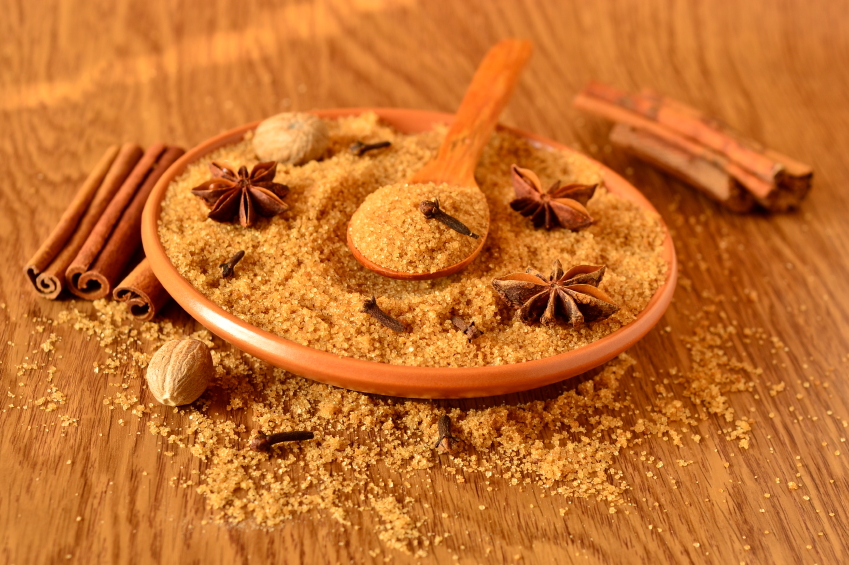
The trial included fifty men and women between the ages of 20 and 65 years with NAFLD. Participants were randomized to receive two 750 milligram capsules of cinnamon or a placebo daily for twelve weeks. Blood samples collected before and after the treatment period were analyzed for fasting blood glucose, lipids, liver enzymes and C-reactive protein, a marker of inflammation.
Among those who received cinnamon, a significant reduction in glucose, total cholesterol, insulin resistance, insulin sensitivity, triglycerides, C-reactive protein and liver enzymes occurred, while remaining relatively unchanged among those who received a placebo.
“Although the effects of cinnamon on diabetes and its related blood parameters and lipid profile have been studied in several trials with conflicting results, to our knowledge, this is the first study indicating the therapeutic effects of cinnamon on NAFLD characteristics,” authors Faezeh Askari and colleagues announce. “Since insulin resistance, oxidative stress, lipid peroxidation, and subsequent reactive oxygen species are among the major known mechanisms in the development of NAFLD and NASH, it is possible that cinnamon may have beneficial effects in the treatment of NAFLD too.”
“This study has shown that 1.5 g of cinnamon supplementation for 12 weeks improved NAFLD characteristics and could be a good adjuvant therapeutic option for this disease,” they conclude.

Monday, 3 February 2014

This Sweet Spice Keeps Diabetes at Bay

January 26, 2014 


Cinnamon DiabetesWe can’t think of too many spices that are dangerous.
But if you believe the recent claim made by the European Union (EU), this one can cause liver damage. They even imposed limits on how much of it dessert makers can put in their food. Understandably, this news caused a bit of a stir on our Facebook page.
And we don’t blame you. The claim is absurd. The EU targeted a specific kind of Danish dessert that’s full of sugar, refined flour, and oil. This spice is one of the main ingredients. It also happens to be the only healthy thing about the dessert.
In fact, it keeps your blood sugar in check. You’ll need that benefit if you eat this dessert.
The average cinnamon roll packs 880 calories, 36 grams of fat, 880 mg of sodium, 127 grams of carbohydrates, and 59 grams of sugar.4 Still think cinnamon is what makes your dessert dangerous?
Don’t let the EU’s ridiculous warning put you off. There’s nothing unsafe about this spice. We can’t really say that for the dessert itself though.
The dessert in question is the Danish cinnamon roll. The EU is claiming that the coumarin in their cinnamon causes liver damage.1 And it does—if you eat it by the spoonful.
Cinnamon is rich in polyphenols. It significantly lowered blood sugar in eight different studies. It didn’t matter whether it was whole cinnamon or an extract. Both lowered blood sugar by nearly 10 points in patients with type 2 diabetes.2
So if you’re feeling “rebellious” enough to ignore the warnings out of the EU, we recommend that you get the Ceylon variety. It has more cinnamon oil than cassia, the more common type. It also has a fraction of the coumarin, so it’s safe enough even for the EU.The effect may be modest. But it’s about as effective as some diabetes medications.3 The main differences are that one is unnatural and comes with side effects. The other is—well—just cinnamon.
Adding cinnamon to your meals a simple and effective way to keep your blood sugar levels where they belong. And if you already suffer from type 2 diabetes, it offers a natural, flavorful way to fight the disease. Unless you keep eating those cinnamon rolls.
References:
1 http://www.theatlantic.com/health/archive/2013/12/eu-worried-danish-cinnamon-rolls-could-cause-liver-damage/282678/
2 http://www.ncbi.nlm.nih.gov/pubmed/21480806
3 http://www.naturalnews.com/043477_Ceylon_cinnamon_blood_sugar_levels_diabetes_treatment.html
4 http://www.cinnabon.com/media/15381/2013_Nutritional%20Info_0313.pdf

Related Articles:

Monday, 2 September 2013

Are You Getting the Most from Your Blood Tests?


September 1, 2013
Even doctors may miss signs of health problems.
 
4187.jpg
Unless your doctor tells you there’s a problem, you may not give much thought to the blood tests that you receive periodically.
 
But standard blood tests and certain other blood tests that you may request from your doctor can offer valuable—even lifesaving—clues about your health, including explanations for such vexing conditions as short-term memory loss and fatigue.
 
What you may not realize: If your doctor says that your test results are “normal,” this is not the same as “optimal” or even “good.”
 
For example, a total cholesterol reading of 200 mg/dL is considered normal, even though the risk of developing heart disease is sometimes higher at this level than it would be if your numbers were lower. Always ask your doctor what your target should be.
 
Blood test results that you should definitely make note of—and certain tests you may want to request…*
 
 
• Low potassium. Low potassium (hypokalemia) is worrisome because it can cause fatigue, constipation and general weakness, along with heart palpitations.
 
Causes: An imbalance of the hormone insulin often causes low potassium. It also can be due to problems with the adrenal glands or a loss of fluids from vomiting and/or diarrhea. A magnesium deficiency or a high-sodium diet can lead to low potassium, too. It is also a common side effect of certain medications, including diuretics, such as hydrochlorothiazide…laxatives…and some asthma drugs, such as albuterol.
 
Normal potassium: 3.6 mEq/L to 5.2 mEq/L. Optimal potassium: 4.5 mEq/L to 5.2 mEq/L.
 
What to do: If your potassium is not optimal, your doctor will probably recommend that you eat more potassium-rich foods, such as fruits (bananas, oranges, cantaloupe)…vegetables (tomatoes, sweet potatoes)…and whole grains (quinoa, buckwheat). You’ll also be advised to reduce your sodium intake to less than 2,300 mg daily—high sodium depletes potassium from the body. Additionally, you may be advised to take a magnesium and potassium supplement.
 
Also: Keep your stress level low. Chronic stress can lead to a high level of the hormone cortisol—this can overwhelm the adrenal glands and lead to low potassium.
 
 
• “Normal” glucose. Most people know that high blood glucose (126 mg/dL or above) is a warning sign of diabetes. But you may not be aware that slight increases in blood sugar—even when it is still within the so-called normal range—also put you at greater risk.
 
Surprising: Among 46,000 people who were tracked for 10 years, for every one-point rise in fasting blood glucose over 84 mg/dL, the risk of developing diabetes increased by about 6%. Vascular and kidney damage may begin when glucose reaches 90 mg/dL—a level that’s within the normal range.
 
Causes: High blood glucose usually occurs when the body’s cells become resistant to the hormone insulin and/or when the pancreas doesn’t produce enough insulin. Obesity and genetic factors are among the main causes.
 
Normal glucose: 65 mg/dL to 99 mg/dL. Optimal glucose: 70 mg/dL to 84 mg/dL.
 
What to do: If your fasting glucose isn’t optimal or if tests show that it’s rising, try to get the numbers down with regular exercise, weight loss and a healthier diet.
 
Powerful spice: Add one-quarter teaspoon of cinnamon to your food each day. People who take this small dose can lower their blood glucose by 18% to 29%.
 
Alternative: A standardized cinnamon extract in capsule form (125 mg to 250 mg, two to three times daily).
 
 
• High homocysteine. Most doctors recommend a homocysteine test only for patients with existing heart problems. Everyone should get it. High homocysteine may damage arteries and increase the risk for heart disease and stroke.
 
Causes: Homocysteine rises if you don’t get enough B-complex vitamins or if you’re unable to properly metabolize methionine, an amino acid that’s mainly found in meat, fish and dairy. Vegetarians tend to have higher homocysteine levels. Other causes include a lack of exercise, chronic stress, smoking and too much caffeine.
 
Normal homocysteine: Less than 15 umol/L. Optimal homocysteine: 8 umol/L or below.
What to do: If your homocysteine level isn’t optimal, take a daily B-complex vitamin supplement that has at least 50 mg of vitamin B-6.
 
Also helpful: A fish oil supplement to reduce inflammation and protect the arteries. Take 1,000 mg, two to three times daily.**
 
 
• Low DHEA. This is a hormone that’s used by the body to manufacture both testosterone and estrogen. It’s also an antioxidant that supports the immune system and increases insulin sensitivity and the body’s ability to metabolize fats. DHEA is not usually measured in standard blood tests, but all adults should request that their levels be tested.
 
Low DHEA is a common cause of fatigue, weight gain, depression and decreased libido in men and women of all ages. Over time, it can damage the hippocampus, the “memory center” of the brain.
 
Causes: It’s normal for DHEA to slightly decrease with age. Larger deficiencies can indicate an autoimmune disease (such as rheumatoid arthritis) or chronic stress.
 
Normal DHEA: Levels of this hormone peak in one’s late 20s. Normal levels vary widely with age and gender. Optimal DHEA: The high end of the normal range is optimal—it reflects a reserve of DHEA. Examples: 200 mcg/dL to 270 mcg/dL for men…and 120 mcg/dL to 180 mcg/dL for women.
 
What to do: If your DHEA level isn’t optimal, managing emotional stress is critical. Get at least eight hours of sleep every night…exercise aerobically for about 30 minutes, three to four times a week…and practice relaxation techniques, such as yoga and meditation.
 
Also helpful: A daily supplement (25 mg to 50 mg) of DHEA. If you take this supplement, do so only under a doctor’s supervision—you’ll need regular blood tests to ensure that your DHEA level doesn’t get too high.
 
 
• High LDL-P (LDL particle number). Traditional cholesterol tests look only at triglycerides and total LDL and HDL cholesterol. I advise patients to get a fractionated cholesterol test for a more detailed picture.
 
Important: Patients with a large number of small LDL particles have an elevated risk for a heart attack even if their overall LDL level is normal. The greater the number of these cholesterol particles, the more likely they are to lodge in the lining of blood vessels and eventually trigger a heart attack.
 
Causes: Genetics is partly responsible for high LDL and LDL-P. A poor reading can be due to metabolic syndrome, a group of factors that includes abdominal obesity, elevated triglycerides and high blood pressure. A diet high in animal fats and processed foods also can cause an increase in LDL-P.
 
Normal LDL-P: Less than 1,300 nmol/L. Optimal LDL-P: Below 1,000 nmol/L on an NMR lipoprofile (this test is the most accurate).
 
What to do: If your LDL-P level is not optimal (and you have not had a coronary event), I recommend exercise…weight loss…blood pressure and blood sugar management…more antioxidant-rich foods such as vegetables, berries and legumes…and three to five cups of green tea daily—it’s a potent antioxidant that minimizes the oxidation of cholesterol molecules, which is important for reducing heart attacks.
 
Also: Daily supplements of bergamot extract, which has been shown to change the size of cholesterol particles (Earl Grey tea, which is flavored with oil of bergamot, provides a less potent dose)…and aged garlic extract, which has a beneficial effect on multiple cardiovascular risk factors. If these steps do not sufficiently improve your LDL-P level, talk to your doctor about taking a statin and/or niacin.
 
*These blood tests typically are covered by health insurance.
 
**Check with your doctor before using fish oil, especially if you take a blood thinner—fish oil can interact with it and certain other medications.
 
Source: James B. LaValle, RPh, CCN, a clinical pharmacist, nutritionist and founder of LaValle Metabolic Institute, an integrated-care practice in Cincinnati. He is the author of Your Blood Never Lies: How to Read a Blood Test for a Longer, Healthier Life (Square One). JimLaValle.com

http://www.bottomlinepublications.com/content/article/health-a-healing/are-you-getting-the-most-from-your-blood-tests

Thursday, 29 August 2013

Supercharge Your Health With Seven Medicinal Herbs & Spices

 
Medicinal herbs and spices have been used with great effectiveness from ancient times. Find out how these seven spices & herbs can make a huge impact on your daily health.

seven medicinal herbs & spices


Seven Medicinal Herbs & Spices


  1. Cloves – Found to have the highest antioxidant content of all spices an be used as a painkiller and has been used for centuries to treat tooth aches and gum pain. Eases cold and allergies, and oil of cloves is useful as antiseptic in mouthwash.
  2. Oregano – 1/2 tsp has the same amount of antioxidants as a quarter cup of almonds and four times the antioxidant activity of blueberries…Go greek make a greek salad and sprinkle on the oregano! Oregano is rich in Vitamin K, iron, maganese, and kills e.coli, salmonella, and virtually all food-borne pathogens.
  3. Ginger – Over 50 antioxidants have been found in ginger. It helps increase circulation, calms digestive problems. Ginger has also been used to treat food poisoning, shown to lower cholesterol, treat arthritis, reduce inflammation, and can be used to help increase insulin sensivity in diabetics.
  4. Cinnamon – Plays an important role in regulating blood sugar in people with diabetes. Clinical studies have shown a consistent intake of cinnamon daily help reduce glucose, triglyceride, and LDL cholestrol with type II diabetics.
  5. Tumeric – The bright neon yellow color comes from the phytochemical Curcumin and can eliminate cancer cells, help reduce obesity, and metabolic diseases. Scientists have found by creating a new molecule from curcumin, called CNB-001, this molecule triggers the mechanisms that safeguard and restore brain cells after a stroke.
  6. Rosemary – Blocks HCAs or carcinogenic compounds found your favorite grilled meats. Rosemary oil can improve cognitive performance and fight off free radical’s that cause Alzheimer’s, stroke, and dementia.
  7. Mustard – The compound AITC compound found in mustard seed is known to be an anti-cancer compound – this plant compound is also found in wasabi & horseradish. Studies show that AITC, stopped the growth of bladder cancer by 33%. 
 Now available the Seven Super Herbs & Spices in PDF format….print it out and take it with you grocery shopping!

You can view more health infographics at:

http://undergroundhealthreporter.com/seven-medicinal-herbs-spices

Friday, 26 July 2013

Cinnamon compounds ... protection ... in Alzheimer's disease

Cinnamon compounds may protect against tau protein aggregation in Alzheimer's disease

Cinnamon compounds may protect against tau protein aggregation in Alzheimer's diseaseJune 21, 2013. The June, 2013 issue of the Journal of Alzheimer's Disease published an article by Donald J. Graves and his associates at the University of California, Santa Barbara which describes how compounds in cinnamon reduce the aggregation of tau protein that occurs, along with amyloid-beta aggregation, in the brains of men and women with Alzheimer's disease.

Tau protein is responsible for the assembly of microtubules within the cell that form its structure. When tau does not effectively bind to the microtubules, it clumps together, forming tangled fibers. Previous research conducted by Dr Graves' team uncovered an ability of cinnamon extract to inhibit tau aggregation and dissociate tangles in brain tissue derived from Alzheimer's disease patients.

The current study revealed that the compounds cinnamaldehyde and the oxidized form of epicatechin derived from cinnamon extract inhibited tau aggregation in vitro by protecting the protein from oxidative stress. "Take, for example, sunburn, a form of oxidative damage," explained Dr Graves, who is an adjunct professor at the UC Santa Barbara's Department of Molecular, Cellular, and Developmental Biology. "If you wore a hat, you could protect your face and head from the oxidation. In a sense this cinnamaldehyde is like a cap."

"Since tau is vulnerable to oxidative stress, this study then asks whether Alzheimer's disease could benefit from cinnamon, especially looking at the potential of small compounds," added lead author Roshni C. George. "Cell membranes that are oxidized also produce reactive derivatives, such as Acrolein, that can damage the cysteines. Epicatechin also sequesters those byproducts."

"Wouldn't it be interesting if a small molecule from a spice could help?" Dr Graves asked. However, he cautioned that they are "still a long way from knowing whether this will work in human beings."

http://www.lef.org/whatshot/2013_06.htm#Cinnamon-compounds-may-protect-against-tau-protein-aggregation-in-Alzheimers-disease

Thursday, 18 July 2013

Health benefits of cinnamon and ginger

Tuesday, July 16, 2013 by: Sandeep Godiyal


cinnamon
(NaturalNews) Ginger and cinnamon are regarded and used as spices and herbs to make meals more flavorful. But they are also found to be rich in medicinal properties. Among the many benefits of cinnamon and ginger include aid in digestion, anti-viral properties, toothache relief, diabetes prevention, cold, flu, and pain relief among others.


Cinnamon health benefits


Cinnamon is well regarded because of its antioxidant properties. It also contains calcium, manganese, iron and dietary fiber. It is known to help prevent diabetes, improve heart health and brain function, fight off colon cancer and relieve arthritis among others.

Fight off diabetes

Cinnamon can help individuals who are affected by diabetes as it works to improve the natural insulin activity occurring in the body. It helps individuals metabolize sugar in a more efficient manner so that the body will be prompted to produce less insulin. Therefore, it is also effective in regulating blood sugar levels.

Prevent heart disease

Cinnamon has anti-inflammatory properties which make them effective in protecting the heart against damage and infection, particularly in the arteries when they end up clogged by fatty foods. Cinnamon is also regarded for its ability to fight off bad cholesterol thereby preventing heart diseases.

Stimulate brain functionAccording to research studies, cinnamon also has a powerful effect in the brain function. It can help improve metal alertness. It has soothing properties as well that can calm the nerves.

Relieve arthritis

Individuals suffering from arthritic pain can count on cinnamon for relief. According to a Copenhagen University study, patients with arthritis who take cinnamon powder are more likely to be relieved from pain.

Relieve common colds and flu

Cinnamon also contains effective properties in relieving the common cold and flu especially when it is combined with ginger. The mixture can help by stimulating circulation. Such ability is also helpful with arthritic pain and muscle aches.


Ginger health benefits


In addition to cinnamon, ginger also has plenty of medicinal qualities that can relieve certain health conditions. Ginger is known for its anti viral properties and can help with digestion and many others.

Relieve nausea

Among the many issues that pregnant women go through is nausea. Ginger is known to help bring relief to this uncomfortable condition.

Relieve osteoarthritis

Like cinnamon, ginger can also bring comfort to individuals who are stricken by arthritis, particularly osteoarthritis. With cinnamon and ginger combined, pain is less likely to be suffered.

Anti-viral properties

Because of its anti-viral properties, ginger is also an effective aid to the immune system. With this ability, ginger can help the body withstand the many threats of various diseases.

Aid in digestion

According to studies, ginger also has a positive effect on an individual's digestion. A healthy dose of ginger can help prevent digestive conditions that commonly occur in individuals.

The powerful combination of cinnamon and ginger can be used to treat, relieve and prevent certain health conditions. It is then strongly recommended for individuals to consider these as natural remedies to fight off medical conditions.

Sources for this article include:

http://rehanastormme.hubpages.com
http://healthyeating.sfgate.com
http://www.naturalnews.com/031373_ginger_cinnamon.html


http://www.naturalnews.com/041216_cinnamon_ginger_healthy_spices.html

Tuesday, 2 July 2013

Cinnamon - The ...Spice That Prevents Alzheimer’s

The Sweet and Savory Spice That Prevents Alzheimer’s

June 26, 2013           

Cinnamon Alzheimer'sThe Greeks and Romans once prized it for its medicinal properties.

Now it’s proving to do more than just quell an upset stomach.

We now know that this sweet and savory spice may help protect your brain.

Alzheimer’s develops from a buildup of plaque and tangles (also known as beta-amyloid and tau). These are proteins that accumulate in the brain. Over time, their abundance causes neurons to die.

The result?  Communication in the brain shuts down.

And that’s where the spice comes into play. Two compounds in the spice actually prevent the development of tangles.  It keeps your brain healthy and memory intact.

Having diabetes puts you at a greater risk for developing Alzheimer’s. Cinnamon can help with that too.

Cinnamon helps improve blood sugar levels. It has an “insulin-like effect” and stops sugar spikes.

Just half a teaspoon of cinnamon a day can significantly reduce your blood sugar and cholesterol levels.

This sweet smelling spice is stopping the buildup of plaque and stopping Alzheimer’s disease in its tracks…

We’re talking about cinnamon. It contains two active compounds—cinnamaldehyde and epicatechin.

Cinnamaldehyde gives cinnamon its sweet smell. It prevents oxidative stress from reaching the tau proteins. Tau proteins are vital in keeping neurons functioning properly.  By blocking oxidative stress, cinnameldehyde helps keep neurons alive and healthy.

The other compound epicatechin is a powerful antioxidant. It also helps protect your brain from oxidative stress.

Oxidative stress is a major factor when it comes to Alzheimer’s and brain cells. If you can prevent oxidative stress and free radicals from destroying neurons, you can prevent or delay the onset of the disease. And that’s exactly what cinnamon is proving to do.

So far researchers have only conducted in vitro and mice studies using cinnamon. But you don’t have to wait to add this protective spice to your meals.

Cinnamon continues to show promise as well as other natural solutions we’ve discovered. In the October 2012 issue of INH’s Natural Health Dossier, we revealed the top three natural treatments that can not only prevent Alzheimer’s—but also reverse it. These are simple, natural ways to protect your brain and preserve your memory. But the time to start using them is now. To access this issue and our entire archives, join Natural Health Dossier today. It takes just a few minutes. It’s never too soon to start protecting your brain and memory.

References:
1 http://www.ncbi.nlm.nih.gov/pubmed/23531502
2 http://physrev.physiology.org/content/84/2/361.full

Related Articles:


http://institutefornaturalhealing.com/2013/06/the-sweet-and-savory-spice-that-prevents-alzheimers/

Thursday, 13 June 2013

Vitamins Offer Hope for Alzheimer's

June 13, 2013

Cinnamon

Story at-a-glance

  • Alzheimer's disease is currently at epidemic proportions, with 5.4 million Americans—including one in eight people aged 65 and over—living with it. There is no known cure, and few truly effective treatments
  • Research suggests the best hope is in prevention focusing on diet, exercise and staying mentally active.
  • Two recent studies show that compounds in cinnamon, and vitamins B12, B6, and folate may delay the onset and/or slow progression of the disease
  • Vitamin treatment consisting of 0.8 mg folic acid, 20 mg vitamin B6 and 0.5 mg vitamin B12 slowed shrinkage of the whole brain volume over the course of two years
  • The vitamin treatment also reduced, by as much as seven-fold, the cerebral atrophy in certain brain regions that are particularly vulnerable to damage associated with Alzheimer’s disease
  • Research suggests that being exposed to general anesthesia can increase the risk of dementia in the elderly by as much as 35 percent


By Dr. Mercola 

In the United States, Alzheimer's disease is currently at epidemic proportions, with 5.4 million Americans—including one in eight people aged 65 and over—living with the disease, according to the Alzheimer's Association's 2011 Alzheimer's Disease Facts and Figures1
By 2050, this is expected to jump to 16 million, and in the next 20 years, it is projected that Alzheimer's will affect one in four Americans, rivaling the current prevalence of obesity and diabetes.  
There is still no known cure for this devastating disease, and very few treatments. Alzheimer's drugs are often of little to no benefit at all, which underscores the importance of prevention throughout your lifetime. 
Research repeatedly suggests the best hope for patients lies in prevention through optimal diet, exercise and staying socially and mentally active. As recently reported by Forbes2:
“[A] new study in Science suggested that last year’s ‘breakthrough’ pharmaceutical, bexarotene (Targretin) – a cancer drug that had initially received wide publicity for helping break up the plaques in Alzheimer’s – doesn’t seem to do this very well at all, and can have significant adverse side effects for the patient.
‘Something happened in that initial report – either something technically or otherwise, which we can’t put our hands on at this point in time,” study author Sangram Sisodia told US News & World Report. ‘Something is seriously wrong.’
While memory loss is common among Westerners, it is NOT a "normal" part of aging. Research has shown that even mild "senior moments" are caused by the same brain lesions associated with Alzheimer's disease and other forms of dementia. These cognitive changes are by no means inevitable!  
People who experience very little decline in their cognitive function up until their deaths have been found (post-mortem) to be free of brain lesions, showing that it's entirely possible to prevent the damage from occurring in the first place. At the end of this article, I share my best tips for maintaining healthy brain function well into old age. 
In recent years, researchers studying natural compounds have offered new hope. For example, two recent studies suggest that compounds in cinnamon, as well as vitamins B12, B6, and folate may delay the onset and/or slow progression of the disease.

The Promise of Cinnamon and Vitamins in the Fight Against Alzheimer’s Disease 

The first study in question, published in the Journal of Alzheimer’s Disease3, found that cinnamaldehyde and epicatechin, two compounds found in cinnamon, have an inhibitory effect on the aggregation of a particular protein called tau. Tau plays a large role in the structure and function of neurons.  
But while a normal part of cell structures, this protein can begin to accumulate, forming “neurofibrillary tangles” that are a hallmark of Alzheimer’s disease. Both compounds were found to protect tau from oxidative damage that can lead to dysfunction. 
Donald Graves, adjunct professor in UCSB's Department of Molecular, Cellular, and Developmental Biology and co-author of the study explained the protective process to Medical News Today4:
"'Take, for example, sunburn, a form of oxidative damage. If you wore a hat, you could protect your face and head from the oxidation. In a sense this cinnamaldehyde is like a cap. While it can protect the tau protein by binding to its vulnerable cysteine residues, it can also come off,' Graves added, which can ensure the proper functioning of the protein.”
It’s interesting to note that there’s a high correlation between type 2 diabetes and Alzheimer's disease. Some even believe Alzheimer’s may be a form of brain diabetes. Insulin and insulin receptors in your brain are crucial for learning and memory, and it’s known that these components are lower in people with Alzheimer’s disease.  
In addition to the above findings, cinnamon has also been found to have beneficial effects on blood glucose management in type 2 diabetics. This is one of the reasons I include cinnamon in my healthy coconut candy recipe.

B Vitamins Again Show Promise in Alzheimer’s Prevention 

The other study, published in Proceedings of the National Academy of Sciences5, found that vitamins B6, B12, and folic acid may help slow the progression of the disease, confirming and supporting previous studies. As reported in the featured article6:
“The fact that B-family vitamins may play a significant role in dementia, or more specifically in warding it off has been consistently illustrated. What is news from the current study, however, is that high-dose B-vitamin treatment in people at risk for the disease ‘slowed shrinkage of whole brain volume,’ and especially reduced shrinkage in areas known to be affected in Alzheimer’s disease.”
The 156 study participants, all of whom were over the age of 70, were diagnosed with mild cognitive impairment. This, along with midlife hypertension, midlife obesity and diabetes, is a known risk factor for Alzheimer’s. One group of participants received a placebo while the other received high-dose B-vitamin treatment consisting of:
  • 0.8 mg folic acid
  • 20 mg vitamin B6
  • 0.5 mg vitamin B12
It is important to note that vitamin B12 comes in many forms and it is typically injected because it is not absorbed well by most people, especially in the elderly who need it most. This is due to it being one of the largest vitamins known. The most common form is cyanocobalamin but a better from would be methylcobalamin. A better alternative to B12 injections would also be sublingual sprays, which are absorbed very similarly to the injections.  
The treatment effectively slowed shrinkage of the whole brain volume over the course of two years. It also reduced, by as much as seven-fold, the cerebral atrophy in certain brain regions that are particularly vulnerable to damage associated with Alzheimer’s disease.  
Another major boon: The supplements cost less than 50 cents a day and are readily available in pharmacies and health-food stores. In the placebo group, higher homocysteine levels at baseline were associated with faster atrophy in these same regions. According to the researchers7:
“We... show that the beneficial effect of B vitamins is confined to participants with high homocysteine... and that, in these participants, a causal Bayesian network analysis indicates the following chain of events: B vitamins lower homocysteine, which directly leads to a decrease in gray matter atrophy, thereby slowing cognitive decline.
Our results show that B-vitamin supplementation can slow the atrophy of specific brain regions that are a key component of the AD process and that are associated with cognitive decline.”
Dr. A. David Smith, professor emeritus of pharmacology at Oxford University, founding director of the Oxford Project to Investigate Memory and Ageing, and senior author of the study told Bloomberg News8 that this B-vitamin treatment is “the first and only disease-modifying treatment that’s worked. We have proved the concept that you can modify the disease.” This shouldn’t come as a surprise to anyone who understands that without proper nutrition and exercise, your brain will be increasingly vulnerable to damage with age...

Vitamin B Cocktail Already Used for Dementia Prevention in Sweden 

Three years ago, the same group of researchers showed that the atrophy rate in patients’ whole brains was reduced by about 30 percent in those taking the vitamin cocktail9. The atrophy rate was even higher—53 percent—in those who had elevated homocysteine levels, a benefit that was reconfirmed in the featured study. According to Bloomberg10:
“The studies, known as Vitacog, were funded by seven charities and government agencies and vitamin maker Meda AB of Solna, Sweden. Smith is an inventor on three patents held by Oxford University for B vitamin formulations to treat Alzheimer’s disease... Vitamin B12 is found in liver, fish and milk and folic acid in fruit and vegetables. Deficiency of folate and B vitamins is already linked to dementia...
Doctors in Sweden began measuring homocysteine in people who report declining memory about two years ago, said [Johan] Lokk [professor and head physician in the geriatric department at Karolinska University Hospital in Sweden, who wasn’t involved in the study]...
Swedish patients with high homocysteine are given folic acid and B vitamins, even if they aren’t deficient. ‘We think the increased homocysteine level could be deleterious to the brain,’ Lokk said. ‘We wanted to be on the offensive in diagnosing and treating patients. In our opinion, it is harmless and cheap.'”

General Anesthesia Could Increase Risk of Dementia in Elderly by 35 Percent 

Related research suggests that being exposed to general anesthesia can increase the risk of dementia in the elderly by as much as 35 percent. The research was presented at the annual congress of the European Society of Anesthesiology (ESA). As reported by Medical News Today11:
“Postoperative cognitive dysfunction, or POCD, could be associated with dementia several years later. POCD is a common complication in elderly patients after major surgery. It has been proposed that there is an association between POCD and the development of dementia due to a common pathological mechanism through the amyloid β peptide. Several experimental studies suggest that some anesthetics could promote inflammation of neural tissues leading to POCD and/or Alzheimer's disease (AD) precursors including β-amyloid plaques and neurofibrillary tangles.”
Participants aged 65 and over were followed for a total of 10 years. Participants exposed to at least one general anesthetic over the follow-up had a 35 percent increased risk of developing a dementia compared to those who were not exposed to anesthesia. According to lead researcher Dr. Francois Sztark12:
"These results are in favor of an increased risk for dementia several years after general anesthesia. Recognition of POCD is essential in the perioperative management of elderly patients. A long-term follow-up of these patients should be planned."

Tips for Avoiding Alzheimer's Disease 

The beauty of following my revised Nutrition Plan is that it helps treat and prevent all chronic degenerative diseases, from the common ones like heart disease, diabetes, obesity and Alzheimer's to the ones you have never heard of or can't even pronounce. So please read the Plan as soon as you can. It is divided into three helpful sections, Beginner, Intermediate and Advanced to help you start at the right level. 
The plan is the first step in addressing Alzheimer's disease, which is currently at epidemic proportions, with 5.4 million Americans – including one in eight people aged 65 and over – living with the disease.  
Remember, while memory loss is indeed common among Westerners, it is NOT a "normal" part of aging, and cognitive changes are by no means inevitable. People who experience very little decline in their cognitive function up until their deaths have been found (post-mortem) to be free of brain lesions, showing that it's entirely possible to prevent the damage from occurring in the first place… and one of the best ways to do this is by leading a healthy lifestyle.
  • Sugar and Fructose. Ideally, you’ll want to keep your sugar levels to a minimum and your total fructose below 25 grams per day, or as low as 15 grams per day if you have insulin resistance or any related disorders.
  • Improve magnesium levels. There is some exciting preliminary research strongly suggesting a decrease in Alzheimer symptoms with increased levels of magnesium in the brain. Unfortunately, most magnesium supplements do not pass the blood brain levels, but a new one, magnesium threonate, appears to and holds some promise for the future for treating this condition and may be superior to other forms.
  • Optimize your vitamin D levels with safe sun exposure. Strong links between low levels of vitamin D in Alzheimer's patients and poor outcomes on cognitive tests have been revealed. Researchers believe that optimal vitamin D levels may enhance the amount of important chemicals in your brain and protect brain cells by increasing the effectiveness of the glial cells in nursing damaged neurons back to health.Vitamin D may also exert some of its beneficial effects on Alzheimer's through its anti-inflammatory and immune-boosting properties. Sufficient vitamin D is imperative for proper functioning of your immune system to combat inflammation that is also associated with Alzheimer's.
  • Keep your fasting insulin levels below 3. This is indirectly related to fructose, as it will clearly lead to insulin resistance. However other sugars (sucrose is 50 percent fructose by weight), grains and lack of exercise are also important factors. Lowering insulin will also help lower leptin levels which is another factor for Alzheimer’s.
  • Vitamin B12: In addition to the research presented above, a small Finnish study published in the journal Neurology13 also found that people who consume foods rich in B12 may reduce their risk of Alzheimer's in their later years. For each unit increase in the marker of vitamin B12, the risk of developing Alzheimer's was reduced by two percent. Remember sublingual methylcobalamin may be your best bet here.
  • Eat a nutritious diet, rich in folate, such as the one described in my nutrition plan. Vegetables, without question, are your best form of folate, and we should all eat plenty of fresh raw veggies every day. Avoid supplements with folic acid, which is the inferior synthetic version of folate.
  • High-quality animal-based omega-3 fats, such as krill oil. (I recommend avoiding most fish because, although fish is naturally high in omega-3, most fish are now severely contaminated with mercury.) High intake of the omega-3 fats EPA and DHA help by preventing cell damage caused by Alzheimer's disease, thereby slowing down its progression, and lowering your risk of developing the disorder.
  • Avoid and eliminate mercury from your body. Dental amalgam fillings, which are 50 percent mercury by weight, are one of the major sources of heavy metal toxicity. However you should be healthy prior to having them removed. Once you have adjusted to following the diet described in my optimized nutrition plan, you can follow the mercury detox protocol and then find a biological dentist to have your amalgams removed.
  • Avoid aluminum, such as antiperspirants, non-stick cookware, vaccine adjuvants, etc.
  • Exercise regularly. It's been suggested that exercise can trigger a change in the way the amyloid precursor protein is metabolized14, thus, slowing down the onset and progression of Alzheimer's. Exercise also increases levels of the protein PGC-1alpha. Research has also shown that people with Alzheimer's have less PGC-1alpha in their brains11 and cells that contain more of the protein produce less of the toxic amyloid protein associated with Alzheimer's. I would strongly recommend reviewing the Peak Fitness Technique for my specific recommendations.
  • Avoid flu vaccinations as most contain both mercury and aluminum, well-known neurotoxic and immunotoxic agents.
  • Eat blueberries. Wild blueberries, which have high anthocyanin and antioxidant content, are known to guard against Alzheimer's and other neurological diseases. Like any fruit though, avoid excesses here.
  • Challenge your mind daily. Mental stimulation, especially learning something new, such as learning to play an instrument or a new language, is associated with a decreased risk of Alzheimer's. Researchers suspect that mental challenge helps to build up your brain, making it less susceptible to the lesions associated with Alzheimer's disease.
  • Avoid anticholinergic and statin drugs. Drugs that block acetylcholine, a nervous system neurotransmitter, have been shown to increase your risk of dementia. These drugs include certain nighttime pain relievers, antihistamines, sleep aids, certain antidepressants, medications to control incontinence, and certain narcotic pain relievers.
Statin drugs are particularly problematic because they suppress the synthesis of cholesterol, deplete your brain of coenzyme Q10 and neurotransmitter precursors, and prevent adequate delivery of essential fatty acids and fat-soluble antioxidants to your brain by inhibiting the production of the indispensable carrier biomolecule known as low-density lipoprotein.

Other Natural Treatments for Your Anti-Alzheimer's Arsenal

Finally, there are a few other nutritional recommendations worth noting for their specific benefits in preventing and treating dementia. So, although your fundamental strategy for preventing dementia should involve a comprehensive lifestyle approach, you may want to consider adding a few of these natural dietary agents to your anti-Alzheimer's arsenal.  
These four natural foods/supplements have good science behind them, in terms of preventing age-related cognitive changes:
  1. Coconut Oil: The primary fuel your brain needs for energy is glucose. However, your brain is able to run on more than a single type of fuel, one being ketones (ketone bodies), or ketoacids. Ketones are what your body produces when it converts fat (as opposed to glucose) into energy.The medium-chain triglycerides (MCT) found in coconut oil are GREAT source of ketone bodies, because coconut oil is about 66 percent MCTs. In fact, ketones appear to be the preferred source of brain food in patients affected by diabetes or Alzheimer's.
  2. Astaxanthin is a natural pigment with unique properties and many clinical benefits, including some of the most potent antioxidant activity currently known. As a fat-soluble nutrient, astaxanthin readily crosses your blood-brain barrier. One study15 found it may help prevent neurodegeneration associated with oxidative stress, as well as make a potent natural "brain food."The molecules of astaxanthin neutralize free radicals and other oxidants without being destroyed or becoming pro-oxidants themselves in the process. It's is a unique molecule whose shape allows it to precisely fit into a cell membrane and span its entire width. In this position, astaxanthin can intercept potentially damaging molecules before they can damage your cells.
    You can get some astaxanthin by taking krill oil, which is a fantastic omega-3 fat supplement. But you can boost your astaxanthin even MORE by adding a pure astaxanthin supplement to your nutritional regimen. For optimal absorption, make sure to take krill oil and/or astaxanthin with a fat-containing meal, since both are fat-soluble.
  3. Gingko biloba: Many scientific studies have found that Gingko biloba has positive effects for dementia. Gingko, which is derived from a tree native to Asia, has long been used medicinally in China and other countries. A 1997 study from JAMA showed clear evidence that Gingko improves cognitive performance and social functioning for those suffering from dementia.Research since then has been equally promising. One study in 2006 found Gingko as effective as the dementia drug Aricept (donepezil) for treating mild to moderate Alzheimer's type dementia. A 2010 meta-analysis found Gingko biloba to be effective for a variety of types of dementia.
  4. Alpha lipoic acid (ALA): ALA can stabilize cognitive functions among Alzheimer's patients and may slow the progression of the disease.

[-] Sources and References


http://articles.mercola.com/sites/articles/archive/2013/06/13/alzheimers-dementia-treatment.aspx?