Pages

Showing posts with label HDL. Show all posts

Thursday, 23 September 2021

The truth about eating eggs - MUST READ - BBC


The truth about eating eggs

22 MARCH 2021|FOOD & DRINK

Are eggs helpful to our health… or a cause of heart disease? Experts advise egg consumption should be part of a healthy lifestyle to be beneficial. But fears that eggs can be bad for us appear to have been laid to rest.

Based on the BBC Future article 'The truth about eating eggs' by Jessica Brown. (see article below)

Video by Howard Timberlake

https://www.bbc.com/reel/playlist/the-truth-about-food?vpid=p08ngz2x


The truth about eating eggs

Are eggs helpful to our health… or a cause of heart disease? BBC Future examines the evidence.

By Jessica Brown24th April 2020

A

As many countries urge populations to stay at home, many of us are paying more attention to our diets and how the food we eat can support our health. To help sort out the fact from the fiction, BBC Future is updating some of our most popular nutrition stories from our archive.

Our colleagues at BBC Good Food are focusing on practical solutions for ingredient swaps, nutritious storecupboard recipes and all aspects of cooking and eating during lockdown.

If there was such a thing as a perfect food, eggs would be a contender. They’re readily available, easy to cook, affordable and packed with protein.

“The egg is meant to be something that has all the right ingredients to grow an organism, so obviously it’s very nutrient dense,” says Christopher Blesso, associate professor of nutritional science at the University of Connecticut in the US.

Eating eggs alongside other food can help our bodies absorb more vitamins, too. For example, one study found that adding an egg to salad can increase how much vitamin E we get from the salad.

But for decades, eating eggs has also been controversial due to their high cholesterol content – which some studies have linked to an increased risk of heart disease. One egg yolk contains around 185 milligrams of cholesterol, which is more than half of the 300mg daily amount of cholesterol that the US dietary guidelines recommended until recently.  

Additionally, there have been scientifically unsupported claims the eggs can guard against coronavirus, or that they have even been responsible for its outbreak. There has even been one outlandish theory that spitting in an egg before cooking it creates antibodies which can guard against the disease. (There's no evidence to support this.)

Does that mean eggs, rather than being an ideal food, might actually be doing us harm?

You might also like:
• Can chicken soup cure the common cold?
• Are you eating enough salt?
• How much water should you drink a day?

Cholesterol, a yellowish fat produced in our liver and intestines, can be found in every one of our body’s cells. We normally think of it as “bad”. But cholesterol is a crucial building block in our cell membranes. It also is needed for the body to make vitamin D, and the hormones testosterone and oestrogen. 

We produce all the cholesterol we need on our own, but it’s also found in animal produce we consume, including beef, prawns and eggs, as well as cheese and butter.


Cholesterol is found in animal products like beef as well as eggs (Credit: Getty Images)

Cholesterol is transported around our body by lipoprotein molecules in the blood. Every person has a different combination of various types of lipoproteins, and our individual make-up plays a role in determining our risk of developing heart disease.

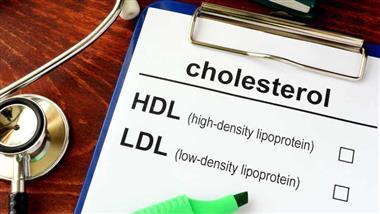
Low-density lipoprotein (LDL) cholesterol – referred to as “bad” cholesterol – is transported from the liver to arteries and body tissues. Researchers say that this can result in a build-up of cholesterol in the blood vessels and increase the risk of cardiovascular disease.

But researchers haven’t definitively linked consumption of cholesterol to an increased risk of cardiovascular disease. As a result, US dietary guidelines no longer have a cholesterol restriction; nor does the UK. Instead, emphasis is placed on limiting how much saturated fat we consume, which can increase the risk of developing cardiovascular disease. Foods containing trans fats, in particular, increase our LDL levels. Although some trans fats occur naturally in animal products, most are made artificially and are found in highest levels in margarines, snacks, and some deep-fried and baked foods, such as pastry, doughnuts and cake. (Read more about whether diets encouraging people to eat more saturated fat are good for you.)

Some deep-fried foods, which contain trans fats, can increase our LDL (or "bad") cholesterol levels (Credit: Getty Images)

Meanwhile, along with prawns, eggs are the only food high in cholesterol that are low in saturated fat. 

“While the cholesterol in eggs is much higher than in meat and other animal products, saturated fat increases blood cholesterol. This has been demonstrated by lots of studies for many years,” says Maria Luz Fernandez, professor of nutritional sciences at the University of Connecticut in the US, whose latest research found no relationship between eating eggs and an increased risk of cardiovascular disease.

The discussion on the health effects of eggs has shifted partly because our bodies can compensate for the cholesterol we consume.

“There are systems in place so that, for most people, dietary cholesterol isn’t a problem,” says Elizabeth Johnson, research associate professor of nutritional sciences at Tufts University in Boston, US.

In a 2015 review of 40 studies, Johnson and a team of researchers couldn’t find any conclusive evidence on the relationship between dietary cholesterol and heart disease.

“Humans have good regulation when consuming dietary cholesterol, and will make less cholesterol themselves,” she says.


And when it comes to eggs, cholesterol may pose even less of a health risk. Cholesterol is more harmful when oxidised in our arteries, but oxidisation doesn’t happen to the cholesterol in eggs, says Blesso.

“When cholesterol is oxidised, it may be more inflammatory, and there are all kinds of antioxidants in eggs that protect it from being oxidised,” he says.

Also, some cholesterol may actually be good for us. High-density lipoprotein (HDL) cholesterol travels to the liver, where it’s broken down and removed from the body. HDL is thought to have a protective effect against cardiovascular disease by preventing cholesterol from building up in the blood.

“People should be concerned about cholesterol that circulates in their blood, which is the one that leads to heart disease,” says Fernandez.

What matters is the ratio of HDL to LDL in our bodies, as elevated HDL counteracts the effects of LDL.

However, while most of us are able to buffer the cholesterol we consume with the cholesterol we synthesise in our livers, Blesso says around a third of us will experience an increase in blood cholesterol by 10% to 15% after consuming it.

Trials have found that lean and healthy people are more likely to see an increase in LDL after eating eggs. Those who are overweight, obese or diabetic will see a smaller increase in LDL and more HDL molecules, Blesso says. So, if you’re healthier to begin with, eggs potentially could have a more negative effect than if you’re overweight – but if you’re healthier, you’re also more likely to have good HDL levels, so an increase in LDL probably isn’t very harmful.


One study found that an additional half egg per day was linked to a higher risk of heart disease... (Credit: Getty Images)


Research published earlier this year, though, challenged the recent consensus that eggs pose no harm to our health. Researchers looked at data from 30,000 adults followed for an average of 17 years and found that each additional half an egg per day was significantly linked to a higher risk of heart disease and death. (They controlled for the subjects’ diet patterns, overall health and physical activity to try to isolate the effects of eggs.)

“We found that, for every additional 300mg cholesterol person consumed, regardless of the food it came from, they had a 17% increased risk of cardiovascular disease, and 18% increased risk of all-cause mortality,” says Norrina Allen, one of the study’s authors and associate professor of preventive medicine at Northwestern University in Illinois, US.

You might also like:

 How meal timings affect your waisteline
 Is breakfast the most important meal of the day?
 Why humans have evolved to drink milk

“We also found that each half egg per day led to a 6% increased risk of heart disease and 8% increased risk of mortality.”

Despite the study being one of the largest of its kind to address this specific relationship between eggs and heart disease, it was observational, giving no indication of cause and effect. It also relied upon a single set of self-reported data – participants were asked what they ate over the previous month or year, then followed up their health outcomes for up to 31 years. This means the researchers only got a single snapshot of what the participants were eating, even though our diets can change over time.


…but other studies have found that eggs are associated with a lower risk of heart disease (Credit: Getty Images)


And the study conflicts with past results. Numerous studies suggest eggs are good for heart health. One previous analysis of half a million adults in China, published in 2018, even found the exact opposite: egg consumption was associated with lower risk of heart disease. Those who ate eggs every day had an 18% lower risk of death from heart disease and 28% lower risk of stroke death compared to those who didn’t eat eggs.

Like the previous study, it too was observational – meaning it’s impossible to tease out cause and effect. (Do healthier adults in China simply eat more eggs, or do the eggs make them healthier?). That, of course, may be a big part of the confusion.

Good egg

While these studies have reignited the debate on the impact of cholesterol in eggs on our health, we do know some ways in which eggs could affect our risk of disease.

One way is through a compound in eggs called choline, which may help protect us against Alzheimer’s disease. It also protects the liver. (Find out if eggs are a good way of stopping a hangover.)


Choline, which is found in eggs, may protect us against Alzheimer’s disease (Credit: Getty Images)

But it may have negative effects, too. Choline is metabolised by gut microbiota into a molecule called TMO, which is then absorbed into people’s livers and converted to TMAO, a molecule associated with an increased risk of cardiovascular disease. Blasso has wondered if eating a lot of choline from eggs could lead to elevations of TMAO: he found studies where people were observed to have elevated TMAO levels up to 12 hours after eating eggs.

Research measuring egg consumption and TMAO has so far only found transient increases in TMAO. However, TMAO is measured as a marker for heart disease only at a baseline level, which can be detected when people are fasting. Blasso likens this to how our blood sugar levels increase temporarily after eating carbohydrates, but elevated blood sugar levels are only associated with diabetes when these levels are continuous.

This may be because when we eat eggs, we might only get choline’s beneficial effects, he says.

“The problem is when, instead of being absorbed into the blood, choline continues to the large intestine, where it can become TMA and then TMAO,” says Fernandez.

“But in eggs, choline is absorbed and doesn’t go to the large intestine, so it doesn’t increase the risk of heart disease.”

Meanwhile, scientists are beginning to understand other health benefits of eggs. Egg yolks are one of the best sources of lutein, a pigment that has been linked to better eyesight and lower risk of eye disease, for example.


Egg yolks are an excellent source of lutein, which has been linked to better eyesight (Credit: Getty Images)

“There are two types of lutein found the retina of the eye, where it can protect the retina from light damage by working as a blue light filter, as exposure to light makes the eye deteriorate,” says Johnson.

While researchers are a long way from understanding why eggs affect us differently, the vast majority of recent research suggests they pose no risk to our health, and are much more likely to provide health benefits.

Even so, having eggs for breakfast every day probably isn’t healthiest option, either – at least as it’s recommended we have a varied diet… rather than put all our eggs in one basket.

https://www.bbc.com/future/article/20190916-are-eggs-good-for-you

Saturday, 5 September 2020

BBC: Which cooking oil is the healthiest?

Oils are all packed with fat and calories, but their chemistry – and effect on our health – can be very different.
By Jessica Brown5th September 2020
Bottles of vegetable oil (Credit: Science Photo Library)
C

Cooking oils are a kitchen staple. But there’s a lot of conflicting information regarding how healthy each of them are. With so many on the shelves – from coconut to olive, vegetable to canola, avocado to rapeseed oil – how do we know which ones to use, and if we should be avoiding any altogether?
Oils used for cooking tend to get their name from the nut, seeds, fruits, plants or cereals they’re extracted from, either by methods of crushing, pressing, or processing. They’re characterised by their high fat content, including saturated fat, monounsaturated and polyunsaturated fatty acids.

In recent years, coconut oil, which is around 90% saturated fat, has become the latest trendy “superfood”. It’s been hailed as a superfood (including that it's less likely to be stored in the body as fat and more likely to be expended as energy) – but one Harvard University epidemiologist calls it “pure poison”.
You might also like:
Consuming too much saturated fat – more than 20g for women and 30g for men per day, according to UK guidelines – makes the body produce cholesterol in our bodies that increases the risk of heart disease.
All fat molecules are made of chains of fatty acids, which are either held together with single bonds (saturated) or double bonds (unsaturated). There are three types of fatty acids: short, medium and long chain. Short and medium chain fatty acids are absorbed directly into the bloodstream and used for energy, but long chain fatty acids are transported to the liver, which raises blood cholesterol levels.
“Coconut oil enjoyed popularity three or four years ago, when there were claims it had a special effect,” says Alice Lichtenstein, Gershoff professor of nutrition science and policy at Tufts University in Massachusetts, US.

Vegetable oils usually contain differing amounts of saturated fat, monounsaturated and polyunsaturated fatty acids (Credit: Getty Images)


“But when you look at studies that compared it with other oils, the results showed it’s high in saturated fat, and no clinical trial supported any initial claims.”
Most randomised controlled trials show that coconut oil increases levels of harmful cholesterol low, density lipoprotein (LDL), which is linked with heart disease and stroke, but it also raises beneficial cholesterol, high density lipoprotein (HDL), which carries LDL away from the bloodstream.
One explanation as to why a food so high in saturated fat could increase HDL cholesterol is because it contains a relatively high amount of lauric acid, which has been found to raise levels of HDL in the blood far more than it does LDL .

Experts advise opting for an oil lower in saturated fat, and higher in other types of fats that are healthier in moderation

But Taylor Wallace, an adjunct professor in the Department of Nutrition and Food Studies at George Mason University in Virginia, argues lauric acid is not as healthy as some claims suggest.  It is categorised as a C12 fatty acid, meaning it has 12 carbon atoms, and that puts it at the limit of the definition of a medium chain fatty acid.
“C12s are like long chain fatty acids that got categorised into medium chain,” says Wallace. “About 70% of C12s act as long chain fatty acids, which are transported to the liver.” Longer chain fatty acids are more likely to be stored in the liver as fat and could, over time,  cause health issues such as nonalcoholic fatty liver disease.
Instead, experts advise opting for an oil lower in saturated fat, and higher in other types of fats that are healthier in moderation. Polyunsaturated fat, including omega 3 and omega 6, and monounsaturated fat have been found to lower cholesterol levels and provide essential fatty acids and vitamins. They’re found in many different types of vegetable oils, although the exact amount depends both on the plant and the technology process used during their production.

Replacing saturated fats such as butter with olive oil could lead to reduced risk of developing heart disease (Credit: Getty Images)

Replacing saturated fats such as butter with olive oil could lead to reduced risk of developing heart disease (Credit: Getty Images)


“Most studies indicate that foods higher in monounsaturated and polyunsaturated fats are associated with lower risk of cardiovascular disease,” says Lichtenstein. “It’s recommended we replace sources of unsaturated fat with polyunsaturated fat, primarily plant-based oils, and nuts and seeds,” she says.
One observational study associated replacing saturated fat with olive oil, for example, with a  lower risk of heart disease. Substituting butter, margarine, mayonnaise or dairy fat olive oil reduced the risk by 5 to 7%.
Marta Guasch-Ferre, author of the study and a research scientist Harvard University’s TH Chan School of Public Health’s nutrition department in Boston, analysed the health and diets of more than 100,000 people over 24 years, and found that those with higher intake of all types of olive oil had a 15% lower risk of heart disease.

Olive oil, which is made by crushing olives and separating the oil from their pulp, is renowned for being the healthiest of plant oils

Olive oil’s health benefits can partly be attributed to its monounsaturated fatty acids, which contain vitamins and minerals, and polyphenols, micronutrients derived from plants.

“But it’s not just that you’re adding olive oil into the diet, but that olive oil is substituting other unhealthier fats,” says Guasch-Ferre.
Olive oil, which is made by crushing olives and separating the oil from their pulp, is renowned for being the healthiest of plant oils. One review of research found olive oil has beneficial effects on gut microbiota and heart disease, and that extra virgin olive oil can be beneficial in preventing cancer and type 2 diabetes.

The smaller short chain and medium chain fatty acids in some vegetable oils are dissolved in the blood rather than being stored in the liver (Credit: Getty Images)


“The monounsaturated fatty acids and compounds found in olive oil help prevent noncommunicable diseases, not through any special mechanisms, but because our body needs them,” says Francisco Barba, professor at the University of Valencia’s preventive medicine and public health department in Spain.
Olive oil is synonymous with the Mediterranean diet, which is high in fruit, vegetables and legumes, and low in saturated fat, and is associated with a reduced risk of heart disease, despite the high fat content.
“What makes the Mediterranean diet different from other types of healthy diets is olive oil,” Guasch-Ferre says. “Most other components – nuts, fruit and vegetables – are parts of numerous diets, including plant-based.”

Some research has found that extra virgin olive oil is associated with the most health benefits

However, some research suggests these health benefits could be partly driven by other components in the diet, rather than olive oil. One review of evidence found that the only benefit of olive oil independent of the Mediterranean diet was its ability to raise levels of beneficial cholesterol HDL.
Researchers reviewed 30 studies where participants’ diets were altered to test the effects of olive oil, and found that the Mediterranean diet led to lower glucose levels and higher LDL compared to the Western diet. Intervening that diet with olive oil, where it had a high polyphenol content, further increased HDL.
However, consuming olive oil by following the Mediterranean diet was associated with improved glucose levels, which is associated with a greater risk of developing type 2 diabetes if it is too high. It also reduced the level of triglycerides, a type of fat in the blood, and LDL cholesterol levels.
These studies tested numerous types of olive oil, but some research has found that extra virgin olive oil is associated with the most health benefits, including a possible lower risk of heart disease.

Experts advise opting for an oil lower in saturated fat, and higher in other types of fats that are healthier in moderation (Credit: Getty Images)


Extra virgin olive oil is rich in antioxidants and vitamin E, and researchers have found that it’s better at protecting against LDL cholesterol than other types of olive oil. Other types of olive oil are processed after the oil is extracted, which causes them to lose some nutritional qualities.
Extra virgin olive oil, however, has a lower smoke point, which means it starts to smoke at a lower temperature, and in recent years there have been concerns that this could release harmful compounds, and that some of its benefits are lost through the heating process.
“Extra virgin olive oil is especially beneficial when it’s not cooked, but even under cooking it has a very high percentage of monosaturated fatty acids,” says Barba.

The message isn’t to add lots of oil because we think it’s good for us, because that’s just adding lots of calories – Alice Lichtenstein

Recent studies have shown that extra virgin olive oil is safe to use for cooking. Researchers carried out a number of experiments monitoring extra virgin olive oil as it cooked at 120C (248F) and (338F) on a pan for different lengths of time. They found that temperature, but not time, had some effect on the polyphenol content in the oil.
In 2011, the European Food Safety Authority concluded that makers of olive oil can say it reduces oxidative stress – an imbalance of free radicals and antioxidants in the body – and protects cells and LDL cholesterol from oxidative damage, which can age cells. The researchers carrying out the experiments found that extra virgin olive oil used for cooking still falls within the guidelines for the health claim.
Lichtenstein argues that olive oil doesn’t have any unique properties aside from what you’d normally expect from an oil high in monounsaturated and polyunsaturated fats. But what is clear is that the evidence supports using this and other vegetable oils instead of saturated fats, but to limit our intake of oil in general.
 “The message isn’t to add lots of oil because we think it’s good for us, because that’s just adding lots of calories,” she says.
 “Once we shift the balance of saturated fat to unsaturated fatty acids, we should then be able to choose the oil we prefer.”
https://www.bbc.com/future/article/20200903-which-cooking-oil-is-the-healthiest

Wednesday, 18 September 2019

Higher cholesterol is associated with longer life

There are two types of cholesterol: High-density and low-density lipoprotein, aka HDL and LDL, but how they affect your heart and your longevity is the subject of ongoing controversy. For years, you've been told that high cholesterol levels were 'ba...

Analysis by Dr. Joseph MercolaFact Checked

September 02, 2019

STORY AT-A-GLANCE

  • Cholesterol, the soft, waxy substance found in every cell in your body, is used to produce several of your body’s vital functions, including hormones and vitamin D. High cholesterol is now recognized for its link to longer life
  • Faulty science says your total cholesterol is not a gauge of your heart disease risk, because when your levels are measured, elevated levels called triglycerides are also taken into account
  • Found in every cell of your body, cholesterol is used to produce several of your body’s vital functions, including those that involve hormones and vitamin D
  • Studies show a contrary or inverse link between all-cause mortality and total cholesterol levels; in other words, mortality is highest when your cholesterol is low, without exception
  • Considering the false information on cholesterol, continued prescriptions for statins, and the potentially devastating side effects they cause, it’s clear why researchers are calling for a paradigm shift in the way cholesterol is treated


higher cholesterol is associated with longer life

For those who aren’t sure the conventional health community is wholly in support of individual health when it comes to cholesterol levels — which in some cases still adheres to the story line that too much cholesterol increases the risk of heart disease — you’re right to be concerned.
Taking a global view of what cholesterol is and how it affects your body is a smarter way to approach it than the simple “cholesterol kills” narrative that’s been the drum beat for so many years.
Cholesterol, the soft, waxy substance found in every cell in your body, is used to produce several of your body’s vital functions, including those that involve hormones and vitamin D. About 75% of it is made by your liver and the remainder is derived from the foods you eat; 25% is in your brain.
There are two types: High-density is the first. It is also known as HDL, or the “good” kind that keeps cholesterol away from your arteries and removes it from your arteries. The second type is low density lipoprotein, or LDL. LDL is the “bad” kind that can build up in your arteries, form plaque that narrows your arteries and form a clot. This can then make its way to your heart or brain and cause either a heart attack or stroke.
The American Heart Association (AHA)1 now recommends that you balance your levels at about 150 (milligrams per deciliter) (mg/dL). According to old, unfounded science, your total cholesterol — the sum of all the cholesterol in your body — is not a gauge of your heart disease risk. When your levels are measured, elevated levels of triglycerides are also taken into account. According to Børge Nordestgaard, from the University of Copenhagen and Copenhagen University Hospital:
“So far, both cardiologists and [physicians] have focused mostly on reducing LDL cholesterol, but in the future, the focus will also be on reducing triglycerides and remnant cholesterol.”2

Does it matter what kills you?

In a commentary posted on Mission.org, a rhetorical question is presented: With all the ways you can die, does it really matter what kills you? On one hand, “If you’re dead, you’re dead, no matter from what,” so it seems silly to “focus on changing something that lowers the risk of death from one cause only to raise that risk from another.”3
It’s an astute observation when you read studies showing conclusively that cholesterol has very little to do with heart disease. Even more importantly, cholesterol is crucial for your health. If it’s too low, then eventually, your hormones, disease risk, cell signaling pathways, and yes, your heart, will suffer. In fact, new research shows that a too-low LDL level could put you at higher risk for a stroke.4
The Dietary Guidelines Advisory Committee (DGAC), which reviews the Dietary Guidelines for Americans every five years, investigated the issue. The 2015-2020 guidelines noted:5
“While adequate evidence is not available for a quantitative limit for dietary cholesterol in the 2015-2020 Dietary Guidelines, cholesterol is still important to consider when building a healthy eating style. In fact, the Dietary Guidelines states that people should eat as little dietary cholesterol as possible.”
Yet, even though that’s what it says on the government’s ChooseMyPlate public website, it’s obvious the committee at some point “flipped” its narrative entirely by acknowledging at a Dietary Guidelines Advisory Committee meeting that “cholesterol is not considered a nutrient of concern for overconsumption.”6
It’s no wonder people are confused about where cholesterol fits in your diet, when they send one message to the public and a completely different one to their own group at an advisory committee meeting.
Interestingly, that statement was made nearly five years ago, but information on the importance of cholesterol is nearly two decades old.7 As the Honolulu Heart Program study published in The Lancet in 2001 states:
"Our data accord with previous findings of increased mortality in elderly people with low serum cholesterol, and show that long-term persistence of low cholesterol concentration actually increases risk of death."
The narrative challenges those who insist that eating foods that contain fat of any kind — saturated fats and trans fats alike — are harmful. Many who make this claim also maintain that “Saturated fat is a bad fat because it raises your LDL level more than anything else in your diet.”8 However, as explained in the Mission.org article:
“While total cholesterol is a poor if not utterly worthless risk marker for heart disease, doctors have focused on it to the exclusion of how it might affect other causes of death. It does you little good to save yourself from heart disease if it means that you increase your risk of death from cancer. All-cause mortality — death from anything — is the most appropriate measure to use when looking at risk factors.”9
“Death from anything” may be a clearer term for the one so often used in clinical settings: All-cause mortality. Either way, as quoted by the following study, that’s what the latest research says is the best measure for the factors that increase the risk of what eventually and most likely will take someone’s life.
When it comes to your risk of death from heart disease, there’s much more evidence that inflammation is at the bottom of heart disease rather than high cholesterol, just as it is for a number of other serious diseases. If you want to find what might help you live longer, that’s the premise of a lengthy Japanese study published in the Annals of Nutrition & Metabolism. As the featured study, it notes that regardless of someone’s age, people with higher cholesterol live longer:
“Overall, an inverse trend is found between all-cause mortality and total (or low density lipoprotein [LDL]) cholesterol levels: mortality is highest in the lowest cholesterol group without exception. If limited to elderly people, this trend is universal. As discussed in Section 2, elderly people with the highest cholesterol levels have the highest survival rates irrespective of where they live in the world …
Based on data from Japan, we propose a new direction in the use of cholesterol medications for global health promotion; namely, recognizing that cholesterol is a negative risk factor for all-cause mortality and re-examining our use of cholesterol medications accordingly.”10
After showing that people of all ages with higher cholesterol levels live longer in Japan, in support of these conclusions, similar conclusions were made by a study based in the Netherlands and published in BMJ in 2016.11
The study adjusted for several heart risk factors like smoking, high blood pressure and a history of diabetes melllitus. Participants were placed in groups depending on whether their cholesterol levels were low, medium or high, and those with the highest cholesterol levels were found to have the lowest death rates.
The title of the BMJ review reveals the outcome — there was a “lack of an association or an inverse association between low-density-lipoprotein cholesterol and mortality in the elderly.”12
In short, older people with high LDL cholesterol generally live just as long as — and may even outlive — people with low LDL, which begs the question of how the current cholesterol theory was arrived at in the first place. At the very least, the study authors imply the cholesterol question should at least be re-evaluated. It concluded:
“Our review provides the basis for more research about the cause of atherosclerosis and (cardiovascular disease) and also for a re-evaluation of the guidelines for cardiovascular prevention, in particular because the benefits from statin treatment have been exaggerated.”13
One of the first studies published with information suggesting that high cholesterol is not as heart-damaging as once thought was the Honolulu Heart Program,14 offering further evidence that higher cholesterol levels may be heart protective. The authors concluded by questioning whether there is “scientific justification for attempts to lower cholesterol to concentrations below 4-65 mmol/L in elderly people,” adding that “prudence dictates a more conservative approach in this age group.”15

Can high cholesterol really be heart protective?

Perhaps the question that would get to the point quicker is to ask why the Japanese study infers that people with low versus high cholesterol die sooner? The Mission offers referenced studies that show a few factors that could be weighing in:
Cholesterol may protect against infections and atherosclerosis, as “the many observations that conflict with the LDL receptor hypothesis, may be explained by the idea that high serum cholesterol and/or high LDL is protective against infection and atherosclerosis.”16
Cholesterol may protect against cancer, although in previous cases where low cholesterol was linked to cancer, exclusions were made to tip the scales, such as excluding possible prior drug treatment, namely clofibrate, a popular cholesterol-lowering drug before statins, by subjects — leaving the question open as to whether it was the low cholesterol that caused the cancer, or the drug treatments that contributed to it.17
Low cholesterol (180 mg/dL and lower) and violence in psychiatric patients have been linked. When patients in a long-term psychiatric hospital with a history of seclusion or restraints were compared with other patients, there was a “highly significant and strong association between lower cholesterol levels and violent behavior.” The authors did caution, however, that cholesterol levels should not be used to predict violence.18
There’s also an association between low cholesterol and suicide dating back more than a decade, as researchers found that people in the lowest quartile of cholesterol concentration had more than six times the suicide rates than those in the highest quartile.19
It should be noted that at least one study in Japan20 determined that high cholesterol and suicide were connected.
But, in fact, numerous recent studies have corroborated the earlier ones connecting low cholesterol to suicide,21 with various findings: For example, one found that low triglycerides, reduced BMI and waist circumference, specifically, but not total cholesterol, were connected to a higher risk of suicide;22 while a 2019 study23 found that “low cholesterol is associated with aggression in suicide attempters.”

So what about statins?

Significantly, the authors of an Annals of Nutrition & Metabolism study didn’t hold back when drawing conclusions regarding why the cholesterol conundrum has gone on so long when the evidence is so clear: “For the side defending this so-called cholesterol theory, the amount of money at stake is too much to lose the fight.”24
The Annals of Nutrition & Metabolism study’s introduction mentions a medical practitioner who advocated statins to his patients to drive down cholesterol until he read the Scandinavian Simvastatin Survival Study,25 in which 4,444 patients with different types of heart disease were given simvastatin — which is touted to be a safe, long-term treatment to improve survival in cardiovascular heart disease patients.
As it turns out, the claim that high cholesterol causes heart disease and death is incorrect; it is, in fact, the opposite. Three reviews26,27,28 supporting the cholesterol hypothesis were found to contain altered data to support their conclusions, according to Expert Review of Clinical Pharmacology, in which it is noted that:
“Our search for falsifications of the cholesterol hypothesis confirms that … the conclusions of the authors of the three reviews are based on misleading statistics, exclusion of unsuccessful trials and by ignoring numerous contradictory observations.”29
Drugs.com30 contributors state that the 35 million people on statins often experience myriad side effects. Liver damage, for instance, is said to be “rare,” implying that ongoing liver tests while taking statins likely aren’t necessary. Some doctors, however, say you’ll need a baseline liver function test beforehand. The most common side effects of statins are:
And, just in case you needed another source to implicate statins’ role in psychiatric problems, an April 2018 study found that lowering cholesterol levels in men could bring about changes in nerve cell membranes and behavior in men:
“Men seem to be more sensitive to low cholesterol levels as the association between low cholesterol levels and aggression is found mostly in men,” the authors said.” … “Lowering cholesterol levels with statins brings about several changes in the serotonergic system, nerve cell membrane microviscosity and behaviour, and needs to be done with precaution in susceptible individuals.
Cholesterol levels could serve as a biological risk marker for violence and suicidal tendencies in psychiatric patients with depression and schizophrenia.”

More studies and reviews on statin use

Rather than pointing patients in the direction of finding dietary solutions, including eating both the whites and the yolks when having eggs, and ditching processed vegetable oils in favor of healthy cooking oils like coconut oilolive oil and avocado oil, Harvard Health Medical School recently updated an article on how to “manage” muscle pain from taking statins, perpetuating the cholesterol myth. They stated:
“If you’re not taking a statin now, you may well be soon. These medications are commonly prescribed to lower ‘bad’ LDL cholesterol and have been shown to reduce the risk of heart attack, stroke, and death.
They are routinely recommended for people who have cardiovascular disease and for many people ages 40 to 75 who don't have cardiovascular disease but have at least one risk factor (high blood pressure, high cholesterol, diabetes, or smoking) and a 7.5% or greater risk of a stroke or heart attack in the next decade.
Moreover, recent research indicates that they may benefit high risk individuals over age 75 as well … Taking a statin may give you some assurance that you're doing all you can to avoid heart attack and stroke …”31
Exercising, losing weight, adopting healthy eating habits and including vitamin D and coenzyme Q10 (CoQ10) supplements in your diet are all good strategies for maintaining your cholesterol levels. Unfortunately, the common suggestion for alleviating muscle pain due to statin use is more of the same — just try taking a lower dose or switching to another statin prescription.32
As if that weren’t enough, experts say statins may impair your memory and cause amnesia, a possibility real enough to call for a warning on the labels of prescriptions.33 Statin use may precipitate a higher risk of developing cataracts34 and it “significantly” increases the likelihood of raising the fasting glucose levels of non-diabetics, as well as inducing high blood sugar.35
In another review of the adverse effects of statins, it was noted that “an array of additional risk factors for statin AEs [adverse events] are those that amplify (or reflect) mitochondrial or metabolic vulnerability, such as metabolic syndrome factors, thyroid disease, and genetic mutations linked to mitochondrial dysfunction.”36
Given the false information saying cholesterol is at fault for causing heart-related disease, the continued prescriptions being handed out to patients for statins, and the side effects they cause, it’s clear why, in their introduction, the authors of the Annals of Nutrition & Metabolism study stressed:37
“This, we believe, marks the starting point of a paradigm shift in not only how we understand the role cholesterol plays in health, but also how we provide cholesterol treatment … Our purpose in writing this supplementary issue is to help everyone understand the issue of cholesterol better than before, and we hope that we lay out the case for why a paradigm shift in cholesterol treatment is needed, and sooner rather than later.”
https://articles.mercola.com/sites/articles/archive/2019/09/02/higher-cholesterol-is-associated-with-longer-life.aspx