Pages

Showing posts with label Magnesium. Show all posts

Monday, 22 June 2020

Vitamin D Supplementation Recommended to Quell Mortality - Covid-19

All things considered, vitamin D optimization is likely the easiest, least expensive and most beneficial strategy that anyone can do to minimize their risk of COVID-19 and other infections in the coming months.

June 22, 2020


The Most Important Paper Dr. Mercola Has Ever Written


Analysis by Dr. Joseph MercolaFact Checked

STORY AT-A-GLANCE

  • Vitamin D optimization is likely the easiest, least expensive and most beneficial strategy that anyone can do to minimize their risk of COVID-19 and other infections in coming months
  • More than 1 billion individuals worldwide, across all age groups, are deficient in vitamin D, which has now been identified as a significant risk factor for positive COVID-19 status, severe COVID-19 infection and death thereof
  • In Indonesia, people with a vitamin D level between 20 ng/mL and 30 ng/mL had a sevenfold higher risk of death than those with a level above 30 ng/mL. Having a level below 20 ng/mL was associated with a 12 times higher risk of death
  • To improve your immune function and lower your risk of viral infections, you’ll want to raise your vitamin D to a level between 60 ng/mL and 80 ng/mL (150 nmol/L and 200 nmol/L) by fall
  • Vitamin D optimization is particularly important for dark-skinned individuals, as the darker your skin, the more sun exposure you need to raise your vitamin D level, as well as the elderly


All things considered, vitamin D optimization is likely the easiest, least expensive and most beneficial strategy that anyone can do to minimize their risk of COVID-19 and other infections in the coming months. Health authorities are already warning of a second wave of COVID-19 in the fall, which means the time to start addressing your vitamin D level is NOW.

We also have a pandemic of vitamin D deficiency, as more than 1 billion individuals worldwide, across all age groups, are deficient in vitamin D.1,2,3,4 Vitamin D deficiency has now been identified as a significant risk factor for positive COVID-19 status,5,6 severe COVID-19 infection7,8,9,10 and death thereof.11,12 I discuss this in "Vitamin D Is Directly Correlated to COVID-19 Outcome."
In one study,13,14 which looked at data from 780 hospital patients in Indonesia, those with a vitamin D level between 20 nanograms per milliliter (ng/mL) and 30 ng/mL had a sevenfold higher risk of death than those with a level above 30 ng/mL. Having a level below 20 ng/mL was associated with a 12 times higher risk of death.
To improve your immune function and lower your risk of viral infections, you'll want to raise your vitamin D to a level between 60 ng/mL and 80 ng/mL by fall. In Europe, the measurements you're looking for are 150 nmol/L and 200 nmol/L. If vitamin D levels were increased in the global population, tens of thousands of people may be saved if or when COVID-19 reemerges.
While prospective controlled studies demonstrating vitamin D's effectiveness in COVID-19 are still lacking, there are many such studies underway. You can review the status of these trials on clinicaltrials.gov.15 As of early June 2020, more than 20 studies had been launched to investigate the benefits of vitamin D against COVID-19.

The Most Important Paper I've Ever Written

For the last three weeks, I have been writing a comprehensive report on vitamin D in the prevention of COVID-19. The report has been reviewed by many vitamin D scientists for accuracy. This was done to develop a resource that everyone can share to help educate others. We will soon be launching a campaign to educate and inspire everyone, everywhere, to start optimizing their vitamin D level NOW. Please download my paper here, and share it with everyone you know.

The purpose of this report is to help you understand why it is so important to optimize vitamin levels for healthy immune functions and then provide you with a detailed strategy of how to do that. This report can be used as a tool to teach your friends, family and community about why and how to be prepared for the next pandemic.
Mounting evidence demonstrates that vitamin D has important roles in regulating the immune system that should reduce COVID-19 risks; primarily by reducing survival and replication of the SARS-CoV-2 virus and by reducing the risks of 'cytokine storms' by reducing pro-inflammatory cytokine production and increasing anti-inflammatory cytokine production.

In it, I review the science of how your immune system works, and the regulatory role of vitamin D. I also explain how vitamin D reduces your risk of COVID-19 specifically, and how it helps suppress and control both acute respiratory distress syndrome (ARDS) and cytokine storms, which is a primary cause of death in COVID-19.

Advertisement

Click here to learn Dr. Mercola's top tips to combat coronavirus

Darker-Skinned Individuals Need More Vitamin D

Vitamin D optimization is particularly important for dark-skinned individuals, as the darker your skin, the more sun exposure you need to raise your vitamin D level. Increased skin pigmentation reduces the efficacy of UVB because melanin functions as a natural sunblock.
If you're very dark-skinned, you may need to spend about 1.5 hours a day in the sun to have any noticeable effect. For many working adults and school-age children, this simply isn't feasible.
Light-skinned individuals may only need 15 minutes of full sun exposure a day, which is far easier to achieve. Still, they too will typically struggle to maintain ideal levels during the winter. During the winter months at latitudes of greater than 40°, little or no UVB radiation reaches the surface of the earth. That said, residence at low latitude does not guarantee adequate vitamin D levels, since social and cultural norms may limit sun exposure.16
As noted in the MedCram video above, black, Asian and minority ethnic groups are at an increased risk of death from COVID-19. While some have blamed this racial disparity on health care access, a far more likely reason for this is because dark-skinned individuals are far more likely to be deficient in vitamin D.
In fact, the paper cited by MedCram specifically looked at ethnic disparities in COVID-19 mortality among patients in England, where health care is freely available to all, so the health care access rationale doesn't seem to hold water.

Vitamin D Supplementation Recommended to Quell Mortality

The role of vitamin D is addressed in a reply17 by vitamin D researchers William Grant and Barbara Boucher to The BMJ editorial "Is Ethnicity Linked to Incidence or Outcomes of COVID-19?" They write, in part:
"The recent BMJ editorial by Khunti et al. asks 'Is ethnicity linked to incidence or outcomes of covid-19?' Here we outline how ethnicity relates to incidence and outcomes of COVID-19 due, in part, to lack of vitamin D because of increased skin pigmentation and diet …
A potentially important factor not considered in the PHE report was vitamin D deficiency, though mounting evidence suggests that vitamin D deficiency is an important risk factor for acute respiratory tract infections and for COVID-19 …
Mounting evidence demonstrates that vitamin D has important roles in regulating the immune system that should reduce COVID-19 risks; primarily by reducing survival and replication of the SARS-CoV-2 virus and by reducing the risks of 'cytokine storms' by reducing pro-inflammatory cytokine production and increasing anti-inflammatory cytokine production.
Vitamin D also promotes local ACE2 formation in the lungs, an effect known to reduce the severity of acute respiratory distress syndrome. Furthermore, higher baseline serum 25(OH)D concentrations are currently being reported to be associated with reduced rates of severe COVID-19 and of mortality."
Grant and Boucher go on to cite data from studies reviewed in "Vitamin D Combats Viral Infections and Boosts Immune System," which features my interview with vitamin D experts Bruce Hollis, Ph.D., Carole Baggerly and Dr. Carol Wagner. All of these researchers reviewed the vitamin D report I wrote for accuracy.
Grant and Boucher recommend advising the public to supplement vitamin D daily, especially black, Asian and minority ethnic groups, indoor workers, shift workers, the elderly, those in residential care or those confined to their homes, as well as those who are obese. Doing so might reduce COVID-19 severity and prevent unnecessary deaths.
"Vitamin D is readily available … 'over the counter' at supermarkets, chemists and online, but could be provided free to those in financial hardship or unable to access supplies," Grant and Boucher write, adding:
"Doses of 1,000 IU/day in general and of 4,000 IU/day for those at high risk of deficiency, as above, including the BAME groups, should be advised for the duration of the Covid-19 outbreak …"

Sunscreen Advice Counters Lifesaving Vitamin D Message

Remarkably, while the importance of vitamin D against COVID-19 is becoming more widely recognized by doctors, some are still advising against either sun exposure or vitamin D supplementation, or both.
Some, such as Dr. Pieter Cohen, an internal medicine physician at Cambridge Health Alliance in Massachusetts and an associate professor medicine at Harvard Medical School, is even discouraging people from getting their vitamin D level tested to see if they're deficient!18 A June 1, 2020, report on Today.com states:19
"The body can manufacture vitamin D when the skin is exposed to the sun or get it from food. 'I'm not making a general recommendation for supplements. I'm saying: To avoid vitamin D deficiency.
It will usually take only being outdoors, getting incidental sun exposure, plus paying attention to the dietary sources of vitamin D,' [Dr. JoAnn Manson, chief of preventive medicine at Brigham and Women's Hospital and professor of medicine at Harvard] noted.
Incidental sun exposure means getting some sunshine during a 30-minute walk or other outdoor exercise while wearing shorts or short sleeves (though you should still use sunscreen). It doesn't mean going out specifically to sun bathe."
The advice to wear sunscreen while getting "incidental" sun exposure is medically irrational and incorrect, since sunscreen filters out the very ultraviolet rays that trigger vitamin D production in your skin.
In order for sensible sun exposure to work, you need unprotected exposure. Just make sure you don't get sunburned. All you need is to stay out until your skin turns the lightest shade of pink. After that, cover up with long sleeves and pants. 
Manson is, however, starting a clinical trial to see whether taking a vitamin D supplement every day for a month after testing positive for COVID-19 might reduce the severity of any subsequent illness. The study will also assess whether vitamin D supplementation among other people in the same household might prevent them from developing COVID-19 when one family member has tested positive.20
This is one of many prospective randomized controlled studies currently in progress seeking to find scientifically determine if vitamin D does indeed reduce the risk of COVID-19. If you are curious about the status of any of these studies or potentially even enrolling in any of them you can visit this link.

Help Us Spread the Word!

It is my sincere hope and desire that all of you will help us in this effort to spread the word about vitamin D and get your friends and family on board to get their vitamin levels optimized. We need a citizen army of activists to spread the word. My vitamin D report can help you in this effort. I urge you to share it with everyone you know. I hope to collaborate with all the major natural medical sites to participate in this process.
dr. mercola's report
Part of the strategy will be to share this information with influencers in the black community, such as pastors of black churches. They have the most to lose should a second wave of COVID-19 emerge because of their historically low levels of vitamin D.
It will also be important to reach out to mangers of nursing homes and assisted living facilities, as the elderly also have notoriously low vitamin D levels that put them at greater risk of COVID-19.
Remember, you now have a known "deadline" for optimizing your vitamin D level. Historically, December typically has highest flu activity in the U.S.,21 but it would probably be good to aim for October, or maybe even earlier depending on your location.
Again, the level you're aiming for is between 60 ng/mL and 80 ng/mL by fall. In Europe, the measurements you're looking for are 150 nmol/L and 200 nmol/L. In my vitamin D report, I detail how to go about doing this, but here's a quick summary of the key steps:
1.First, measure your vitamin D level — One of the easiest and most cost-effective ways of measuring your vitamin D level is to participate in the GrassrootsHealth's personalized nutrition project, which includes a vitamin D testing kit.
Once you know what your blood level is, you can assess the dose needed to maintain or improve your level. The easiest way to raise your level is by getting regular, sensible sun exposure, as discussed above.
If you cannot get enough vitamin D from the sun (you can use the DMinder app22 to see how much vitamin D your body can make depending on your location and other individual factors), then you'll need an oral supplement. As detailed in "Magnesium and K2 Optimize Your Vitamin D Supplementation," it's strongly recommended to take magnesium and K2 concomitant with oral vitamin D.
2.Assess your individualized vitamin D dosage — To do that, you can either use the chart below, or use GrassrootsHealth's Vitamin D*calculator. To convert ng/mL into the European measurement (nmol/L), simply multiply the ng/mL measurement by 2.5. To calculate how much vitamin D you may be getting from regular sun exposure in addition to your supplemental intake, use the DMinder app.23
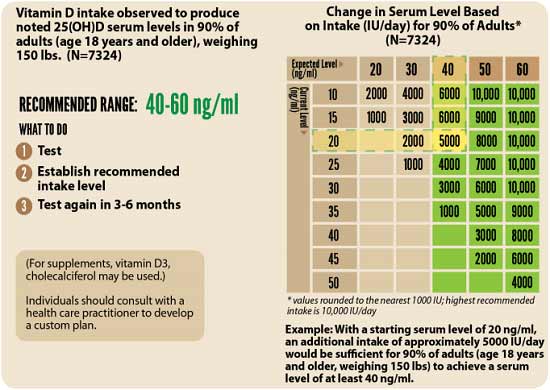


Vitamin D - Serum Level

3.Retest in three to six months — Lastly, you'll need to remeasure your vitamin D level in three to six months, to evaluate how your sun exposure and/or supplement dose is working for you.
I believe we have a good chance of preventing a second wave of COVID-19, but to do that, we need people to take action to protect their health and strengthen their immune function. Please help us in this lifesaving effort by sharing my vitamin D report.
dr. mercola's report
Again, the target populations are the elderly and people of color. It's now beyond evident that COVID-19 affects the elderly far more severely, on average, than younger individuals, and those living in nursing homes and assisted living facilities seem to be an extraordinarily increased risk of dying from COVID-19.
As you can see in the graphic below from June 2020, 42% of deaths occurred in nursing homes and assisted living facilities. Add to that the increased hospitalization rate and mortality among people of color, and it should be easy to see that targeting these two groups with common-sense strategies such as vitamin D optimization can, and most likely will, have a tremendous impact.
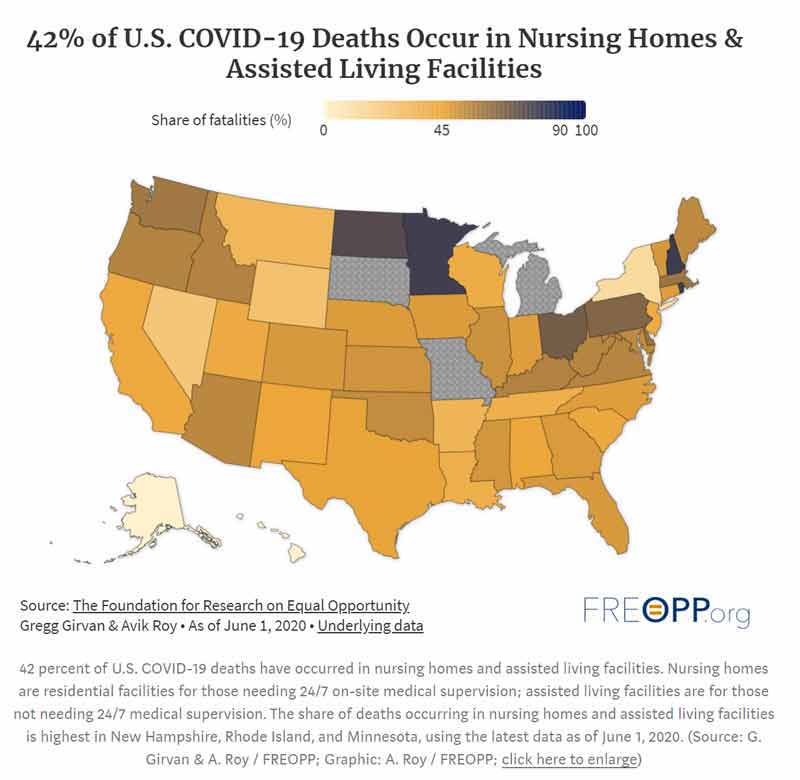
42% of deaths occurred in nursing homes
Vitamin D
A growing body of evidence shows that vitamin D plays a crucial role in disease prevention and maintaining optimal health. There are about 30,000 genes in your body, and vitamin D affects nearly 3,000 of them, as well as vitamin D receptors located throughout your body.

Vitamin D May Help Protect Against Cancer and Other Diseases

According to one large-scale study, having optimal vitamin D levels can slash your risk of cancer and can help prevent at least 16 different types of cancer, including pancreatic, lung, ovarian, prostate and skin cancers.
Vitamin D from sun exposure also radically decreases your risk of autoimmune diseases like multiple sclerosis (MS) and Type 1 diabetes. Sun exposure also helps prevent osteoporosis, which is a significant concern for women in particular.

Magnesium Is Important for Heart Health

Magnesium is involved in the regulation of blood sugar and insulin sensitivity, which is important for the prevention of many chronic diseases, including Type 2 diabetes and heart disease and dementia. It also supports your brain and heart health via other mechanisms.
It supports healthy heart function by relaxing your blood vessels and normalizing blood pressure, for example. Magnesium also has anti-inflammatory activity, support your endothelial function, and the function of your muscles and nerves, including the action of your heart muscle.
Low magnesium has been linked to a higher risk for hypertension, cardiovascular disease, arrhythmias, stroke and sudden cardiac death. According to one scientific review, which included studies dating as far back as 1937, low magnesium actually appears to be the greatest predictor of heart disease, and other recent research shows even subclinical magnesium deficiency can compromise your cardiovascular health.

Omega-3 Fats Are Crucial to Your Well-Being

Meanwhile, recent research suggests high doses (4 grams) of the omega-3 fats EPA and DHA may help improve healing after a heart attack. Other benefits of omega-3 fats include prevention of lupus and Parkinson’s disease, decreased anxiety, healthier and stronger bones, as well as fighting fats in the body.
However, you can’t tell by looking in a mirror if you are deficient in vitamin D, magnesium or omega-3s. The only real way to know if you are deficient in these nutrients is to get tested.

How to Test Your Levels

I’m really pleased GrassrootsHealth Nutrient Research Institute has expanded its research projects to include a range of different tests, seeing how deficiency may be needlessly affecting the health of so many. Like its Vitamin D*action Project, the Magnesium*PLUS Focus Project will allow us all to take action on known science with a consensus of experts without waiting for institutional lethargy.
The Vitamin D*action Project has truly demonstrated the value measurement can have on public health, and there’s no doubt in my mind that the Magnesium*PLUS Focus Project will have the same impact. As in earlier projects, once the study of a community is completed, all that information can be used to push for public health recommendations that will benefit everyone.
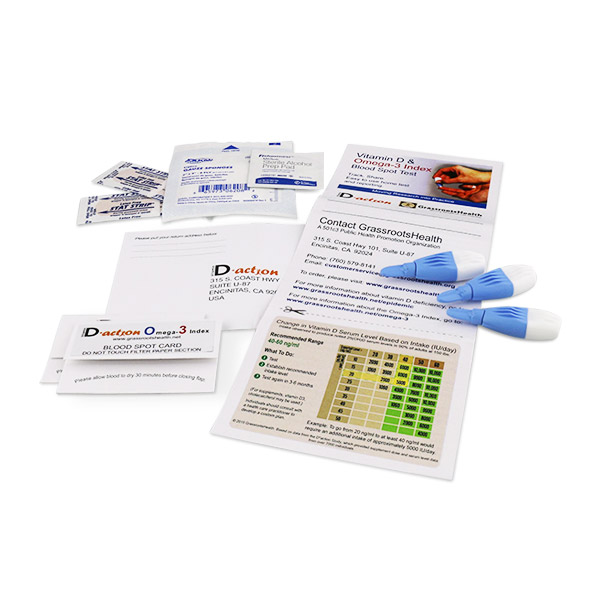
Vitamin D KitOrder button
You have the ability to participate in a variety of different tests, including:
  • Vitamin D
  • Vitamin D and Omega 3
  • Vitamin D, Omega 3 and Magnesium
  • Vitamin D, Magnesium & Omega 3 PLUS Elements. Remember, by participating in this public research project, you not only are identifying your own levels, but allowing yourself to make decisions about your diet and supplements to improve your health.
    Your data (which is anonymous) will also help GrassrootsHealth researchers to determine the ideal levels for the prevention of various diseases, and what kind of dose-response relationship exists among the general population.
With the data from this project, individuals will be able to see what works for them, and, researchers will be able to demonstrate just to what extent health care costs may be reduced simply by getting people into an optimal range. 


https://articles.mercola.com/sites/articles/archive/2020/06/22/vitamin-d-deficiency-research-paper.aspx

Wednesday, 27 November 2019

Five Reasons to Get More Magnesium

If you feel tired, weak, or nauseated… You might have a magnesium deficiency. And you’re definitely not alone. In fact, most people don’t have enough.1
 INH Research
You should be getting at least 400 mg of magnesium a day. But most of us don’t. Here are five ways getting more of it can help save your health.
And talk about dangerous… This powerful mineral keeps us healthy and prevents serious ailments. Things like hypertension and osteoporosis. But there’s even more to it than that.
Here are five reasons to get more magnesium.
1. Stops Anxiety: Magnesium supports your nervous system. Low levels cause a disruption. This can lead to anxiety and depression. Some experts even believe a magnesium deficiency is a direct cause of depression…2 And about half of the people diagnosed with depression also have anxiety.
Most doctors throw dangerous drugs—like benzodiazepines—at people with anxiety or depression. But just three months of use can raise your Alzheimer’s risk by 51% (among other dangers). Yet numerous studies show that magnesium eased depression and anxiety where these drugs failed. Without any side effects.3
2. Eases Stress: It doesn’t just support your nervous system. Magnesium stops cortisol levels from getting too high. It also helps your body produce melatonin which makes it easier to relax and fall asleep.4 Magnesium may help you fight headaches and fatigue. These are two of the most common signs of stress.
When you’re under stress, your body uses up magnesium faster.5 The result? Even more stress. It can also steal this mineral away from your bones and heart. This is why getting more magnesium from your diet alone may not be enough.
3. Prevents Diabetes: Magnesium can help keep your glucose levels under control. Just look at pistachios. They’re rich in magnesium. One study revealed eating 100 pistachios a day helped lower blood sugar levels by 78%.6
Another study found high magnesium intake cuts risks of diabetes by 33%.7 It can also reduce insulin sensitivity. Diabetics who took 365 mg a day significantly lowered insulin resistance after six months.8
4. Fights Cancer: Magnesium helps lower your colorectal cancer risk. About 95% of cases are adenocarcinomas. They begin with a tumor growth. Eventually, these growths can turn cancerous. Yet every 100 mg of magnesium you add to your diet each day lowers your risk of a growth ever developing by 13%. And if you already have a growth, you can reduce the odds of it becoming cancerous by 12%.
Magnesium may also help you avoid pancreatic cancer. One study found just two handfuls of magnesium-rich nuts a week can reduce your risk by 35%.
5. Keeps Telomeres Long: It’s the key to looking younger and living longer… Telomerase is the enzyme that controls the length of your telomeres. Without enough, you may age even faster. And this enzyme depends on magnesium. The mineral helps replicate and stabilize DNA.9
This might be the reason why people die of a magnesium deficiency… Researchers found low levels of magnesium increases death risk by 85%.10 Not getting enough of this mineral could kill you in as little as 10 years.
A magnesium-rich diet contains about 400 mg a day. This might sound like a lot. But it’s not as hard as it seems. Salads are a great start. Try spinach, chopped almonds, avocados, and shrimp. One square of organic dark chocolate contains 95 mg of magnesium.11
You can also find a magnesium supplement. Just make sure you read the label before purchasing. Look for one that gives you at least 200 mg per serving of natural magnesium.
References:
1http://ods.od.nih.gov/factsheets/Magnesium-HealthProfessional/
2http://george-eby-research.com/html/magnesium-for-depression.pdf
3http://www.psychologytoday.com/blog/evolutionary-psychiatry/201106/magnesium-and-the-brain-the-original-chill-pill
4http://www.mensjournal.com/health-fitness/health/magnesium-the-missing-mineral-20140117
5http://www.calmclinic.com/anxiety/drugs/magnesium
6http://care.diabetesjournals.org/content/early/2014/08/07/dc14-1431.abstract
7http://www.ncbi.nlm.nih.gov/pubmed/14693979%20
8http://www.diabetesincontrol.com/articles/diabetes-news/15873-type-2-diabetes-risk-lowered-with-magnesium-intake
9http://www.ncbi.nlm.nih.gov/pubmed/22379366
10http://www.ncbi.nlm.nih.gov/pubmed/21703623
11http://www.healthaliciousness.com/articles/foods-high-in-magnesium.php
https://www.institutefornaturalhealing.com/2015/01/five-reasons-to-get-more-magnesium/

Friday, 15 November 2019

Top 5 Signs of Vitamin D Deficiency

Vitamin D deficiency is incredibly common around the world, but many mistakenly believe they aren't at risk because they consume vitamin D-fortified foods, such as milk. Few foods have therapeutic levels of vitamin D naturally, and even fortified foods do not contain enough vitamin D to support your health needs.

Analysis by Dr. Joseph MercolaFact Checked


STORY AT-A-GLANCE

  • Top 5 signs you may have a vitamin D deficiency that you will notice as an individual include ongoing musculoskeletal pain, frequent or intense colds and flus, neurological symptoms such as depression, impaired cognition and headaches, unrelenting fatigue and head sweating
  • As a society, three key things that indicate a vitamin D deficiency are increasing or stable rates of the incidence of breast cancer, the increase in the number of pre-term births and, now, an increase in the incidence of type 1 diabetes
  • An estimated 40 percent of Americans are profoundly vitamin D deficient, defined as having a serum level below 20 ng/mL (50 nmol/L); 75 percent of American adults and teens are deficient when a sufficiency level of 30 ng/mL is used. If the sufficiency cutoff is moved to a healthy 40 to 60 ng/mL (100 to 150 nmol/L), as recommended by the GrassrootsHealth panel of 48 vitamin D researchers, deficiency rates in the U.S. would likely be in the high 90 percent bracket
  • 20 ng/mL is grossly insufficient for good health and disease prevention. According to the most recent research, a vitamin D level between 60 and 80 ng/mL (150 to 200 nmol/L) appears to offer the greatest protection against cancer and other chronic diseases
  • Pregnant women need a minimum vitamin D level of 40 ng/mL (100 nmol/L) to help prevent premature birth and other pregnancy complications
  • Optimizing your vitamin D levels may help you prevent cancer, heart disease, autoimmune diseases, infections, neurodegenerative diseases and much more. Optimizing it is extremely simple and can be measured for success using an in-home test and some form of intake


Last year's 30-day new year's resolution guide was a big hit. This year, for the month of January, we will revisit this tip-a-day format by looking back at 30 of the most-read Mercola.com articles of all time, reviewing the topics readers have found most valuable over the years.

First on the list, and the topic of this article, is vitamin D deficiency. What are the risks? How can you determine if you're deficient? And what are the benefits of raising your vitamin D level?
Vitamin D deficiency is incredibly common around the world, but many mistakenly believe they aren't at risk because they consume vitamin D-fortified foods, such as milk. Few foods have therapeutic levels of vitamin D naturally, and even fortified foods do not contain enough vitamin D to support your health needs.
Despite its name, vitamin D is actually a steroid hormone that you obtain primarily through sun exposure, not via your diet. Since most dermatologists and other doctors recommend avoiding the sun and using sunscreen before venturing outdoors, vitamin D deficiency has reached truly epidemic proportions around the world.
Unfortunately, while the justification for sun avoidance is that it may reduce your risk of skin cancer, by avoiding sun exposure you risk vitamin D deficiency, which in turn raises your risk for many cancers — not only internal ones but also skin cancer, as well as a whole host of chronic diseases.
Considering the importance of vitamin D for disease prevention, strict sun avoidance is likely doing far more harm than good. The major problem with sun exposure is burning, not overall exposure. And, the easily treatable forms of skin cancer — squamous and basal cell carcinomas — are the ones most likely to form.

Definition of Vitamin D Deficiency

According to research1 published in June, 2018, an estimated 40 percent of Americans are profoundly vitamin D deficient, defined as having a serum (blood) level of vitamin D below 20 ng/mL (50 nmol/L). Sufficiency is defined as having a level of 20 ng/mL or higher.
Calling someone with a vitamin D level of less than 20 ng/ml vitamin D deficient is like calling someone over 400 pounds simply overweight; in both cases a grossly serious understatement.
Seventy-five percent of American adults and teens are deficient in vitamin D when a sufficiency level of 30 ng/mL is used.2 If the sufficiency cutoff were to be moved to 40 to 60 ng/mL, sufficiency rates in the U.S. would likely be in the high 90 percent bracket.
It's important to realize that 20 ng/mL has repeatedly been shown to be grossly insufficient for good health and disease prevention and, really, anything below 40 ng/mL (100 nmol/L) should be suspect. For example, research has shown that once you reach a minimum serum vitamin D level of 40 ng/mL, your risk for cancer diminishes by 67 percent, compared to having a level of 20 ng/mL or less.3
Most cancers occur in people with a vitamin D blood level between 10 and 40 ng/mL (25 to 100 nmol/L), and the optimal level for cancer protection now appears to be between 60 and 80 ng/mL (150 to 200 nmol/L).
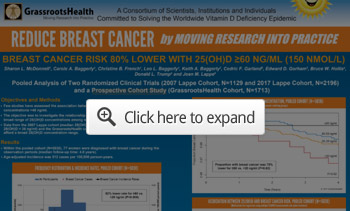
Several studies also show that these higher vitamin D levels are protective against breast cancer specifically. Importantly, a 2005 study4 showed women with vitamin D levels above 60 ng/mL have an 83 percent lower risk of breast cancer than those below 20 ng/mL! I cannot think of any other strategy that can offer that kind of risk reduction.
More recently, a pooled analysis5 published in June 2018 of two randomized trials and a prospective cohort study came to a near-identical conclusion. The objective was to assess whether there are any benefits to having a vitamin D level above 40 ng/mL, as most studies do not venture into these higher levels.
Indeed, mirroring the 2005 findings, women with vitamin D levels at or above 60 ng/mL had an 82 percent lower incidence rate of breast cancer than those with levels of 20 ng/mL or less. Published research by GrassrootsHealth reveal as much as 80 percent of all breast cancer incidence could be prevented simply by optimizing vitamin D and nothing else.
breast cancer

Top 5 Signs of Vitamin D Deficiency
The only way to definitively identify vitamin D deficiency is via blood testing. However, there are some general signs and symptoms to be aware of as well. If any of the following apply to you, you should get your vitamin D levels tested sooner rather than later, and take proactive steps to boost your level into the 60 to 80 ng/mL range:
1.Ongoing musculoskeletal pain and achy bones — According to vitamin D researcher Dr. Michael Holick, many who see their doctor for aches and pains, especially in combination with fatigue, end up being misdiagnosed as having fibromyalgia or chronic fatigue syndrome.
"Many of these symptoms are classic signs of vitamin D deficiency osteomalacia,6 which is different from the vitamin D deficiency that causes osteoporosis in adults," Holick says. "What's happening is that the vitamin D deficiency causes a defect in putting calcium into the collagen matrix into your skeleton. As a result, you have throbbing, aching bone pain."7
2.Frequent illness/infections — Vitamin D regulates the expression of genes that influence your immune system to attack and destroy bacteria and viruses, so frequent illness and infections of all kinds, including colds and flu, is a tipoff that your immune function is subpar, which likely means you're low on vitamin D.
3.Neurological symptoms — This includes depression, "feeling blue, cognitive impairment, headaches and migraines. In 2006, scientists evaluated the effects of vitamin D on the mental health of 80 elderly patients and found those with the lowest levels of vitamin D were 11 times more prone to be depressed than those who received healthy doses.8
The same study also found low vitamin D was linked to poor cognitive performance. Several other studies9 have also linked vitamin D deficiency with poor mental function, confusion, forgetfulness and difficulty concentrating. Headaches and migraines are also associated with low vitamin D.10,11
4.Fatigue and daytime sleepiness — Studies have linked low vitamin D to persistent fatigue.12,13 In one case, a woman struggling with chronic fatigue, daytime sleepiness (hypersomnia), low back pain and daily headaches was found to have a vitamin D level below 6 ng/mL.
Her symptoms resolved once she raised it to 39 ng/mL.14 Another study15 found women with vitamin D levels below 29 ng/mL were more likely to complain of fatigue than those with levels above 30 ng/mL.
5.Head sweating — According to Holick, a classic sign of vitamin D deficiency is a sweaty head. In fact, physicians used to ask new mothers about head sweating in their newborns for this very reason. Excessive sweating in newborns due to neuromuscular irritability is still described as a common, early symptom of vitamin D deficiency.16

Top 5 Risk Factors for Vitamin D Deficiency

Several factors will influence your risk for vitamin D deficiency, including the following:
  • Rarely spending time outdoors and/or always wearing sunscreen — Researchers have noted that vitamin D deficiency is prevalent in adults of all ages who always wear sun protection (which blocks vitamin D production) or limit their outdoor activities.17 The ideal time for sun exposure is between 10 a.m. and 2 p.m., when the UVB rays are present.
  • Darker skin — Your skin pigment acts as a natural sunscreen, so the more pigment you have, the more time you'll need to spend in the sun to make adequate amounts of vitamin D. If you have dark skin, you may need as much as 10 times more sun exposure to produce the same amount of vitamin D as a person with pale skin.
  • Being 50 or older — As you get older, your skin doesn't make as much vitamin D in response to sun exposure. At the same time, your kidneys become less efficient at converting vitamin D into its active form. Older adults also tend to spend more time indoors (i.e. getting even less sun exposure and therefore vitamin D).
  • Obesity — Because vitamin D is fat-soluble, body fat acts as a "sink" by collecting it. If you're overweight or obese, you're therefore likely going to need more vitamin D than a slimmer person. In one recent study,18 vitamin D deficiency was three times more prevalent in obese individuals.
  • Gastrointestinal problems — Vitamin D is fat-soluble, which means if you have a gastrointestinal condition that affects your ability to absorb fat, you may have lower absorption of fat-soluble vitamins like vitamin D as well. This includes gut conditions like Crohn's, celiac and nonceliac gluten sensitivity and inflammatory bowel disease.

Health Benefits of Vitamin D Optimization

Optimizing your vitamin D levels has been shown to have a powerful effect on health, helping protect against a wide variety of diseases. Among them:
Dry eye syndromes.19,20
Macular degeneration,21,22 which is the No. 1 cause of blindness in the elderly.
Autoimmune diseases — Vitamin D is a potent immune modulator, making it very important for the prevention of autoimmune diseases such as multiple sclerosis, inflammatory bowel disease and psoriasis, just to name a few.
Gastrointestinal diseases.23
Infectious diseases, including influenza and HIV.24,25
Inflammatory rheumatic diseases26 such as rheumatoid arthritis.
Osteoporosis and hip fractures.
Cardiovascular disease — Vitamin D is very important for reducing hypertension, atherosclerotic heart disease, heart attack and stroke, as it plays a vital role in protecting and repairing damage to your endothelium.27
It also helps trigger production of nitric oxide — which improves blood flow and prevents blood clot formation — and significantly reduces oxidative stress in your vascular system, all of which are important to help prevent the development and/or progression of cardiovascular disease.
According to Holick,28 vitamin D deficiency increases your risk of heart attack by 50 percent, and if you have a heart attack and you're vitamin D deficient, your risk of dying from that heart attack is virtually guaranteed.
Indeed, a Norwegian study29 published in The Journal of Clinical Endocrinology and Metabolism found "a normal intake of vitamin D" significantly reduces your risk of death if you have cardiovascular disease.30
Neurological diseases such as Alzheimer's disease31,32 and epilepsy — In one study,33 epileptics given a one-time megadose of vitamin D3, ranging from 40,000 IUs all the way up to 200,000 IUs, followed by a daily dose of 2,000 to 2,600 IUs a day for three months to bring each individual's vitamin D status to at least 30 ng/mL, resulted in significant improvements.
Ten out of 13 had a decrease in the number of seizures, five of which experienced more than a 50 percent reduction. Overall, the group had a 40 percent reduction in the number of seizures.
Lupus — According to researchers in Cairo,34 most patients with systemic lupus erythematosus have some level of vitamin D deficiency, defined as a level of 10 ng/mL or less, or insufficiency, a level between 10 and 30 ng/mL.
Obstructive sleep apnea — In one study, 98 percent of patients with sleep apnea had vitamin D deficiency, and the more severe the sleep apnea, the more severe the deficiency.35
Bone health, falls and fractures — A 2006 review36 looking at vitamin D intakes and health outcomes such as bone mineral density, dental health, risk of falls, fractures and colorectal cancer, found "the most advantageous serum concentrations of 25(OH)D begin at 30 ng/mL, and the best are between 36 to 40 ng/mL."
Obesity and diabetes — Research37 has shown vitamin D supplementation (4,000 IUs/day) combined with resistance training helps decrease your waist-to-hip ratio, a measurement that is far better at determining your risk for Type 2 diabetes and heart disease than body mass index.
Type 1 diabetes — Data from GrassrootsHealth's D*Action project to prevent Type 1 diabetes38 suggests maintaining a vitamin D level between 40 and 60 ng/mL (100 to 150 nmol/L) may prevent Type 1 diabetes, and stop the progression of the disease, which is a growing problem.
Neurodegenerative diseases, including Alzheimer's, Parkinson's and multiple sclerosis (MS)39,40,41 — Research shows MS patients with higher levels of vitamin D tend to experience less disabling symptoms.42 Vitamin D deficiency is also common among patients with Parkinson's43 and seniors with severe vitamin D deficiency may raise their risk for dementia by 125 percent.44
DNA repair and metabolic processes — One of Holick's studies45 showed healthy volunteers taking 2,000 IUs of vitamin D per day for a few months up-regulated 291 different genes that control up to 80 different metabolic processes, including DNA repair and autoxidation (oxidation that occurs in the presence of oxygen and/or UV radiation, which has implications for aging and cancer).
Preterm birth — A level of 40 ng/mL has also been shown to offer powerful protection against preterm birth if you're pregnant.46 Women with a vitamin D level of at least 40 ng/mL may lower their risk of preterm birth by as much as 62 percent, compared to having a level of just 20 ng/mL. Women with a history of preterm birth gain even greater protection — an 80 percent reduction — when raising their vitamin D level above 40 ng/mL.
Pregnancy complications — Having a vitamin D level above 40 ng/mL also protects the mother by reducing her risk of preeclampsia, gestational diabetes and prenatal infections by approximately 50 percent.47
All-cause mortality — Studies have also linked higher vitamin D levels with lowered mortality from all causes.48,49,50

Check Your Vitamin D Level Twice a Year

Regular, sensible sun exposure is the best way to optimize your vitamin D status, but many will need to take an oral vitamin D3 supplement, especially during winter months.
The only way to gauge whether you might need to supplement, and how much, is to get your level tested, ideally twice a year, in the early spring, after the winter, and early fall when you level is at its peak and low point. This is particularly important if you're pregnant or planning a pregnancy, or if you have cancer.
Again, the level you're aiming for is between 60 and 80 ng/mL, with 40 ng/mL being the low cutoff point for sufficiency to prevent a wide range of diseases, including cancer.
GrassrootsHealth makes testing easy by offering an inexpensive vitamin D testing kit as part of its consumer-sponsored research. By signing up, you are helping further vital health research that can help millions in coming years. (All revenues from these kits go directly to GrassrootsHealth. I make no profit from these kits and only provide them as a service of convenience to my readers.)
All women are also encouraged to enroll in the Breast Cancer Prevention project,51 to track your vitamin D level and help prevent an initial cancer occurrence, or, if you've already had it, to help prevent a recurrence. In addition, anyone affected by Type 1 Diabetes is invited to enroll in the Type 1 Diabetes Prevention Project.

Required Dosage Is Highly Individual

Research52 suggests it would require 9,600 IUs of vitamin D per day to get 97 percent of the population to reach 40 ng/mL, but individual requirements can vary widely, and you need to take whatever dosage required to get you into the optimal range.
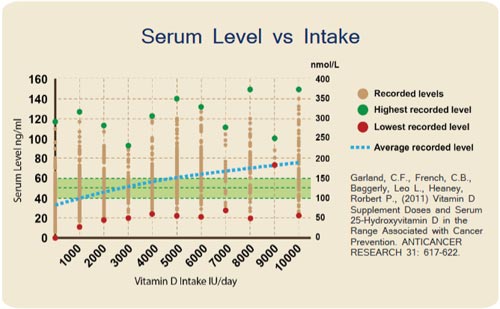
As noted by Carole Baggerly, director and founder of GrassrootsHealth, a nonprofit public health research organization dedicated to moving public health messages regarding vitamin D from research into practice:53
"Our first paper, published in 2011, showed the dose response relationship. You can easily see that two people taking the same dose (e.g., 4,000 IU/day) could have very different results. That's why testing … is so important."
serum level vs intake
If you've been taking a certain amount of vitamin D3 for a number of months and retesting reveals you're still not within the recommended range, then you know you need to increase your dosage.
Over time, with continued testing, you'll find your individual sweet spot and have a good idea of how much you need to take to maintain an ideal level year-round. GrassrootsHealth also has an online vitamin D calculator you can use to estimate your vitamin D3 dosage once you know your current serum level.

Additional Guidelines When Using Oral Vitamin D3

Aside from determining your ideal dose of vitamin D3, you also need to make sure you're getting enough vitamin K2 (to avoid complications associated with excessive calcification in your arteries), calcium and magnesium.
Research54,55 has shown that if you're taking high doses of vitamin D while having an insufficient magnesium level, your body cannot properly utilize the vitamin D you're taking. The reason for this is because magnesium is required for the actual activation of vitamin D. If your magnesium level is too low, the vitamin D may simply get stored in its inactive form.
This may actually help explain why many need rather high doses of vitamin D to optimize their levels. According to this scientific review, as many as 50 percent of Americans taking vitamin D supplements may not get significant benefit due to insufficient magnesium levels.
On the other hand, when you have an optimal magnesium level, your vitamin D level will rise even if you're taking a much lower dose.56 In fact, previous research57 has indicated that higher magnesium intake helps reduce your risk of vitamin D deficiency — likely by activating more of it.
A growing body of evidence shows that vitamin D plays a crucial role in disease prevention and maintaining optimal health. There are about 30,000 genes in your body, and vitamin D affects nearly 3,000 of them, as well as vitamin D receptors located throughout your body.

Vitamin D May Help Protect Against Cancer and Other Diseases

According to one large-scale study, having optimal vitamin D levels can slash your risk of cancer and can help prevent at least 16 different types of cancer, including pancreatic, lung, ovarian, prostate and skin cancers.
Vitamin D from sun exposure also radically decreases your risk of like multiple sclerosis (MS) and Type 1 diabetes. Sun exposure also helps prevent osteoporosis, which is a significant concern for women in particular.

Magnesium Is Important for Heart Health

Magnesium is involved in the regulation of blood sugar and insulin sensitivity, which is important for the prevention of many chronic diseases, including Type 2 diabetes and heart disease and dementia. It also supports your brain and heart health via other mechanisms.
It supports healthy heart function by relaxing your blood vessels and normalizing blood pressure, for example. Magnesium also has anti-inflammatory activity, support your endothelial function, and the function of your muscles and nerves, including the action of your heart muscle.
Low magnesium has been linked to a higher risk for hypertension, cardiovascular disease, arrhythmias, stroke and sudden cardiac death. According to one scientific review, which included studies dating as far back as 1937, low magnesium actually appears to be the greatest predictor of heart disease, and other recent research shows even subclinical magnesium deficiency can compromise your cardiovascular health.

Omega-3 Fats Are Crucial to Your Well-Being

Meanwhile, recent research suggests high doses (4 grams) of the omega-3 fats EPA and DHA may help improve healing after a heart attack. Other benefits of omega-3 fats include prevention of lupus and Parkinson’s disease, decreased anxiety, healthier and stronger bones, as well as fighting fats in the body. However, you can’t tell by looking in a mirror if you are deficient in vitamin D, magnesium or omega-3s. The only real way to know if you are deficient in these nutrients is to get tested.

How to Test Your Levels

I’m really pleased GrassrootsHealth Nutrient Research Institute has expanded its research projects to include a range of different tests, seeing how deficiency may be needlessly affecting the health of so many. Like its Vitamin D*action Project, the Magnesium*PLUS Focus Project will allow us all to take action on known science with a consensus of experts without waiting for institutional lethargy.
The Vitamin D*action Project has truly demonstrated the value measurement can have on public health, and there’s no doubt in my mind that the Magnesium*PLUS Focus Project will have the same impact. As in earlier projects, once the study of a community is completed, all that information can be used to push for public health recommendations that will benefit everyone.

Vitamin D KitOrder button
You have the ability to participate in a variety of different tests, including:
  • Vitamin D
  • Vitamin D and Omega 3
  • Vitamin D, Omega 3 and Magnesium
  • Vitamin D, Magnesium & Omega 3 PLUS Elements. Remember, by participating in this public research project, you not only are identifying your own levels, but allowing yourself to make decisions about your diet and supplements to improve your health. Your data (which is anonymous) will also help GrassrootsHealth researchers to determine the ideal levels for the prevention of various diseases, and what kind of dose-response relationship exists among the general population.
With the data from this project, individuals will be able to see what works for them, and, researchers will be able to demonstrate just to what extent health care costs may be reduced simply by getting people into an optimal range. 

- Sources and References