Pages

Showing posts with label Anti-depressants. Show all posts

Wednesday, 21 April 2021

Fluvoxamin OCD drug spotlighted as potential COVID-19 treatment

 Despite a highlight story on 60 Minutes last month, fluvoxamine, a drug typically used to treat obsessive-compulsive disorder (OCD), is still just a brief mention in the "cytokine inhibitors" section in the New York Times' "Coronavirus Drug and Treatment Tracker."

https://www.cidrap.umn.edu/news-perspective/2021/04/ocd-drug-spotlighted-potential-covid-19-treatment


Wikimedia Commons

For now, it makes sense. Fluvoxamine, a serotonin reuptake inhibitor (SSRI), has shown promise in two smaller studies, but larger trials have not been published yet.

Even if the drug becomes a more mainstream treatment for COVID-19, one expert says any demand surge is not expected to result in shortages.

COVID-19 treatment potential

As 60 Minutes tells it, the first COVID-19–related fluvoxamine study began because Angela Reiersen, MD, MPE, was reflecting on potentially relevant medical studies when she herself was sick with COVID in March 2020. There was one that caught her attention: A 2019 Science Translational Medicine study that suggested fluvoxamine lowered inflammatory cytokine production and treated sepsis in mice.

"Mechanistically, we find that S1R [ER-resident protein sigma-1 receptor] restricts the endonuclease activity of the ER [endoplasmic reticulum] stress sensor IRE1 and cytokine expression but does not inhibit the classical inflammatory signaling pathways," write the researchers. "These findings could have substantial clinical implications, as we further find that fluvoxamine, an antidepressant therapeutic with high affinity for S1R, protects mice from lethal septic shock and dampens the inflammatory response in human blood leukocytes."

The same cytokine storm that is mentioned in this study is also an inflammation-causing symptom in COVID-19.

So, Reiersen mentioned it to her acquaintance Eric Lenze, MD, who became the lead author on a preliminary randomized clinical trial published in JAMA in November 2020, with Reiersen as senior author.

In that study, 80 participants with COVID-19 received 100 milligrams (mg) of fluvoxamine three times daily for 15 days, and 72 COVID-19 patients received a placebo. While 8.7% of the placebo group had to be hospitalized within 14 days because of worsening symptoms, none in the intervention group were.

In Lenze's study, he and his research team also discussed the S1R-IRE1 pathway, but in addition, they mentioned other possible mechanisms such as selective serotonin reuptake inhibition of platelet activation, the IRE1's effect on autophagy (cell self destruction as an immune response), and fluvoxamine's potential antiviral effects owing to its ability to enter cells' lysosomes.

The results of this study prompted another case study during a late 2020 COVID-19 outbreak at a horse racing track in California. Sixty-five track workers volunteered to receive 50 mg of fluvoxamine twice a day, and the 48 who declined were used as comparison. Similar to the first study, none who received fluvoxamine had clinical deterioration after 14 days; whereas, 12.5% of those who didn't receive fluvoxamine did and 60% still had symptoms, according to the results published in Open Forum Infectious Diseases.

As of yesterday, ClinicalTrials.gov shows that three studies are recruiting to assess fluvoxamine's effect on COVID-19. In one, researchers will randomize 880 to 1,100 Americans 30 and older who have mild COVID-19 and plans to follow them for 15 days, and another is designed to recruit 400 South Koreans with mild to moderate COVID-19 for a 10-day study.

The goal of the third study is to enroll about 2,700 Brazilians who have mild COVID-19 for a 1:1:1:1 ratio across fluvoxamine, metformin, and ivermectin, the latter of which recently had unpromising results for mild COVID results in JAMA.

Predicted resilience against demand surges

If the demand for fluvoxamine does increase, it is not expected to cause drug shortages in the US market.

In 1994, fluvoxamine became the US Food & Drug Administration's (FDA's) first approved SSRI, although it has been used internationally in clinical practice since 1983. Solvay was the first and exclusive manufacturer, selling fluvoxamine under the brand name Luvox.

Currently, the FDA reports seven companies that hold approved abbreviated new drug applications to manufacture fluvoxamine, and several other firms have entered and exited the market over the past decade. Unlike many other generic drugs that are made primarily in India, China, or other countries, much of the fluvoxamine is produced in US facilities.

There are at least five manufacturers in the United States who make the active pharmaceutical ingredient known as fluvoxamine, as well as companies in Canada and India, according to Stephen W. Schondelmeyer, PharmD, PhD, co-principal investigator of the Resilient Drug Supply Project at the University of Minnesota.

"Drug shortages are less likely to occur when there are multiple active ingredient manufacturers, when some of that production is based in the United States, and when there is continued strong demand for the drug," he adds.

Although the generic market is known to lower the price and profitability of a drug, demand for fluvoxamine continues to be substantial for OCD, as well as off-label for social anxiety disorder and other conditions. Drugs.com lists the cost for a bottle of 100 25-mg oral tablets around $79, but the US market demand was enough to pull in approximately $28 million in sales from September 2018 to September 2019, according to Upsher Smith, one of the drug's generic manufacturers.

https://www.cidrap.umn.edu/news-perspective/2021/04/ocd-drug-spotlighted-potential-covid-19-treatment


Fluvoxamine and COVID-19: Here’s How the OCD Drug Might Help Prevent COVID-19 Infections From Getting Worse

 The antidepressant may help dial back the body's immune response to COVID-19—which can actually be a good thing.

By Claire Gillespie 
March 08, 2021

The COVID-19 vaccine rollout has been the main focus of attention over the last few months—more than 90 million doses have been administered since distribution began on December 14, at a rate of more than 2.2 million shots per day. But at the same time, scientists have continued to work hard to find treatments for people who get infected.

One of them, the generic drug fluvoxamine, has shown huge potential. Developed 40 years ago as an antidepressant, fluvoxamine—sometimes known as Luvox—has been used mainly to treat obsessive-compulsive disorder (OCD), per the National Alliance on Mental Illness (NAMI). But now, researchers are taking a closer look at how the medication could be an important treatment to prevent patients who test positive for COVID-19 from getting seriously ill with the infection.

COVID-Fluvoxamine-Early-Treatment-For-COVID
CREDIT: GETTY IMAGES

In a new interview with 60 Minutes, Angela Reiersen, MD, a child psychiatrist at Washington University in St. Louis—and co-author of a November 2020 study published in the Journal of the American Medical Association (JAMA) regarding the use of fluvoxamine in COVID-19 patients—explained that she first got the idea that the drug could potentially treat COVID-19 after seeing research that fluvoxamine prevented sepsis in mice.

"I thought, well, I wonder if we could use fluvoxamine to treat COVID and prevent that clinical deterioration," Dr. Reiersen told 60 Minutes.

Dr. Reiersen and her colleagues—including Eric Lenze, MD, a fellow psychiatrist at Washington University who also specializes in finding new uses for drugs that are already approved by the Food and Drug Administration (FDA)—went on to conduct the small randomized clinical trial on fluvoxamine and COVID-19 patients.

The results of that JAMA study found that participants with symptomatic COVID-19 who were treated with fluvoxamine "had a lower likelihood of clinical deterioriation" than those who were given a placebo. "The results were really pretty incredible," Dr. Lenze told Alfonsi. "Out of the 80 people who received fluvoxamine, none, zero of them deteriorated versus 8% of the people who got [the] placebo."

Of course, since the study was only preliminary, researchers declared that more research was needed to determine "clinical efficacy" of the drug in COVID-19 patients. But that research sparked even more research on fluvoxamine's role in preventing serious disease in those with COVID-19 infections.

David Seftel, MD, a physician in Berkeley, California, opted to offer a 15-day prescription to his own COVID-19 patients, who fell victim to an outbreak in the Golden Gate Fields race track community. (FYI: His decision to use a prescription drug off-label is an accepted medical practice, provided the patient consents. "Off-label" simply means it hasn't been approved by the FDA for that particular condition.)

The results of Dr. Seftel's real world study, which were published in Open Forum Infectious Diseases, showed that, of 65 of those patients who chose to take fluvoxamine, none were hospitalized, while of the 48 who declined the prescription, 12.5% ended up hospitalized, and one died.

Experts believe fluvoxamine has shown to be effective against COVID-19 due to the medication's effects on the body's inflammatory response—specifically by tamping down that response in those with active COVID-19 infections.

Normally, when the body is trying to fight off an invader like SARS-CoV-2 (the virus that causes COVID-19), it releases cytokines, or biological chemicals that stimulate cell pathways and allow for communication between cells. Those cytokines signal to the body's immune system that it needs to start doing its job. In some cases, though, the the outpouring of cytokines becomes accelerated—known as a cytokine storm—creating high levels of inflammation in the body. "Normally, cytokines are meant to be helpful to us in moderation," Carl Fichtenbaum, MD, professor in the division of infectious diseases at the University of Cincinnati College of Medicine, previously told Health, "but when a certain pathway is engaged [too much] the immune system starts causing damage to the patient."

This is where researchers think fluvoxamine comes into play. Though the drug typically works by increasing the amount of serotonin in the body, it also binds to and activates sigma-1 receptors, which may help reduce cytokine production in the body, according to a research article in Science Translational Medicine (this one, looking at patients with sepsis), and ultimately decrease the sometimes deadly inflammation that can occur in COVID-19 patients.

Though more research is still needed on the effects of fluvoxamine in COVID-19 patients—and yet another study led by Dr. Lenze is currently underway—when asked on if the positive results could have been a fluke, Dr. Seftel said, "I don't believe so. You cannot influence a virus that is as wily and as wicked as COVID with a fluke."

Francis Collins, MD, PhD, the director of the National Institutes of Health (NIH), told Alfonsi that "fluvoxamine could certainly be something you wanna put in the tool chest [because] it looks as if it has the promise to reduce the likelihood of severe illness."

Although the vaccine rollout is greatly reducing the number of people who get seriously ill and are hospitalized with COVID-19, no vaccine offers 100% protection, and new mutations of the virus are appearing all the time. So it's still important to find new treatments for the illness. With more research, we'll have a clearer idea of the part fluvoxamine may play.

The information in this story is accurate as of press time. However, as the situation surrounding COVID-19 continues to evolve, it's possible that some data have changed since publication. While Health is trying to keep our stories as up-to-date as possible, we also encourage readers to stay informed on news and recommendations for their own communities by using the CDC, WHO, and their local public health department as resources.

To get our top stories delivered to your inbox, sign up for the Healthy Living newsletter

https://www.health.com/condition/infectious-diseases/coronavirus/fluvoxamine-covid-19

Wednesday, 27 November 2019

Five Easy Fixes for Lowering Breast Cancer Risk

Breast cancer is something that affects every woman in some way—whether they develop it themselves or not. And the numbers are on the rise. It’s important to have awareness… But it’s even more important to be informed and proactive.
 INH Research
Here are five easy ways to lower breast cancer risk:
1. Minimize Chemical Exposure: Toxins bombard your body every day. And you won’t even know it. Many of them raise your risk for breast cancer. Things like acrylamide in tobacco smoke and aromatic amines in hair dyes. Then there are polycyclic aromatic hydrocarbons (PAHs) in air pollution and car exhaust.
One study found that exposure to these compounds makes women up to 142% more likely to develop breast cancer.1 It may be impossible to avoid these entirely… But switching to low temperature cooking and staying away from air pollution is a good start.
2. Avoid Antidepressants: Forget the side effects you already know about. On top of those dangers, every pill you take could be raising your breast cancer risk. That’s because SSRIs—like paroxetine—create a flood of fake estrogen in your body. And when you consider that 70% of breast cancers are sensitive to estrogen, you see how dangerous this can get…
To make matters worse, depression is a side effect of Big Pharma’s toxic cancer drugs. So women getting conventional treatments could be feeding their cancer at the same time if they use an SSRI. It’s a combination that could make you over 90% less likely to survive your battle with cancer.2 Skip these drugs and use safe, natural antidepressants instead.
3. Add Lycopene:  Adiponectin is a critical hormone for protecting against breast cancer. Not having enough raises breast cancer risk by almost 20%. But eating lycopene is one of the easiest ways to increase your levels. A diet rich in tomatoes may help you raise adiponectin by as much as 13% in about 10 weeks. And even more good news? It only takes about a single cup of fresh tomato juice a day to get the amount of lycopene you need to see benefits.
Just make sure to avoid the stuff that comes in a jar or can. Most of it is full of sugar that raises inflammation—and your likelihood of facing cancer. Use fresh, organic tomatoes to make your own juice. You can also add tomato to your green smoothie or salad for an extra lycopene boost.
4. Get More D3: You already know that D3 can help lower your overall cancer risk by 15%.3 But studies show this vitamin can lower breast cancer risk by over 50%. That’s because it helps breast tissue cells divide properly. These tissues even have receptors that actively look for D3.
You can find a natural vitamin D3 supplement in most health food stores and online. Look for one that gives you at least 1,000 IU per serving. You can also add wild-caught salmon to your diet to get even more of it each day.
5. Embrace Healthy Fats: Speaking of wild-caught salmon, its healthy fats are another way to help keep breast cancer at bay. Research shows the omega-3 fatty acids you get from eating just two portions of fish a week can lower risk by 14%. Adding more fish to your diet may lead to even better results. But you’ll get the most benefit from oily, cold-water fish.
It’s no surprise that salmon is your best choice. But you can throw in wild-caught tuna every now and then too. Just remember it’s a high-mercury fish. Too much of it may actually erase the anti-cancer benefits of the omega-3 fatty acids over time.
Breast cancer may be on the rise… But you have the power to prevent it. Don’t rely on pink ribbons to make a difference. Be proactive. Help us spread this information to the women you care about.
References:
1http://www.ncbi.nlm.nih.gov/pubmed/15668476
2http://www.ncbi.nlm.nih.gov/pubmed/20142325
3http://www.thelancet.com/journals/landia/article/PIIS2213-8587(13)70212-2/abstract
five-easy-fixes-for-lowering-breast-cancer
https://www.institutefornaturalhealing.com/2014/10/five-easy-fixes-for-lowering-breast-cancer-risk/

Sunday, 22 October 2017

Ketamine has 'truly remarkable' effect on depression and is effective in elderly patients, scientists say

After six months, 43% of the subjects said they had no significant symptoms of depression

Ketamine can have a “truly remarkable” effect on people with depression, researchers have said after a new study showed promising results among elderly patients.
Tuesday 25 July 2017
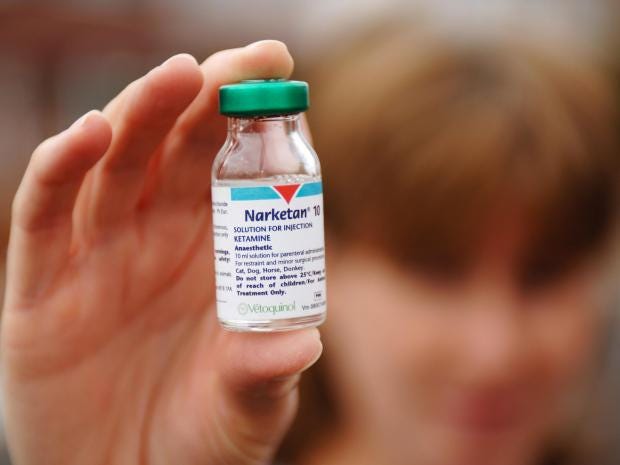
narketan-ketamine.jpg
Ketamine is used as a horse tranquiliser (file photo) Rex Features
Colleen Loo, a professor at the University of New South Wales in Australia, led the world’s first randomised control trial into the drug’s effect on people over 60 with treatment-resistant depression.
“This trial has shown ketamine can be used safely in the elderly and it tends to be effective,” she told The Independent, adding that a similar effect was observed in this age group as in younger patients.
It is important to test how people of different ages respond to a new treatment before it can be offered by doctors, she said: “Sometimes depression in the elderly can be harder to treat, especially with medication. 
“Also, they tend to have more medical problems, which can interfere with medication.”
Ketamine was discovered in 1962 and is licenced for medical use in the UK as an anaesthetic, but is also used illegally as a recreational drug.
Of the study’s 16 participants, 11 reported an improvement in their condition while being treated with the drug, according to the research published in the American Journal of Geriatric Psychiatry.
After six months, 43 per cent of the subjects said they had no significant symptoms of depression – a high rate given that the participants had not responded to previous treatment, said Professor Loo.
“It is truly remarkable the way ketamine can work,” she said. “Other people have also found you get a rapid and powerful effect after a single dose of ketamine.”
“Some people mistakenly think we are inducing a temporary, drug-induced euphoria and people are ‘out of it’, which is why they’re not depressed. 
“But the effects take place in the first hour, and they’re not euphoric at all. In fact, all of our research participants disliked them. They considered them adverse effects. 
“The antidepressant effect kicks in a few hours later and are maximised about 20 hours later, when you’re fully alert and in your usual state of mind.”
While research into the use of ketamine to treat mental health problems is still in its early stages, scientists at Oxford University have said their studies show the drug can provide relief to patients with severe depression “where nothing has helped before”.
Rupert McShane, the consultant psychiatrist who is leading Oxford’s ketamine treatment programme, told The Independent it was “good to see that, contrary to some reports, some older people do respond to ketamine.”
“This study highlights that ketamine can be given in a variety of ways (not just intravenous), that it’s a good idea to adjust the dose, and that the more resistant someone’s depression is, the higher the dose that they are likely to need,” he said.
Professor Loo and her colleagues delivered ketamine to the patients using a small injection under the skin – similar to the insulin jabs given to diabetes patients.
This makes the drug easier and quicker to administer than the intravenous infusions used in other trials, which require a machine pump to regulate the dose and takes up to an hour to complete.
Participants received increasing doses of ketamine over a period of five weeks, with the dose personalised for each patient.
However, she warned that while the research is one step closer to providing a model for how doctors could prescribe ketamine as a treatment for depression in future, it would still be “premature to jump into clinical practice”.
“There are ‘super-responders’, who after a single treatment can be well for several months,” said Professor Loo, giving the example of a subject who, in 2014, remained free of depressive symptoms for five months after just one dose of ketamine. 
But “most people are well but then they relapse over around three to seven days,” she said. “That’s where repeated dosing comes in.”
It is estimated around three per cent of the UK population, or nearly two million people, suffer from depression.
A small proportion of this group – around 158,000 people in total – have very severe depression that is resistant to existing treatments, studies have shown.
Professor Loo and her colleagues at the Black Dog Institute in Sydney are also conducting a large-scale trial into the effects of ketamine on treatment-resistant depression.
“These results are a promising early piece of the puzzle, but the risks of ketamine use are still not wholly understood. Future studies with greater sample sizes are needed to formally assess ketamine's side effects, such as its impact on liver function."
http://www.independent.co.uk/news/health/ketamine-elderly-patients-severe-depression-effect-benefit-horse-tranquiliser-study-colleen-loo-new-a7859511.html

Friday, 14 July 2017

4 drugs that can give you dementia

If it’s not shocking enough that dementia kills more people than breast and prostate cancer combined, how about this… You may be taking a common medication right now that increases your risk of developing dementia by as much as 54 percent!

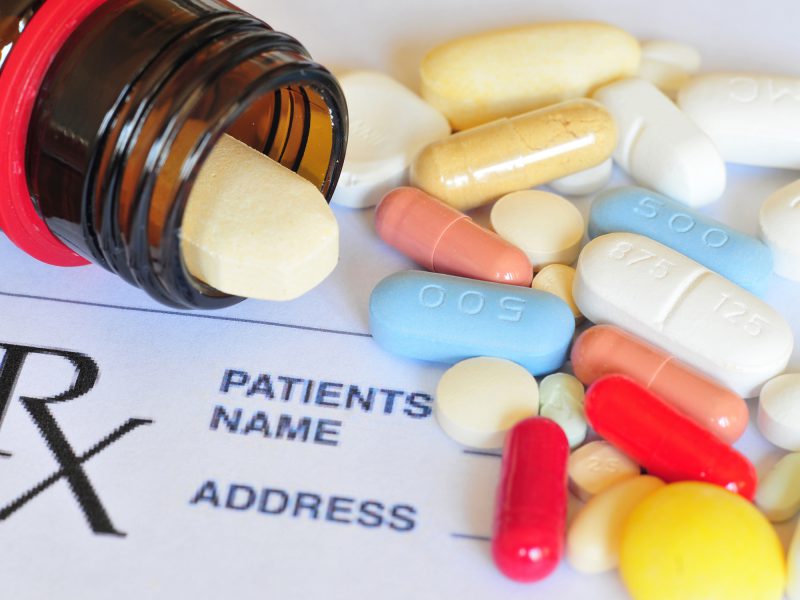
Prescription pills

Jedha Dening

You may be taking a common medication right now that increases your risk of developing dementia by as much as 54 percent!
To date, a few studies have raised a number of medications into the dementia-causing spotlight. You may want to take this list and have a look in your medicine cabinet…

Oxybutynin (Ditropan XL, Urotrol) for bladder control

In the past five years, these bladder antimuscarinic drugs, prescribed for the treatment of urinary incontinence, have increased in usage by 31 percent. Researchers suggest there are other options but physicians turn to this drug because it’s a cheaper option. And it seems, at your expense…
Researchers discovered that those taking it for more than three years had a significantly increased risk of dementia.
What can you do for bladder control instead?
I’ve previously covered the use of pumpkin seed extract and Kegel exercises for bladder issues, two natural options with proven effectiveness.

Diphenhydramine (Benadryl) for allergies and colds

Reaching for those antihistamines to address your seasonal allergies — sneezing, runny nose, watery eyes, hives, skin rash, itching, and other cold symptoms — may have seemed like a good idea before now. However, this commonly used medication is in the same class as all those listed here and may increase your dementia risk.
Next time you suffer allergies try these 7 foods and optimize your health with these tipsfrom my colleague Dr. Isaac Eliaz.

Tricyclic antidepressants

Some popular medications in this group include:
  • Amitriptyline (Elavil, Endep)
  • Clomipramine (Anafranil)
  • Imipramine (Tofranil)
  • Trimipramine (Surmontil)
  • Doxepin (Sinequan, Adapin)
Taking antidepressants may be useful for those with severe clinical depression. However, there are other alternatives to tricyclic antidepressants. And since these have been shown to increase risk of dementia, discussing alternatives with your physician is a great idea.
Since antidepressants are not all that useful to most people, consider trying proven alternatives. My colleague Dr. Mark Wiley has previously covered several natural methods for treating depression.

Doxepin hydrochloride (Silenor) for insomnia

If you have trouble staying asleep, your physician may prescribe you doxepin hydrochloride. But if you’re a regular user of a dosage around 10 mg per day and continue to do that for three years, your risk of dementia can skyrocket.
All of these medications are classed in the category of ‘anticholinergic’ medications and have an average usage between 8 to 37 percent. It’s not unknown that these meds cause immediate cognitive effects such as altered attention, changes to working memory, and slower cognitive speed. But when following your physician’s advice, you probably don’t expect to up your risk of dementia by more than 50 percent.
Unfortunately there are too many drugs to list here… but you can learn about other prescriptions for amnesia and brain robbery that my colleague Margaret Cantwell wrote about, including Xanax and Lipitor to name a few.
Editor’s note: There’s one more drug that could be stealthily stealing your mind and your memories… and the reason you take it is based on a myth that has helped big pharma rake in billions! To learn more about how mainstream medicine is robbing you of a vitally important brain nutrient, click here to read this urgent report!
Sources:
  1. 2017 Alzheimer’s Disease Facts and Figures — Alzheimer’s Association. Retrieved 2 June, 2017
  2. Gray SL, et al. Cumulative Use of Strong Anticholinergics and Incident Dementia. — JAMA Intern Med. 2015;175(3):401-407.
  3. Common anticholinergic drugs like Benadryl linked to increased dementia risk — Merz B. (2015). Harvard Health Blog. Retrieved 2 June, 2017
https://easyhealthoptions.com/4-drugs-can-give-dementia/

Monday, 31 October 2016

The Link Between Birth Control Pills and Depression

Birth control pills are among the most popular forms of contraception in the US, but new research highlights their risks to women's mental health. Artificially manipulating your sex hormones with the synthetic hormones in hormonal contraception could have serious adverse effects, including depression.

October 20, 2016 


Birth Control Pills

Story at-a-glance

  • Women who used hormonal birth control had a 40 percent increased risk of developing depression after six months compared to women who did not
  • The risk of developing depression after hormonal contraception use was greatest among adolescents
  • The use of hormonal birth control was also associated with subsequent use of antidepressant drugs
By Dr. Mercola
Birth control pills are the most popular form of contraception among U.S. women. They're taken by 16 percent of this population, while just over 7 percent use long-acting reversible forms of contraception, such as a hormonal intrauterine device or implant.
What these pills, devices and implants have in common is that they're forms of hormonal birth control — that is, they contain or release synthetic forms of hormones, such as estrogen and progestin (a form of progesterone), which work to prevent pregnancy in various ways.  
The problem is that these sex hormones also affect mood and other biological processes and artificially manipulating them can lead to many unintended consequences in your body, some of them uncomfortable and some quite serious, including altering your mental health.

Birth Control Pills Linked to Depression

Researchers from the University of Copenhagen in Denmark analyzed data from more than 1 million women over a period of 14 years. None of the women, who were between 15 and 34 years of age, had been diagnosed with depression at the start of the study.1
However, the analysis showed that women who used hormonal birth control had a 40 percent increased risk of developing depression after six months compared to women who did not. The risk was greatest among adolescents.
The use of hormonal birth control was also associated with subsequent use of antidepressant drugs. Certain types of hormonal contraception had varying risks. Specifically, the use of:
  • Progestin-only pills led to a 1.3-fold higher rate of antidepressant use
  • Combined birth control pills led to a 1.2 higher rate
  • Transdermal patch led to a 2-fold increased risk
  • Vaginal ring led to a 1.5-fold increased risk

Anecdotal Reports Suggest Hormonal Contraceptives Lead to Mood Changes

Lead study supervisor, Dr. Øjvind Lidegaard, a professor at the University of Copenhagen in Denmark, told CNN:2
"We have known for decades that women's sex hormones estrogen and progesterone have an influence on many women's mood.
Therefore, it is not very surprising that also external artificial hormones acting in the same way and on the same centers as the natural hormones might also influence women's mood or even be responsible for depression development."
Despite this knowledge, many health care professionals are reluctant to suggest that the risks of hormonal birth control may be too steep for some women, especially those with a history of depression.
While scientific validation has yielded some conflicting results, one report in the Oxford Medical Case Reports journal detailed two cases of women with a history of depression who developed depressive symptoms after treatment with hormonal contraceptives (the combined oral contraceptive pill, progestin-only pill and combined contraceptive vaginal ring).3

Case Reports Detail Onset of Depressive Symptoms After Use of Hormonal Contraceptives

In one case, a 31-year-old woman experienced gradual improvement of her depressive symptoms after she stopped using the vaginal ring. However, "a sudden and acute worsening occurred" shortly after she started using a combined birth control pill.
About a month later, she again experienced a worsening of symptoms "almost simultaneously with the initiation of treatment with combined contraceptive vaginal ring." The researchers noted:4
"HC [Hormonal contraception] was again interrupted, with a subsequent clear improvement in depressive symptoms. The patient remained stable without depression for the following [six] months."
In the second case, a 33-year-old woman developed depressive symptoms shortly after starting a progestin-only birth control pill. Her symptoms disappeared completely within one week of stopping the pill. The researchers concluded:5
"Caution should be used when starting up treatment with HC in women diagnosed with depression, since it might in some cases lead to worsening of the depressive symptoms.
Likewise, attention should be paid to the pre-existing use of HC in women who develop depression, as discontinuation of HC might in some cases be sufficient to treat the depression."

Hormonal Contraceptives Are Linked to Glaucoma and Other Health Risks

Women who used oral contraceptives for longer than three years were more than twice as likely to have been diagnosed with glaucoma, a leading cause of vision loss and blindness, according to one study.6
The results were so striking that the researchers recommended women taking the pill for three or more years be screened for glaucoma and followed closely by an ophthalmologist.
It might seem unusual that contraceptives could affect your vision, but it's important to understand that there are body-wide repercussions of artificially manipulating your hormones.
Most birth control pills, patches, vaginal rings and implants contain a combination of the derivatives of the hormones estrogen and progestin. They work by mimicking these hormones in your body to fool your reproductive system into producing the following effects:
  • Preventing your ovaries from releasing eggs
  • Thickening your cervical mucus to help block sperm from fertilizing an egg
  • Thinning the lining of your uterus, which makes it difficult for an egg to implant, should it become fertilized
However, your reproductive system does not exist in a bubble. It is connected to all of your other bodily systems, and therefore hormonal contraception is capable of altering much more than your reproductive status.
According to one report by the U.S. Centers for Disease Control and Prevention (CDC), 30 percent of women who have used the pill and nearly half of women using other hormonal contraception methods stopped their use due to "dissatisfaction," which was most often caused by side effects.7 Potential health risks include:
Cancer: Women who take birth control pills increase their risk of cervical and breast cancers, and possibly liver cancer as well.
Thinner bones:Women who take birth control pills have lower bone mineral density (BMD) than women who have never used oral contraceptives.
Heart disease:Long-term use of birth control pills may increase plaque artery buildups in your body that may raise your risk of heart disease.
Fatal blood clots: Birth control pills increase your risk of blood clots and subsequent stroke.
Impaired muscle gains: Oral contraceptive use may impair muscle gains from resistance exercise training in women.
Long-term sexual dysfunction: The pill may interfere with a protein that keeps testosterone unavailable, leading to long-term sexual dysfunction including decreased desire and arousal.
Migraines
Weight gain and mood changes
Yeast overgrowth and infection

The Pill May Be a Libido Killer

About 15 percent of women taking oral contraceptives report a decrease in libido, likely because they lower levels of sex hormones, including testosterone.8 One study also found seven times the amount of the libido-killing sex hormone binding globulin (SHBG) was present in women who took oral contraceptives compared to women who never used the pill.
Even though SHBG levels declined in women who had stopped taking the pill, they still remained three to four times higher than they were in women with no history of using oral contraceptives, which suggests oral contraceptives may kill a woman's libido for the long-term. Researchers concluded:9
"Long-term sexual, metabolic, and mental health consequences might result as a consequence of chronic SHBG elevation [in women who take, or have taken, oral contraceptives]."

Synthetic Hormones in Drinking Water May Be Increasing Cancer Rates in Men

It's not only women who are at risk from synthetic hormones contained in hormonal contraceptives. An analysis of data from 100 countries found oral contraceptive use is associated with prostate cancer, which may be due to exposure to synthetic estrogens excreted by women that end up in the drinking water supply.10
While it's been argued that only a small amount of additional estrogen is excreted by a woman using this form of contraception, this "small amount" is compounded by millions of women, many of whom use the pill for long periods of time. Also, synthetic estrogen and progestin does not biodegrade rapidly and is far harder to remove through conventional water purification systems, resulting in greater accumulation in the environment.
While this study did not prove cause and effect — that is, it did not prove that environmental estrogen from women's oral contraceptive use causes prostate cancer in men — it did find a significant association between the two that deserves further investigation, especially in light of estrogen's well-established role in a wide range of cancers and the prevalence of hormonal contraceptive use.

Non-Hormonal Methods of Contraception

Women and men looking for reversible non-hormonal options of contraception may be surprised to learn that there are many options. Conventional health care providers typically steer patients toward the popular hormonal options, but they are far from the only ones.
Barrier methods, which work by preventing the man's sperm from reaching the woman's egg, include the diaphragm, cervical cap, sponge and male and female condoms. None of these are foolproof, which is why many couples use them in combination with fertility awareness-based methods.
Fertility awareness involves knowing when a woman's fertile period occurs each month, and then avoiding sexual intercourse during (and just prior to) this time (or using a barrier method if you do).
When used consistently and correctly, fertility awareness is highly effective at preventing pregnancy; fewer than 1 to 5 women out of 100 will become pregnant using fertility awareness in this manner.11 In order to track fertility, a number of methods can be used by women, including tracking basal body temperature, mucus production, saliva indicators and cervical position.
Many women use a combination of methods, and there are also commercially available ovulation monitors that can be used in conjunction with the other methods. Ninety-nine percent of U.S. women of reproductive age have used at least one contraceptive method at some point in their lifetime, with 88 percent choosing hormonal options.12
However, you may be relieved to learn that you don't have to subject yourself to the risks of hormonal contraception, or learn to live with the side effects, in order to take control of your reproductive health. An experienced holistic health care provider can help you choose the best non-hormonal contraception options for you.

You Might Also Like


http://articles.mercola.com/sites/articles/archive/2016/10/20/birth-control-pills-depression.aspx