Pages

Showing posts with label Itch. Show all posts

Sunday, 26 December 2021

Get Your Liver Checked If You Feel This at Night, Doctors Say

 EXPERTS SAY EXPERIENCING THIS AT NIGHT COULD BE A TELLTALE SIGN OF LIVER DISEASE.


By KALI COLEMAN
MARCH 15, 2021

Too much sugar consumption, putting on a few pounds, and drinking even just a little bit of alcohol can all potentially harm your liver. And unfortunately, you can't just check in and make sure everything's running smoothly with this vital organ without the help of a medical professional. But there may be a way for you to notice if something is amiss early on. According to experts, if you experience a certain uncomfortable symptom at night, you need to get your liver checked ASAP. Read on to find out if you should be worried, and for more at-home health tests, If You Can't Do This in 90 Seconds, Your Heart Is in Danger, Study Says.


What do you need to know about Migraine & Fibromyalgia

If so


If something is amiss with your liver, it could result in you feeling itchy at night.
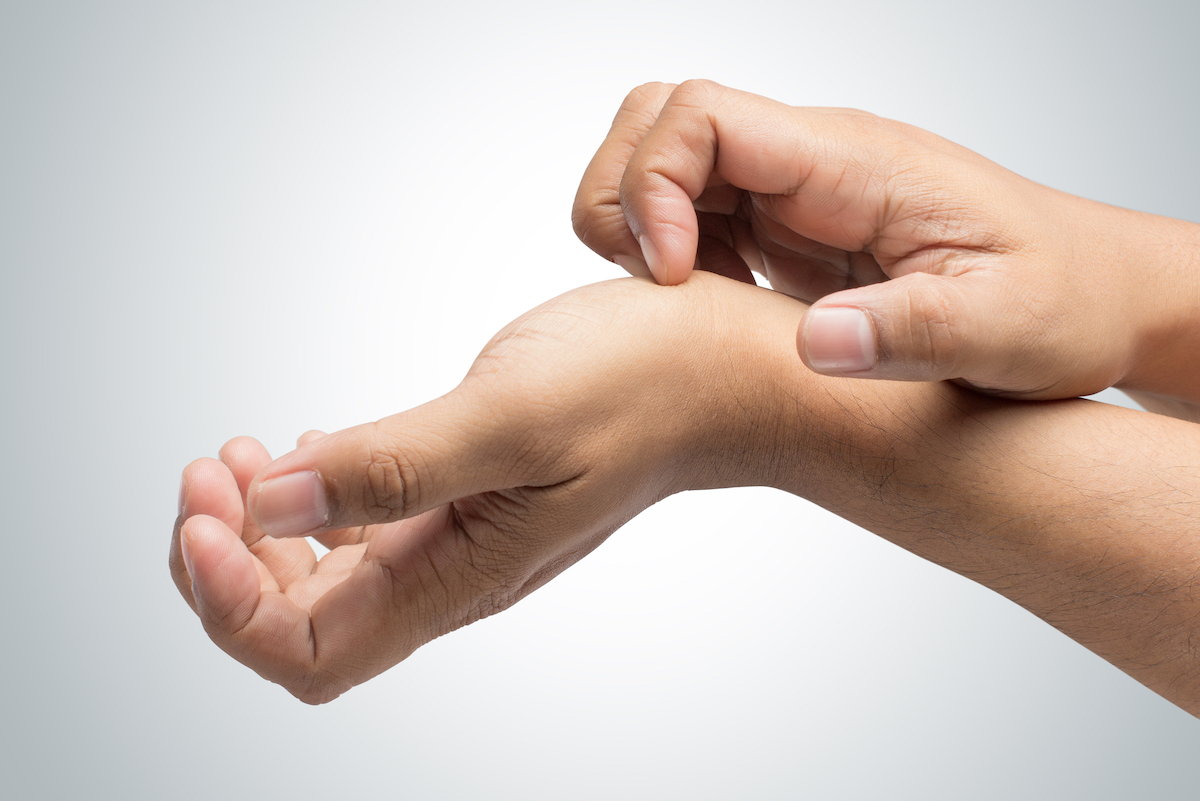
Scratching itch on hand
Monster e / Shutterstock

If you start to experience itching at night, you should talk to your doctor. Itching is associated with liver disease, and it "tends to be worse in the late evening and during the night," Healthline reports.

According to Wendie A. Howland, RN-BC, a registered nurse and legal nurse consultant, one of the duties the liver is responsible for is breaking down and excreting substances your body doesn't need through bile. "If it fails to be able to do that, for whatever reason, the next excretory organ to try to take up the slack to get rid of bile salts is the skin," Howland explains. "This produces itching." And for more on what habits could be affecting your liver, read up on When You Should Take Tylenol Instead of Advil, Doctors Say.

Itching associated with liver disease doesn't tend to produce a rash and is most common on your palms and soles.

Massaging foot to get rid of pain
iStock

Itching is usually associated with skin diseases, but unlike skin diseases, "you generally do not notice a rash" if the itching is a response to liver disease, says Leann Poston, MD, a licensed physician and medical advisor for Invigor Medical.

"Itching associated with liver disease tends to primarily affect the limbs, especially the palms and soles," she explains. "It is usually worse at night and exacerbated by heat, during the menstrual cycle, with hormone replacement therapy, pregnancy, and contact with wool." And for more symptoms you need to pay attention to, check out the Subtle Signs Your Body Is Telling You Something's Seriously Wrong.

If you notice yellowing skin or eyes alongside the itching, you need immediate medical attention.

Shot of an attractive young woman inspecting her face in the bathroom mirror
iStock

According to Poston, it can be hard to correlate itching and liver disease on your own, as not everyone who has liver disease develops itching and itching could also be your only symptom of liver disease. But Javeed Siddiqui, MD, chief medical officer at TeleMed2U, points out that if your itching comes with yellowing of the whites of your eyes or skin, known as jaundice, your situation "warrant[s] immediate medical attention."

Howland says that other symptoms of liver disease can include bleeding, bruising, black bowel movements, dark urine, abdominal swelling, nausea, lack of appetite, and abdominal pain. And for more up-to-date health news delivered right to your inbox, sign up for our daily newsletter.

Itching can also be caused by many things other than liver disease.

Cut view of young woman sitting on bed and touching her skin with one hand. She is in room alone. Her legs are covered with blanket. Woman has problem
iStock

Of course, itching can also be a symptom of many other non-serious issues and other diseases, ranging from kidney failure and blood disease, Poston points out. You're also more likely to tune into itching at night when these kind of obnoxious sensations are more noticeable because you are quiet and resting and other factors aren't drowning them out, Howland says.

But it's important to get any type of unusual itching checked out, especially if it occurs during the nighttime. "It is best to evaluate the cause of the itching in order to treat the itching. Seeing a healthcare professional is the best first step," Siddiqui explains. If it is liver disease, delaying a diagnosis can limit your treatment options and could result in permanent damage to your liver or even death, he added. And for more health problems you may be facing late in the day, If This Body Part Hurts You at Night, See Your Doctor.

https://bestlifeonline.com/news-liver-symptom/

Monday, 5 October 2020

16 Cancer Symptoms And Signs You'll Probably Ignore

 Cancer is the second most common cause of death. It's more curable when detected earlier. 

Although some cancers develop completely without symptoms, some do have signs you are likely to ignore.


1. Unexplained Weight Loss

Weight loss for no known reason, not through exercise or changes in diet is a common sign of cancers related to lung, stomach or pancreas.

12-cancer-symptoms-you-are-most-likely-to-ignore_2

2. Fever

Fever may be a sign of early cancer in the blood like leukemia and lymphoma. Fever may also reveal kidney and colon cancer at an early stage.

12-cancer-symptoms-you-are-most-likely-to-ignore_3

3. Fatigue

Extreme fatigue that cannot get better after rest can be a symptom of several cancer types such as leukemia, colon cancer, and stomach cancer.

4. Pain

Sometimes bone cancer or testicular cancer can cause pain. A headache that doesn't get better after a long-time treatment may be a symptom of a brain tumor. Back pain may be a sign of cancer in the ovary or colon.

5. Unusual Bleeding

Coughing up blood may be a sign of lung cancer. Blood in the stool or urine can forecast colon cancer or kidney or bladder cancer. A bloody discharge from the nipple can indicate breast cancer.

6. Lump

A lump that is usually hard, not painful, irregularly shaped or firmly attached deep in the soft tissue or under the skin is often caused by cancer.

7. Nagging Cough

More than half of people who have a cough that just wouldn't go away are diagnosed with lung cancer. Excessive coughing is also common signs of laryngeal and thyroid cancer.

8. Shortness of Breath

Cancer in or near the lungs may cause a blockage of the tubes that carry air. Breathlessness is also common with breast cancer tumors, ovarian or liver cancer.

9. Difficulty Swallowing

Mouth or throat cancers can make the swallowing difficult. It's also a common sign of various head and neck cancers such as esophageal, oropharyngeal cancer, thyroid, and laryngeal cancers.

10. Heartburn

Heartburn that doesn't go away or gets worse could mean cancer of the throat, stomach, or ovaries. Excessive food, alcohol, or stress can cause serious heartburn.

11. Belly Pain and Depression

It rarely happens, but belly pain plus depression can be a sign of pancreatic cancer. But you don’t need to worry unless this disease runs deep in your family.

12. Skin Changes

Any freckle, mole or wart that changes color, shape, or size should be examined for skin cancer. Besides, darker looking skin, reddened skin, itching, yellowish eyes, and skin may also be linked to cancers.

13. Change in Bowel or Bladder Habits

Long-term diarrhea, constipation or a change in the size of the stool can be a symptom of rectal or colon cancer. Pain when passing or blood in urine can be related to bladder or prostate cancer. 

14. White Patches Inside the Mouth

White patches inside the mouth can be leukoplakia, which is pre-cancerous and can become mouth cancer if it's not treated early.

15. Continued Itching

Precancerous conditions of the genital or anal areas can cause persistent itching. If the itching continues with over-the-counter topical medications, consult your doctor.

16. Non-healing Sores

Common sores usually heal quickly. If you have persistent sores in areas like your mouth, you may have cancer and should raise concerns and see a doctor.

https://www.buzzaura.com/12-cancer-symptoms-you-are-most-likely-to-ignore

Friday, 29 November 2019

Liver Function Tests

A liver panel is a group of tests that are performed together to detect, evaluate, and monitor liver disease or damage.

Drawing of the liver
The liver and nearby organs. Image credit: Don Bliss, National Cancer Institute


At a Glance
Why Get Tested?
To screen for, detect, evaluate, and monitor acute and chronic liver inflammation (hepatitis), liver infection, liver disease and/or and damage
When To Get Tested?
Periodically to evaluate liver function; whenever you are at risk for liver injury; when you are taking medications that may affect your liver; when you have a liver disease; when you have symptoms associated with liver damage, such as jaundice
Sample Required?
A blood sample drawn from a vein in your arm; for infants, blood may be drawn by puncturing the heel with a lancet.
Test Preparation Needed?
You may be instructed to fast overnight with only water permitted. Follow any instructions you are given. Inform the healthcare practitioner about all prescription and over-the-counter medications, herbal medications, vitamins and supplements you are taking.


What is being tested?
A liver panel is a group of tests that are performed together to detect, evaluate, and monitor liver disease or damage. The liver is one of the largest organs in the body and is located in the upper right-hand part of the abdomen and behind the lower ribs. The liver metabolizes and detoxifies drugs and substances that are harmful to the body. It produces blood clotting factors, proteins, and enzymes, helps maintain hormone balances, and stores vitamins and minerals. Bile, a fluid produced by the liver, is transported through ducts directly to the small intestine to help digest fats or to the gallbladder to be stored and concentrated for later use.
A variety of diseases and infections can cause acute or chronic damage to the liver, causing inflammation (hepatitis), scarring (cirrhosis), bile duct obstructions, liver tumors, and liver dysfunction. Alcohol, drugs, some herbal supplements, and toxins can also pose a threat. A significant amount of liver damage may be present before symptoms such as jaundice, dark urine, light-colored stools, itching (pruritus), nausea, fatigue, diarrhea, and unexplained weight loss or gain emerge. Early detection is essential in order to minimize damage and preserve liver function.
The liver panel measures enzymes, proteins, and substances that are produced, processed or eliminated by the liver and are affected by liver injury. Some are released by damaged liver cells and some reflect a decrease in the liver's ability to perform one or more of its functions. When performed together, these tests give a healthcare practitioner a snapshot of the health of a person's liver, an indication of the potential severity of any liver injury, change in liver status over time, and a starting place for further diagnostic testing.
How is it used?

A liver panel may be used to screen for liver damage, especially if someone has a condition or is taking a drug that may affect the liver. A comprehensive metabolic panel (CMP), which is often performed as part of a general health checkup, may be ordered instead of a liver panel for routine screening. This group of tests includes most of the liver panel as well as additional tests that evaluate other organs and systems within the body.
A liver panel or one or more of its component tests may be used to help diagnose liver disease if a person has signs and symptoms that indicate possible liver dysfunction. If a person has a known condition or liver disease, testing may be performed at intervals to monitor the health of the liver and to evaluate the effectiveness of any treatments. A series of bilirubin tests, for instance, may be ordered to evaluate and monitor a jaundiced newborn.
Abnormal tests on a liver panel may prompt a repeat analysis of one or more tests, or of the whole panel, to see if the elevations or decreases persist and/or may indicate the need for additional testing to determine the cause of the liver dysfunction.
The panel usually consists of several tests that are run at the same time on a blood sample. These typically include:
  • Alanine aminotransferase (ALT) – an enzyme mainly found in the liver; the best test for detecting hepatitis
  • Alkaline phosphatase (ALP) – an enzyme related to the bile ducts but also produced by the bones, intestines, and during pregnancy by the placenta (afterbirth); often increased when bile ducts are blocked.
  • Aspartate aminotransferase (AST) – an enzyme found in the liver and a few other organs, particularly the heart and other muscles in the body
  • Bilirubin – two different tests of bilirubin often used together (especially if a person has jaundice): total bilirubin measures all the bilirubin in the blood; direct bilirubin measures a form that is conjugated (combined with another compound) in the liver.
  • Albumin – measures the main protein made by the liver; the level can be affected by liver and kidney function and by decreased production or increased loss.
  • Total protein (TP) – measures albumin and all other proteins in blood, including antibodies made to help fight off infections
Depending on the healthcare provider and the laboratory, other tests that may be included in a liver panel are:
When is it ordered?

A liver panel, or one or more of its components, may be ordered when someone is at risk for liver dysfunction. Some examples include:
  • People who take medications that may potentially damage the liver
  • Those who are alcoholics or heavy drinkers
  • Those who have a history of known or possible exposure to hepatitis viruses
  • Individuals whose families have a history of liver disease
  • People who are overweight, especially if they have diabetes and/or high blood pressure
A liver panel may be ordered when a person has signs and symptoms of liver disease; however, most people who have liver disease do not have any of these symptoms until the disease has been present for many years or is very severe. Some of these include:
  • Weakness, fatigue
  • Loss of appetite
  • Nausea, vomiting
  • Abdominal swelling and/or pain
  • Jaundice (yellowing of eyes or skin)
  • Dark urine, light-colored stool
  • Itching (pruritus)
  • Diarrhea
Usually no one single set of liver tests is used to make a diagnosis. Often, several liver panels will be ordered over a few days or weeks to help determine the cause of the liver disorder and evaluate its severity.
When liver disease is detected, it may be monitored on a regular basis over time with the liver panel or with one or more of its components. A liver panel may also be ordered regularly to monitor the effectiveness of treatment for the liver disorder
What does the test result mean?

Liver panel test results are not diagnostic of a specific condition; they indicate that there may be a problem with the liver. In a person who does not have symptoms or identifiable risk factors, abnormal liver test results may indicate a temporary liver injury or reflect something that is happening elsewhere in the body – such as in the skeletal muscles, pancreas, or heart. It may also indicate early liver disease and the need for further testing and/or periodic monitoring.
Results of liver panels are usually evaluated together. Several sets of results from tests performed over a few days or weeks are often assessed together to determine if a pattern is present. Each person will have a unique set of test results that will typically change over time. A healthcare practitioner evaluates the combination of liver test results to gain clues about the underlying condition. Often, further testing is necessary to determine what is causing the liver damage and/or disease.
This table shows examples of some combinations of results that may be seen in certain types of liver conditions or diseases.
Type of liver condition or diseaseBilirubinALT and ASTALPAlbuminPT
Acute liver damage (due, for example, to infection, toxins or drugs, etc.)Normal or increased usually after ALT and AST are already increasedUsually greatly increased (> 10 times); ALT is usually higher than ASTNormal or only moderately increasedNormalUsually normal
Chronic forms of various liver disordersNormal or increasedMildly or moderately increased; ALT is persistently increasedNormal to slightly increasedNormalNormal
Alcoholic HepatitisNormal or increasedAST is moderately increased, usually at least twice the level of ALTNormal or moderately increasedNormalNormal
CirrhosisMay be increased but this usually occurs later in the diseaseAST is usually higher than ALT but levels are usually lower than in alcoholic diseaseNormal or increasedNormal or decreasedUsually prolonged
Bile duct obstruction, cholestasisNormal or increased; increased in complete obstructionNormal to moderately increasedIncreased; often greater than 4 times what is normalUsually normal but if the disease is chronic, levels may decreaseUsually normal
Cancer that has spread to the liver (metastasized)Usually normalNormal or slightly increasedUsually greatly increasedNormalNormal
Cancer originating in the liver (hepatocellular carcinoma, HCC)May be increased, especially if the disease has progressedAST higher than ALT but levels lower than that seen in alcoholic diseaseNormal or increasedNormal or decreasedUsually prolonged
AutoimmuneNormal or increasedModerately increased; ALT usually higher than ASTNormal or slightly increasedUsually decreasedNormal
If a person is taking drugs that may affect their liver, then abnormal test results may indicate a need to reevaluate the dosage or choice of medication. When a person with liver disease is being monitored, then the healthcare practitioner will evaluate the results of the liver panel together to determine if liver function or damage is worsening or improving. For example, increasingly abnormal bilirubin, albumin, and/or PT may indicate a deterioration in liver function, while stable or improving results of these tests may indicate liver function preservation or improvement.
For individual tests:
Alanine aminotransferase (ALT)
A very high level of ALT is frequently seen with acute hepatitis. Moderate increases may be seen with chronic hepatitis. People with blocked bile ducts, cirrhosis, and liver cancer may have ALT concentrations that are only moderately elevated or close to normal.
Alkaline phosphatase (ALP)
ALP may be significantly increased with obstructed bile ducts, cirrhosis, liver cancer, and also with bone disease.
Aspartate aminotransferase (AST)
A very high level of AST is frequently seen with acute hepatitis. AST may be normal to moderately increased with chronic hepatitis. In people with blocked bile ducts, cirrhosis, and liver cancer, AST concentrations may be moderately increased or close to normal. When liver damage is due to alcohol, AST often increases much more than ALT (this is a pattern seen with few other liver diseases). AST is also increased after heart attacks and with muscle injury.
Bilirubin
Bilirubin is increased in the blood when too much is being produced, less is being removed, due to bile duct obstructions, or to problems with bilirubin processing. It is not uncommon to see high bilirubin levels in newborns, typically 1 to 3 days old.
Albumin
Albumin is often normal in liver disease but may be low due to decreased production.
Total protein (TP)
Total protein is typically normal with liver disease.
Gamma-glutamyl transferase (GGT)
A GGT test may be used to help determine the cause of an elevated ALP. Both ALP and GGT are elevated in bile duct and liver disease, but only ALP will be elevated in bone disease. Increased GGT levels are also seen with alcohol consumption and with conditions, such as congestive heart failure.
Lactate dehydrogenase (LD)
This is a non-specific marker of tissue damage. It is usually not elevated with most liver diseases, but it may be elevated with very acute liver disease or liver tumors. It is also elevated with a number of other conditions that do not affect the liver.
Prothrombin time (PT)
A prolonged or increased PT can be seen with liver disease, vitamin K deficiency, use of drugs to reduce risk of clotting (warfarin), and with coagulation factor deficiencies.
Is there anything else I should know?

In order to diagnose a liver disease, a healthcare practitioner will evaluate the liver panel test results, order follow-up tests such as hepatitis virus testing, and may order a liver biopsy and/or imaging scans to help confirm a diagnosis and determine the extent of liver damage.
Why does my doctor want to know all of the medications and supplements I am taking?

Your healthcare provider will want to evaluate everything you are taking as a whole. Many over-the-counter drugs and herbal or dietary supplements have the potential to affect the liver. Excessive amounts of a drug, and/or a decreased ability to metabolize a drug, and/or a combination of drugs (including over-the-counter drugs and supplements) may injure the liver. For instance, both excessive acetaminophen use and the combination of acetaminophen and alcohol can cause severe liver damage.
Related Content