Pages

Showing posts with label LEF. Show all posts

Thursday, 4 July 2019

Hidden Factor Behind Kidney Disease Epidemic

In a new report authored by researchers at Johns Hopkins University, people who use proton pump inhibiting drugs to treat heartburn (acid reflux) are at a 20% to 50%increased risk for developing chronic kidney disease.1

LIFE EXTENSION MAGAZINE
February 2017
By William Faloon

William Faloon
William Faloon
The prevalence of kidney disease is increasing in persons 60 years and older. This has led researchers to investigate what new factor is behind this mounting kidney failure problem.
To put this in perspective, a study period ending in 1994 found chronic kidney diseasepresent in 18.8% of older individuals. A study period ending in 2008 found chronic kidney disease in this same age group (60+ years) had surged to 26%. That’s a 38%increase over a time-frame of only 14 years.2
More than 1 in 10 American adults now have some stage of chronic kidney disease.1 Many are unaware of their kidneys failing and the increased risk for heart disease that this carries.3
Those afflicted with chronic kidney disease have higher homocysteine4,5 and C-reactive protein6,7 levels, along with reduced production of nitric oxide.8,9 So it is not surprising that kidney impairment elevates vascular disease risk.10
So why is kidney disease skyrocketing in persons over age 60?
Hypertension has long been a prime factor, but greater steps to control blood pressure have been taken in more recent years.
Diabetes is a culprit and poor glycemic control has been on the rise, as are increases in average body (fat) mass.
Overlooked is the impact that drugs have on the kidneys. Common pain relievers such as ibuprofen are notoriously damaging to kidneys, yet few warnings about their nephrotoxic effects are provided to consumers.11,12
The new report found risk of kidney damage is dose dependent. People who took two daily doses of drugs like Prilosec® or Prevacid® had a higher risk compared to one daily-dose users.
One aspect of the study analysis suggests twice-daily proton pump inhibitor dosing was associated with a 46%higher risk of chronic kidney disease than once-daily dosing, which was associated with a 15% higher risk.1
Fundamental changes to reverse this upward trend of kidney disease are urgently needed.
This article will make some suggestions about protecting renal function as we age, and what those who suffer gastroesophageal reflux (GERD) should change in light of the disturbing findings about proton pump inhibitors.
Heartburn (acid reflux) has plagued mankind throughout recorded history. Some of our founding fathers suffered horrific bouts of heartburn for which there was no effective treatment.13
In 1992, I woke up to a sharp stabbing pain in my chest. A quick visit to a gastroenterologist resulted in a diagnosis of esophagitis (caused by reflux). A proton pump inhibitor drug (Prilosec®) was prescribed and my pain disappeared in a few days.
What did people do before proton pump inhibitors were discovered I wondered? Unlike older medications (such as Tagamet®) that only reduce stomach acid, proton pump inhibitors block it altogether (if used every 12 hours).
Considering that up to 30% of Americans have symptomatic heartburn that occurs at least once weekly, and more than 40% of Americans have it to one degree or another,14 the advent of proton pump inhibitors would have been a miraculous solution—if it were not for the side effects that occur when stomach acid is chronically blocked.

Increased Fracture Risk in Users of Proton Pump Inhibitors

Fracture Risk 
Proton pump inhibiting drugs block stomach acid production, which often provides rapid relief from heartburn symptoms. Yet hydrochloric acid secreted by our stomach is needed to break down foods to facilitate absorption of essential nutrients.
As people age, the gradual decline in stomach acid production makes it difficult to absorb minerals. Chronic use of proton pump inhibitor drugs can severely impair absorption of calciummagnesiumiron and certain vitamins.15-19
Proton pump inhibitors are now considered to be culprits behind higher rates of osteoporosis.20,21 Studies show that regular users of proton pump inhibitors have a 10% to 40% increased risk of bone fractures.15,22-27
In addition, users of these heartburn-relieving drugs suffer higher incidences of pneumonia and bacterial infection (Clostridium difficile).28,29

Vitamin B12 Deficits

Stomach acid is part of the digestive juices needed to absorb vitamin B12. You need acid to separate vitamin B12 from food.
When stomach acid is blocked for an extended period, vitamin B12 deficiencies occur30-32 and can manifest as neurological impairment (sometimes leading to dementia),33 anemia,34 elevated homocysteine,35 and other disorders.
One study found that vitamin B12 deficiency was 65% more common in long-term users of proton pump inhibitors.32 The degree of the B12 deficit correlated with the dose of the proton pump inhibiting drug, i.e. the higher the daily dose, the greater the B12 deficit.
Discontinuation of the proton pump inhibitor resulted in a reversal of the vitamin B12 deficit.32
Those who need to take daily proton pump inhibitors can obtain sufficient B12 levels by taking 1,000 mcg injections of B12 three times a week, or by taking daily sublingual B12 lozenges.

Heart Attacks in Proton Pump Inhibitor Users
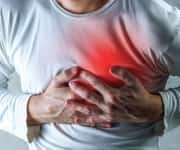
IMAGE TAG 
Stomach acid is required for optimal absorption of nutrients like selenium and magnesium. Aging individuals who don’t supplement with essential nutrients are often deficient. If they take a proton pump inhibitor and don’t supplement, they are at risk for severe nutrient deficiencies.
When the body is deprived of calcium, it robs it from the bones, which results in release of bony constituents that contribute to coronary artery calcification.36,37
The mineral deficit most frequently associated with proton pump inhibitor use is magnesium. Several studies show frank magnesium deficits in response to suppressing stomach acid with proton pump inhibitors.17,18,38
So it should come as no surprise that people who regularly use proton pump inhibitors suffer heart attack rates higher than nonusers.39-41 A recent study found a 1.58-fold greater risk of heart attack amongst proton pump inhibitor users.39
Users of acid-blocking drugs not only suffer magnesium deficiency, but a lack of vitamin B12 causes their homocysteine levels to surge. These twin vascular risk factors help explain the higher risk of heart attack and stroke in long-term proton pump inhibitor users.

Kidney Damage

Scientists grew suspicious of proton pump inhibitors because they can cause acute interstitial nephritis,42-44 a condition in which spaces between the kidney tubules become swollen and interfere with filtration of toxins out of one’s blood.45
A large case-control study published in 2013 revealed that patients presenting with acute kidney failure were more than twice as likely to be using a proton pump inhibitor drug.46 Typically, acute kidney-failure patients recover rapidly after they withdraw from proton pump inhibiting drugs, but it may take up to three months and in some cases require additional therapy.47
Based on data showing proton pump inhibitors create acute kidney problems, researchers at Johns Hopkins University sought to evaluate the impact on a large group of people over a 6-year period.
A total of 10,482 subjects with a mean age of 63 years were selected from a study titled Atherosclerosis Risk in Communities. The study used several forms of analysis to rule out confounding factors that might have caused chronic kidney disease. The findings from this study published in 2016 revealed that regular proton pump inhibitor use was associated with:1
  • 35% increased incidence of chronic kidney disease (time-varying analysis)
  • 45% increased incidence of chronic kidney disease (unadjusted analysis)
  • 50% increased incidence of chronic kidney disease (adjusted analysis that took into account demographic, socioeconomic and clinical variables)
Proton pump inhibitor users were more likely obese and taking antihypertensive medications, which might have increased chronic kidney disease incidences beyond that associated with acid-blocker drugs like Nexium®, Prilosec®, and Prevacid®.
Interestingly, GERD patients who used older drugs like Tagamet® did not show an increase in chronic kidney disease incidence.
A large study published in 2016 confirmed these findings. The study’s authors compared users of proton pump inhibitors (Nexium®, Prevacid®, et al.) to older line drugs like Tagamet® (cimetidine). Patients who took the proton pump inhibitors had a 96% increased risk of developing kidney failure and a 28% increased risk of chronic kidney disease.48
Although we know that hypertension, heart disease, diabetes, and family history are risk factors for kidney disease,49 these findings suggest that proton pump inhibitors are also associated with chronic kidney disease and kidney failure afflicting older individuals.

What GERD Sufferers Should Do
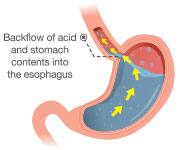
IMAGE TAG 
GERD can be a frustrating, vexing problem. It is not caused by excess stomach acid.
The underlying reason for GERD is failure of the sphincter valve between the stomach and esophagus to properly close. This enables stomach contents that include enzymes, food, drink, bile, and acids to reflux back up into the delicate esophageal lining. The outward symptomatic effect is heartburn. The long term impact can be an increased risk for Barrett’s esophagus, a type of change in the epithelium (lining) of the esophagus which may increase the risk for a type of esophageal cancer.50-52 Though the increase in risk of Barrett’s esophagus is not known with certainty, most medical experts suggest the long-term risk is around 15%-20%, which necessitates an upper endoscopy to assess the esophagus lining every three to five years in chronic GERD sufferers.53-55
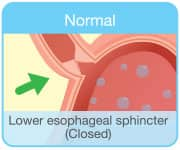
IMAGE TAG 
Lifestyle modifications that can mitigate or eliminate GERD include weight loss, reducing or eliminating caffeine/alcohol/nicotine, reducing meal size, not eating late in the evening, and elevating the head end of one’s bed so that gravity holds down stomach contents that otherwise enter the esophagus while one sleeps.56-61
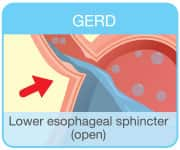
IMAGE TAG 
While these GERD-mitigating steps work reasonably well, few people implement them consistently.
The convenience of taking a proton pump inhibitor to prevent heartburn has resulted in large swaths of the aging population taking this drug every day, but doing nothing to correct the underlying problem causing GERD.
QUOTE FROM STUDY PUBLISHED BY AMERICAN MEDICAL ASSOCIATION
“Chronic kidney disease (CKD) affects approximately 13.6% of adults in the United States, is associated with a substantially increased risk of death and cardiovascular events, and accounts for a disproportionately large burden on the financial resources of Medicare. The increasing prevalence of CKD among communities cannot be fully explained by trends in known risk factors, such as diabetes mellitus and hypertension, suggesting that other variables may contribute to the disease process. Medication use may be a potential factor, particularly given tendencies toward polypharmacy. Identifying iatrogenic risk factors for CKD may help to promote the rational use of medications and reduce the burden of CKD worldwide.”1
Proton Pump Inhibitor Use and the Risk of Chronic Kidney Disease,” JAMA Internal Medicine,February, 2016.

Raft-Forming Alginates

Several years ago, Life Extension® introduced a chewable tablet that, when taken during a meal, forms a temporary protective barrier between the stomach and esophagus to prevent stomach contents from refluxing.
Most users found the chewing of these tablets at mealtime to be inconvenient and did not continue with them. This is somewhat understandable considering how easy it is to pop a 20 mg tablet of Prilosec® (omeprazole) once or twice a day to stop heartburn symptoms from manifesting.
With data mounting about the side effects of long-term use of proton pump inhibitors, those with mild to moderate GERD should consider lifestyle changes and a new approach described in this issue of Life Extension.
Severe GERD sufferers should strike a balance between a less frequent dose of the proton pump inhibitor, once symptoms are resolved, and “on demand” therapy if appropriate.
Lifestyle modifications and occasional use of raft-forming alginates should be considered to give the body a break from chronic proton pump inhibitor use.
Sublingual and/or vitamin B12 injections are recommended for those who continue daily use of proton pump inhibitors (hopefully no more than once a day).

New Chewable Antacid Tablets

The article on page 40 of this issue describes a novel antacid utilizing magnesium, calcium, and licorice extract. This unique formula is designed to neutralize acid in the esophagus and promote movement of stomach contents away from the delicate esophageal lining.
This antacid lozenge can help GERD sufferers reduce or eliminate reliance on proton pump inhibitor drugs.
OUR FRAGILE KIDNEYS
Our Fragile Kidneys
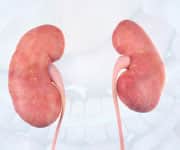
Most people don’t understand the delicate nature of the tiny structures that comprise their kidneys. Even fewer realize that kidney function involves more than merely removing toxic waste from the blood.
The kidneys support water/fluid balance, secrete hormones to make red blood cells, maintain electrolyte levels and regulate blood pressure. They are also involved in maintaining healthier levels of precursors to endothelial nitric oxide.
Every day, our two kidneys filter about 120 to 150 quarts of blood to produce about 1 to 2 quarts of urine.62
Those with chronic kidney disease often have sharply higher homocysteine and C-reactive protein levels that predispose them to a myriad of cardiovascular disorders.
Maintaining youthful kidney function is of utmost importance if one’s goal is to live a long and healthy life. Yet far too little attention is paid to these critical organs. Documented chronic kidney disease risk factors are:
  • Diabetes63-65 and metabolic syndrome66
  • High blood pressure64,67
  • Obesity64,68
  • Toxic medications69,70
Overlooked is the adverse impact that poor dietary patterns and normal aging inflict on the fragile structures (glomeruli) that comprise the filtering units of our kidneys.
Supplemental nutrients that have been shown to protect and support healthy kidney function include coenzyme Q10,71,72 omega-3s oils,73,74 and N-acetylcysteine.75,76

Importance of Blood Tests to Evaluate Kidney Health
IMAGE TAG 
No one should wait for kidney disease to manifest where it may progress toward end-stage renal failure. This is especially important for users of proton pump inhibitors (and pain relieving drugs).
A comprehensive CBC/chemistry blood test evaluates markers of kidney function such as creatinine and blood urea nitrogen.
The safe upper limit for serum creatinine is 1.00 (mg/dL). Any fractional number over this (such as 1.1) raises concern that can signal the need for the most accurate blood test to evaluate kidney function, called cystatin-C.
Cystatin-C is an underutilized blood marker, which is regrettable because it provides a far more accurate indicator of kidney function than the standard kidney tests.77 Optimal levels of cystatin-C are less than 0.91 mg/L. Any result that comes back higher indicates the presence of kidney disease.
If caught in time, cystatin-C levels can be brought back to normal by discontinuing suspected drugs, such as ibuprofen and/or a proton pump inhibitor.
The only factor that impedes routine use of the cystatin-C blood test is its high cost. Commercial labs charge around $200 for it. Life Extension offers the cystatin-C blood test to consumers for $99.
A comprehensive CBC/chemistry blood test that includes dozens of important markers such as glucose, lipids, and blood counts, along with markers of liver and kidney function, can be obtained directly from Life Extension for only $35.
Cystatin-C provides an earlier indicator of kidney impairment than tests like creatinine that are included in the CBC/chemistry panel.
In light of the new findings, long-term users of proton pump inhibitors should consider ordering the cystatin-Cblood test as this provides the earliest warning to cut back or discontinue use of proton pump inhibitor drugs. The CBC/chemistry and/or cystatin-C blood tests can be ordered by calling 1-800-208-3444 or at LifeExtension.com/CBCPlus

Try Reducing Frequency and Dose – “On Demand” Therapy

A number of published papers conclude that Americans are overusing proton pump inhibitor drugs.78-80
The medical literature reveals a dose-response relationship regarding the side effects these drugs induce.1
As reported in the introduction to this article, a recent study has observed increased risks of chronic kidney disease in users of proton pump inhibitors, and the risk may be higher in those who take two doses a day instead of one. Most proton pump inhibitors start to wear off after 12 hours, so by taking only one of these drugs a day, there is at least some restoration of stomach acid production to help better absorb vital nutrients.
Studies dating back 25 years, however, demonstrate that proton pump inhibitors themselves can induce acute interstitial nephritis, which is a condition in which spaces between the kidney tubules become swollen and interfere with filtration of toxins out of one’s blood.81-83
These data should prompt you to consider reducing the dose frequency of your proton pump inhibitor medication to three times per week. Studies that have examined the possibility of intermittent therapy in patients with GERD, however, have been inconsistent as it relates to heartburn relief.
All things considered, an attempt to restrict intake of proton pump inhibitors to “on-demand” dosing, along with the regular use of a novel antacid lozenge described in this issue, may be an effective alternative solution to chronic use of acid-suppressing drugs.

Don’t Be a Victim of Medical Ignorance

IMAGE TAG 
Proton pump inhibitor drugs provide almost immediate relief from heartburn symptoms and can facilitate a cure for esophagitis.
In 2013, more than 15 million Americans were prescribed proton pump inhibitors and many more bought this class of drug over the counter.1,84 Study findings suggest that chronic prescribing of these drugs is not medically indicated in many cases.85 One study found that 27% of long term proton pump inhibitor users could discontinue therapy without encountering symptoms.86
Published studies show consistent associations between use of these acid-blocking drugs and higher risk of chronic kidney disease.42,43,46,48 This disorder has increased in prevalence during a time period that corresponds with widespread use of proton pump inhibitors.1,48
Many GERD sufferers have come to rely on proton pump inhibitors to offset the heartburn-inducing effects of eating large meals, excessive ethanol consumption and carrying too much weight.
Common-sense lifestyle changes can enable those with GERD to reduce or eliminate reliance on proton pump inhibitors.
A preponderance of clinical data indicates that this will beneficially result in a reduction in risks of bone fracture, heart attack, stroke, infections, dementia, and kidney failure.
Blood tests can readily reveal if kidney damage is occurring and provide an early warning to discontinue certain drugs before permanent kidney damage manifests.
Please turn this page to see how easy it is to obtain low-cost blood tests that can help you maintain optimalhealth throughout the New Year.
For longer life,

For Longer Life
William Faloon


Friday, 28 June 2019

Long-term zinc supplementation may help support liver function in liver disease patients

An article appearing on Dec. 7, 2018, in the journal Nutrients reports an association between long-term zinc supplementation and better liver function as well as a lower risk of liver cancer in men and women with liver diseases.
Life Extension
April 9, 2019
The current study included 267 patients with chronic liver diseases, including hepatitis B, hepatitis C, alcohol-associated cirrhosis, nonalcoholic steatohepatitis and autoimmune hepatitis plus primary biliary cholangitis. In the study, 196 participants received zinc, and 71 participants received no zinc supplementation. Liver function and events that included death or the development of liver cancer or liver failure were assessed at least every six months during the study. Subjects were followed for an average of 40 months.
Not surprisingly, plasma zinc levels increased more among participants who received higher doses of zinc while remaining low in the group that did not receive the supplement. While participants who did not receive zinc experienced deterioration in indicators of liver function after three years, no significant changes occurred in the zinc-supplemented group. Additionally, subjects who received zinc had a lower risk of developing hepatocellular carcinoma, the most common type of primary liver cancer in adult patients.
Among participants whose serum zinc concentrations were at least 70 micrograms per deciliter (mcg/dL) at six months, the cumulative incidence rates of events including death, development of liver cancer and appearance of liver failure at three years were significantly lower in comparison with subjects who had lower serum zinc levels. Those whose zinc levels were 90 mcg/dL or higher had an event incidence rate of 0% at three years.
“Zinc plays a pivotal role in various zinc enzymes, which are crucial in the maintenance of liver function,” observe Atsushi Hosui of Osaka-Rosai Hospital in Japan and colleagues. Inadequate dietary intake, impaired absorption and increased urinary excretion of the mineral are among potential mechanisms that decrease zinc levels in those with chronic liver diseases.
“This is the first report to clarify that zinc administration improves liver function and decreases the cumulative incidence of events and the incidence of hepatocellular carcinoma in patients with chronic liver diseases, over the course of long-term follow-up,” the authors announce. “The effectiveness does not depend on the etiology of the chronic liver disease; thus, zinc administration is equally useful for patients with a hepatitis C virus infection, hepatitis B virus infection, nonalcoholic steatohepatitis, or alcohol-related liver diseases. It is necessary to highlight the importance of zinc and to start administering zinc preparations in the clinical setting.”

Apply What You’ve Learned: Zinc

  • People with chronic liver disease aren’t the only ones who may be low in zinc. An estimated 1.1 billion people worldwide are at risk of zinc deficiency due to inadequate intake of the mineral.1
  • Zinc supports healthy skin, hair, immune health and more.2,3 Zinc lozenges are also used to support wellness during the cold and flu season.4
  • A zinc blood test may be the best way of determining whether you are deficient in zinc.
  • Zinc supplements are an easy way to help support healthy zinc levels. Zinc supplements are best consumed with food.
    References
    1. Kumssa DB et al. Sci Rep. 2015 Jun 22;5:10974.
    2. Ogawa Y et al. Nutrients. 2018 Feb 11;10(2).
    3. Wessels I et al. Nutrients. 2017 Nov 25;9(12).
    4. Prasad AS et al. Ann Intern Med. 2000 Aug 15;133(4):245-52.

https://www.lifeextension.com/Newsletter/2019/4/Long-term-zinc-supplementation-may-help-support-liver-function-in-liver-disease-patients/Page-01

Thursday, 27 June 2019

How zinc helps fight esophageal cancer

On September 19, 2017, the journal of the Federation of American Societies for Experimental Biology (The FASEB Journal) published the findings of research that explored the ability of zinc to inhibit the growth of esophageal cancer.

September 29 2017
Life Extension

How zinc helps fight esophageal cancer

While zinc reduced the proliferation of esophageal squamous cell carcinoma lines, the effect was found to be reversible with the administration of a zinc chelator. Normal esophageal epithelial cells were significantly less sensitive to treatment with zinc. 
"Previously we didn't know why the same physiological concentrations of zinc inhibit cancer cell growth but not normal cells,” noted lead researcher Zui Pan, who is an associate professor of nursing at the University of Texas at Arlington’s College of Nursing and Health Innovation. 
“Our study, for the first time to our knowledge, reveals that zinc impedes overactive calcium signals in cancer cells, which is absent in normal cells, and thus zinc selectively inhibits cancer cell growth. It now appears that zinc and calcium can have a cross talk, meaning that they can be linked."
"Zinc deficiency has been found in many cancer patients," Dr Pan added. "Both clinical data and animal studies have shown that this mineral is very important for overall body health and for cancer prevention . . . That's why it is important to have a good diet."
In regard to the current study, Anne Bavier, who is the dean of University of Texas at Arlington's College of Nursing and Health Innovation, commented that "It re-affirms UTA's position as a major player in the global battle against cancer. 
Zui's work on esophageal cancer gets straight to the heart our goal at the College of Nursing and Health Innovation to help solve health problems to build a healthier world."
—D Dye

Zinc Helps Combat Deadly Immunosenescence

Zinc is required by the body for more than 2,000 transcription factors involved in gene expressions of various proteins.What this means in everyday language is that thousands of essential biological functions are dependent on zinc.


March 2014
By Heath Ramsey, Life Extension
How Low-Cost Zinc Helps Combat Deadly Immunosenescence


The medical community has known of zinc deficiency for more than 50 years, but the health imp​act of this crucial mineral has been largely ignored by global health organizations. Extensive scientific inquiry has made it clear that nutritional deficiency of zinc is widely prevalent and its morbidities are severe.1
Overwhelmingly, the elderly are deficient in zinc1. Because zinc governs so many biological functions, a simple zinc deficiency can affect multiple facets of health and development.1 The result is a decline in our body’s vigilant immune system, opening the door for an onslaught of numerous diseases. A zinc deficiency contributes to atherosclerosis, cancer, neurological disorders, autoimmune diseases, and other age-related chronic conditions.2
One target that researchers are focusing on is the fact that a zinc deficiency can cause your immune system to decline, a phenomenon known as immunosenescence. This decline in immunity places older adults at increased risk for a range of almost every serious disease, from infections and cancer.3
Fortunately, supplementing with the proper amount of zinc can provide life-saving benefits against the diseases of aging. Studies have shown that zinc supplementation in the elderly can restore normal function of the killer cells that attack virally-infected and cancerous cells as well as boost the immune system’s anti-aging mechanisms.4-6
Adequate zinc levels have been found to reduce the risk of infection as well as decrease oxidative and inflammatory markers.7
Even if zinc levels are adequate, supplementing with zinc may offer additional protection against cancer. In animals with normal zinc levels, the number of experimentally-induced tumors was 28% lower when the animals were given a modest zinc supplement.8
There is no reason that this readily available and inexpensive mineral should not be an essential component of your personal health program against the dangers of immunosenescence.

Immunosenescence: The Waning Of The Immune System

Zinc deficiency is rampant among older adults. As with so many other essentials, zinc levels decrease with age.9 But that’s only part of the problem.
Another major cause is that people simply don’t get enough of this nutrient on a daily basis. The government’s minimum recommended daily allowance (RDA) of zinc is just 15 mg. Yet 35% to 45% of people older than 60 don’t even get half of that.10-13
Scientists now believe that zinc deficiency plays a direct role in the aging of the immune system, known as immunosenescence.14
In immunosenescence, there’s a decrease in the immune system cells that normally identify and destroy abnormal cells (such as bacteria, virally-infected cells, and cancer cells).15 That leaves older adults increasingly vulnerable to infections and cancers, while making vaccinations less effective as well.16
Immunosenescence also increases the frequency and severity of autoimmune disorders (such as rheumatoid arthritis and lupus), in which the immune system attacks and destroys healthy body tissue.16 In addition, immunosenescence leads to the loss of regulatory control, which adds to the total burden of inflammation in the body, leading to atherosclerosis, osteoporosis, and further heightening the risks of cancer.14,17

Battle Immunosenescence With Zinc

Dual Action Restores Immune Balance  
Immunosenescence is a very complex process that is still being understood by researchers. However, what scientists are now realizing is that the immune system in the elderly is the result of a continuous remodelling process.18 That means it’s possible to fight against this phenomenon of aging—for which zinc is a vital component. There are remarkable similarities between immunosenescence and zinc deficiency, similarities so striking that scientists now believe they can’t be coincidental.19,20
A deficiency in zinc reduces the activity of the thymus gland, which prevents the production of essential “killer” T-cells. This shifts the balance to “suppressor” cells that reduce the immune response.21
Low zinc levels also increase the occurrence of autoimmunity and excessive inflammation (as is seen in immunosenescence).20 Even borderline low levels of zinc can impair immune functioning and decrease the response to vaccinations.19,21 While inadequate zinc is not likely to be the only cause of immunosenescence, it appears to be one of the main contributors.
What this means to you is that by restoring zinc levels to those found in younger people, we may be able to slow immunosenescence and protect ourselves against cancer, infection, autoimmunity, and chronic inflammation.21
Zinc supplementation in the elderly has been shown to confer the following benefits:
  • Restore normal function of the killer cells that go after virally-infected and cancerous cells.4,5
  • Boost the stress response of white blood cells from older adults, providing an immune system anti-aging mechanism.6
  • Boost the immune response to vaccines, which are becoming increasingly vital to protecting older adults from dangerous infections.5,22
  • Improve cellular immunity and increase survival rates in older mice.19,23
Zinc supplementation is so widely recognized as essential to healthy immune system support that it now figures broadly in international health programs aimed at reducing the death tolls from diseases such as severe diarrhea, malaria, and tuberculosis.24-27
WHAT YOU NEED TO KNOW
Guard Immune Health With Zinc

Guard Immune Health With Zinc

  • Immunosenesc​ence, the aging of the immune system, is a major contributor to the higher rates of serious infections and cancers seen in older adults.
  • A major contributor to immunosenescence is falling zinc levels, which occur in a large proportion of people as they age.
  • Zinc deficiency, therefore, is closely related to the risk of infection and cancer, and is also being seen in obese people and those with diabetes.
  • Supplementation with zinc has been shown to enhance the aging immune system’s performance, reducing the risks of infections, cancers, and obesity/diabetes.
  • Zinc deserves a prominent place in your supplement regimen for all of these reasons.

Zinc Battles Infections

Infections, especially those of the respiratory system, are a serious threat to the health of adults over 60 years old. Supplementing with zinc can help lower the risk of these dangerous infections in older adults.
One study showed that a daily 45 mg dose of zinc reduced the incidence of all infections, including those of the respiratory tract, in elderly adults.7 And at a very high dose (80 mg/day), zinc was found to reduce overall deaths by 27% over an median of 6.5 years.28 (Please note: Zinc should not be consumed at doses higher than 90 to 100 mg/day; at those doses it can have a negative effect on immunity and may produce urinary tract symptoms.3,29)
Two specific threats for which zinc has proven effective include pneumonia and influenza.
Pneumonia is one of the leading causes of death in the US for older adults.28 Pneumonia is prevalent in this age group precisely because of immunosenescence, the waning protection against infection. But remember, immunosensecence can be a direct result of zinc deficiency. That helps explain why people with low zinc status are even more likely to get pneumonia and to have a more severe infection, are more likely to need more antibiotics for longer, and are more likely to die from pneumonia, than are people with healthy zinc levels.29
Fortunately, studies show that simply restoring zinc to normal levels helps combat pneumonia, reducing its incidence by as much as 41%, cutting new antibiotic prescriptions nearly in half, and shortening the duration of the illness.30 In a two-year study of nursing home residents, daily supplementation with 20 mg of zinc and 100 micrograms of selenium decreased the average number of respiratory infections compared with patients taking a placebo.31
Another larger study showed that the same doses of zinc and selenium improved antibody production in elderly people after a vaccination against pneumonia-causing germs.32
Zinc has also been found to be beneficial against influenza, another infection that can be especially dangerous for older adults. Influenza virus infection of lung tissue produces rapid destruction of cells through inflammation and apoptosis.33 Zinc has the ability to directly combat these negative effects of influenza.
Lab studies show that zinc supplementation of cells in culture blocks the inflammatory response, shuts down the self-destructive cycle of apoptosis, and reduces the release of new viruses from the fragmented cells.33,34
Human studies confirm these results. Most importantly from a prevention standpoint, supplementation with zinc markedly enhances the response to influenza vaccines among older adults.23,32,35 An increase in anti-influenza antibody occurred in 87% of supplemented people and just 41% of controls. In response to the vaccine, supplemented subjects achieved white blood cell proliferation that was tenfold that of the control group.35
ADDITIONAL BENEFITS OF ZINC
Additional Benefits Of Zinc
Zinc has an impact on a wide variety of diseases. Today we can say with confidence that zinc plays an important role in cardiovascular disease (where it improves lipid profiles),60-66 in neurological disorders and cognition (where it may improve mental performance and decrease the risk of depression),9,67-77 and in preventing age-related macular degeneration, a leading cause of blindness in the elderly.78-83

Support Your Body’s Anti-Cancer Surveillance System

Whether you realize it or not, every one of us experiences dozens of pre-cancerous cell changes daily. The reason we don’t all develop malignancies every day is thanks to the aggressive anti-cancer surveillance by the body’s immune system, particularly the aggressive “natural killer” cells that seek out and destroy abnormal cells.36
Zinc is absolutely essential for this anti-cancer surveillance system to function properly. That’s why, when zinc levels drop, we see a substantially higher rate of cancer, especially in the mouth, esophagus, and stomach.37The tissues of your digestive tract are particularly vulnerable because they’re more exposed to the outside toxins that we ingest.
Restoring your body’s levels of zinc prevents loss of natural killer cell function, reduces the inflammation that promotes cancer, and reduces cancer cells’ ability to grow new blood vessels.36,38-40 As a result, zinc supplementation has been associated with a reduced incidence and/or progression of tongue, esophageal, stomach, and colon cancer in animals with zinc deficiencies.8,37,41-45
Zinc offers additional protection against cancer by starving tumors of the glucose they need to grow and spread. Cancer cells take up glucose at a very high rate compared with non-malignant tissues; that’s presumably because the rapidly-growing tumors have exceptionally high energy requirements.46 Zinc supplements appear to reduce glucose uptake in malignant cells, thus reducing the availability of energy cancer cells need to replicate and progress.46
Zinc is important in cancers outside of the digestive tract as well. The risk of non-Hodgkin’s lymphoma, a common blood cancer, is 42% lower in people with higher levels of zinc compared to those with lower levels.47 And among patients with head and neck cancers, nearly 65% were found to be zinc deficient.39
Prostate cancer is also sensitive to zinc. Normally the prostate contains tenfold the amount of zinc found in other soft tissues, but zinc accumulation in prostate tissue decreases shortly after prostate cancer begins.48Supplementation restores normal prostate zinc levels and reduces levels of a promoter of tumor growth (IGF-1).48 Supplementation also supports natural antioxidant enzymes in the prostate; those enzymes are impaired as the result of high oxidant stresses imposed by growing malignancies.49
Even if your zinc levels are adequate, supplementing with zinc could offer additional protection against cancer. In animals with normal zinc levels, the number of experimentally-induced tumors was 28% lower when the animals were given a modest zinc supplement.8
DIETARY SOURCES OF ZINC10
Dietary Sources Of Zinc

Food
Mg of zinc per serving
Oysters
74.0
Beef chuck roast
7.0
Lobster
3.4
Pork loin
2.9
Baked beans
2.9
Chicken
2.4
Yogurt
1.7
Cashews
1.6

  • Minimum RDA of zinc is 15 mg according to the government. Optimal supplemental doses for aging humans may be five times higher—up to 80 mg daily.86
  • Although it’s possible to get zinc from plant sources, your body can’t utilize it as well because molecules found in breads, cereals, and legumes can bind the zinc and prevent your body from absorbing it.10

Diabetes And Obesity

The science demonstrating zinc’s importance in preventing diabetes and its consequences is so strong that zinc has become widely accepted as an important supplement for those at risk for—and even those already suffering from—diabetes.
In addition, zinc is involved in the synthesis, storage, and release of insulin. Zinc deficiency is associated with insulin resistance, impaired glucose tolerance, and obesity. In a study of obese individuals supplemented with 30 mg zinc for one month, researchers found significant reductions in body weight, body mass index (BMI), and triglycerides.50
Studies show that supplementation with zinc lowers both fasting and after-meal glucose levels and reduces the long-term measure of blood glucose called hemoglobin A1c.51-55 Zinc supplementation also improves insulin sensitivity and lowers insulin levels, a major factor in people with “pre-diabetes” (impaired fasting glucose).56-58
Higher blood levels of zinc are associated with the following:
  • 10 to 15% decrease in the risk of diabetes.
  • 34 to 43% lower risk of glucose intolerance.
  • 12 to 13% reduction in central obesity.
  • 23 to 43% reduction in coronary artery disease.59
In another study, body weight and body mass index decreased following supplementation with 20 mg of zinc.58 That’s particularly important because of the relationships between obesity, high insulin levels, and cancer. Zinc supplementation also markedly improves nerve conduction velocity, a measure of diabetic nerve damage.52
ZINC AND COPPER: A BALANCING ACT
Zinc and Copper: A Balancing Act
Research has shown that higher dosing of supplemental zinc has produced significant benefit.86 However, long-term supplementation of zinc at doses above around 50 mg can interfere with copper bioavailability and result in deficiency of copper.87 High intake of zinc induces the intestinal synthesis of a copper-binding protein called metallothionein.87 Metallothionein traps copper within intestinal cells and prevents its systemic absorption. Copper deficiency can lead to clinical manifestations such as anemia, low levels of neutrophils (the most abundant type of white blood cell), and bone abnormalities, including fractures.88 Low levels of copper can also lead to increased concentration of total cholesterol and LDL cholesterol, reduction of HDL cholesterol, diminished glucose tolerance, and altered cardiac rhythm.88 Individuals supplementing with more than 50 mg of zinc on a chronic basis should consider supplementing with 2 mg of copper daily to address the risk of copper deficiency associated with high zinc ingestion. Short term supplementation of high doses of zinc is unlikely to affect copper distribution in the body.87

Summary

Immunosenescence, the aging of the immune system, is a major contributor to the higher rates of serious infections and cancers seen in older adults. Although immunosenescence was previously thought of as a natural effect of aging, scientists now believe that it could be caused in part by a deficiency in zinc.
That means that something as simple as supplementing with zinc could slow or reverse immunosenescence. Studies show that supplementing with zinc reduces the risk of serious infections such as pneumonia and influenza. Lab studies also demonstrate a remarkable cancer-preventive effect of supplementary zinc. Even the twin scourges of obesity and diabetes show signs of yielding to zinc therapy, with improved measures of blood glucose and reduced body mass, as well as fewer diabetic complications such as nerve and kidney damage.
If you are not taking a zinc supplement today, you should consider it to minimize the impact of immunosenescence on your body.
If you have any questions on the scientific content of this article, please call a Life Extension® Wellness Specialist at 1-866-864-3027.
TABLE: ZINC AND YOUR HEALTH10
A

Health Concern
Impact of Insufficient Zinc
Immune Function
Increased susceptibility to pneumonia and other infections28
Wound Healing
Slow or incomplete wound healing84
Gastrointestinal
Health
Worsening of inflammatory bowel diseases and increased production of inflammatory cytokines85
Vision
Increased risk of age-related macular degeneration (AMD)78-83
Cardiovascular Health
Increased plasma lipids, markers of atherosclerosis62
Cancer
Diminished immune surveillance against cancer cells39
Diabetes
Decreased blood sugar control55
Neurological
and Mental Health
Increased risk of depression; decreased cognitive performance9,77

References

  1. Prasad AS. Zinc deficiency. BMJ. 2003 March 22;326(7386):409–10.
  2. Chasapis CT, Loutsidou AC, Spiliopoulou CA, Stefanidou ME. Zinc and human health: an update. Arch Toxicol. 2012 Apr;86(4):521-34.
  3. Pae M, Meydani SN, Wu D. The role of nutrition in enhancing immunity in aging. Aging Dis. 2012 Feb;3(1):91-129.
  4. Kahmann L, Uciechowski P, Warmuth S, Malavolta M, Mocchegiani E, Rink L. Effect of improved zinc status on T helper cell activation and TH1/TH2 ratio in healthy elderly individuals. Biogerontology. 2006 Oct-Dec;7(5-6):429-35.
  5. Duchateau J, Delepesse G, Vrijens R, Collet H. Beneficial effects of oral zinc supplementation on the immune response of old people. Am J Med. 1981 May;70(5):1001-4.
  6. Putics A, Vodros D, Malavolta M, Mocchegiani E, Csermely P, Soti C. Zinc supplementation boosts the stress response in the elderly: Hsp70 status is linked to zinc availability in peripheral lymphocytes. Exp Gerontol. 2008 May;43(5):452-61.
  7. Prasad AS, Beck FW, Bao B, et al. Zinc supplementation decreases incidence of infections in the elderly: effect of zinc on generation of cytokines and oxidative stress. Am J Clin Nutr. 2007 Mar;85(3):837-44.
  8. Sun J, Liu J, Pan X, et al. Effect of zinc supplementation on N-nitrosomethylbenzylamine-induced forestomach tumor development and progression in tumor suppressor-deficient mouse strains. Carcinogenesis. 2011 Mar;32(3):351-8.
  9. Marcellini F, Giuli C, Papa R, et al. Zinc in elderly people: effects of zinc supplementation on psychological dimensions in dependence of IL-6 -174 polymorphism: a Zincage study. Rejuvenation Res. 2008 Apr;11(2):479-83.
  10. Available at: http://ods.od.nih.gov/factsheets/Zinc-HealthProfessional/. Accessed December 12, 2013
  11. Ervin RB, Kennedy-Stephenson J. Mineral intakes of elderly adult supplement and non-supplement users in the third national health and nutrition examination survey. J Nutr. 2002 Nov;132(11):3422-7.
  12. Mocchegiani E, Romeo J, Malavolta M, et al. Zinc: dietary intake and impact of supplementation on immune function in elderly. Age (Dordr). 2012 Jan 6.
  13. Prasad AS, Fitzgerald JT, Hess JW, Kaplan J, Pelen F, Dardenne M. Zinc deficiency in elderly patients. Nutrition. 1993 May-Jun;9(3):218-24.
  14. Mocchegiani E, Malavolta M, Marcellini F, Pawelec G. Zinc, oxidative stress, genetic background and immunosenescence: implications for healthy ageing. Immun Ageing. 2006;3:6.
  15. Varin A, Larbi A, Dedoussis GV, et al. In vitro and in vivo effects of zinc on cytokine signalling in human T cells. Exp Gerontol. 2008 May;43(5):472-82.
  16. Sidler C, Wóycicki R, Ilnytskyy Y, Metz G, Kovalchuk I, Kovalchuk O. Immunosenescence is associated with altered gene expression and epigenetic regulation in primary and secondary immune organs. Front Genet. 2013 Oct 18;4:211.
  17. Mazzatti DJ, Malavolta M, White AJ, et al. Effects of interleukin-6 -174C/G and metallothionein 1A +647A/C single-nucleotide polymorphisms on zinc-regulated gene expression in ageing. Exp Gerontol. 2008 May;43(5):423-32.
  18. Ongrádi J, Kövesdi V. Factors that may impact on immunosenescence: an appraisal. Immun Ageing. 2010 Jun 14;7:7.
  19. Wong CP, Song Y, Elias VD, Magnusson KR, Ho E. Zinc supplementation increases zinc status and thymopoiesis in aged mice. J Nutr. 2009 Jul;139(7):1393-7.
  20. Haase H, Rink L. The immune system and the impact of zinc during aging. Immun Ageing. 2009;6:9.
  21. Haase H, Mocchegiani E, Rink L. Correlation between zinc status and immune function in the elderly. Biogerontology. 2006 Oct-Dec;7(5-6):421-8.
  22. Ahmed T, Arifuzzaman M, Lebens M, Qadri F, Lundgren A. CD4+ T-cell responses to an oral inactivated cholera vaccine in young children in a cholera endemic country and the enhancing effect of zinc supplementation. Vaccine. 2009 Dec 11;28(2):422-9.
  23. Mocchegiani E, Malavolta M, Muti E, et al. Zinc, metallothioneins and longevity: interrelationships with niacin and selenium. Curr Pharm Des. 2008;14(26):2719-32.
  24. Rao VB, Pelly TF, Gilman RH, et al. Zinc cream and reliability of tuberculosis skin testing. Emerg Infect Dis. 2007 Jul;13(7):1101-4.
  25. Raqib R, Roy SK, Rahman MJ, et al. Effect of zinc supplementation on immune and inflammatory responses in pediatric patients with shigellosis. Am J Clin Nutr. 2004 Mar;79(3):444-50.
  26. Rahman MJ, Sarker P, Roy SK, et al. Effects of zinc supplementation as adjunct therapy on the systemic immune responses in shigellosis. Am J Clin Nutr. 2005 Feb;81(2):495-502.
  27. Zeba AN, Sorgho H, Rouamba N, et al. Major reduction of malaria morbidity with combined vitamin A and zinc supplementation in young children in Burkina Faso: a randomized double blind trial. Nutr J. 2008;7:7.
  28. Barnett JB, Hamer DH, Meydani SN. Low zinc status: a new risk factor for pneumonia in the elderly? Nutr Rev. 2010 Jan;68(1):30-7.
  29. Johnson AR, Munoz A, Gottlieb JL, Jarrard DF. High dose zinc increases hospital admissions due to genitourinary complications. J Urol. 2007 Feb;177(2):639-43.
  30. Fischer Walker C, Black RE. Zinc and the risk for infectious disease. Annu Rev Nutr. 2004;24:255-75.
  31. Girodon F, Lombard M, Galan P, et al. Effect of micronutrient supplementation on infection in institutionalized elderly subjects: a controlled trial. Ann Nutr Metab. 1997;41(2):98-107.
  32. Girodon F, Galan P, Monget AL, et al. Impact of trace elements and vitamin supplementation on immunity and infections in institutionalized elderly patients: a randomized controlled trial. MIN. VIT. AOX. geriatric network. Arch Intern Med. 1999 Apr 12;159(7):748-54.
  33. Onose A, Hashimoto S, Hayashi S, et al. An inhibitory effect of A20 on NF-kappaB activation in airway epithelium upon influenza virus infection. Eur J Pharmacol. 2006 Jul 17;541(3):198-204.
  34. Srivastava V, Rawall S, Vijayan VK, Khanna M. Influenza a virus induced apoptosis: inhibition of DNA laddering & caspase-3 activity by zinc supplementation in cultured HeLa cells. Indian J Med Res. 2009 May;129(5):579-86.
  35. Langkamp-Henken B, Bender BS, Gardner EM, et al. Nutritional formula enhanced immune function and reduced days of symptoms of upper respiratory tract infection in seniors. J Am Geriatr Soc. 2004 Jan;52(1):3-12.
  36. Chowdhury BA, Chandra RK. Effect of zinc administration on cadmium-induced suppression of natural killer cell activity in mice. Immunol Lett. 1989 Oct;22(4):287-91.
  37. Fong LY, Jiang Y, Riley M, et al. Prevention of upper aerodigestive tract cancer in zinc-deficient rodents: inefficacy of genetic or pharmacological disruption of COX-2. Int J Cancer. 2008 Mar 1;122(5):978-89.
  38. Ibs KH, Rink L. Zinc-altered immune function. J Nutr. 2003 May;133(5 Suppl 1):1452S-6S.
  39. Prasad AS. Zinc in human health: effect of zinc on immune cells. Mol Med. 2008 May-Jun;14(5-6):353-7.
  40. Prasad AS, Beck FW, Snell DC, Kucuk O. Zinc in cancer prevention. Nutr Cancer. 2009;61(6):879-87.
  41. Dani V, Goel A, Vaiphei K, Dhawan DK. Chemopreventive potential of zinc in experimentally induced colon carcinogenesis. Toxicol Lett. 2007 Jun 15;171(1-2):10-8.
  42. Malhotra A, Chadha VD, Nair P, Dhawan DK. Role of zinc in modulating histo-architectural and biochemical alterations during dimethylhydrazine (DMH)-induced rat colon carcinogenesis. J Environ Pathol Toxicol Oncol. 2009;28(4):351-9.
  43. Chadha VD, Dhawan DK. Ultrastructural changes in rat colon following 1,2-dimethylhydrazine-induced colon carcinogenesis: protection by zinc. Oncol Res. 2010;19(1):1-11.
  44. Chadha VD, Garg ML, Dhawan D. Influence of extraneous supplementation of zinc on trace elemental profile leading to prevention of dimethylhydrazine-induced colon carcinogenesis. Toxicol Mech Methods. 2010 Oct;20(8):493-7.
  45. Fong LY, Jiang Y, Rawahneh ML, et al. Zinc supplementation suppresses 4-nitroquinoline 1-oxide-induced rat oral carcinogenesis. Carcinogenesis. 2011 Apr;32(4):554-60.
  46. Chadha VD, Dhawan DK. In vitro (1)(4)C-labeled amino acid uptake changes and surface abnormalities in the colon after 1,2-dimethylhydrazine-induced experimental carcinogenesis: protection by zinc. J Environ Pathol Toxicol Oncol. 2011;30(2):103-11.
  47. Kelemen LE, Cerhan JR, Lim U, et al. Vegetables, fruit, and antioxidant-related nutrients and risk of non-Hodgkin lymphoma: a National Cancer Institute-Surveillance, Epidemiology, and End Results population-based case-control study. Am J Clin Nutr. 2006 Jun;83(6):1401-10.
  48. Prasad AS, Mukhtar H, Beck FW, et al. Dietary zinc and prostate cancer in the TRAMP mouse model. J Med Food. 2010 Feb;13(1):70-6.
  49. Banudevi S, Elumalai P, Sharmila G, Arunkumar R, Senthilkumar K, Arunakaran J. Protective effect of zinc on N-methyl-N-nitrosourea and testosterone-induced prostatic intraepithelial neoplasia in the dorsolateral prostate of Sprague Dawley rats. Exp Biol Med (Maywood). 2011 Sep 1;236(9):1012-21.
  50. Payahoo L, Ostadrahimi A, Mobasseri M, et al. Effects of zinc supplementation on the anthropometric measurements, lipid profiles and fasting blood glucose in the healthy obese adults. Adv Pharm Bull.2013;3(1):161-5.
  51. Al-Maroof RA, Al-Sharbatti SS. Serum zinc levels in diabetic patients and effect of zinc supplementation on glycemic control of type 2 diabetics. Saudi Med J. 2006 Mar;27(3):344-50.
  52. Gupta R, Garg VK, Mathur DK, Goyal RK. Oral zinc therapy in diabetic neuropathy. J Assoc Physicians India. 1998 Nov;46(11):939-42.
  53. Gunasekara P, Hettiarachchi M, Liyanage C, Lekamwasam S. Effects of zinc and multimineral vitamin supplementation on glycemic and lipid control in adult diabetes. Diabetes Metab Syndr Obes. 2011;4:53-60.
  54. Capdor J, Foster M, Petocz P, Samman S. Zinc and glycemic control: A meta-analysis of randomised placebo controlled supplementation trials in humans. J Trace Elem Med Biol. 2012 Nov 5.
  55. Jayawardena R, Ranasinghe P, Galappatthy P, Malkanthi R, Constantine G, Katulanda P. Effects of zinc supplementation on diabetes mellitus: a systematic review and meta-analysis. Diabetol Metab Syndr. 2012;4(1):13.
  56. Marreiro DN, Geloneze B, Tambascia MA, Lerario AC, Halpern A, Cozzolino SM. Effect of zinc supplementation on serum leptin levels and insulin resistance of obese women. Biol Trace Elem Res. 2006 Aug;112(2):109-18.
  57. Hashemipour M, Kelishadi R, Shapouri J, et al. Effect of zinc supplementation on insulin resistance and components of the metabolic syndrome in prepubertal obese children. Hormones (Athens). 2009 Oct-Dec;8(4):279-85.
  58. Kelishadi R, Hashemipour M, Adeli K, et al. Effect of zinc supplementation on markers of insulin resistance, oxidative stress, and inflammation among prepubescent children with metabolic syndrome. Metab Syndr Relat Disord. 2010 Dec;8(6):505-10.
  59. Singh RB, Niaz MA, Rastogi SS, Bajaj S, Gaoli Z, Shoumin Z. Current zinc intake and risk of diabetes and coronary artery disease and factors associated with insulin resistance in rural and urban populations of North India. J Am Coll Nutr. 1998 Dec;17(6):564-70.
  60. Cortese MM, Suschek CV, Wetzel W, Kroncke KD, Kolb-Bachofen V. Zinc protects endothelial cells from hydrogen peroxide via Nrf2-dependent stimulation of glutathione biosynthesis. Free Radic Biol Med. 2008 Jun 15;44(12):2002-12.
  61. Foster M, Samman S. Zinc and regulation of inflammatory cytokines: implications for cardiometabolic disease. Nutrients. 2012 Jul;4(7):676-94.
  62. Reiterer G, MacDonald R, Browning JD, et al. Zinc deficiency increases plasma lipids and atherosclerotic markers in LDL-receptor-deficient mice. J Nutr. 2005 Sep;135(9):2114-8.
  63. Shen H, Arzuaga X, Toborek M, Hennig B. Zinc nutritional status modulates expression of ahr-responsive p450 enzymes in vascular endothelial cells. Environ Toxicol Pharmacol. 2008 Mar;25(2):197-201.
  64. Shen H, Oesterling E, Stromberg A, Toborek M, MacDonald R, Hennig B. Zinc deficiency induces vascular pro-inflammatory parameters associated with NF-kappaB and PPAR signaling. J Am Coll Nutr. 2008 Oct;27(5):577-87.
  65. Wang J, Song Y, Elsherif L, et al. Cardiac metallothionein induction plays the major role in the prevention of diabetic cardiomyopathy by zinc supplementation. Circulation. 2006 Jan 31;113(4):544-54.
  66. Wang L, Zhou Z, Saari JT, Kang YJ. Alcohol-induced myocardial fibrosis in metallothionein-null mice: prevention by zinc supplementation. Am J Pathol. 2005 Aug;167(2):337-44.
  67. Ashworth A, Morris SS, Lira PI, Grantham-McGregor SM. Zinc supplementation, mental development and behaviour in low birth weight term infants in northeast Brazil. Eur J Clin Nutr. 1998 Mar;52(3):223-7.
  68. Brewer GJ. Copper excess, zinc deficiency, and cognition loss in Alzheimer’s disease. Biofactors. 2012 Mar-Apr;38(2):107-13.
  69. Cope EC, Morris DR, Scrimgeour AG, Levenson CW. Use of zinc as a treatment for traumatic brain injury in the rat: effects on cognitive and behavioral outcomes. Neurorehabil Neural Repair. 2012 Sep;26(7):907-13.
  70. Cope EC, Morris DR, Scrimgeour AG, VanLandingham JW, Levenson CW. Zinc supplementation provides behavioral resiliency in a rat model of traumatic brain injury. Physiol Behav. 2011 Oct 24;104(5):942-7.
  71. Corona C, Masciopinto F, Silvestri E, et al. Dietary zinc supplementation of 3xTg-AD mice increases BDNF levels and prevents cognitive deficits as well as mitochondrial dysfunction. Cell Death Dis. 2010;1:e91.
  72. Maylor EA, Simpson EE, Secker DL, et al. Effects of zinc supplementation on cognitive function in healthy middle-aged and older adults: the ZENITH study. Br J Nutr. 2006 Oct;96(4):752-60.
  73. Merialdi M, Caulfield LE, Zavaleta N, Figueroa A, DiPietro JA. Adding zinc to prenatal iron and folate tablets improves fetal neurobehavioral development. Am J Obstet Gynecol. 1999 Feb;180(2 Pt 1):483-90.
  74. Saini N, Schaffner W. Zinc supplement greatly improves the condition of parkin mutant Drosophila. Biol Chem. 2010 May;391(5):513-8.
  75. Summers BL, Henry CM, Rofe AM, Coyle P. Dietary zinc supplementation during pregnancy prevents spatial and object recognition memory impairments caused by early prenatal ethanol exposure. Behav Brain Res. 2008 Jan 25;186(2):230-8.
  76. Szewczyk B, Kubera M, Nowak G. The role of zinc in neurodegenerative inflammatory pathways in depression. Prog Neuropsychopharmacol Biol Psychiatry. 2011 Apr 29;35(3):693-701.
  77. Tupe RP, Chiplonkar SA. Zinc supplementation improved cognitive performance and taste acuity in Indian adolescent girls. J Am Coll Nutr. 2009 Aug;28(4):388-96.
  78. Evans JR, Lawrenson JG. Antioxidant vitamin and mineral supplements for slowing the progression of age-related macular degeneration. Cochrane Database Syst Rev. 2012;11:CD000254.
  79. Hyman L, Neborsky R. Risk factors for age-related macular degeneration: an update. Curr Opin Ophthalmol. 2002 Jun;13(3):171-5.
  80. Kokkinou D, Kasper HU, Bartz-Schmidt KU, Schraermeyer U. The pigmentation of human iris influences the uptake and storing of zinc. Pigment Cell Res. 2004 Oct;17(5):515-8.
  81. Moriarty-Craige SE, Ha KN, Sternberg P, Jr., et al. Effects of long-term zinc supplementation on plasma thiol metabolites and redox status in patients with age-related macular degeneration. Am J Ophthalmol. 2007 Feb;143(2):206-11.
  82. Siepmann M, Spank S, Kluge A, Schappach A, Kirch W. The pharmacokinetics of zinc from zinc gluconate: a comparison with zinc oxide in healthy men. Int J Clin Pharmacol Ther. 2005 Dec;43(12):562-5.
  83. Wood JP, Osborne NN. Zinc and energy requirements in induction of oxidative stress to retinal pigmented epithelial cells. Neurochem Res. 2003 Oct;28(10):1525-33.
  84. Agren MS. Studies on zinc in wound healing. Acta Derm Venereol Suppl (Stockh). 1990;154:1-36.
  85. Suwendi E, Iwaya H, Lee JS, Hara H, Ishizuka S. Zinc deficiency induces dysregulation of cytokine productions in an experimental colitis of rats. Biomed Res. 2012 Dec;33(6):329-36.
  86. Age-Related Eye Disease Study Research Group. A randomized, placebo-controlled, clinical trial of high-dose supplementation with vitamins C and E, beta carotene, and zinc for age-related macular degeneration and vision loss: AREDS report no. 8. Arch Ophthalmol. 2001 Oct;119(10):1417-36.
  87. Available at: http://lpi.oregonstate.edu/infocenter/minerals/zinc/. Accessed December 19, 2013.
  88. Uauy R, Olivares M, Gonzalez M. Essentiality of copper in humans. Am J Clin Nutr. 1998 May;67(5 Suppl):952S-9S.

https://www.lifeextension.com/Magazine/2014/3/Getting-Back-To-Basics-How-Low-Cost-Zinc-Helps-Combat-Deadly-Immunosenescence/Page-01


Zinc deficiency

From Wikipedia, the free encyclopedia
Jump to navigationJump to search
Zinc deficiency
Zn-TableImage.svg
Zinc
SpecialtyEndocrinology Edit this on Wikidata
Zinc deficiency is defined either as insufficient zinc to meet the needs of the body, or as a serum zinc level below the normal range. However, since a decrease in the serum concentration is only detectable after long-term or severe depletion, serum zinc is not a reliable biomarker for zinc status.[1] Common symptoms include increased rates of diarrhea. Zinc deficiency affects the skin and gastrointestinal tract; brain and central nervous system, immune, skeletal, and reproductive systems.
Zinc deficiency in humans is caused by reduced dietary intake, inadequate absorption, increased loss, or increased body system utilization. The most common cause is reduced dietary intake. In the U.S., the Recommended Dietary Allowance (RDA) is 8 mg/day for women and 11 mg/day for men.[2]
The highest concentration of dietary zinc is found in oysters, meat, beans, and nuts. Increasing the amount of zinc in the soil and thus in crops and animals is an effective preventive measure. Zinc deficiency may affect up to 2 billion people worldwide.[3]

Signs and symptoms[edit]

Skin, nails and hair[edit]

Zinc deficiency may manifest as acne,[4] eczemaxerosis (dry, scaling skin), seborrheic dermatitis,[5] or alopecia (thin and sparse hair).[5][6] It may also impair or possibly prevent wound healing.[6]

Mouth[edit]

Zinc deficiency can manifest as non-specific oral ulcerationstomatitis, or white tongue coating.[5] Rarely it can cause angular cheilitis (sores at the corners of the mouth)[7].

Vision, smell and taste[edit]

Severe zinc deficiency may disturb the sense of smell[6] and taste.[8][9][10][11][12][13] Night blindness may be a feature of severe zinc deficiency,[6] although most reports of night blindness and abnormal dark adaptation in humans with zinc deficiency have occurred in combination with other nutritional deficiencies (e.g. vitamin A).[14]

Immune system[edit]

Impaired immune function in people with zinc deficiency can lead to the development of respiratory, gastrointestinal, or other infections, e.g., pneumonia.[6][15][16] The levels of inflammatory cytokines (e.g., IL-1βIL-2IL-6, and TNF-α) in blood plasma are affected by zinc deficiency and zinc supplementation produces a dose-dependent response in the level of these cytokines.[17] During inflammation, there is an increased cellular demand for zinc and impaired zinc homeostasis from zinc deficiency is associated with chronic inflammation.[17]

Diarrhea[edit]

Zinc deficiency contributes to an increased incidence and severity of diarrhea.[15][16]

Appetite[edit]

Zinc deficiency may lead to loss of appetite.[18] The use of zinc in the treatment of anorexia has been advocated since 1979 by Bakan. At least 15 clinical trials have shown that zinc improved weight gain in anorexia. A 1994 trial showed that zinc doubled the rate of body mass increase in the treatment of anorexia nervosa. Deficiency of other nutrients such as tyrosine, tryptophan and thiamine could contribute to this phenomenon of "malnutrition-induced malnutrition".[19]

Cognitive function and hedonic tone[edit]

Cognitive functions, such as learning and hedonic tone, are impaired with zinc deficiency.[3][20] Moderate and more severe zinc deficiencies are associated with behavioral abnormalities, such as irritability, lethargy, and depression (e.g., involving anhedonia).[21] Zinc supplementation produces a rapid and dramatic improvement in hedonic tone (i.e., general level of happiness or pleasure) under these circumstances.[21] Zinc supplementation has been reported to improve symptoms of ADHD and depression.[3][22][23]

Psychological disorders[edit]

Low plasma zinc levels have been alleged to be associated with many psychological disorders. Schizophrenics linked to decreased brain zinc levels.[24] Evidence suggests that zinc deficiency could play a role in depression.[24][25][26] Zinc supplementation may be an effective treatment in major depression.[27][28]

Growth[edit]

Zinc deficiency in children can cause delayed growth[5] and has been claimed to be the cause of stunted growth in one third of the world's population.[29]

During pregnancy[edit]

Zinc deficiency during pregnancy can negatively affect both the mother and fetus. Animal studies indicate that maternal zinc deficiency can upset both the sequencing and efficiency of the birth process. An increased incidence of difficult and prolonged labor, hemorrhage, uterine dystocia and placental abruption has been documented in zinc deficient animals.[30] These effects may be mediated by the defective functioning of estrogen via the estrogen receptor, which contains a zinc finger protein.[30] A review of pregnancy outcomes in women with acrodermatitis enteropathica, reported that out of every seven pregnancies, there was one abortion and two malfunctions, suggesting the human fetus is also susceptible to the teratogenic effects of severe zinc deficiency. However, a review on zinc supplementation trials during pregnancy did not report a significant effect of zinc supplementation on neonatal survival.[30]
Zinc deficiency can interfere with many metabolic processes when it occurs during infancy and childhood, a time of rapid growth and development when nutritional needs are high.[31] Low maternal zinc status has been associated with less attention during the neonatal period and worse motor functioning.[32] In some studies, supplementation has been associated with motor development in very low birth weight infants and more vigorous and functional activity in infants and toddlers.[32]

Testosterone production[edit]

Zinc is required to produce testosterone. Thus, zinc deficiency can lead to reduced circulating testosterone, which could lead to sexual immaturity (Ananda Parsad, et al) hypogonadism, and delayed puberty.[5]

Causes[edit]

Dietary deficiency[edit]

Zinc deficiency can be caused by a diet high in phytate-containing whole grains, foods grown in zinc deficient soil, or processed foods containing little or no zinc.[33][34] Conservative estimates suggest that 25% of the world's population is at risk of zinc deficiency.[35]
In the U.S., the Recommended Dietary Allowance (RDA) is 8 mg/day for women and 11 mg/day for men. RDA for pregnancy is 11 mg/day. RDA for lactation is 12 mg/day. For infants up to 12 months the RDA is 3 mg/day. For children ages 1–13 years the RDA increases with age from 3 to 8 mg/day.[2] The following table summarizes most of the foods with significant quantities of zinc, listed in order of quantity per serving, unfortified.[36] Note that all of the top 10 entries are meat, beans, or nuts.
Foodmg in one servingPercentage of 15 mg recommended daily intake (before the 2020 reduction to 11 mg)
Oysters, cooked, breaded and fried, 3 ounces (about 5 average sized oysters)74.0493%
Beef chuck roast, braised, 3 ounces7.047%
Crab, Alaska king, cooked, 3 ounces6.543%
Beef patty, broiled, 3 ounces5.335%
Cashews, dry roasted, 3 ounces4.833%
Lobster, cooked, 3 ounces3.423%
Pork chop, loin, cooked, 3 ounces2.919%
Baked beans, canned, plain or vegetarian, ½ cup2.919%
Almonds, dry roasted, 3 ounces2.718%
Chicken, dark meat, cooked, 3 ounces2.416%
Yogurt, fruit, low fat, 8 ounces1.715%
Shredded wheat, unfortified, 1 cup[37]1.510%
Chickpeas, cooked, ½ cup1.39%
Cheese, Swiss, 1 ounce1.28%
Oatmeal, instant, plain, prepared with water, 1 packet1.17%
Milk, low-fat or non fat, 1 cup1.07%
Kidney beans, cooked, ½ cup0.96%
Chicken breast, roasted, skin removed, ½ breast0.96%
Cheese, cheddar or mozzarella, 1 ounce0.96%
Peas, green, frozen, cooked, ½ cup0.53%
Flounder or sole, cooked, 3 ounces0.32%

Inadequate absorption[edit]

Acrodermatitis enteropathica is an inherited deficiency of the zinc carrier protein ZIP4 resulting in inadequate zinc absorption.[6] It presents as growth retardation, severe diarrhea, hair loss, skin rash (most often around the genitalia and mouth) and opportunistic candidiasis and bacterial infections.[6]
Numerous small bowel diseases which cause destruction or malfunction of the gut mucosa enterocytes and generalized malabsorption are associated with zinc deficiency.[citation needed]

Increased loss[edit]

Exercising, high alcohol intake, and diarrhea all increase loss of zinc from the body.[5][38] Changes in intestinal tract absorbability and permeability due, in part, to viral, protozoal, or bacteria pathogens may also encourage fecal losses of zinc.[39]

Chronic disease[edit]

The mechanism of zinc deficiency in some diseases has not been well defined; it may be multifactorial.
Wilson's disease, sickle cell disease, chronic kidney disease, chronic liver disease have all been associated with zinc deficiency.[40][41] It can also occur after bariatric surgery, mercury exposure[42][43] and tartrazine.[citation needed]
Although marginal zinc deficiency is often found in depression, low zinc levels could either be a cause or a consequence of mental disorders and their symptoms. [25]

Mechanism[edit]

As biosystems are unable to store zinc, regular intake is necessary. Excessively low zinc intake can lead to zinc deficiency, which can negatively impact an individual's health.[44] The mechanisms for the clinical manifestations of zinc deficiency are best appreciated by recognizing that zinc functions in the body in three areas: catalytic, structural, and regulatory.[2][45] Zinc (Zn) is only common in its +2 oxidative state, where it typically coordinates with tetrahedral geometry. It is important in maintaining basic cellular functions such as DNA replicationRNA transcriptioncell division and cell activations. However, having too much or too little zinc can cause these functions to be compromised.
In its catalytic role, zinc is a critical component of the catalytic site of hundreds of kinds of different metalloenzymes in each human being. In its structural role, zinc coordinates with certain protein domains, facilitating protein folding and producing structures such as ‘zinc fingers’. In its regulatory role, zinc is involved in the regulation of nucleoproteins and the activity of various inflammatory cells. For example, zinc regulates the expression of metallothionein, which has multiple functions, such as intracellular zinc compartmentalization[46]and antioxidant function.[47][48] Thus zinc deficiency results in disruption of hundreds of metabolic pathways, causing numerous clinical manifestations, including impaired growth and development, and disruption of reproductive and immune function.[5][49][50]
Pra1 (pH regulated antigen 1) is a candida albicans protein that scavenges host zinc.[51]

Diagnosis[edit]

Classification[edit]

Zinc deficiency can be classified as acute, as may occur during prolonged inappropriate zinc-free total parenteral nutrition; or chronic, as may occur in dietary deficiency or inadequate absorption.[29]

Prevention[edit]

Zinc gluconate tablets
Five interventional strategies can be used:
  • Adding zinc to soil, called agronomic biofortification, which both increases crop yields and provides more dietary zinc.
  • Adding zinc to food, called food fortification. The Republic of China, India, Mexico and about 20 other countries, mostly on the east coast of sub-Saharan Africa, fortify wheat flour and/or maize flour with zinc.[52]
  • Adding zinc rich foods to diet. The foods with the highest concentration of zinc are proteins, especially animal meats, the highest being oysters.[5] Per ounce, beef, pork, and lamb contain more zinc than fish. The dark meat of a chicken has more zinc than the light meat. Other good sources of zinc are nuts, whole grains, legumes, and yeast.[53] Although whole grains and cereals are high in zinc, they also contain chelating phytates which bind zinc and reduce its bioavailability.[5]
  • Oral repletion via tablets (e.g. zinc gluconate) or liquid (e.g. zinc acetate). Oral zinc supplementation in healthy infants more than six months old has been shown to reduce the duration of any subsequent diarrheal episodes by about 11 hours.[54]
  • Oral repletion via multivitamin/mineral supplements containing zinc gluconate, sulfate, or acetate. It is not clear whether one form is better than another.[53]

Epidemiology[edit]

Zinc deficiency affects about 2.2 billion people around the world.[3] Severe zinc deficiency is rare, and is mainly seen in persons with acrodermatitis enteropathica, a severe defect in zinc absorption due to a congenital deficiency in the zinc carrier protein ZIP4 in the enterocyte.[5] Mild zinc deficiency due to reduced dietary intake is common.[5] Conservative estimates suggest that 25% of the world's population is at risk of zinc deficiency.[35] Zinc deficiency is thought to be a leading cause of infant mortality.[citation needed]
Providing micronutrients, including zinc, to humans is one of the four solutions to major global problems identified in the Copenhagen Consensus from an international panel of economists.[55]

History[edit]

Significant historical events related to zinc deficiency began in 1869 when zinc was first discovered to be essential to the growth of an organism (Aspergillus Niger).[56] In 1929 Lutz measured zinc in numerous human tissues using the dithizone technique and estimated total body zinc in a 70 kg man to be 2.2 grams. Zinc was found to be essential to the growth of rats in 1933.[57] In 1939 beriberi patients in China were noted to have decreased zinc levels in skin and nails. In 1940 zinc levels in a series of autopsies found it to be present in all tissues examined. In 1942 a study showed most zinc excretion was via the feces. In 1950 a normal serum zinc level was first defined, and found to be 17.3–22.1 micromoles/liter. In 1956 cirrhotic patients were found to have low serum zinc levels. In 1963 zinc was determined to be essential to human growth, three enzymes requiring zinc as a cofactor were described, and a report was published of a 21-year-old Iranian man with stunted growth, infantile genitalia, and anemia which were all reversed by zinc supplementation.[58] In 1972 fifteen Iranian rejected army inductees with symptoms of zinc deficiency were reported: all responded to zinc. In 1973 the first case of acrodermatitis enteropathica due to severe zinc deficiency was described. In 1974 the National Academy of Sciences declared zinc to be an essential element for humans and established a recommended daily allowance. In 1978 the Food and Drug Administration required zinc to be in total parenteral nutrition fluids. In the 1990s there was increasing attention on the role of zinc deficiency in childhood morbidity and mortality in developing countries.[59] In 2002 the zinc transporter protein ZIP4 was first identified as the mechanism for absorption of zinc in the gut across the basolateral membrane of the enterocyte. By 2014 over 300 zinc containing enzymes have been identified, as well as over 1000 zinc containing transcription factors.[citation needed]
Phytate was recognized as removing zinc from nutrients given to chicken and swine in 1960. That it can cause human zinc deficiency however was not recognized until Reinhold's work in Iran in the 1970s. This phenomenon is central to the high risk of zinc deficiency worldwide.[60]

Soils and crops[edit]

Soil zinc is an essential micronutrient for crops. Almost half of the world's cereal crops are deficient in zinc, leading to poor crop yields.[61] Many agricultural countries around the world are affected by zinc deficiency.[62] In China, zinc deficiency occurs on around half of the agricultural soils, affecting mainly rice and maize. Areas with zinc deficient soils are often regions with widespread zinc deficiency in humans. A basic knowledge of the dynamics of zinc in soils, understanding of the uptake and transport of zinc in crops and characterizing the response of crops to zinc deficiency are essential steps in achieving sustainable solutions to the problem of zinc deficiency in crops and humans.[63]

Biofortification[edit]

Soil and foliar application of zinc fertilizer can effectively increase grain zinc and reduce the phytate:zinc ratio in grain.[64][65] People who eat bread prepared from zinc enriched wheat have a significant increase in serum zinc.[citation needed]
Zinc fertilization not only increases zinc content in zinc deficient crops, it also increases crop yields.[63] Balanced crop nutrition supplying all essential nutrients, including zinc, is a cost effective management strategy. Even with zinc-efficient varieties, zinc fertilizers are needed when the available zinc in the topsoil becomes depleted.
Plant breeding can improve zinc uptake capacity of plants under soil conditions with low chemical availability of zinc. Breeding can also improve zinc translocation which elevates zinc content in edible crop parts as opposed to the rest of the plant.
Central Anatolia, in Turkey, was a region with zinc-deficient soils and widespread zinc deficiency in humans. In 1993, a research project found that yields could be increased by 6 to 8-fold and child nutrition dramatically increased through zinc fertilization.[66] Zinc was added to fertilizers. While the product was initially made available at the same cost, the results were so convincing that Turkish farmers significantly increased the use of the zinc-fortified fertilizer (1 percent of zinc) within a few years, despite the repricing of the products to reflect the added value of the content. Nearly ten years after the identification of the zinc deficiency problem, the total amount of zinc-containing compound fertilizers produced and applied in Turkey reached a record level of 300,000 tonnes per annum. It is estimated that the economic benefits associated with the application of zinc fertilizers on zinc deficient soils in Turkey is around US$100 million per year. Zinc deficiency in children has been dramatically reduced.

https://en.wikipedia.org/wiki/Zinc_deficiency