Pages

Showing posts with label Insomnia. Show all posts

Tuesday, 17 April 2018

Tips and advice on the best way to eliminate insomnia

What is the best way to eliminate insomnia? Although sleep medications may be useful when you have occasional trouble sleeping, they aren’t meant for long-term use.
Tips and advice on the best way to eliminate insomnia
Minimise the amount of time you spend in bed awake in order to teach your brain
to associate your bed with sleep.

A better approach is to change your behaviours to cultivate quality sleep. An evaluation with your healthcare provider to check for underlying issues that could be negatively affecting your sleep could also be valuable.
Insomnia is defined as having problems getting to sleep or staying asleep three nights a week or more for at least three months. When dealing with insomnia, it’s important to rule out medical issues that could be driving it.
For example, restless leg syndrome and sleep apnoea are two common problems that can lead to insomnia.
Some medications can also cause sleep problems. See your healthcare provider to review any medications you take, and investigate whether a medical condition could be contributing to your sleeplessness.
If an evaluation doesn’t reveal an underlying cause of insomnia, you may benefit from behavioural changes. These changes get your brain to associate your bed and night-time with sleep.
First, establish a bedtime routine. For example, about 30 to 60 minutes before you go to bed, turn the lights low. Turn off the TV and other electronic devices. Brush your teeth and wash your face. Change into pajamas and get into bed. A consistent routine each night gives your brain clear signals that sleep is coming.
Second, reduce the amount of wakeful time you spend in bed. If you get into bed and don’t fall asleep within 15 to 20 minutes, get up and go to another room.
Keep your surroundings quiet and dimly lit. Don’t turn on the TV or other electronic devices. That will wake up your brain, rather than getting it ready for sleep. Instead, do some light reading, listen to quiet music or engage in relaxation techniques. Perform these activities sitting up, rather than lying down.
When your eyes get heavy and your head starts to bob, get back into bed. Don’t go back to bed when you’re just feeling tired. Wait until you’re sleepy. If you can’t sleep once you get into bed, or if you wake up again and cannot fall back to sleep within 15 to 20 minutes, repeat the cycle.
By minimising the amount of time you spend in bed awake, you’re teaching your brain to associate your bed with sleep.
Sometimes, people think it’s a good idea to be in bed at night – even if they are not sleeping – because they are getting some rest. But that conditions your brain to associate being in bed at night with being awake – the opposite of what you want.
Another way to condition your brain to associate your bed with sleep is to avoid other activities in your bedroom. Don’t read, watch TV or spend much time in your bedroom during the day.
When your alarm goes off, get up, start your morning routine and get out of the bedroom as soon as possible. Do this even when you haven’t slept well. Dozing in bed between snooze alarms won’t provide quality sleep, and it reinforces poor sleep patterns.
Also, pay attention to other health habits. Sometimes when you are not sleeping well and feel tired the next day, you’ll increase your caffeine intake. While this may help you during the day, it can complicate sleep at night.
Work to reduce or eliminate caffeine in your diet. If you continue to use caffeine, consider gradually reducing the amount over time or try switching to half-caffeinated beverages. It is also a good rule of thumb not to consume caffeinated drinks after 3pm, or six to eight hours before bedtime.
Finally, don’t rely on sleep medication to cure insomnia. Prescription and non-prescription sleep medications are only intended for occasional, short-term use – typically no longer than four to five weeks at the most. Over longer periods of time, these medications can contribute to sleep problems and lower the quality of your sleep.
If you continue to have insomnia after trying behaviour modification for several weeks, talk to your healthcare provider or consider consulting with a healthcare provider who specialises in sleep disorders. – Mayo Clinic News Network/Tribune News Service

Read more at https://www.star2.com/health/2018/04/17/what-to-do-when-you-cant-sleep

Friday, 14 July 2017

4 drugs that can give you dementia

If it’s not shocking enough that dementia kills more people than breast and prostate cancer combined, how about this… You may be taking a common medication right now that increases your risk of developing dementia by as much as 54 percent!

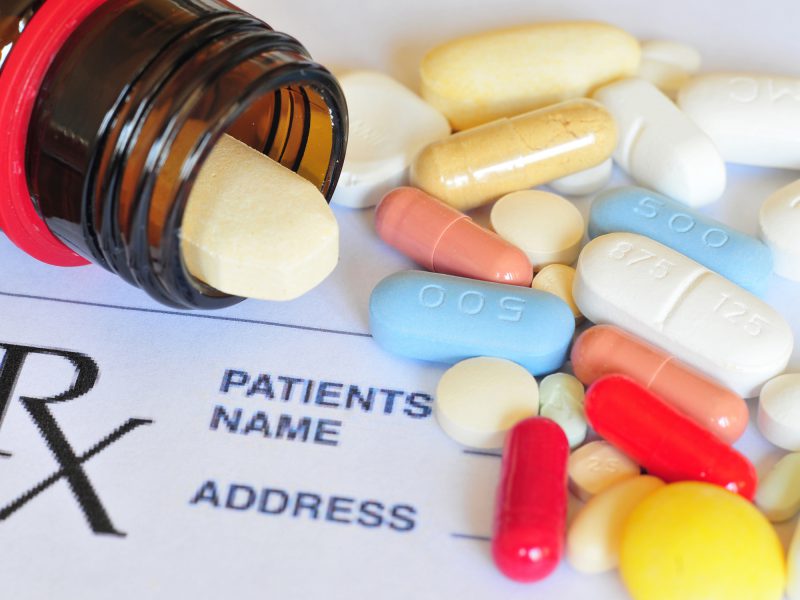
Prescription pills

Jedha Dening

You may be taking a common medication right now that increases your risk of developing dementia by as much as 54 percent!
To date, a few studies have raised a number of medications into the dementia-causing spotlight. You may want to take this list and have a look in your medicine cabinet…

Oxybutynin (Ditropan XL, Urotrol) for bladder control

In the past five years, these bladder antimuscarinic drugs, prescribed for the treatment of urinary incontinence, have increased in usage by 31 percent. Researchers suggest there are other options but physicians turn to this drug because it’s a cheaper option. And it seems, at your expense…
Researchers discovered that those taking it for more than three years had a significantly increased risk of dementia.
What can you do for bladder control instead?
I’ve previously covered the use of pumpkin seed extract and Kegel exercises for bladder issues, two natural options with proven effectiveness.

Diphenhydramine (Benadryl) for allergies and colds

Reaching for those antihistamines to address your seasonal allergies — sneezing, runny nose, watery eyes, hives, skin rash, itching, and other cold symptoms — may have seemed like a good idea before now. However, this commonly used medication is in the same class as all those listed here and may increase your dementia risk.
Next time you suffer allergies try these 7 foods and optimize your health with these tipsfrom my colleague Dr. Isaac Eliaz.

Tricyclic antidepressants

Some popular medications in this group include:
  • Amitriptyline (Elavil, Endep)
  • Clomipramine (Anafranil)
  • Imipramine (Tofranil)
  • Trimipramine (Surmontil)
  • Doxepin (Sinequan, Adapin)
Taking antidepressants may be useful for those with severe clinical depression. However, there are other alternatives to tricyclic antidepressants. And since these have been shown to increase risk of dementia, discussing alternatives with your physician is a great idea.
Since antidepressants are not all that useful to most people, consider trying proven alternatives. My colleague Dr. Mark Wiley has previously covered several natural methods for treating depression.

Doxepin hydrochloride (Silenor) for insomnia

If you have trouble staying asleep, your physician may prescribe you doxepin hydrochloride. But if you’re a regular user of a dosage around 10 mg per day and continue to do that for three years, your risk of dementia can skyrocket.
All of these medications are classed in the category of ‘anticholinergic’ medications and have an average usage between 8 to 37 percent. It’s not unknown that these meds cause immediate cognitive effects such as altered attention, changes to working memory, and slower cognitive speed. But when following your physician’s advice, you probably don’t expect to up your risk of dementia by more than 50 percent.
Unfortunately there are too many drugs to list here… but you can learn about other prescriptions for amnesia and brain robbery that my colleague Margaret Cantwell wrote about, including Xanax and Lipitor to name a few.
Editor’s note: There’s one more drug that could be stealthily stealing your mind and your memories… and the reason you take it is based on a myth that has helped big pharma rake in billions! To learn more about how mainstream medicine is robbing you of a vitally important brain nutrient, click here to read this urgent report!
Sources:
  1. 2017 Alzheimer’s Disease Facts and Figures — Alzheimer’s Association. Retrieved 2 June, 2017
  2. Gray SL, et al. Cumulative Use of Strong Anticholinergics and Incident Dementia. — JAMA Intern Med. 2015;175(3):401-407.
  3. Common anticholinergic drugs like Benadryl linked to increased dementia risk — Merz B. (2015). Harvard Health Blog. Retrieved 2 June, 2017
https://easyhealthoptions.com/4-drugs-can-give-dementia/

Friday, 4 November 2016

Natural Secrets to Help You Get a Sound Night’s Sleep

One in 3 US adults struggle with insomnia, putting their health and sanity at risk. From herbal supplements to melatonin and tweaking your bright light exposure, learn the natural secrets that can make regular, high-quality sleep a reality in your life.

November 03, 2016


High-Quality Sleep

Story at-a-glance

  • In the morning, bright, blue-light-rich sunlight signals to your body that it’s time to wake up, so be sure to get bright light exposure upon waking
  • At night, as the sun sets, darkness should signal to your body that it’s time to sleep, so avoid exposure to blue light after sunset (blue-light-blocking glasses make this simple)
  • For short-term sleep disruptions such as jet lag, melatonin supplement can help to reset your internal clock
By Dr. Mercola
Sleep is an integral part of being human, but one that, unfortunately, many people struggle with. The U.S. Centers for Disease Control and Prevention (CDC), which has called insufficient sleep a public health problem, states that 1 in 3 adults don't get enough sleep.1
The number may be even higher in actuality, as they used seven hours or more a night as a "healthy sleep duration." Although everyone's sleep needs vary, most adults probably need closer to eight hours of sleep a night to reap its full benefits.
If you don't get enough sleep, your risk of chronic conditions like diabetes, heart disease, high blood pressure and cancer increases. Lack of sleep also raises your risk of stroke, obesity and problems with mental health. So suffice to say, if you're not sleeping well, it's time to change that.

Using Melatonin to Adjust Your Internal Clock

In the 21st century, there are many reasons why you may have trouble nodding off, but for many it comes down to a hectic schedule, exposure to too much light at night and not enough exposure to sunlight during the day.
The end result is that your circadian rhythm (or your internal clock or sleep-wake cycle) may be completely out of whack. Oftentimes, making changes to your sleep-hygiene routine and lifestyle, such as exercising more and avoiding exposure to blue light at night, can significantly improve your sleep.
However, the hormone melatonin may also be useful for some people. Your pineal gland, a pea-sized gland in your brain, produces melatonin roughly in approximation to the contrast of bright sun exposure in the day and complete darkness at night.
In a normal night's sleep, your melatonin levels may begin to rise around 9 p.m. or 10 p.m. and stay elevated for about 12 hours. Then, as the sun rises, your pineal gland reduces your production of melatonin, and the levels in your blood decrease until they're hardly measurable at all.

Who May Benefit From Melatonin Supplementation?

When your circadian rhythms are disrupted, such as from shift work, jet lag or nighttime light exposure, your body produces less melatonin. It's these instances when supplementing with melatonin can be most useful, as it may help to reset your internal clock.2
In a Cochrane review that analyzed 10 randomized trials, for instance, melatonin significantly reduced or prevented jet lag when taken close to the target bedtime at the destination.
The researchers recommended melatonin for adult travelers flying across five or more time zones, particularly in the eastern direction and, if necessary, for those flying across two to four time zones.3
Keep in mind that only a very small dose is required — typically 0.25 milligrams (mg) or 0.5 mg to start with, and you can adjust it up from there.
Taking higher doses, such as 3 mg, can sometimes make you more wakeful instead of sleepier, so adjust your dose carefully and, ideally, under the guidance of a holistic health care practitioner.
In addition, melatonin supplementation may be most effective in people with low melatonin levels. If your levels are optimized, you may not experience additional sleep benefits from added supplementation.
Melatonin is also typically something that should be taken for short-term periods only, as taking it longer may interfere with your body's natural melatonin production.
Dr. Christopher Winter, medical director of the Martha Jefferson Hospital Sleep Medicine Center in Charlottesville, Virginia, told Time you should limit its use to four or five days at a time:4
"It's a good way to re-create circadian rhythms when they've been disrupted … For chronic melatonin users, your body's circadian rhythm can get pushed back over time …
So if your brain was naturally secreting melatonin every evening at 7 p.m., it may start to think it doesn't need to secrete it until 11 p.m., for example, because that's when you've been taking a melatonin pill."

Are There Other Natural Sleep Supplements?

There are, although remember that even natural sleep aids should be used only as a short-term fix (such as when you're traveling) or as an adjunct to lifestyle changes that will help you sleep better.
Natural options are far preferable to prescription sleeping pills, some of which have been linked to an increased risk of cancer and death.5 Some natural options for better sleep include:
1.Chamomile
The herb chamomile is typically used in the form of infusions, liquid extracts or essential oils made from the plant's fresh or dried flower heads. It has sedative effects that may help with sleep, which is why chamomile tea is often sipped before bed.
One study found that people with insomnia who took a chamomile supplement had improvements in daytime functioning and potential benefits on sleep measures as well.6 According to Molecular Medicine Reports:7
"Chamomile is widely regarded as a mild tranquillizer and sleep-inducer. Sedative effects may be due to the flavonoid apigenin that binds to benzodiazepine receptors in the brain.
Studies in preclinical models have shown anticonvulsant and CNS [central nervous system] depressant effects respectively … [10] cardiac patients are reported to have immediately fallen into a deep sleep lasting for 90 minutes after drinking chamomile tea."
2.Kava Kava
Kava kava, or simply kava, is a root native to the South Pacific islands that's traditionally consumed as a tea. Known for its sedative and anti-anxiety properties, kava has been found to be beneficial in relieving stress-induced insomnia.8,9
There have been reports of liver damage linked to kava supplements, but it's unknown if the damage was due to a compound in kava, contamination or other reasons.
3. Valerian
Valerian is a natural sedative herb that works by increasing levels of gamma aminobutyric acid (GABA).10 GABA, an amino acid, is the major inhibitory neurotransmitter in your central nervous system (CNS).
Your body uses GABA to dampen nerve activity in your brain, which leads to feelings of calm and relaxation. Many anti-anxiety medications and sleeping pills, including alprazolam (Xanax) and diazepam (Valium), also work by increasing the amount of GABA in your brain.
Quite a bit of research has been done on valerian's benefits for sleep (the root is what's used medicinally), including a meta-analysis that found the herb improves sleep quality without side effects.11
In another study, valerian extract treated insomnia as well as oxazepam (a drug that's similar to Valium and Xanax).12 Valerian is available in supplement form, but you can also take it as a tea or tincture.
4.5-HTP
Your body produces 5-HTP (5-hydroxytryptophan) from the amino acid tryptophan (found in foods like poultry, eggs and cheese).
However, eating tryptophan-rich foods is not likely to significantly increase your 5-HTP levels, so 5-HTP supplements (which are made from extracts of the seeds of the African tree Griffonia simplicifolia) are sometimes used.
The chemical 5-HTP works in your brain and central nervous system by promoting the production of the neurotransmitter serotonin, and thereby may help boost mood and enhance sleep.
In one study, an amino acid preparation containing both GABA (a calming neurotransmitter) and 5-HTP reduced time to fall asleep, increased the duration of sleep and improved sleep quality.13Further, as noted by the University of Maryland Medical Center:14
"In one study, people who took 5-HTP went to sleep quicker and slept more deeply than those who took a placebo. Researchers recommend 200 to 400 mg at night to stimulate serotonin, but it may take [six] to 12 weeks to be fully effective."
There may be some beneficial "side effects" to 5-HTP as well. Research suggests the supplement naturally reduces appetite and food intake (including reduced carbohydrate consumption) and is associated with significant weight loss.15
5.GABA
There are different types of GABA in supplement form, including a synthetic variety produced from the industrial solvent pyrrolidinone and other chemicals and a natural form made via fermentation with Lactobacillus hilgardi, a beneficial bacteria also used to make the traditional Korean vegetable dish kimchi.
Recent research showed the natural GABA had various sleep-improving effects. The researchers measured brain waves using electroencephalography (EEG) after participants took 100 milligrams (mg) of natural GABA or placebo. Those who took GABA fell asleep faster and had longer quality sleep time. They also reported feeling more energized in the morning.16
A 2015 study also found GABA produced by fermentation shortened the time it took to fall asleep and also increased non-REM sleep time by 5 percent when taken in combination with Apocynum venetum leaf extract (AVLE).17
Fermented foods like fermented vegetables and kefir are rich in beneficial bacteria that have a marked impact on your GABA levels.18 Since your body produces GABA from glutamate, eating foods rich in this substance may also help to optimize your GABA levels.
Foods naturally high in glutamate/glutamic acid include protein-rich grass-fed meat, pastured eggs and poultry, raw grass-fed cheese and wild-caught fish, along with sea vegetables, ripe tomatoes and mushrooms.

Try Calming Music Before Bed

Music is another effective, inexpensive and non-invasive tool you can use to promote sound sleep. A meta-analysis of six studies published in the Cochrane Database of Systematic Reviews found that "music may be effective for improving subjective sleep quality in adults with insomnia symptoms."19
Music has also been found to lead to better sleep quality for sleep-disturbed pregnant women,20 and listening to music at bedtime for 30 days was enough to significantly increase sleep quality in adults with insomnia as well.21 An investigation by Newsweek also revealed insights into the types of music that may be best for sleep. In a survey of more than 650 people, the top-rated composers of "sleep music" included Bach, Ed Sheeran, Mozart, Brian Eno and Coldplay.
Beyond that, the music choices were incredibly varied (encompassing 545 different artists) as were the reasons people chose to listen to music at bedtime. According to Newsweek:22
"In our research, people highlighted the importance of music for blocking disruptive external (such as traffic) and internal (like tinnitus) sounds, for filling uncomfortable silences and providing a sense of companionship and security. This suggests that a one size fits all approach to music for sleep is unlikely to suit all insomniacs, because people are tuning into so many different types of music for so many different reasons."

Tweaking Your Light Exposure for Optimal Sleep

Perhaps the most important natural "trick" of all for improving your sleep is to make sure you're getting proper exposure to bright light during the day and no exposure to blue light at night. In the morning, bright, blue-light-rich sunlight signals to your body that it's time to wake up. At night, as the sun sets, darkness should signal to your body that it's time to sleep.
Ideally, to help your circadian system reset itself, get at least 10 to 15 minutes of natural light first thing in the morning. This will send a strong message to your internal clock that day has arrived, making it less likely to be confused by weaker light signals later on.
Then, around solar noon, get another "dose" of at least 30 minutes' worth of sunlight. A full hour or more would be even better. If your schedule is such that you have to get up and arrive at work before sunrise, aim to get at least that half hour of bright sunlight sometime during the day.
In the evening when the sun begins to set, put on amber-colored glasses that block blue light. You can also dim your lights (whether they're LED, incandescent or compact fluorescent lamps [CFLs]) and turn off electronic devices to reduce your exposure to light that may stifle your melatonin production.
After sundown, you can also shift to a low-wattage bulb with yellow, orange or red light if you need illumination. A salt lamp illuminated by a 5-watt bulb is an ideal solution that will not interfere with your melatonin production.
If you'll be using a computer or smart phone in the evening, install blue-light-blocking software like f.lux, which automatically alters the color temperature of your screen as the day goes on, pulling out the blue wavelengths as it gets late. However, as mentioned, the easiest solution, which I recently started using myself, is to simply put on blue-light-blocking glasses so you get no exposure to blue light after sunset.
You'll likely notice significant improvements in your sleep with just these tweaks alone. However, if you don't, I suggest you read through my full set of 33 healthy sleep guidelines for a better night's rest.

You Might Also Like


http://articles.mercola.com/sites/articles/archive/2016/11/03/high-quality-sleep-secrets.aspx

Tuesday, 28 June 2016

How Awesome Is Ashwagandha?

Very quickly gaining in popularity in the U.S. as an “incredibly healthy” herb with centuries-old medicinal qualities, ashwagandha has a long list of attributes to its credit. One of the best known is its use as an adaptogen, meaning that it helps you manage stress.

June 13, 2016 

Winter Cherry

Story at-a-glance

  • Originating in India, ashwagandha has been used in the natural healing art, Ayurveda, for 3,000 years, with its earliest uses for stress, inflammation, improved libido and overall well-being
  • Modern clinical trials have designated ashwagandha as an adaptogenic herb, as it helps your body better handle stress and relieves depression and anxiety
  • Two active compounds in ashwagandha are glutathione, a powerful antioxidant, and withanolides
  • Numerous studies have shown that ashwagandha may be helpful for dozens of other health issues, from low thyroid to hormonal problems and the potential prevention and treatment of a number of cancers
By Dr. Mercola
Very quickly gaining in popularity in the U.S. as an “incredibly healthy” herb with centuries-old medicinal qualities, ashwagandha has a long list of attributes to its credit. One of the best known is its use as an adaptogen, meaning that it helps you manage stress.
Ashwagandha is translated in Sanskrit as “smell of the horse,” possibly as a double meaning: the herb exudes the peculiar odor of a horse, and it’s also known for its ability to increase strength and promote health when used regularly.
Other names include winter cherry and Indian ginseng, along with its botanical moniker Withania somnifera. Originating in the region of Pakistan, India and Sri Lanka, ashwagandha has been used by East Indian cultures for thousands of years, based on the 3,000-year-old alternative East Indian medicine known as Ayurveda.   
It’s only been in the last 50 years that this member of the nightshade family of plants (Solanaceae) has emerged in the West as a potent healing herb, with growing popularity.
Actual Asian ginseng (botanical name Panax ginseng), also an adaptagenic herb, is one of the most sought-after herbal supplements in the U.S. and has several things in common with ashwagandha.
Besides easing fatigue in cancer patients and improving Alzheimer’s, they share a similar effect on infertility and emotional disorders.
Perhaps less well known and not quite as powerful as ginseng, ashwagandha currently sells for $12 to $15 per pound, while ginseng can sometimes go for $100 for the same amount. Nevertheless, ashwagandha has its following of people who value it for its many health advantages.
Originating in India and Northern Africa, the ashwagandha plant is a small shrub bearing small yellow flowers and teardrop-shaped leaves. It’s the leaves that hold the key to the health benefits. Dried and reduced to a powder, compounds called withanolides are possibly the most active ingredients.

Ashwagandha Shown to Fight Many Types of Cancer

Ashwagandha trials have demonstrated numerous and dramatic healing properties for many diseases and presented encouraging prospects in others. Possibly, its most zealously tested benefits are in regard to its ability to combat inflammation and tumor growth.1
In one animal study “using chemically induced and oncogene-driven rodent cancer models,” new cancer cell growth was inhibited:
“The plants used in Ayurvedic medicine, which has been practiced in India for thousands of years for the treatment of a variety of disorders, are rich in chemicals potentially useful for prevention and treatment of cancer.
Withania somnifera (commonly known as ashwagandha in Ayurvedic medicine) is one such medicinal plant whose anticancer value was realized over four decades ago after isolation of a crystalline steroidal compound (withaferin A) from the leaves of this shrub.”2
Cancer cell apoptosis, or programmed cell death, is one of the ways ashwagandha is thought to exert cancer-resistant effects. It may also have an ability to generatereactive oxygen species (ROS) to kill cancer cells without harming normal cells.3
Researchers concluded after trials that ashwagandha may be valuable for combating lung,4 breast,5 colon,6 and a particularly aggressive brain cancer called glioblastoma multiforme, or GBM.7
In another study, mice with ovarian tumors were treated with ashwagandha in combination with an anticancer drug. Besides reporting a 70 percent to 80 percent decrease in tumor growth, metastasis, or the spread of tumor cell growth, was also obstructed.8

Ashwagandha Affects Insulin, Blood Sugar Levels and Inflammation

One valuable use for this herb is in relation to lowering blood sugar levels, as evidenced by a study showing its dual actions of increasing insulin secretion along with muscle cell sensitivity.9
In trials on people with schizophrenia, scientists found subjects to have reduced fasting blood sugar after four weeks.10 Similar results were recorded in another assessment, which showed effectiveness comparable to an oral diabetes drug.11
Chronic inflammation threatens individuals suffering from diabetes, as well as heart disease, obesity and cancer. The best defense against inflammation and the pain associated with it is in your diet, as multiple studies have demonstrated.
Ashwagandha can be added to the many healing herbs and spices shown to improve this condition.
Oxidative stress has been described as “an imbalance between the production of free radicals and the ability of the body to counteract or detoxify their harmful effects through neutralization by antioxidants.”12
Ashwagandha has exhibited reduced oxidative stress and inflammation in multiple studies and may be helpful for arthritis symptoms, as well.13

Ashwagandha Can Help Decrease Depression, Stress, Anxiety and Insomnia

There’s no denying that the rest of your body reacts to stress. One of the attributes of ashwagandha is its ability to induce calmness and clarity by regulating neurotransmitters such as serotonin and the stress hormone cortisol.
Your adrenal glands release cortisol when your blood sugar level drops too low and also when you’re stressed. When cortisol levels get too high, it can wreak havoc on your blood sugar, blood pressure and cholesterol levels, your hormone balance, immune system, and may even increase fat storage.
The good news is research has shown that consuming ashwagandha may not only reduce cortisol levels but also, as an adaptagen, can “substantially” reduce chronic stress14 to help your body adapt to and alleviate the stomach-churning anxiety stress can cause.
In one interesting study, anxiety test scores among 75 participants with moderate to severe anxiety were placed in two groups. Those treated with ashwagandha were shown to have “significantly decreased” symptoms as opposed to those undergoing more conventional interventions.15
Another review was undertaken to seek evidence of ashwagandha use in regard to gamma-aminobutyric acid (GABA), an inhibitory neurotransmitter significantly involved in regulating physiological and psychological processes signaling:
“Our results provide evidence indicating that key constituents in WS [ashwagandha] may have an important role in the development of pharmacological treatments for neurological disorders associated with GABAergic signaling dysfunction such as general anxiety disorders, sleep disturbances, muscle spasms, and seizures.”16
Research indicates there’s a likelihood that ashwagandha may be useful for helping patients in opioid withdrawal as well as reducing or eliminating dependence on benzodiazapene drugs such as Xanax and Valium.

Infertility Alleviated, Muscle Strength Increased by Compounds in Ashwagandha

Stress can cause many seemingly unrelated ailments and conditions, including infertility — or perhaps the infertility causes the stress. In one study, ashwagandha supplements were given to 120 infertile men, while placebos were given to another 60 men classified as fertile.
“Treatment resulted in a decrease in stress, improved the level of antioxidants and improved overall semen quality in a significant number of individuals. The treatment resulted in pregnancy in the partners of 14 percent of the patients.”17
Researchers also found that groups treated with this Indian herb showed dramatically increased muscle strength and muscle mass, as well muscle recovery after injury in several different bench press exercises after being treated with ashwagandha supplements for eight weeks.18
Further, participants taking ashwagandha in that study experienced more than double the percentage of body fat loss in comparison to those taking placebos. Interestingly, ashwagandha is also used in Ayurveda to stimulate libido in women, soothe painful periods and strengthen the uteruses of those who’ve had miscarriages.

Learning, Memory, Improvement of Neurodegenerative Diseases and More

One of the traditional uses for this herb was to improve memory and sharpen brain function, the age of the individual notwithstanding. That continues to hold true:
“In modern research, ashwagandha has been found to boost an important antioxidant in the brain called glutathione. Glutathione is an essential component for cell development, enzymatic activity, and for clearing toxins from the body.”19
Numerous studies indicate there’s also hope for patients suffering from devastating disorders such as Alzheimer’s, Huntington’s and Parkinson’s disease. Scientists believe this ability comes through inhibited amyloid plaque that forms on the brain. It may also be useful for a neurological disorder called restless leg syndrome.
In people with underactive thyroid, in which the thyroid gland fails to produce the hormones needed, ashwagandha extracts have been found to significantly increase the hormone levels of patients with hypothyroidism. Scientists believe that, taken over time, this herb may also help with adrenal gland imbalances.

Natural Medicine — Much More in Line With Your Best Health Interests

Finding a plant that has as many uses as ashwagandha in regard to healing your body and mind makes it all the more clear that natural and alternative health care is so much more effective and less threatening to your body than what is pushed through today’s conventional medical practices.
In spite of many medical associations’ claims, natural medicine is one way you can take control of your health. Arm yourself with the facts about disease, what causes it and how to prevent it, rather than caving to the current medication-driven forum for “treating” disease and “managing” illness.
http://articles.mercola.com/sites/articles/archive/2016/06/13/ashwagandha-medicinal-uses.aspx