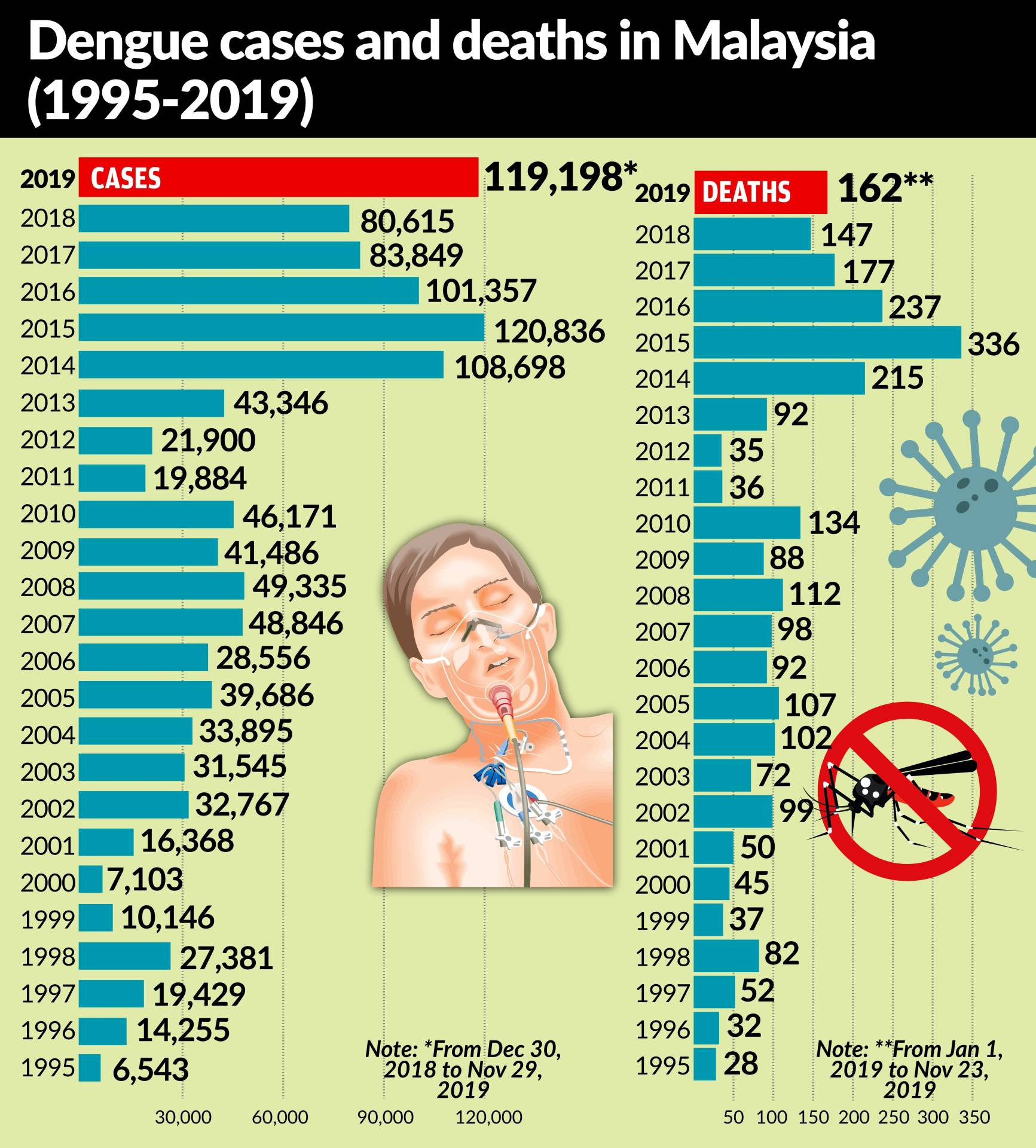
KUALA LUMPUR: Malaysia’s total number of dengue cases this year looks set to be the highest ever recorded.
This works out to about 359 new cases each day.
The latest numbers were shown on the iDengue website, which is run by the Health Ministry in collaboration with the National Space Agency.
Among others, the website provides information on hot spots, preventive measures and contact numbers of operation rooms in every state.
The website can be accessed at http://idengue.arsm.gov.my/
It also listed nine plants that could rid the mosquitoes that included bunga tahi ayam (lantana camara), serai wangi (cymbopogan nardus) and aloe vera/lidah buaya (aloe barbadensis miller).


Lantana camara is a species of flowering plant within the verbena family. Other common names of L. camara include big-sage, wild-sage, red-sage, white-sage, tickberry, West Indian lantana, and umbelanterna. Habitat. Mainly a weed of plantation crops and pastures and TOXIC TO LIVESTOCK.
Known Hazards
The leaves and seeds are toxic[ ].The unripe, green berries cause vomiting, diarrhoea, dilated pupils and laboured respiration if ingested[ ].
The leaves may cause dermatitis

Cymbopogon nardus, common name citronella grass (or lemon grass), is a perennial aromatic plant from the family Poaceae, originating in tropical Asia. It is the source of an essential oil known as "citronella oil". Cannot be eaten because of its unpalatable nature. Wikipedia

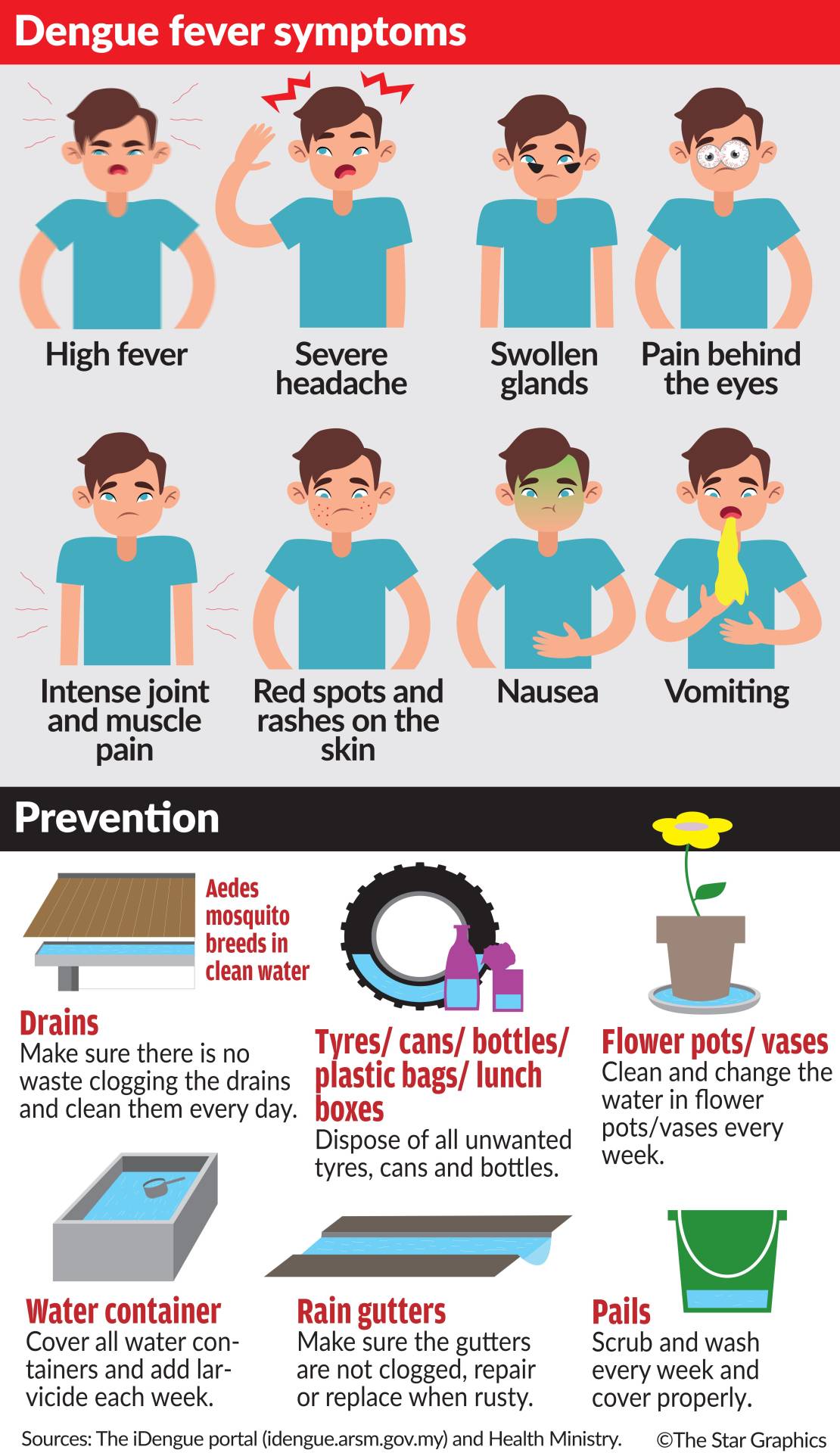
A comprehensive list of signs of dengue fever is also provided.
“There is no specific treatment for dengue or severe dengue but early detection and prompt medical care will save lives,” Health director-general Datuk Dr Noor Hisham Abdullah was reported to have said.
The iDengue website, which is updated daily, noted that there had been 162 deaths so far this year.
The number has surpassed the number of fatalities recorded the whole of last year at 147 deaths.
However, the number is still a marked improvement compared to the 336 deaths recorded in 2015.
In August, Deputy Health Minister Lee Boon Chye cautioned that dengue fever cases could hit 150,000 cases by year-end if they are not contained.
He said the ministry was using various methods to overcome the dengue outbreak, such as fogging and removing mosquito breeding sites.
https://www.thestar.com.my/news/nation/2019/12/01/number-of-dengue-cases-set-to-hit-all-time-high
A comprehensive list of signs of dengue fever is also provided.
“There is no specific treatment for dengue or severe dengue but early detection and prompt medical care will save lives,” Health director-general Datuk Dr Noor Hisham Abdullah was reported to have said.
The iDengue website, which is updated daily, noted that there had been 162 deaths so far this year.
The number has surpassed the number of fatalities recorded the whole of last year at 147 deaths.
However, the number is still a marked improvement compared to the 336 deaths recorded in 2015.
In August, Deputy Health Minister Lee Boon Chye cautioned that dengue fever cases could hit 150,000 cases by year-end if they are not contained.
He said the ministry was using various methods to overcome the dengue outbreak, such as fogging and removing mosquito breeding sites.
https://www.thestar.com.my/news/nation/2019/12/01/number-of-dengue-cases-set-to-hit-all-time-high


