Pages

Showing posts with label Tumeric. Show all posts

Tuesday, 8 October 2019

Chemosentisizers - Turmeric and Resveratrol Make Mincemeat of Cancer Cells

The antioxidant resveratrol and curcumin (the active substance of the spice turmeric) both show promise as natural chemosensitizers — substances that can help overcome resistance to chemotherapy drugs

May 16, 2012

STORY AT-A-GLANCE

  • The antioxidant resveratrol and curcumin (the active substance of the spice turmeric) both show promise as natural chemosensitizers — substances that can help overcome resistance to chemotherapy drugs
  • Both nutrients have a wide spectrum of anti-cancer actions and functions
  • By modulating inflammatory pathways and inflammatory molecules, resveratrol may also help alleviate many of the debilitating side effects of conventional cancer treatment, such as wasting, fatigue, depression, neuropathic pain, cognitive impairment and sleep disorders
  • Among all nutrients, curcumin has the most evidence-based literature supporting its use against cancer. Researchers have found that curcumin can affect more than 100 different pathways, once it gets into a cell
  • Epigenetic regulation constitutes an important mechanism by which dietary components can selectively activate or inactivate gene expression. Both curcumin and resveratrol induce epigenetic changes

By Dr. Mercola

The conventional cancer therapies currently available are surgery, radiotherapy and chemotherapy; aka the "cut, poison, burn" model. Chemotherapy is typically the main regimen for most cancers. However, many tumors develop resistance to these harsh drugs, known as chemoresistance,1 which can complicate matters, to say the least. Chemoresistance also leads to other complications.
Hence researchers are looking for effective chemosensitizers that can help overcome such resistance. This strategy basically uses one drug to enhance the activity of another, by modulating the mechanisms that cause the resistance.
A number of natural products and compounds have been shown to act as effective chemosensitizers. Two of the most promising are resveratrol and curcumin, which I'll address here. Many interesting studies were published on these two products over the years, pertaining to their value in the treatment of cancer.

Resveratrol: A Natural Chemosensitizer

Natural agents such as resveratrol, a potent antioxidant chemical found in red wine and other foods, have multitargeting properties,2 which make them ideally suited for anticancer drugs. In fact, more than 60 percent of the cancer drugs currently available are based on natural ingredients for this very reason. Natural compounds are also inexpensive, low in toxicity and are readily available.
In a 2011 review of dietary agents that sensitize tumors, making them more susceptible to the treatment with chemotherapy drugs, resveratrol was featured as a clear candidate.3 Specific types of tumors shown to respond favorably include:
Lung carcinoma
Acute myeloid- and promyelocytic leukemia
Multiple myeloma
Prostate cancer
Oral epidermoid carcinoma
Pancreatic cancer
The first evidence of resveratrol's anti-cancer effects was published in 1997. The findings received great interest from cancer researchers, and many studies have been devoted to this potent antioxidant since then. Resveratrol, which can be found in red wine, red grape skins, fruits, vegetables, legumes and weeds, has been found to have the following actions and functions:4
  • Broad-spectrum antimicrobial
  • Anti-infective
  • Antioxidant
  • Cardioprotective
  • Anticancer
According to the review, published in the Annals of the New York Academy of Sciences:5
"The anticancer activities of resveratrol are mediated through modulation of several cell-signaling molecules that regulate cell cycle progression, inflammation, proliferation, apoptosis, invasion, metastasis, and angiogenesis of tumor cells.
It has been shown that resveratrol can sensitize resistant cells to chemotherapeutic agents by overcoming one or more mechanisms of chemoresistance. In some tumor cells, however, resveratrol has been shown to act as chemoprotector."
The fact that it can in some cases act as a chemoprotector, meaning, it can reduce the efficacy of chemotherapeutic agents, "present a major caveat for use of resveratrol as a chemosensitizer," the authors warn. In an earlier study, the researchers concluded that using resveratrol with the cancer drug Paclitaxel, for example, was detrimental in certain types of cancers, such as breast cancer.6

Resveratrol May Help Alleviate Cancer Treatment Side Effects

In another study published in the journal Experimental Biology and Medicine, resveratrol was found to help alleviate many of the debilitating side effects of conventional cancer treatments,7 such as:
Cachexia (wasting syndrome)
Anorexia
Fatigue
Depression
7Neuropathic pain
Anxiety
Cognitive impairment
Sleep disorders
Delirium (acute confusion)
The authors point out there's mounting evidence indicating that these symptoms are primarily caused by dysregulation of inflammatory pathways in your body. Hence anti-inflammatory compounds that can modulate the inflammatory pathways and influence inflammatory molecules may help improve these symptoms in cancer patients. They name several nutritional agents known to do just that, including:
  • Resveratrol
  • Curcumin
  • Genistein
  • Epigallocatechin gallate (EGCG)
  • Lycopene
According to the authors:8
"These nutraceuticals are chemically diverse and affect production of various inflammatory cytokines. Extensive research in recent years has indicated that chronic inflammation leads to various chronic disorders associated with cancer.
A central role in the induction of chronic inflammation is played by a set of genes encoding proinflammatory cytokines such as IL-1, IL-2, IL-6, TNFa and monocyte chemotactic protein 1. What is common to all these molecules is that they are regulated by the transcription factor NFkB. This makes NFkB an appealing target for therapeutic intervention.
A number of compounds have been identified that can suppress NFkB activation, including antioxidants, protease inhibitors, proteasome inhibitors, salicylates, immunosuppressants and anti-inflammatory agents."
This brings us to the next interesting fact about natural products like resveratrol and curcumin, namely their impact on your genetic expression. As just mentioned, your genetic expression plays a central role in chronic inflammation, and certain nutrients can have a potent protective influence by either turning genes on or off.

Understanding Epigenetics

The role of epigenetics in health and disease is becoming ever clearer, and I firmly believe this field of study will eventually supplant the current medical paradigm. The conventional belief has been that genes controlled their own expression and were therefore the direct cause of certain diseases. This laid the groundwork for the idea that your genes predetermined your health.
But genes are in fact not self-regulating. Having "bad genes," does not at all mean you're doomed to suffer some inevitable fate like cancer!
Genes are merely blueprints, and these blueprints are activated and controlled by something else entirely, namely their environment. This environmental information — which includes diet, toxic exposures, as well as thoughts and emotions, and more — can create more than 30,000 different variations from each blueprint, allowing for an astounding amount of leeway in modifying the expression or "read-out" of each gene.
As a result of these findings, we're now finally seeing science alter its course to investigate the power of optimal nutrition to improve health and prevent chronic disease from occurring in the first place. A 2011 study investigating curcumin's ability to affect epigenetic regulation was published in the journal Genes & Nutrition.9 The authors write:
"Epigenetic regulation, which includes changes in DNA methylation, histone modifications, and alteration in microRNA (miRNA) expression without any change in the DNA sequence, constitutes an important mechanism by which dietary components can selectively activate or inactivate gene expression.
Curcumin, a component of the golden spice Curcuma longa, commonly known as turmeric, has recently been determined to induce epigenetic changes ... [E]pigallocatechin gallate (EGCG), and resveratrol, have [also] been shown to alter epigenetic mechanisms, which may lead to increased sensitivity of cancer cells to conventional agents and thus inhibition of tumor growth."

Curcumin: A Potent Anticancer Herb

Curcumin currently has the most evidence-based literature supporting its use against cancer among all nutrients.10 Interestingly this also includes the metabolite of curcumin and its derivatives, which are also anticancerous. Best of all, curcumin appears to be safe in the treatment of all cancers, and has been shown to be nontoxic.11 Researchers have found that curcumin can affect more than 100 different pathways, once it gets into the cell. More specifically, curcumin has been found to:
Inhibit the proliferation of tumor cells12
Decrease inflammation13
Inhibit the transformation of cells from normal to tumor14
Inhibit the synthesis of a protein thought to be instrumental in tumor formation15
Help your body destroy mutated cancer cells so they cannot spread throughout your body16
Help prevent the development of additional blood supply necessary for cancer cell growth (angiogenesis)17
Have chemosensitization activity18  
Have radiosensitization activity19
Another study published in the 2011 Natural Product Reports describes curcumin as being therapeutic for a wide range of diseases aside from cancer,20 such as:
Lung and liver diseases
Neurological diseases
Metabolic diseases
Autoimmune disorders
Cardiovascular diseases
Inflammatory diseases
A persistent question has been: How can a single agent possess such diverse effects? Part of the answer lies in the herb's ability to affect signaling molecules. For example, curcumin has been shown to directly interact with:
Inflammatory molecules
Cell survival proteins
Histone
Human immunodeficiency virus type
1 (HIV1) integrase and protease
DNA and RNA
Various carrier proteins and metal ions
According to the authors of the NPR paper:21
"The molecular basis of a disease is related to dysregulation of an array of signaling molecules. With the advent of advanced molecular tools, we now know that over 500 different genes of the signaling pathways control any given disease.
However, most currently available treatments are based on the modulation of a specific single target. Curcumin is a functionally labile molecule with the potential to modulate the biological activity of a number of signaling molecules either indirectly or directly..."

How to Use Curcumin

To get the full benefits curcumin has to offer, you need to understand that it is very poorly absorbed. You simply can't blindly choose a supplement and expect to achieve the results described in this paper. There is extensive research going on by a number of organizations to provide a commercial product.
You can look for a turmeric extract that contains 100 percent certified organic ingredients, with at least 95 percent curcuminoids. The formula should be free of fillers, additives and excipients (a substance added to the supplement as a processing or stability aid), and the manufacturer should use safe production practices at all stages: planting, cultivation, selective harvesting and then producing and packaging the final product.
Unfortunately, at the present time there really are no concentrated commercial formulations available for the use against cancer. Keep in mind that concentrated curcumin is really only needed by people who seek to use it as a drug, in which case you need it in very high doses in order to achieve therapeutic effect. The most classic case would be those using it to treat, not prevent, cancer. If you do not have cancer, then using a turmeric supplement is sufficient.
According to Dr. William LaValley, one of the leading medicine cancer physicians I personally know, typical anticancer doses are up to 3 grams of good bioavailable curcumin extract, three to four times daily. One work-around is to use the curcumin powder and make a microemulsion of it by combining a tablespoon of the powder and mixing it into 1 to 2 egg yolks and a teaspoon or two of melted coconut oil. Then use a high speed hand blender to emulsify the powder.
Another strategy that can help increase absorption is to put one tablespoon of the curcumin powder into a quart of boiling water. It must be boiling when you add the powder as it will not work as well if you put it in room temperature water and heat the water and curcumin.
After boiling it for 10 minutes you will have created a 12 percent solution that you can drink once it has cooled down. It will have a woody taste. The curcumin will gradually fall out of solution however. In about six hours it will be a 6 percent solution, so it's best to drink the water within four hours. Dr. LaValley is also helping us beta test new curcumin preparations that will radically simplify this process.
( Note: For a selection of the latest bioavailable curcumin supplements, see Consumer Lab review link: https://www.consumerlab.com/reviews/turmeric-curcumin-supplements-spice-review/turmeric/ )

Cancer Prevention 101

It is certainly encouraging to see cancer research on herbs such as turmeric, and antioxidants like resveratrol. However, it's virtually impossible to discuss cancer prevention and treatment without touching on one of the absolute best cancer prevention nutrients ever discovered, namely vitamin D.
As a powerful neuro-regulatory steroid, vitamin D is likely more potent than curcumin, as its epigenetic influence covers more than 2,000 genes in your body — or about 10 percent of all genes! There are also more than 830 peer reviewed scientific studies showing vitamin D's effectiveness in the prevention and treatment of cancer. In terms of protecting against cancer, vitamin D has been found to offer protection in a number of ways, including:
  • Regulating genetic expression22
  • Increasing the self-destruction of mutated cells (which, if allowed to replicate, could lead to cancer)23
  • Reducing the spread and reproduction of cancer cells24
  • Causing cells to become differentiated (cancer cells often lack differentiation)25
  • Reducing the growth of new blood vessels from pre-existing ones, which is a step in the transition of dormant tumors turning cancerous26
Personally, I believe it is virtually malpractice to not optimize vitamin D levels when treating someone with cancer. In this case, your vitamin D levels should be around 60 to 80 ng/ml. For more information about optimizing your vitamin D levels, please see my article “For Optimal Health, Make Sure You Have a Vitamin D Level of 60 ng/mL.”

Other Natural (and Epigenetic) Cancer Prevention Strategies

When it comes to cancer and other chronic diseases, effective prevention trumps progressive treatments in my eyes. I believe you can virtually eliminate your risk of ever developing cancer (and radically improve your chances of recovering from cancer if you currently have it) by following some relatively simple risk reduction strategies — all of which help promote a healthful biological environment in which your cells can thrive and combat disease naturally.
You don't read or hear much about these strategies because they have not been formally "proven" yet by conservative researchers. Beyond what's already been covered above, the remainder of my cancer prevention strategies include:
1.Reduce or eliminate your processed food, fructose and grain carbohydrate intake.
2.Control your fasting insulin and leptin levels — Normalizing your insulin levels is one of the most powerful physical actions you can take to lower your risk of cancer, and improved insulin and leptin control is the natural outcome of reducing or eliminating fructose, grains, and processed foods from your diet.
3.Normalize your ratio of omega-3 to omega-6 fats by taking a high-quality krill oil or fish oil and reducing your intake of most processed vegetable oils.
4.Get regular exercise — One of the primary ways exercise lowers your risk for cancer is by reducing elevated insulin levels, which creates a low sugar environment that discourages the growth and spread of cancer cells.
Controlling your insulin levels is one of the most powerful ways to reduce your cancer risks.27 Additionally, exercise improves the circulation of immune cells in your blood.28 Your immune system is your first line of defense against everything from minor illnesses like a cold right up to devastating, life-threatening diseases like cancer.
The trick about exercise, though, is understanding how to use it as a precise tool. This ensures you are getting enough to achieve the benefit, not too much to cause injury, and the right variety to balance your entire physical structure and maintain strength and flexibility, and aerobic and anaerobic fitness levels.
If you have limited time, I invite you to try the Nitric Oxide Dump, a high intensity interval workout that offers potential effects on your mitochondria. This workout only takes three or four minutes, and should be repeated three times a day, with a minimum of two hours in between sessions.
5.Get regular, good quality sleep.
6.Reduce your exposure to environmental toxins like pesticides, household chemical cleaners, synthetic air fresheners and air pollution.
7.Limit your exposure and provide protection for yourself from EMF produced by cell phone towers, base stations, cell phones and WiFi stations — On May 31, 2011, the International Agency for Research on Cancer (IARC), an arm of the World Health Organization (WHO), declared that cell phones are "possibly carcinogenic to humans."29 Two government-funded studies have also shed light on this link.30
8.Avoid frying or charbroiling your food — Boil, poach or steam your foods instead.
9.Have a tool to permanently reprogram the neurological short-circuiting that can activate cancer genes — Even the CDC states that 85 percent of disease is caused by emotions.31 It is likely that this factor may be more important than all the other physical ones listed here, so make sure this is addressed. Energy psychology seems to be one of the best approaches and my particular favorite tool, as you may know, is the Emotional Freedom Techniques.
10.Eat at least one-third of your diet in the form of raw food.
https://articles.mercola.com/sites/articles/archive/2012/05/16/antioxidant-resveratrol-on-cancer.aspx

Monday, 29 May 2017

Curcumin — A Novel Treatment Alternative for Depression

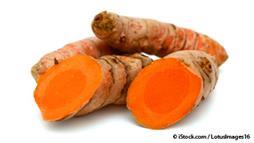
Curcumin, the active ingredient in the Indian spice turmeric, is a polyphenol with over 160 potentially therapeutic activities, including antioxidant, anti-inflammatory and anticancer effects.1

May 18, 2017

Story at-a-glance-

    turmeric curcumin for depression
  • Curcumin may be helpful against depression, especially atypical depression. No significant difference in efficacy between high and low dosages were found
  • Two active components in saffron, crocin and safranal, also have antidepressant effects, and at least three studies have found saffron is as effective as generic Prozac
  • One of the mechanisms behind curcumin’s beneficial impact on depression appears to be its ability to tame the flames of inflammation, which is now thought to be a foundational cause of depression

By Dr. Mercola
Curcumin, the active ingredient in the Indian spice turmeric, is a polyphenol with over 160 potentially therapeutic activities, including antioxidant, anti-inflammatory and anticancer effects.1
Importantly, it has the ability to cross your blood-brain barrier and exhibits potent neuroprotective properties, suggesting it may be useful for neurodegenerative disorders such as Parkinson's disease. Recent research also suggests it may be helpful against depression.
Remember, though, that curcumin is very poorly absorbed, so if you want to use it therapeutically, make sure you use a supplement that is optimized for maximum absorption; otherwise you won't get the results described below. Many believe that using black pepper helps. And while it does, it is only a marginal increase. 

Curcumin Helps Relieve Depressive Symptoms

According to a meta-analysis2 of six short-term, placebo-controlled clinical trials, curcumin "appears to be safe, well-tolerated and efficacious among depressed patients," and could serve as a "novel antidepressant." Three of the trials also reported significant anti-anxiety effects.
Another recent study3,4 evaluating curcumin's effect on depression was done in Australia. A total of 123 people diagnosed with major depressive disorder were included in the double-blind, randomized study, receiving one of four treatments for 12 weeks:
  1. Placebo
  2. Low-dose (250 mg) curcumin extract
  3. High-dose (500 mg) curcumin extract
  4. Low-dose curcumin extract with 15 mg of saffron
Compared to placebo, all three treatment groups experienced improvement in their symptoms. Curcumin was particularly effective for those with atypical depression. Interestingly, there was no significant difference in efficacy between high and low dosages. According to the authors:
"These findings suggest that there was insufficient power in the study to detect group differences, or that there was a ceiling antidepressant effect of these natural spices. This ceiling may have been achieved with the administration of the low-dose curcumin alone. The inclusion of a stand-alone saffron condition would be desirable in future studies."

Saffron Also Has Antidepressant Effects

Indeed, saffron may actually have antidepressant effects in its own right. Other studies have shown two of its active components, crocin and safranal, have antidepressant effects.5
In one study,6 depressed patients taking 30 mg of Crocus sativus (saffron) each day for eight weeks experienced the same amount of relief as those taking 20 mg of fluoxetine (generic Prozac). Two additional studies7,8 have confirmed saffron has an effectiveness equal to that of fluoxetine.

Curcumin May Benefit Many Neuropsychiatric Disorders

Another scientific review9 in the Journal of Psychopharmacology, which assessed curcumin's beneficial effect on depression and other psychiatric disorders, noted that:
"[C]urcumin can influence an array of biological activities. Many of these, such as its anti-inflammatory, antioxidant, neuroprotective and monoaminergic effects are dysregulated in several neuropsychiatric disorders …
[I]n vitro, animal and human studies investigating … curcumin as a treatment for neuropsychiatric disorders such as major depressive disorder, post-traumatic stress disorder (PTSD), obsessive-compulsive disorder (OCD), bipolar disorder … and autism are reviewed … It is concluded that curcumin is a promising, natural agent for many of these conditions …"
One of the mechanisms behind curcumin's beneficial impact on neuropsychiatric disorders such as depression appears to be its ability to tame the flames of inflammation, which can wreak havoc on your psychiatric health.

Gastrointestinal Inflammation Raises Depression Risk

Previous research10 suggests gastrointestinal (GI) inflammation in particular may play a critical role in the development of depression, as depression is often found alongside GI inflammation and/or autoimmune diseases, cardiovascular diseases, neurodegenerative diseases, type 2 diabetes and cancer.
Chronic low-grade inflammation is a hallmark of and significant contributing factor to all of these conditions, leading researchers to suggest "depression may be a neuropsychiatric manifestation of a chronic inflammatory syndrome." The study of these connections is known as psychoneuroimmunology, i.e., the impact of inflammation on behavior. As noted in a 2012 study:11
"Elevated biomarkers of inflammation … have been found in depressed patients, and administration of inflammatory stimuli has been associated with the development of depressive symptoms.
Data also have demonstrated that inflammatory cytokines can interact with multiple pathways known to be involved in the development of depression, including monoamine metabolism, neuroendocrine function, synaptic plasticity and neurocircuits relevant to mood regulation …
Psychosocial stress, diet, obesity, a leaky gut and an imbalance between regulatory and pro-inflammatory T cells also contribute to inflammation and may serve as a focus for preventative strategies relevant to both the development of depression and its recurrence."

Controlling Inflammation Is Best Done Through Lifestyle Changes

According to Dr. Hyla Cass,12 whom I've interviewed on this topic, approximately one-third of depressed patients have high levels of inflammation, and anti-inflammatory drugs have actually been shown to favorably alter neurochemical pathways involved in depression.13
The arthritis drug sirukumab is currently being tested on depressed patients. GlaxoSmithKline and others are also working on developing anti-inflammatory drugs targeting depression. The problem with this approach is that most drugs have side effects — sometimes terminal, as the 60,000 who died from the anti-inflammatory Vioxx. Fortunately, you don't need drugs to combat inflammation.
One of the most effective ways to quell inflammation is to eat a cyclical ketogenic diet. In fact, one of the most remarkable effects of nutritional ketosis is that your C-reactive protein (CRP) level (an inflammatory marker) virtually disappears. It can really drive your inflammation levels about as low as they can go.
Other important anti-inflammatory strategies that are strongly recommended for prevention and treatment of depression are animal-based omega-3 and vitamin D. It appears curcumin may be a valuable adjunct as well, judging by recent studies. Another crucial contributor to inflammation is to reduce your exposure to EMF. This means keeping your cellphone in airplane mode unless you are using it and never holding it next to your ear. Turning off your Wi-Fi router at night is also crucial.
Aside from general GI inflammation, a number of studies have concluded the primary cause of inflammation is related specifically to dysfunction of the gut-brain axis,14 which is largely lifestyle driven. Diet, exercise and toxic exposures, for example, all have the ability to influence your gut microbiome, thereby affecting your gut-brain axis.
One of the reasons sugar is so detrimental to your mental health is because it triggers a cascade of chemical reactions — starting with elevated insulin — that promote chronic inflammation. Excess sugar and processed fructose also distort the ratio of good to bad bacteria in your gut. Sugar does this by serving as a fertilizer/fuel for pathogenic bacteria, yeast and fungi that inhibit the beneficial bacteria in your gut.

Chronic Inflammation May Be More Than a Risk Factor for Depression

What this all boils down to is that chronic inflammation not only disrupts the normal functioning of many bodily systems, it can also wreak havoc in your brain and affect your psychological health. In fact, at least one previous study15 has suggested chronic low-grade inflammation may be the very root cause of depression. Published in the International Breastfeeding Journal, the researchers stated:
"Research in the field of psychoneuroimmunology (PNI) has revealed that depression is associated with inflammation manifested by increased levels of proinflammatory cytokines. The old paradigm described inflammation as simply one of many risk factors for depression. The new paradigm is based on more recent research that has indicated that physical and psychological stressors increase inflammation.
These recent studies constitute an important shift in the depression paradigm: inflammation is not simply a risk factor; it is the risk factor that underlies all the others. Moreover, inflammation explains why psychosocial, behavioral and physical risk factors increase the risk of depression. This is true for depression in general and for postpartum depression in particular …
[L]evels of proinflammatory cytokines significantly increase during the last trimester of pregnancy … Moreover, common experiences of new motherhood, such as sleep disturbance, postpartum pain and past or current psychological trauma, act as stressors that cause proinflammatory cytokine levels to rise."

Inflammation and Depression 101

In this model, depression is the result of your body's attempts to protect itself from an inflammatory response, and involves hormones and neurotransmitters. Depressive symptoms most strongly associated with chronic inflammation include:16
  • Flat mood
  • Slowed thinking
  • Avoidance
  • Alterations in perception
  • Metabolic changes
Cytokines in your blood, or inflammatory messengers such as CRP, interleukin-1, interleukin-6 and TNF-alpha are all predictive of17and correlate18 to depression. In melancholic depression, bipolar disorder and postpartum depression, white blood cells called monocytes express pro-inflammatory genes that provoke secretion of cytokines.19
At the same time, cortisol sensitivity goes down, and cortisol is a stress hormone that buffers against inflammation. Together, these inflammatory agents transfer information to your nervous system, typically by stimulating your vagus nerve, which connects your gut and brain.20
During inflammatory states, brain cells called microglia are activated. When this happens, an enzyme called indoleamine 2 3-dioxygenase directs tryptophan away from the production of serotonin and melatonin, instructing it instead to produce an NMDA (an amino acid derivative) agonist called quinolinic acid, which can trigger anxiety and agitation.21

Curcumin Goes Head-to-Head With Blockbuster Antidepressant

One last study22 on curcumin and depression worth mention is a randomized controlled trial comparing the efficacy of curcumin and fluoxetine (generic Prozac) in patients diagnosed with major depressive disorder. Sixty patients were given one of three treatment protocols:
  1. 20 mg fluoxetine
  2. 1,000 mg curcumin (500 mg standardized curcumin extract taken twice a day)
  3. Combination of fluoxetine and curcumin
According to the authors:
"The proportion of responders as measured by the HAM-D scale was higher in the combination group (77.8 percent) than in the fluoxetine (64.7 percent) and the curcumin (62.5 percent) groups; however, these data were not statistically significant. Interestingly, the mean change in HAM-D score at the end of six weeks was comparable in all three groups.
This study provides first clinical evidence that curcumin may be used as an effective and safe modality for treatment in patients with [major depressive disorder] without concurrent suicidal ideation or other psychotic disorders."

Certain Supplements Boost Effectiveness of Antidepressants

Other research has shown nutritional supplements can boost the effectiveness of antidepressants. Unfortunately, they did not look at supplementation only, which might have offered valuable insights. The analysis in question looked at 40 clinical trials in which supplements were added to the drug regimen.23,24,25 
Four supplements were found to improve the impact of the medication — which included serotonin reuptake inhibitors (SSRIs), serotonin-norepinephrine reuptake inhibitors (SNRIs) and tricyclic antidepressants — compared to medication only:
  • Animal-based omega-3 (in the form of fish oil)
  • Vitamin D
  • Methylfolate (an effective form of folic acid)
  • S-adenosylmethionine (SAMe)
In my view, there's reason to suspect the supplements provided the true benefit. Other studies have shown both omega-3 and vitamin D can improve mental health all on their own — in part by regulating inflammatory processes and responses — and studies have repeatedly demonstrated that antidepressants are right on par with placebo in terms of effectiveness.
In one vitamin D study,26 seniors with the lowest vitamin D levels were 11 times more prone to be depressed than those who had normal levels. It makes little sense to take the extra risks with a drug if they don't add anything of real value.

Addressing GI Inflammation May Ease Your Depressive Symptoms

If you suffer from depression, it may be well worth your effort to take steps to reduce the level of inflammation in your body. Remember, no drugs are necessary for this. In fact, the most effective strategies for this are to:
Address your diet. Limiting net carbs in all its forms (think added sugar, processed fructose, refined grains and most processed foods in general) is a key step. A ketogenic diet, high in healthy fats, low in net carbs with a moderate amount of protein can really drive inflammation levels way down.
Make sure to get enough animal-based omega-3.
Optimize your vitamin D level, ideally through sensible sun exposure, as sunlight has been shown to improve depression in ways that are unrelated to vitamin D as well.
Address your gut health, as impaired gut flora is frequently involved in depression. Regularly "reseed" your gut with beneficial bacteria (probiotics and prebiotics), as this is the foundation of a healthy GI tract. Eating plenty of fermented foods is your best bet. It's also the most economical.
If you do not eat fermented foods, taking a high-quality probiotic supplement makes of sense considering how important probiotics are for your mental health. In fact, probiotics are thought to have a direct effect on brain chemistry, transmitting mood- and behavior-regulating signals to your brain via the vagus nerve.

http://articles.mercola.com/sites/articles/archive/2017/05/18/curcumin-depression-treatment.aspx

Friday, 28 September 2012

Rheumatoid Arthritis - Maybe It’s Time to Go Natural


Newer Drugs for Rheumatoid Arthritis All Have Similar Risks -- Maybe It’s Time to Go Natural?
September 27 2012 | 31,788 views 
Story at-a-glance
  • Rheumatoid arthritis is generally treated with some of the most dangerous drugs in medicine. A newer class of RA drugs is the “biologic” drugs called TNF-alpha inhibitors. While these drugs are aggressively promoted, there are still concerns about their safety. Potential serious side effects include infection and cancer
  • A recent safety analysis on three TNF-alpha inhibitors, Humira, Enbrel, and Remicade, shows that, when it comes to your risk of death from taking them, there’s no difference between the three drugs
  • A revised and updated drug-free RA protocol based on Dr. Thomas Brown’s RA treatment tends to provide a 60-90 percent improvement rate in most RA sufferers
  • Important aspects of the treatment protocol include dietary modifications, low-dose Naltrexone, optimizing your vitamin D levels, astaxanthin, probiotics (preferably in the form of fermented foods), and getting regular exercise

By Dr. Mercola

Rheumatoid arthritis (RA) is a chronic inflammatory autoimmune disease afflicting an estimated 1.5 million Americans,1 the majority of which are women. RA affects just over 53 women per 100,000, compared to nearly 28 men per 100,000. 
RheumatoidUnlike osteoarthritis, which is a degenerative joint disease, rheumatoid arthritis is an autoimmune disease that causes your body to break itself down – your immune system starts attacking your joints, leading to pain, deformities and a substantial loss of mobility. As a result, RA is generally treated with very aggressive medications. In fact, the drugs used for RA are some of the most dangerous drugs used in medicine. High doses of prednisone are common, as well as immunosuppressants and anti-cancer agents to treat the severe pain and swelling.  
A newer class of RA drugs is the "biologic" drugs called TNF-alpha inhibitors, sold under the brand names Humira, Enbrel, and Remicade. While these drugs are aggressively promoted, there are still concerns about their safety. A recent safety analysis2 on these three drugs shows that, when it comes to your risk of death from taking them, there's no difference between the three drugs. According to MedlinePlus:3
"...Simard's team compiled information on patients with rheumatoid arthritis who began treatment between 2003 and 2008. Of these patients, more than 1,600 started taking adalimumab (Humira), almost 2,700 were prescribed etanercept (Enbrel), and more than 2,000 began treatment with infliximab (Remicade). During the five-year study, 211 of the patients died. However, the researchers found no difference in death rates among the three drugs."
Potentially serious side effects from these drugs include infection and cancer. With risks like that, maybe it's time to try more natural and holistic methods of preventing and treating this painful disease?

First, Address Your Diet


I have personally treated over 3,000 patients with rheumatoid arthritis in my practice, which is well over 10 times the amount a typical family physician would treat in their entire career. So I have a fair amount of experience here. My rheumatoid arthritis treatment protocol has helped thousands of RA patients go into remission, and one of the key factors that dramatically improved the response rate was the dietary modification.

I cannot emphasize strongly enough the importance of this aspect of the program. It is absolutely an essential component of the RA protocol. Following these general guidelines alone will go a long way to dramatically reduce your risk of developing any kind of problem with chronic inflammation:
  • Eliminating sugar/fructose and most grains
  • Optimizing your gut flora with the use of high potency fermented vegetables and/or probiotics
  • Eating unprocessed, high-quality foods, organic and locally-grown if possible
  • Eating your food as close to raw as possible
  • Getting plenty high-quality animal-based omega-3 fats, such as krill oil


A Novel Approach for Treating RA With a 60-90 Percent Likelihood of Improvement


The natural course of rheumatoid arthritis (RA) is quite remarkable in that less than one percent of RA sufferers have a spontaneous remission. Some disability occurs in 50-70 percent of people within five years after onset of the disease, and half will stop working within 10 years.  
This devastating prognosis is what makes this novel form of treatment so exciting, as it has a far higher likelihood of succeeding than the conventional approach.

My original RA treatment was based on a protocol developed by a maverick but well respected rheumatologist, Dr. Thomas Brown. He died in 1989 shortly after I started using his approach. I first became aware of Doctor Brown's protocol, which focused on the elimination of mycoplasma using antibiotics, in 1989 when I saw him on ABC's 20/20. This was shortly after the introduction of the first edition of his book, The Road Back.

My application of Dr. Brown's protocol has changed significantly since I first started implementing it. Initially, I rigidly followed Dr. Brown's work with minimal modifications; about the only change I made was changing Tetracycline to Minocin. I believe I was one of the first physicians who recommended the shift to Minocin and most people who use his protocol now use Minocin. After using the antibiotic approach for the first 10 years, my prejudice became more fixed on natural therapies, so my current program allows for a completely drug-free treatment of RA.

As I learned more about natural medicine, I integrated more of that wisdom, starting with the addition of my nutritional plan. This addition alone would oftentimes accelerate the response rate by several months. I wrote an article on my revised protocol in 1995, which I presented at a conference. Since then, I've further revised the protocol twice. The first revision since that paper is presented in the video above. Below, I'll discuss the latest additions.

Besides the nutritional plan, the latest additions to my RA protocol are:
  • Low dose Naltrexone. It is inexpensive and non-toxic, and I have a number of physician reports documenting incredible efficacy in getting people off of all their dangerous arthritis medications using low-dose Naltrexone (LDN). Naltrexone is a pharmacologically active opioid antagonist, conventionally used to treat drug and alcohol addiction – normally at doses of 50mg to 300mg. As such, it's been an FDA approved drug for over two decades. However, researchers have found that at very low dosages (3 to 4.5 mg), naltrexone has immunomodulating properties that may be able to successfully treat a wide range of autoimmune diseases, including rheumatoid arthritis, multiple sclerosis (MS), Parkinson's, fibromyalgia, and Crohn's disease, just to name a few.
  • For a more in-depth review of low-dose Naltrexone and how it can help RA sufferers, please see this previous article.
  • Astaxanthin, a powerful anti-inflammatory antioxidant that could have very powerful benefits in controlling the joint pain. Astaxanthin at 4 mg per day is particularly important for anyone placed on prednisone as it offers potent protection against cataracts and age related macular degeneration
  • Vitamin D. Vitamin D deficiency is strongly associated with the development of RA. From my perspective, it is now virtually criminal negligent malpractice to treat a person with RA and not aggressively monitor their vitamin D levels to confirm that they are in a therapeutic range of 50-70 ng/ml. For more information, please see my previous article on how to safely maximize your vitamin D production through appropriate sun exposure
  • Probiotics (beneficial bacteria). While you can certainly take a high quality probiotics, I would also strongly encourage you to work up to 4-6 ounces a day of fermented veggies, which will supply about 10 trillion beneficial bacteria, which is about 10 percent of the population of your gut. Ideally you would consume them regularly if not daily. The best way to learn how to prepare them properly is to get the GAPS book or listen to my interview with Caroline Barringer
  • Incorporating regular exercise into your daily schedule, especially the Peak Fitness Program


Factors Associated with Your Success on this Program

There are many variables associated with an increased chance of remission or improvement.
  • The younger you are, the greater your chance for improvement
  • The more closely you follow the nutrition plan, the more likely you are to improve and the less likely you are to have a severe flare-up. I now offer the Nutritional Typing Test for free, so please do not skip this essential step
  • Smoking seems to be negatively associated with improvement
  • The longer you have had the illness and the more severe the illness, the more difficult it seems to treat

Drug-Free Pain and Inflammation Relief

One of the primary problems with RA is controlling pain. If this is not achieved, you can go into a depressive cycle that can clearly worsen your immune system and cause the RA to flare. The goal is to be as comfortable and pain free as possible with the least amount of drugs. Fortunately, there are a number of safe, non-toxic dietary supplements that can be helpful in the treatment of RA pain:
  • Curcumin (turmeric) in particular has been shown to be effective against both acute and chronic pain. Curcumin is most known for its potent anti-inflammatory properties. It has been shown to influence more than 700 genes, and can inhibit both the excessive activity and the synthesis of cyclooxygenase-2 (COX2) and 5-lipooxygenase (5-LOX), as well as other enzymes that have been implicated in inflammation. In experiments on rats, turmeric appeared to block inflammatory pathways associated with rheumatoid arthritis. A study published in April 20124 revealed that a highly bioavailable form of curcumin was more effective in alleviating RA symptoms, including tenderness and swelling of joints, than the NSAID drug Voltaren. Not only that, those who were taking the curcumin only actually experienced the most improvement across the board
  • Boswellia, also known as boswellin or "Indian frankincense" is another herb I've found to be particularly useful against arthritic inflammation and associated pain
  • Ginger also has anti-inflammatory properties and can offer pain relief. Fresh ginger works well steeped in boiling water as a tea or grated into vegetable juice
  • Astaxanthin has been shown to effectively reduce pain associated with inflammation. In one study, RA sufferers experienced a 35 percent improvement in pain levels, as well as a 40 percent improvement in their ability to perform daily activities after receiving astaxanthin for only eight weeks


Is it Really Safe to Exercise with Rheumatoid Arthritis?

Rheumatoid arthritis tends to affect your middle joints, especially your hands and fingers, which causes the joint pain, stiffness and deformities that are a hallmark of this disease. However, RA does not only impact your joints, it also leads to diminished muscle mass and reduced strength that can be nearly as debilitating as the damage to your joints.  
Getting regular exercise when you have RA is crucial to avoid this kind of physical decline. 
A 2009 study5 found that people with RA who did weight training for 24 weeks improved their function by up to 30 percent and their strength by 120 percent.
That said, inflamed joints are very vulnerable to damage from improper exercise, so you must be cautious. People with arthritis must strike a delicate balance between rest and activity, and must avoid activities that aggravate joint pain. Avoid any exercise that strains a significantly unstable joint. If your joints are stiff, stretch and apply heat before exercising. Swollen joints, on the other hand, may benefit from applying ice for 10 minutes prior to exercise.

Your program should include a range of activities, just as I recommend for any exerciser. Weight training, high intensity exercises, cardio, stretching, and core work are all important elements to integrate into your routine. A good rule of thumb to follow is that if you're in pain for longer than one hour after your exercise session, you should slow down or choose another form of exercise. Assistive devices are also helpful to decrease the pressure on affected joints during your workout.6

The Importance of Addressing Emotional Traumas 

Lingering emotional trauma is pervasive in people with RA. With the vast majority of the patients I treated, some type of emotional trauma occurred early in their life, before the age their conscious mind was formed, which is typically around the age of five or six. 
However, a trauma can occur at any age, and has a profoundly negative impact. If that specific emotional insult is not addressed with an effective treatment modality then the underlying emotional trigger will continue to fester, allowing the destructive process to proceed, which can predispose you to severe autoimmune diseases like RA later in life.

In some cases, RA appears to be triggered by an infection, and it is my experience that this infection is usually acquired when you have a stressful event that causes a disruption in your bioelectrical circuits, which then impairs your immune system. This early emotional trauma predisposes you to developing the initial infection, and also contributes to your relative inability to effectively defeat the infection. Therefore, it's very important to have an effective tool to address these underlying emotional traumas.

In my practice, the most common form of treatment used is the Emotional Freedom Technique (EFT). Although EFT is something that you can learn to do yourself in the comfort of your own home, it is important to consult a well-trained professional to obtain the skills necessary to promote proper healing using this amazing tool. 

Conclusion

For my full recommendations on how to treat rheumatoid arthritis naturally, please review my rheumatoid arthritis protocol.

There is no doubt in my mind that this protocol, summarized above, is highly effective for the treatment of autoimmune arthritis like rheumatoid arthritis. I strongly encourage anyone with this disease to adopt the program to help prevent the nearly inevitable poor outcomes that are the result of seeing a conventional rheumatologist. In my experience they have very little to offer except dangerous drugs that only relieve symptoms and do nothing to address the underlying cause of the disease, which continues to ravage the body and cause crippling joint deformities.
[-] Sources and References