Pages

Showing posts with label Rehydration. Show all posts

Tuesday, 13 January 2015

Five Reasons to Eat More Cucumber

November 21, 2014 

Cucumbers are more than just a salad accessory. They’re an easy—and delicious—way to get extra health perks in just about every meal. In fact, they pack serious benefits that can give you a boost from the inside out.


This post is on Healthwise
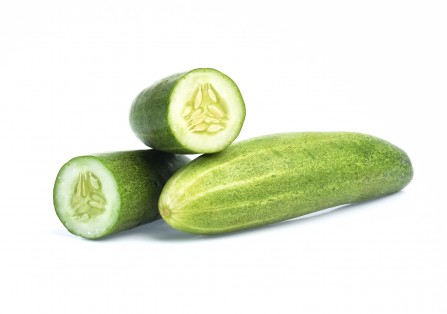
Cucumbers have some serious—and unexpected—health benefits. Here are five of them.
Here are five reasons to eat more cucumber:
1. Fights Cancer: Cucumbers are rich in lignans. Research shows these compounds can help prevent breast, colon, and prostate cancers.1 Cucumber extracts have potent antioxidant and anti-inflammatory power.
The research is still early. But its phytonutrients—like cucurbitacins—and vitamin C content could be responsible. They help prevent enzymes (like COX-2) from creating inflammation that can lead to cancer. In fact, Big Pharma is looking at cucurbitacins as the basis for a new generation of anti-cancer drugs.2
2. Controls Blood Pressure: It may not be a bright, tart berry… But cucumber still contains anthocyanin.3 We’ve told you before that it’s a potent antioxidant for lowering blood pressure. It helps fight oxidative stress that raises blood pressure. And it doesn’t take much of it to be effective.
Eating blueberries once a week helped subjects in one study lower their blood pressure by 10% over 14 years. And a Chinese study found that cucumber vine supplements can reduce blood pressure by up to 81%.4 Adding cucumbers to your salads might not have the same results…but it can give you a similar benefit. Remember that every 200 grams of fruits and vegetables you eat can decrease your stroke risk by over 30%.
3. Hydrates Your Body: It’s one of the most overlooked factors for a healthy immune system…and cucumbers are about 95% water. Hydration may be even more important than nutrient intake for building your body’s defenses.5 That’s because your detoxifying organs—like the kidneys and liver—need water to work. Without it, they won’t flush waste and toxins out of your system. But there’s another factor at play…
Lymph fluid helps get white blood cells and nutrients to different parts of your body. You can’t produce it without enough water.6 Not having enough won’t just stop your body from making it… It can cause the waste it traps to get stuck. This makes you more likely to get sick. And it makes your immune system work harder than it has to.
4. Lowers Blood Sugar: We’ve told you before that eating a high-fiber diet can reduce diabetes risk by 20%. And remember, that study was using inflammatory grains. Cucumber is a better choice because it won’t raise inflammation. It may not pack as much fiber as some other foods we recommend you eat… But it’s a food you can eat at almost every meal. It adds up over time.
Cucumbers are also rich in vitamin K. It’s a vitamin that’s easy to overlook…especially in the standard American diet the average person eats. That’s a shame. Studies show just having adequate levels of this vitamin can reduce your diabetes risk by about 20% over the next 10 years.7
5. Supports Strong Bones: Speaking of vitamin K… It’s one of the most important nutrients you can look for in a multivitamin. One of its most important benefits is building bone strength. It helps make bones denser. Research shows that it can prevent bone loss… But it can also help prevent fractures.8
Research shows this vitamin reduces risk by up to 81% for non-vertebral fractures… It may even help protect postmenopausal women against osteoporosis.9 In fact, women dealing with the disease tend to have lower levels of this vitamin.10
It doesn’t take much to start experiencing the health benefits of cucumbers. Adding them to your salads alone may be enough to start seeing lower blood pressure—and feeling stronger bones. They’re a cheap—and nutrient-dense—solution for adding extra antioxidants.
References:
1http://www.ncbi.nlm.nih.gov/pubmed/15860433
2http://www.whfoods.com/genpage.php?tname=foodspice&dbid=42
3http://www.ars.usda.gov/SP2UserFiles/Place/80400525/Articles/JAFC54_4069-4075.pdf
4http://www.ncbi.nlm.nih.gov/pubmed/1879030
5http://www.ncbi.nlm.nih.gov/pmc/articles/PMC3660207/
6http://www.fitday.com/fitness-articles/nutrition/healthy-eating/5-immune-system-benefits-of-drinking-water.html#b
7http://www.reuters.com/article/2010/05/27/us-vitamin-k-idUSTRE64Q69420100527
8http://www.ncbi.nlm.nih.gov/pubmed/16801507
9http://lpi.oregonstate.edu/infocenter/vitamins/vitaminK/
10http://umm.edu/health/medical/altmed/supplement/vitamin-k

Related Articles:

http://www.institutefornaturalhealing.com/2014/11/five-reasons-to-eat-more-cucumber/

Go to Healthwise for more articles

Monday, 13 October 2014

When to drink more water


This post is on Healthwise

Senior woman drinking water on the beach
With the weather heating up, one of the most overlooked, yet dangerous, heath issues is dehydration. Whether it’s because of a busy schedule or simply not having fresh, filtered water on hand when you need it, chances are that you simply aren’t  hydrated enough.
As your body gets used to chronic dehydration, you lose your sensitivity to water deprivation and don’t get thirsty when you need to. Water accounts for more than half of your body mass — in the form of intracellular fluid, interstitial fluids and cerebrospinal fluid, so chronic dehydration can turn into a real problem. Proper fluid balance allows for your body’s most critical communications to flow smoothly for brain function, immunity, metabolic health and digestion.

Damaging your engine

Attempting to function without enough water is like trying to run a car that doesn’t have enough oil to lubricate its system. And what happens to a car that isn’t lubricated? It heats up and the engine becomes damaged. A similar effect occurs in the body when you’re not well-hydrated, which often happens because your system is running too fast and too long without a break and without the right fluids to keep things going smoothly. Add in the extra demand for water that comes with spiking temperatures, and you’ve got a recipe for disaster.
In most cases, the solution is simple: Drink more water. It’s estimated that for every 50 pounds of body weight, we need a quart of water daily. It’s also helpful to drink it at certain times throughout the day. For example, drinking two glasses upon rising in the morning helps get your organs moving. And a glass half an hour before a meal can support digestion.
But it’s also important to be mindful of where your water comes from — an increasingly important issue as we face escalating drought conditions in many parts of the country. Protecting and improving our precious water resources may be the most important public health and environmental issue of our time.
It’s easy to assume that bottled water is the wisest choice, but a Congressional report revealed that this is far from the case. In reality, there’s less oversight of the quality of bottled water than there is of the quality of tap water — a fact that might come as a surprise to anyone spending money on a supposedly safe, clean way to hydrate. Water-quality tests for bottled products are not required by the Food and Drug Administration. And in the past several years, some brands of bottled water have been recalled due to contamination with arsenic, bromate, cleaning compounds, mold and bacteria. Unfortunately, that’s not the only concern that comes with bottled water. The potential health-related and environmental risks of its plastic packaging are something to consider, too.
One of the many home water filtration systems available on the market today might be pricey, but it can be worth peace of mind.

Dehydration signals

Most of us don’t even know we’re chronically dehydrated. One reason is that we often confuse thirst for hunger. Because we’ve chronically ignored our body’s thirst signals, we don’t easily recognize them.
Hunger: Constant snacking — and especially constant sugar cravings — can be one hidden sign of a dehydration imbalance.
Allergies: With dehydration, histamine levels can increase and your immune system can become imbalanced, creating the perfect storm for dust, pollen, mold and animal allergies to manifest.
Digestive problems: Acid reflux and constipation are lesser known signs of chronic dehydration. Hydration is essential to keep all functions of the digestive tract running smoothly.
Depression, irritability and/or brain fog: The brain relies on a relatively large portion of the body’s blood supply. With dehydration, blood supply can be reduced and may manifest in the brain as mental and emotional imbalances and, in extreme cases, temporary mental impairment. Ongoing stress also increases dehydration in the body with high levels of circulating stress hormones, so dehydration and stress can be a vicious cycle. Stress also causes the body to get rid of fluids — the idea being that in a potential fight or flight situation, the body needs to be as light as possible. Staying hydrated and finding healthy ways to relieve stress can help break this cycle.
Immune suppression: Dehydration damages immunity in part by slowing down or impairing immune cell signals, resulting in increased susceptibility to colds, flus and infections. It also fuels chronic inflammation which in combination with reduced immunity contributes to other more serious illnesses.
In addition to drinking enough good-quality water, there are foods high in water content such as leafy greens, celery, watermelon and cucumber that help hydrate with extra minerals that support electrolyte balance. Coconut water is also a good source of natural electrolyte minerals. Equally important is limiting dehydrating foods and drinks like sugar, alcohol and caffeine, to help keep you well-hydrated and cool throughout the hot summer days.
For more information on healthy and dietary recommendations, visit www.dreliaz.org.
http://easyhealthoptions.com/drink-water/


Go to Healthwise for more articles

Monday, 8 July 2013

Stumbling Seniors: Are You One?

| Jul 06, 2013

Many seniors are feeble, unstable, stumbling and dehydrated. We see this everywhere, beginning as young as age 60.

Old handNo, you don’t need drugs. What you do need is to understand the cause and do something about it. You can.
 
The many drugs that seniors are taking are accumulating in their bodies, as any toxic poison will do. Drugs deplete nutrition. This is one cause of weakening and unstable seniors.

Let’s face it, most are addicted to drugs mostly because they are psychologically dependent on the doctors who prescribe them. They foolishly think that their medical doctors are helping them. Truthfully, seniors are cash cows for the medical cartel. Remember, the medical industry needs sick people, and seniors are the most profitable of all.

Another cause is malnutrition. This is the big one.

Four Basics

A good basic start for better nutrition is the four basics, calcium lactate (vegetable calcium), vitamin F (fatty acid), vitamin C complex (not ascorbic acid made from coal tar), and our hero, vitamin D3 (sunshine). These are essential to turning back the clock. If you get these four you will be miles ahead of your doctor and you will need him far less.

Add to these four basics a multivitamin. And lastly, I would add a mineral tablet. There’s a lot more to nutrition, but this is a whammy for you.

A word about vitamin D3: You have to have it. Come now, you won’t get in the sunshine with bare skin, so take at least 2,000 units of vitamin D3 each day. Two thousand to 4,000 units of vitamin D daily will protect you through the flu season. The evidence is also mounting about the anti-cancer benefits of vitamin D3. It is not toxic in any amount that most people will take. In fact, loading doses up to 50,000 units a day for three days is administered by knowledgeable practitioners in special situations.

The pharmaceuticals are hot on the development of vitamin D drugs (analogues). They are on to the massive health benefits of vitamin D and they want to make a drug for what is natural to push more drugs.

If there is one truism, it is that drugs are the opposite of health. A few doctors are waking up, but not many. Don’t count on it.

Vitamin D3 is a miracle, but somehow it’s not sexy enough. People just can’t catch on to this. Seniors on adequate vitamin D don’t stumble and fall nearly as much. It is so sensational it is almost unbelievable. I take at least 2,000 units of D3 daily, plus I take a tablespoon of lemon-flavored cod liver oil. African-Americans need much more vitamin D3 because their skin does not absorb sunlight well. My study has convinced me that vitamin D is our best protection against all kinds of cancer.

Strength Exercise

Very important to regaining your strength and stability is strength exercise. Oh yes, you can do it! There is a simple system for you. Just read The Slow Burn Fitness Revolution by Fred Hahn. Read about it here.

This strength exercise system replaces all the exercise myths in a fraction of the time for just 30 minutes a week. This program will get rid of the flab and the old folks’ wobble.

Dehydration

Most seniors are dehydrated. (In fact, almost everybody is.) Our thirst mechanism begins to fade with age. Even people who are seriously dehydrated will not drink water placed in front of them. I have to consciously drink water myself, and you should too.

Unintentional dehydration is a plague on the world. Orthodox medicine’s focus is on the solid body, completely ignoring the solvent (water). Our brain and body are 85 percent water. Water is a nutrient that possesses a dominant metabolic role in all physiological functions of the body.

Most of us are not sick; we are thirsty. The “water cure” is not something the medical establishment is interested in. It is too simple, costs nothing and is available to the whole population.

Dehydration is a primary cause of disease, but it is completely overlooked. Or is it just omitted?

Drinking more water, six to eight glasses a day, can do miracles for seniors and all ages. That’s because:
  • Water suppresses the appetite and helps the body metabolize stored fat.
  • Drinking enough water is the best therapy for fluid retention. To get rid of excess water, drink more water.
  • Overweight people need more water than thin people.
  • Water helps maintain muscle tone and helps prevent sagging skin.
  • Water helps rid the body of waste. Many seniors are constipated.

And don’t forget to take one-fourth teaspoon of sea salt daily (sufferers of malignant hypertension excepted, see your doctor.)

For more information, read Obesity, Cancer and Depression by F. Batmanghelidj, M.D.
For more on the benefits of water, read about the Water Cure.

http://easyhealthoptions.com/alternative-medicine/nutrition/stumbling-seniors-are-you-one/

Monday, 19 November 2012

Coconut Health Benefits, Life Saving and Antioxidant Properties


Coconuts are one of the wonder foods on earth that amply provides for all human needs and have multiple health benefits… They can even save your life!

Few people (even fewer doctors) understand how important the coconut is to stabilizing blood sugar; lowering cholesterol; healing; hydration; and even replacing blood plasma in an emergency.

Referred to as kalpa vriksha (Sanskrit for “the tree that supplies all that is needed to live”) in ancient India, the coconut palm has been recognized as a top immune booster, antifungal, antibiotic, antiviral and antibacterial remedy for thousands of years all over the world.
 coconut health benefits
Yet, it has been only recently that modern researchers have begun to fully discover the massive coconut health benefits this amazing fruit seed offers.

To give just one example of coconuts’ life-saving properties, they were used extensively in the Pacific during World War II. Since blood plasma supplies were scarce, it was very common for medics to siphon pure coconut water from young coconuts to be used as emergency plasma transfusions for soldiers who were injured. Since coconut water is nearly identical to human blood, it was suitable for people of all blood types.

Because of its strong antioxidant properties and health benefits, the coconuts can be used to:
    • Lower cholesterol
    • Improve digestion
    • Ward off wrinkles
    • Stabilize glucose levels
    • Fight off viruses
    • Build cells
    • Regulate hormones
    • Increase thyroid production
    • Lose weight
    • Increase metabolism
    • Fight infections
    • Stave off memory loss
    • Kill bacteria
    • And more!
Considered one of the most treasured foods of all time, coconut products — including coconut flesh, coconut water, coconut oil, and coconut cream — each deliver superb health benefits.

Coconut oil, for instance, is considered the best and safest oil to use for cooking — even superior to extra virgin olive oil when it comes to giving the body what it needs for optimum health. Unlike other fats and oils that we typically use for cooking and baking, coconut oil does not form polymerized oils or dangerous trans fatty acids in our bodies, which can raise our cholesterol levels; clog our arteries and even make our skin sag and wrinkle. Plus, this ultra-safe oil can give your body important antioxidants that can help build stronger cells and improve your overall health and well being.

Coconut health benefits found all-in-one

Here are a few ways that you can take advantage of coconut products to stave off disease and to recapture the look and feeling of youth:

Coconut Water – The coconut is a natural water filter. It takes almost 9 months for a coconut to filter every quart of water stored within its shell. This makes the resulting coconut water completely pure and sterile, which is one reason why it can be used for blood transfusions.

Another benefit of coconut water is the fact that it has the highest concentration of electrolytes than anything else found in nature. This makes it an excellent source of hydration.

Coconut Oil – In addition to being superior for cooking and baking, coconut oil also makes a superb topical oil that can help to naturally rid the skin of dangerous toxins. It also gives the skin the perfect mix of hydration and antioxidants that it needs to stay healthy, smooth and younger-looking longer.

Another great benefit of coconut oil is in protecting your teeth from the bacteria that can cause cavities and disease. Simply rubbing a little fresh coconut oil on your gums and teeth can keep them stronger and healthier than virtually any other dental treatment.

Most people don’t realize that coconut oil can actually help you lose weight! Yes, simply changing your cooking oil from the unsaturated fat variety to coconut oil can help you lose those extra pounds.

Here’s why: Unsaturated fats found in canola, corn and other vegetable oils, as well as margarine suppress the metabolism, which makes it harder to lose weight — and easier to gain it. Over time, this metabolism suppression may result in 20-30 pounds of excess weight that your body cannot get rid of. Coconut oil, on the other hand, helps to increase thyroid function and boost your metabolism — 2 important components to shedding unwanted pounds.

Coconut Cream – The best skin treatment product one can use to achieve flawless skin may quite possibly be coconut cream. Unlike traditional skin creams which can actually introduce fats and oils to the skin that will break it down over time, making it look older, creams derived from the coconut can actually replenish the skin, giving it a more youthful and healthy glow than most other skin care products on the market.

When it comes to buying coconut products, coconuts are not all created equal. Wild coconuts are always best, but can be hard to obtain if you don’t live in a tropical country. Whether you are using this wonder food to boost your immune system; increase your metabolism or fight wrinkles, using products from young coconuts will help you reap the most benefit.

Young coconuts contain the purest unsaturated fat, compared to the fat found in the more mature varieties. This is why they offer the most rejuvenation properties for the body’s tissues. But how can you tell how old a coconut is? Young coconuts are usually green in color and oddly shaped. The brown hairy ones are mature coconuts, and while they offer a lot of healthy benefits, they aren’t nearly as good for you as younger varieties.

The best place to find young fresh coconuts is, of course, in the markets of the tropics, so be sure to seek them out if you travel to those areas considering all the health benefits from a coconut. Coconut-producing regions export coconuts all over the world so it’s relatively easy to find coconuts at your local health food store or Asian grocer.


http://undergroundhealthreporter.com/coconut-health-benefits

Wednesday, 30 November 2011

Coconut Water - Lower Blood Pressure & Ultimate Rehydration

Help Your Heart: 71% of Those Who Drank This Lowered Their Blood Pressure
Posted By Dr. Mercola | November 27 2011 | 196,877views


Story at-a-glance

  • Water from young, immature coconuts offers a long and growing list of health benefits, distinct from the benefits of its counterpart, coconut oil
  • Coconut water is a powerhouse of natural electrolytes, vitamins, minerals, trace elements, amino acids, enzymes, antioxidants and phytonutrients, and is low in sugar, but pleasantly sweet
  • It’s great for post-exercise rehydration, but also has anti-inflammatory properties, protects your heart and urinary tract, is a digestive tonic, improves your skin and eyes, supports good immune function, and can even help balance your blood glucose and insulin levels
  • Coconut water is the richest dietary source of cytokinins, plant hormones that have anti-cancer, anti-aging, and anti-thrombolytic benefits in humans
  • Because coconut water is isotonic and sterile (upon coming out of the coconut), it is very similar to blood plasma and has been used intravenously in emergency situations for more than 60 years

By Dr. Mercola
I have long been a fan of coconut oil as one of the most health promoting of all plant-based fats.

I have spent nearly 15 winters in Hawaii where fresh coconuts off the tree are readily available.

Coconut oil comes from the "meat" of the coconut.

But today, I'd like to share a little information about coconut oil's best friend: coconut water.

If you've ever picked up a fresh coconut in the grocery store and shaken it, you've heard the liquid sloshing inside—this is coconut water.
Both coconut water and coconut milk come from coconuts, but they are not the same thing.

Coconut Milk Versus Coconut Water

Coconut milk, known in Malaysia and Indonesia as "santan" and as "gata" in the Philippines, is a thick liquid made by grinding up coconut meat and then diluting it with plain water. Coconut milk is a rich source of healthy fat, protein, and energy and is often used in cooking, especially in Asian cuisine.

Coconut milk is comprised of about 50 percent fat/protein and 50 percent water, and this is what you commonly see in cans in the Asian section of your grocery store.

Coconut water, on the other hand, is a clear, light, refreshing liquid (95 percent water) extracted from young, green coconuts that have not reached maturity. These look much different than the brown hairy ones you commonly see in the produce section—they are white, smooth, and pointed on one end, flat on the other.

When you can find them, young coconuts will be in the refrigerated produce section because they are perishable.

Coconut water is the liquid part of the endosperm (kernel) of the coconut fruit. When coconuts are immature, the endosperm is semisolid and jelly-like. As the coconut matures, the endosperm becomes more solid and fibrous, developing into the firmer coconut meat with which you are familiar. As the coconut matures, the water inside is replaced by more coconut "meat" and air, so it's best to harvest the water when the coconut is young.

It turns out that BOTH the "meat" and the liquid of coconuts are nutritional powerhouses!

"Dew from the Heavens"

Hawaiians call coconut water "noelani," which means "dew from the heavens." Many tropical cultures prize coconut water above all other beverages due to its rehydrating and health renewing properties. Not only is coconut water good for you, it's good for plants too, having been traditionally used as a growth supplement in plant propagation. As a result of the rich volcanic soils and mineral-rich seawater in which coconut palms grow, coconut water's nutritional profile is very impressive. 

Coconut water is:
  • Rich in natural vitamins (especially the B vitamins), minerals, and trace elements (including zinc, selenium, iodine, sulfur, and manganese). Vitamins are necessary for the enzymatic reactions your cells need in order to function.
  • Full of amino acids, organic acids, enzymes, antioxidants, and phytonutrients.
  • Rich source of electrolytes and natural salts, especially potassium and magnesium.
  • Light, low calorie and nearly fat-free, as well as low in sugar but pleasantly sweet—contains about a fifth of the sugar of other fruit juices, like apple or grape juice, as well as containing a little fiber to moderate absorption.
  • Rich in cytokinins, or plant hormones, which have anti-aging, anti-cancer, and anti-thrombolytic effects in humans.
Coconut water also has an alkalizing effect on your body, which can help correct the cumulative effects of acidifying foods that make up most diets today. For a complete nutritional profile, refer to the tables at the Coconut Research Center site. The list of health benefits of coconut water is impressive, and growing by leaps and bounds with each new scientific study.

Coconut Water's Abundance of Health Benefits

Addressing every one of these areas is beyond the scope of one article, but I would like to touch on a few of the most impressive areas where coconut water may give your health a boost. According to Bruce Fife, author of Coconut Water for Health and Healing and one of the leading coconut experts, scientific research and clinical observation have shown coconut water to have the following broad-spanning health benefits:
Rehydration (water and electrolytes) Increased exercise performance Cardioprotective (rich in potassium and magnesium); helps regulate blood pressure, improve circulation, reduces plaque formation
Anti-inflammatory; reduces swelling in hands and feet Prevents abnormal blood clotting Aids in kidney function (preventing and dissolving kidney stones, UTI remedy)
Helps balance blood glucose and insulin levels Digestive tonic (rich in enzymes); feeds friendly gut flora Remedy for constipation and diarrhea
Anti-aging properties Enhances skin health (elasticity, age spots, wrinkles), improves wound healing Enhances eye health (cataracts, glaucoma)
Supports good immune function; antimicrobial (contains monolaurin) Helps prevent osteoporosis Anti-cancer properties


Perfect Electrolyte Balance from Mother Nature

Electrolytes are inorganic compounds that become ions in solution and have the capacity to conduct electricity. They are important for electrical signaling—and of course your brain, heart, muscles and nervous system are all bioelectrical systems. Your cells use electrolytes to maintain voltage across their membranes and carry electrical impulses to other cells.

Things like water balance and blood pH depend on your body's proper electrolyte balance, and you can suffer severe medical problems if your electrolytes fall out of balance.

Fresh coconut water is one of the richest natural sources of electrolytes and can be used to prevent dehydration from strenuous exercise, vomiting, or diarrhea. You lose electrolytes (especially sodium and potassium) when you sweat, which must be replenished with food and water intake. Because coconut water naturally contains so many electrolytes, it's been called "Nature's Gatorade."

Coconut water has five electrolytes your body needs:
  1. Potassium: The most important positive ion (cation) inside your cells; potassium regulates heartbeat and muscle function; coconut water contains 295 mg, which is 15 times the amount in the average sports drink
  2. Sodium: The most important positive ion in fluid outside your cells, and also the one most depleted with exercise, as you lose sodium through sweat and urine
  3. Magnesium: important for maintaining the electrical potential of your cells, proper muscle function, and preventing calcium overload
  4. Phosphorous: Plays important roles in bone health, but also in transferring energy throughout your body, helping your muscles contract, and regulating nerve function (partners with calcium)
  5. Calcium: Important for bone health (partners with phosphorous)

The ONLY "Sports Drink" I Recommend

For most average exercisers and athletes, sports drinks are not only a waste of your money, but more importantly, can actually worsen the health of most who use them. Less than one percent of those who use sports drinks actually benefit from them. Most sports drinks are loaded with things you DON'T want, like refined sugars, artificial colors and chemicals, none of which are in natural coconut water.

If you exercise for 30 minutes a day at a moderate to high intensity, fresh, pure water is the best thing to help you stay hydrated. It's only when you've been exercising for longer periods, such as for more than 60 minutes, or in the heat, or at extreme intensity levels, where you are sweating profusely, that you may need something more than water to replenish your body.

Besides plain water, coconut water is one of the best and safest option to rehydrate yourself after a strenuous workout. If you need the electrolytes, it will provide them. If you don't need them, then it certainly won't hurt you. And as you're learning, coconut water has a mountain of other health benefits in addition to rehydration, which no commercial sports drink in the world can provide. Depending on how much salt you've lost through sweating, you might even add a tiny pinch of natural Himalayan salt to your glass of coconut water.

One study in 2007 found sodium-enriched coconut water to be as effective as commercial sports drinks for whole body rehydration after exercise, with less stomach upset.
Coconut water is sterile when it comes out of the coconut, and extremely similar in composition to human blood plasma. These unique properties make it so completely compatible with the human body that it can be infused intravenously into your bloodstream. Physicians have actually used coconut water successfully as an IV fluid for more than 60 years, especially in remote regions of the world where medical supplies are limited and it has saved many lives. You can appreciate how safe and beneficial this natural beverage is, if it can be used intravenously!

Cytokinins: Secret Fountain of Youth Revealed!

Possibly the most important nutritional constituent in coconut water—more beneficial than the electrolytes vitamins and minerals and amino acids—is something you've likely never even heard of: cytokinins.

Cytokinins are phytohormones, or plant hormones. These hormones regulate the growth, development, and aging of a plant. Coconut water has been an important horticultural resource, used in the propagation of several plants, including orchids and traditional Chinese medicinal herbs. The cytokinins found in coconut water support cell division, and thus promote rapid growth.

But what does this have to do with humans?

Cytokinins have actually been found to exert an anti-aging effect on human cells and tissues. When human cells are exposed to cytokinins, aging slows down considerably. Cells treated with cytokinins don't undergo the normal degenerative changes, so they don't "act their age." Researchers have suggested that if you consume a diet rich in cytokinins, you may experience anti-aging effects and have less risk for degenerative and age-related diseases. And coconut water is the richest natural dietary source of cytokinins.

Cytokinins have also been found to have anti-thrombolytic properties so may lower your risk for blood clots. But coconut's heart benefits don't stop there. They have also been shown to have anti-cancer effects.

According to Bruce Fife:
"In regulating cell growth, cytokinins prevent the mistakes that may lead to the development of cancer. Normal cells are kept healthy while cancerous cells are programmed to die, preventing them from growing and spreading. Subsequently, the anti-cancer effects of cytokinins have been well documented."

Benefits for Your Heart and Urinary Tract

High levels of mineral ions, especially potassium, in coconut water have been found to help prevent heart attacks. And coconut water has been found to have blood pressure benefits. In one study, 71 percent of people who drank coconut water experienced lower blood pressures.

Similar benefits have been found if you have problems with urinary stones. Dr. Eugenio Macalalag, director of the urology department of the Chinese General Hospital in the Philippines, reported that coconut water was effective in treating his patient's kidney and urethral stones. He reported that his patients who drank coconut water two to three times a week experienced a significant reduction in stone size and expulsion, eliminating their need for surgery.

Pesticide, Chemical and Environmental Considerations

The most common variety of coconut being grown today for harvesting coconut water is a high-water yield dwarf hybrid variety that CAN be heavily fertilized and sprayed with pesticides. This makes it very important for you to select organic coconut water and organic fresh coconuts.

It is important to make sure the coconuts and coconut products you purchase are certified organic and sustainably raised. Regular coconut palms grow to be 80 to 100 feet tall, and because workers have to climb up and pick the coconuts, more manageable dwarf varieties have been cultivated that average about nine feet tall. There are environmental concerns as well, related to the intense market demand for coconuts and their products.

According to Josefine Staats, the founder of KULAU Coconut Water:
"Coconut palms are often cultivated in industrial-style monocultures geared towards efficiency. But plantation economies with the sole focus of maximizing their yield often severely damage fragile ecosystems. There are a few (who profit), but many others are left to deal with the ecological consequences."

SO Much More Than a Sports Drink

Coconut water is one of Nature's perfect foods—it is hard to say enough good things about it. It's the perfect replacement for juice or soda. Please remember to read the label, to make sure it's as pure and unprocessed as possible. Of course, drinking it fresh from the coconut, as opposed to bottled, is the ultimate choice.

I'd like to close with a quote from Jean Yong (et al), who published a comprehensive review of the potential impact on human health of this amazing natural elixir:
"The recent discovery of other medicinal values of coconut water signifies a good potential in improving human health. Better insights and understanding of the functions and properties of the individual components of coconut water will, therefore, help us to better utilize this marvelous and multidimensional liquid with special biological properties from nature."
So next time you're searching for a cool, refreshing after-workout beverage, crack open a coconut and experience its rejuvenation for yourself!

References:

Related Links:
.