Pages

Showing posts with label Fibrin. Show all posts

Monday, 12 February 2018

Here's the Latest on Nattokinase

If you're ever given a blood thinner, you may first want to explore nattokinase, a supplemental derivative of natto, referred to in a recent study as a 'versatile and potent' fibrinolytic enzyme to combat blood clots far better than conventional medications. But this enzyme goes further, improving your heart function and more.

February 12, 2018

natto

Story at-a-glance

  • Nattokinase, an enzyme isolated from natto (the bacterium Bacillus subtilis, a traditional Japanese food made from fermented soybeans that has been eaten for millennia), has been found to have unique health benefits
  • A recent study shows that nattokinase relieves nasal inflammation, chronic rhinosinusitis (CRS) and related problems like nasal polyps, which is good news since conventional interventions have proven ineffective
  • Nattokinase has been shown to break down and dissolve fibrinogen, a component of blood clots and atherosclerotic plaque, which are risk factors for cardiovascular disease, and has no side effects
  • Consumption of nattokinase is linked with lowering systolic and diastolic blood pressure, as well as viscosity, which in turn improves blood flow and subsequently, lowers blood pressure
By Dr. Mercola
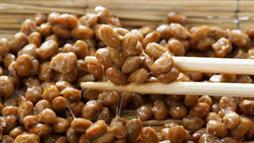
If you’re not familiar with nattokinase, you’re not alone. CliffsNotes on the term might describe it as an enzyme that’s purified and extracted from the bacterium Bacillus subtilis (aka natto), a traditional Japanese food made from fermented soybeans and eaten for millennia. How is nattokinase significant for health? The answer is multifaceted, as it’s been found to be significant in both disease treatment and prevention.
Benefits include a dramatic effect on blood clots; more recently, research has revealed how the enzyme impacts persistent sinus conditions. Especially during colder times of the year, a common malady is nasal-related problems, which can turn into a number of variants, including sinus inflammation. The symptoms are not pleasant (few nasal problems are) and can lead to chronic rhinosinusitis (CRS) and/or nasal polyps.
But a recent study1 indicates that nattokinase is an effective way to deal with these and related symptoms. Natural health proponent Dr. Michael Murray says nattokinase has the ability to produce powerful effects to improve CRS, far better than conventional drugs. He explains how nattokinase is produced:
“The enzyme nattokinase is produced by adding the bacterium Bacillus natto to boiled soybeans. The bacteria try to digest the soybeans by secreting nattokinase. The most popular and scientifically studied application for nattokinase has focused on its potent fibrinolytic (‘clot-busting’) activity.
What that means is that it breaks down fibrinogen, a component of blood clots and atherosclerotic plaque. Elevated fibrinogen levels are another clear risk factor for cardiovascular disease.”2
One of the most common ways high fibrinolytic levels manifest in the body is via the development of nasal polyps, as it settles in the nasal mucous. That’s also the reason why researchers decided to determine how nattokinase might be beneficial for this condition.

What Is a Mucolytic Agent?

A mucolytic is an agent that renders mucus — the thick substance that makes spit difficult to rid your throat of when you have a cough, and often contributes to an “unproductive” cough as well —  looser and thinner, making it easier to get rid of. Most mucolytics are prescription form because they’re chemically concocted rather than being a natural substance. Further, you’ll note that drug companies producing them make it clear that taking the drugs regularly is needed for them to work properly.
Murray noted that for healthy nasal passages, sinuses and airways, it’s important for secretions to maintain elasticity and fluidity in your respiratory tract. If your mucus is too thick, it’s hard to get rid of, which promotes inflammation, blocked airways, difficulty breathing and, as a result, polyp formation. That’s where nattokinase comes in, improving these secretions and the resulting inflammation and other issues. In addition:
“This effect is similar to other enzymes such as bromelain and serrapeptidase. And, indicates that nattokinase is a strong consideration in conditions beyond CRS such as chronic obstructive pulmonary disease (COPD), bronchitis, and sinusitis.”3

Background on Nattokinase: What It Is and What It Does

In 1980, Hiroyuki Sumi from Chicago University Medical School was researching the clot-busting aspects of conventional drugs and tried placing natto in a petri dish with a blood clot. In 18 hours, the blood clot dissolved — far less time than occurs with drugs prescribed for the same purpose. Later clinical studies have determined nattokinase also:
  • Dissolves excess fibrin in blood vessels, which improves circulation, dissolves blood clots and reduces the risk of serious clotting, aka atherothrombotic prevention
  • Increases HDL (good cholesterol), optimizes cholesterol levels and has no side effects
  • Decreases blood viscosity, which in turn improves blood flow and, subsequently, lowers blood pressure
  • Exerts “considerably stronger thrombolytic activity” comparable to that of another well-known blood thinner: aspirin, a remedy known to trigger bleeding and gastric ulcers 
  • Can be absorbed by your intestinal tract when taken orally

Nattokinase and Decreased Blood Pressure

In 2016, researchers observed a link between the consumption of nattokinase and both lowered blood pressure and von Willebrand factor, which helps stimulate blood clotting and control bleeding after an injury. Von Willebrand disease is an inherited condition that impedes this factor (related to another clotting disorder known as hemophilia). According to the study,4 nattokinase consumption was associated with a decrease in both systolic and diastolic blood pressure.
Incidentally, the reduction in systolic blood pressure was seen for both sexes but was more robust in males consuming nattokinase. Significantly, the researchers also noted that while a number of pharmaceutical options are available for these conditions, notably “thiazide-type diuretics, angiotensin-converting enzyme inhibitors/angiotensin II receptor blockers, calcium channel blockers and beta-adrenergic blockers,”5 adverse effects can include:
  • Contraindications, aka possible harm
  • Synergistic effects, which can exacerbate the effects of protocols, making all combined greater than the individual effects
  • Increased risk for certain individuals, such as those with diabetic nephropathy, aka kidney damage caused by diabetes, including the possibility of impaired renal function, abnormally low blood pressure (hypotension) and hyperkalemia, aka higher-than-normal blood potassium
In fact, the study notes:
“There is a growing interest in non-pharmaceutical sources of angiotensin-converting enzyme inhibitors, as well as food-based strategies for supporting cardiovascular function and specifically for reducing hypertension. Natural methods to reduce such inflammatory conditions are of interest, and dietary components of functional benefit for the hypertensive patient include essential fatty acids where cardioprotective fatty acids found in oils from fish, flax, nuts, seeds, and algae have known anti-inflammatory activities.”6

Research on Nattokinase

Studies on both animals and humans have shown how effectively nattokinase (NK) “provides support to the circulatory system by thinning the blood and dissolving blood clots.”7
  • In one study, dogs with chemically induced thrombi in their major leg vein were given nattokinase capsules, and the clots dissolved within five hours.8
  • A similar study on rats with induced thrombosis in their carotid artery showed “considerably stronger thrombolytic activity” and an increased blood flow of 62 percent, compared with other enzymes that exhibited 15 percent and zero percent blood flow.9
  • According to Life Extension, another rat study involved nattokinase supplementation for three weeks before and after endothelial injury to the animals’ femoral arteries.10 The result was more effective thickening and dissolution of blood clots near the injury, as compared to control animals not given the supplement.11
  • Because thicker blood viscosity and coagulation can raise your risk of cardiovascular disease, one study involved the administration of NK to healthy individuals as well as those with elevated cardiovascular disease factors and others undergoing dialysis, with a significant decrease in fibrinogen levels within two months.12
On long-haul flights (and vehicle travel), one risk is the development of deep vein thrombosis, or blood clots, especially when individuals fail to get up and move around. A study comparing the effects of a combination of nattokinase and pycnogenol (derived from pine bark), and a control group of participants given a placebo, resulted in five thromboses problems among the control group and zero in the NK/pycnogenol group.13
In addition, studies indicate that the longevity of Japanese who’ve been consuming natto (interestingly, one of the derivatives is vitamin K2) for thousands of years is greatly increased.14 In a far lower life form, the life span of nematodes (Caenorhabditis elegans) was also significantly extended by nattokinase.15

Nattokinase: Conventional Remedies

Previous research on nattokinase, involving a collaboration between Qingdao University in China and Northeastern State University at Broken Arrow, Oklahoma, called natto a “miracle food” and noted one of its most significant benefits: heart disease prevention.
It’s well-known in the medical world that when patients exhibit the main risks for the primary cause of death in the U.S. — cardiovascular disease (CVD) — such as obesity, high blood pressure and Type 2 diabetes, the first order of business is to put them on statin drugs, suggest bypass surgery or angioplasty to clear excess plaque from arteries or prescribe blood thinners. The latter can pose serious side effects, including:
Hemorrhage (internal bleeding)
Abdominal pain and cramping
Fatigue
Feeling cold and chills
Liver damage
Hair loss
Nausea
However, savvy scientists understand that blood clots are another risk factor for heart health. The risk rises due to several factors, age being one of them. Smart Publications notes:
“Although our human body produces several enzymes for making blood clots, it produces only one enzyme — plasmin — for dissolving them. The problem is, as we age the production of plasmin is reduced, making blood more prone to coagulation and clotting.
To make matters worse, fibrinogen (a blood clotting protein) levels rise as we get older. And high levels of fibrinogen usually lead to increased platelet aggregation, blood clots, and eventually heart attack or stroke ... Preventing blood clots, particularly in older individuals, is a crucial step in preventing heart attack and stroke.”16
The key is doing it naturally, which is what nattokinase offers. According to Life Extension, nattokinase has been available for purchase since 1998. Keep in mind that the food natto may be made from genetically engineered soy, so be sure to read food labels.

Final Notes on Nattokinase

Currently, scientists say the recommended amount of powdered nattokinase is two 100-milligram capsules per day. If you’re wondering about the soy it contains, remember that natto is fermented soy, and fermentation removes the disadvantages associated with eating raw or cooked soy. You can even make your own natto at home, but if you prefer a supplement form, nattokinase is actually an enzyme derived from the food. The Baseline of Health Foundation notes:
“Some may question the use of using a soy-derived product for health. Note that when soy is fermented, it neutralizes the harmful effects on your hormones. But more importantly, what you get in a supplement is not natto, the food derived from fermenting soy, but nattokinase, the purified enzyme extracted from natto. In other words, there’s virtually no soy left in nattokinase. Just be sure to look for a brand that uses non-GMO Nattokinase since most soy is genetically modified.”17
Significantly, a study in Egypt asserts that nattokinase may benefit people with Alzheimer’s disease, as it did in research on rats, which scientists determined after oral administration and subsequent study of their brain tissue.18 Additional studies are ongoing.
https://articles.mercola.com/sites/articles/archive/2018/02/12/nattokinase.aspx

Friday, 17 January 2014

Papaya - the next miracle food?

Health Tips - Humble Papaya might be the next miracle food ! 


Heard a lots of papaya used in skincare products, for cancer prevention would be the next big thing...
Papaya was the only studied food found to halt breast cancer.

Scientists studied 14 plant foods commonly consumed in Mexico to determine their ability to halt breast cancer cell growth. These included avocado, black sapote, fuava, mango, prickly pear cactus (nopal), pineapple, grapes, tomato, and papaya. They also evaluated beta-carotene, total plant phenolics, and gallic acid contents and antioxidant capacity. They found that only papaya had a significant effect on stopping breast cancer cell growth. (International Journal of Food Science and Nutrition, May)

Papaya is a store-house of cancer fighting lycopene

The intense orangey-pink color of papaya means it is chock full of cancer fighting carotenoids. Not only beta carotene, but lycopene is found in abundance. The construction of lycopene makes it highly reactive toward oxygen and free radicals.

Scientists at the University of Illinois think this anti-oxidant activity contributes to its effectiveness as a cancer fighting agent.  Epidemiological studies have indicated an inverse relationship between lycopene intake and prostate cancer risk. They showed that oral lycopene is highly bioavailable, accumulates in prostate tissue, and is localized in the nucleus of prostate epithelial cells.

In addition to antioxidant activity, other experiments have indicated that lycopene induces cancer cell death, anti-metastatic activity, and the up-regulation of protective enzymes. Phase I and II studies have established the safety of lycopene supplementation. (Cancer Letter, October 8, 2008)

Prostate cancer was the subject of a study in Australia that looked at 130 prostate cancer patients and 274 hospitalized controls

The scientists found that men who consumed the most lycopene-rich fruits and vegetables such as papaya were 82% less likely to have prostate cancer. In this study, green tea also exerted a powerful anti-cancer effect. When lycopene-rich foods were consumed with green tea, the combination was even more effective, an outcome the researchers credited to their synergy. (Asia Pacific Journal of Clinical Nutrition, 2007)

Isothiocyanates found in papaya restore the cell cycle to eliminate cancer

Organo-sulfur compounds called isothiocyanates are found in papaya. In animal experiments, isothiocyanates protected against cancers of the breast, lung, colon pancreas, and prostate, as well as leukemia, and they have the potential to prevent cancer in humans. Isothiocyanates have shown themselves capable of inhibiting both the formation and development of cancer cells through multiple pathways and mechanisms. (International Journal of Oncology), October, 2008).

Researchers in Japan clarified the mechanisms of action in a type of isothiocyanate found in papaya known as BITC, that underlies the relationship between cell cycle regulation and appropriate cell death. When cancerous cells die on schedule, they are no longer a problem. The researchers established that BITC exerted cancer cell killing effects that were greater in the proliferating cells than in the quiescent cells. Cancer cells that are proliferating are much more dangerous than cancer cells that are in a state of dormancy. (Forum of Nutrition, 2009)

Enzymes from papaya digest proteins including those that protect tumors

The fruit and other parts of the papaya tree, also known as the paw paw tree, contain papain and chymopapain, powerful proteolytic enzymes that facilitate chemical reactions in the body. They promote digestion by helping to break down proteins from food into amino acids that can be recombined to produce protein useable by humans. Proteolytic enzymes protect the body from inflammation and help heal burns. They do a good job of digesting unwanted scar tissue both on the skin and under its surface.

Research has shown that the physical and mental health of people is highly dependent on their ability to produce proteins they can use effectively. However, as people age, they produce less of the enzymes needed to effectively digest proteins from food and free needed amino acids. They are left with excessive amounts of undigested protein which can lead to overgrowth of unwanted bacteria in the intestinal tract, and a lack of available amino acids.

Eating papaya after a meal promotes digestion, and helps prevent bloating, gas production, and indigestion

It is quite helpful after antibiotic use to replenish friendly intestinal bacteria that were the casualties in the war against the unwanted bacteria. When the intestinal tract is well populated with friendly bacteria, the immune system is strengthened, and can better protect against flu and cancer.

Being a proteolytic enzyme, papain is able to destroy intestinal parasites, which are composed mostly of protein. To rid the body of intestinal parasites, half a cup of papaya juice can be alternated each hour for twelve consecutive hours with the same amount of cucumber or green bean juice.

Papaya contains fibrin, another useful compound not readily found in the plant kingdom. Fibrin reduces the risk of blood clots and improves the quality of blood cells, optimizing the ability of blood to flow through the circulatory system. Fibrin is also important in preventing stokes. Proteolytic enzymes containing fibrin are a good idea for long plane rides to minimize the potential of blood clots in the legs. People who sit at a desk all day might want to use proteolytic enzymes too. 

Proteolytic enzymes are able to digest and destroy the defence shields of viruses, tumours, allergens, yeasts, and various forms of fungus. Once the shield is destroyed, tumours and invading organisms are extremely vulnerable and easily taken care of by the immune system. Undigested proteins can penetrate the gut and wind up in the bloodstream where they are treated by the immune system as invaders. If too many undigested proteins are floating around, the immune system becomes overburdened and unable to attend to the other tasks it was meant to do. Proteolytic enzymes can digest these rogue proteins, freeing up the immune system.
Let's ensure a slice of papaya every day in our diet. Papaya juice will be great.
Have a great day.....along with a slice of papaya.

A word of caution - too much of papaya would make you look yellow, and if you are a man, you might lose your libido!

http://www.ecostarr.com/health-info---papaya-cancer.php

Originally posted in Healthwise on 31 December 2012.

Also read:

Monday, 18 March 2013

Top 10 Markers for Heart Disease

Remedies for Cardiac Woes

Steve Yap

Posted on 4 March 2013 - 05:17pm

While conventional treatments focus on lowering total cholesterol and/or reducing blood thickness, complementary therapy works differently in treating heart diseases            


Where current conventional treatment tends to focus on lowering total cholesterol and reducing blood thickness, complementary cardiology addresses atherosclerosis differently.

The condition is viewed as a reversible chronic metabolic disorder along with other conditions such as hypertension, diabetes, allergies, and even some cancers.

Elevation in non-oxidised blood total cholesterol may be indicative of atherosclerosis, but it may not be its cause.

The top 10 blood markers which guide complementary therapy for reversing the progression of heart disease include:

C-reactive protein

Like most other chronic health disorders, atherosclerosis is likely to be linked to chronic inflammation, which this marker measures.

Besides initiating a plaque from the lesion inflammation inflicts, it's widely recognised that for a plaque to rupture, inflammation must be present too. Those with gum disease or weak immunity and suffer from frequent infections also tend to have elevated C-reactive protein scores.

Eat foods low in omega-6 fats and high in omega-3 or mono-unsaturated fats. Note that meat or by-products from corn-fed livestock/animals and even fish (orange salmon) are pro-inflammatory since they're high in omega-6.

Homocysteine

Besides shortening telomere at the end of your chromosomes, this by-product of protein metabolism is widely recognised as being more dangerous than total cholesterol as a marker for heart disease since it was identified in 1969 by Kilmer McCully at Harvard.

It's being addressed in anti-ageing medicine since hyperhomocysteinemia also links stroke and Alzheimer's disease. This condition is on the rise due to high intake of refined food and grains devoid of vitamin Bs.

Supervised supplementation with vitamins B12, B6, folate, and magnesium citrate helps, especially for those with ApoE-4 variant gene.

Ferritin

Iron is an essential trace mineral. In excess, the stored iron (ferritin) is a strong oxidising agent linked to many chronic disorders.

This marker is viewed as being more dangerous than total cholesterol, which oxidation causes it to stick to arteries. Don't take iron supplement unless your serum ferritin is tested.

Red meat, organ meat, eel, cockles, egg yolk, and cashewnut are rich in iron. Chelating nutraceuticals for ferritin include rice bran IP-6 and quercetin.

Cortisol

For those with healthy adrenals, elevated cortisol score is suggestive of elevated stress. However, those with chronic fatigue syndrome (adrenal insufficiency), abnormally low cortisol score may be the consequence.

Prolong stress not only adversely affects one's mental state, but also the heart. High anxiety levels may raise risk by up to 700%.

Untreated stress can lead to depression, which may raise risk of heart disease up to 400%.
Indeed, studies showed chronic anxiety as being predictive of fatal heart disease. Other studies showed anger could increase risk of a second cardiac event by 700%.

Adequate sleep and adatogens are used to lower one's cortisol levels.

Fibrinogen

Thick blood may be indicative of chronic inflammation. This condition promotes blood clots, gangrene in diabetes, fatigue, and mechanical stress to organs such as the heart and kidney.
Reduce intake of refined starch/sugar and caffeinated drinks and increase intake of fluid and fresh vegetables can help thin the blood.

HbA1c

Diabetics are at high risk of developing heart disease since their arteries tend to clog a lot faster than non-diabetics. Insulin resistance and diabetes are reversible by dietary/lifestyle modifications with or without targeted nutraceuticals.

Blood pressure

The longest-living people have blood pressure around 115/75. Generally, hypertension is reversible by lifestyle/dietary modifications with nutrients such as L-arginine, magnesium citrate, potassium citrate, CoQ10, and EPA/DHA.

Thyroid stimulating hormone (TSH)

If you suffer from hypothyroidism (low metabolism), you can raise it with dietary/lifestyle modifications and nutrients.

Generally, excess intake of refined starch/sugar lowers one's metabolism while higher protein intake raises it. Regular exercise also help extend elevated metabolism.

Lipoprotein [a]

This very small, sticky cholesterol can easily attach itself to arteries. Produced by the liver in response to our ageing vascular system, its elevation is considered an independent risk factor for heart disease. Consult a nutritional therapist for treating this condition.

High density lipoprotein

High levels of HDL cholesterol promote cleaner arteries and we are only as old as our arteries. Most spices and many nutraceuticals can help raise HDL levels.

http://www.thesundaily.my/news/627541

Monday, 31 December 2012

Papaya - the next miracle food?

Health Tips - Humble Papaya might be the next miracle food !


Heard a lots of papaya used in skincare products, for cancer prevention would be the next big thing...
 
Papaya was the only studied food found to halt breast cancer.

Scientists studied 14 plant foods commonly consumed in Mexico to determine their ability to halt breast cancer cell growth. These included avocado, black sapote, fuava, mango, prickly pear cactus (nopal), pineapple, grapes, tomato, and papaya. They also evaluated beta-carotene, total plant phenolics, and gallic acid contents and antioxidant capacity. They found that only papaya had a significant effect on stopping breast cancer cell growth. (International Journal of Food Science and Nutrition, May)

Papaya is a store-house of cancer fighting lycopene

The intense orangey-pink color of papaya means it is chock full of cancer fighting carotenoids. Not only beta carotene, but lycopene is found in abundance. The construction of lycopene makes it highly reactive toward oxygen and free radicals.

Scientists at the University of Illinois think this anti-oxidant activity contributes to its effectiveness as a cancer fighting agent.  Epidemiological studies have indicated an inverse relationship between lycopene intake and prostate cancer risk. They showed that oral lycopene is highly bioavailable, accumulates in prostate tissue, and is localized in the nucleus of prostate epithelial cells.

In addition to antioxidant activity, other experiments have indicated that lycopene induces cancer cell death, anti-metastatic activity, and the up-regulation of protective enzymes. Phase I and II studies have established the safety of lycopene supplementation. (Cancer Letter, October 8, 2008)

Prostate cancer was the subject of a study in Australia that looked at 130 prostate cancer patients and 274 hospitalized controls

The scientists found that men who consumed the most lycopene-rich fruits and vegetables such as papaya were 82% less likely to have prostate cancer. In this study, green tea also exerted a powerful anti-cancer effect. When lycopene-rich foods were consumed with green tea, the combination was even more effective, an outcome the researchers credited to their synergy. (Asia Pacific Journal of Clinical Nutrition, 2007)

Isothiocyanates found in papaya restore the cell cycle to eliminate cancer

Organo-sulfur compounds called isothiocyanates are found in papaya. In animal experiments, isothiocyanates protected against cancers of the breast, lung, colon pancreas, and prostate, as well as leukemia, and they have the potential to prevent cancer in humans. Isothiocyanates have shown themselves capable of inhibiting both the formation and development of cancer cells through multiple pathways and mechanisms. (International Journal of Oncology), October, 2008).

Researchers in Japan clarified the mechanisms of action in a type of isothiocyanate found in papaya known as BITC, that underlies the relationship between cell cycle regulation and appropriate cell death. When cancerous cells die on schedule, they are no longer a problem. The researchers established that BITC exerted cancer cell killing effects that were greater in the proliferating cells than in the quiescent cells. Cancer cells that are proliferating are much more dangerous than cancer cells that are in a state of dormancy. (Forum of Nutrition, 2009)

Enzymes from papaya digest proteins including those that protect tumors

The fruit and other parts of the papaya tree, also known as the paw paw tree, contain papain and chymopapain, powerful proteolytic enzymes that facilitate chemical reactions in the body. They promote digestion by helping to break down proteins from food into amino acids that can be recombined to produce protein useable by humans. Proteolytic enzymes protect the body from inflammation and help heal burns. They do a good job of digesting unwanted scar tissue both on the skin and under its surface.

Research has shown that the physical and mental health of people is highly dependent on their ability to produce proteins they can use effectively. However, as people age, they produce less of the enzymes needed to effectively digest proteins from food and free needed amino acids. They are left with excessive amounts of undigested protein which can lead to overgrowth of unwanted bacteria in the intestinal tract, and a lack of available amino acids.

Eating papaya after a meal promotes digestion, and helps prevent bloating, gas production, and indigestion

It is quite helpful after antibiotic use to replenish friendly intestinal bacteria that were the casualties in the war against the unwanted bacteria. When the intestinal tract is well populated with friendly bacteria, the immune system is strengthened, and can better protect against flu and cancer.

Being a proteolytic enzyme, papain is able to destroy intestinal parasites, which are composed mostly of protein. To rid the body of intestinal parasites, half a cup of papaya juice can be alternated each hour for twelve consecutive hours with the same amount of cucumber or green bean juice.

Papaya contains fibrin, another useful compound not readily found in the plant kingdom. Fibrin reduces the risk of blood clots and improves the quality of blood cells, optimizing the ability of blood to flow through the circulatory system. Fibrin is also important in preventing stokes. Proteolytic enzymes containing fibrin are a good idea for long plane rides to minimize the potential of blood clots in the legs. People who sit at a desk all day might want to use proteolytic enzymes too.

Proteolytic enzymes are able to digest and destroy the defence shields of viruses, tumours, allergens, yeasts, and various forms of fungus. Once the shield is destroyed, tumours and invading organisms are extremely vulnerable and easily taken care of by the immune system. Undigested proteins can penetrate the gut and wind up in the bloodstream where they are treated by the immune system as invaders. If too many undigested proteins are floating around, the immune system becomes overburdened and unable to attend to the other tasks it was meant to do. Proteolytic enzymes can digest these rogue proteins, freeing up the immune system.
 
Let's ensure a slice of papaya every day in our diet. Papaya juice will be great.
Have a great day.....along with a slice of papaya.

A word of caution - too much of papaya would make you look yellow, and if you are a man, you might lose your libido!

http://www.ecostarr.com/health-info---papaya-cancer.php

Sunday, 23 December 2012

How to Improve Circulation

- No article date -

Blood is an extraordinarily versatile vehicle for the body’s vital functions. It nourishes all of the cells with oxygen and nutrients while carrying away carbon dioxide and other wastes. Its cells help detect pathogens and fight infection. In the event of tissue damage, the blood helps set repair mechanisms in motion.

Because the blood is in charge of so many tasks, anything that interferes with its ability to flow freely through the circulatory system can upset the body’s delicate balance.
Unfortunately, such problems are very prevalent.

According to the Centers for Disease Control and Prevention, one-third of adults in the U.S. have high blood pressure, which increases the risk of death from heart attack and stroke. Furthermore, one-sixth of adults have abnormally high levels of cholesterol, which doubles the risk of heart disease and causes the blood vessels to become narrow.

There are several natural approaches that people may take in order to improve circulation. These may include an increase in physical activity and adjustments to one’s diet. While there are several vitamins and minerals that can promote good blood flow, scientists are continuing to study a wide array of natural compounds in order to diversify the supplements that are available to health-conscious consumers.

Tackle Cholesterol and Clotting Factors With Soy

For decades, there has been a growing interest in the health benefits of soy. Given this, it’s no surprise that there is also a good deal of attention surrounding natto, which is a fermented form of this food.

Nattokinase, an extract from soybeans fermented with the bacterium Bacillus subtilis natto, is made up of plasmin, isoflavones, carbohydrates, fat, minerals and vitamin K, according to a study published in Lipid Therapy. Past studies conducted in rodents indicated that nattokinase may have a positive effect on lipid metabolism.

In order to investigate whether the same was true in humans, a team of scientists conducted a study in which 30 individuals, all of whom were diagnosed with high cholesterol, consumed a low cholesterol diet. Meanwhile, they received either nattokinase supplements or placebo twice a day for eight weeks.

Results showed that by the end of the study period, total serum cholesterol levels were lower among subjects who took the nattokinase supplements, compared to those who received placebos.

Another study, published in Nutrition Research, detailed an open-label experiment in which 45 subjects consumed nattokinase capsules every day for two months, while the scientists measured levels of several factors related to clotting in the trial participants’ blood.

Ultimately, the researchers found that nattokinase decreased levels of fibrinogen and other clotting factors, suggesting that the soy extract could help maintain optimum cardiovascular health.

Sowing the Seeds of Good Circulation

Health-conscious consumers may be aware of the potentially beneficial compounds contained within grapes, particularly resveratrol, which has been linked to heart health. However, powerful substances can also be found within the grape seed itself.

According to the University of Maryland Medical Center (UMMC), grape seed extract contains vitamin E, flavonoids, linoleic acid and other healthy compounds.

One study published in Clinical Science noted that the polyphenols of grapes, which have been linked to improvements in blood pressure, are often found in the skin and pulp of the fruit. However, more than 70 percent of the polyphenols are actually concentrated within the grape seeds.

Scientists from the University of California, Davis, conducted an experiment with grape seed extract in order to understand the effects that it had on blood pressure. Using rabbits, the researchers demonstrated that grape seed extract set off a specific chain reaction within the cells of the blood vessels that caused them to relax, therefore improving the blood pressure.

There is also early research to suggest that grape seed extract can reduce one’s levels of LDL, or bad, cholesterol, according to the UMMC.

A Brew for Healthy Blood Flow

Tea is the most highly consumed beverage in the world, second only to water. One reason for tea’s enduring popularity during the past two millenia is its potential health effects.

The three main types of beverage that can be brewed from the plant Camellia sinensis are green tea, oolong tea and black tea. The manufacturing process, including drying and fermentation, is what determines the kind of drink produced as the end result, as well as the nutrient content.

Most of tea’s health benefits are tied to the presence of antioxidants. These compounds help neutralize free radicals, which are pollutants that cause damage to the integrity of cells and DNA, potentially leading to cancer and other diseases. Free radicals may come from environmental pollution, ultraviolet radiation, smoking or unhealthy food. Furthermore, the body produces its own free radicals as a byproduct of ordinary metabolism.

The most prominent antioxidants in green tea are catechins, which include epigallocatechin gallate (EGCG). In the roughly three decades that scientists have been studying healthy compounds in green tea, EGCG has been the centerpiece of research projects on Parkinson’s disease, Alzheimer’s disease, diabetes, cancer and microbial infections, according to a review published in Life Sciences.

When it comes to cardiovascular disease, several studies suggest that the antioxidants in green tea may have positive effects on the tissues that make up the body’s blood vessels, therefore improving blood pressure, scientists from Spain wrote in the Journal of the American College of Nutrition.

Furthermore, green tea has been tied to optimal levels of cholesterol. In order to find out how the beverage exerts this effect, one team of researchers from Australia and the U.K. conducted an experiment using rabbit models of high cholesterol. This study showed that the antioxidants of green tea did not affect the intestine’s ability to absorb cholesterol, but they may have had an impact on the liver’s ability to make the substance, as published in Atherosclerosis.

One potential obstacle to consuming adequate levels of antioxidants from green tea is the beverage’s caffeine content, which may have negative side effects. However, the manufacturing of certain supplements that contain green tea extracts may help minimize this risk.

Amazing Alpha Lipoic Acid

In the interest of understanding the wide range of antioxidants that can benefit the cardiovascular system, a great deal of research has focused on alpha lipoic acid (ALA).

This compound occurs naturally in organ meats, such as hearts, livers and kidneys, according to a review published in the Journal of Nutrition. Smaller amounts of ALA can be found in vegetarian sources like spinach, broccoli, tomatoes, garden peas, Brussels sprouts and rice.

One reason why scientists are so excited about ALA is that this antioxidant helps the body recycle and use other antioxidants, such as vitamins C and E, more efficiently. Ultimately, this process can protect LDL cholesterol from oxidation. Therefore, ALA potentially prevents the buildup of harmful deposits on the walls of the arteries, keeping the blood vessels clear for optimal circulation.

Other studies suggest that ALA could help the body produce certain substances that help keep the blood vessels relaxed. Therefore, this antioxidant may improve blood pressure, as published in Biochimica et Biophysica Acta.

Don’t Forget Healthy Lifestyles

When it comes to cholesterol, patients should curb their consumption of foods that contain high amounts of saturated fat, which can elevate levels of LDL. These include dairy products, chocolate, baked goods, products that have been deep-fried and certain meats. Foods that contain trans fats also have the same effect on LDL.

Conversely, you can improve your blood pressure by eating a diet that is low in both sodium and alcohol. It also helps for people to learn positive approaches to managing stress, which is a variable that increases the risk of hypertension.

Physical activity can support efforts to optimize both cholesterol and blood pressure levels. Adults should engage in at least 150 minutes of moderate-intensity, or 75 minutes of vigorous-intensity, aerobic exercise every week. For best results, these activities should be spread throughout the week in increments of at least 10 minutes.

Exercise is especially important for adults aged 65 and older because regular physical activity can help keep them mobile and independent. If possible, senior citizens should follow the same guidelines for physical activity that apply to younger adults. A healthcare provider can help you figure out what is safe and effective.

Source: New Supplements For Circulation

Wednesday, 11 July 2012

Surprising Cancer-Fighting Benefits of Pineapple Enzyme

July 11 2012 | 105,520 views


Story at-a-glance

  • Chemotherapy destroys healthy cells throughout your body right along with cancer cells, a “side effect” that often leads to accelerated death, not healing; it is also known to encourage the growth of the treatment-resistant cells within tumors, making the cancer more deadly as a result
  • A handful of natural compounds have been discovered that exhibit an effect called "selective cytotoxicity,” which means they are able to kill cancer cells while leaving healthy cells and tissue unharmed
  • Bromelain, an enzyme that can be extracted from pineapple stems, is selectively cytotoxic, and was shown superior to the chemotherapy drug 5-fluorauracil in treating cancer in the animal model
  • Bromelain is a proteolytic enzyme, which can be helpful in treating cancer because it helps restore balance to your immune system, among other cancer-fighting benefits


By Dr. Mercola
One of the reasons why conventional cancer treatment is such a dismal failure in the United States is because it relies on chemotherapy.

Chemotherapy drugs are, by their very nature, extremely toxic and typically work against your body's natural ability to fight cancer, e.g. destroying host immunity instead of supporting it. 
One of the biggest drawbacks to chemotherapy is the fact that it destroys healthy cells throughout your body right along with cancer cells, a "side effect" that often leads to accelerated death, not healing. 
Another devastating side effect of chemotherapy is the way it actually supports the more chemo resistant and malignant cell subpopulations within tumors (e.g. cancer stem cells), both killing the more benign cells and/or senescent cells within the tumor that keep it slow-growing, or even harmless. 
As a result, this unleashes a more aggressive, treatment-resistant type of cancer to wreak havoc on the body.

A handful of natural compounds have been discovered, however, which exhibit an effect called "selective cytotoxicity." This means they are able to kill cancer cells while leaving healthy cells and tissue unharmed.

This type of cancer treatment is intelligent, targeted and will not result in the death of the patient from "collateral damage" in what is increasingly a failed war not against the cancer being treated, but the patient's own irreversibly devastated body.

Bromelain in Pineapples Kills Cancer Cells Without Harming You

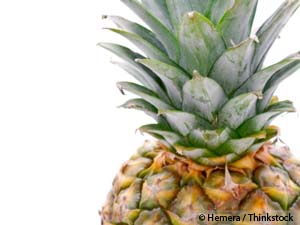
One such compound is bromelain, an enzyme that can be extracted from pineapple stems. Research published in the journal Planta Medica found that bromelain was superior to the chemotherapy drug 5-fluorauracil in treating cancer in an animal study.i Researchers stated:
"This antitumoral effect [of bromelain] was superior to that of 5-FU [5-fluorouracil], whose survival index was approximately 263 %, relative to the untreated control."
What makes this impact particularly impressive is that the bromelain worked without causing additional harm to the animals. The chemo drug 5-fluorauracil, on the other hand, has a relatively unsuccessful and dangerous track record despite being used for nearly 40 years.

As written by GreenMedInfo:
"As a highly toxic, fluoride-bound form of the nucleic acid uracil, a normal component of RNA, the drug is supposed to work by tricking more rapidly dividing cells -- which include both cancer and healthy intestinal, hair follicle, and immune cells -- into taking it up, thereby inhibiting (read: poisoning) RNA replication enzymes and RNA synthesis.…

When a person dies following conventional cancer treatment it is all too easy to "blame the victim" and simply write that patient's cancer off as "chemo-resistant," or "exceptionally aggressive," when in fact the non-selective nature of the chemotoxic agent is what ultimately lead to their death."
Selective cytotoxicity is indeed a property that is only found among natural compounds; no chemotherapy drug yet developed is capable of this effect. Aside from bromelain, other examples of natural compounds that have been found to kill cancer cells without harming healthy cells include:

  • Vitamin C -- Dr. Ronald Hunninghake carried out a 15-year research project called RECNAC (cancer spelled backwards). His groundbreaking research in cell cultures showed that vitamin C was selectively cytotoxic against cancer cells.
  • Eggplant extract: Solasodine rhamnosyl glycosides (BEC), which is a fancy name for extracts from plants of the Solanaceae family, such as eggplant, tomato, potato, Bell peppers, and tobacco, also impact only cancerous cells leaving normal cells alone. Eggplant extract cream appears to be particularly useful in treating skin cancer. Dr. Bill E. Cham, a leading researcher in this area, explains:
    "The mode of action of SRGs [glycoalkaloids solasodine rhamnosy glycosides (BEC)] is unlike any current antineoplastic [anti-tumor] agent. Specific receptors for the SRGs present only on cancer cells but not normal cells are the first step of events that lead to apoptosis in cancer cells only, and this may explain why during treatment the cancer cells were being eliminated and normal cells were replacing the killed cancer cells with no scar tissue being formed." 
  • Turmeric (Curcumin Extract): Of all the natural cancer fighters out there, this spice has been the most intensely researched for exhibiting selective cytotoxicity.ii Remarkably, in a 2011 study published in the Journal of Nutritional Biochemistry, rats administered curcumin, the primary polyphenol in turmeric, saw a decrease in experimentally-induced brain tumors in 9 out of 11 treated, while noting that the curcumin did not affect the viability of brain cells "suggesting that curcumin selectively targets the transformed [cancerous] cells."

How Enzymes Might Help Treat Cancer

Bromelainis a proteolyticenzyme (an enzyme that digests proteins). In the Planta Medica study, it was injected directly into the abdominal cavity. Getting enzymes from your digestive tract into your bloodstream isn't as easy as it would seem, as enzymes are very susceptible to denaturing and must be helped to survive the highly acidic environment in your stomach. They are often given an "enteric coating" to help them survive the journey through your digestive tract.
And then, there is the matter of absorption. For nearly 100 years, medical dogma insisted that enzymes taken orally were too large to pass through the digestive tract wall.

However, there is now a good deal of research that they can indeed pass through your intestine intactiii and into your bloodstream and lymphatic system, where they can deliver their services to the rest of your body... one of the mysteries of medical science.

Now that we know this is possible, systemic oral enzymes have been used to treat problems ranging from sports injuries to arthritis to heart disease and cancer, particularly in European countries. But most of the research has been published in non-English language journals.

Is Cancer the Result of Diminished Pancreatic Enzymes?

This systemic use of enzymes is just now taking off in the United States, but the use of enzymes to treat cancer has its roots all the way back to 1911 with John Beard's The Enzyme Treatment of Cancer and Its Scientific Basis. Beard believed cancer was a result of diminished pancreatic enzymes, impairing your immune response. A study in 1999iv suggests he may have been right on target.

Ten patients with inoperable pancreatic cancer were treated with large doses of oral pancreatic enzymes (along with detoxification and an organic diet), and their survival rates were 3 to 4 times higher than patients receiving conventional treatment. Proteolytic enzymes can be helpful in treating cancer because they help restore balance to your immune system. Dr. Nick Gonzalez in New York City, NY has also done a lot of work on enzymes in cancer treatment and has written a book on the subject.v

Some of the ways proteolytic enzymes can be helpful in the fight against cancer are:vi
  • Boosting cytokines, particularly interferon and tumor necrosis factor, which are very important warriors in destroying cancer cells.
  • Decreasing inflammation.
  • Dissolving fibrin: Cancer cells hide under a cloak of fibrin to escape detection. Once the cancer cells are "uncloaked," they can be spotted and attacked by your immune system. It is also thought that fibrin makes cancer cells "stick together," which increases the chance for metastases.
  • German studies have shown that systemic enzymes increase the potency of macrophages and killer cells 12-fold.
Fortunately, you get (or should be getting) many enzymes from the foods you consume—particularly, raw foods. These directly help with your digestive process. The more raw foods you eat, the lower the burden on your body to produce the enzymes it needs, not only for digestion, but for practically everything. Whatever enzymes are not used up in digestion are then available to help with other important physiological processes.

This is one of the reasons why it is so important to eat a diet rich in fresh, organic, raw foods. You may even want to try juicing some of your vegetables, and the core of your pineapple, as a way of getting more nutrients—and enzymes—into your body. In the event you use enzymes in supplement form, it is crucial that, in order for enzymes to be used systemically, they must be consumed on an empty stomach. Otherwise, your body will use them for digesting your food, instead of being absorbed into the blood and doing their work there.

Looking for an Alternative to Chemo for Cancer Treatment?

Dr. Gonzalez is on the front lines and actively engaged in helping people by coaching them with natural alternatives instead of toxic drugs and radiation for cancer. I would personally not hesitate to recommend him to a family member or a friend diagnosed with cancer. His website, www.dr-gonzalez.com, also contains information on how to become a patient, and everything a potential patient needs to know.

Another source for more information about alternative cancer treatments in general is Suzanne Somers' book, Knockout. She reviews Dr. Gonzalez' work in one chapter, and Dr. Gonzalez personally recommends the book as a well-researched resource for anyone interested in getting more information.

Additionally, Dr. Gonzalez has written a series of books, two of which have already been published and received five-star reviews: The Trophoblast and the Origins of Cancer and One Man Alone: An Investigation of Nutrition, Cancer, and William Donald Kelley.
Three others are in the works, one of which will contain 100 of Dr. Gonzalez' case reports of patients with advanced cancer who successfully recovered on his program.
References:

Thursday, 5 July 2012

The Best Natural Anti-Inflammatories

free_arthritis_download_400(No article date)

As reported by Gottlieb in 1997, the management of osteoarthritis should include specific dietary and supplementation practices, in addition to other natural treatments such as joint mobilization, manipulation, muscle therapy, acupuncture and exercise.

(1) In this regard glucosamine sulfate has demonstrated the ability to halt joint cartilage destruction and help regenerate new cartilage in osteoarthritis cases.

However, there is also substantial clinical and experimental evidence to suggest that the inflammatory aspect of many forms of arthritis and joint inflammatory conditions can be treated effectively with the use of certain supplements, which demonstrate anti-inflammatory properties.

In fact, small clinical trials indicate that many of these natural agents provide similar efficacy as conventional anti-inflammatory drugs, and are safer to use with respect to reported adverse side effects. Although compelling evidence exists, the medical profession as a whole has not adopted the use of these natural anti-inflammatory agents for use in joint inflammatory problems.

(2) This situation may require some corrective action as it is well documented that non steroidal antiinflammatory drugs, known as NSAIDS, produce intestinal tract ulcers (with potential internal bleeding) in 10-30% of long term users and erosions of the stomach lining and intestinal tract in 30-50% of cases.

(3) As a result of these and other side effects NSAIDS use is associated with 10,000 – 20,000 deaths per year in the U.S.

(4) Even the new COX-2 inhibitor drugs have only been reported to reduce intestinal tract damage by 50% and their toxicity to the liver and kidneys is still under review.

(5) Anti-inflammatory drugs have been shown to accelerate damage and erosion of joint cartilage, advancing the osteoarthritic process. Conventional NSAIDS are also known to cause liver and kidney damage with long term use.

(6) These and other statistics have lead certain esteemed investigators to conclude, “the epidemiological data highlight the importance of implementing ASA/NSAID therapy only when strictly necessary.”

(7) Thus, if natural anti-inflammatory herbs and accessory nutrients can reduce inflammation without these noted side effects, it would be in the best interest of the patient and the health care system to adopt their use, even if it were possible to only reduce reliance (dosage and/or frequency) on more harmful synthetic drugs.


PHYSIOLOGICAL ACTION OF NATURAL ANTI-INFLAMMATORIES

Experimental research reveals that the efficacy of many natural anti-inflammatory agents stems largely from their ability to modulate the activity of the enzymes, cyclooxygenase and/or 5-lipoxygenase.

(8) The pathophysiology of joint inflammatory conditions involves the conversion of arachidonic acid to prostaglandin series–2 (PG-2) by the cyclooxygenase enzyme. PG-2 synthesis is known to produce a pro-inflammatory effect, exacerbating joint inflammatory conditions.

Accordingly, the conversion of arachidonic acid to leukotriene B4 (LTB-4), by the 5-lipoxygenase enzyme within white blood cells, is also known to contribute to the inflammatory process.

White blood cell count in normal synovial fluid is less than 100ml on average, however, cellular response rises to 800ml or more in osteoarthritis and much higher than this in rheumatoid diseases; implicating white blood cells in the T-cell mediated inflammatory response in inflammatory joint conditions.

(9) As is the case with many synthetic anti-inflammatory drugs, the active constituents of anti-inflammatory herbs have been shown to block the activity of the cyclooxygenase and lipoxygenase enzymes, inhibiting the synthesis of pro-inflammatory eicosanaoids of the PG-2 and LTB-4 series. As such, these natural substances have been shown to reduce inflammation and pain associated with various types of arthritis and traumatic joint injuries.
Unlike their synthetic counter parts, they have not been shown to cause erosion injury to the intestinal tract, accelerate cartilage destruction or produce liver and kidney toxicity.


(10) For these reasons, the following herbal agents can be considered viable alternatives to the use of conventional anti-inflammatory drugs in a large percentage of arthritic patients and those suffering from other joint inflammatory conditions.


ANTI-INFLAMMATORY SUPPLEMENTS

Curcumin − is the active anti-inflammatory agent found in the spice turmeric. It has been shown to inhibit the activity of the 5-lipoxygenase and cyclooxygenase enzymes, blocking the synthesis of pro-inflammatory eicosanoids (PG-2, LTB-4).

A large double-blind study demonstrated that curcumin was as effective as the powerful anti-inflammatory drug, phenylbutazone in reducing pain, swelling and stiffness in rheumatoid arthritis patients.

It has also been shown to be effective in the treatment of post-surgical inflammation. Other studies indicate that curcumin can lower histamine levels and is a potent antioxidant. These factors may also contribute to its anti-inflammatory capabilities.

For best results practitioners should consider using a 95% standardized extract of curcumin derived from turmeric. As a singular agent the daily dosage to consider is 400-600mg, taken one to three times per day. (Lower doses can be used if part of a combination formula containing other anti-inflammatory agents).

Side effects are rare, but primarily include heartburn and esophageal reflux. As curcumin inhibits the cyclooxygenase enzyme system it may reduce platelet aggregation and thus, may potentiate the effects of anti-coagulant drugs. To date, no bleeding disorders have been reported with curcumin supplementation, but its concurrent use with warfarin or coumadin should be considered a contraindication.(2,8,10,11,12,13,14 )

Boswellia − In clinical studies, the gum resin of the boswellia tree (yielding 70% boswellic acids) has been shown to improve symptoms in patients with osteoarthritis, and rheumatoid arthritis.(12,13)

Research indicates that boswellic acids inhibit the 5-lipoxygenase enzyme in white blood cells. As a singular agent the usual dosage is 150mg, taken one to three times per day. (Lower doses are effective when combined with other natural anti-inflammatory agents.) Boswellia appears to have no important side effects or drug-nutrient interactions of concern.(15,16)

White Willow Bark Extract − provides anti-inflammatory phenolic glycosides, such as salicin, which have been shown to be effective in the treatment of arthritis, back pain, and other joint inflammatory conditions.

These phenolic glycosides are known to inhibit cyclooxygenase,blocking the production of PG-2 and exert a mild analgesic effect. Unlike ASA (synthetic acetylsalicylic acid), naturally occurring salicin (salicylic acid) does not irreversibly inhibit platelet aggregation, reducing the potential for a bleeding disorder. White willow extract has been shown to be slower acting than ASA, but of longer duration in effectiveness.

The usual dosage is 20- 40 mg of salicin, one to three times per day. (Note that 100mg of white willow extract at a 15% standardized extract of salicin content, yields 15mg of salicin per dosage.) (A lower dosage can be used if part of a combination formula containing other anti-inflammatory agents.)

Side effects are rare, but primarily include nausea, headache and digestive upset. Contraindications may include conditions where ASA is  ontraindicated, including gout, diabetes, haemophilia, kidney disease, active peptic ulcer, glucose-6-phosphate dehydrogenase deficiency, and possibly asthma.

However, the salicin content in a single dosage of white willow extract is very low compared to the acetylsalicylic acid content of ASA (e.g., 15mg vs. 320mg); thus, these conditions may not be absolute contraindications for the use of white willow bark extract. It is important to realize that besides salicin, white willow extract contains other phenolic glycosides, which are also known to possess anti-inflammatory properties.(8,17,18,19 )

Ginger Root Extract − contains oleo-resins that have shown clinical benefit in the management of various arthritic and muscle inflammation problems, including rheumatoid arthritis, osteoarthritis, and myalgias. The active constituents in this regard have been shown to be gingerols (oleo-resins), which inhibit the cyclooxygenase and lipoxygenase enzymes. The usual dosage is 500mg, one to three times daily, standardized to 5% gingerol content. (A lower dosage can be used if part of a combination formula containing other anti-inflammatory agents.) Side effects are rare, but include heartburn and digestive upset. It should not be given to patients with gallstones. It may also induce a mild anticoagulant effect (by inhibiting cyclooxygenase enzyme in platelets), therefore it should not be taken concurrently with warfarin of coumadin. However, there are no reports of bleeding disorders with ginger supplementation and no adverse drug –nutrient interactions have been reported in the scientific literature to date. (2,8,14,20,21)

Bromelain − contains anti-inflammatory enzymes that have proven ability to suppress the inflammation and pain of rheumatoid and osteoarthritis, sports injuries, and other joint inflammatory conditions.

Bromelain has been shown to inhibit the cyclooxygenase enzyme, inhibiting the synthesis of PG-2.

Bromelain also helps to break down fibrin (fibrinolytic), thereby minimizing local swelling. The usual dosage is 400mg, one to three times per day. (A lower dosage can be used as part of a combination anti-inflammatory formulation.)

Bromelain may inhibit platelet clotting and is a known for its fibrinolytic properties. Therefore, it may potentiate the effects of anticoagulant drugs such as warfarin and coumadin and should not be recommended in these cases. (2,8,14,22,23,24 )

Quercetin − is a bioflavonoid compound that blocks the release of histamine and other antiinflammatory enzymes at supplemented doses (minimum 100-1500 mg per day). Although human studies with arthritic patients are lacking at this time, anecdotal evidence is strong for this application as is experimental research investigation. There are no well-known side effects or drug-nutrient interactions for Quercetin. (14,25,26,27)

Devil’s Claw − contains the anti-inflammatory agent harpogoside. Devil’s claw has demonstrated efficacy in the management of low back pain and is used traditionally as an antiinflammatory by numerous southern African tribes.

The usual dosage is 100-400 mg, one to three times per day. (A lower dosage can be used if part of a combination anti-inflammatory formula.) The only consistently reported side effect is mild digestive upset on rare occasions. It is contraindicated in patients with active gastric ulcers (may increase gastric acid secretion) and in patients taking warfarin or coumadin (due to its anticoagulant effects).(8,14,28,29)


CLINICAL APPLICATION

The body of evidence supports the use of natural anti-inflammatory agents as viable alternatives to synthetic drugs or as a means to help patients lower their requirements for conventional anti-inflammatory pharmaceutical agents.

A number of single and combination natural antiinflammatory supplement products are available that meet the above dosage and standardized grade criteria.

Along with these alternatives to synthetic anti-inflammatory drugs, dietary changes to lower arachidonic concentrations, the use of glucosamine sulfate to support joint cartilage synthesis and supplementation with a combination of flaxseed, borage seed and fish oil to promote the formation of anti-inflammatory eicosanoids (e.g. PG-1 and PG-3), should also be included in the biochemical management of these cases.

Holistically-oriented practitioners interested in natural, safe and effective interventions to help manage joint inflammatory conditions should consider the inclusion of antiinflammatory herbal and accessory nutrients as an adjunct to the management of arthritis and other inflammatory joint conditions.


REFERENCES
  1. Gottlieb M S. Conservative management of spinal osteoarthritis with glucosamine sulfate and chiropractic treatments. J. Manipulative Physiol Ther. 1997 July-Aug; 20 (6): 400-414 (JPMT)
  2. Murray M. The Healing Power of Herbs. Prima Publishing, 1995. Rocklin, CA.
  3. Hayliyar J et al. Gastro protection and nonsteroidal anti-inflammatory drugs. Drug Safety, 7, 86; 86-105, 1992.
  4. Ament P W et al. Prophylaxis and treatment of NSAID-induced gastropathy. Am Fam Phys 1997. 1997;4:1323-6.
  5. Silverstein F E et al. Gastrointestinal toxicity with celecoxib vs nonsteroidal anti-inflammatory drugs for osteoarthritis and rheumatoid arthritis. JAMA, 284 (10): 1247-1255, 2000.
  6. Simon L S. Osteoarthritis: A Review Clinical Cornerstone. 2 (2):26-34, 1999.
  7. Dobrilla G et al. The epidemiology of the gastroduodenal damage induced by aspirin and other nonsteroidal anti-inflammatory drugs. Recenti Pog Med 1997, May; 88 (5): 202-11.
  8. Boon H and Smith M. Health Care Professional Training Program in Complementary Medicine. Instit. Of Applied Complementary Med., 1997.
  9. Borenstein O. Osteoarthritis: Clinical Update. Am College of Rheumatology. 1999 Annual Scientific Meeting. Medscape, 1999.
  10. Deadhar 50 et al. Preliminary studies on anti rheumatic activity of curcumin. Ind J Med Res 1980; 71:632-34.
  11. Satoskar R R et al. Evaluation of anti-inflammatory property of curcumin in patients with postoperative inflammation. Int J Clin Pharmacal Ther Toxical 1986; 24:651-54.
  12. Murray M T. The Healing Power of Herbs. Prima Publishing, Rocklin CA; 1995: 327-35.
  13. Arora R B et al. Anti-inflammatory studies on curcuma longa (turmeric). Ind J Med, Res 1971; 50: 1289-95.
  14. Heck A. et al. Potential interactions between alternative therapies and warfarin. Am J Health – Syst Phar, 2000; 57, 13: 1221-1227.
  15. Schweizer S et al. Workup-dependent formation of 5-lipoxygenase inhibitory boswellic acids analogues. J Nat Prod 2000, Aug; 63 (8): 1058-1061.
  16. Etzel R. Special extract of boswellia serrata (H15) in the treatment of rheumatoid arthritis. Phytomed 1996; 3: 91-94.
  17. Bradley P R et al. British Herbal Compendium, Vol 1, Bournemouth, Dorset, UK: British Herbal Med Assoc., 1992, 224-26.
  18. Mills S Y et al. Effects of a proprietary herbal medicine on the relief of chronic arthritic pain: A double-blind study. Br J Rheum 1996; 35: 874-78.
  19. Chrubasik S et al. Treatment of low back pain exacerbations with willow bark extract: a randomized double – blind study. Am J Med 2000 July; 109 (1):9-14.
  20. Srivastava K C et al. Ginger in rheumatism and musculoskeletal disorders. Medical Hypotheses 1992; 39:342-8.
  21. Bliddal H et al. A randomized placebo – controlled, cross-over study of ginger extracts and ibuprofen in osteoarthritis, osteoarthritis cartilage 2000, Jan; 8 (1): 9-12.
  22. Klein G et al. Short-term treatment of painful osteoarthritis of the knee with oral enzymes. Clin Drug Invest 19 (1): 15-23, 2000.
  23. Cohen A et al. Bromelain therapy in rheumatoid arthritis. Pennsyl Med J, 67: 627-30, June 1964.
  24. Seligman B. Bromelain: An anti-inflammatory agent. Angiology, 13: 508-510, 1962.
  25. Ferrandiz J L et al. Anti-inflammatory activity and inhibition of arachidonic acid metabolism by flavonoids. Agents Action; 32: 283-287, 1991.
  26. Tarayre J P et al. Advantages of a combination of proteolytic enzymes, flavonoids and ascorbic acid in comparison with nonsteroidal anti-inflammatory agents. Arzneium forsch, 27:1144- 1149, 1977.
  27. Yoshimoto T et al. Flavonoids and potent inhibitors of arachidonate 5 – lipoxygenase. Biochem Biophys Res Comm., 116: 612-18, 1983.
  28. Weiss RF. Herbal Medicine: Beaconsfield; 1988:362
  29. Grahame R et al. Devil’s Claw: Pharmacological and clinical studies. Ann Rheum Dis, 1981; 40: 632.
http://www.meschinohealth.com/ArticleDirectory/Best_Natural_Anti-Inflammatories/