Pages

Showing posts with label Carbohydrates. Show all posts

Saturday, 26 March 2022

Extra Protein, Extra Performance? - Excess protein turns into fat

By taking large quantities of protein, athletes hope to be able to run that extra mile or lift that extra weight without failing their drug tests. But, does it work? More importantly, is it worth the risks?


Joe Schwarcz PhD | 20 Mar 2017 


No one can deny the importance of proteins in our diet. They are vital for countless body functions, especially tissue growth and repair. Proteins also provide energy to the body and help ensure a strong immune system. In striving to excel at their respective sports, many athletes subscribe to the notion that protein supplements enhance their physical performance. The existence of a multi-billion dollar supplement industry, however, does not prove that such products are necessary. Only a rigorous scientific investigation can do that.

Before delving into the science of protein supplements, let’s take a look at the differences between a supplement and a drug. Legally, dietary supplements cannot claim to cure, treat or prevent a disease, although they can convey how they potentially affect the body. Supplements do not have to go through the same regulatory process as drugs which undergo a thorough assessment for safety and efficacy before going on the market. Protein supplements therefore do not have to be proven effective before being sold. Indeed, their effectiveness continues to be a matter of ongoing debate, and with a lack of concrete evidence, many people continue to invest in this growing market.

An understanding of protein’s role in the body allows us to make an attempt at assessing the role of supplements. A normal adult requires only forty to fifty grams of protein per day in order to supply essential amino acids and replace the nitrogen eliminated in urea as waste. Essential amino acids are the nine out of twenty amino acids that the body requires but cannot produce on its own. When an amino acid is broken down, the nitrogen it contains is converted into urea by the liver which then is excreted via the kidneys. 

Many athletes, body builders, or teenage boys who are looking to “bulk up” turn to protein supplements or high protein diets to enhance their performance or accelerate muscle growth. Supposedly, the amino acids arginine and ornithine promote release of growth hormone, a natural hormone that stimulates muscle development. Glutamine and carnitine have also been marketed as strength-enhancing amino acids. By taking large quantities of these proteins, athletes hope to be able to run that extra mile or lift that extra weight without failing their drug tests. But, does it work? More importantly, is it worth the risks? 

A typical American diet contains approximately seventy to ninety grams of protein per day, meaning that most individuals far surpass their daily protein requirements. Dietary protein is used to replace proteins which were previously broken down and used by the body. Extra protein does not get stored. Instead, excess amino acids get converted to carbohydrate or fat. Thus, it seems that additional protein intake will not directly increase muscle growth, strength or physical performance and could even lead to weight gain and fat deposition, which are surely negative consequences for any athlete.

As a matter of fact, many health experts question the efficiency and safety of ingesting large amounts of proteins. In one study of elite junior weightlifters, consumption of protein supplements including glutamine and carnitine before workout did not result in changes in blood hormone levels during heavy training. Another study with bodybuilders found no change in blood growth hormones after consuming various mixtures of amino acids. Not only that, excess protein intake can have deleterious effects on the body. The recommended dose of protein intake for a normal adult is 0.8 g per kg of body weight per day. That’s 54 g for a person weighing 150 lb. High level athletes (and we are talking about those who compete at the national and international level, not your fifteen year-old who wants to impress a girl) require a bit more than that to compensate for their high energy output. According to one study, athletes competing in power or strength sports need about 1.6 g of protein per kg of body weight, while endurance-trained athletes need about 1.3 g per kg. There is still debate about the exact amount of proteins athletes should consume, but the consensus is that anything over 2.0 g per kg of body weight per day is excessive and no scientific evidence supports beneficial effects above this level. High protein diets on the other hand advocate protein intake on the order of 200 to 400 g a day! Too much protein intake can lead to liver and kidney overload; the liver cannot convert nitrogen into urea fast enough and the kidney has to deal with extra urea. Too much urea results in higher demand for water, which leads to dehydration. And we all know how important it is for athletes to stay hydrated. More serious problems include hyperaminoacidemia (excess amino acid in blood), hyperammonemia (excess ammonia), hyperinsulinemia (excess insulin), calcium loss and overreaction within the immune system.

All you need, really, is a balanced diet and healthy lifestyle. No need to wreak havoc in your body with excessive supplementation. A 3-oz. portion of roast white chicken meat already contains 26g of protein. Beans average about 15g per cup, and pasta contains 5g per cup. While there is evidence that extra protein can be beneficial for athletes, you really don’t need much. A double-blind study with judoists showed that a daily protein supplement of 0.5 g per kg of body weight improved the maximum oxygen uptake. The effects disappeared when judoists stopped taking the supplements. However, such amounts can be obtained from a healthy diet. The body cannot tell the difference between proteins coming from foods and proteins coming from bottles. Proponents of supplements claim that they are more readily absorbed than the protein from food and that certain amino acids increase muscle mass and decrease body fat. The fact is, there is no reason to believe that faster absorption is better; after all, muscles don’t just grow from one second to the next. The best way to gain muscle mass is to add body weight by increasing calorie intake from low fat carbohydrate sources.

Endurance or strength exercise does increase the body’s dietary protein requirement, therefore athletes who are generally more physically active than the average person, require more dietary protein. Just how much more is hard to determine but needs can certainly be met without resorting to protein supplements. Furthermore excessive protein intake is not without problems. Potential side effects include dehydration, which is secondary to high urea excretion, gout, liver and kidney damage, calcium loss, bloating and diarrhea. Yes, athletes do need more protein, but not in gargantuan amounts. And supplements are great, for those who sell them. There is nothing you cannot obtain from a healthy diet. As for bulking up... exercise by itself already significantly increases growth hormone levels, so leave the health food stores alone and head for the gym!

https://www.mcgill.ca/oss/article/health-you-asked/extra-protein-extra-performance

Friday, 7 February 2020

What is the difference between the keto diet and the Atkins diet? A comparison guide

The keto diet requires you to be on an extremely low-carb diet for the entire time you are dieting, but the Atkins diet only requires severe carb limiting in the first of its four phases.

06 Feb 2020
 
a woman standing in front of a store
© Joos Mind/Getty Images

  • Though the keto diet requires dieters to consume copious amounts of healthy fats to aid in ketosis, the Atkins diet limits fat and encourages protein consumption instead.
  • The Atkins diet has no qualms with processed food, but the keto diet favors whole, fresh foods.
  • This article was reviewed by Samantha Cassetty, MS, RD, nutrition and wellness expert with a private practice based in New York City.
  • Visit Insider's homepage for more stories.
Both the ketogenic diet and the Atkins diet cut carbs and encourage weight loss, but that's about all they have in common.
The ketogenic diet was created in the 1920s as a therapy for epilepsy, but the diet has gained popularity in recent years as a rapid weight loss tool. Commonly referred to as keto, the diet is similar to other low-carb diets, including Atkins, but its guidelines include some key differences.
The difference in carb limitation for the keto diet and Atkins diet

According to the Mayo Clinic, a person who consumes 2,000 calories a day should get between 45% and 65%, or 225 to 325 grams, of those calories from carbohydrates. But when you eliminate the number of carbs stored in your body, it goes through a series of adaptations in order to, ultimately, burn fat reserves to get the energy it needs to function. This fat-burning state is called ketosis and the ketogenic diet requires you to remain in this fat-burning state long-term. The Atkins diet, on the other hand, induces ketosis, but only in the first phase.
The makeup of a typical keto diet is around 60% fat, 30% protein, and just 10% carbohydrates, although it's common to go as low as 5% carbs. For someone who consumes 2,000 calories per day, this means eating no more than 50 grams of carbohydrates a day, and sometimes as few as 20 grams. That's about 80 to 200 calories' worth of carbs. This is the way you eat for the entire time you're on the keto diet. The Atkins diet is different.
That Atkins diet is comprised of four phases: induction, ongoing weight loss (OWL), pre-maintenance and lifetime maintenance. The phases start with a dramatic reduction in carbohydrate intake - you're only allowed around 20 grams per day. But then you slowly reintroduce carbs once you achieve your weight loss goals. And once you've maintained your goal weight for a month, you enter the final phase, lifetime maintenance, which as the name suggests, should be the way you eat for life. In this last phase, you can increase your carbohydrate consumption and you're allowed to consume anywhere from 40 to 120 grams of carbs daily.
The Atkins Diet also functions on net carbs. You can calculate net carbs by checking the nutrition labels on your food. Just subtract the grams of fiber you consume from the total grams of carbs and that's your net carb intake for that meal.
Fiber has very little impact on blood sugar, which is why fiber-filled carbs don't count towards your daily limit on Atkins. The keto diet, on the other hand, makes no exception for carbs, fibrous or not.
The keto diet requires generous portions of fat, but the Atkins diet favors protein

According to Amy Miskimon Goss, an assistant professor of nutrition sciences at the University of Alabama at Birmingham, the Atkins diet has traditionally recommended eating protein to subdue hunger, whereas a well-formulated ketogenic diet limits protein and uses fat to soothe a rumbling stomach instead.
Since the Atkins diet is more holistic, especially in its "lifetime maintenance" phase, there are no exact percentages for protein consumption.
The keto diet, on the other hand, is strict in its insistence upon high-fat consumption. In order to maintain ketosis, the keto diet requires dieters to consume a diet of mostly fats. In fact, you should be consuming about 60% to 75% of your daily calories from healthy fats found in foods like avocados, nuts, and extra virgin olive oil.
Keto encourages whole foods, but Atkins does not

Goss explains that a ketogenic diet should also be based on whole foods. This means eating salmon instead of beef jerky, unprocessed foods rather than anything heavily processed with excess sodium, and staying away from artificial preservatives.
The Atkins Diet, however, does not have these restrictions. The Atkins diet company encourages people to eat Atkins-brand bars, shakes and other pre-packaged foods that are specifically designed to support the lifestyle. That said, with the popularity of the keto diet, you can find many keto-friendly, processed, packaged foods as well.
If you're doing a keto diet, you might want to work with a doctor

Goss says that maintaining a keto diet without the assistance of a doctor or nutritionist can be tricky and even dangerous. According to the Merck Manual, a popular resource for medical professionals, eating fewer than 100 grams of carbohydrates every day causes keto acids to accumulate in the body from ketosis. In small amounts, keto acids don't harm the body, but if the body sustains ketosis, the acids can trigger side effects that range from nausea and fatigue to dizziness and abnormal heart rhythms.
"It's critical that patients with any chronic condition, especially diabetes or hypertension taking medication, to consult with their doctor before starting a keto diet because it's likely that medication adjustments will need to be made," says Goss.
Related stories about popular diets:

https://www.msn.com/en-my/health/nutrition/what-is-the-difference-between-the-keto-diet-and-the-atkins-diet-a-comparison-guide/ar-BBZJWxF?ocid=ientp

Tuesday, 12 November 2019

Ketogenic diet could be the key to making a cancer treatment work

PI3K inhibiting drugs have shown little success. Now researchers may have figured out why.

4th July 2018

Blog post image

A ketogenic diet is low carbs and high in fat. This can help keep insulin levels low, which is believed to improve the effectiveness of certain cancer drugs. 

For their study, scientists tested the drugs in mice who’d been fed either a standard or ketogenic diet. While it was largely ineffective for the mice eating standard fare, the treatment shrunk the tumors of mice who’d eaten the ketogenic diet.

The drugs in question work by inhibiting the PI3K pathway, a cell-signaling network that’s overactive in many types of cancer. However, while there are lots of PI3K inhibitors in development, researchers and pharmaceutical companies have struggled to make them effective. “While more than 20 PI3K inhibitors have entered cancer clinical trials, only two have been approved,” said Benjamin Hopkins, a postdoctoral medical researcher at Cornell University who is one of the study’s authors.

The researchers posited that insulin may be the reason these drugs aren’t living up to their promise. The PI3K enzyme regulates glucose metabolism. 

When glucose levels are high, the body produces insulin. Insulin stimulates the PI3K pathway which then leads to cell proliferation and tumor growth. This means that rising insulin levels could counteract any drugs taken to inhibit the enzyme.

So the team started looking for ways to keep patients’ insulin low while they’re taking PI3K inhibiting drugs. 

They tested two approaches in mice: a diabetes medication and a ketogenic diet, which prevents glycogen from being stored in liver and muscle tissue. “Both interventions caused dramatic improvements in responses to multiple PI3K inhibitors in multiple cancer types,” said Hopkins.
The researchers stress that their study doesn’t suggest a ketogenic diet alone would help prevent or treat cancer. In a leukemia model, the ketogenic diet even seemed to make the cancer worse in mice who hadn’t received a PI3K inhibiting drug. 

“But the combination of a PI3K inhibitor and ketogenic diet was effective in a surprisingly wide spectrum of cancers,” said Hopkins. “Our study suggests that more patients would respond to these drugs if their serum insulin could be maintained at low levels during therapy by these interventions.”

To see if their approach will also work in humans, the study’s authors plan to conduct a clinical trial within a year. This could provide some of the answers researchers, drug developers, and patients are looking for. Hopkins explains: “Patients often ask whether they should change their eating habits when diagnosed with cancer, and physicians admit that there is little evidence that this can improve the outcome. Conducting a clinical trial to test this idea is critical.”

Featured image courtesy of jensteele via flickr
https://www.researchgate.net/blog/post/ketogenic-diet-could-be-the-key-to-making-a-cancer-treatment-work

Wednesday, 26 June 2019

Could Carbs Help Us Live Longer?

Emerging evidence suggests a 10:1 ratio of carbohydrates to proteins may protect the body from the ravages of ageing

  • By David Robson BBC
18 January 2019


(Credit: Alamy)

The search for the “elixir of youth” has spanned centuries and continents – but recently, the hunt has centred on the Okinawa Islands, which stretch across the East China Sea. Not only do the older inhabitants enjoy the longest life expectancy of anyone on Earth, but the vast majority of those years are lived in remarkably good health too.
Of particular note is the number of people who reach 100 years of life. For every 100,000 inhabitants, Okinawa has 68 centenarians – more than three times the numbers found in US populations of the same size. Even by the standards of Japan, Okinawans are remarkable, with a 40% greater chance of living to 100 than other Japanese people.
Little wonder scientists have spent decades trying to uncover the secrets of the Okinawans’ longevity – in both their genes and their lifestyle. And one of the most exciting factors to have recently caught the scientists’ attention is the peculiarly high ratio of carbohydrates to protein in the Okinawan diet – with a particular abundance of sweet potato as the source of most of their calories.
“It is quite the opposite of current popular diets that advocate a high protein, low carb diet,” says Samantha Solon-Biet, who researches nutrition and ageing at the University of Sydney. Despite the popularity of the Atkins and Paleo diets, however, there is minimal evidence that high-protein diets really do bring about long-term benefits.
You might also like:
So could the “Okinawan Ratio” – 10:1 carbohydrate to protein – instead be the secret to a long and healthy life? Although it would still be far too early to suggest any lifestyle changes based on these observations, the very latest evidence – from human longitudinal studies and animal trials – suggest the hypothesis is worth serious attention. 
According to these findings, a low protein, high carbohydrate diet sets off various physiological responses that protect us from various age-related illnesses – including cancer, cardiovascular disease and Alzheimer’s disease. And the Okinawan Ratio may achieve the optimal dietary balance to achieve those effects.
(Credit: Getty Images)
The people of Okinawa remain active and independent into their 90s, and are less 
likely to develop age-related illnesses (Credit: Getty Images)
Much of this research comes from the Okinawa Centenarian Study (OCS), which has been investigating the health of the ageing population since 1975. The OCS examines inhabitants from across the Okinawa prefecture, which includes more than 150 islands. By 2016, the OCS had examined 1,000 centenarians from the region.
Rather than suffering a prolonged demise, the Okinawan centenarians appeared to have delayed many of the usual effects of ageing, with almost two thirds living independently until the age of 97. This remarkable “healthspan” was evident across many age-related diseases. The typical Okinawan centenarian appeared to be free of the typical signs of cardiovascular disease, without the build-up of the hard “calcified” plaques around the arteries that can lead to heart failure. Okinawa’s oldest residents also have far lower rates of cancer, diabetes and dementia than other ageing populations.
Genetic jackpot
Given these results, there is little doubt that Okinawa has an exceptional population. But what can explain that extraordinary longevity?
Genetic good fortune could be one important factor. Thanks to the geography of the islands, Okinawa’s populations have spent large chunks of their history in relative isolation, which may has given them a unique genetic profile. Preliminary studies suggest this may include a reduced prevalence of a gene variant – APOE4 – that appears to increase the risk of heart disease and Alzheimer’s. They may also be more likely to carry a protective variant of the FOXO3 gene involved in regulating metabolism and cell growth. This results in a shorter stature but also appears to reduce the risk of various age-related diseases, including cancer.
Even so, it seems unlikely that good genes would fully explain the Okinawans’ longevity, and lifestyle factors will also be important. The OCS has found that Okinawans are less likely to smoke than most populations, and since they worked predominantly in agriculture and fishing, they were also physically active. Their tight-knit communities also help the residents to maintain an active social life into old age. Social connection has also been shown to improve health and longevity by reducing the body’s stress responses to challenging events. (Loneliness, in contrast, has been shown to be as harmful as smoking 15 cigarettes a day.)
(Credit: Getty Images)
A feeling of social connection can protect your health, while loneliness is thought to be 
as damaging as smoking 19 cigarettes a day (Credit: Getty Images)
It is the Okinawans’ diet, however, that may have the most potential to change our views on healthy ageing. Unlike the rest of Asia, the Okinawan staple is not rice, but the sweet potato, first introduced in the early 17th Century through trade with the Netherlands. Okinawans also eat an abundance of green and yellow vegetables – such as the bitter melon – and various soy products. Although they do eat pork, fish and other meats, these are typically a small component of their overall consumption, which is mostly plant-based foods.
Japan: Untold Stories
The traditional Okinawan diet is therefore dense in the essential vitamins and minerals - including anti-oxidants - but also low in calories. Particularly in the past, before fast food entered the islands, the average Okinawan ate around 11% fewer calories than the normal recommended consumption for a healthy adult.
For this reason, some scientists believe that Okinawans offer more evidence for the life-enhancing virtues of a “calorie restricted” diet. Since the 1930s, some doctors and scientists have argued that continuously limiting the amount of energy you consume could have many benefits above and beyond weight loss – including a deceleration of the ageing process.
In one of the most compelling experiments, a group of resus macaques eating 30% fewer calories than the average monkey showed a remarkable 63% reduction in deaths from age-related diseases over a 20-year period. They also looked younger – they had fewer wrinkles and their fur retained its youthful lustre rather than turning grey. Due to practical difficulties, long-term clinical trials in humans have yet to be completed to test the effects on longevity, but a recent two-year experiment, funded by the US National Institute on Aging, was highly suggestive: participants on a calorie restricted diet showed better cardiovascular health – including lower blood pressure and cholesterol.
It’s still not clear why a calorie restricted diet would be so beneficial, but there are many potential mechanisms. One possibility is that calorie restriction alters the cell’s energy signalling, so that the body devotes more resources to preservation and maintenance – such as DNA repair – rather than growth and reproduction, while limiting ‘oxidative stress’ caused by the toxic by-products of metabolism that can cause cellular damage.
(Credit: Alamy)
Sweet potatoes are one of the principle ingredients in traditional Okinawan cuisine (Credit: Alamy)
The benefits of the Okinawan Diet may not end with its calorie restriction.
Solon-Biet has conducted a series of studies examining the influence of dietary composition (rather than sheer quantity) on ageing in animals, and her team has consistently found that a high-carb, low-protein diet extends the lifespan of various species, with her most recent study showing that it reduces some of the signs of ageing in the brain. Amazingly, they have found that the optimum ratio is 10 parts carb to one part protein – the same as the so-called Okinawan Ratio.
Although there aren’t yet any controlled clinical trials in humans, Solon-Biet cites epidemiological work across the world that all point to similar conclusions. “Other long-lived populations have also been shown to have dietary patterns that include relatively low amounts of protein,” she says. “These include the Kitavans, [who live on] a small island in Papua New Guinea, the South American Tsimane people and populations that consume the Mediterranean diet.”
Once again, the exact mechanisms are murky. Like calorie restriction, the low protein diets seem to promote the cell repair and maintenance. Karen Ryan, a nutritional biologist at the University of California, Davis, points out that the scarcity of amino acids can encourage cells to recycle old material (rather than synthesising new proteins).
“Together, these changes may prevent the ageing-associated accumulation of damaged proteins within cells,” she says. This build-up of damaged proteins may usually be responsible for many diseases, she says – but the regular clean up when we eat a low-protein diet could prevent it.
So should we all start adopting the Okinawan Diet? Not quite. Ryan points to some evidence that low protein intake may limit bodily damage up to the age of 65, but you may then benefit from increasing your protein intake after that point. “Optimal nutrition is expected to vary across the life history,” she says. And it’s also worth noting one study, which found that the relative merits of protein and carbohydrates may depend on the protein's source: a diet higher in plant-based protein appears to be better than a diet rich in meat or dairy, for instance. So the Okinawans may be living longer due to the fact that they are eating (mostly) fruit and vegetables, rather than its high carb, low protein content.
Ultimately, the Okinawans’ health is probably due to a lucky confluence of many factors, Ryan says. “And specific interactions among these factors will also be important.” And we may need many more years of research to understand the importance of each of those ingredients before we finally come up with a true recipe for the “elixir of youth”.

Tuesday, 7 November 2017

Sugar, carbs and cancer links

In August of 2016, the New England Journal of Medicine published a striking report on cancer and body fat: Thirteen separate cancers can now be linked to being overweight or obese, among them a number of the most common and deadly cancers of all - colon, thyroid, ovarian, uterine, pancreatic and (in postmenopausal women) breast cancer.

November 2, 2017 by Sam Apple, Los Angeles Times

cancer

Earlier this month, a report from the Centers for Disease Control and Prevention added more detail: Approximately 631,000 Americans were diagnosed with a body fat-related  in 2014, accounting for 40 percent of all cancers diagnosed that year.
Increasingly, it seems not only that we are losing the war on cancer, but that we are losing it to what we eat and drink.
These new findings, while important, only tell us so much. The studies reflect whether someone is overweight upon being diagnosed with cancer, but they don't show that the excess weight is responsible for the cancer. They are best understood as a warning sign that something about what or how much we eat is intimately linked to cancer. But what?
The possibility that much of our cancer burden can be traced to diet isn't a new idea. In 1937, Frederick Hoffman, an actuary for the Prudential Life Insurance Co., devoted more than 700 pages to a review of all the medical thinking on the topic at the time. But with little in the way of evidence, Hoffman could only guess at which of the many theories might be correct. If we've made little progress since then in pinpointing specific foods that cause cancer, it's in large part because nutrition studies aren't well-suited to cracking the problem.
A cancer typically arises over years, or decades, making the type of study that might definitively establish cause and effect - an experiment in which people are randomly assigned to different diets - nearly impossible to carry out. The next-best option - observational studies that track what a specific group of individuals eats and which members of the group are later diagnosed with cancer - tends to generate as much confusion as knowledge. One day we read that a study has linked eating meat to cancer; a month later, a new headline declares the exact opposite.
And yet researchers have made progress in understanding the diet-cancer connection. The advances have emerged in the somewhat esoteric field of cancer metabolism, which investigates how cancer cells turn the nutrients we consume into fuel and building blocks for new cancer cells.
Largely ignored in the last decades of the 20th century, cancer metabolism has undergone a revival as researchers have come to appreciate that some of the most well-known cancer-causing genes, long feared for their role in allowing cancer cells to proliferate without restraint, have another, arguably even more fundamental role: allowing  to "eat" without restraint. This research may yield a blockbuster cancer treatment, but in the meantime it can provide us with something just as crucial - knowledge about how to prevent the disease in the first place.
Lewis Cantley, the director of the Cancer Center at Weill Cornell Medicine, has been at the forefront of the cancer metabolism revival. Cantley's best explanation for the obesity-cancer connection is that both conditions are also linked to elevated levels of the hormone insulin. His research has revealed how insulin drives cells to grow and take up glucose (blood sugar) by activating a series of genes, a pathway that has been implicated in most human cancers.
The problem isn't the presence of insulin in our blood. We all need insulin to live. But when insulin rises to abnormally high levels and remains elevated (a condition known as insulin resistance, common in obesity), it can promote the growth of tumors directly and indirectly. Too much insulin and many of our tissues are bombarded with more growth signals and more fuel than they would ever see under normal metabolic conditions. And because elevated insulin directs our bodies to store fat, it can also be linked to the various ways the fat tissue itself is thought to contribute to cancer.
Having recognized the risks of excess insulin-signaling, Cantley and other metabolism researchers are following the science to its logical conclusion: The danger may not be simply eating too much, as is commonly thought, but rather eating too much of the specific foods most likely to lead to elevated insulin levels - easily digestible carbohydrates in general, and sugar in particular.
This is not to say that all cancers are caused by too much  or that we should never eat sugar again. Michael Pollak, a metabolism researcher and director of cancer prevention at McGill University in Canada, says that the best approach to sugar is to think of it like a spice - something to occasionally sprinkle on foods, as opposed to an ingredient in nearly every meal and too many drinks.
Nutrition is an inherently messy science. But recent advances in  research are sending us an increasingly clear message about our diet. Winning the war on cancer may depend upon whether we're ready to hear it.


https://medicalxpress.com/news/2017-11-sugar-carbs-cancer-links.html

Tuesday, 24 October 2017

Obesity Responsible for 40 Percent of Diagnosed Cancers


October 18, 2017

obesity rate rising

Story at-a-glance

  • Cancers unrelated to obesity declined 13 percent between 2005 and 2014 while obesity-related cancer incidence rose by 7 percent; in 2014 more than 630,000 Americans were diagnosed with obesity-related cancer
  • Obesity-related cancers accounted for 40 percent of all diagnosed cancers in 2014; 55 percent of all cancers in women and 24 percent of cancers in men were related to obesity
  • Considering more than 20 percent of American adolescents are already in the obese category; awareness of the obesity-cancer link needs to grow if we’re to successfully combat cancer rates in coming decades
  • Visceral fat is particularly hazardous. Recent research links excess belly fat alone (regardless of bodyweight) to an increased risk for lung and gastrointestinal cancers in postmenopausal women
  • Obesity is associated with significant medical costs and lost productivity. An obese 20-year-old who sheds enough weight to drop down into the overweight category will save nearly two-thirds of his or her lifetime costs
By Dr. Mercola
Nearly 30 percent of the global population is overweight or obese and this has a significant impact on cancer rates, experts say. In a 2014 report, obesity was linked to an estimated 500,000 cancer cases worldwide each year.1,2 More recent statistics from the U.S. Centers for Disease Control and Prevention (CDC) shows the reality is far grimmer than that — at least in the U.S.

Obesity-Related Cancers on the Rise in the US

While cancers unrelated to obesity declined by 13 percent between 2005 and 2014, obesity-related cancer incidence rose by 7 percent, and in 2014 more than 630,000 people were diagnosed with obesity-related cancer in the U.S. alone.3,4,5 Overall, obesity-related cancers accounted for a whopping 40 percent of all diagnosed cancers in 2014. As reported by Reuters: 6
“According to the International Agency for Research on Cancer, 13 cancers are associated with overweight and obesity. They include meningioma, multiple myeloma, adenocarcinoma of the esophagus, and cancers of the thyroid, postmenopausal breast, gallbladder, stomach, liver, pancreas, kidney, ovaries, uterus and colon and rectum (colorectal).” 
Previous data from the American Association for Cancer Research (AACR) suggests excess body weight is responsible for about 25 percent of the relative contribution to cancer incidence, ranking second only to smoking.7 When combined with other high-risk behaviors, such as a poor diet and lack of exercise, the relative contribution rises to 33 percent, making optional lifestyle-related factors a significant contributor to many cancers.

Obesity-Related Cancers Disproportionally Affect Women

Women are at greatest risk. Compared to men, women are more than twice as likely to develop obesity-related cancer,and the longer a woman is overweight, the greater her risk.9 The latest CDC data shows that 55 percent of all cancers in women were related to obesity whereas obesity accounted for “just” 24 percent of male cancer cases.10 Overall, endometrial, ovarian and postmenopausal breast cancer accounted for 42 percent of all obesity-related cancers.
According to the authors, “Observational studies have provided evidence that even a 5-kg (11-pound) increase in weight since early adulthood is associated with increased risk of overweight- and obesity-related cancers.” Despite such evidence, few people are fully aware of this association.
As noted by CDC deputy director Dr. Anne Schuchat,11 “That obesity and overweight are affecting cancers may be surprising to many Americans. The awareness of some cancers being associated with obesity and overweight is not yet widespread.” Considering the fact that nearly 71 percent of American adults are either overweight or obese, and over 20 percent of adolescents are already in the obese category,12 awareness of this link needs to grow if we’re to successfully combat rising cancer rates in coming decades.

‘Fat and Fit’ Myth Promotes Unhealthy Ideals

Many still hold fast to the idea that you can be overweight and metabolically healthy, or “fat and fit,” but the cases in which this might be true are few and far in between. While this notion helps combat weight-related depression and poor self-esteem, it ignores the very real health risks associated with excess body weight.
As noted in a 2013 review and meta-analysis13 that included data from more than 61,000 people, obese individuals were more likely to die sooner or have heart-related problems than people of normal weight — even if they were otherwise healthy — causing the researchers to conclude that:
"Compared with metabolically healthy normal-weight individuals, obese persons are at increased risk for adverse long-term outcomes even in the absence of metabolic abnormalities, suggesting that there is no healthy pattern of increased weight."
More recent research confirms that visceral fat — the fat buildup around your internal organs, which typically shows as an increased waist size — is directly associated with insulin resistance, high blood pressure, heart disease, stroke and cancer. In the U.S., Greece, Iceland and New Zealand, over 90 percent of adult men and half of all children were found to have this risk factor.14

Belly Fat Especially Risky for Postmenopausal Women

As noted by Medical News Today,15 “So-called metabolically obese normal weight individuals may still have impaired health, and up to 50 percent of these individuals may be ignored by current BMI [body mass index] measurements.” Other recent research has linked excess belly fat alone (regardless of bodyweight) to an increased risk for lung and gastrointestinal cancers in postmenopausal women. According to study author Line Maersk Staunstrup, a doctoral student at Nordic Bioscience ProScion in Denmark:16
"The average elderly women can very much use this information, as it is known that the menopause transition initiates a shift in body fat towards the central trunk area. Therefore, elderly women should be especially aware of their lifestyle when they approach the pre-menopause age."

How to Measure Your Body Composition

Indeed, BMI has been repeatedly shown to be an unreliable way to measure a person’s body composition as it fails to take into account muscle mass and intra-abdominal (visceral) fat mass.
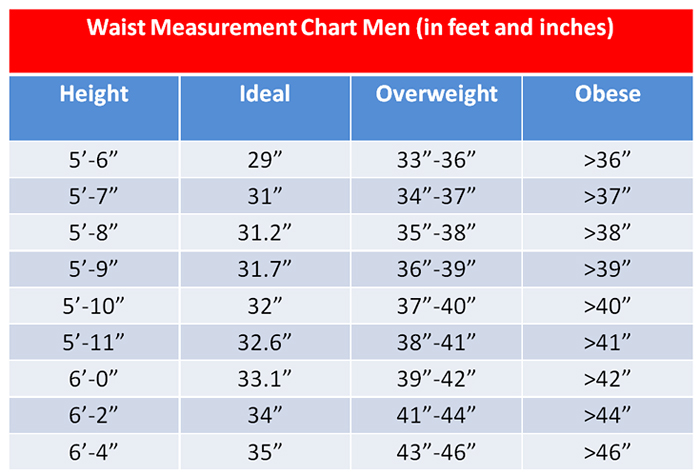
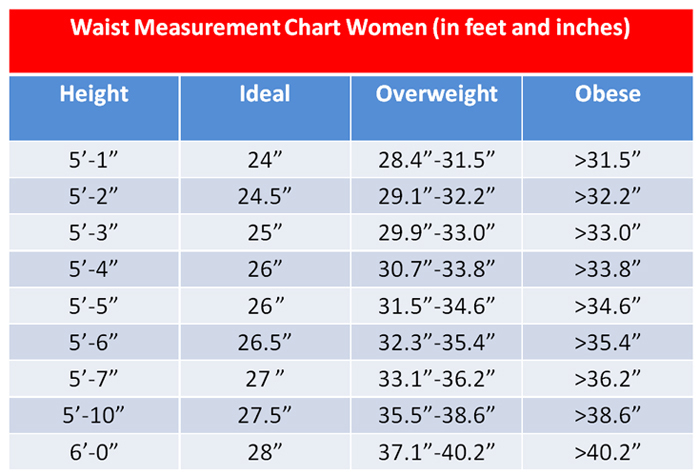
A far more accurate measurement is to measure your waistline (the distance around the smallest area below the rib cage, above your belly button) in relation to your height. Waist circumference is the easiest anthropometric measure of total body fat. A general guide for healthy waist circumference is as follows:
Waist Measure for Men
Waist Measurement for Women
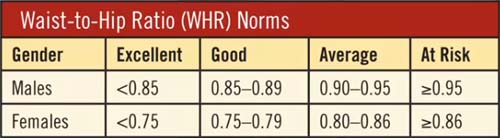
Alternatively, you can measure your waist-to-hip ratio. This is done by measuring the circumference of your hips at the widest part, across your buttocks. Then measure your waist at the smallest circumference of your natural waist, just above your belly button. Divide your waist measurement by your hip measurement to get the ratio, or use the University of Maryland’s online waist-to-hip ratio calculator.17
Normal Waist to Hip Ratio

The High Cost of Obesity

Other research also deconstructs the “fat and fit” notion, showing obesity eventually takes a toll on health — and finances — even if the person is currently healthy. Using computer modeling, the researchers estimated the financial cost of obesity for different age groups. As an example, a 50-year-old obese individual with normal blood pressure and cholesterol levels has a price tag in excess of $36,000 in direct medical care and lost productivity.
Not surprisingly, weight loss was associated with significant savings. Not only could health insurance premiums be lowered across the board if society as a whole did not struggle with an excess of obesity-related health problems, but individuals would also save on co-pays, and they’d be able to maintain their productivity in the workforce. As reported by Medicine Net:18
“The researchers estimated that if an obese 20-year-old shed enough pounds to drop to the overweight category, almost two-thirds of his lifetime costs to society could be avoided … If a healthy but obese 70-year-old crossed to the overweight category, her lifetime costs could be cut by about 40 percent …”

How Excess Weight Contributes to Cancer

Obesity can raise your risk of cancer in several ways. Some cancers, especially breast and endometrial cancer, are sensitive to the female sex hormone estrogen, and fat cells produce an excess of this hormone. This is also why obesity in young children is such a grave concern. By carrying excess weight (and excess estrogen) for many years, if not decades, they’re at a significantly heightened risk of cancer as adults.  
Obesity is also associated with elevated inflammation levels in your body, which can contribute to cancer growth. One of the basic reasons why nutritional ketosis works so well against cancer is because it very effectively and efficiently lowers inflammation. A high-sugar diet, which tends to pack on the pounds, also feeds cancer by providing cancer cells with their preferred fuel.
A healthy high-fat diet, on the other hand, tends to discourage cancer growth, as cancer cells lack the metabolic flexibility to use ketones derived from fat as fuel.
It is likely that obesity represents an indirect marker for the true cause of the problem that contributes to both obesity and cancer, namely insulin resistance, which is also associated with leptin resistance and activation of the mTOR pathway. By lowering your blood sugar levels and normalizing your insulin receptor sensitivity, exercise has a similar effect, as this too creates an environment less conducive to cancer growth.

Cutting Carbs Is More Effective Than Cutting Calories

Calorie counting used to be the go-to solution for weight loss. However, research shows it’s not the cutting of calories that has the most profound effect, it’s cutting down on net carbs. One of the reasons for this is because, compared to fat and protein, carbohydrates have the greatest effect on insulin, which drives fat storage. Carbohydrate restriction also activates AMPK, an enzyme and powerful signaling protein that monitors cellular energy levels and drives several important metabolic pathways.
This includes pathways involved in fat burning, the building of mitochondria, insulin regulation and glycogen breakdown — all of which have important implications not only for fat loss but also for general health. Importantly, recent research19 (summarized in the video above) shows a high-carb diet — even if you reduce calories to a level designed for weight loss — will prevent AMPK activation.
What’s more, eating a low-carb diet will activate AMPK even if your calorie count is excessive! This can help explain why it’s so difficult to lose weight on a low-calorie diet when a large portion of those calories come from carbohydrates. That said, calorie restriction does have its merits, especially when you start talking about calorie restriction in terms of cyclical fasting. From my perspective, the timing and frequency of your meals is really the key to unlocking healthy metabolism.

Nutritional Ketosis — The Key to Cancer Prevention and Treatment

I’ve written a number of articles detailing the anticancer potential of nutritional ketosis. For a more in-depth review, revisit my interview with Thomas Seyfried, one of the leading pioneers in the nutritional treatment of cancer. He's been teaching neurogenetics and neurochemistry as it relates to cancer treatment at Yale University and Boston College for more than 25 years.
He wrote an excellent medical textbook for alternative oncologists on this topic called “Cancer as a Metabolic Disease: On the Origin, Management, and Prevention of Cancer,” and is currently involved in preclinical research at Boston College. His book costs over $100 but you can get a free summary20 of it here. Earlier this year, I announced my pledge to raise $1 million to support Seyfried’s work by matching donations.
Another front-runner in this field is Dr. Abdul Slocum with the ChemoThermia Oncology Center in Turkey, where they’re reporting remarkable successes using metabolically supported cancer therapies in a broad range of advanced stage cancers, including those involving the pancreas, lung, breasts, ovaries and stomach. Many of Slocum's patients have failed traditional therapies and some have even been sent home to die.
When they enter his clinic, they’re immediately placed on a ketogenic diet and remain on it throughout their treatment. By incorporating nutritional ketosis, they’re able to minimize the amount of chemotherapy required without sacrificing effectiveness. On the contrary, effectiveness is massively increased, as their bodies are put into a metabolic state that is inhospitable to cancer cells, making them more vulnerable and easier to eradicate.

Cyclical Ketogenic Diet for Optimal Health and Disease Prevention

Research reveals a vast majority of Americans eat all day long. Most also consume a majority of their daily calories late in the evening and this type of eating pattern is a recipe for weight gain and metabolic dysfunction. The reason so many struggle with their weight (aside from eating processed foods that have been grossly altered from their natural state) is because they rarely, if ever, skip a meal.
As discussed above, carrying excess weight is a significant risk factor for 13 different types of cancer. The good news is that by eating the right foods and reducing the frequency of your eating, you not only will shed weight as a natural side effect of normalizing your metabolism, you’ll also reduce your risk of chronic disease, including cancer, to a significant degree.
If you already have cancer, the combination of a ketogenic diet and intermittent fasting can significantly improve your chances of recovery. This is the kind of eating plan I detail in my latest book, “Fat for Fuel.” From my perspective, it's nothing short of medical negligence to fail to integrate this type of dietary strategy into a patient's cancer treatment plan (along with optimizing vitamin D).
A ketogenic diet along with intermittent fasting can be easily integrated into whatever cancer treatment plan you decide to follow. Personally, I believe it's absolutely crucial, no matter what type of cancer you're trying to address. To learn more, please see “Burning Fat for Fuel Increases Quality and Quantity of Life.”
https://articles.mercola.com/sites/articles/archive/2017/10/18/obesity-health-risks.aspx