Pages

Showing posts with label Myths. Show all posts

Tuesday, 8 December 2020

COVID-19 vaccine myths debunked

 Let's set the record straight on some of the myths circulating about COVID-19 vaccines.

TUESDAY, DECEMBER 8, 2020
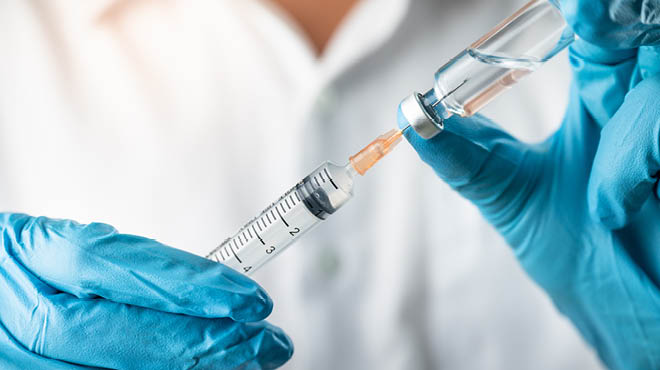
Gloved hands filling vaccine syringe

Vaccines are perhaps the best hope for ending the COVID-19 pandemic. Two pharmaceutical companies have applied for Food and Drug Administration (FDA) emergency use authorization for new COVID-19 vaccines, and a limited number of vaccines will be available before the end of the year.

It's likely you've heard claims about these COVID-19 vaccines on social media or from the people in your life. Also, the rapid development and approval of these vaccines may make you hesitant about safety or effectiveness.

Let's set the record straight on some of the myths circulating about COVID-19 vaccines.

Myth: The COVID-19 vaccine is not safe because it was rapidly developed and tested.

Fact: Many pharmaceutical companies invested significant resources into quickly developing a vaccine for COVID-19 because of the world-wide impact of the pandemic. The emergency situation warranted an emergency response but that does not mean that companies bypassed safety protocols or didn't perform adequate testing.

Mayo Clinic will recommend the use of those vaccines that we are confident are safe. While there are many COVID-19 vaccine candidates in development, early interim data are encouraging for the Pfizer vaccine which likely is to be the first authorized for emergency use by the FDA in the late December/early January timeframe. This vaccine was created using a novel technology based on the molecular structure of the virus. The novel methodology to develop a COVID-19 vaccine allows it to be free from materials of animal origin and synthesized by an efficient, cell-free process without preservatives. This vaccine developed by Pfizer/BioNTech has been studied in approximately 43,000 people.
To receive emergency use authorization, the biopharmaceutical manufacturer must have followed at least half of the study participants for at least two months after completing the vaccination series, and the vaccine must be proven safe and effective in that population. In addition to the safety review by the FDA, the Advisory Committee on Immunization has convened a panel of vaccine safety experts to independently evaluate the safety data from the clinical trial. Mayo Clinic vaccine experts also will review the available data. The safety of COVID-19 vaccine will continue to be closely monitored by the Centers for Disease Control and Prevention (CDC) and the FDA.


Myth: I already had COVID-19 and I have recovered, so I don't need to get a COVID-19 vaccine when it's available.

Fact: There is not enough information currently available to say if or for how long after infection someone is protected from getting COVID-19 again. This is called natural immunity. Early evidence suggests natural immunity from COVID-19 may not last very long, but more studies are needed to better understand this. Mayo Clinic recommends getting the COVID-19 vaccine, even if you’ve had COVID-19 previously. However, those that had COVID-19 should delay vaccination until about 90 days from diagnosis. People should not get vaccinated if in quarantine after exposure or if they have COVID-19 symptoms./p>


Myth: There are severe side effects of the COVID-19 vaccines.

Fact: There are short-term mild or moderate vaccine reactions that resolve without complication or injury. The early phase studies of the Pfizer vaccine show that it is safe. About 15% of people developed short lived symptoms at the site of the injection. 50% developed systemic reactions primarily headache, chills, fatigue or muscle pain or fever lasting for a day or two. Keep in mind that these side effects are indicators that your immune system is responding to the vaccine and are common when receiving vaccines.


Myth: I won't need to wear a mask after I get vaccinated for COVID-19.

Fact: It may take time for everyone who wants a COVID-19 vaccination to get one. Also, while the vaccine may prevent you from getting sick, it is unknown at this time if you can still carry and transmit the virus to others. Until more is understood about how well the vaccine works, continuing with precautions such as mask-wearing and physical distancing will be important.

Until more is understood about how well the vaccine works, continuing with precautions, such as wearing a mask and practicing physical distancing, will be important.


Myth: More people will die as a result of a negative side effect to the COVID-19 vaccine than would actually die from the virus.

Fact: Circulating on social media is the claim that COVID-19's mortality rate is 1%-2% and that people should not be vaccinated against a virus with a high survival rate. However, a 1% mortality rate is 10 times more lethal than the seasonal flu. In addition, the mortality rate can vary widely and is influenced by age, sex and underlying health condition.

While some people that receive the vaccine may develop symptoms as their immune system responds, remember that this is common when receiving any vaccine and not considered serious or life-threatening. You cannot get COVID-19 infection from the COVID-19 vaccines; they are inactivated vaccines and not live viruses.

It's important to recognize that getting the vaccine is not just about survival from COVID-19. It's about preventing spread of the virus to others and preventing infection that can lead to long-term negative health effects. While no vaccine is 100% effective, they are far better than not getting a vaccine. The benefits certainly outweigh the risks in healthy people.


Myth: The COVID-19 vaccine was developed to control the general population either through microchip tracking or "nanotransducers" in our brains.

Fact: There is no vaccine microchip, and the vaccine will not track people or gather personal information into a database.

This myth started after comments made by Bill Gates from The Gates Foundation about a digital certificate of vaccine records. The technology he was referencing is not a microchip, has not been implemented in any manner and is not tied to the development, testing or distribution of COVID-19 vaccines.


Myth: COVID-19 vaccines will alter my DNA.

Fact: The first COVID-19 vaccines to reach the market are likely to be messenger RNA (mRNA) vaccines. According to the CDC, mRNA vaccines work by instructing cells in the body how to make a protein that triggers an immune response. Injecting mRNA into your body will not interact or do anything to the DNA of your cells. Human cells break down and get rid of the mRNA soon after they have finished using the instructions.


Myth: COVID-19 vaccines were developed using fetal tissue.

Fact: Neither the Pfizer/BioNTech COVID-19 vaccine nor the Moderna COVID-19 vaccines contain fetal cells nor were fetal cells used the development or production of either vaccine.


Myth: COVID-19 vaccines cause infertility or miscarriage.

Fact: No, COVID-19 vaccines have not been linked to infertility or miscarriage.

A sophisticated disinformation campaign has been circulating online, claiming that antibodies to the spike protein of COVID-19 produced from these vaccines will bind to placental proteins and prevent pregnancy. This disinformation is thought to originate from internet postings by a former scientist known to hold anti-vaccine views.

These postings are not scientifically plausible, as COVID-19 infection has not been linked to infertility. Also, no other viral infection or vaccination-inducing immunity by similar mechanisms has been shown to cause infertility. Antibodies to the spike protein have not been linked to infertility after COVID-19 infection. There is no scientific reason to believe this will change after vaccination for COVID-19.

While there are no formal studies, the best evidence comes from women who got sick with COVID-19 while pregnant. While data clearly indicate pregnant women are at higher risk of hospitalization due to COVID-19 infection, there is no evidence of increased miscarriage rates.

During natural infection, the immune system generates the same antibodies to the spike protein that COVID-19 vaccines would. Thus, if COVID-19 affected fertility, there already would be an increase in miscarriage rates in women infected with COVID-19. This has not happened.


Myth: I am allergic to eggs so I shouldn't get the COVID-19 vaccine

Fact: Neither the Pfizer/BioNTech COVID-19 vaccine nor the Moderna COVID-19 vaccines contain egg nor were eggs used the development or production of either vaccine. However, those with severe allergic reactions to eggs or any other substance (i.e., anaphylaxis) are encouraged to remain after vaccination for 30 minutes for observation.


Myth: COVID-19 vaccines must be stored at extremely low temperatures because of preservatives in the vaccines.

Fact: Pfizer/BioNTech and Moderna have reported that their vaccines contain no preservatives.

Different vaccines have different storage requirements. For instance, the Pfizer/BioNTech vaccine must be stored at minus 94 degrees Fahrenheit (minus 70 degrees Celsius), while Moderna has said that its vaccine needs to be stored at minus 4 degrees Fahrenheit (minus 20 degrees Celsius). Both of these vaccines use messenger RNA, or mRNA, to teach your cells how to make a protein that will trigger an immune response to COVID-19. However, messenger RNA is fragile and can break down easily. Storing messenger RNA vaccines, like these COVID-19 vaccines, in an ultracold environment keeps them stable and safe.

You should not worry about these temperatures. Vaccines are thawed before injection.


We encourage you to share this story with others.


Information in this post was accurate at the time of its posting. Due to the fluid nature of the COVID-19 pandemic, scientific understanding, along with guidelines and recommendations, may have changed since the original publication date.


For the safety of our patients, staff and visitors, Mayo Clinic has strict masking policies in place. Anyone shown without a mask was either recorded prior to COVID-19 or recorded in a non-patient care area where social distancing and other safety protocols were followed.

https://www.mayoclinichealthsystem.org/hometown-health/featured-topic/covid-19-vaccine-myths-debunked

Monday, 6 April 2020

Coronavirus disease (COVID-19) WHO advice for the public: Myth busters

Coronavirus disease (COVID-19) advice for the public: Myth busters


Exposing yourself to the sun or to temperatures higher than 25C degrees DOES NOT prevent the coronavirus disease (COVID-19)

You can catch COVID-19, no matter how sunny or hot the weather is. Countries with hot weather have reported cases of COVID-19. To protect yourself, make sure you clean your hands frequently and thoroughly and avoid touching your eyes, mouth, and nose.  
MB_sun exposure

You can recover from the coronavirus disease (COVID-19). Catching the new coronavirus DOES NOT mean you will have it for life.

Most of the people who catch COVID-19 can recover and eliminate the virus from their bodies. If you catch the disease, make sure you treat your symptoms. If you have cough, fever, and difficulty breathing, seek medical care early – but call your health facility by telephone first. Most patients recover thanks to supportive care.
MB_recovery

Being able to hold your breath for 10 seconds or more without coughing or feeling discomfort DOES NOT mean you are free from the coronavirus disease (COVID-19) or any other lung disease.

The most common symptoms of COVID-19 are dry cough, tiredness and fever. Some people may develop more severe forms of the disease, such as pneumonia. The best way to confirm if you have  the virus producing COVID-19 disease is with a laboratory test.  You cannot confirm it with this breathing exercise, which can even be dangerous.
MB_breathing exercice

Drinking alcohol does not protect you against COVID-19 and can be dangerous

Frequent or excessive alcohol consumption can increase your risk of health problems. 

MB_alcohol

COVID-19 virus can be transmitted in areas with hot and humid climates

From the evidence so far, the COVID-19 virus can be transmitted in ALL AREAS, including areas with hot and humid weather. Regardless of climate, adopt protective measures if you live in, or travel to an area reporting COVID-19. The best way to protect yourself against COVID-19 is by frequently cleaning your hands. By doing this you eliminate viruses that may be on your hands and avoid infection that could occur by then touching your eyes, mouth, and nose.

FACT: Coronavirus transmission in hot and humid climates

Cold weather and snow CANNOT kill the new coronavirus.

There is no reason to believe that cold weather can kill the new coronavirus or other diseases. The normal human body temperature remains around 36.5°C to 37°C, regardless of the external temperature or weather. The most effective way to protect yourself against the new coronavirus is by frequently cleaning your hands with alcohol-based hand rub or washing them with soap and water.
MB_cold_snow

Taking a hot bath does not prevent the new coronavirus disease

Taking a hot bath will not prevent you from catching COVID-19. Your normal body temperature remains around 36.5°C to 37°C, regardless of the temperature of your bath or shower. Actually, taking a hot bath with extremely hot water can be harmful, as it can burn you. The best way to protect yourself against COVID-19 is by frequently cleaning your hands. By doing this you eliminate viruses that may be on your hands and avoid infection that could occur by then touching your eyes, mouth, and nose.
MB_hot bath

The new coronavirus CANNOT be transmitted through mosquito bites.

To date there has been no information nor evidence to suggest that the new coronavirus could be transmitted by mosquitoes. The new coronavirus is a respiratory virus which spreads primarily through droplets generated when an infected person coughs or sneezes, or through droplets of saliva or discharge from the nose. To protect yourself, clean your hands frequently with an alcohol-based hand rub or wash them with soap and water. Also, avoid close contact with anyone who is coughing and sneezing.
MB_mosquito bite

Are hand dryers effective in killing the new coronavirus?

No. Hand dryers are not effective in killing the 2019-nCoV. To protect yourself against the new coronavirus, you should frequently clean your hands with an alcohol-based hand rub or wash them with soap and water. Once your hands are cleaned, you should dry them thoroughly by using paper towels or a warm air dryer.
mythbusters-27

Can an ultraviolet disinfection lamp kill the new coronavirus?

UV lamps should not be used to sterilize hands or other areas of skin as UV radiation can cause skin irritation.
mythbusters-31

How effective are thermal scanners in detecting people infected with the new coronavirus?

Thermal scanners are effective in detecting people who have developed a fever (i.e. have a higher than normal body temperature) because of infection with the new coronavirus.
However, they cannot detect people who are infected but are not yet sick with fever. This is because it takes between 2 and 10 days before people who are infected become sick and develop a fever.
mythbusters-25

Can spraying alcohol or chlorine all over your body kill the new coronavirus?

No. Spraying alcohol or chlorine all over your body will not kill viruses that have already entered your body. Spraying such substances can be harmful to clothes or mucous membranes (i.e. eyes, mouth). Be aware that both alcohol and chlorine can be useful to disinfect surfaces, but they need to be used under appropriate recommendations.
mythbusters-33

Do vaccines against pneumonia protect you against the new coronavirus?

No. Vaccines against pneumonia, such as pneumococcal vaccine and Haemophilus influenza type B (Hib) vaccine, do not provide protection against the new coronavirus.
The virus is so new and different that it needs its own vaccine. Researchers are trying to develop a vaccine against 2019-nCoV, and WHO is supporting their efforts.
Although these vaccines are not effective against 2019-nCoV, vaccination against respiratory illnesses is highly recommended to protect your health.
11

Can regularly rinsing your nose with saline help prevent infection with the new coronavirus?

No. There is no evidence that regularly rinsing the nose with saline has protected people from infection with the new coronavirus. 
There is some limited evidence that regularly rinsing nose with saline can help people recover more quickly from the common cold. However, regularly rinsing the nose has not been shown to prevent respiratory infections.
23

Can eating garlic help prevent infection with the new coronavirus?

Garlic is a healthy food that may have some antimicrobial properties. However, there is no evidence from the current outbreak that eating garlic has protected people from the new coronavirus.
19

Does the new coronavirus affect older people, or are younger people also susceptible?

People of all ages can be infected by the new coronavirus (2019-nCoV). Older people, and people with pre-existing medical conditions (such as asthma, diabetes, heart disease) appear to be more vulnerable to becoming severely ill with the virus. 
WHO advises people of all ages to take steps to protect themselves from the virus, for example by following good hand hygiene and good respiratory hygiene.
mythbuster-2

Are antibiotics effective in preventing and treating the new coronavirus?

No, antibiotics do not work against viruses, only bacteria.
The new coronavirus (2019-nCoV) is a virus and, therefore, antibiotics should not be used as a means of prevention or treatment.
However, if you are hospitalized for the 2019-nCoV, you may receive antibiotics because bacterial co-infection is possible.
mythbuster-3

Are there any specific medicines to prevent or treat the new coronavirus?

To date, there is no specific medicine recommended to prevent or treat the new coronavirus (2019-nCoV).
However, those infected with the virus should receive appropriate care to relieve and treat symptoms, and those with severe illness should receive optimized supportive care. Some specific treatments are under investigation, and will be tested through clinical trials. WHO is helping to accelerate research and development efforts with a range or partners.
mythbuster-4

Friday, 3 April 2020

Can a face mask protect me from coronavirus? Covid-19 myths busted

The truth about how you can catch coronavirus, who is most vulnerable and what you can do to avoid infection


 How do I know if I have coronavirus and what happens next? – video explainer

Claim: ‘Face masks don’t work’

Wearing a face mask is certainly not an iron-clad guarantee that you won’t get sick – viruses can also transmit through the eyes and tiny viral particles, known as aerosols, can penetrate masks. However, masks are effective at capturing droplets, which is a main transmission route of coronavirus, and some studies have estimated a roughly fivefold protection versus no barrier alone (although others have found lower levels of effectiveness).
If you are likely to be in close contact with someone infected, a mask cuts the chance of the disease being passed on. If you’re showing symptoms of coronavirus, or have been diagnosed, wearing a mask can also protect others. So masks are crucial for health and social care workers looking after patients and are also recommended for family members who need to care for someone who is ill – ideally both the patient and carer should have a mask.
However, masks will probably make little difference if you’re just walking around town or taking a bus so there is no need to bulk-buy a huge supply.

Claim: ‘It is mutating into a more deadly strain’

All viruses accumulate mutations over time and the virus that causes Covid-19 is no different. How widespread different strains of a virus become depends on natural selection – the versions that can propagate quickest and replicate effectively in the body will be the most “successful”. This doesn’t necessarily mean most dangerous for people though, as viruses that kill people rapidly or make them so sick that they are incapacitated may be less likely to be transmitted.
Genetic analysis by Chinese scientists of 103 samples of the virus, taken from patients in Wuhan and other cities, suggests that early on two main strains emerged, designated L and S. Although the L strain appeared to be more prevalent than the S strain (about 70% of the samples belonged to the former), the S branch of the virus was found to be the ancestral version.
The team behind this research suggested that this may indicate the L strain is more “aggressive”, either transmitting more easily or replicating faster inside the body. However, this theory is speculative at this stage – there haven’t yet been direct comparisons to see whether people who catch one version of the virus are more likely to pass it on or suffer more severe symptoms.

Claim: ‘It is no more dangerous than winter flu’

Many individuals who get coronavirus will experience nothing worse than seasonal flu symptoms, but the overall profile of the disease, including its mortality rate, looks more serious. At the start of an outbreak the apparent mortality rate can be an overestimate if a lot of mild cases are being missed. But Bruce Aylward, a WHO expert, who led an international mission to China to learn about the virus and the country’s response, said this has not been the case with Covid-19. The evidence did not suggest that we were only seeing the tip of the iceberg. If borne out by further testing, this could mean that current estimates of a roughly 1% fatality rate are accurate. This would make Covid-19 about 10 times more deadly than seasonal flu, which is estimated to kill between 290,000 and 650,000 people a year globally.

Claim: ‘It only kills the elderly, so younger people can relax’

Most people who are not elderly and do not have underlying health conditions will not become critically ill from Covid-19. But the illness still has a higher chance of leading to serious respiratory symptoms than seasonal flu and there are other at-risk groups – health workers, for instance, are more vulnerable because they are likely to have higher exposure to the virus. The actions that young, healthy people take, including reporting symptoms and following quarantine instructions, will have an important role in protecting the most vulnerable in society and in shaping the overall trajectory of the outbreak.

Claim: ‘You need to be with an infected person for 10 minutes’

For flu, some hospital guidelines define exposure as being within six feet of an infected person who sneezes or coughs for 10 minutes or longer. However, it is possible to be infected with shorter interactions or even by picking the virus up from contaminated surfaces, although this is thought to be a less common route of transmission.

Claim: ‘A vaccine could be ready within a few months’

Scientists were quick out of the gates in beginning development of a vaccine for the new coronavirus, helped by the early release of the genetic sequence by Chinese researchers. The development of a viable vaccine continues apace, with several teams now testing candidates in animal experiments. However, the incremental trials required before a commercial vaccine could be rolled out are still a lengthy undertaking – and an essential one to ensure that even rare side-effects are spotted. A commercially available vaccine within a year would be quick.’