Pages

Showing posts with label UVB exposure. Show all posts

Monday, 15 October 2018

Hong Kong research warns of sunscreen health risks

NEW research in Hong Kong has found that UV filters commonly used in sunscreen are polluting surrounding waters and could endanger human health, one of the city’s leading universities said .
Hong Kong research warns of sunscreen health risks
There is growing international concern over the polluting effects of sunscreen.

An “extensive amount” of seven common UV filter chemicals was found in Hong Kong seawater as well as in fish, shrimps and mussels on aqua-farms, scientists from Hong Kong Baptist University told reporters.
“The effect of these contaminants passing along the food chain to humans and the long-term impact on human fertility cannot be neglected,” said Dr Kelvin Leung, who led the research.
Tests performed on zebrafish, which share a similar genetic structure to humans, showed the polluted water caused abnormalities and a higher mortality rate in the fish’s embryos as the chemicals entered the food chain.
The university described the study as a world-first in identifying the harm caused by a combination of polluting chemicals in sunscreen. Researchers said they would conduct further tests to learn more about the effects of UV filters on the human body.
The chemicals tested on the zebrafish study included octocrylene (known as OC), benzophenone-3 (known as BP-3) and ethylhexyl methoxycinnamate (known as EHMC), which were found to be the most abundant types of chemical UV filters in Hong Kong waters.
The European Union’s International Chemical Secretariat has already established BP-3 as a threat to human health and called for it to be replaced with another, safer ingredient. Dr Leung added that these chemicals can accumulate in the human body and cannot be dissolved or diluted simply by drinking water.
There is growing international concern over the polluting effects of sunscreen. Hawaii signed a bill in July to ban sunscreens containing chemicals harmful to coral reefs, which will take effect from 2021. But the ban raised concerns that it may deter consumers from using sunscreen to protect their skin from cancer.
Leung called for more regulations on the use of chemicals in personal care products and recommended consumers use mineral-based sunscreens such as titanium dioxide and zinc oxide, or wear sun-protection clothing. – AFP Relaxnews

https://www.star2.com/health/2018/10/15/sunscreen-health-risks/


Tuesday, 23 May 2017

The amazing health benefits of heliotherapy

You’ve probably already heard that you should supplement vitamin D. In fact, your doctor may even test your blood levels of D at your yearly physical.
What you don’t know though is that the vitamin D you’ve been taking is missing a vital piece of the puzzle that boosts your immunity, helps you heal and even fights off infections and cancer.
Woman sitting outside
You see, we used to get vitamin D from sunlight.
But thanks to today’s indoor lifestyle, most of us get little if any sun each day, much less enough to experience any health benefits.
That’s the reason you hear so much about taking vitamin D supplements…
It’s nothing more than an attempt to replace something we used to get naturally.
The problem is that the vitamin D in a bottle isn’t the same as what you get from natural sun exposure.
In fact, it’s missing a vital component that will probably surprise you.

The missing piece of the puzzle

Sunlight contains ultraviolet or U.V. rays.
We’ve all heard it. In fact, they’re the reason that we’ve been conditioned to slather on sunscreen before going outside.
Our doctors tell us to block them out or risk skin cancer.
However, those U.V. rays actually serve a very important purpose.
They activate a peptide called cathelicidin.
This peptide is what gives vitamin D its antimicrobial or germ-killing properties.
In fact, studies have shown that cathelicidin stimulates your immune cells and helps your body kill off infections.
This peptide synthesized thanks to U.V. light exposure has even been shown to destroy Tuberculosis.
Yet, several studies have shown that vitamin D supplements don’t boost levels of cathelicidin – only exposure to the U.V. rays of the sun has a consistent, positive effect on the powerful little peptide.

The lost cure

It’s amazing that as far as we’ve come technologically, many of our modern “cures” are often less effective than the simple things we used to use.
And, Vitamin D supplementation is no exception.
Prior to modern medicine, doctors had used sun exposure for hundreds of years to heal their patients.
It was a treatment known as “Heliotherapy” or sunlight therapy.
Records of using sunlight as a cure go back to the late 1700s when a French doctor discovered that his patients’ leg wounds healed faster when their skin was exposed to the sun.
A Danish doctor then showed that solar radiation could help treat smallpox, lupus and tuberculosis. In fact, his work with lupus earned him the Nobel Prize.
By the turn of the century, solaria — buildings designed to optimize exposure to the sun’s rays were in use across Europe to treat patients with tuberculosis, lupus, cuts and scrapes, burns, arthritis, rheumatism and nerve damage.
And, researchers proved that sunlight could kill the bacteria that caused tuberculosis and other diseases and cure rickets, a bone disease caused by a deficiency of vitamin D.
Yet, with the advent of antibiotics, heliotherapy fell out of use and with it our understanding of how important sun exposure is to our health.

A sensible sunlight plan

Considering that low levels of vitamin D have been associated with an increased risk for many chronic diseases, including autoimmune diseases, cancer, heart disease, infections, diabetes and even schizophrenia, it’s obvious that optimizing your D levels is extremely important.
But, if vitamin D supplements aren’t the answer, what is?
For most people, a sensible plan for sun exposure provides all the vitamin D and that powerful antimicrobial peptide, cathelicidin, that you need.
There are a number of online calculators that you can use to determine your optimal sun exposure time but they can get a little complicated.
So, here’s a basic method you can use to make it easier.
First, determine how long it takes in the sun for your skin to turn pink. This will vary by time of year. For example, it takes less time during the intense sun of the summertime than it does in the fall or winter.
Then multiply that time by 25 – 50%. This is the amount of time you want to spend in the sun three times per week with your arms and legs exposed. The more fair your skin, the lower you should err on your time in the sun.
Be sure to cover the skin of your face by wearing a hat or applying sunscreen since it’s more sensitive and more prone to show signs of photo-aging.
With this sensible plan for sun exposure, you can get all the vitamin D you need and reap its amazing health benefits, without turning to a less effective supplement.
Sources:
  1. Guo C and Gombart AF. (2014) The antibiotic effects of Vitamin D. — Endocr. Metab. Immune Disord. Drug Targets. 14: 255-266.
  2. The rise and fall of sunlight therapy — Los Angeles Times
  3. Sunlight and Vitamin D — Dermato-endocrinology

https://easyhealthoptions.com/amazing-health-benefits-heliotherapy/

Tuesday, 16 May 2017

The truth about 10 sun safety myths

AS we move into the warmer weather and start thinking about summer, it's also time to start thinking about how to protect ourselves from sunburn. Barbecues with friends, walks in the park, even driving to work ... we need to think about protecting our skin during day-to-day activities and not just when on vacation.


This week marks Sun Awareness Week in the UK, with one of the country's leading cancer charities, Cancer Research UK this year providing insight into 10 sun safety myths to help us all stay safe in the sun all year long.
Myth 1: 'The sun is strongest when it's hottest'
The heat of the sun doesn't come from its skin-damaging UV rays. UV rays are strongest when the sun is highest in the sky. If you want to head outside and enjoy the good weather best to do it when the sun's rays are lower, and the risk of burning won't be as high.
Myth 2: 'You can only burn in the middle of summer'
The sun can be strong enough to burn at other times of the year too. The UV Index can tell you how strong the sun is where you are today, and you can find it on weather forecasts and online. If the UV Index is 3 or above think about protecting your skin.
Myth 3: 'Sun damage always looks red and peely'
Skin doesn't necessarily peel, but if it has turned red or pink in the sun, that's sunburn, and it's dangerous due to the damage the UV rays cause to DNA inside cells. If your skin goes pink but then a tan develops that still counts as a burn. However, you can't always see the damage. Those with naturally darker skin might just feel irritated, tender or itchy skin rather than see a colour change.
Myth 4: 'The occasional sunburn doesn't make much difference'
Getting a sunburn doesn't mean you will definitely go on to develop skin cancer, but even one every 2 years can triple the risk of melanoma. If you have been sunburnt in the past, think about what you can do to protect your skin next time.
Myth 5: 'Higher SPF sunscreens are much better than lower SPF ones'
No sunscreen is 100% effective and choosing a higher SPFs doesn't add much extra protection. In fact, it might even encourage you to spend longer in the sun than you should. Choose a minimum of SPF 15 and make sure your sunscreen has 4 stars or more for UVA protection.
Myth 6: 'A 'base tan' will protect me on holiday'
Some people think getting a tan before they go on holiday, from the sun or a sunbed, will protect them from burning once they arrive at their destination. However, a tan offers very little protection against the sun. Some studies have found that tans only offer protection equivalent to using factor 3 sunscreen, and tans from sunbeds could be as low as SPF 1. So make sure you apply minimum SPF 15 sunscreen.
Myth 7: 'Putting sunscreen on once is enough'
Once is not enough, even if it says once-a-day on the label. All sunscreens should be re-applied regularly, and some products rub, wash or sweat off more easily than others. It's also really easy to miss parts of your body so put plenty on; regular applications will help ensure you've got everywhere covered.
Myth 8: 'Sunbeds are a safer way to tan'
There is no such thing as a safe tan, and the evidence is clear: sunbeds cause skin cancer. A tan is a sign that your body is trying to repair the damage caused by UV rays.
Myth 9: 'Sunscreen lasts forever'
Nearly all of us hang on to bottles of sunscreen left over from previous holidays, but when you're packing for your next one check if it is still safe to use, as most sunscreens go out of date. To check look out for a small open jar icon on the bottle, which will show the number of months the product can be used for after opening. And if you do need to replace your sunscreen don't worry about buying the most expensive -- it's the SPF and star rating that is important, not the price.
Myth 10: 'You can't get sun damage through glass'
Being indoors means you are mostly protected from sunburn, but some UV rays can get through glass. If you spend lots of time driving or sitting in a conservatory when the sun is strong, then long-term you might be at risk of damage from UVA rays. If sitting by a window you can protect your skin with clothes and sunscreen with 4 or more stars. — AFP Relaxnews
http://www.thesundaily.my/news/2017/05/14/truth-about-10-sun-safety-myths

Wednesday, 4 January 2017

Sunlight May Reduce Risk of Nearsightedness

We've learned that getting adequate sunlight, which boosts your vitamin D level, is crucial to good health, but did you know that not getting enough sunlight when you're young can have a detrimental effect on your vision later? A new study shows that myopia, aka nearsightedness, is more prevalent in people who haven't been exposed to enough sunlight, and the problem is increasing rapidly worldwide.

December 19, 2016

sunlight may reduce nearsightedness risk

Story at-a-glance

  • Spending more time outside early in life may offer some protection against nearsightedness, a new study reports
  • Although the condition is common, more children are becoming nearsighted throughout the world: 30 to 40 percent of adults in Europe and the U.S. and up to 80 percent of the population in Asia
  • A fifth of the population aged between 14 and 29 years spend no time outdoors at all, and 75 percent spend less time outdoors than prison inmates
  • Lutein and zeaxanthin, omega-3 fatty acids and vitamins A, C and E are nutrients that have a positive effect on maintaining, protecting and improving your eyesight
By Dr. Mercola
Sunlight is good for you. Seriously good for you. In fact, a new study shows that people, teens in particular, who spend time outside basking in the sun have better vision later in life.
Conversely, those who don’t get a lot of sun when they’re in their teens or early 20s can expect the opposite. The types of vision problems the study1 showed improvement on included myopia, a type of nearsightedness.
Researchers from King's College London, the London School of Hygiene & Tropical Medicine and other universities reviewed 371 Europeans with nearsightedness, as well as 2,797 people without the condition, all 65 and older.
Each participant underwent an eye examination, had blood samples taken and had an interview about their health behaviors in previous years, primarily to estimate their exposure to ultraviolet B rays between 9 a.m. and 5 p.m., and between 11 a.m. and 3 p.m.
Those with the most ultraviolet B exposure, especially when they were teenagers and young adults between 14 and 29 years old, had a 30 percent lower risk of myopia, the inability to see clearly at a distance, than those who had the lowest exposures. However, the link wasn’t meant to prove cause and effect — just an association.
The researchers wrote that myopia is becoming more and more common and is increasingly associated with complications that could ultimately threaten peoples’ eyesight, or introduce complications. They added that while exposing oneself to sunlight is actually protective, most people have no idea.
Myopia is considered a genetic problem only a mere fraction of the time, but the study authors say that while the environment appears to have something to do with it, it’s not yet clear what that is.

The Problem With Kids Today

It’s notable that 80 percent to 90 percent of youth in East Asia have problems with myopia nowadays, while in Europe as well as the U.S.,2 it’s more like 40 percent to 50 percent. Research suggests that it’s more common among people who have higher education and less common with people who regularly spend time outdoors.
“Increasing the amount of time outdoors in schools in Taiwan over the past five years has led to decreases in the prevalence of myopia for the first time in 40 years,” said Ian Morgan, Ph.D., a vision researcher and visiting fellow at Australian National University, who was not involved in the study.
A survey done in the United Kingdom (which may be a good representation of youth throughout the world) revealed not only that a fifth of the population that could be called “kids” spend zero percent of their time outdoors but, worse, that 75 percent spend less time outdoors than — get this — prison inmates. Stgist.com noted:
“The paper’s findings underline the importance of having outdoor activities especially now as humanity enjoys the so-called information technology boom, with most eyes glued to smartphones, tablet computers, laptops and so on.
It is quite obvious that this generation has a problem. Teens and young adults nowadays spend more time indoors as they are greatly engaged with their computers and other similar devices.”3
Nature.org reported the reason for this phenomenon is because, according to 80 percent of the kids, “it was uncomfortable to be outdoors due to things like bugs and heat.” Sixty percent said they had no transportation so they could travel to natural areas.

Visible Light

Factors such as climate, terrain and geographical coordinates were scrutinized in the study as well, as some climates tend to be rainy or foggy. Some areas of the world have used innovative ways to deal with mountains blocking sunlight availability.
One of the studies covered by the review concluded that there was a 2 percent decrease in the odds of ending up with myopia for every additional hour spent outdoors per week.4
According to U.S. News & World Report, scientists involved in the study say they aren’t sure that the present myopathy prevalence means that it’s sun exposure that has this positive effect on vision. It might actually be “visible light.” Dr. Donald Mutti, a professor at the Ohio State University College of Optometry, explained:
“UVB here seems to be a proxy for simply spending more time outside. The current thinking is that the brighter light outside stimulates a release of dopamine from the retina and that dopamine slows down the growth of the eye, preventing myopia.
Our group's work has shown that being outside only affects myopia before it occurs. Once a child needs glasses, being outside has no effect on myopia.”5
Mutti said he believes kids should spend more time outside, but that they should also wear sunglasses and sunscreen; however, these things have the potential to cause other more serious problems.

To Wear Sunglasses or Not

As a matter of fact, “protecting” your eyes from sunlight can actually do more harm than good, because certain wavelengths from light nourish your eyes.
Shielding them too often prevents you from absorbing sunlight that’s meant to allow full-spectrum light into your eyes, not just to be able to see but to kick in your brain’s hypothalamus gland.
Your hypothalamus could be considered your master control for everything from your blood pressure to body temperature. It’s in charge of balancing your body clock and circadian rhythm, and natural sunlight is essential to this process. Without it, your body has trouble functioning properly.
Think of it like this: Light deprivation to your eyes, aka mal-illumination, could be compared to malnutrition to your body. Not just your bare skin requires 20 minutes of sun exposure every day, your eyes need sunlight, too. Mark’s Daily Apple notes the results of one experiment:
“Researchers trying to study the link between light exposure and myopia exposed chicks to various amounts of light. Normal laboratory lighting was 500 lux, 'intense' laboratory lighting was 15,000 lux, and sunlight was 30,000 lux.
Only intense lab light and sunlight were able to retard the development of myopia, while normal lab lighting — which is still quite bright and very similar to standard office lighting conditions — did not adequately protect.”
Note that direct sunlight is ridiculously bright (up to 130,000 lux), while just being outside in 'full daylight' will provide plenty of light for your retinal dopamine labs …
Just be outdoors and the sun will take care of the rest. If you can see stuff, that means light is getting to your eyes; it’s from the sun (and thus bright enough) and you’re good to go.”6

Myopia in Relation to Other Eye Diseases

Nearsightedness is measured in diopters (D), the same way eyeglasses and contacts are measured. Corrections are preceded by a minus sign (-) and measured in 0.25 D increments. Myopia of -0.25 or -3.00 is considered mild, moderate can be 3.25 to -6.00 and anything higher is characterized as high.
Both medium and high myopia can be associated with “serious, vision-threatening side effects, it’s termed “degenerative” or “pathological.”
More people have this condition today than they did just 30 years ago, and the prevalence is growing both steadily and alarmingly. In fact, in the early 1970s, around 25 percent of people living in the U.S. were affected. Thirty years later, it’s jumped to 42 percent.7
For whatever reason, nearsightedness seems to play a role in the prevalence of other eye diseases, some of them quite serious, such as:
Cataracts — Another study showed that cataracts, characterized as the lens of the eye becoming progressively opaque and resulting in blurred vision, tend to develop more quickly in people who have high myopathy, especially Koreans. Additionally, cataract surgery outcomes are not as successful.
Glaucoma — A condition that causes damage to the optic nerve, glaucoma is often linked to pressure building up inside the eye. Even mild cases of myopia are associated with greater incidence of this eye disease.
An Australian study reported that nearsighted individuals are two to three times more likely to suff from glaucoma than those without myopia.
Retinal detachment — American Journal of Epidemiology reported on a study in which scientists concluded that myopia was a “clear risk factor for retinal detachment.” All About Vision noted:
“Eyes with mild myopia had a four-fold increased risk of retinal detachment compared with non-myopic eyes. Among eyes with moderate and high myopia, the risk increased 10-fold.”
The study also noted that about 55 percent of retinal detachment cases not caused by trauma can be attributed to myopia.8Further, people with an elongated eye shape (axial myopia) have a 1.72 percent greater risk of this condition after cataract surgery, as opposed to .28 percent among people with a rounder eye shape.

Does the Food You Eat Have Anything to Do With Eye Health?

While experiencing moderate amounts of skin exposure to sunlight also increases your vitamin D levels, the authors of the study said it has no connection to nearsightedness. The researchers also noted:
“The recommendation for children to spend time outdoors provides an attractive option, and intervention studies are in progress. However, it remains unclear which of the numerous elements associated with time spent outdoors, such as light intensity, ultraviolet radiation (UVR) or distant focus, confers the reduced risk of myopia.”
Not just the amount of sunlight your eyes are exposed to, but also the foods you eat can affect your eyesight, now and later in life. Harvard Health lists9 a number of nutrients your body needs to optimize your eyesight and several foods that provide them:
  • Lutein and zeaxanthin can be found in several brassica foods, such as broccoli, Brussels sprouts, collard greens, kale, Romaine lettuce, spinach, squash and eggs.
  • Animal-based omega-3 fatty acids are found in the greatest concentrations in wild-caught Alaskan salmon, sardines and krill, and the plant-based variety in flaxseeds and flaxseed oil and walnuts.
  • Vitamin A is found in good amounts in apricots and cantaloupe
  • Vitamin C is present in grapefruit, kiwi, oranges, red peppers and strawberries
  • Vitamin E can be found in almonds, broccoli, spinach and sunflower seeds

http://articles.mercola.com/sites/articles/archive/2016/12/19/sunlight-reduce-risk-nearsightedness.aspx?

Thursday, 10 November 2016

MUST READ: Why the Sun Is Necessary for Optimal Health

The Nutrient That Helps Fix Several Diseases
It was used in ancient Greece and Arabia to control germs and in the 1950s to treat tuberculosis. How has this gone from the go-to healing power to a classified Class 1 carcinogen by the World Health Organization? Are you ready to see the light? This doctor believes it's time...

October 15, 2016 

Story at-a-glance

  • Photobiologist Dr. Alexander Wunsch explores sunlight from a historical perspective, including how both public and medical opinions of sunlight have changed dramatically over time
  • Sunlight was used for medical purposes in ancient Greece and Arabia; in ancient Egypt, it was used to control germs
  • Up until the 1950s sunlight was widely used to treat so-called diseases of darkness: tuberculosis and rickets

By Dr. Mercola

How is it that sunlight, once regarded as a divine power in some cultures, has come to be classified as a Class 1 carcinogen by the World Health Organization (WHO)? This is a question posed by photobiologist Dr. Alexander Wunsch, CEO of Medical Light Consulting in Heidelberg, Germany.

It's a fundamental one because it shows the dichotomy between sunlight in ancient and modern cultures. Once revered as a healing power, today sunlight is blamed for disease and humans are urged to largely shun this natural element.

In the video above, Wunsch explores sunlight from a historical perspective, including how both public and medical opinions of sunlight have changed dramatically over time. He says:
"Nowadays, sunlight is not fashionable anymore. Some experts even try to ban the tan, others work on restrictions, the U.S. Surgeon General issues a call to action on UV and tanning. How can we deal with these dark clouds in a formerly sunny sky?
Knowing more details about the past can help us to adjust and normalize the extreme positions of the 'no sun policy' advocated by the World Health Organization (WHO), the anti-cancer associations and many dermatologists."

Sunlight Used to Combat 'Diseases of Darkness'

Sunlight was used for medical purposes in ancient Greece and Arabia. In ancient Egypt, it was used to control germs. The first "official" report of sun's medical potential came from Herodotus in the 6th century BC.
He visited an area of the Mediterranean where skulls from a battle were stored and noted a significant difference in thickness between the Egyptian and Persian skulls. While the Egyptian skulls where thick, the Persian skulls were thin and quite fragile. Wunsch said:
"So this is the first idea, or the first report, from the past that there was a connection between sunlight and the robustness of bones in the human system.
Because this was what Herodotus was already reasoning, that the sunlight hardens the bones, the skulls, he thought yes, the Egyptians, they shave their heads, they prayed to the sun [and] they have naked skin.
The Persians, they would wear large hats and protect themselves from the solar irradiation. He was the first, too, to get an idea about things we later learned from vitamin D."  
Forms of accepted sun worshipping existed less than 100 years ago, and up until the 1950s sunlight was widely used to treat so-called diseases of darkness: tuberculosis and rickets.
Dr. Niels Finsen was among the first to investigate the effects of sunlight scientifically and, in 1903, he received the Nobel Prize for developing a method to use sunlight to treat the skin manifestation of tuberculosis, known as lupus vulgaris. According to Wunsch:
" … [N]urses — Finsen called them 'light elves' — used concentrated sunlight, which was focused via quartz lenses onto the affected area of the skin using these handles with hollowed chambers, covered on both sides with quartz crystal lens.
The compression of the irradiated skin improved light penetration significantly. The two fittings were used for connecting flexible tubes conducting the cooling water in order to prevent thermal skin burns. This kind of treatment worked perfectly well …"
The only problem was that strong-enough sunlight was only available for a finite number of days in the year in northern latitudes.
He then invented a form of treatment using electrical carbon arc lamps, which promoted the creation of what is now known as phototherapy, or the use of light in the treatment of physical and mental illness.

Heliotherapy: Using Sunlight to Heal

Finsen's work with treating lupus vulgaris using sunlight paved the way for the work of Switzerland's Dr. Auguste Rollier. "This man was to become the master of modern heliotherapy, the sun doctor," Wunsch said, referring to the use of sunlight as a form of therapeutic treatment for disease.
Rollier was successful in treating not just the skin manifestation of tuberculosis, but the systemic manifestation of the disease. He treated patients with sunlight by gradually adapting them to sunlight exposures.
Rollier, who has written textbooks on heliotherapy, emphasizes that the composition of the different parts of the light spectrum are of crucial importance, not only to achieve all of the benefits you can get from the sun, but also to provide protection against potential damage.
For instance, while UVB synthesizes vitamin D in your skin, it can also alter DNA structures, and the ultraviolet A (UVA) rays in sunlight can produce reactive oxygen species in the tissue, leading to damage.
To cope with these side effects, your skin needs other parts in the light spectrum, such as the near-infrared and the red light, which transfer energy to your cells. Wunsch continued:
"Rollier had nearly 50 years of experience with heliotherapy at the end of his medical career. He specifically mentions in his last textbook that he never saw a skin cancer caused by heliotherapy. The opposite is true: he even treated skin cancer with sunlight."

Unlocking the Secret of Vitamin D Synthesis

In 1928, Adolf Windaus was awarded the Nobel Prize for unlocking the secret of vitamin D synthesis.
It was uncovered that UVB light leads to the photosynthesis of vitamin D in the outer layers of the skin, and Windaus developed the first medical preparation of concentrated vitamin D, which is still used today, for example, to fight rickets in children.
Sun lamps were even used for group treatments, including for coal miners. Giving them their daily dose of UVB light helped them to "work harder," Wunsch said. Still, even then most physicians believed that sunlight was superior to artificial light, and this holds true today.
It's not only vitamin D production that makes sun exposure so beneficial but also access to its full spectrum of light. According to Wunsch:
" … [H]istory demonstrates that natural as well as artificial sunlight can act as a major interventional tool to prevent and heal devastating diseases, when used with diligence.
Our ancestors had the skills, knowledge and technologies to deal with the sunlight in all climate regions of our planet, some knowledge, which has vanished in many of the human brains. Before the era of antibiotics, phototherapy was a state-of-the-art treatment in contemporary medicine. Where natural sunlight was unavailable, artificial sunlight was successfully used to fill the gap."
Although our ancestors learned how to treat the most evident disease of darkness using the sun, many people today are still being harmed by a lack of sunlight.

Your Skin Is Made to Be Exposed Gradually to the Sun

All plants and animals know exactly how much sun is good for them, according to Wunsch. "Plants close, or turn away their leaves, until their molecular light harvesting zones. Animals seek the shadow and protect themselves by wearing fur," he says. Human skin is not protected from sunlight by hair, the way many other animals are. Instead, human skin is incredibly complex and has developed new ways to protect itself from solar radiation in the absence of thick hair.
With gradual exposure to sunlight, a mechanism of solar acclimation occurs that prompts a thickening process. " … [T]he main purpose of the thickening is the buildup of a natural sun protection by specifically changing the optical properties of the epidermis," Wunsch explains.
It may take up to four weeks for your skin to build up full protection to your local solar conditions, which means the keratinocytes and corneocyte skin layers are saturated with melanin pigment. In addition, leftover DNA in the keratinocytes in the spinous layer of your skin acts as an additional natural sunscreen.
This DNA is able to transform 99.9 percent of photonic energy from short wavelength photons directly into heat, which means only 0.1 percent is turned into potentially dangerous free radicals. The same is true for melanin. Chemical sunscreens, however, often lead to the creation of free radicals. According to Wunsch:
" … [W]hen you look at the chemical sunscreens, those sunscreens, which have been used 20 years ago, they have a photon conversion rate of just 10 percent, which means 90 percent of the photonic energy will be transformed into oxygen radicals, into free radicals.
And even the latest sunscreens, they have a photon conversion rate of 80 to 81 percent. If you use chemical sunscreens, they will penetrate into your skin and produce additional reactive oxygen species."

How Else Does Sunlight Affect You?

We're only beginning to understand the many ways sun exposure is necessary and conducive to human health. In the video above, you can watch my interview with Wunsch, which explains why the sun is necessary for optimal health. Humans are adapted to sunlight as a complex stimulus that, at the appropriate dosage, helps keep our biological systems running. Wunsch explains:
"Sunlight induces coordinated endocrine adaptation effects. It affects sympathetic and parasympathetic activity, and is a major circadian and seasonal stimulus for the body clock … Our system, via the eyes and via the skin, detects the colors of the light in the environment in order to adapt the hormonal system to the specific needs of the time and place.
It's different if we are sitting under the sun in the desert, or if we are sitting under a leaf roof or under a tree somewhere in the woods. The colors around us tell, through the eye, to our brain, to the mid-brain [and] to the hormonal steering centers, what happens around us and what is to do in order to cope with this particular situation."
Given the many crucial benefits of sun exposure, the WHO's classification as sunlight as a carcinogen (and recommendation to avoid the sun) is akin to saying oxygen may cause cancer because it's the precursor molecule for free radicals, so we should all stop breathing, according to Wunsch.
It's becoming clear that regular exposure to full spectrum light is necessary and beneficial for most people, and public health would be better served by helping people understand the optimal "dose" needed than telling them to shun the sun.

To Learn More, the 100-Year-Old Book 'Light Therapeutics' Is a Relevant Read
If you're interested in learning more, Wunsch recommends the book "Light Therapeutics" by Dr. John Harvey Kellogg, which delves into light's potent power as a therapeutic agent. Though this book refers to light therapy used from 1876 to 1927, Kellogg referred to a time when one day light therapy would be considered for use in every hospital.
Wunsch believes that time is now and humans are ready to once again "see the light," literally and figuratively. He concludes that only fresh air is on the level of sunlight as a prophylactic measure (and sunlight exposure typically goes hand in hand with fresh air), noting:
"The lack of sunlight is probably the dominant factor in cloudy regions in raising the death rate from tuberculosis and degenerative disorder[s] through prevention of normal development and the lowering of vital resistance.
… [T]he interest in light therapy and light as a prophylactic agent has risen to such a high pitch of fervor that the day cannot be far distant when every college and every public school will be supplied with facilities for sun baths, and artificial sunlight supplied by arc lamps will be installed in schools, factories, office buildings, college dormitories, nurseries and in well-furnished hotels and private homes.
A large part of the civilized world is living in the shadow and becoming wan and weazened in consequence. The time has fully come when the whole population should be stirred up to follow the injunction of Holy Writ to 'Walk in the light.' This is from Kellogg, 100 years ago, and I think it's still a contemporary message to all of us."

The Role of Vitamin D in Disease Prevention

A growing body of evidence shows that vitamin D plays a crucial role in disease prevention and maintaining optimal health. There are about 30,000 genes in your body, and vitamin D affects nearly 3,000 of them, as well as vitamin D receptors located throughout your body.

How Vitamin D Performance Testing Can Help Optimize Your Health

Is it any wonder then that no matter what disease or condition is investigated, vitamin D appears to play a crucial role? This is why I am so excited about the D*Action Project by GrassrootsHealth. Dr. Robert Heaney is the research director of GrassrootsHealth and is part of the design of the D*action Project as well as analysis of the research findings.

GrassrootsHealth shows how you can take action today on known science with a consensus of experts without waiting for institutional lethargy. It has shown how by combining the science of measurement (of vitamin D levels) with the personal choice of taking action and, the value of education about individual measures that one can truly be in charge of their own health.

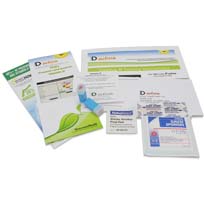
In order to spread this health movement to more communities, the project needs your involvement. To participate, simply purchase the D*Action Measurement Kit and follow the registration instructions included. (Please note that 100 percent of the proceeds from the kits go to fund the research project. I do not charge a single dime as a distributor of the test kits.)

As a participant, you agree to test your vitamin D levels twice a year during a five-year study, and share your health status to demonstrate the public health impact of this nutrient. There is a $65 fee every six months for your sponsorship of this research project, which includes a test kit to be used at home, and electronic reports on your ongoing progress. You will get a follow up email every six months reminding you "it's time for your next test and health survey."
Vitamin D Kit
Order button

Internet Resources Where You Can Learn More

Where Do We Go From Here?

GrassrootsHealth is now undertaking a new project entitled the Protect our Children NOW! (POC) project. The aim of this project is to acquire participation of at least 500 pregnant women in a community, and to increase their serum levels to the suggested level of at least 40 ng/ml based on the clinical trial by Hollis & Wagner.
In addition, the project will take these results in two years and "march" on the various institutions in the state/government/to the March of Dimes, to demand that action be taken to protect the world's next generation.
Among other items, the projects expected impact is likely to be a reduction in preterm births, (in some cases up to a 50 percent reduction). The project already has the blessing of the scientists, the physicians at the Medical University of South Carolina (which are implementing it in their practices) and even the insurance company.
Any community can implement this and make a difference for themselves and others. For further information contact Jen Aliano, Project Manager, at jen@grassrootshealth.org.

http://articles.mercola.com/sites/articles/archive/2016/10/15/sunlight-exposure-vitamin-d.aspx