Pages

Showing posts with label Phthalates. Show all posts

Wednesday, 15 July 2020

Is it safe to microwave food?

There’s nothing risky about microwave radiation – but there is about heating up plastic.
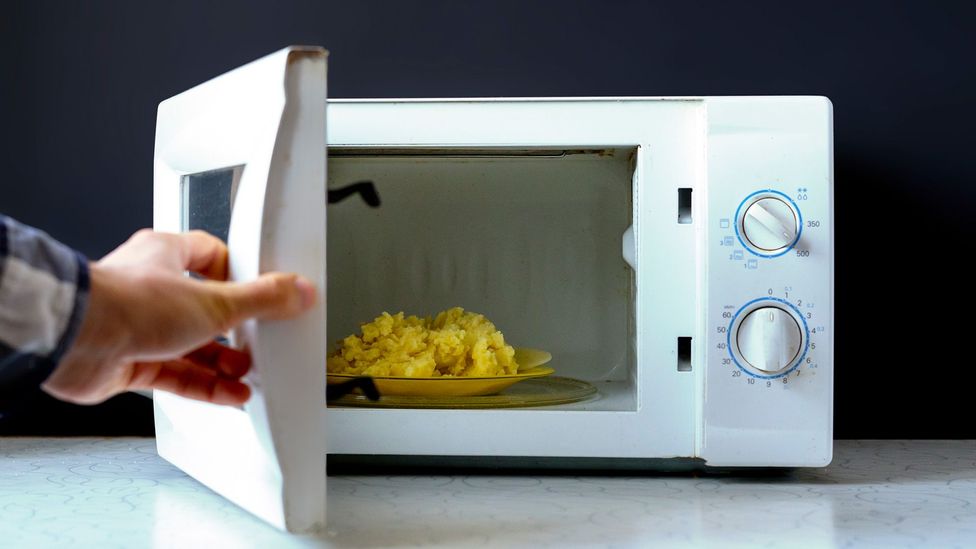
The radiation in microwaves is completely harmless (Credit: Getty Images)
By Jessica Brown15th July 2020
D
Despite being a kitchen workhorse for decades, few household items have been more divisive than the microwave. It’s hailed as a lifesaver for those who can’t, or won’t, cook, and portrayed by some chefs as singlehandedly dragging the art of cooking into the gutter.
But another debate lies beyond the culinary disputes – when is microwave cooking bad for you?
When used correctly, there’s nothing to worry about in terms of a microwave’s radiation, according to the World Health Organization. But other concerns are less clear – including whether microwaving food causes nutrient loss, or whether heating food in plastic can trigger hormone disruption.
Losing nutrients
Some research has shown that vegetables lose some of their nutritional value in the microwave.
For example, microwaving has been found to remove 97% of the flavonoids – plant compounds with anti-inflammatory benefits – in broccoli. That’s a third more damage than done by boiling. 
You might also like:
However, one 2019 study looking at the nutrient loss of broccoli in the microwave pointed out that previous studies varied the cooking time, temperature, and whether or not the broccoli was in water. It found that shorter cooking times (they microwaved the broccoli for one minute) didn’t compromise nutritional content. Steaming and microwaving could even increase content of most flavonoids, which are compounds linked to reduced risk of heart disease. “Under the cooking conditions used in this study, microwaving appeared to be a better way to preserve flavonoids than steaming,” the researchers wrote.
Yet they also found that microwaving with too much water (such as the amount you’d use to boil) caused a drop in flavonoids.

Some foods, such as peas, lose nutrients when microwaved or steamed, but others, like green beans, do not (Credit: Getty Images)


Lead researcher Xianli Wu, a scientist at the Beltsville Human Nutrition Research Center at the US Department of Agriculture, says there isn’t one agreed mechanism to explain why microwaving could increase flavonoid content. It could be that microwaving makes flavonoids easier to measure – perhaps by softening the plant tissue, making them easier to extract – rather than increasing their amount
But there’s no straightforward answer as to whether microwaving vegetables will retain more nutrients that any other method. That’s because each food is different in terms of the texture and nutrients they contain, according to Wu.
“Though in general microwaving is a preferred method, the optimum time will be different for different vegetables,” Wu says. “When considering commonly used domestic cooking methods, microwaving is a preferred cooking method, at least for many plant foods, but probably not for every plant food.”
In another study, researchers compared the content of phenolics (compounds associated with various health benefits) of various vegetables after being boiled, steamed and microwaved. Microwaving and steaming caused a loss in phenolic content in squash, peas and leeks, but not in spinach, peppers, broccoli or green beans. The researchers also tested for antioxidant activity.
For both measures, vegetables fared better in the microwave compared to being boiled.
“Moderate heat treatment might have been a useful tool in improving health properties of some vegetables,” the researchers write.
Heating plastic
We often microwave foods in plastic containers and wrapping, but some scientists warn of the risk of ingesting phthalates. When exposed to heat, these plastic additives can break down and leach into food.
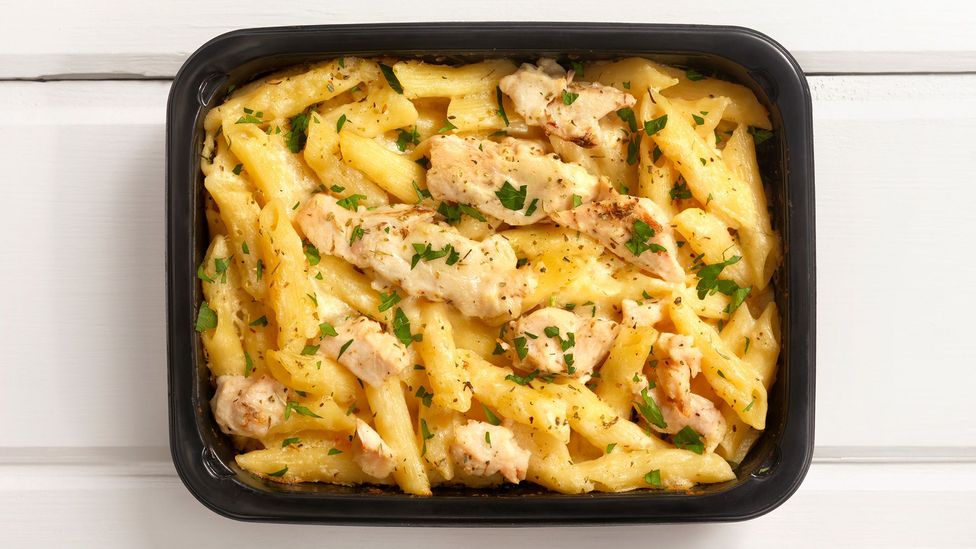
When exposed to heat, plastic additives like phthalates can break down and leach into food (Credit: Getty Images)

“Some plastic isn’t designed for microwaves because it has polymers inside to make it soft and flexible, which melt at a lower temperature and may leach out during the microwave process if it goes beyond 100C (212F),” says Juming Tang, professor of food engineering at Washington State University.
In a 2011 study, researchers purchased more than 400 plastic containers designed to contain food, and found that the majority leaked chemical that disrupt hormones.
Phthalates are one of the most commonly used plasticisers, added to make plastic more flexible and often found in takeaway containers, plastic wrap and water bottles. They have been found to disrupt hormones and our metabolic system.  In children, phthalates can increase blood pressure and insulin resistance, which can increase the risk of metabolic disorders such as diabetes and hypertension. Exposure also has been linked to fertility issues, asthma and ADHD.
Phthalates are also potential disrupters of thyroid hormones, says Leonardo Trasande, professor of environmental medicine and population health at NYU School of Medicine in New York. Among other things, these hormones are crucial for babies’ brain development during pregnancy.  
Bisphenol (BPA) is also commonly used in plastic products, and studies have suggested it may also disrupts hormones. But research is limited, compared to the amount of studies looking at phthalates.
Phthalates are everywhere – even in toys and body lotions – and it’s still unclear just how much damage they do. But most experts agree that heating plastic with phthalates can increase exposure.
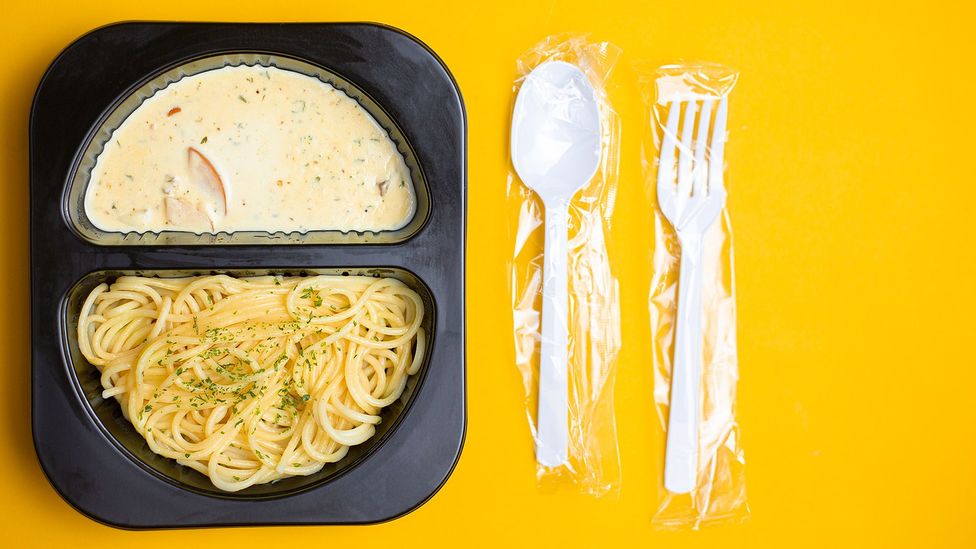
Phthalates have been found to disrupt hormones and our metabolic system (Credit: Getty Images)


“Microwaving mobilises contaminants,” says Rolf Halden, professor and director of the Biodesign Center for Environmental Health Engineering at Arizona State University. “This process is used in laboratories to extract pollutants from samples, prior to chemical analysis.”
And the potential risks don’t necessarily increase with how often an individual microwaves food in plastic containers, Trasande argues – as the relationship is non-linear between the amount of chemical exposure and risk of hormone disruption. 
“The old pedagogy was that the dose mediated poison. Now we understand from multiple studies that low level exposures are where the greatest component of effects happens, so there’s no safe level of exposure,” Trasande says.
It’s important to remember that, when heating food in a plastic container, exposure also can happen with plastic that doesn’t touch the food, such as a lid.
“Water rises as steam from the food, and then condenses on the underside of the lid, and the extracted chemicals from the lid then fall down into your food, contained in the condensation droplets,” Halden says.

To minimise risk, microwave food in a material that isn’t plastic, such as ceramic (Credit: Getty Images)

The best ways to minimise risk are to use other microwave-safe materials than plastic, such as ceramic. If you do use plastic containers, avoid any that are losing their shape, since old and damaged containers are more likely to leach chemicals. You can also check your container’s universal recycling symbol, often on the bottom of a product – those with a number 3 and the letters “V” or “PVC” include phthalates.
Heat risks
Even if you avoid plastics, there are other potential risks of heating food in the microwave – including uneven heating, and the high temperatures used.
First, consider using microwaves to reheat, rather than cook, food, as it may cook unevenly. “Depending on the portion of food that’s heated, there will be some parts that are hotter than others,” says Francisco Diez-Gonzalez, professor of food safety at the University of Georgia.
“Temperatures will be different in a cross-section of the food. It’s hard to achieve a completely uniform temperature, especially when talking about raw foods.”
But it’s important to note that reheating food comes with risks, too. Food must be heated until it is 82C (176F) throughout to kill any harmful bacteria – and because bacteria can still grow each time food cools back down, you shouldn’t reheat a meal more than once. (Read more about whether it’s safe to reheat food).

Microwaves should be used to reheat food, not cook it, but it’s better not to reheat the same meal more than once – especially rice (Credit: Getty Images)

The high temperatures of the microwave may also pose some risk. Generally speaking, higher temperatures aren’t a problem, but there is some research suggesting a risk linked to cooking some starchy foods in the microwave, including cereals and root vegetables.
When Betty Schwartz, professor of nutritional sciences  at theHebrew University of Jerusalem, saw her students heating jacket potatoes in the microwave on their lunchbreaks, she noticed small crystals inside their potatoes.
When she analysed them, she found they were high in the chemical acrylamide, which can be a natural by-product of cooking. Schwartz asked her students to boil their potatoes instead, and found that this didn’t create acrylamide, which she says forms in higher temperatures in the microwave.
This is a concern because animal studies have shown that acrylamide acts as a carcinogen because it interferes with cell’s DNA, but evidence in humans is limited. There is some research to suggest that microwaves are more favourable to the growth of acrylamide than other methods of cooking.
“At 100C (212F), there’s enough energy to alter the automatic joints between molecules to produce a molecule with much higher energy, which can react with DNA, which induces mutations," says Schwartz. "When you have many mutations it can produce cancer.” Animals studies have shown this to be the case with acrylamides.
One way around this is to soak the potatoes in water before putting them in the microwave.
Radiation safety
As for the radiation in microwaves, it is completely harmless. Microwaves use low frequency electromagnetic radiation – the same kind used in lightbulbs and radios. When you put food inside a microwave, it absorbs these microwaves, which makes water molecules in the food vibrate, causing friction that heats up the food.

The radiation in microwaves is completely harmless (Credit: Getty Images)

Humans absorb electromagnetic waves, too. But microwave ovens produce relatively low frequency waves and they are contained inside the microwave. Even if that weren’t the case, the waves are harmless, says Tang. (Of course, the heat in a microwave isn't harmless — so you should never put, say, a living creature inside of a microwave).
“Microwaves are part of the electromagnetic waves we’re exposed to daily. When you bake bread, you’re exposed to electromagnetic waves and infrared energy from the heating elements of the oven. Even people exchange radioactive waves between each other,” Tang says.
“If you’re eating crops grown from sunlight, you shouldn’t be concerned about food from a microwave.”
Unlike X-rays, microwaves don’t use ionising radiation, which means they don’t carry enough energy to detach electrons from atoms.

Microwaves don’t use ionising radiation, so there’s nothing unsafe about using them to heat food (Credit: Getty Images)

“You have to break chemical bonds to damage DNA. This is the chief way radiation kills – it mutates cells and causes cancer,” says Timothy Jorgensen, associate professor of radiation medicine at Georgetown University’s medical centre.
Concerns about microwave radiation were largely settled in the years after the microwave oven was first invented, Jorgenson says.
In particular, a lot of research was carried out by scientists at the Army Natick Research and Development Laboratories in Massachusetts, US, around the safety of microwaves, which went a long way to allaying concerns.
When it comes to cooking food in the microwave, there’s a lot to consider. Microwaves have long been deemed a safe kitchen appliance – but that comes with caveats, according to research. And in particular, experts are still raising concerns about how the plastic packaging we use in the microwave can disrupt our hormones, and, subsequently, affect our health.


Wednesday, 23 August 2017

Toxic Chemicals in Your Mac and Cheese

This is what passes for logic at the FDA…
The agency bans a group of harmful chemicals from toddlers’ toys—but allows the very same toxins to be added to one of kids’ favorite foods.
by INH Research / 
Mac and Cheese
Two million boxes of macaroni and cheese are sold every day. And that little bag of cheese powder you mix with the noodles is filled with compounds called phthalates.
They’re linked to birth defects, learning problems, behavior disorders, and hormone disruption. And it is not just children at risk…
Phthalates are tied to breast cancer, obesity, diabetes, asthma, and male infertility in adults.1

All Brands Tested Positive

A group of scientists from consumer advocacy and health organizations recently tested 10 brands of mac and cheese. Nine of the 10 products were produced by Kraft, which dominates the market.
Every single brand contained high levels of phthalates.2
Mike Belliveau is executive director of the Environmental Health Strategy Center, one of the groups involved in the research. “Our belief is that it’s in every mac ‘n’ cheese product—you can’t shop your way out of the problem,” he said.
To be fair, Kraft and other companies do not intentionally add phthalates to foods. Phthalates are widely used in making plastics, rubber coatings, sealants, adhesives, and printing inks.
During manufacturing, chemicals from tubing, conveyor belts, gaskets, and other plastic materials seep into powdered cheese. Phthalates also leach into the cheese powder from its packaging.
These chemicals bind with fats… And cheese products are loaded with fat. So they absorb more of the chemicals than other foods.3
Europe has banned phthalates from plastics that come into contact with fatty foods. Over a decade ago, the FDA outlawed phthalates in children’s toys small enough to be chewed. But absurdly, it refuses to prohibit them in food.
Last year, food safety groups petitioned the FDA to forbid phthalates in food, food packaging, and food processing equipment.
So far, the agency has done nothing.4

Protect Yourself and Your Family

The obvious way to lower your risk is to stop eating processed macaroni and cheese.
Instead, make it from scratch. But make sure to use organic cheese. Processed cheeses, especially American cheese that comes in single slices, are also high in phthalates.
Even when you make it with organic ingredients, mac and cheese is not going to be a health food because of the high carb content of macaroni.
But at least you won’t be poisoning yourself and your family with phthalates.

https://www.institutefornaturalhealing.com/2017/08/toxic-chemicals-mac-cheese/

Friday, 11 November 2016

Reducing Chemical Exposure Could Save Americans Hundreds of Billions of Dollars in Healthcare Costs

1 in 5 Cancers Now Linked to This Common Hidden Source
Minute amounts can disrupt cellular functioning and lead to metabolic disorders like obesity, diabetes, and even cancer. Dire health warnings from US experts suggest it's become too great a burden for both children and adults. Watch out for its tell-tale red flags: depression, mental decline, infertility, obesity, diabetes and migraines.

November 02, 2016

Story at-a-glance

  • Chemical exposures have become a serious public health threat, costing the U.S. more than $340 billion each year in health care costs and lost productivity
  • Impaired brain development, lower IQs, infertility, birth defects, obesity, diabetes and endometriosis are just a sampling of the many health problems linked to exposure to endocrine-disrupting chemicals (EDCs)
  • In the European Union (EU) — where regulations are more stringent and exposure is less severe than in the U.S. — medical expenses associated with EDC exposure are estimated at $177.5 billion (€163 billion) annually

By Dr. Mercola
Recent studies agree: Chemical exposures have become a serious public health threat. While chemicals such as plasticizers make life more convenient, they're a major contributor to ill health, costing the U.S. more than $340 billion each year in health care costs and lost productivity.1,2,3
Impaired brain development, lower IQs, behavior problems, infertility, birth defects, obesity, diabetes, uterine fibroids, endometriosis and precocious puberty are just a sampling of the many health problems linked to exposure to endocrine-disrupting chemicals (EDCs).
As noted by Dr. Leonardo Trasande, an associate professor at NYU Langone in New York City and co-author of the study:4
"Our research adds to the growing evidence on the tremendous economic as well as human health costs of endocrine-disrupting chemicals. This has the potential to develop into a much larger health and economic issue if no policy action is taken."

Americans Are at Greater Risk of Toxic Exposures Than Europeans

In the European Union (EU) — where regulations are more stringent and exposure is less severe than in the U.S. — medical expenses associated with EDC exposure still amounts to a whopping $177.5 billion (€163 billion) annually, according to the most recent estimates.5
Women's health problems alone, caused by EDCs, were recently found to cost the EU $1.5 billion (€1.4 billion) each year.6,7,8,9,10
The discrepancy between the U.S. and the EU suggests regulating endocrine-disrupting chemicals can indeed have a very significant and beneficial impact on health.
After all, the EU has a population of more than 510 million,11 whereas the U.S. has just under 325 million,12 yet the healthcare costs associated with chemical exposures in the U.S. is nearly double that of the EU.

Hazards and Costs of EDCs Are Likely Vastly Underestimated

Even more sobering: These costs are likely VASTLY underestimated, as only 5 percent of known endocrine disruptors were included in the cost analysis!
Already banned substances were also overlooked. This includes DDT and PCBs, even though these chemicals are known to persist in the environment and the human body for years if not decades, so that's another source of underestimation of the problem.
For example, DDE, a breakdown product of the insecticide DDT has been linked to obesity and diabetes, both of which are at epidemic levels worldwide. Another case in point: A 2005 landmark study13 found a total of 287 chemicals — including PCBs and DDT — in the umbilical cord blood of infants born in the U.S.
Prenatal exposure to chemicals such as those identified in that study have been linked to everything from abnormal fetal development, diminished intelligence, behavior problems, infertility, abnormal sexual maturation, metabolic dysfunction and cancers later in life.14,15

Flame Retardants Account for Two-Thirds of Estimated Health Problems From EDCs

In Europe, where pesticide regulations are a bit laxer, pesticides were found to be the primary driver of disease. In the U.S. flame retardant chemicals are thought to be the primary culprits, accounting for as much as two-thirds of the health problems attributed to EDC exposure. As reported by Tech Times:16
"The difference in costs is largely attributed to the widespread use in the U.S. of a chemical mixture in furniture that make them less flammable.
This chemical blend called polybrominated diphenyl ethers [PBDE], which has been restricted in Europe since 2008, caused about 43,000 cases of intellectual disability in the U.S per year. In Europe, the cases were only 3,290.
PBDEs are also linked to a loss of 11 million IQ points in the U.S. per year and 873,000 lost IQ points in Europe.
'EDC exposure in the USA contributes to disease and dysfunction, with annual costs taking up more than 2 percent of the GDP. Differences from the European Union suggest the need for improved screening for chemical disruption to endocrine systems and proactive prevention,' the researchers wrote …"
In the U.S., the widespread use of flame retardants causes the loss of 11 million IQ points among the population, costing the country $268 billion annually.
Pesticide exposure claims another 1.8 million IQ points, adds 7,500 disability cases and another $44.7 billion in associated costs each year. As reported by Environmental Health News:17
"[Study co-author, Dr. Leonardo] Trasande said the study highlights the need to address endocrine disruptor exposure in the United States, especially as the country updates the federal Toxic Substances Control Act.
The 2016 updates to the act, which regulates both existing and new chemicals, contained no mention of endocrine disruption, Trasande said. Chemicals should be screened for any potential impacts to human hormones before they hit the marketplace, he added.
'The cost of required testing is likely to be small when weighed against the $340 billion in costs we have identified as being related to exposure to [endocrine disrupting compounds],' the authors wrote."

Other Common EDCs: Bisphenol A and Bisphenol S

While flame retardants and pesticides topped the list in terms of their contribution to health problems — primarily through their impact on children's developing brains, as they have the strongest neurological effects — many others pose serious health risks as well. Among the most pervasive are bisphenol A (BPA) and phthalates.
BPA is found in hard plastics such as reusable bottles and food containers, the lining of canned goods, cashier's receipts, dental sealants and more. BPA is strongly associated with female health concerns, including polycystic ovarian syndrome (PCOS),18 a leading cause of infertility in women.
In response to consumer demand for BPA-free products, many manufacturers have switched to bisphenol S (BPS). But BPS appears to be just as toxic, if not more so, than BPA.19
In 2013, researchers at the University of Texas Medical Branch discovered that even minute concentrations — less than one part per trillion — of BPS can disrupt cellular functioning.20
Metabolic disorders like obesity, diabetes, and even cancer, are potential ramifications of such disruptions. BPS also appears to be significantly less biodegradable, and more heat-stable and photo-resistant, than BPA.

The Many Hazards of Phthalates

Phthalates are found in disposable water bottles, shower curtains, food packaging, vinyl gloves used during medical procedures and food preparation, vinyl flooring, household cleaners, cosmetics, personal care products and more.
The prevalence of phthalates in personal care products is thought to be the reason why women tend to have higher levels of phthalates in their system than men. Furniture, upholstery, mattresses and wall coverings can also contain phthalates. They've even been detected in infant formula and baby food (likely because they migrated from the packaging materials). They are also used as "inert" ingredients in pesticides.21
Phthalates are remarkably powerful hormone disruptors that have been linked to a wide array of adverse effects,22,23,24 including the feminization of males,25,26,27 reduced IQ in children,28,29 birth defects, PCOS, early or delayed puberty, miscarriage30 and preterm birth, neurodevelopmental delays, inattention, hyperactivity and symptoms of autism,31 asthma,32 allergies and respiratory problems.33
During pregnancy, an increased exposure to phthalates may alter the production of thyroid hormones in your unborn child,34 which are crucial for the proper development of your baby during your first trimester. Recent research has also linked higher levels of phthalates in your body to low vitamin D levels,35 which in turn increases your risk for depression,36,37 mental decline in older adults38 and chronic migraine headaches,39 to name just a few.
The Centers for Disease Control and Prevention (CDC) acknowledges that your risk of exposure comes from eating and drinking foods exposed to plastics and breathing phthalates in dust particles. Recent research confirms fast food is a significant source of phthalates,40 largely because restaurant workers use plastic gloves, drinks are poured through PVC tubing, and the food is served in paper or plastic containers or wrappers that contain phthalates.
Those who got at least 35 percent of their calories from fast food had nearly 24 percent higher levels of the phthalate DEHP and 39 percent higher DiNP in their urine compared to those who had not consumed any fast food in that time frame. Health effects associated with the two phthalates identified in this study include liver, kidney, lung and reproductive system damage and insulin resistance in adolescents.41
According to the National Toxicology Program (NTP), phthalates are also "reasonably considered to be a human carcinogen." Despite that, they continue to be used in everyday products.42 Also, while not typically associated with clothing, a recent pilot study found that cotton and polyester fabrics pick up both flame retardant chemicals and phthalates from indoor air.43 When clothing carrying the chemicals are washed, the chemicals enter wastewater and are released into the environment.44

Toxic Burden Is Evident in Health Statistics

Health statistics suggest the toxic burden is becoming too great for children and adults alike, and warnings have been issued by a number of different organizations, agencies and health experts around the world in recent years.
  • According to Dr. Joseph E. Pizzorno, founding president of Bastyr University, toxins in the modern food supply are now "a major contributor to, and in some cases the cause of, virtually all chronic diseases."45
  • David Bellinger, Ph.D., a professor of Neurology at Harvard Medical School, estimates Americans have lost a total of 16.9 million IQ points due to exposure to organophosphate pesticides.46
  • A recent report by the International Federation of Gynecology and Obstetrics warns that chemical exposures now represent a major threat to human health and reproduction.47,48,49
  • An Endocrine Society task force also recently issued a new scientific statement on endocrine-disrupting chemicals, noting that the health effects of hormone-disrupting chemicals are such that everyone needs to take proactive steps to avoid them.50,51 
  • One in 5 cancers are thought to be due to environmental chemicals, and according to recent studies, miniscule amounts of chemicals amplify each other's adverse effects when combined. Even more disturbing, the analysis found that the cumulative effects of non-carcinogenic chemicals can act in concert to synergistically produce carcinogenic activity — a finding that overturns and more or less nullifies conventional testing for carcinogens.52,53

The High Cost of Plastic Packaging

As noted in a recent cover story by C&EN,54 food manufacturers are using more plastic than ever, thereby generating an ever-increasing amount of plastic garbage. For example, some vegetables and many meats are individually sealed in polyethylene plastic nowadays — a practice that extends shelf-life.
Individually sealing cucumbers in plastic extends shelf life from three to 14 days, by retaining moisture. Individually vacuum-sealed steaks last for nearly a month, compared to about four days when packaged in polystyrene foam trays covered by a plastic film.
"Many industry critics think all these plastics are a bit much. 'It's so immensely curious how stupid modern packaging is,' William McDonough, a designer and sustainability guru, told a greenbiz.com reporter a few years back.55
To McDonough and like-minded critics, flexible plastics, especially the newer multilayered films, are another excess of a throwaway society. They are much harder to recycle than the simpler metal, paper, and glass containers they replace. Too many of the new materials end up in landfills or bobbing around the ocean," Alexander H. Tullo writes.
"The packaging industry, though, doesn't think its products are so stupid. It sees plastics as a solution to another big environmental problem: food waste."

The Economy of Plastics

While it's hard to argue with the benefits, the use of plastic wrapping on food has significant environmental ramifications that simply cannot be ignored. In a recent report called "The New Plastics Economy: Rethinking the Future of Plastics,"56 the plastic waste problem is laid bare. In 2013:
  • 78 million metric tons of plastic packaging was produced worldwide
  • Of that, 40 percent ended up in landfills
  • 32 percent ended up in the environment, polluting land and sea. An estimated 150 million metric tons of plastics currently contaminate the world's oceans. "Without significant action, there may be more plastic than fish in the ocean, by weight, by 2050," the report warns
  • Only 28 percent of the plastic garbage was collected; half of which was recycled and the other half burned for energy
  • A mere 2 percent of the 78 million metric tons of plastic packaging was recycled into plastic food packaging
Another report, "Valuing Plastic: The Business Case for Measuring, Managing and Disclosing Plastic Use in the Consumer Goods Industry,"57,58 published in 2014, calculated the cost of plastic waste disposal and greenhouse gas emissions at $75 billion annually. As noted by Conrad MacKerron, senior vice president of As You Sow, a corporate responsibility group:59
"You have this highly engineered package that is used for maybe a few weeks, and then it sits for hundreds of years at a landfill. Whether you are an environmental advocate or not, it is a waste of materials that have significant value. That's not good business."

Leaked Emails Reveal Coca-Cola's Plan to Fight Environmentally-Conscious Restrictions on Plastics and Plastic Chemicals

The food and beverage industries are the two primary contributors to the plastic waste problem, and evidence suggests at least some of these global leaders are far from amenable to making changes that might benefit our environment and health. In fact, emails that emerged during a recent Wikileaks dump reveal the extent to which Coca-Cola Europe is fighting, or preparing to fight, legislation that either protects human health or the environment, and that includes opposing:60
  • BPA labeling and BPA restrictions or ban
  • Regulations on plastic packaging
  • Restrictions on use of plastic packaging
  • Increased collection and recycling targets
  • Environmental impact fees

What You Can Do to Avoid Toxic Chemicals

While the World Health Organization estimates that 1 in 4 deaths is related to living and working in a toxic environment,61,62,63,64your diet, personal care and common household products likely pose the most immediate risk to your and your family's health. This is particularly true when it comes to EDCs such as plasticizers and flame retardant chemicals. As reported by Tech Times:65
"Researchers said that there are ways for people to limit exposure to endocrine-disrupting chemicals such as by eating organic food products, avoiding the use of pesticides at home, limiting the use of aluminum canned food as well as avoiding microwaving and dishwashing plastic."
Indeed, repeated tests have confirmed that those who eat primarily organic foods tend to have far lower levels of toxins in their system. To limit your exposure to EDCs like PBDEs, phthalates and BPA/BPS, keep the following guidelines in mind when shopping for food, personal care and household products.
Avoid fast-food restaurant fare and processed goods. Eating a diet focused on locally grown, ideally organic and whole foods cooked from scratch will significantly limit your exposure to not only phthalates and BPA but also a wide array of other chemicals, including synthetic food additives and pesticides.
Use natural cleaning products or make your own. Besides phthalates, avoid those containing 2-butoxyethanol (EGBE) and methoxydiglycol (DEGME) — two toxic glycol ethers that can compromise your fertility and cause fetal harm.
Buy products that come in glass bottles rather than plastic or cans; be aware that even "BPA-free" plastics typically leach other endocrine-disrupting chemicals that are just as bad for you as BPA.
Switch to organic toiletries, including shampoo, toothpaste, antiperspirants and cosmetics.
EWG's Skin Deep database66 can help you find personal care products that are free of phthalates and other potentially dangerous chemicals.
Store your food and beverages in glass rather than plastic, and avoid using plastic wrap as it too contains phthalates that can migrate into your food (especially if you microwave food wrapped in plastic).
Replace your vinyl shower curtain with a fabric one or glass doors.
Use glass baby bottles and drinking bottles.
Replace feminine hygiene products (tampons and sanitary pads) with safer alternatives.
Filter your tap water for both drinking and bathing. If you can only afford to do one, filtering your bathing water may be more important, as your skin absorbs contaminants.
Under the 1974 Safe Drinking Water Act, the EPA set a maximum contaminant level (MCL) for DEHP of 0.006 mg/dL, or 6 ppb.67
Note that the Safe Drinking Water Act regulates DEHP levels only for public water supplies, not for well water.
Filtering your water is also important to limit exposure to atrazine and fluorinated firefighting chemicals,68 both of which are common drinking water contaminants in the U.S.
Look for fragrance-free products. One artificial fragrance can contain dozens of potentially toxic chemicals, including phthalates.
Avoid fabric softeners and dryer sheets, which contain a mishmash of synthetic chemicals and fragrances.
If you have PVC pipes, you may have DEHP leaching into your water supply. If you have PVC pipe from before 1977, you will definitely want to upgrade to a newer material.
This "early-era" PVC pipe can leach a carcinogenic compound called vinyl chloride monomer into your water. Alternatives to PVC for water piping include ductile iron, high-density polyethylene, concrete, copper and PEX.69
Consider replacing vinyl flooring with a "greener" material. Also avoid soft, flexible plastic flooring, such as those padded play-mat floors for kids (often used in day cares and kindergartens), as there's a good chance it is made from phthalate-containing PVC.
Read the labels and avoid anything containing phthalates. Besides DEHP, also look for DBP (di-n-butyl phthalate), DEP (diethyl phthalate), BzBP (benzyl butyl phthlate) and DMP (dimethyl phthalate).
Also be wary of anything listing a "fragrance," which often includes phthalates.
Make sure your baby's toys are BPA-free, such as pacifiers, teething rings and anything your child may be prone to suck or chew on — even books, which are often plasticized. It's advisable to avoid all plastic, especially flexible varieties.

You Might Also Like


http://articles.mercola.com/sites/articles/archive/2016/11/02/endocrine-disrupting-chemicals-plastics-exposure.aspx