Pages

Showing posts with label Beta Glucan. Show all posts

Tuesday, 3 March 2020

Coronavirus UK: Five best supplements to boost your immune system amid coronavirus fears

CORONAVIRUS fears continue to intensify against a backdrop of rising cases, school closures and cancelled flights in the UK. While there is currently no vaccination in sight, it is important to keep your immune system in fighting form. To that end, here are five supplements proven to boost your immune system.

Coronavirus cases in the UK rose to 39 yesterday, as the government outlined measures to minimise the threat to citizens, which included possible school closures, cancelling events and bringing NHS staff out of retirement. The uncertainty surrounding when there will be a vaccine understandably has people rattled, but the pattern of the virus does shed light on the nature of the threat. The most serious cases show that a weakened immune system leaves you highly susceptible to developing the respiratory infection so it is important to keep your immune system as defensive as possible.
One simple yet effective way to enhance your immune system is to take certain supplements, and, while this does not guarantee protection against the pathogen, it will at least ensure the virus comes into contact with a robust defence system.
Georgie Murphy, MSc Nutrition ANutr at nutritional website Vitl.com, recommends the following five supplements to optimise your immune system:

Vitamin C

According to Murphy, vitamin C is possibly the best thing you can consume if you’re looking to give your immune system a big boost.
She explained: “Vitamin C helps stimulate the production of white blood cells (also known as leukocytes).
“These are cells from your immune system that help to fight infectious disease and foreign invaders.
Vitamin C helps stimulate the production of white blood cells
Best supplements: Vitamin C helps stimulate the production of white blood cells (Image: Getty Images )
Murphy continued: “It’s a vital vitamin needed for repairing and growing tissue; it helps heal wounds, maintain healthy bones and acts as an antioxidant, fighting free radicals that can weaken the immune system.”
To top it up, consume foods rich in the nutrient, such as oranges, kiwifruit, brussels sprouts and potatoes on a daily basis, she said.

Zinc

“Zinc is an immunity superhero that is often overlooked when it comes to fighting colds,” explained Murphy.
She added: “It works synergistically with vitamin C, which is why we combine these nutrients in our personalised formulations if your immune system needs an extra helping hand. Studies have shown that zinc may help to reduce the duration of colds by up to 50 percent.”
Zinc can be found in a number of supplements.

Vitamin E

Similarly to vitamin C, vitamin E acts as an antioxidant that assists in fighting off infection, notes Murphy.
The vitamin can be found in numerous supplements and certain foods, such as almonds, peanuts, sunflower seeds and spinach.

Beta-Glucans

As Murphy explains, mushrooms have been touted as traditional medicine in Asia for thousands of years due to their well-known immune-boosting powers.
“As well as having antibacterial and antiviral properties, mushrooms also contain beta-glucans. Beta-glucans make up the mushroom cell walls and stimulate the immune system,” she said.
Mushrooms contain beta-glucans that stimulate the immune system
Best supplements: Mushrooms contain beta-glucans that stimulate the immune system (Image: Getty Images)

Vitamin D

Most people struggle to get enough vitamin D in the winter months, which is a problem for people’s immune systems as vitamin D stimulates the production of antimicrobial proteins, which the body relies on to fight off infection, explained Murphy.
She continues: “The reason this vitamin is so important is because it has receptors that activate enzymes on the surfaces of our white blood cells.”
As Murphy warns, not getting enough vitamin D can also lead to autoimmune diseases or repeated infection.

How to get enough vitamin D

Between October and early March people don't get enough vitamin D from sunlight so the vitamin can be found in supplements and a number of foods, including:
  • Oily fish – such as salmon, sardines, herring and mackerel
  • Red meat
  • Liver
  • Egg yolks
  • Fortified foods – such as most fat spreads and some breakfast cereals
Vitamin E acts as an antioxidant that assists in fighting off infection
Best supplements: Vitamin E acts as an antioxidant that assists in fighting off infection (Image: Getty Images)

Iron

Iron is an essential mineral that helps to transport oxygen throughout the body that is fundamental to the growth of B cells and T cells that are a major cellular components of the adaptive immune response, explained Murphy.
Consequently, low iron levels affect the body’s capacity to adequately protect the body from viruses, bacteria and other pathogens, she said.

How can you top up iron?

“You can take iron supplements if you feel you do not eat enough foods rich in the nutrient, such as tofu, beans, lentils, baked potatoes or fortified cereals,” advised Murphy.

What are the symptoms of the coronavirus?

According to the NHS, the symptoms of coronavirus are:
  • A cough
  • A high temperature
  • Shortness of breath

Wednesday, 9 October 2019

Get an Extra Edge Against Cancer

Here’s how an integrative plan can help you…

Mark A. Stengler, NMD, a naturopathic physician and founder of The Stengler Center for Integrative Medicine in Encinitas, California (MarkStengler.com).

Published Date: June 1, 2018   Publication: Bottom Line Health

More than one-third of American adults reach for vitamins, herbs or other natural medicines when they have colds or other routine (and hopefully mild) health problems. Similar remedies can help when you have cancer.
To learn more about the best and safest ways to use natural therapies—also known as complementary and alternative medicine (CAM)—to fight cancer and its complications, Bottom Line Health spoke with Mark A. Stengler, NMD, a naturopathic physician who treats cancer patients.

HOW CAM CAN WORK

Research has shown that many so-called “alternative” treatments can enhance the effects of conventional cancer care such as surgery, radiation or chemotherapy…reduce treatment side effects…and possibly improve survival.
This type of integrative care doesn’t replace conventional cancer treatments. Rather, with the guidance of a doctor, complementary therapies are added to a patient’s treatment plan.
Important: To ensure that the therapies described below would be appropriate for you, consult the Society for Integrative Oncology (IntegrativeOnc.org) to find an integrative oncologist near you…or check with The American Association of Naturopathic Physicians (Naturopathic.org) to locate a naturopathic doctor who also treats cancer patients. 
Also: Be sure to ask the doctor you choose to be in touch with your oncologist. Here’s how CAM can help with problems that plague most cancer patients…
• Get relief from “chemo brain.” It’s estimated that three-quarters of cancer patients will experience some degree of mental cloudiness. Known as “chemo brain,” it can include mood swings, memory loss and mental fatigue. It eventually improves, but some patients will feel like they’re in a mental fog years after their treatments have ended.
What helps: The omega-3 fatty acids in fish oil supplements—a typical daily dose is 1,000 mg total of eicosapentaenoic acid (EPA) and docosahexaenoic acid (DHA) combined—help regulate acetylcholine, a neurotransmitter that increases nerve growth factor and improves memory as well as energy levels.
The omega-3s also increase the effectiveness of 5-fluorouracil and other chemotherapy drugs, according to a study published in Clinical Nutrition Research. In research published in Cancer, lung cancer patients who took fish oil along with chemotherapy had a greater one-year survival rate than those who didn’t take the supplements.
Note: Fish oil may cause stomach upset in some patients, along with bleeding in those who are taking anticoagulant medications such as warfarin (Coumadin), apixaban (Eliquis) and rivaroxaban (Xarelto).
• Boost energy levels. Ginseng is one of the more effective supplements for cancer patients. A number of studies have shown that it reduces treatment-related side effects, including weakness and fatigue. A double-blind study in Journal of the National Cancer Institute found that patients who took ginseng had less fatigue than those given placebos.
My advice: The American form of ginseng (Panax quinquefolius) is more effective than the Asian form. Typical dose: 1,300 mg to 2,000 mg daily. It rarely causes side effects, although it may lower blood sugar in those with diabetes.
Also helpful: Glutathione, a “super antioxidant” that can be combined with chemotherapy to reduce toxin-related fatigue and other side effects. It’s usually given in an IV solution. Side effects are unlikely, but it may interfere with some chemotherapy drugs. Be sure to consult an integrative oncologist to see whether you will/won’t benefit from glutathione.
• Improve immune response. Turkey tail is one of the best–studied medicinal mushrooms. Available in capsule form, the supplement has chemical compounds (beta–glucans) that stimulate many aspects of the immune response, including antibody activity—important for inducing the death of cancer cells.
Impressive research: A study published in Cancer Immunology and Immunotherapy found that postsurgical remissions in colorectal cancer patients were twice as common in those who were given turkey tail. Typical dose: 3,000 mg daily. Side effects are unlikely.

A NUTRITIONAL BOOST

Conventional oncologists receive little training in nutrition, but it’s a critical issue for cancer patients. One study found that 91% of cancer patients had nutritional impairments, and 9% were seriously malnourished. Research shows that malnutrition contributes directly or indirectly to a significant number of cancer deaths due to poor appetite and the disease process of advanced cancer.
Loss of appetite is a major cause of malnutrition and muscle loss (cachexia). I advise patients who are losing weight to address these problems by getting more calories.
With every meal, include high-fat foods such as olive oil, coconut oil, avocado, nuts and seeds. A 10-year study, published in Archives of Internal Medicine, looked at more than 380,000 adults and found that a Mediterranean-style diet, which is high in olive oil and other healthy fats, reduced cancer deaths in men by 17% and 12% in women.
Also helpful: Protein shakes. They can provide the extra protein that’s critical for cancer patients. Up to 80% of those with advanced cancer experience muscle loss. Protein shakes can help reverse it. Best option: Ready-made whey protein or pea protein shakes—both are nutritious, have 5 g of sugar or less per serving and are readily available in health-food stores.
My advice: Get 1 g to 1.2 g of protein per kilogram (2.2 pounds) of body weight daily. This means that someone who weighs 150 pounds will need about 68 g to 82 g of protein daily. You can get that much from two or three servings of a typical whey protein beverage, which comes ready-mixed or in powdered form. Caution: If you have moderate or severe kidney disease, check with your doctor for advice on your protein intake.
https://bottomlineinc.com/health/cancer-treatment/when-fighting-cancer-integrative-care

Sunday, 6 October 2019

Barley - an underused source of phytochemicals, fiber, and minerals. Life Extension

Providing blood glucose stabilization, cardiovascular protection, and cancer prevention, this ancient grain satisfies more than just the palate.

December 2008
Barley
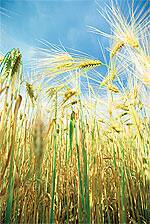
Barley may be one of the oldest grains on earth, having first been used by the Egyptians 10,000 years ago and later brought to America by Christopher Columbus in 1494. Despite its long history, barley has not gained the same popularity as a dietary staple in the US as wheat or oats.1 Now, as the medical community unearths more and more exciting health benefits of consuming barley, this fact may soon change.
Rich in phytochemicals, fiber, and minerals that ward off a plethora of diseases, substituting your usual grain of choice with barley may confer an array of health benefits, ranging from balanced blood sugar levels to protection against cardiovascular disease and cancer.

Keeping Blood Sugar Levels Balanced

In barley's arsenal of components that make it a healthful superfood, the blockbuster stand-out is a particular kind of soluble fiber called beta-glucan. Similar to another fiber called pectin in consistency, beta-glucan is a viscous fiber that our bodies can't digest. By binding with water, beta-glucan slows the rate that food moves through the digestive system, tempering the body's glucose and insulin responses after a meal.2
While beta-glucan is present in the cell walls of barley, oats, yeast, bacteria, algae, and mushrooms, barley and oats are the richest sources of beta-glucan among the grains.3 Yet emerging evidence suggests that barley might be even more beneficial than oats when it comes to modulating blood sugar.
In fact, in one study comparing the insulin and glucose response in overweight women to barley and oats, researchers actually found "peak glucose and insulin levels after barley were significantly lower than those after glucose or oats." The researchers tested a variety of forms of the grains (from oat flour and oatmeal to barley flour and barley flakes) and discovered that while the particle size had little effect on the glycemic responses, "the high soluble fiber content of this barley appeared to be a factor in the greater reduction observed."4 This is exciting news not just for those who suffer from diabetes. It also shows barley's promising effects on anyone who's at risk for metabolic syndrome.
WHOLE-GRAIN GOODNESS
Whole-Grain Goodness
While current dietary recommend that all individuals consume three servings of whole grains each day, Americans consume an average of only one serving per day.25 According to the United States Department of Agriculture,eating grains—particularly fiber-rich whole grains—helps reduce the risk of numerous chronic diseases. Among the health benefits of consuming fiber-rich grains like barley are:
  • Reduced risk of coronary heart disease26
  • Reduced risk of constipation26
  • Weight management benefits26
  • Decreased risk of high blood pressure27
  • Reduced risk of diabetes28,29

Thwarting Heart Disease

Studies suggest that barley can lessen your risk of cardiovascular diseases by hindering the amount of cholesterol absorbed by the intestines. Cardiovascular disease prevention is an established benefit of whole-grain fiber intake. Again, the soluble fiber called beta-glucan in barley appears to be the secret weapon.
Beta-glucan likely acts via numerous mechanisms to promote healthy blood lipid levels. By increasing the volume and viscosity of the intestinal contents, beta-glucan may help reduce the amount of dietary cholesterol absorbed through the intestinal epithelium. Beta-glucan also increases the excretion of bile acids into the intestines. Since oxidized cholesterol comprises bile acids, this has the net effect of lowering serum cholesterol levels.5
Thwarting Heart Disease
Increasing dietary intake of beta-glucan helps to lower low-density lipoprotein (LDL) as well as total cholesterol in men and women.6,7 Barley appears to be more effective in lowering blood cholesterol than other whole grains like wheat and rice because of its high beta-glucan content.7-11
One study found that moderately hypercholesterolemic subjects who consumed 3 or 6 grams of beta-glucan from barley demonstrated decreased levels of total cholesterol. Men and postmenopausal women derived the greatest benefits from beta-glucan.12
Barley has also been shown to lower blood pressure, an important risk factor for cardiovascular disease and stroke. One five-week study found that men who replaced 20% of their energy intake with whole grains like barley experienced reductions in systolic, diastolic, and mean arterial pressure.13
The FDA has determined that foods containing barley may now carry a qualified health claim that they reduce the risk of coronary heart disease when combined with a diet low in cholesterol and saturated fat. Whole-grain barley and dry milled barley products must contain at least 0.75 grams of soluble fiber per serving in order to make this health claim.14
A research meta-analysis determined that each 10 gram increase in total dietary fiber intake produced a 14% reduction in all coronary events and a 27% decrease in the risk of coronary death.15

Cancer Protection

Barley is also rich in phytonutrients known as lignans, compounds that appear to help ward some cancers.16 Specifically, the dominant lignan that occurs naturally in barley is called 7-hydroxymatairesinol.16 Lignans appear to have a protective effect against some cancers because they are metabolized by beneficial bacteria in the colon into enterolactone and enterodiol, two substances that have mild estrogen-like effects.17 Increasing dietary intake of whole grains represents an important strategy to boost serum levels of enterolactones.18,19
An important German study found that women with the highest plasma levels of enterolactone had a remarkable 62% lower risk of premenopausal breast cancer, compared with women with the lowest plasma levels.20
Men may similarly benefit from increasing their dietary intake of lignans. A study analyzing blood enterolactone levels in men with prostate cancer versus healthy controls found that men with the highest enterolactone levels were 82% less likely to have prostate cancer.21
Keeping high blood levels of enterolactones by upping your intake of barley and other whole grains could thus help thwart cancers, particularly hormone-dependent cancers.
COMPARING THE NUTRITIONAL CONTENT OF BARLEY AND OATS
Compared to whole-grain oats, barley packs a nutritional wallop by being lower in fat and calories, but higher in dietary fiber! One cup of hulled barley has about three times less fat and two-thirds more fiber than the more popular grain, oats. Barley also provides an excellent dietary source of essential minerals including magnesium, iron, manganese, and selenium.
 
Barley, hulled Oats (per 100 g)
(per 100 g)
Calories
354
389
Protein
12.48 g
16.89 g
Fat
2.30 g
6.90 g
Total Carbohydrates
73.48 g
66.27 g
Total Dietary Fiber
17.30 g
10.60 g
Source: USDA National Nutrient Database for Standard Reference30

Gastrointestinal Health Benefits

Barley is a rich source of both soluble and insoluble fiber, both of which may benefit gastrointestinal health.
The insoluble fiber found in barley binds with water to add bulk to stools, thus promoting more regular bowel movements.22
Some of the soluble fiber found in barley is digested by colonic bacteria to produce short-chain fatty acids, which may help promote bowel health.22 In fact, germinated barley products are undergoing investigation for their ability to help soothe colonic mucosa in the painful inflammatory bowel disease known as ulcerative colitis.23

Enjoying Barley

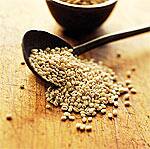
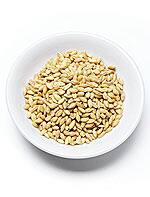
Barley is available in numerous forms, including hulled barley kernels, flakes, grits, pearls, and ground flour. Whole-grain barley kernels contain more fiber and nutrients than the more common pearled barley. Pearled barley is smoother because it's been scrubbed clean of the healthful outer husk and bran layer in the refining process. Hulled barley not only has retained all the nutrients in the outer husk and bran layer, but it also has a nuttier flavor. Hulled barley requires a longer cooking time than pearled barley, however. Pearled barley is still an excellent dietary choice, providing 3 grams of fiber per ½ cup serving, compared with only 1.75 grams of fiber in ½ cup of long-grain brown rice.24 Nutrient powders rich in beta-glucans are also available.
Comparing the Nutritional Content of Barley and Oats
Store uncooked barley in an airtight container in a cool place.
Add cooked barley kernels to soups, stews, salads, and casseroles. Substitute cooked barley kernels or pearls for rice in your favorite recipe. Cooked barley flakes or grits make a delicious hot cereal similar to oatmeal. Substitute some of the white or wheat flour in baked breads and desserts with barley flour to add flavor and fiber.

Conclusion

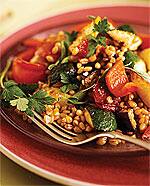
Barley's amazing properties make it no surprise that this grain would have endured for millennia. But what is striking is the fact that Americans have been slow to embrace barley as they have wheat, corn, rice, and oats. Fortunately, as new research unveils more and more ways that barley can be a healthful addition to your diet, it will become a more pervasive staple to our diets. And check out the recipe on this page from the National Barley Foods Council. At just under 300 calories per serving, this salad is worth making tonight!
If you have any questions on the scientific content of this article, please call a Life Extension Health Advisor at 1-800-226-2370.
EASY GREEK BARLEY SALAD TASTE OF THE MEDITERRANEAN
Ingredients:
1 cup pearl barley
3 cups water
Salt
1/3 cup olive oil
2 tablespoons fresh lemon juice
2 tablespoons red wine vinegar
1/2 teaspoon dried oregano
1/4 cup finely chopped onion
1/4 cup finely chopped fresh parsley
2 medium tomatoes, diced
1 green or red bell pepper, diced
1/2 cup crumbled feta cheese
In medium saucepan with lid, bring water and 1 teaspoon salt to a boil. Add barley and return to boil. Cover, reduce heat to low and cook 45 minutes or until barley is tender and liquid is absorbed. Combine olive oil, lemon juice, vinegar, oregano and 1/4 teaspoon salt; pour over hot cooked barley. Cool to room temperature. Gently stir in onions, parsley, tomatoes, bell pepper and feta cheese. Makes 6 servings.
Per serving: calories 209, protein 4g, fat 1g, carbohydrates 49g, cholesterol 0mg, fiber 7g, sodium 95mg.
TO COOK PEARL BARLEY
In medium saucepan with lid, bring 3 cups water to a boil. Add 1 cup pearl barley and return to boil. Reduce heat to low, cover and cook 45 minutes or until barley is tender and liquid is absorbed. Makes about 3 to 3-1/2 cups.
Recipe courtesy of National Barley Foods Council (www.barleyfoods.org).

References
1. Available at: http://www.aaccnet.org/cerealfoodsworld/samplepdfs/CFW-51-0004.pdf. Accessed August 11, 2008.
2. Granfeldt Y, Liljeberg H, Drews A, Newman R, Bjorck I. Glucose and insulin responses to barley products: influence of food structure and amylose-amylopectin ratio. Am J Clin Nutr. 1994 May;59(5):1075-82.
3. Behall KM, Scholfield DJ, Hallfrisch JG, Liljeberg-Elmstahl HG. Consumption of both resistant starch and beta-glucan improves postprandial plasma glucose and insulin in women. Diabetes Care. 2006 May;29(5):976-81.
4. Behall KM, Scholfield DJ, Hallfrisch J. Comparison of hormone and glucose responses of overweight women to barley and oats. J Am Coll Nutr. 2005 Jun;24(3):182-8.
5. Leinonen KS, Poutanen KS, Mykkanen HM. Rye bread decreases serum total and LDL cholesterol in men with moderately elevated serum cholesterol. J Nutr. 2000 Feb;130(2):164-70.
6. Behall KM, Scholfield DJ, Hallfrisch J. Effect of beta-glucan level in oat fiber extracts on blood lipids in men and women. J Am Coll Nutr. 1997 Feb;16(1):46-51.
7. Keenan JM, Goulson M, Shamliyan T, et al. The effects of concentrated barley beta-glucan on blood lipids in a population of hypercholesterolaemic men and women. Br J Nutr. 2007 Jun;97(6):1162-8.
8. Lupton JR, Robinson MC, Morin JL. Cholesterol-lowering effect of barley bran flour and oil. J Am Diet Assoc. 1994 Jan;94(1):65-70.
9. Behall KM, Scholfield DJ, Hallfrisch J. Diets containing barley significantly reduce lipids in mildly hypercholesterolemic men and women. Am J Clin Nutr. 2004 Nov;80(5):1185-93.
10. Behall KM, Scholfield DJ, Hallfrisch J. Lipids significantly reduced by diets containing barley in moderately hypercholesterolemic men. J Am Coll Nutr. 2004 Feb;23(1):55-62.
11. Adam A, Lopez HW, Tressol JC, et al. Impact of whole wheat flour and its milling fractions on the cecal fermentations and the plasma and liver lipids in rats. J Agric Food Chem. 2002 Oct 23;50(22):6557-62.
12. Available at: http://www.ars.usda.gov/research/publications/publications.htm?seq_no_115=185932. Accessed August 8, 2008.
13. Available at: http://www.ars.usda.gov/research/publications/publications.htm?SEQ_NO_115=139663. Accessed August 8, 2008.
14. Available at: http://www.fda.gov/bbs/topics/NEWS/2006/NEW01375.html. Accessed August 11, 2008.
15. Pereira MA, O'Reilly E, Augustsson K, et al. Dietary fiber and risk of coronary heart disease: a pooled analysis of cohort studies. Arch Intern Med. 2004 Feb 23;164(4):370-6.
16. Smeds AI, Eklund PC, Sjoholm RE, et al. Quantification of a broad spectrum of lignans in cereals, oilseeds, and nuts. J Agric Food Chem. 2007 Feb 21;55(4):1337-46.
17. Thompson LU. Experimental studies on lignans and cancer. Baillieres Clin Endocrinol Metab. 1998 Dec;12(4):691-705.
18. Jacobs DR Jr, Pereira MA, Stumpf K, Pins JJ, Adlercreutz H. Whole grain food intake elevates serum enterolactone. Br J Nutr. 2002 Aug;88(2):111-6.
19. Johnsen NF, Hausner H, Olsen A, et al. Intake of whole grains and vegetables determines the plasma enterolactone concentration of Danish women. J Nutr. 2004 Oct;134(10):2691-7.
20. Piller R, Chang-Claude J, Linseisen J. Plasma enterolactone and genistein and the risk of premenopausal breast cancer. Eur J Cancer Prev. 2006 Jun;15(3):225-32.
21. Hedelin M, Klint A, Chang ET, et al. Dietary phytoestrogen, serum enterolactone and risk of prostate cancer: the cancer prostate Sweden study (Sweden). Cancer Causes Control. 2006 Mar;17(2):169-80.
22. Trepel F. Dietary fibre: more than a matter of dietetics. I. Compounds, properties, physiological effects. Wien Klin Wochenschr. 2004 Jul 31;116(14):465-76.
23. Bamba T, Kanauchi O, Andoh A, Fujiyama Y. A new prebiotic from germinated barley for nutraceutical treatment of ulcerative colitis. J Gastroenterol Hepatol. 2002 Aug;17(8):818-24.
24. Available at: http://www.barleyfoods.org/nutrition.html. Accessed August 8, 2008.
25. Hallfrisch J, Facn, Behall KM. Mechanisms of the effects of grains on insulin and glucose responses. J Am Coll Nutr. 2000 Jun;19(3 Suppl):320S-5S.
26. Available at: http://www.mypyramid.gov/pyramid/grains_why_print.html. Accessed August 8, 2008.
27. Available at: http://www.sciencedaily.com/releases/2007/05/070509161030.htm. Accessed August 8, 2008.
28. Liu S, Manson JE, Stampfer MJ, et al. A prospective study of whole-grain intake and risk of type 2 diabetes mellitus in US women. Am J Public Health. 2000 Sep;90(9):1409-15.
29. Fung TT, Hu FB, Pereira MA, et al. Whole-grain intake and the risk of type 2 diabetes: a prospective study in men. Am J Clin Nutr. 2002 Sep;76(3):535-40.
30. Available at: www.nal.usda.gov/fnic/foodcomp/cgi-bin/list_nut_edit.pl. Accessed August 8, 2008.
https://www.lifeextension.com/magazine/2008/12/barley/page-01

Thursday, 3 October 2019

Avoid Cancer with Fungi and Mushrooms

It might sound ludicrous to say you can beat cancer with mushrooms but, rest assured, there are legitimate scientific studies to back up this statement.


March 2, 2015


It might sound ludicrous to say you can beat cancer with mushrooms but, rest assured, there are legitimate scientific studies to back up this statement.
No matter what type or stage of cancer applies to you (or someone you love), you can participate in your care and recovery every step of the way! Be proactive! Do your research and seek out safe, natural modalities that will improve your chance of survival.
Don’t depend solely on medical professionals or pharmaceutical drugs to help you get better. They see you as a case rather than a patient and are unlikely to tell you about safe complementary treatments you should consider.
They like to call superfoods and acupuncture “junk” science. I’d hold up my cancer patients’ survival rate against the “traditional” guys any day! Diet is a huge part of your wellness and that means it can be used to prevent as well as fight cancer cells.

An Ancient (Forgotten) Remedy

Mushrooms are similar to various “herbal” remedies, but unlike herbs they are able to process their food without the necessity of light. They’ve been used for thousands of years in the treatment of many conditions and those disease-fighting properties didn’t go anywhere; modern practitioners simply stopped using them!
Mushrooms are naturally…
  • Immune Boosting
  • Anti-Viral
  • Antibacterial
  • Anti-Cancer
  • Anti-Inflammatory
  • Antioxidant
Some mushrooms are used solely for their medicinal benefits while others are edible as well (used in countless recipes around the world).
There is a polysaccharide in mushrooms called beta glucan. In 1975, Dr. Peter Mansell with the National Cancer Institute tested this substance in the treatment of malignant melanoma. His conclusion stated that tumors injected with beta glucan were “strikingly reduced in as little as five days.” Incredibly, some tumors were gone entirely!
In addition to the remarkable beta glucan content, mushrooms are also abundant in lysine, tryptophan, terpenes, natural steroids, vitamin B2 (riboflavin), B3 (nicotinic acid), B5 (pantothenic acid), C, and K!

Top 5 Mushrooms to Support the Body

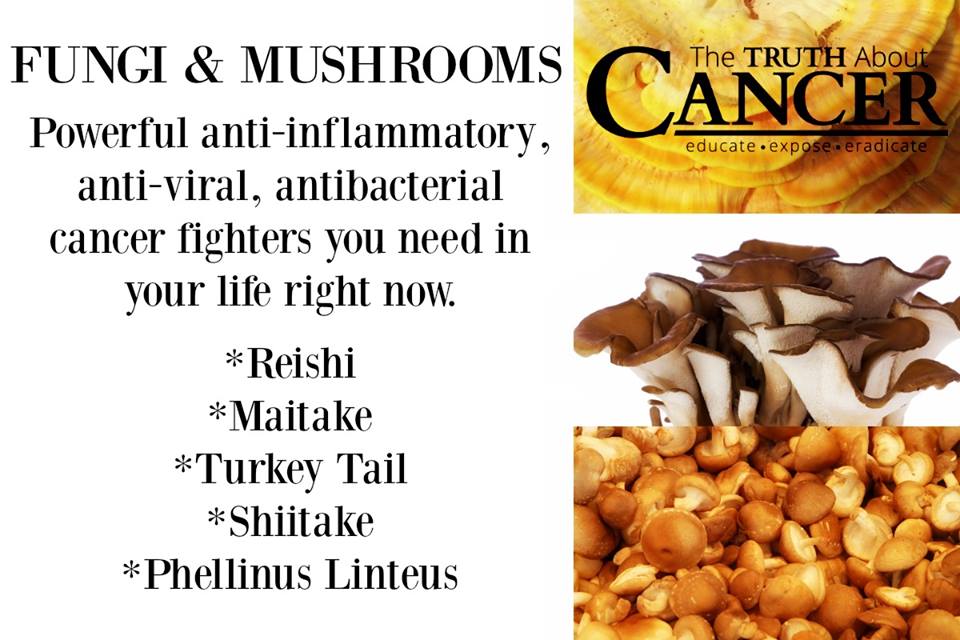
  1. Reishi: Known to the Chinese as “spirit plant,” this mushroom (Ganoderma lucidum) has been proven in clinical studies to have a strong anti-inflammatory effect that also works to balance blood sugar and regulate blood pressure. In regards to the immune system, Reishi boosts three key modulators (TNF alpha, interleukin-1-beta, and interleukin-6) that naturally seek out and destroy cancer cells and inhibit angiogenesis (the growth of new blood vessels that feed cancerous tumors ). It showed excellent results in preventing the excessive loss of white blood cells during traditional radiation treatment; thus preventing the immune system from being ravaged!
  2. Maitake: This large mushroom (Grifola frondosa) is used in recipes and has similar medicinal benefits to the Reishi. It has been shown to lower LDL “bad” cholesterol levels and improve triglycerides. Clinical trials have been done where the beta glucan extracted from maitake was injected into live cancer cells. The cells were dead within a day – and using a combination of beta glucan and vitamin C significantly increased its cancer fighting ability. The maitake’s affinity for the reduction of vomiting, loss of appetite and pain is a major benefit for those in the midst of chemotherapy.
  3. Turkey Tail: This mushroom (Trametes or Coriolis versicolor) is rare in that it is found throughout the forested regions of North America. Several hundred studies have been done on the benefits of the turkey tail mushroom. A strong polysaccharide known as polysaccharide-K (PSK – which is used as an active ingredient in chemotherapy drugs) enhances the immune system and improves the growth of white blood cells. The compound in this mushroom produces a strong immune system (antigen-antibody specific) response that destroys tumors; consequently,  survival rates are higher for patients who receive PSK during treatment. Using mushrooms to beat cancer is already being done in other parts of the world… most doctors in the U.S. simply don’t put the pieces together.
  4. Shiitake: This is probably the most popular mushroom (Lentinula edodes) known around the world. The beta glucan extracted from the shiitake is called Lentinan and Japanese scientists have found that it can be powerful ammunition in the fight against cancer. It doesn’t kill the cells directly, it boosts the T-cell and natural killer cell production instead, which search out and destroy cancer cells. After the ravages of chemotherapy and radiation therapy, Lentinan helps the immune system to recover more quickly. Though it is safe and effective, the extract has not been approved in the United States by the Food and Drug Administration (FDA). If you plan to get the compound through the consumption of shiitake mushrooms, at least they are delicious!
  5. Phellinus Linteus: Outside of Korea, this mushroom is fairly unknown (though it is an active ingredient in many skin care products) and is referred to by its scientific name. Boiled in water to produce a tea or soaked in wine, the health benefits of the Phellinus Linteus against cancer are promising. In clinical trials using animals, those given only the mushroom were concluded to have the highest survival percentage and lowest rate of metastasis (when cancer spreads to other parts of the body). Like others in my list, Phellinus works by enhancing your own immune system response to fight the cancer more effectively, rather than directly killing the cancer.
Anti-inflammatory MushroomsA word of caution… do NOT go out and begin harvesting wild mushrooms! Many fungi are dangerously poisonous. There are so many varieties, species, and sub-species that a simple mistake could result in severe consequences or even death.
If you are not a botanist or mycologist (a scientist who specializes in the study of fungi), please do not try to find your own. Look for a distributor that offers 100% organic mushroom extracts, produced under strict guidelines to preserve the nutrient content and overall effectiveness.
Beating cancer with mushrooms is not “junk” science. It is a valid, proven methodology for boosting your immune system (and overall health) while helping you fight cancer – and keep it from coming back. Prevention is always better than treatment so consider using mushrooms in your daily health regimen to inhibit the growth of cancerous cells from the start!
https://thetruthaboutcancer.com/avoid-cancer-fungi-mushrooms/

Wednesday, 25 September 2019

Mushrooms - Natural miracle prevents up to 99.4% of tumors

Mushrooms are one of the most potent immunity boosters on the planet. They also lower cholesterol, help with weight loss, and improve diabetes.

By Lee Euler / January 13, 2010
The next time you smother that baked potato with a big pile of freshly sautéed mushrooms, you’ll have more to appreciate than a happy palate.
Mushrooms are one of the most potent immunity boosters on the planet. They also lower cholesterol, help with weight loss, and improve diabetes.
Their medicinal properties have been the subject of countless studies. The benefits have been thoroughly researched and documented. But it’s their cancer fighting properties that garner the most attention, and why their healing properties are appreciated all around the world.
In addition to being incredibly nutritious – packed with proteins, fatty acids and vitamins – some well known mushrooms like shiitake have chemicals that stimulate your body’s immune system to target and attack cancer cells.
Studies have shown shiitake extract prevents tumors from taking hold, and lowers the rate of cancer recurrence,
There are numerous mushroom species with powerful cancer fighting properties, but the most impressive results seem to occur with formulas containing extracts from more than one species.
More than 700 hospitals and medical clinics in Japan use a multi-mushroom formula known as AHCC. Another potent combo is RM-10 Ultra. It has 10 different mushroom extracts as well as other cancer fighting components such as vitamin B-12, calcium and selenium.
Exciting mushroom discovery beats chemotherapy
Among individual mushrooms (as distinguished from multi-mushroom formulas), one in particular has caused quite a stir. Scientists discovered Agaricus Blazei Murill, or the ABM mushroom, while investigating why natives in Sao Paolo, Brazil enjoy long lifetimes. Most mushrooms are only effective against solid cancers (tumors), but ABM helps wipe out Ehrlich’s ascites carcinoma, sigmoid colonic cancer, ovarian cancer, breast cancer, lung cancer, and liver cancer as well as solid cancers.
In fact, the studies in Japan show ABM to be 80% more effective than the world’s number one cancer drug, PSK.
In Japan, an injectable form of ABM was found to eliminate all cancerous tumors in 90% of experimental mice. Additionally, when given ABM as a preventative and then injected with a very powerful cancer causing agent (Sarcoma 180), 99.4% of them showed no tumor growth.
Conventional medicine doesn’t have a preventative anywhere near that powerful.
If you happen to find a doctor who will administer the substance by injection, I recommend you ask him to monitor your liver function. There have been some reports of adverse side effects on the livers of a few patients. Hard to say whether the ABM extract was to blame, but caution is a good idea.
Even conventional medicine takes notice
The website of Memorial Sloan-Kettering Cancer Center – normally not a big advocate of alternatives – has good things to say about ABM. “In vitro experiments and studies done in mice have shown that Agaricus has immunomodulatory, antitumor, and antimutagenic properties,” according to Sloan-Kettering. Don’t be flummoxed by the big words. Basically they mean the mushroom supports the immune system, fights tumors and helps prevent mutations.
The website goes on to say, “A recent randomized study showed that oral administration of Agaricus extract improved the natural killer cell activity and quality of life in gynecological cancer patients undergoing chemotherapy. . .In addition, results from a study done in human subjects with type 2 diabetes suggest benefits of agaricus extract in improving insulin resistance, and a pilot study indicates that Agricus extract may reduce weight, BMI, body fat, and serum glucose cholesterol levels in healthy individuals.”
That’s quite a list of benefits. And those are only three studies out of 20 the article cites.
The “secret ingredient” revealed
ABM, shiitake mushrooms and many other fungi are rich in beta glucans, a family of natural chemicals that alternative cancer experts highly recommend. Beta glucans are a key ingredient in the cancer fighting strategy of our good friend, Bill Henderson, author of the book Cancer Free and also of a report we publish, How to Cure Almost Any Cancer at Home for $5.15 a Day.
Bill recommends a brand of beta glucans derived from another fungal source – baker’s yeast – but the glucans found in ABM are of the same highly active family. He says ABM and RM-10 are fine if you decide not to take his top beta glucan recommendation.
One advantage to the mushroom extracts is that they contain other cancer fighting substances besides beta glucans. I’m not advocating one or the other – I don’t treat cancer patients, I just read up on this stuff and let you know what I’ve found. Bill, on the other hand, has counseled thousands of cancer patients. In any case, beta glucan pills might be a better idea if you’re allergic to mushrooms or yeast.
As with many alternative cancer remedies, these amazing substances are in constant danger from regulators. The better known they become, the more they’re at risk of being squashed by big pharma.
Take the mushroom extract MGN-3 for instance. It’s backed by tons of scientific evidence… it boasts proven immune boosting properties… and thousands of patients became cancer-free because of it. The formula’s success was too much for big pharma to put up with. They eventually pressured the FDA to bring a lawsuit against the manufacturer over labeling.
Why you need sources like us for this info
Over-the-counter alternative cancer remedies aren’t allowed to say a word in their packaging about the cancer benefits. It makes no difference whether the statements are true. The manufacturers can’t quote objective, third-party, published studies suggesting the product benefits cancer patients.
As a consumer, you have to discover the benefits from sources like us (we aren’t in the supplement business), then go shopping for the product. For some reason, the company that marketed MGN-3 persisted in making cancer claims – anyway that was the government’s view – and that got them into big trouble.
A judge forced the company to shut down and, believe it or not, pay back every cent to its customers going back 5 years. Even in the face of staggering success stories and happy, cancer-free customers.
https://www.cancerdefeated.com/natural-miracle-prevents-up-to-99-4-of-tumors/