Pages

Showing posts with label Heart disease. Show all posts

Sunday, 13 April 2025

Indian pot belly: From status symbol to silent killer


Soutik Biswas

India correspondent@soutikBBC  9 hours ago

The Indian pot belly - once a badge of prosperity, indulgence and aging respectability - has long been a target of satire and social commentary.


In literature, it quietly signalled comfort or complacency; in films, it became a shorthand for the lazy official, gluttonous uncle, or a corrupt policeman. Cartoons exaggerated it to mock politicians. In rural settings, it was once considered a status symbol - a sign that "this man eats well".


But what was once dismissed or even celebrated is now raising alarm bells. The obesity crisis in India is ballooning - and the seemingly harmless pot belly may be a far bigger villain than we think.


India had the second-highest number of overweight or obese adults in 2021, with 180 million affected - behind only China. A new Lancet study warns this number could soar to 450 million by 2050, nearly a third of the country's projected population.


Globally, more than half of all adults and a third of children and adolescents are expected to face the same fate.


At the heart of this issue in India lies the pot belly, or in medical terms, abdominal obesity.


This form of obesity refers to the accumulation of excess fat around the belly and doctors say it's more than a cosmetic concern. As far back as the 1990s, studies showed a clear link between belly fat and chronic conditions like Type 2 diabetes and heart disease.


Obesity isn't just abdominal. It appears in different patterns, depending on fat distribution: peripheral obesity affects the hips, thighs, and buttocks, while generalised obesity involves fat spread more evenly across the body.


The numbers on abdominal obesity in India are already troubling. According to the latest National Family Health Survey (NFHS-5) - which, for the first time, measured waist and hip sizes - about 40% of women and 12% of men in India have abdominal obesity.


Abdominal obesity, based on Indian guidelines, means a waist over 90cm (35 inches) for men and 80cm (31 inches) for women. Among women aged 30 to 49, nearly one in two already show signs of it. Urban populations were found to be more affected than rural ones, with high waist circumference or waist-to-hip ratios emerging as a key red flag.


So why is belly fat such a big deal?


One reason is insulin resistance - a condition where the body stops responding properly to insulin, the hormone that helps regulate blood sugar. Abdominal fat disrupts how the body uses insulin, making it harder to control blood sugar.


Studies have found South Asians, including Indians, tend to have more body fat than white Caucasians at the same Body Mass Index. (BMI is a simple measure of body fat based on a person's weight in relation to their height.)


It's not just how much fat you have - it's where it goes. In South Asians, fat tends to collect around the trunk and under the skin, but not always deep in the abdomen as visceral fat.


Though South Asians may have less of the more harmful deep abdominal fat around organs like the liver and pancreas, studies show their larger, less efficient fat cells struggle to store fat under the skin. As a result, excess fat spills into vital organs that regulate metabolism - like the liver and pancreas - raising the risk of diabetes and heart disease.

India, China, and the USA lead eight nations housing over half the world's overweight and obese population

Scientists still don't fully understand the biological reasons behind the fat distribution patterns. Though numerous genetic studies have been conducted, no single gene has consistently explained this tendency.


One theory offers an evolutionary root. India, for centuries, was wracked by famines and chronic food shortages, leaving generations to survive on meagre nutrition.


In such conditions, the human body adapted for survival in extreme scarcity.


The body needed a depot for this energy and the abdomen, being the most expandable area, became the prime storage site. Over time, as food became more plentiful, this fat store continued to grow - eventually to harmful levels.


"It's a conjectural but plausible evolutionary theory - one that can't be proven, but makes sense," says Anoop Misra, who heads Delhi's Fortis-C-DOC Centre of Excellence for Diabetes, Metabolic Diseases and Endocrinology.


Last year, in a paper doctors belonging to the Indian Obesity Commission redefined obesity guidelines for Asian Indians, moving beyond BMI to better reflect how body fat relates to early health risks.


They created a two-stage clinical system that considers fat distribution, related diseases and physical function.


Stage one involves a high BMI, but without abdominal obesity, metabolic disease, or physical dysfunction. In such cases, lifestyle changes like diet, exercise and sometimes medication are usually enough.


Stage two includes abdominal obesity - the harmful visceral fat - and is often accompanied by health issues like diabetes, knee pain or palpitations. This stage signals higher risk and calls for more intensive management.


This classification guides treatment intensity. Once belly fat appears, early action is key - new weight loss drugs like semaglutide and tirzepatide are proving effective at targeting it, doctors say.


"As shocking as it may sound, even people with a normal weight can have dangerous levels of belly fat," says Dr Misra.


Indian physicians say abdominal obesity is rising due to lifestyle changes - more junk food, takeaways, instant meals and greasy home cooking. Between 2009 and 2019, Cameroon, India and Vietnam saw the fastest growth in per capita sales of ultra-processed foods and beverages, studies found.


So, what needs to be done?


Experts say Indians need tougher lifestyle changes than Western norms recommend. While 150 minutes of weekly exercise may suffice for their European men, their South Asians counterparts need around 250–300 minutes to offset slower metabolism and less efficient fat storage, studies show.


"Our bodies simply aren't as good at handling excess fat," says Dr Misra.


In short, the pot belly isn't just a punchline - it's a warning sign. And India is sitting on a ticking health time bomb.


https://www.bbc.com/news/articles/czjnd4rzmglo

Thursday, 8 June 2023

Deadly ‘irreversible’ heart condition reversed for first time in major breakthrough

 Three patients who suffered from potentially deadly heart failure were remarkably freed from their symptoms after their condition was found to have spontaneously reversed, found a new study that reported on the unprecedented cases.


·2-min read

Deadly ‘irreversible’ heart condition reversed for first time in major breakthrough


Three patients who suffered from potentially deadly heart failure were remarkably freed from their symptoms after their condition was found to have spontaneously reversed, found a new study that reported on the unprecedented cases.

Transthyretin cardiac amyloidosis, the deadly condition, is caused by the build-up of sticky, toxic proteins in the heart. Until now, it was thought to be irreversible as half the patients suffering from the condition died within four years of diagnosis.

But the new study, published recently in the journal The New England Journal of Medicine, reported the cases of three men, aged 68, 76 and 82, who were diagnosed with the condition but later recovered.

Researchers, including those from University College London (UCL), confirmed the symptom reversal using heart scans that showed the build-up of amyloid proteins had cleared.

“We have seen for the first time that the heart can get better with this disease. That has not been known until now and it raises the bar for what might be possible with new treatments,” said study lead author Marianna Fontana from UCL.

Researchers also found evidence that the three men had antibodies that specifically targeted the amyloid proteins – an immune response that was not found in other patients whose condition progressed as normal.

“Whether these antibodies caused the patients’ recovery is not conclusively proven. However, our data indicates that this is highly likely and there is potential for such antibodies to be recreated in a lab and used as a therapy,” said UCL’s Julian Gillmore, another study author.

The condition is known to be caused by deposits composed of a blood protein called transthyretin, and can be either hereditary or non-hereditary.

While current treatments aim to relieve the symptoms of heart failure such as fatigue, swelling in the legs or abdomen and shortness of breath, they do not tackle the amyloid, scientists said.

With advancements in imaging techniques over the decades, clinicians have been able to diagnose substantially more people with the disease.

In the latest study, researchers looked through records of 1,663 patients diagnosed with the deadly condition after one man, aged 68, reported his symptoms improving.

Two more cases were identified after which all three men’s recoveries were confirmed via blood tests and imaging techniques like echocardiography.

Then a heart muscle tissue analysis of one of the patients revealed a strange inflammatory response surrounding the amyloid protein deposits in the heart – a response that was not seen in biopsies from patients in whom the condition had not reversed.

On further analysis, researchers found antibodies in the three patients that bound specifically to the heart protein deposits.

Scientists believe these proteins could be harnessed to build therapies that can suppress the toxic, sticky protein’s production.

“This work not only represents a major breakthrough in our understanding of cardiac amyloidosis, but crucially opens up new possibilities for more effective treatment options,” said Jon Spiers, chief executive of the Royal Free Charity.

https://uk.news.yahoo.com/deadly-irreversible-heart-condition-reversed-055058928.html

Tuesday, 16 August 2022

Sure Signs Your Heart is in "Immediate Danger"

 Five signs of a heart attack everyone should know.

Sure Signs Your Heart is in "Immediate Danger" — Eat This Not That

1

Why Heart Attacks are so Common

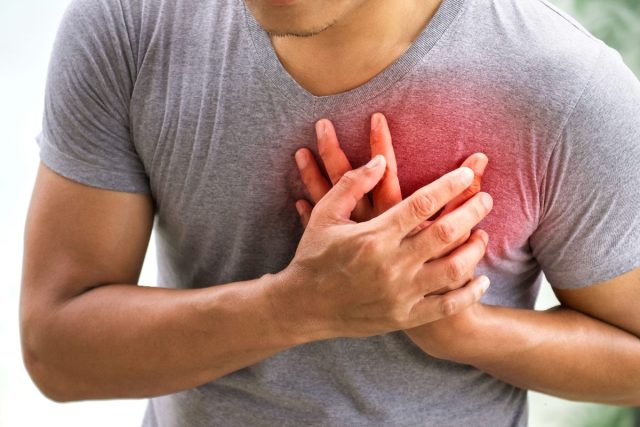
closeup man's chest heart attack
Shutterstock

Dr. Mitchell reminds us, "Heart attacks are a leading cause of death in the United States. Each year, about one in every five deaths is caused by cardiovascular disease; of those, almost half are due to heart attacks. So why are they so common? High blood pressure is one of the main risk factors for developing cardiovascular disease. When blood pressure becomes too high, it strains the heart and can damage the arteries. This damage can lead to plaque formation; a substance made up of fat, cholesterol, and other materials. Plaque can narrow or block the streets, making it difficult for blood to flow through. For example, a blood clot can form and block the artery if a plaque ruptures. This can cause a heart attack or stroke.

Another contributing factor to heart attacks is diabetes. Diabetes damages the arteries and makes it more likely for plaque to form. However, smoking is another significant risk factor for heart disease. Cigarette smoke damages the lining of the arteries, making them more prone to plaque buildup. Fortunately, there are things you can do to reduce your risk of having a heart attack. Eating a healthy diet and exercising regularly can help to lower blood pressure and improve cholesterol levels. Quitting smoking also reduces your risk of having a heart attack. If you have diabetes, it's essential to control your blood sugar levels. By making lifestyle changes and taking medication as prescribed by your doctor, you can help reduce your risk of having a heart attack or other cardiovascular event.

Though we all know the importance of taking care of our heart health, many do not know the signs and symptoms of a heart attack. This is especially true for women, who often experience different symptoms than men.

Women and men often experience heart attacks differently. One reason is that women's arteries are usually smaller than men's, making them more susceptible to blockages. In addition, heart attacks in women are often more likely to be silent, meaning that they may not experience the same chest pain typically associated with a heart attack. This can make it more challenging to identify a heart attack in women, and as a result, they may delay seeking medical treatment. Additionally, hormonal changes during menopause can increase a woman's risk for heart disease. Therefore, it is essential for women to be aware of the signs and symptoms of a heart attack and to seek medical attention immediately if they suspect that they are having one.

Regardless of your gender, it is essential to know your risk factors for diabetes and aggressively work to minimize these risks. Therefore, it is essential to know your blood pressure, blood sugars, and cholesterol, to name a few critical parameters."

2

Chest Pain or Discomfort

Dr. Mitchell explains, "When most people think of a heart attack, they think of chest pain. However, not all chest pain is a sign of a heart attack. Many heart attacks occur without any chest pain at all. So why is chest discomfort a sign of a heart attack? The answer lies in the anatomy of the heart. The heart is supplied with blood by the coronary arteries. These arteries can become blocked by a buildup of plaque, a condition known as coronary artery disease. When one of these arteries becomes blocked, it can cause chest pain. However, if the blockage is severe enough, it can cut off the supply of oxygen-rich blood to the heart muscle. This can damage the heart muscle and lead to a heart attack. Therefore, while chest pain is not always a sign of a heart attack, it is one of the most common symptoms.

If you are experiencing chest discomfort, it is essential to call 911 right away. Don't wait to see if the pain goes away on its own. Every minute counts when someone has a heart attack. Time is critical in getting the person to the hospital to receive treatment. Getting treated quickly can save someone's life."

3

Shortness Of Breath

Woman getting her painful chest examined by a doctor.
iStock

According to Dr. Mitchell, "Shortness of breath, or dyspnea, is a common symptom of many health conditions. However, it can also signify a more serious problem, such as a heart attack. The heart is a muscle that requires a constant supply of oxygen-rich blood. When the heart is not receiving enough blood, it can cause the muscles to become weak and lead to shortness of breath. In some cases, this can happen suddenly and without warning; however, other symptoms often accompany shortness of breath, such as chest pain or an irregular heartbeat.

If you experience any of these symptoms, it is essential to seek medical attention immediately so that you can be treated for a potentially life-threatening condition.

If you are experiencing shortness of breath due to a heart attack, it is essential to seek medical attention immediately. While it may be tempting to try to tough it out, this potentially life-threatening condition requires treatment. If you are with someone having a heart attack, call 911 and provide as much information as possible about the person's situation. In the meantime, have the person sit down, rest, and elevate their feet if possible. For example, if you are on medications that were prescribed to help with your breathing or if you are having chest pain, take them.  Remember, time is of the essence if you are experiencing shortness of breath due to a heart attack. Seek medical help immediately."

4

Nausea or Vomiting

Young vomiting woman near sink in bathroom
Shutterstock

"When most people think of a heart attack, they think of chest pain," Dr. Mitchell reveals. "However, nausea and vomiting are common signs of a heart attack, especially in women. This is because the stomach and intestines are supplied by a branch of the coronary arteries, called the right coronary artery. If this artery becomes blocked, it can cause nausea and vomiting. In addition, the autonomic nervous system, which controls involuntary body functions like heart rate and digestion, is located in the same area of the brain as the centers that control emotions. As a result, a heart attack can sometimes trigger a "fight or flight" response, which can cause nausea and vomiting. If you experience these symptoms, it is essential to seek medical attention immediately, as they may signify that you are about to have a heart attack."

5

Sweating

Man with hyperhidrosis sweating very badly under armpit in blue shirt because of hot weather
Shutterstock

Dr. Mitchell says, "Sweating is one of the body's natural ways of regulating temperature. When it gets too hot, the sweat glands release a clear, odorless fluid onto the skin. This helps to cool the body by evaporation. However, sweating can also be a sign of a more severe problem. If you suddenly start to sweat excessively, it may be a sign that you are about to have a heart attack. The sudden release of adrenaline can cause the body's temperature to spike, triggering sweating. In addition, chest pain and shortness of breath are common heart attack symptoms. So if you start sweating for no apparent reason, it's essential to seek medical attention immediately."

6

Lightheadedness & Dizziness

Stressed unhappy woman touching forehead, suffering from strong headache or chronic migraine
Shutterstock

Dr. Mitchell tells us, "When someone experiences a sudden drop in blood pressure, it can cause lightheadedness and dizziness. This can be a sign that a heart attack is imminent. A heart attack occurs when the supply of oxygenated blood to the heart muscle is blocked. This can happen if one or more of the coronary arteries becomes blocked. If blood flow is not restored quickly, the heart muscle begins to die. The drop in blood pressure can cause lightheadedness and dizziness because the brain is not getting enough oxygen. In addition, the heart may not be pumping as efficiently, which can lead to lightheadedness and dizziness. If you experience these symptoms, it is essential to seek medical help immediately."

Dr. Mitchell says this "doesn't constitute medical advice and by no means are these answers meant to be comprehensive. Rather, it's to encourage discussions about health choices."

Heather Newgen
Heather Newgen has two decades of experience reporting and writing about health, fitness, entertainment and travel. Heather currently freelances for several publications. Read more

Sure Signs Your Heart is in "Immediate Danger" — Eat This Not That


Dangerous Heart Health Myths