Pages

Showing posts with label Dogs. Show all posts

Wednesday, 27 November 2019

How to Protect Yourself From 5 Diseases You Can Get From Your Pet

The unconditional love of a dog or cat can boost health by lowering stress. And walking a dog every day can reduce your risk of obesity and heart disease.

 INH Research
But your pet can give you more than loyalty and companionship… They may pass on illnesses, too. They’re called zoonotic diseases, and some of them are serious, even deadly.
Here are five animal-transmitted conditions every pet owner should know about…
1. Toxoplasmosis
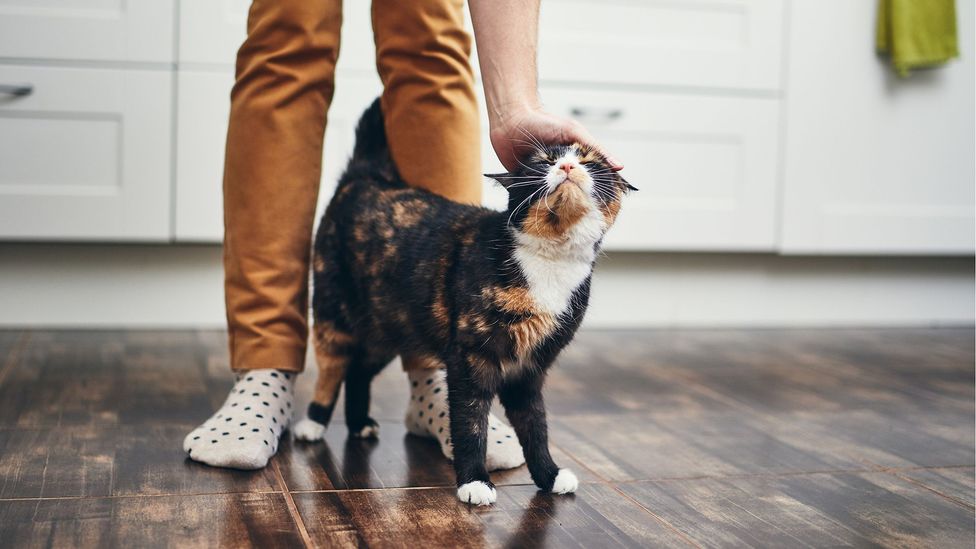
Cat owners–especially pregnant women–need to be aware of this disease. Toxoplasmosis can infect a fetus and cause miscarriage or birth defects. A protozoan organism in contaminated cat feces causes this illness.1 That’s why pregnant women should let someone else clean the litter box.
Keep your face as far away as possible from kitty litter dust when scooping. It’s also a good idea to wear a protective mask over your mouth and nose. This cuts your chances of inhaling the microscopic protozoa. Protective eyewear is smart, too. You can find both at any drug store.
2. Salmonella
Most of us know you can get salmonella poisoning from contaminated food. But pets can also transmit this serious intestinal ailment. Turtles and lizards are the most common carriers. Dogs, cats, birds, and horses may harbor it, too.2
Although your vet can test your pet for salmonella, the best protection is to wash your hands after handling any animal.
3. Parrot Fever
This bacterial infection comes from breathing in fine airborne particles…from the dried feces of infected birds. This includes common pet birds such as parakeets, parrots, cockatiels, and macaws. Human symptoms include muscle aches, fever, and chills.
To avoid the disease, clean your bird’s cage often and wear protective goggles and a mask while doing it. Also, take your bird to the vet right away if it shows signs of illness. Treating your pet can eliminate the chance of parrot fever infecting you.
4. Cat Scratch Disease
Fleas pass the bacteria that causes this illness from cat to cat. But humans can contract it through a cat bite or scratch.3 People suffer flu-like symptoms. Some even go on to develop serious problems, such as heart valve damage.
Keep your risk low by controlling fleas on your cat. One natural way to do this is to dilute five drops of lavender essential oil in three tablespoons of water. Then apply it to your cat’s collar. Also avoid play that can lead to scratches. And always wash cat bites and scratches with soap and water as soon as they occur.
5. Roundworms
Puppies and kittens often pass the eggs and larvae of these intestinal parasites through feces. Roundworm infections usually aren’t serious, but can cause nerve or eye damage in some people.4
Deworming your kitten or puppy is the first step to lowering your risk of infection. You can take them to a holistic vet or add an herbal formula for removing intestinal parasites to their food or water. These liquids are available online. And always wash your hands after dealing with droppings.
Bonding with your pets lowers stress and fights obesity… But it comes with risks. Here are 5 bugs you can catch from your pet and how to avoid them.
References:
1http://www.cdc.gov/parasites/resources/pdf/npi_toxoplasmosis.pdf
2http://www.fda.gov/ForConsumers/ConsumerUpdates/ucm048151.htm
3http://www.cdc.gov/healthypets/diseases/cat-scratch.html
4http://www.petsandparasites.org/dog-owners/roundworms/

Wednesday, 16 October 2019

Dog Ownership Associated With Longer Life, Especially Among Heart Attack and Stroke Survivors

Dog ownership associated with longer life, especially among heart attack and stroke survivors

Date:
October 8, 2019
Source:
American Heart Association
Summary:
Dog ownership was associated with a 33% lower risk of early death for heart attack survivors living alone and 27% reduced risk of early death for stroke survivors living alone, compared to people who did not own a dog. Dog ownership was associated with a 24% reduced risk of all-cause mortality and a 31% lower risk of death by heart attack or stroke compared to non-owners.
FULL STORY

Portuguese water dog. Owning a dog may be associated with having a longer life. | Credit: Copyright Michele Hogan
Portuguese water dog. Owning a dog may be associated with having a longer life.
Credit: Copyright Michele Hogan
Dog ownership may be associated with longer life and better cardiovascular outcomes, especially for heart attack and stroke survivors who live alone, according to a new study and a separate meta-analysis published in Circulation: Cardiovascular Quality and Outcomes, a journal of the American Heart Association.
"The findings in these two well-done studies and analyses build upon prior studies and the conclusions of the 2013 AHA Scientific Statement 'Pet Ownership and Cardiovascular Risk' that dog ownership is associated with reductions in factors that contribute to cardiac risk and to cardiovascular events," said Glenn N. Levine, M.D., chair of the writing group of the American Heart Association's scientific statement on pet ownership. "Further, these two studies provide good, quality data indicating dog ownership is associated with reduced cardiac and all-cause mortality. While these non-randomized studies cannot 'prove' that adopting or owning a dog directly leads to reduced mortality, these robust findings are certainly at least suggestive of this."
Given previous research demonstrating how social isolation and lack of physical activity can negatively impact patients, researchers in both the study and meta-analysis sought to determine how dog ownership affected health outcomes. Prior studies have shown that dog ownership alleviates social isolation, improves physical activity and even lowers blood pressure -- leading researchers to believe dog owners could potentially have better cardiovascular outcomes compared to non-owners.
Dog ownership and survival after a major cardiovascular event
Researchers in this study compared the health outcomes of dog owners and non-owners after a heart attack or stroke using health data provided by the Swedish National Patient Register. Patients studied were Swedish residents ages 40-85 who experienced heart attack or ischemic stroke from 2001-2012.
Compared to people who did not own a dog, researchers found that for dog owners:
  • The risk of death for heart attack patients living alone after hospitalization was 33% lower, and 15% lower for those living with a partner or child.
  • The risk of death for stroke patients living alone after hospitalization was 27% lower and 12% lower for those living with a partner or child.
In the study, nearly 182,000 people were recorded to have had a heart attack, with almost 6% being dog owners, and nearly 155,000 people were recorded to have had an ischemic stroke, with almost 5% being dog owners. Dog ownership was confirmed by data from the Swedish Board of Agriculture (registration of dog ownership has been mandatory since 2001) and the Swedish Kennel Club (all pedigree dogs have been registered since 1889).
The lower risk of death associated with dog ownership could be explained by an increase in physical activity and the decreased depression and loneliness, both of which have been connected to dog ownership in previous studies.
"We know that social isolation is a strong risk factor for worse health outcomes and premature death. Previous studies have indicated that dog owners experience less social isolation and have more interaction with other people," said Tove Fall, D. V. M., professor at Uppsala University in Sweden. "Furthermore, keeping a dog is a good motivation for physical activity, which is an important factor in rehabilitation and mental health."
While this study draws from a large sample, potential misclassifications of dog ownership in couples living together, death of a dog and change of ownership could have affected the outcomes of the study.
"The results of this study suggest positive effects of dog ownership for patients who have experienced a heart attack or stroke. However, more research is needed to confirm a causal relationship and giving recommendations about prescribing dogs for prevention. Moreover, from an animal welfare perspective, dogs should only be acquired by people who feel they have the capacity and knowledge to give the pet a good life."
Co-authors of the study are Mwenya Mubanga, M.D., M.P.H.; Liisa Byberg, Ph.D.; Agneta Egenvall, V.M.D., Ph.D.; Erik Ingelsson, MD, Ph.D. and Tove Fall, V.M.D., Ph.D. Agria Research Foundation and the Swedish Research Council for Environment, Agricultural Sciences and Spatial Planning (FORMAS), grant number 2013-1673 funded the study.
Dog Ownership and Survival: A Systematic Review and Meta-Analysis
Researchers reviewed patient data of over 3.8 million people taken from 10 separate studies for a composite meta-analysis study. Of the 10 studies reviewed, nine included comparison of all-cause mortality outcomes for dog owners and non-owners, and four compared cardiovascular outcomes for dog owners and non-owners.
Researchers found that compared to non-owners, dog owners experienced a:
  • 24% reduced risk of all-cause mortality;
  • 65% reduced risk of mortality after heart attack; and
  • 31% reduced risk of mortality due to cardiovascular-related issues.
"Having a dog was associated with increased physical exercise, lower blood pressure levels and better cholesterol profile in previous reports," said Caroline Kramer, M.D. Ph.D., Assistant Professor of Medicine at the University of Toronto and an Endocrinologist and Clinician scientist at Leadership Sinai Centre for Diabetes at Mount Sinai Hospital, part of Sinai Health System. "As such, the findings that people who owned dogs lived longer and their risk for cardiovascular death was also lower are somewhat expected."
Studies deemed eligible for analysis included those conducted among adults age 18 or older, original data from an original prospective study, evaluated dog ownership at the beginning of the study and reported all-cause or cardiovascular mortality of patients. Studies were excluded if they were retrospective, did not provide an absolute number of events that occurred and reported non-fatal cardiovascular events.
"Our findings suggest that having a dog is associated with longer life. Our analyses did not account for confounders such as better fitness or an overall healthier lifestyle that could be associated with dog ownership. The results, however, were very positive," said Dr. Kramer. "The next step on this topic would be an interventional study to evaluate cardiovascular outcomes after adopting a dog and the social and psychological benefits of dog ownership. As a dog owner myself, I can say that adopting Romeo (the author's miniature Schnauzer) has increased my steps and physical activity each day, and he has filled my daily routine with joy and unconditional love."

Story Source:
Materials provided by American Heart AssociationNote: Content may be edited for style and length.

Journal Reference:
  1. Mwenya Mubanga, Liisa Byberg, Agneta Egenvall, Erik Ingelsson, Tove Fall. Dog Ownership and Survival After a Major Cardiovascular EventCirculation: Cardiovascular Quality and Outcomes, 2019; 12 (10) DOI: 10.1161/CIRCOUTCOMES.118.005342


https://www.sciencedaily.com/releases/2019/10/191008083121.htm


RELATED STORIES


Saturday, 28 September 2019

Dogs Can Detect Lung Cancer With 97 Percent Accuracy

Animals are a precious gift to humanity, and we have so many lessons to learn from them. 

Published
  
on


Animals are a precious gift to humanity, and we have so many lessons to learn from them. If you were an empathetic, benevolent alien looking down on planet Earth, no doubt you’d be heartbroken at and terrified of the way we treat animals. 

We slaughter them by the billions, destroy their homes, experiment on them, and worse. That being said, the ‘good’ side of humanity loves animals, and there are a lot of activist efforts out there that are speaking up for those who do not have a voice, not to mention the ever growing movement promoting a plant-based diet. We are making progress.

IN BRIEF

  • The Facts:
    Early detection provides the best opportunity for lung cancer survival; however, lung cancer is difficult to detect early because symptoms do not often appear until later stages. Dogs were able to help solve that issue.
  • Reflect On:
    Why do we use animals for experiments? Unless they are willing and have a loving home and are provided for, animals should never be used as lab rats or for scientific purposes. What makes us think we have the right to do that?

Another important point regarding animals is the fact that we know so little about them. We think we know, but the truth is we don’t know, and there is so much more to discover, especially with regards to certain abilities they may possess like clairvoyance, precognition, telepathy, and other types of extra-sensory perception that human beings may have dormant within them as well.
I recently came across a study regarding three beagles successfully showing that they are capable of identifying lung cancer by scent, which is the first step in identifying specific biomarkers for the disease. The researchers hypothesized that their abilities may lead to the development of a new type of cancer screening method that is fairly inexpensive. Although we still need more research on the factors in our environment that are causing cancer in the first place, this is still great to see.
However, it’s only great if these animals are not being used solely for the purpose of study and are living happy and healthy lives because, as you may not know, beagles are the dogs most commonly used for scientific experiments, which are cruel and inhumane. At the end of the day, animals should not be used for such purposes. They are here as our companions, as part of our human family.
These dogs were able to tell the difference between blood serum samples that were taken from patients with malignant lung cancer and health controls with, as the study points out, 97 percent accuracy. The double blind study was published in The Journal of the American Osteopathic Association.
Thomas Quinn, the lead author of the study and professor at Lake Erie College of Osteopathic Medicine, said, “We’re using the dogs to sort through the layers of scent until we identify the tell-tale biomarkers. There is still a great deal of work ahead, but we’re making good progress.”
Again, I can’t help but wonder: Do these dogs have families? Are they being loved and cared for? Or are they simply being used for lab experiments? The thought of that is heartbreaking, and it makes me not even want to support or write about a study like this, but I couldn’t find any details about the lives of the dogs.
It sounds like they are simply ‘lab rats,’ given the description of the study, but again, we don’t know. They were led into a room with blood serum samples at nose level. Some samples came from patients with non-small cell lung cancer; others were drawn from healthy controls. After sniffing a sample, the dogs sat down to indicate a positive finding for cancer or moved on if none was detected.
“Samples from 10 donors (6 women and 4 men) were used in the testing phase. Their ages ranged from 26 to 80 years (mean, 58.2 years). The samples from female donors (mean age, 64 years) came from 3 black women, 2 white women, and 1 Hispanic woman. The samples from male donors (mean age, 49.5 years) came from 2 black men, 1 white man, and 1 man of mixed race. Canine No. 1 indicated a positive sample on 10 of the 10 cancer samples and 1 of the 40 control samples during his test runs. Canine No. 2 indicated a positive sample on 10 of the 10 cancer samples and 0 of the 40 control samples during her test runs. Canine No. 3 indicated a positive sample on 9 of the 10 cancer samples and 2 of the 40 control samples during her test runs. (From study).”

A Few Words About Cancer

I often become frustrated at the bombardment of “cancer awareness” advertisements, or when I see the Heart & Stroke Foundation serving processed meats at their fund raisers. In many cases, the companies raising money for cancer research are putting out products that are causing the problem in the first place. Why do we constantly raise money for cancer research and become so emotional and “patriotic” about ‘finding a cure’ and ‘fighting cancer’ without ever acknowledging the causes of cancer? Why do we see advertisements of cancer patients fighting cancer in order to entice us into donating? Why do people proudly fight cancer and go through conventional treatments without ever being aware of alternative, more successful and effective treatments? What is going on here?
When it comes to cancer awareness, all of us should really be tweeting and posting about environmental pesticides, electromagnetic radiation, processes foods and meat, unhealthy lifestyles, sugar, emotional baggage, trauma, stress, and several other factors that are clearly causing cancer.
Why is it that there are only a couple of accepted treatments for cancer that oncologists are legally able to recommend?
There are so many head-scratchers when it comes to cancer, and any cancer awareness efforts should be bombarded with ‘f**ck glyphosate,’ and things of that nature. That would be REAL cancer awareness.

The Takeaway

Animals are not to be used as experiments, but I wanted to present this info simply because, as I mentioned earlier, there are so many amazing, good, positive things about them. Their abilities go far beyond what we know, and when it comes to dogs in particular, they are nothing but of service to others. If you have a dog, you know what I am talking about, and in many cases they already know things about you and your biology that you may not be aware of, unless you are really in tune with them.
https://www.collective-evolution.com/2019/06/26/dogs-can-detect-lung-cancer-with-97-percent-accuracy/

Tuesday, 19 March 2019

10 Human Foods Dogs & Cats Can't Eat

Many of us, pet owners, love to share our favorite foods and meals with our beloved furry friends.
Written by
Our dogs and cats are usually thrilled to participate in these meal time rituals. However, as responsible pet owners we need to be aware of particular food items that can be harmful to our canine and feline companions.
Here is a list of some of the most common foods that are toxic to both dogs and cats:

Alcohol

Alcohol
Whenever you decide to enjoy an alcoholic beverage, make sure your dogs and cats stay away from the party.
Alcohol contains ethanol, which is extremely toxic to dogs and cats. Exposure to seemingly harmless amounts can have very serious side effects for your pet.
The effect alcohol has on your pet's liver and brain is similar to the effect it has on humans, but it takes a much smaller dose to do its damage. Just 2-3 teaspoons of a beverage with a high concentration of alcohol, such as whisky, is enough to cause a coma, or even death, to a small dog or a cat.

Caffeine

Caffeine
While small amounts of coffee, tea or soda don't contain enough caffeine to poison most pets, the ingestion of moderate amounts of coffee grounds and tea bags can have devastating effects in small dogs or cats, including death.
Common symptoms of caffeine poisoning include restlessness, rapid breathing, tremors and heart palpitations.
If you suspect your pet is experiencing caffeine poisoning, seek veterinary assistance without delay.

Chocolate

Chocolate
A favorite and irresistible treat amongst most humans, chocolate is considered toxic to dogs and cats.
In very small amounts it is usually not a huge issue, but with larger volumes and with darker chocolates pet owners should be concerned.
Chocolate contains methylxanthine theobromine, which is similar to caffeine. Its ingestion can cause vomiting, diarrhea, hyperactivity, issues with normal heart beats, seizures and in some severe cases even death.
It is best to keep your favorite chocolate treats in a good hiding spot, where your pet won't be able to find it.

Bread dough

Bread dough
Carbohydrates are the enemy of many dieters, and the same can be said about dogs and cats.
Unbaked bread dough is considered poisonous to our pets. When ingested, the bread dough expands in the stomach as a result of its warm and moist environment, which can lead to a bloated or even twisted stomach.
In addition, yeast is often added to our baking products to help make bread rise, and when yeast is fermented it produces both carbon dioxide and alcohol, which might be absorbed into the bloodstream and cause dangerous drops in blood sugar, blood pressure and body temperature.
Common clinical signs include vomiting or retching, distension of the stomach, weakness and collapse.

Garlic & onions

Garlic & onions
We often forget that many of our meals contain these two popular ingredients, and allow our pets a few bites or licks of our food.
Onion and garlic both can cause a type of poisoning that results in damage to red bloods, making them more likely to rupture. They can also cause stomach upset and mouth irritation.
In terms of symptoms, the most common are pale gums, increased breathing or drooling, and vomiting or diarrhea.
Our dogs and cats may not be offended by our garlic breath, but it is best to keep them from ingesting food with either of these two seasonings.

Grapes & raisins

Grapes & raisins
Dogs and cats should also avoid grapes and raisins, since they can lead to acute kidney failure.
Most pets intoxicated by grapes or raisins will begin to experience vomiting and/or diarrhea within 6-12 hours of ingestion. Other abnormal clinical signs include lethargy, abdominal pain, dehydration and tremors. In most severe cases, kidney failure develops within 24-72 hours of the initial ingestion.
There are some pets that don't experience these devastating side-effects, and the reason for this is not yet clear from a scientific point of view.
If you believe your pet has ingested grapes or raisins, you should contact your veterinarian or emergency veterinary facility right away.

Moldy foods

Moldy foods
We have all been there: reaching into the back of our refrigerators and pulling out a questionable food item that has passed its expiration date by a few days, weeks or even months.
Additionally, many dogs and cats are garbage grazers and think of your trashcan as the secret treat holder.
Moldy food can put your pet's health at risk. They contain tremorgenic mycotoxins, which can cause vomiting, diarrhea, seizures and mental confusion.
So, make sure your pet isn’t an active participant the next time you decide to clean your fridge!

Xylitol

Xylitol
Avid gum chewers are well aware of the benefits of chewing after meals in order to prevent tooth decay and keep their breath fresh all day long.
The most common ingredient used in sugar-free gum is xylitol, which is a non-caloric sweetener. It is also found in some oral rinses, toothpastes and vitamins.
Xylitol and most animals do not mix; it can cause a dangerous drop in blood sugar levels. Dogs and cats will often display signs of disorientation, black tarry stool, tremors and seizures.
In some severe cases, pets have been reported to develop liver failure. After consuming your garlic meal (by yourself) feel free to chew some gum, but keep it out of reach of your furry companions.

Macadamia nuts

Macadamia nuts
Ingestion of these nuts has not been proven to be fatal in dogs and cats, but can cause them to experience uncomfortable clinical signs, including fever, joint stiffness, vomiting, tremors and difficulty walking, especially in their hind legs.
Often your pet will start to feel better after about 48 hours, but supportive veterinary care, such as pain medication, may lead to a faster recovery.

Avocados

Avocados
The truth is this fruit provides many health benefits, including healthy levels of potassium, fiber and vitamin K.
Avocados are not actually poisonous to dogs and cats, but as many veterinarians can tell you, the avocado pits can cause a foreign body obstruction.
On the other hand, avocados contain persin, which is actually toxic to the majority of pet birds. The abnormal clinical signs associated with avocado ingestion include respiratory distress, inability to perch, liver and kidney failure and even sudden death.
Although they are not considered toxic to dogs and cats, all foods should be given in moderation, as stomach upset is always a concern.
With this in mind, go forth and enjoy your favorite foods, but remember which foods you should avoid sharing with your furry family members. Whenever in doubt, we suggest you ask our experts for healthy and safe food suggestions. We also encourage you to check out our "Can I Give My Pet..?" section, to better understand what you can feed your pet safely.

https://www.petcoach.co/article/10-common-foods-that-are-toxic-to-dogs-and-cats/0

Monday, 3 September 2018

CRISPR Gene Editing Fixes Muscular Dystrophy in Dogs. Are Humans Next?

The powerful gene editing technology CRISPR is one small step closer to treating a human disease.


By ALICE PARK 
August 30, 2018


In a new paper published in Science, researchers led by Eric Olson, professor and chair of molecular biology at UT Southwestern Medical Center, reported that he and his team successfully used CRISPR to correct the genetic defect responsible for Duchenne muscular dystrophy in four beagles bred with the disease-causing gene. It’s the first use of CRISPR to treat muscular dystrophy in a large animal. (Previous studies had tested the technology on rodents.) In varying degrees, the genetic therapy halted the muscle degradation associated with the disease.
Duchenne is caused by mutations in the dystrophin gene, which codes for a protein essential for normal muscle function. People born with the disease are often eventually confined to wheelchairs as their muscles continue to weaken, and in the later stages, many rely on ventilators to breathe as their diaphragm muscles stop working. Eventually, they develop heart and respiratory failure.
Olson and his team “fixed” the mutated dystrophin gene in four dogs by splicing out an offending section of the gene using CRISPR. The gene editing technology, discovered in 2012, can cut out sections of DNA at precise locations (and also potentially introduce new DNA as well). In the case of Duchenne, says Olson, simply snipping out a section of the mutated dystrophin gene allows the gene to make enough of the proper protein that muscles need to function.
Olson tried two different methods of injecting the CRISPR molecular scissors. With two dogs he directly injected the CRISPR technology into muscle, while in two other dogs he injected the same CRISPR technology into the bloodstream, so it could travel to more parts of the body and have a broader effect on different types of muscle from the limbs to the heart and diaphragm. Because Duchenne seems to affect the heart and respiratory system muscle preferentially, he also loaded the CRISPR cutting complex onto a molecular vehicle, a cold virus that was modified to seek out and splice DNA in those muscle cells in particular.
“I was frankly exuberant by the results,” says Olson. “It was jaw dropping.”
In the dogs that had received the systemic injections, he found that muscle cells in various parts of their bodies, including the heart and diaphragm, were churning out healthy dystrophin protein at anywhere from 3% to 90% of the normal levels eight weeks after injection. Olson says that muscular dystrophy experts believe that if dystrophin levels in affected people were raised to 15% of normal, it would make a dramatic difference in their lives and their ability to function. The dogs receiving the CRISPR injections directly into their muscle also showed higher levels of dystrophin production, but just in those muscles specifically. Because Duchenne affects deep organs like the heart and respiratory system, Olson says finding a way to deliver CRISPR more widely, without repeated and multiple injections, is preferable.
The idea is that CRISPR would essentially delete the mutation in muscle cells, and return the affected dogs to a nearly normal state. So far, the animals continue to make higher amounts of dystrophin after eight weeks.
The study is the latest in an encouraging string of results in applying CRISPR to treat human disease. Researchers have also successfully used the gene editing technology to splice out HIV from both infected human cells in the laband in living mice and rats, and are close to beginning trials to blood disorders like beta thalassemia and sickle cell anemia. Scientists have even corrected a genetic heart defect in embryos in the lab, which were not allowed to develop further or be implanted for ethical reasons. While serious questions about the safety of CRISPR-based therapies remain — some studies revealed greater than expected side effects from overzealous DNA snipping, for example — both academic and commercial researchers remain committed to investigating CRISPR as a new tool in addressing genetic diseases such as Duchenne.
Olson is encouraged by the results, even if they came from just a few dogs. They provide some reassurance that Duchenne, which is often diagnosed before people start to notice symptoms of muscle weakness, might be halted in its tracks before important skeletal, heart and breathing muscle are damaged beyond saving. A CRISPR-based therapy, he says, may be most effective in treating young people recently diagnosed with the disease, to prevent them from ever experiencing the symptoms of Duchenne.
Even people with more advanced disease might benefit, Olson thinks, as long as there is some muscle left to maintain a certain level of function, whether that’s moving the legs and arms or keeping the heart functioning. “I absolutely believe that whatever stage we intervene with this therapy, it could halt or slow the progression of the disease from that point forward,” he says.
First, however, more studies need to be done in larger animals like dogs. Olson is planning on a longer term study to see how long the CRISPR cells remain in the dogs, and how safe the therapy is.
The hope is that if those animal studies and human trials prove this technique is safe and effective, CRISPR could potentially lead to a cure for Duchenne, Olson says. “We are going for a cure, not a treatment,” he says. “All of the other therapies so far for Duchenne muscular dystrophy have treated the symptoms and consequences of the disease. This is going right at the root cause of the genetic mutation.”
http://time.com/5382101/crispr-muscular-dystrophy-in-dogs/