Pages

Showing posts with label NAFLD. Show all posts

Tuesday, 15 October 2019

What causes liver pain?

Determining what causes liver pain can be difficult, considering that the brain perceives abdominal pain from many organs in what experts call an “ill-defined” way. Still, advances in medicine have helped the medical community come to a better understanding of what causes pain in the liver area.


Written by 
Published on 


Research tells us that the liver’s pain receptors are located on the organ’s surface, and the pressure a person feels when they experience liver pain is likely from a capsule that covers the organ. The pain is usually felt in the upper right part of the abdomen. Often, people who experience discomfort complain about pain right under their rib cage. No matter what the causes of pain in the liver might be, the condition typically involves swelling, inflammation, or enlargement of the liver. Injury can lead to liver pain, but some causes of liver pain can be linked to various disorders.

People often confuse liver pain with other abdominal pain, but again, actual liver pain is signified by discomfort in the upper right abdomen. There are still some situations where right upper quadrant pain is caused by gallstones or pancreatitis. It is important to see a doctor to get a proper assessment.

What causes pain in liver area?

The causes of liver pain continue to be studied and, sadly, statistics show that liver disease is a common problem. The American Liver Foundation estimates that one in 10 people are impacted by liver disease.

The liver is one of the largest organs in the body and it performs an important function. It converts nutrients from our diet into substances that the body can use or store. The liver also gathers toxic substances and aids in releasing those substances from the body. When the liver is under stress for any reason, it can be very uncomfortable and dangerous.

Here’s a close look at the different potential causes of liver pain:

Cirrhosis

This is a condition that occurs when the liver cells and tissues deteriorate, impacting the function of the organ. A viral infection or excessive consumption of alcohol can lead to cirrhosis. Hepatitis B, C, and D have also been associated with liver cirrhosis.

Liver cancer

A liver tumor can cause pain in the abdominal area. Medical screening usually detects it. The pain is often constant and dull, but sometimes it can be sharp pain. Rates of liver cancer are increasing in the U.S due to the rise in the cases of cirrhosis caused by hepatitis C and non-alcoholic fatty liver disease. There is a cancer that can develop in the ducts of the liver called cholangiocarcinoma.

Fatty liver disease

This is caused by an accumulation of too much fat in the liver cells and it is usually a result of poor diet. Does fatty liver disease cause pain? The answer is yes, but in many cases, the pain is mild. The condition does include a lot of other unpleasant symptoms, including fatigue, loss of appetite, and even confusion. Alcohol abuse can lead to fatty liver disease but so can infections, toxins, and obesity.

Liver cysts

When fluid builds up in the liver, a cyst can form. Pain is only experienced when the cyst is chronic. The discomfort is usually felt at the top of the abdomen and tip of the right shoulder. The exact cause is unknown.

Hemochromatosis

This happens when excessive iron deposits damage the liver along with other organs. Hemochromatosis can lead to fatal hepatitis and cirrhosis.

Wilson’s disease

Excessive copper building up within the liver causes Wilson’s disease. It is a disease that is incurable and can cause a lot of health complications.

Enlarged spleen

When the liver experiences infections, the spleen can become enlarged. This puts pressure on the liver.

Reye syndrome

This is a rare and serious condition that leads to swelling in the liver and brain. It most often impacts children and teenagers who have had a viral infection such as the flu or chickenpox. Confusion, seizures, and loss of consciousness have been experienced with Reye syndrome. According to the Mayo Clinic, aspirin has been linked to this syndrome. Children recovering from flu-like symptoms or the chickenpox should not take aspirin.

Hepatitis

There are different types of hepatitis, but it generally refers to inflammation of the liver. It is often caused by a viral infection, but it can also be the result of ingesting toxins, from drinking too much alcohol, or the result of taking certain drugs. The Centers for Disease Control and Prevention (CDC) reports that about 4.4 million Americans have chronic hepatitis and many more people don’t even realize they have the condition.

Excessive alcohol consumption

Excessive drinking has long been linked to liver problems. Over time, heavy drinkers can experience scarring and cirrhosis along with many visible symptoms including fatigue, poor appetite, fluid build-up in the abdomen and the legs, yellow colored skin (jaundice), red spider-like blood vessels on the skin, impotence, and confusion. When cirrhosis progresses to end-stage liver disease, a liver transplant may be required.

Hepatic artery occlusion

A block in the flow of blood through the liver organ. It can be caused by thrombosis, a blood clot due to hypercoagulability disorder, severe atherosclerosis, or vasculitis. It can also be the result of an embolus, which is a free floating blood clot that travels from another part of the body and becomes lodged in the hepatic vasculature. Symptoms usually present when cell damage due to restricted blood supply occurs. Symptoms may include right upper quadrant, fever, nausea, vomiting, and jaundice.

Portal vein thrombosis

Occurring due to blockage of the portal vein: the vein that supplies blood to the liver from the spleen, stomach, pancreas, and intestines. This blockage causes pressure in the portal vein to increase, called portal hypertension, which can cause the spleen to enlarge. These dilated veins can bleed profusely. Blockage of the portal vein can also lead to fluid accumulation in the abdomen.

Pyogenic liver abscess

A pocket of pus that forms in the liver due to bacterial infection. Pus is composed of white blood cells and dead cells that typically form when your body fights an infection. Normally, the body drains the infection, but in the case of an abscess, the pus collects in a pocket inside the liver. Abscesses are usually accompanied by swelling and inflammation and can cause pain and swelling in the abdomen. Pyogenic liver abscesses can be fatal and should be treated right away.

Cholestasis

A condition where the flow of bile (digestive fluid produced by the liver) is impaired at some point between the liver cells and a segment of the intestine. Bile is subsequently absorbed by the body instead of being excreted into the digestive system, leading to an increase of the substance bilirubin in the blood stream. Symptoms of cholestasis include jaundice, dark urine, light-colored stool, and generalized itchiness.

Hepatic cysts

A relatively common occurrence in the liver but can be a sign of a more serious health issue. Cysts are thin-walled sacs filled with air, fluid, or semi-solid material. Symptoms generally depend on the cause and may include bloating, pain in the upper right abdomen, nausea, vomiting, jaundice, and poor appetite.

Liver condition pain can be treated depending on the cause. In many cases, a patient’s diet will be examined. The liver does have some ability to repair itself if we are kind to it. Research on the livers of mice has shown that inadequate protein can lead to a decrease in liver volume and that adequate protein added back into the diet can reverse some damage.

Lifestyle changes, such as losing weight and lowering cholesterol, are good ways to protect your liver. While some people may be advised to take medication to treat liver pain, it is advisable not to self-medicate. For instance, over-the-counter painkillers such as acetaminophen can react negatively in people with liver problems.

Related: What causes liver pain after drinking?

https://www.belmarrahealth.com/causes-liver-pain/

Wednesday, 25 September 2019

Berberine - A Plant Remedy for Diabetes, Cancer, Blood Pressure and More

It has the potential to treat so many modern health concerns like obesity, diabetes, high cholesterol, high blood pressure, and even Alzheimer’s disease

By Lee Euler / February 27, 2019
It’s been a feature of Chinese, Indian and South Asian medicine for over a thousand years. In modern times it’s backed by robust research, successful high quality trials and proven benefits. Yet berberine is not well known, even among devotees of alternative medicine..
Since it has the potential to treat so many modern health concerns like obesity, diabetes, high cholesterol, high blood pressure, and even Alzheimer’s disease, it’s a mystery that it doesn’t get better press.
Now evidence has emerged that this ancient remedy can fight cancer, too…
Protects many body organs
Berberine isn’t a specific herb or plant, it’s a compound. It can be detected in more than 400 species of plants. Chemically, it’s an alkaloid, which means it consists mainly of nitrogen atoms that perform multiple physiological actions in humans.
Rich sources of berberine include barberry, goldenseal, goldthread, Oregon grape and tree turmeric. It’s also one of the principal alkaloids found in the Chinese herb Huang lian (CoptidisRhizoma).
In traditional medicine these species have been used to treat a vast range of problems. These include infections from all types of pathogen, hemorrhoids, diarrhea, indigestion, intestinal parasites, uterine and vaginal disorders, and – as I mentioned earlier – obesity and diabetes. It’s even used as an antidote to snake bites and scorpion stings.
Modern research shows berberine to be an antioxidant comparable in its effects to vitamin C, and a powerful anti-inflammatory, too.
Cardiovascular benefits: Berberine improves blood supply to the tissues and benefits patients with heart failure. It improves the heart’s ability to contract and reduces irregular beats.
Lab studies demonstrate it expands blood vessels by boosting nitric oxide production, and lowers elevated blood pressure. Berberine also reduces constriction of the vessels by lowering expression of COX-2, an enzyme that causes inflammation, as well as another pro-inflammatory, TNF alpha. Berberine boosts various enzymes which protect the heart and help prevent plaque formation in the arteries.
A human trial using barberry juice found it “was associated with a significant reduction in systolic and diastolic blood pressure in comparison to the control group.”
Cholesterol: Berberine lowers cholesterol by a different mechanism than statins. All by itself, this plant extract reduced “bad” LDL cholesterol in 67 patients by 23.8% compared to only 14.3% of the group that took statins. But combining the two reduced cholesterol by 31.8%.
In another human study researchers described berberine as a “potent lipid lowering compound.”
Blood sugar: Many studies have demonstrated the blood-sugar-lowering properties of berberine. It does so through seven separate mechanisms.
In a study of 84 type 2 diabetes patients, berberine was just as effective as metformin – the widely prescribed diabetes drug — but unlike the drug it also lowered total cholesterol and LDL cholesterol. Berberine was found to be “a potent oral hypoglycemic agent…”
Obesity: A potential role was established in 2014 when researchers performed a study on obese mice. They found berberine ” increases energy expenditure, limits weight gain, improves cold tolerance and enhances brown adipose tissue.”
In a human study, obese patients lost five pounds over 12 weeks. They also saw a significant reduction in blood fats. Triglycerides dropped 23% and there was 12.2% decrease in cholesterol levels.
Metabolic Syndrome: Several trials have been conducted on patients suffering at least three of the following conditions: poor blood sugar control, high blood pressure, obesity, high triglycerides and low HDL “good” cholesterol.
In one of these — a randomized, double-blind, placebo-controlled clinical trial in 24 patients — the scientists concluded that “berberine leads to remission of metabolic syndrome and decreases in waist circumference, systolic blood pressure, triglycerides, and total insulin secretion, with an increase in insulin sensitivity.”
Liver, kidneys and lungs: Berberine protected the liver of mice given a chemotherapy drug that’s toxic to this organ. The herbal extract achieved this by inhibiting the damage caused by free radicals and by reducing inflammation.
In a trial involving 80 patients with non-alcoholic fatty liver disease, only the half taking berberine for three months saw a significant decrease in elevated liver enzymes, triglycerides and cholesterol.
In a study of patients with hypertension and diabetes – factors that in time cause chronic kidney damage – the addition of berberine to their treatment protocol significantly reduced biochemical markers of kidney damage, improved blood flow to the organ, reduced inflammation and lowered oxidative stress.
Berberine’s potential to protect the lungs of mice was demonstrated when acute lung injury was induced by exposure to cigarette smoke. Pre-treatment with the alkaloid reduced both lung inflammation and injury.
Alzheimer’s: In 2009 researchers from South Korea and Japan conducted various lab studies. Their results indicated that “Coptidisrhizoma alkaloids have a strong potential of inhibition and prevention of Alzheimer’s disease.”
Another group from Emory University, Atlanta, Georgia wrote in 2015, “The promising results seen provide a convincing and substantial basis to support further scientific exploration and development of the therapeutic potential of BBR [berberine] against neurodegenerative diseases.”
Anti-cancer effects
Described as a master regulator of metabolism, AMP-activated protein kinase (AMPK) is an important enzyme that maintains a constant environment within cells and organs.
To achieve this, AMPK has to juggle a large range of factors to normalize fat, sugar and energy imbalances.
AMPK is a target in the treatment of diabetes and metabolic syndrome because these illnesses turn off AMPK-regulated pathways. A key reason for the success of berberine in improving these conditions is that it’s one of only a few natural compounds that can activate AMPK.
But AMPK has also attracted attention as a suppressor of tumors.
Disruption of energy production at the cellular level is a core feature of cancer and there is a marked decline of AMPK in cancer cells. Lab studies confirm that activating AMPK leads to better energy regulation and this inhibits cell growth.
Scientists writing in Oncotarget in 2015 stated: “There is a vast literature demonstrating the tumor suppressor function of AMPK in lung, colorectal, and liver cancer with a growing literature in other cancers, such as, prostate and melanoma.”
Berberine not only increases the activity of this enzyme, it also boasts many other anti-cancer properties as demonstrated in lab research. These were summarized in a 2009 review.
They include the inhibition of:
  • cancer-causing micro-organisms
  • enzymes produced by carcinogenic chemicals
  • the pro-inflammatory, cancer-stimulating enzyme COX-2
  • Topoisomerase, an enzyme capable of breaking a strand of DNA
  • Telomerase, an enzyme produced by cancer cells to allow never-ending growth
  • MMPs – enzymes that dissolve tissue so cancer can spread
  • NF-kB, a protein complex that promotes inflammation and prevents cancer cells from dying
  • tumor cell proliferation
I would probably weary you if I went into detail on some of the more complex actions of berberine. It can form a protective complex with DNA and RNA, is capable of inducing apoptosis (natural cell death) in many types of cancer cell, acts beneficially against the cancer cell’s signaling and metabolic functions, and also has anti-cancer potential through its antioxidant properties.
In a lab study carried out in 1990, berberine was tested on six malignant brain tumor cell lines. It killed a staggering 91 percent of them, compared to a cell kill rate of only 43 percent for the chemotherapy drug carmustine. When the two treatments were combined, the cell kill rate lifted to 97 percent.
Please note that studies like this on lab-grown cells are not the last word. Studies in animals and humans are needed to confirm. And we were able to find at least one. . .
In rodents with brain tumors, berberine had an 80.9 percent cell kill. Unsurprisingly, the neurosurgeons conducting the study concluded that berberine had potent anti-tumor activity.
In December, 2018 scientists wrote in Anticancer agents in medicinal chemistry: “Berberine has multitudinous anti-cancer stem cell effects making it a highly promising candidate substance for the next-generation cancer therapy.”
Yet in spite of 500 research papers on berberine and cancer alone, some of which show it enhances the effect of chemotherapy and makes tumors more sensitive to radiation, there have been no published human trials.
However, a randomized, double-blind, placebo-controlled trial is currently in progress to see if 300 mg of berberine hydrochloride a day can reduce the occurrence of new colorectal adenomas among patients with a history of colorectal cancer. It will report in 2021.
Berberine supplements
While berberine is generally well tolerated and safe at doses ranging from 500 to 1500 mg per day, it can cause mild to moderate gastrointestinal upset in the form of nausea, constipation, diarrhea or abdominal pain.
If it does cause side effects, taking it in three or more divided doses may relieve the problem.
Berberine can also lower blood pressure, so people with low blood pressure need to use it with caution. Similarly, it can lower blood sugar so a person taking it for that condition needs to monitor his or her blood sugar.
Another concern is that it can inhibit some liver enzymes. For this reason, experts recommend it should only be used for two months out of every three or under the supervision of a doctor who is monitoring liver function.
My impression is that this is not a “once-a-day, forever” supplement, but one that can be extremely useful for short or medium-term use to treat a specific condition.

References:

  1. https://www.ncbi.nlm.nih.gov/pmc/articles/PMC6111450
  2. https://www.ncbi.nlm.nih.gov/pmc/articles/PMC4480686
  3. http://www.medicinacomplementar.com.br/biblioteca/pdfs/Cancer/ca-2013.pdf
  4. https://www.ncbi.nlm.nih.gov/pubmed/2122945
  5. https://www.ncbi.nlm.nih.gov/pubmed/30526471
https://www.cancerdefeated.com/a-little-known-plant-remedy-for-diabetes-cancer-blood-pressure-and-more/

Wednesday, 20 March 2019

Milk Thistle Promotes Liver Detoxification

Liver deaths have jumped 65% in recent years because of an increase in non-alcoholic fatty liver disease largely due to obesity. Standardized milk thistle extracts have demonstrated remarkable protective and restoration effects on liver health.

January 2019
By Shirley Dannon
The liver is a primary defense against daily toxins.
People used to think that the main threat to their liver was alcohol.
Today’s nemesis is obesity. The result is an epidemic crisis of non-alcoholic fatty liver disease (NAFLD).1
Liver-related deaths jumped 65% between 1999 and 2016.2,3
Milk thistle extract has demonstrated benefits for non-alcoholic fatty liver disease, alcoholic liver disease, and cirrhosis.4-7
When standardized extracts of milk thistle are combined with a phospholipid delivery system, absorption is significantly enhanced.
The public tends to assume that liver disease affects only those who have abused alcohol.
What few people know is that as many as 30% of all adults suffer from non-alcoholic fatty liver disease, mostly caused by obesity.
There has been an almost two-fold increase in non-alcoholic fatty liver disease since 19911
Those whose diets consist of junk food and drinking sodas are falling victim to non-alcoholic fatty liver disease at alarming rates.8
The liver is one of the largest and most important organs in the body. It is susceptible to many sources of damage. These can include fatty liver disease infections, metabolic insults, and toxic poisonings including alcohol abuse.
Milk thistle extract has been shown to guard the liver from damage and reduce liver-related mortality.4,9-11
WHAT YOU NEED TO KNOW

Milk Thistle Extract and Liver Protection

  • The liver is one of the largest organs in the body and is critical for numerous functions, including removing environmental and dietary toxins from the body.
  • Liver disease is on the rise, affecting a large percentage of the population.
  • Extracts of milk thistle contain a powerful blend of liver-protecting compounds that help defend against toxins and oxidative stress.
  • Studies have demonstrated the ability of milk thistle extracts to protect the liver from a variety of causes of injury.
  • Standardized extracts of milk thistle complexed to phospholipids provide the greatest absorption into body tissues.

Factors behind Liver Disease

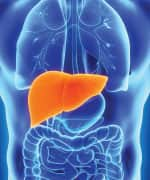
3D image of Liver
Poor diets, obesity, and other factors can lead to permanent liver damage. Chronic liver injury increases the risk for liver cancercirrhosis, and liver failure.
Here are some underlying correctable risk factors of the surging liver disease epidemic:
  • Excess alcohol ingestion (especially without accompanying it with antioxidants like n-acetyl-cysteine).12-14
  • Excess use of acetaminophen pain-relieving drugs (sometimes sold as Tylenol®).15-17
  • Abdominal obesity and excess body weight that contributes to nonalcoholic fatty liver disease.18 Almost 40% of adults are clinically obese according to the Center for Disease Control and Prevention (CDC).1
Considering the critical role of the liver in human health, and the growing incidence of liver disease, researchers have focused on the capacity of milk thistle extract to inhibit the most common causes and pathologies of liver damage.

The Potent Liver-Protection Effects of Milk Thistle Extract

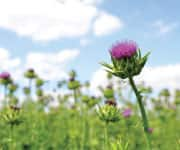
Milk Thistle Flower
Extracts of milk thistle contain several natural compounds that demonstrate the ability to defend the liver from injury. These compounds offer multiple mechanisms of liver protection, including strong oxidant protection and anti-inflammatory properties.19,20
Here are some brief descriptions of studies looking at how milk thistle extract defends against some of the main drivers of liver disease.
PHOSPHOLIPIDS: IMPROVING THE BIOAVAILABILITY OF MILK THISTLE EXTRACT
Novel formulations of milk thistle extract have been developed that greatly improve the ability of the digestive system to absorb its beneficial compounds.
By joining these compounds with natural phospholipids, such as phosphatidylcholine, the bioavailability of standardized extracts of milk thistle is greatly increased.37
This new delivery system has been shown both to increase entry of milk thistle’s essential liver-protective compounds into the body and to maximize its beneficial effects.37

Non-Alcoholic Fatty Liver Disease

Non-alcoholic fatty liver disease is characterized by the deposition of fatty compounds in the liver. As the name implies, it is not caused by alcohol abuse and can occur even in individuals with little or no alcohol intake.
The prevalence of this disease is increasing, closely following the increases seen in related disorders, such as diabetes, metabolic syndrome, and obesity.1 In fact, non-alcoholic fatty liver disease can occur in up to 90% of obese individuals. 21 Fatty liver disease is on track to soon surpass alcoholism and viral hepatitis as the most common cause of chronic liver disease.
Early in its course, fatty liver disease may go unnoticed. However, it can progress over time to cause significant fibrosis of the liver and ultimately result in liver cancer, cirrhosis, and/or liver failure.
Scientists have demonstrated that, in preclinical models, extracts of milk thistle are capable of changing the abnormal metabolism associated with non-alcoholic fatty liver disease, reducing the accumulation of fatty substances and protecting cells from oxidative damage and death. 22-24
The mechanism of this protection may involve altering gene expression related to lipid metabolism, mitochondrial function, and antioxidant mechanisms.
In multiple studies of humans with fatty liver disease, intake of milk thistle extract has been associated with a reduction in fat deposition and improved enzyme blood markers of liver damage. 25-27
A meta-analysis of eight trials concluded that milk thistle extract effectively lowered liver enzymes, compared to controls, in non-alcoholic fatty liver disease patients.28
In randomized controlled trials, non-alcoholic fatty liver disease subjects treated with milk thistle extract for 48 weeks had markedly less fibrosis than those who received placebo.25,26,29

Alcohol and Other Liver Toxins

The liver is susceptible to an array of dangerous toxins known as hepatotoxins, including Amanita mushrooms, acetaminophen, arsenic, alcohol, and others.5,30,31
Research shows that milk thistle extract prevents liver damage when given before or during the exposure to a liver toxin.9,10,32,33
A common toxic cause of liver injury is alcohol abuse, and it appears to be on the rise, particularly in young adults.2,3 The best prevention of alcoholic liver disease is cessation of alcohol intake, but clinical trials have shown that milk thistle extract can even benefit people who’ve already developed the condition.6,11
One of these trials evaluated three different dose levels and found that the highest doses, 360 mg per day of the milk thistle extract preparation, resulted in the greatest improvement in liver enzyme levels.6 Another study showed that a group of patients with alcohol-induced liver disease who were treated with milk thistle extract showed improvements in liver enzymes and liver pathology.7
New studies show even what some people consider moderate alcohol ingestion can inflict an injurious impact.34 One might consider supplementing with milk thistle extract, n-acetyl-cysteine, vitamins B1, and C before ingesting ethanol.35
LIVER ENZYMES AS MARKERS OF LIVER INJURY
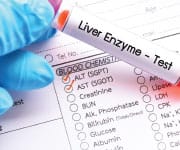
Measurement of liver enzyme levels is an important tool that clinicians and researchers use to identify ongoing liver injury.
These proteins, including AST and ALT, are normally present inside liver cells. However, when any pathology causes damage to liver cells, the levels of these enzymes rises in the blood, detectable on a simple blood test.
Elevated liver enzyme levels are therefore a useful marker of liver disease and can help to track response to treatment.
Milk thistle extracts have been found to decrease liver enzyme levels in many clinical studies, indicating protection from various types of liver injury.6,28,38-41

Cirrhosis

Man holding glass of alcohol
Cirrhosis is the end-stage of chronic liver injury. It can occur following years of ongoing liver injury from a number of possible causes, including viral and alcoholic hepatitis.
Cirrhosis is generally considered irreversible. But scientists have observed promising improvements with milk thistle extract in clinical trials.
In one such trial of 60 patients with alcoholic liver cirrhosis, those randomized to receive 450 mg of a milk thistle extract daily benefited from a reduction in a marker of liver fibrosis, along with improvements in oxidant reduction.36
Also, in a study of alcoholic and non-alcoholic patients with cirrhosis, 420 mg of milk thistle extract per day was associated with a higher overall four-year survival. This study showed that 58% of subjects supplementing with milk thistle survived compared to only 39% survival in controls (who did not receive milk thistle extract).4The greatest clinical improvement was observed in alcoholics.

Summary

Liver Enzyme Test
Among its myriad functions, the liver is crucial for detoxification, purifying the body of various toxic substances. As it performs these functions, the liver is itself prone to injury.
Acting through multiple mechanisms, compounds in milk thistle extract have the ability to protect the liver against toxins and metabolic disorders.
Health-conscious individuals can boost their body’s absorption of these protective compounds by taking standardized extracts of milk thistle that have been made more bioavailable via a phospholipid delivery system.