Pages

Showing posts with label Parkinson's. Show all posts

Sunday, 13 April 2025

MUST READ - Choline: The underappreciated nutrient that's vital for our brains


The compound has been linked to improved cognitive performance and reduced anxiety – but are you getting enough of it?

Jessica Bradley  BBC  4 days ago

(Credit: Getty Images/ Serenity Strull/ BBC)


You may not have heard of choline before, but studies show that it's crucial for our health, at various stages of life.

Choline is neither a vitamin or a mineral – it's an organic compound that's vital to the healthy functioning of the human nervous system. Now there's emerging evidence that consuming more choline can have a wide range of powerful effects, from improving cognitive performance to protecting against neurodevelopmental disorders, including attention-deficit/hyperactivity disorder (ADHD) and dyslexia.

The nutrient also seems to play a significant role in human neurodevelopment. In one study, babies who whose mothers took choline supplements during pregnancy gave birth to infants with higher information processing speeds – a measure of healthy cognitive functioning.

Scientists say that choline is a wonder-nutrient, but that it has been hugely overlooked. So, where does choline come from – and are you getting enough of it?

A crucial nutrient

Every cell in our body contains choline, says Xinyin Jiang, professor of health and nutrition sciences at Brooklyn College in New York, US.

Choline is an "essential" nutrient, which means we need it for our health, but our bodies don't produce enough on their own. Instead, we need to get some of it from our diets. In this sense, it's similar to omega 3 fatty acids, although it's actually closely associated with B vitamins, says Emma Derbyshire, science writer and founder and CEO of the consultancy Nutritional Insight.


More like this:
How much protein do you need to get strong?
Collagen supplements: The secret to perfect skin, or marketing hype?


Choline can be found mostly in animal-based foods, including beef, eggs, fish, chicken and milk, but it's also in peanuts, kidney beans, mushrooms and cruciferous vegetables such as broccoli – although animal foods tend to contain more choline than plant-based sources.

We need choline for numerous functions in our bodies, including liver function. Not having enough can cause a number of problems.

"Choline helps fat transport out of the liver, and when a person is deficient, they can get a fatty liver," says Jiang.

Choline also helps the body to synthesise phospholipids, which are the main component of the cell membranes in our bodies. Being deficient in the nutrient can affect the expression of genes involved in the process of our cells multiplying. During the development of a foetus, choline deficiency can be particularly harmful because it inhibits cell proliferation in the brain.

Choline's role in the brain is crucial – in fact it's primarily a "brain nutrient", says Derbyshire. It's needed for our bodies to produce the neurotransmitter acetylcholine, which is a chemical that carries messages from your brain to your body through nerve cells. Acetylcholine plays a major role in brain nerve cells, which are needed for our memory, thinking and learning.

In one study involving almost 1,400 people aged 36 to 83, researchers found that people with a higher choline intake tended to have better memories, and that choline intake during midlife may help to protect our brains. Choline is commonly included as an ingredient in supplements taken as "nootropics" – a diverse group of substances which some people believe can enhance learning and memory.

On the other hand, choline deficiency has also been associated with neurodegenerative disorders such as Alzheimer's and Parkinson's disease.

Another way choline may affect the brain is our mental health. One study found that higher intake of choline was associated with lower levels of anxiety. In another study, having a higher dietary intake of choline was linked to a lower risk of depression.


Having an adequate choline intake can also come with a number of other benefits. A higher dietary intake of this nutrient .

Separately, research in mice has found that choline can help to lower the levels of homocysteine, an amino acid which can increase the risk of heart disease. High levels of homocysteine can also be linked to osteoporosis, and research has found that people with higher choline intakes from their diets tend to have a higher bone density – an indicator of strong, healthy bones with a lower risk of being fractured.

"Choline can potentially have an effect against bone loss," says Øyen Jannike, a researcher at the Institute of Marine Research in Norway, who has studied the link between choline and bone health.

This may partly be because of homocysteine, she says, but also because choline is an essential structure in our cell membranes.

The first 1000 days

It's well established that a child's first two years are critical for their development, and that the mother's diet during pregnancy and breastfeeding has an integral influence on this.

Studies show that choline is vitally important for a baby's development in the womb. In fact, babies are born with three times as much choline as their mothers, which Derbyshire says shows how important it is at this stage of life.


According to one study, people who eat eggs tend to have roughly
twice the choline intake of those who don’t (Credit: Getty Images)

Several studies have found that the supply of choline in the womb correlates to the cognitive outcome of the baby, and its benefits may continue for years as the child develops. In one study, pregnant women who had the highest dietary choline intake during the second trimester of pregnancy (from week 13 to week 28) went on to have children who scored higher on a test of short- and long-term memory at the age of seven.

Some research even suggests insufficient choline intake when a woman is pregnant could be linked ADHD behaviours in their offspring.


Are we getting enough choline?


In Europe, the European Food Safety Authority (EFSA) has set recommendations for choline intake: 400mg for adults, and 480mg and 520mg for pregnant and breastfeeding individuals, respectively.

In the US, the Institute of Medicine (IOM) first established adequate choline intake recommendations in 1998: 550mg per day for men and 425mg per day for women, or 450mg during pregnancy and 550mg while breastfeeding.

An egg has around 150mg of choline, while a chicken breast has around 72mg, and a handful of peanuts has around 24mg.

In 2017, the American Media Association (AMA) also advised that prenatal vitamin supplements should contain "evidence-based" amounts of choline.


"We're seeing a lot more ADHD and dyslexia in schools, and some is genetic, but it's also possible that, in utero, they're not getting key nutrients," Derbyshire says. "These very subtle neurodevelopment changes are occurring and impacting them later on. We're treating the aftermath now."

Jiang has studied the relationship between the supply of choline during pregnancy and breastfeeding, and brain development. "In animal findings, when the mum has more choline, the cognitive development of their offspring is better," she says. "We're starting to find similar results in human studies, although, not exactly the same."

Feeding the brain

A 2020 review of 38 animal and 16 human studies concluded that choline supplementation helps brain development. However, only animal studies currently show a strong link between choline and improved cognitive function. The paper doesn't define the ideal amount of supplementation, but says most human studies use supplements providing up to 930mg choline daily – an amount equivalent to the choline in roughly six chicken's eggs – with no adverse effects reported.

There may also be some people that require more choline than the recommended daily amounts, says Øyen – including post-menopausal women, for example, who have lower levels of oestrogen, and people with fatty liver disease.

We also know, Derbyshire says, that, due to the genetic differences from one person to another, some people may have higher requirements for choline. (Derbyshire has previously consulted for and advised The Meat Advisory Panel, Marlow Foods (Quorn), the Health Supplement Information Service and the British Egg Information Service, among other organisations).

Peanuts contain high levels of choline, with 61-66mg per 100g of peanut butter (Credit: Getty Images)


When we eat foods containing choline, it's very easily absorbed into our blood, says Jiang, which should go some way to ensuring we're consuming enough choline.

However, several studies show that many of us aren't getting enough. One study found that only 11% of American adults consume the recommended daily amount.

Eggs are one of the most potent dietary sources of choline, and there is some concern that those who choose to follow a vegan diet may not be getting enough of this nutrient – though there are many plant-based sources and choline supplements are widely available in developed countries.

One study found that people who eat eggs have almost twice the usual choline intake compared with those who don't, leading the researchers to conclude that consuming the daily adequate amount of choline was "extremely difficult" without eating eggs or taking a supplement.

But the EFSA's recommendation of 400mg of choline per day is achievable for most people if you plan your diet carefully, says Jiang. Some vegan sources of choline include tofu (28mg of choline per 100g), peanut butter (61-66mg per 100g) and soy beans (120mg per 100g).

Anyone concerned they're not getting enough choline can take a daily supplement, Øyen says. In the meantime, she adds, there needs to be more animal and human research to better understand the mechanisms behind some of choline's health benefits.

However "clinicians are becoming more aware of [choline]", says Derbyshire. While it often seems to be slightly overlooked, she is hopeful that choline will soon start to enjoy the limelight.

Friday, 21 February 2020

Iron levels in the brain and Parkinson’s disease

Scientists hope tracking iron levels in the brain could help diagnose Parkinson’s disease

Metro Science Reporter  Friday 21 Feb 2020 9:06 am

Unrecognizable teenage girl with grandmother at home, holding hands. Family and generations concept. Close up.
A build-up of dangerous proteins in the brain can cause Parkinson’s and other neurodegenerative diseases (Getty Images/iStockphoto)


A new imaging technique that tracks the accumulation of iron in the brain could be helpful for the early diagnosis of Parkinson’s and other neurodegenerative diseases, according to research. 

Scientists say they have developed a ‘cutting-edge’ method, called quantitative susceptibility mapping, to map iron levels in the brain based on scans. 

They say this technique is more advanced than conventional brain imaging, which fails to track Parkinson’s progression until late stage. Based on their findings, the researchers believe measuring iron deposits in the brain could also help predict which people with Parkinson’s will develop dementia. 

Dr Rimona Weil, of University College London’s (UCL) Queen Square Institute of Neurology and lead author on the study, said: ‘Iron in the brain is of growing interest to people researching neurodegenerative diseases such as Parkinson’s and dementias. 

‘As you get older, iron accumulates in the brain, but it’s also linked to the build-up of harmful brain proteins, so we’re starting to find evidence that it could be useful in monitoring disease progression, and potentially even in diagnostics.’ 

The researchers studied 97 people with Parkinson’s disease along with 37 people without the condition. The participants were given scores based on tests on thinking, memory and motor function. 

The researchers mapped the iron levels in the brain using their new quantitative susceptibility mapping technique. They found that iron accumulation in the hippocampus and thalamus brain regions was associated with poor memory and thinking scores, while iron in the putamen region of the brain correlated with poor movement scores. 

Substantia nigra. Computer illustration showing a degenerated substantia nigra in Parkinson's disease. The substantia nigra plays an important role in reward, addiction, and movement. Degeneration of this structure is characteristic of Parkinson's disease. In Parkinson's neurons in the substantia nigra contain Lewy bodies, which are deposits of protein, shown here as small red spherical inclusions in the neuron's cytoplasm.
Computer illustration showing a degenerated substantia nigra in Parkinson’s disease. The substantia nigra plays an important role in reward, addiction, and movement. Degeneration of this structure is characteristic of Parkinson\’s disease. (Getty Images/Science Photo Library)

Based on their findings, the researchers said it is ‘very promising that iron deposition was specifically detected in those areas’. 

They believe tracking iron deposits in the brain could help clinicians determine whether a treatment is working or not and could, in future, be helpful for early diagnosis of Parkinson’s or other neurodegenerative diseases. 

Co-author Dr Julio Acosta-Cabronero, of the UCL’s Wellcome Centre for Human Neuroimaging, said: ‘We hope that brain iron measurement could be useful for a wide range of conditions, such as to gauge dementia severity or to see which brain regions are affected by other movement, neuromuscular and neuroinflammatory disorders, stroke, traumatic brain injury and drug abuse.’ 

Professor David Dexter, Deputy Director of Research at Parkinson’s UK, said: ‘Frustratingly, we are currently unable to catch Parkinson’s in its early stages, which creates a huge barrier to finding treatments that can stop, slow or reverse the condition. 

‘We know that people with Parkinson’s have a higher-than-average risk of developing dementia, so the exciting use of the MRI scan to potentially identify Parkinson’s earlier, as well as helping to predict which people with Parkinson’s will develop dementia, opens up a new avenue for research to explore. 

‘The findings also suggest that using brain scans to measure levels of iron in the brain could be valuable to track if a treatment is working in a clinical trial, which could lead to better treatments faster for the 145,000 people living with Parkinson’s in the UK.’ 

The researchers are following up the same study participants to see how their disease is progressing while monitoring the changes in their brain’s iron levels. The research is published in the Journal of Neurology, Neurosurgery, and Psychiatry.


ALSO READ:

Friday, 6 December 2019

Impt Tools for Parkinson's: Curcumin Vitamin D and Omega-3

Turmeric contains curcumin, the polyphenol identified as its primary active component and which exhibits over 150 potentially therapeutic activities, which include antioxidant, anti-inflammatory and anti-cancer properties.1

July 08, 2013                   

Turmeric

Story at-a-glance

  • Curcumin crosses the blood-brain barrier and exhibits potent neuroprotective properties, leading researchers to investigate it as a possible drug alternative in the treatment of neurodegenerative disorders such as Parkinson’s disease
  • Unlike Parkinson’s drugs, curcumin, a polyphenol identified as the primary active component of the spice turmeric, it reduces inflammation and oxidative damage in the brain
  • Curcumin has also shown promise for preventing other brain disorders, including dementia, Huntington’s disease and Alzheimer’s disease
  • Parkinson’s disease is related to certain lifestyle factors, including exposure to pesticides, paint and solvents, and vitamin D deficiency; animal-based omega-3 fats are also a powerful defense against Parkinson's

By Dr. Mercola
Most spices have powerful medicinal properties, which is precisely why they've been used to promote healing for thousands of years prior to the advent of modern, synthetic drug-based medicine.  
One such spice is turmeric, the yellow-pigmented "curry spice" often used in Indian cuisine. Turmeric contains curcumin, the polyphenol identified as its primary active component and which exhibits over 150 potentially therapeutic activities, which include antioxidant, anti-inflammatory and anti-cancer properties.1  
Curcumin is capable of crossing the blood-brain barrier, which is one reason why it holds promise as a neuroprotective agent in a wide range of neurological disorders.  
Researchers have investigated curcumin for its potential role in improving Parkinson's disease .

Preliminary results indicate that it may hold even more promise than the drugs currently used for this disorder, many of which (ironically) have serious neurotoxic side effects, including dyskinesia – a movement disorder identical to the symptoms of Parkinson's disease. 


Natural Curcumin Extract Outshines Parkinson's Drugs 

Parkinson's is a neurodegenerative disease caused by a steady depletion of dopamine-producing nerve cells, particularly in the area of your brain referred to as the substantia nigra. Most of the current drug treatments for Parkinson's disease, known as dopamine agonists, focus on replenishing dopamine.  
Although such treatments provide symptomatic relief during early Parkinson's disease, they are ineffective in the long term where they may actually increase symptoms such as tremor, postural instability and cognitive deficits that are common with this disease. They are also associated with motor complications and a laundry list of other strange and disturbing side effects, including: 
EuphoriaNausea
HallucinationsInsomnia
Causing or worsening psychosisUnusual tiredness or weakness
Orthostatic hypotension (a dizzy spell caused by a sudden drop in blood pressure)Dizziness, drowsiness, lightheadedness, or fainting
Increased orgasmic intensityTwitching, twisting, or other unusual body movements
Weight lossPathological addiction (gambling, shopping, internet pornography, hypersexuality)

As researchers noted in the journal Current Pharmaceutical Design:2
"Most of the current pharmacotherapeutic approaches in PD [Parkinson's disease] are aimed at replenishing the striatal dopamine. Although these drugs provide symptomatic relief during early PD, many patients develop motor complications with long-term treatment. Further, PD medications do not effectively tackle tremor, postural instability and cognitive deficits.

Most importantly, most of these drugs do not exhibit neuroprotective effects in patients. Consequently, novel therapies involving natural antioxidants and plant products/molecules with neuroprotective properties are being exploited for adjunctive therapy."
Unlike Parkinson's drugs, curcumin is neuroprotective and several studies strongly support its use for the treatment of Parkinson's. For example:
  • Curcumin showed neuroprotective properties in an animal model of Parkinson's disease; the beneficial effect was thought to be related, in part, to its antioxidant capabilities and its ability to penetrate the brain.3
  • Curcumin alleviated the effects of glutathione depletion, which causes oxidative stress, mitochondria dysfunction and cell death – and is a feature of early Parkinson's disease.4
  • The c-Jun N-terminal kinase (JNK) signaling pathway is involved in dopaminergic neuronal degeneration, which is in turn associated with Parkinson's. Curcumin prevents dopaminergic neuronal death through inhibition of the JNK pathway, and thereby offers a neuroprotective effect that may be beneficial for Parkinson's.5
  • Slow-wriggling alpha-synuclein proteins can cause clumping, which is the first step for diseases such as Parkinson's. Curcumin helps prevent the proteins from clumping.6


Curcumin Is a Powerful Ally for Your Brain Health 

For years now turmeric, and its active ingredient curcumin, have shown powerful benefits to your brain health. One of the ways that it works, similar to vitamin D, is modulating large numbers of your genes; in fact, curcumin has been shown to influence more than 700 genes. 
The potential healing power of this spice, which is an important part of Eastern cultural traditions including traditional Chinese medicine and Ayurveda, perhaps first came about when it was noticed that the prevalence of Alzheimer's disease among older adults in India is more than four times lower than the rate in the United States.    
Why such a significant difference?  
Some researchers believe the answer for this drastic disparity in Alzheimer's disease prevalence is a direct result of curcumin. Research has shown that curcumin may help inhibit the accumulation of destructive beta amyloids in the brain of Alzheimer's patients, as well as break up existing plaques. People with Alzheimer's tend to have higher levels of inflammation in their brains, and curcumin is perhaps most known for its potent anti-inflammatory properties. The compound can inhibit both the activity and the inflammatory metabolic byproducts of cyclooxygenase-2 (COX2) and 5-lipooxygenase (5-LOX) enzymes, as well as other enzymes and hormones that modulate inflammation. 
And that's not all. The growing interest in curcumin over the past 50 years is understandable when you consider the many health benefits researchers have found when studying this spice. According to an ever-expanding clinical body of studies, curcumin may help: 
Reduce cholesterol levels Prevent low-density lipoprotein oxidationInhibit platelet aggregation
Suppress thrombosis and myocardial infarctionSuppress symptoms associated with type 2 diabetesSuppress symptoms of rheumatoid arthritis
Suppress symptoms of multiple sclerosis Suppress symptoms of Alzheimer's diseaseInhibit HIV replication
Suppress tumor formationEnhance wound healingProtect against liver damage
Increase bile secretionProtect against cataractsProtect against pulmonary toxicity and fibrosis


Two More Important Tools for Parkinson's: Vitamin D and Omega-3 

There is a correlation between insufficient levels of vitamin D and the development of early Parkinson's disease, and research has suggested that long-term deficiency may play a role in the pathogenesis of the disease. There are three major points you want to remember about vitamin D:
  1. Your best source for this vitamin is exposure to the sun, without sunblock on your skin, until your skin turns the lightest shade of pink. While this isn't always possible due to the change of the seasons and your geographic location (and your skin color), this is the ideal to aim for. A safe tanning bed is the next best option, followed by oral vitamin D3 supplementation.
  2. If you do supplement with vitamin D, you'll only want to supplement with natural vitamin D3 (cholecalciferol). Do NOT use the synthetic and highly inferior vitamin D2, which is the one most doctors will give you in a prescription most of the time unless you ask specifically for D3.
  3. Get your vitamin D blood levels checked! The only way to determine the correct dose is to have your blood tested since there are so many variables that influence your vitamin D status. I recommend using Lab Corp in the U.S. Getting the correct test is the first step in this process, as there are TWO vitamin D tests currently being offered: 1,25(OH)D and 25(OH)D.
From my perspective, the preferred test your doctor needs to order is 25(OH)D, also called 25-hydroxyvitamin D, which is the better marker of overall D status. This is the marker that is most strongly associated with overall health. You'll want to optimize your levels according to the chart below. If you currently have Parkinson's disease you will want to keep your vitamin D level in the higher 70-100 ng/ml range to help fight the disease.  
vitamin d levels
  
Animal-based omega-3 fats are also a powerful defense against Parkinson's, as they contain two fatty acids crucial to human health, DHA and EPA. Most of the neurological benefits of omega-3 oils are derived from the DHA component rather than the EPA component. 
In fact, DHA is one of the major building blocks of your brain. About half of your brain and eyes are made up of fat, much of which is DHA -- making it an essential nutrient for optimal brain and eye function. Your brain activity actually depends greatly upon the functions provided by its outer, fatty waxy membrane to act as an electrical nerve-conduction cable. In your brain alone, DHA may help to ward off Parkinson's by:
  • Reducing brain inflammation
  • Stimulating neuron growth, and development and repair of synapses. (Your brain is a vast complex system of nerve cells sending and receiving electrical impulses across junctions called synapses. The small space between the two cells is where the action occurs. One neuron may synapse with as many as 1,000 other neurons.)
  • DHA protects your brain's function by supporting optimal glutamate function. Glutamate and GABA are considered your brain's 'workhorse' neurotransmitters. They work together to control your brain's overall level of excitability, which controls many body processes.
I believe krill oil is your best option for getting animal-based omega-3 fats because of the fact that the omega-3 is attached to phospholipids that dramatically increase its absorption, especially into brain tissue.

Lifestyle Changes to Help Prevent Parkinson's 

Parkinson's disease is related to lifestyle factors, including the following:  
Environmental toxins and pesticidesAspartame consumption
Petroleum-based hydrocarbon solvents, like paint and glueDeficiencies in vitamin D and vitamin B folate
Excess iron in your bodyPasteurized milk

In addition to avoiding these toxic exposures, I recommend lifestyle adjustments including:
  • Exercise regularly, including high-intensity exercise like Peak Fitness. It's one of the best ways to protect against the onset of symptoms of Parkinson's disease
  • Get plenty of sunshine to optimize your vitamin D levels
  • Avoid pesticide and insecticide exposure (as well as exposure to other environmental toxins like solvents)
  • Eat more organic vegetables, which are high in folate, the natural form of folic acid (folate after all comes from foliage)
  • Make sure your body has healthy levels of iron and manganese (neither too much nor too little of either)
  • Consider supplementing coenzyme Q10, which may help to fight the disease. But remember, the oxidized form of coenzyme Q10 called ubiquinone or plain CoQ10 is actually found in elevated levels in neurodegenerative conditions involving enhanced oxidative stress, as it is a residual marker of lipid peroxidation (brain rancidity). This is why ubiquinol, the reduced form that is capable of donating electrons to quench brain-damaging free radicals, while at the same time providing a boost to brain mitochondrial function, is the only logical choice in Parkinson's disease and related neurodegenerative conditions.
As for getting the full benefits that curcumin has to offer, look for a turmeric extract that contains 100 percent certified organic ingredients, with at least 95 percent curcuminoids. The formula should be free of fillers, additives and excipients (a substance added to the supplement as a processing or stability aid), and the manufacturer should use safe production practices at all stages: planting, cultivation, selective harvesting, and then producing and packaging the final product.  
Unfortunately, at the present time there really are no formulations available for the use against cancer. This is because relatively high doses are required and curcumin is not absorbed that well. There is much work being done to provide a bioavailable formulation in the near future. 
In the event you need higher doses (such as in the case of treating cancer), use the curcumin powder and make a microemulsion of it by combining a tablespoon of the powder and mixing it into 1-2 egg yolks and a teaspoon or two of melted coconut oil. Then use a high-speed hand blender to emulsify the powder (be careful when doing so as curcumin is a very potent yellow pigment and can permanently discolor surfaces if you aren't careful).  
Another strategy that can help increase absorption is to put one tablespoon of the curcumin powder into a quart of boiling water. It must be boiling when you add the powder; it will not work as well if you put it in room temperature water and heat the water and curcumin. After boiling it for 10 minutes you will have created a 12 percent solution that you can drink once it has cooled down. It will have a woody taste. The curcumin will gradually fall out of the solution, however. In about six hours it will be a 6 percent solution, so it's best to drink the water within four hours
[-] Sources and References


http://articles.mercola.com/sites/articles/archive/2013/07/08/curcumin-vs-drugs-for-parkinsons.aspx

This article was previously published as:
Curcumin: The Spice That Can Potentially Help Your Health in 150 Different Ways

Wednesday, 27 November 2019

The Five Most Nutrient-Dense Fruits

Last month in Health Watch, we revealed the five most nutrient-dense greens. But that’s only half the story… Researchers at William Paterson University also looked at the nutrient density and bioavailability of fruits. The study reveals that fruits—based on their scoring system—aren’t as potent as vegetables…but that’s no reason to skip them. You just have to know which ones are the best. And just like last time, the results may surprise you…

INH Research 
Eating fruit is critical to your health… But you may not be eating the right ones. Here are the top five most nutrient-dense fruits.

Here are the top five most nutrient-dense fruits:
5. Strawberries: They’re a sweet snack that also helps protect your heart. Strawberries may help you lower LDL cholesterol. Their fiber content could start fighting heart disease in 30 days. And researchers in this study didn’t even take their phytochemical content into account.1 This includes powerful compounds—like anthocyanin—that can help lower blood pressure and prevent free radical damage.
4. Lemons: Don’t overlook this tart fruit. Lemons are a great way to add extra vitamin C to the foods you eat. Fresh lemon juice on a salad or in your water adds flavor and antioxidant power. But lemons also pack limonoids—potent anti-cancer compounds—in their peels.2 Adding the zest to your veggies or fish is a great way to get natural limonoids into your diet—and help keep cancer at bay.
3. Tomatoes: If it has seeds, it’s usually a fruit… And the lycopene in this fruit may help prevent breast cancer. It may even help you cut your heart disease risk in half. But researchers didn’t even consider that. They mainly looked at its vitamins C, K, A, and B content. Tomatoes are also a good way to get more biotin, potassium, and manganese. Just make sure to skip the tomato sauce in a jar… It’s a secret source of sugar that could be sabotaging your otherwise healthy diet.
2. Pumpkins: Pumpkins are actually a nutritional powerhouse. Their seeds are an excellent source of zinc. It’s a vital nutrient that you’ll need for healthy aging. They may even help you keep blood sugar levels in check. Pumpkins are also rich in beta and alpha-carotene. These carotenoids may help you preserve eyesight. They may also help fight the signs of aging caused by oxidative damage. You can find raw—or roasted—organic pumpkin seeds online and in most health stores year-round.
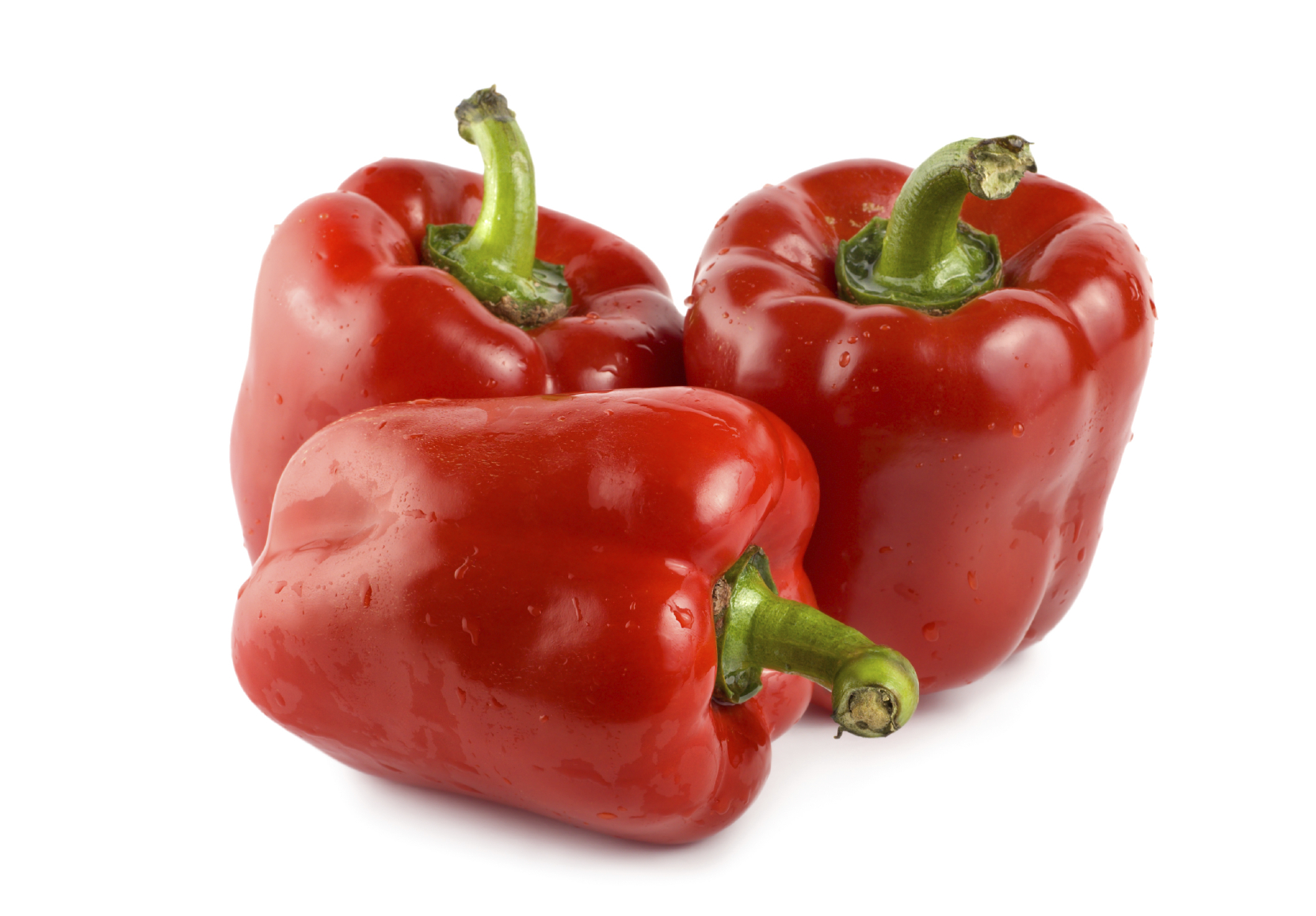
1. Red Peppers: These ranked higher than any other fruit. And not just because they’re high in vitamin C—they have more than an orange. Red peppers are also high in heart-healthy lycopene. Eating them may even help prevent Parkinson’s disease. These peppers contain small amounts of natural nicotine. Research shows that getting nicotine from peppers twice a week may help lower your risk for developing Parkinson’s by around 30%.3
The results are surprising… After all, some of the most popular fruits—like apples, bananas, and oranges—didn’t make the list. But remember: These rankings come from both how much nutrition is in each serving…and how easily your body absorbs it.
It doesn’t mean you shouldn’t skip other fruits—like tart berries and pineapples—altogether. But consider swapping them out for some raw, organic red pepper slices a few times a week to get the most nutrition out of your fruits.

Like this Article? Forward this article here or Share on Facebook.
References:
1http://www.washingtonpost.com/news/to-your-health/wp/2014/06/05/finally-a-list-of-powerhouse-fruits-and-vegetables-ranked-by-how-much-nutrition-they-contain/
2http://www.whfoods.com/genpage.php?tname=foodspice&dbid=27
3http://onlinelibrary.wiley.com/doi/10.1002/ana.23884/full

https://www.institutefornaturalhealing.com/2014/08/the-five-most-nutrient-dense-fruits/

Five Healthy Benefits of Drinking Black Tea

It’s one of the most popular drinks in the world. About 80% of tea drinkers choose black tea.1 It’s rich in antioxidants, nutrients, and amino acids. The result? A drink with major health benefits…from strengthening bones to preventing heart disease.

INH Research


Here are five healthy benefits of drinking black tea:
1. Strengthens Bones: Studies show that black tea helps improve bone density. One study revealed higher bone density in daily drinkers than people who didn’t drink it.2 It’s the polyphenols that deliver this benefit.
Black tea can also help save your teeth. The antioxidants in it can kill bacteria. The kind that cause gum disease and tooth decay. Researchers found that three cups of it a day can fight off Streptococcus mutans and Lactobacillus. Even people who took tooth-rotting sugar in their tea saw some protective benefit… But we recommend you skip it completely.3
2. Improves Heart Health: Drinking a daily serving of black tea can reduce your stroke risks by up to 21%.4 One study found it helped lower total triglyceride levels by about 36% in three months.5 This is because it’s rich in theaflavins and thearubigins. You won’t find these compounds in green tea.
This same study also found over a 400% increase in the antioxidant concentration of subjects’ blood. More antioxidant power means less inflammation and oxidative stress. But there’s another benefit researchers found in this study…
3. Balances Blood Sugar: Researchers also revealed that black tea can decrease blood sugar levels by nearly 20%. It’s not surprising that other studies link black tea to a reduction in diabetes risk.6 One of them found that drinking this tea may help lower type 2 diabetes risk by as much as 70%.7 Another study revealed that four daily cups of black tea can reduce inflammation and oxidation in type 2 diabetics.8
4. Prevents Lung Damage: A team of researchers in India compared the lung-protective benefits of black tea in guinea pigs. After a week of testing, they found animals that drank water developed lung damage when exposed to cigarette smoke. But not the black tea group.
The guinea pigs that drank black tea didn’t experience oxidative stress or inflammation when they were exposed. This doesn’t mean drinking a ton of black tea can reverse the lung damage smoking causes… But it does suggest protection from secondhand smoke and toxin exposure.9
5. Reduces Cell Death: When important cells start to deteriorate and die in your body, it means serious trouble. Conditions like Alzheimer’s, Parkinson’s, and Lou Gehrig’s disease. But black tea can help prevent neurodegenerative diseases
A study from China found drinking it helped to lower risk of developing Parkinson’s disease. Researchers observed that subjects who drank the most saw a 29% reduction in risk. Yet green tea didn’t have this effect. This means black tea’s compounds may be unique when it comes to protecting your brain.10
To get the most health benefits from black tea, drink it in its natural, organic state. Don’t buy the sweetened or flavored varieties. And don’t steep it for too long. This may minimize the health benefits. You can find quality black tea in most health stores and online.
References:
1http://www.teausa.com/14655/tea-fact-sheet
2http://www.telegraph.co.uk/health/3356550/Healthy-drinking-Tea-total.html
3http://www.dailymail.co.uk/health/article-2401287/Teas-dental-benefits-Black-tea-combats-bacteria-linked-tooth-decay-gum-disease.html
4http://www.ncbi.nlm.nih.gov/pubmed/19228856
5http://www.sciencedirect.com/science/article/pii/S0091743511004877
6http://www.berkeleywellness.com/healthy-eating/food/article/tea-benefits-research-wrap
7http://www.ncbi.nlm.nih.gov/pubmed/19259345
8http://www.ncbi.nlm.nih.gov/pmc/articles/PMC4055352/
9http://www.ncbi.nlm.nih.gov/pmc/articles/PMC1802835/
10http://aje.oxfordjournals.org/content/167/5/553.full

https://www.institutefornaturalhealing.com/2014/12/five-healthy-benefits-of-drinking-black-tea/

Wednesday, 26 June 2019

Preventing and Slowing Parkinson's Disease Progression

Parkinson's disease has burst into the public consciousness in recent years. It is a neurodegenerative (the breakdown of brain neurons) disease, resulting in a movement disorder.
Leader-Observer
06-25-19

People living at high latitude with low vitamin D levels likelier to have metabolic syndrome than those with sufficient levels
Most notably, patients suffer from a collection of symptoms known by the mnemonic TRAP: tremors while resting, rigidity, inability/difficulty to move or slow movements and postural instability or balance issues.
It can also result in a masked face, one that has become expressionless, and potentially dementia, depending on the subtype.
The part of the brain most affected is the basal ganglia, and the prime culprit is dopamine deficiency in this brain region. Why not add back dopamine? Actually, this is the mainstay of medical treatment, but eventually the neurons themselves break down, and the medication becomes less effective.
Risk factors may include head trauma, reduced vitamin D, milk intake, well water, being overweight, high levels of dietary iron and migraine with aura in middle age.
Is there hope? Yes, in the form of medications and deep brain stimulatory surgery, but also with lifestyle modifications. Lifestyle factors include iron, vitamin D and CoQ10.

The role of iron
This heavy metal is potentially harmful for neurodegenerative diseases such as Parkinson's: it can cause oxidative damage.
In a small, yet well-designed, 12-month randomized controlled trial RC), researchers used a chelator to remove iron from the substantia nigra, a specific part of the brain where iron breakdown may be dysfunctional.
An iron chelator is a drug that removes the iron. Here, deferiprone DFP was used at a modest dose of 30 mg/kg/d. The chelator reduced the risk of disease progression significantly on the Unified Parkinson Disease Rating Scale (UPDRS).
Participants who were treated sooner had lower levels of iron compared to a group that used the chelator six months later. A specialized MRI was used to measure levels of iron in the brain.
The iron chelator does not affect, nor should it affect, systemic levels of iron, only those in the brain specifically focused on the substantia nigra region. It also may be recommended to consume foods that contain less iron.
CoQ10
CoQ10 is a coenzyme found in over-the-counter supplements, with doses from 100 to 300 mg. However, there is evidence that CoQ10 may be beneficial in Parkinson's at much higher doses.
In a 16-month trial with 80 patients, results showed that those given 1,200 mg of CoQ10 daily reduced the progression of the disease significantly based on UPDRS changes, compared to the placebo group. Lower doses did not show significant benefit.
Thus, there may be no downside to trying CoQ10 in those with Parkinson's disease.
Vitamin D: Good or bad?
In a forward-looking study, results show that vitamin D levels measured in the highest quartile reduced the risk of developing Parkinson's disease by 65 percent, compared to the lowest quartile.
This is quite impressive, especially since the highest quartile patients had vitamin D levels that were what we would qualify as insufficient, with blood levels of 20 ng/ml, while those in the lowest quartile had deficient blood levels of 10 ng/ml or less.
There were over 3,000 patients involved in this study with an age range of 50 to 79.
Many times we are deficient in vitamin D and have a disease, but replacing it does nothing to help the disease. Here, vitamin D may play dual roles of both reducing the risk of Parkinson's disease and slowing its progression.
In an RCT with 121 patients, results showed that 1,200 IU of vitamin D taken daily may have reduced the progression of Parkinson's disease significantly on the UPDRS compared to a placebo over a 12-month duration.
Also, this amount of vitamin D increased the blood levels by two times to 41.7 ng/ml.
Though medication with dopamine agonists is the gold standard for Parkinson's disease treatment, lifestyle modifications can have an impact on both prevention and treatment of this disease.
For further information, visit medicalcompassmd.com or consult your personal physician.
https://www.lifeextension.com/News/LefDailyNews?NewsID=29833&Section=Disease