Pages

Showing posts with label Remdesivir. Show all posts

Monday, 26 July 2021

The top 3 drugs used to treat COVID-19

 To ensure supply of the top 3 drugs used to treat COVID-19, it’s time to boost domestic medicine manufacturing

July 26, 2021 3.07pm AEST


We now know enough about how COVID works for health authorities to have issued clear guidance on which drugs doctors should use on hospitalised patients. The recommended drugs are dexamethasone, remdesivir, and tocilizumab.

Remdesivir, also known as Veklury, is not manufactured in Australia and the Therapeutic Goods Administration (TGA) has recently issued an alert warning of a shortage of tocilizumab in Australia. And the large dexamethasone manufacturers are based overseas. The website Pharmaoffer, which shows suppliers of active pharmaceutical ingredients, lists the countries that produce the active ingredient in dexamethasone; Australia is not one of them.

More broadly, Australia lacks medicines manufacturing capability and this puts us at significant risk should supplies from overseas continue to be interrupted.

One report released last year described the Australian market for pharmaceuticals as “possibly one of the most vulnerable in the OECD”.

It’s time for Australia to re-invest in domestic medicine manufacturing.

Drugs used to treat COVID-19

Many people diagnosed with COVID-19 experience only mild, or no symptoms at all, and can be managed and monitored at home. Rest is the main treatment, and medicines such as paracetamol and/or ibuprofen can provide symptomatic relief of any mild fevers.

People with moderate to severe COVID-19 are treated in hospital. The medicines doctors will prescribe in hospital depend on a patient’s clinical circumstances, such as whether or not they are receiving oxygen therapy.

The pharmaceutical treatment options include:

  • dexamethasone, a corticosteriod

  • remdesivir, an antiviral and

  • tocilizumab, a monoclonal antibody and immunosuppressive agent (monoclonal antibodies are lab-made proteins that mimic the immune system’s virus-fighting abilities).

Dexamethasone is already used for a wide range of conditions, such as certain forms of cancer and arthritis, and various other disorders. Now, it is used in treatment of COVID-19 to suppress inflammation and immune responses.

Remdesivir works by stopping the replication of viral RNA.

And tocilizumab is sometimes used when COVID-19 patients have signs of systemic inflammation.
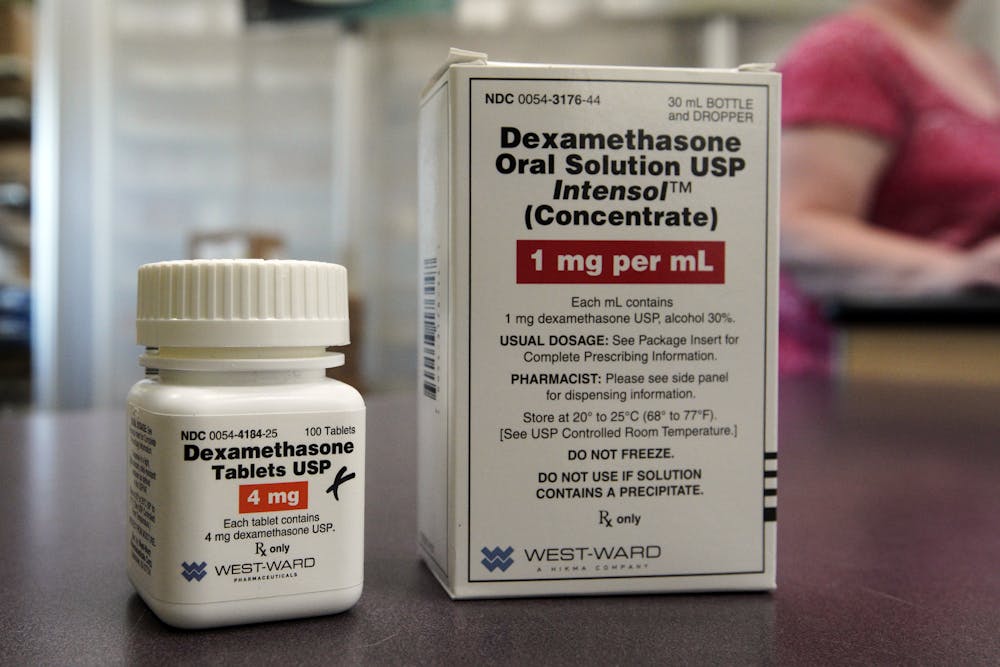
Dexamethasone is already used for a wide range of conditions. Nati Harnik/AP

Where are they made?

Australia is heavily reliant on supply agreements for medicines that come from overseas (and a manufacturing network might include a lot of countries). It’s been reported some of the large dexamethasone manufacturers are in Brazil and India.

To meet growing demand for remdesivir, its company (Gilead) has approved new deals for manufacturing in Egypt, India, and Pakistan. But while the remdesivir manufacturing network now includes more than 40 companies in North America, Europe, and Asia, the medicine is not manufactured in Australia.

Tocilizumab was developed in Japan and is now also licensed for manufacturing by the California-based company Genentech.

Need for Australian manufacturing base

There is an urgent need for Australia to increase local manufacturing of many types of medicines, not just COVID treatments, to secure current and future needs.

In general, Australia does have some medicine manufacturing sites in Australia but several have either closed or are slated for closure.

The Australian government has acknowledged the importance of boosting local production of medicines but it’s unclear what progress has been made.

In March this year, an interim report by the Productivity Commission on vulnerable supply chains again indicated medicines as an area of concern, noting that

the pharmaceutical industry is highly regulated, making entering the market or modifying existing facilities to respond to a crisis a slow and costly process.

The final report from this committee is currently with the government.

Manufacturing of medicines in Australia is regulated by the TGA. According to its website, it can take up to 12 months for an Australian manufacturer to get approval to bring a new manufacturing site online. This means it would take us a long time to act if a supply shortage pops up.

Significant backing from the federal government for local medicine manufacturing would reduce the risk of key medicine shortages in Australia, while also creating many highly skilled jobs.

https://theconversation.com/to-ensure-supply-of-the-top-3-drugs-used-to-treat-covid-19-its-time-to-boost-domestic-medicine-manufacturing-164948

3 drugs for treating Covid-19

 Remdesivir, dexamethasone and baricitinib represent the best therapeutic approaches for Covid-19 and have helped reduce viral loads, decrease inflammation and ease symptoms in hospitalised patients.

By Tharanya Arumugam - July 26, 2021 @ 9:40am

New Straits Times

Medical frontliners arriving at the Covid-19 Assessment Centre at Malawati Stadium in Shah Alam on Saturday. -NSTP/ASYRAF HAMZAH


KUALA LUMPUR: Remdesivir, dexamethasone and baricitinib represent the best therapeutic approaches for Covid-19 and have helped reduce viral loads, decrease inflammation and ease symptoms in hospitalised patients.

Public health medicine specialist Associate Professor Dr Rafdzah Ahmad Zaki of University Malaya Medical Centre said remdesivir (an anti-viral agent that scientists initially designed to treat Ebola) and dexamethasone (an anti-inflammatory medication) were considered the best available treatment options for Covid-19 pneumonia.

"Remdesivir is likely to be most effective in the early stage of pneumonia, whereas dexamethasone is likely to be most effective later in the disease's course.

"Baricitinib hopes to fill the gap or unmet need of providing efficacious therapies for the grey zone between remdesivir and dexamethasone," she told the New Straits Times.

Health director-general Tan Sri Dr Noor Hisham Abdullah had on July 23 said health facilities would start administering baricitinib to Covid-19 patients, especially those in categories four and five (patients with lung infections and require oxygen or ventilators).

Category one patients are asymptomatic, while those in Category two display mild symptoms. Category three patients suffer from pneumonia and lung infection.

Dr Noor Hisham had said baricitinib, also a drug approved for use in patients with moderate to severe arthritis who have had an inadequate response to other treatments, had been proven to be more effective in treating infected patients, along with dexamethasone.

Dr Rafdzah, who is head of the Centre for Epidemiology and Evidence-Based Practice, Department of Social and Preventive Medicine, Faculty of Medicine,  said two main processes were thought to drive Covid-19's pathogenesis.

She said that early in the clinical course, the disease was primarily driven by the replication of the SARS-CoV-2 virus, while later in the clinical course, it appeared to be driven by a dysregulated immune/inflammatory response to the virus that led to tissue damage.

"Based on this understanding, it is anticipated that therapies that directly target SARS-CoV-2 would have the greatest effect early in the course of the disease, while immune-suppressive/anti-inflammatory therapies are likely to be more beneficial in the later stages of Covid-19.

"Baricitinib is a drug that reduces the activity of the immune system. As an anti-inflammatory, it may block the signalling activity that can contribute to the hyper-inflammatory state caused by a severe Covid-19 infection."

Dr Rafdzah said besides Malaysia, the United States' National Institutes of Health and Singapore's National Centre for Infectious Diseases had recently included baricitinib in their treatment guidelines for Covid-19.

Japan had approved the use of the rheumatoid drug for treating Covid-19 patients.

"The use of baricitinib together with remdesivir have been found to be superior to remdesivir alone in reducing recovery time and accelerating improvement in clinical status among Covid-19 patients, especially among those receiving high-flow oxygen or non-invasive ventilation.

"The combination of baricitinib and remdesivir is associated with fewer serious adverse events."

On calls for ivermectin to be included as part of the country's list of treatments for Covid-19, Dr Rafdzah said the evidence on the use of the drug to treat Covid-19 patients was inconclusive.

Most studies looking at ivermectin and Covid-19 had incomplete information and significant methodological limitations and bias, she said.

"Some of the limitations include the sample size of most of the trials, which was small, and some of the randomised controlled trials were open-label studies, where neither the participants nor the investigators were blinded to the treatment arms.

"Besides, patients received various concomitant medications (for example, doxycycline, hydroxychloroquine, and corticosteroids) in addition to ivermectin or the comparator drug. This confounded the assessment of the efficacy or safety of ivermectin.

"The severity of Covid-19 among the study participants was not always well described, and the study outcome measures were not always clearly defined. Therefore, until more data is available, the drug is only approved to be used within clinical trials."

She added that the US Food and Drug Administration had not approved ivermectin for use in treating or preventing Covid-19 in humans.

"Ivermectin tablets are approved at very specific doses for some parasitic worms, and there are also topical (on the skin) formulations for head lice and skin.

"Ivermectin is not an anti-viral (a drug for treating viruses). Taking large doses of this drug is dangerous."

Epidemiologist and biostatistician Professor Dr Jamalludin Ab Rahman from International Islamic University Malaysia said doctors should not rush to administer ivermectin, but instead wait until the clinical trials conducted by the Health Ministry were completed.

"Most countries are not using ivermectin. This pandemic is testing many so-called scientists and experts.

"We should be patient and go back to the fundamentals of evidence-based medicine.

"This practice is confusing the public because even experts can't agree on certain standards and are still citing conspiracies.

"I praise the ministry for sharing the data on Covid-19 recently, which is an important progress in battling the pandemic.

"Now, many epidemiologists, statisticians and data scientists, locally or abroad, are looking for trends and any information that can assist the government."

ANTI-VIRAL AND ANTI-INFLAMMATORY AGENTS


https://www.nst.com.my/news/nation/2021/07/711677/3-drugs-treating-covid-19

Repurposed drugs to treat COVID-19 symptoms

 Large clinical trial to study repurposed drugs to treat COVID-19 symptoms


Using an ACTIV master protocol, the trial will focus on potential interventions for mild-to-moderate illness.


National Institutes of Health

Monday, April 19, 2021

The National Institutes of Health will fund a large, randomized, placebo‑controlled Phase 3 clinical trial to test several existing prescription and over-the-counter medications for people to self-administer to treat symptoms of COVID-19. Part of the Accelerating COVID‑19 Therapeutic Interventions and Vaccines (ACTIV) public–private partnership, the ACTIV-6 trial aims to provide evidence-based treatment options for the majority of adult patients with COVID-19 who have mild-to-moderate symptoms and are not sick enough to be hospitalized. NIH will provide an initial investment of $155 million in funding for the trial.

“While we’re doing a good job with treating hospitalized patients with severe disease, we don’t currently have an approved medication that can be self-administered to ease symptoms of people suffering from mild disease at home, and reduce the chance of their needing hospitalization,” said NIH Director Francis S. Collins, M.D., Ph.D. “ACTIV-6 will evaluate whether certain drugs showing promise in small trials can pass the rigor of a larger trial.”

Several drugs currently are recommended for the treatment of hospitalized patients with moderate to severe COVID-19, including the antiviral drug remdesivir, the anti-inflammatory baricitinib, and corticosteroids. Additionally, the U.S. Food and Drug Administration authorized emergency use of intravenous monoclonal antibodies in non-hospitalized patients with mild to moderate COVID-19 who are at high risk for severe disease. However, medications that can be self-administered at home to reduce COVID-19 symptoms are critically needed.

The ACTIV-6 protocol will explore a pool of up to seven drugs approved by FDA for other conditions – an approach called drug repurposing – and test their safety and effectiveness in treating mild to moderate COVID-19. Because the drugs under consideration already have been tested in humans, repurposing could deliver COVID-19 treatment options sooner. Drugs will be administered orally or by inhaler and will be easy for participants to take at home. Participants will be assigned randomly to receive either a placebo or one of the treatments, which will be sent to them by mail.

Enrollment is expected to open in a few weeks to up to 13,500 participants who are at least 30 years old, have tested positive for SARS-CoV-2 infection and have experienced two or more mild-to-moderate symptoms of COVID-19 for no more than seven days. Researchers plan to assess changes in patients’ symptoms over a 14-day period, as well as hospitalizations and deaths over a 28-day period. They also will assess long-term COVID-19-related symptoms at 90 days after treatment begins. The list of drugs that will be added to the study arms is still being finalized. All the drugs will have established safety records and early indications from smaller or less controlled studies of effectiveness against COVID-19.

The trial will focus on enrollment of people within minority, rural and other communities that are significantly affected by COVID-19 but lack access to major academic medical centers, where large clinical trials usually take place.

With funding provided by the American Rescue Plan Act, NIH’s National Center for Advancing Translational Sciences (NCATS) will oversee the trial. The Duke Clinical Research Institute, Durham, North Carolina, an NCATS-funded Clinical and Translational Science Awards (CTSA) Program hub, will serve as the clinical coordinating center, and the Vanderbilt Institute for Clinical and Translational Research CTSA Program hub at Vanderbilt University Medical Center, Nashville, Tennessee, will serve as the trial’s data coordinating center.

To expedite enrollment in ACTIV-6, NCATS and its Duke-Vanderbilt Trial Innovation Center will partner with the Patient-Centered Outcomes Research Institute (PCORI), an independent nonprofit research funding organization. PCORnet, the National Patient-Centered Clinical Research Network, which is funded by PCORI, will support the ACTIV-6 governance and operations. In addition, PCORnet sites will enroll participants from a broad range of communities.

“Getting approval for a new drug to come to market usually takes years,” said Joni Rutter, Ph.D., NCATS acting director. “By leveraging drug repurposing and existing national clinical trial networks, ACTIV-6 aims to speed the delivery of definitive answers about available drugs that could help people manage COVID-19 symptoms at home.”

About the National Center for Advancing Translational Sciences (NCATS): NCATS conducts and supports research on the science and operation of translation — the process by which interventions to improve health are developed and implemented — to allow more treatments to get to more patients more quickly. For more information about how NCATS helps shorten the journey from scientific observation to clinical intervention, visit https://ncats.nih.gov.

About the National Institutes of Health (NIH): NIH, the nation's medical research agency, includes 27 Institutes and Centers and is a component of the U.S. Department of Health and Human Services. NIH is the primary federal agency conducting and supporting basic, clinical, and translational medical research, and is investigating the causes, treatments, and cures for both common and rare diseases. For more information about NIH and its programs, visit www.nih.gov.

NIH…Turning Discovery Into Health®

https://www.nih.gov/news-events/news-releases/large-clinical-trial-study-repurposed-drugs-treat-covid-19-symptoms


Tuesday, 15 June 2021

What progress are we making on treatments? Coronavirus Cure

 The UK government has announced it's setting up a new taskforce to investigate antiviral treatments coronavirus patients can take at home.

By James Gallagher

Health and science correspondent

Published
comments
 2021 Comments
Related Topics
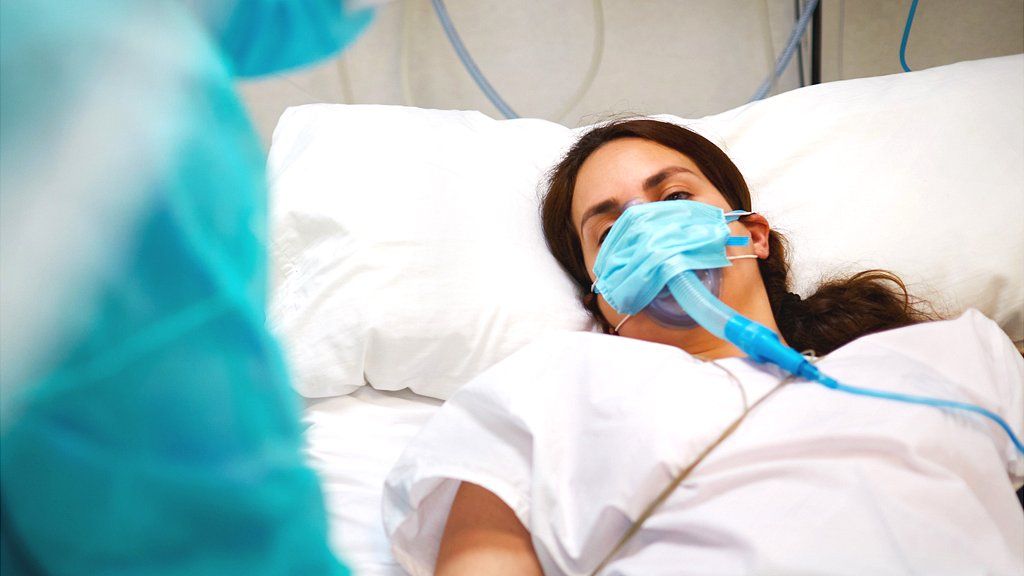
Woman in hospital bedIMAGE COPYRIGHTGETTY IMAGES

The UK government has announced it's setting up a new taskforce to investigate antiviral treatments coronavirus patients can take at home.

It says the aim is to identify at least two effective treatments this year, in the form of pills, to help people fight off early Covid symptoms.

Alongside Covid-19 vaccines, a number of drugs are being tested as possible treatments for people who already have the disease.

Most of these are existing drugs that are being trialled against the virus.

What work is being done to find treatments?

  • The UK is running the the world's largest clinical trial, called Recovery, with more than 12,000 patients taking part - it is one of the few trials to have given a definitive view on which drugs do and do not work
  • The World Health Organization (WHO) is running the the Solidarity trial to assess promising treatments in countries around the world
  • The Principle trial - run by the University of Oxford - is looking for medicines which will help people recover from Covid symptoms at home
  • Multiple pharmaceutical companies are running trials of their own drugs

There are three broad approaches being investigated:

  • Antiviral drugs that directly affect the coronavirus's ability to thrive inside the body
  • Drugs that calm the immune system (severe Covid-19 is caused by patients' immune systems overreacting and damaging the body)
  • Antibodies that can target the virus, taken from either survivors' blood plasma or made in a lab

It is possible that different drugs will work better at different stages - such as antivirals at the beginning and immune drugs in late-stage diseases. Combinations of therapies will also be investigated.

Steroid treatments

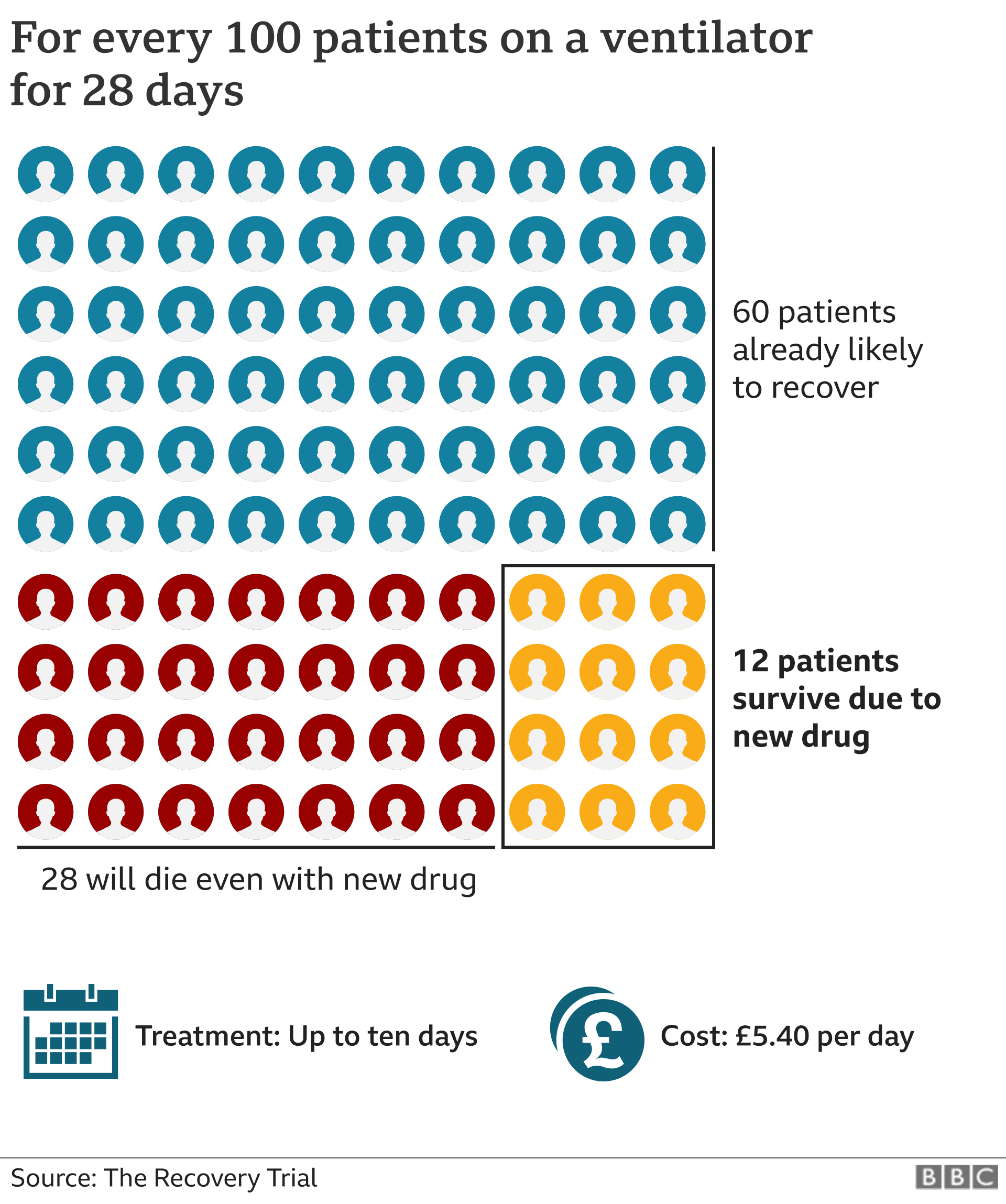
The steroid dexamethasone has been shown to cut the risk of death by a third for patients on ventilators and by a fifth for those on oxygen.

Further data suggests another steroid, hydrocortisone, is equally effective too.

Both calm down inflammation (part of the immune response) in the body, which can become damaging in severe cases.

Crucially, dexamethasone is also cheap which means it could be used all around the world.

However, the drug does not work on people with milder symptoms.

How patients on ventilators would fare on dexamethasone

A steroid drug commonly used to treat asthma has been shown to help vulnerable people with early Covid symptoms recover more quickly at home.

After encouraging early trial results, the NHS says budesonide can now by prescribed by GPs as an inhaler.

Tocilizumab and sarilumab

Researchers report encouraging results from two anti-inflammatory medications, tocilizumab and sarilumab.

In a trial carried out in six different countries, including the UK, with about 800 intensive care patients, the drugs reduced the number of deaths from 36% to 27%.

Another study, called RECOVERY, also found tocilizumab added to the life-saving effects of dexamethasone.

Tocilizumab and sarilumab dampen down inflammation, which can go into overdrive in Covid patients and cause damage to the lungs and other organs.

Doctors could give them to a Covid patient who, despite receiving dexamethasone, is still deteriorating and needs intensive care.

The research findings have not yet been peer-reviewed or published in a medical journal.

Interferon beta

Interferon beta, a protein which the body produces when it gets a viral infection, is at the centre of a large trial in the UK.

It's being given to hospitalised Covid patients in the form of a spray which is inhaled.

The hope is that the drug will stimulate the immune system, priming cells to be ready to fight off viruses.

Early findings suggest interferon beta (which is normally used for treating multiple sclerosis) could cut the odds of a Covid patient in hospital developing severe disease - such as requiring ventilation - by almost 80%.

What other drugs have been trialled?

Remdesivir is an antiviral drug - originally developed to treat Ebola - that showed promising early results.

However, in October 2020, the World Health Organization advised against its use for Covid, saying that it "appeared to have little or no effect on hospitalised Covid", in terms of either death rates, length of stay in hospital, or seriousness of illness.

Banner image reading 'more about coronavirus'

What do I need to know about the coronavirus?

Banner

Can malaria drugs stop coronavirus?

Chloroquine, and the related drug, hydroxychloroquine, may have antiviral and immune-calming properties.

The drugs were thrust into the spotlight as potential coronavirus therapies, largely because of claims made by President Trump, and because early laboratory tests showed they could inhibit the coronavirus.

media captionEpidemic v pandemic: What's the difference?

Can survivors' blood treat coronavirus?

People who survive an infection should have antibodies in their blood that can attack the virus.

Blood plasma (the part which contains the antibodies) can be extracted from those who have recovered and then given to sick patients as "convalescent plasma".

It was hoped transfusing seriously-ill patients with the plasma could give struggling immune systems a helping hand.

But a trial in hospital patients found using blood plasma does not reduce deaths or improve outcomes for those in intensive care.

However international trials are continuing to examine if plasma might help much earlier in the disease, before people get to hospital. Blood plasma is still being collected in the UK.

The US Food and Drug Administration (FDA) has given emergency authorisation for the use of plasma to treat coronavirus patients based on promising results from early trials - although some experts say it's too soon to know how effective the treatment is.

media captionAnn "felt so well" after being given plasma from patients who recovered from Covid-19

Why do we need treatments as well as vaccines?

While vaccines can stop people from contracting Covid and becoming seriously ill, treatments will still be needed for those who already have it.

Having an effective treatment would, in essence, make coronavirus a milder disease.

If it stopped people with Covid at home from needing hospital treatment or stopped those admitted to hospital from needing ventilation, then there would be less risk of hospitals and intensive care units being overwhelmed.

Follow James on Twitter


https://www.bbc.com/news/health-52354520