Pages

Showing posts with label Cancer - Kidney. Show all posts

Thursday, 4 July 2019

Hidden Factor Behind Kidney Disease Epidemic

In a new report authored by researchers at Johns Hopkins University, people who use proton pump inhibiting drugs to treat heartburn (acid reflux) are at a 20% to 50%increased risk for developing chronic kidney disease.1

LIFE EXTENSION MAGAZINE
February 2017
By William Faloon

William Faloon
William Faloon
The prevalence of kidney disease is increasing in persons 60 years and older. This has led researchers to investigate what new factor is behind this mounting kidney failure problem.
To put this in perspective, a study period ending in 1994 found chronic kidney diseasepresent in 18.8% of older individuals. A study period ending in 2008 found chronic kidney disease in this same age group (60+ years) had surged to 26%. That’s a 38%increase over a time-frame of only 14 years.2
More than 1 in 10 American adults now have some stage of chronic kidney disease.1 Many are unaware of their kidneys failing and the increased risk for heart disease that this carries.3
Those afflicted with chronic kidney disease have higher homocysteine4,5 and C-reactive protein6,7 levels, along with reduced production of nitric oxide.8,9 So it is not surprising that kidney impairment elevates vascular disease risk.10
So why is kidney disease skyrocketing in persons over age 60?
Hypertension has long been a prime factor, but greater steps to control blood pressure have been taken in more recent years.
Diabetes is a culprit and poor glycemic control has been on the rise, as are increases in average body (fat) mass.
Overlooked is the impact that drugs have on the kidneys. Common pain relievers such as ibuprofen are notoriously damaging to kidneys, yet few warnings about their nephrotoxic effects are provided to consumers.11,12
The new report found risk of kidney damage is dose dependent. People who took two daily doses of drugs like Prilosec® or Prevacid® had a higher risk compared to one daily-dose users.
One aspect of the study analysis suggests twice-daily proton pump inhibitor dosing was associated with a 46%higher risk of chronic kidney disease than once-daily dosing, which was associated with a 15% higher risk.1
Fundamental changes to reverse this upward trend of kidney disease are urgently needed.
This article will make some suggestions about protecting renal function as we age, and what those who suffer gastroesophageal reflux (GERD) should change in light of the disturbing findings about proton pump inhibitors.
Heartburn (acid reflux) has plagued mankind throughout recorded history. Some of our founding fathers suffered horrific bouts of heartburn for which there was no effective treatment.13
In 1992, I woke up to a sharp stabbing pain in my chest. A quick visit to a gastroenterologist resulted in a diagnosis of esophagitis (caused by reflux). A proton pump inhibitor drug (Prilosec®) was prescribed and my pain disappeared in a few days.
What did people do before proton pump inhibitors were discovered I wondered? Unlike older medications (such as Tagamet®) that only reduce stomach acid, proton pump inhibitors block it altogether (if used every 12 hours).
Considering that up to 30% of Americans have symptomatic heartburn that occurs at least once weekly, and more than 40% of Americans have it to one degree or another,14 the advent of proton pump inhibitors would have been a miraculous solution—if it were not for the side effects that occur when stomach acid is chronically blocked.

Increased Fracture Risk in Users of Proton Pump Inhibitors

Fracture Risk 
Proton pump inhibiting drugs block stomach acid production, which often provides rapid relief from heartburn symptoms. Yet hydrochloric acid secreted by our stomach is needed to break down foods to facilitate absorption of essential nutrients.
As people age, the gradual decline in stomach acid production makes it difficult to absorb minerals. Chronic use of proton pump inhibitor drugs can severely impair absorption of calciummagnesiumiron and certain vitamins.15-19
Proton pump inhibitors are now considered to be culprits behind higher rates of osteoporosis.20,21 Studies show that regular users of proton pump inhibitors have a 10% to 40% increased risk of bone fractures.15,22-27
In addition, users of these heartburn-relieving drugs suffer higher incidences of pneumonia and bacterial infection (Clostridium difficile).28,29

Vitamin B12 Deficits

Stomach acid is part of the digestive juices needed to absorb vitamin B12. You need acid to separate vitamin B12 from food.
When stomach acid is blocked for an extended period, vitamin B12 deficiencies occur30-32 and can manifest as neurological impairment (sometimes leading to dementia),33 anemia,34 elevated homocysteine,35 and other disorders.
One study found that vitamin B12 deficiency was 65% more common in long-term users of proton pump inhibitors.32 The degree of the B12 deficit correlated with the dose of the proton pump inhibiting drug, i.e. the higher the daily dose, the greater the B12 deficit.
Discontinuation of the proton pump inhibitor resulted in a reversal of the vitamin B12 deficit.32
Those who need to take daily proton pump inhibitors can obtain sufficient B12 levels by taking 1,000 mcg injections of B12 three times a week, or by taking daily sublingual B12 lozenges.

Heart Attacks in Proton Pump Inhibitor Users
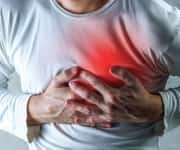
IMAGE TAG 
Stomach acid is required for optimal absorption of nutrients like selenium and magnesium. Aging individuals who don’t supplement with essential nutrients are often deficient. If they take a proton pump inhibitor and don’t supplement, they are at risk for severe nutrient deficiencies.
When the body is deprived of calcium, it robs it from the bones, which results in release of bony constituents that contribute to coronary artery calcification.36,37
The mineral deficit most frequently associated with proton pump inhibitor use is magnesium. Several studies show frank magnesium deficits in response to suppressing stomach acid with proton pump inhibitors.17,18,38
So it should come as no surprise that people who regularly use proton pump inhibitors suffer heart attack rates higher than nonusers.39-41 A recent study found a 1.58-fold greater risk of heart attack amongst proton pump inhibitor users.39
Users of acid-blocking drugs not only suffer magnesium deficiency, but a lack of vitamin B12 causes their homocysteine levels to surge. These twin vascular risk factors help explain the higher risk of heart attack and stroke in long-term proton pump inhibitor users.

Kidney Damage

Scientists grew suspicious of proton pump inhibitors because they can cause acute interstitial nephritis,42-44 a condition in which spaces between the kidney tubules become swollen and interfere with filtration of toxins out of one’s blood.45
A large case-control study published in 2013 revealed that patients presenting with acute kidney failure were more than twice as likely to be using a proton pump inhibitor drug.46 Typically, acute kidney-failure patients recover rapidly after they withdraw from proton pump inhibiting drugs, but it may take up to three months and in some cases require additional therapy.47
Based on data showing proton pump inhibitors create acute kidney problems, researchers at Johns Hopkins University sought to evaluate the impact on a large group of people over a 6-year period.
A total of 10,482 subjects with a mean age of 63 years were selected from a study titled Atherosclerosis Risk in Communities. The study used several forms of analysis to rule out confounding factors that might have caused chronic kidney disease. The findings from this study published in 2016 revealed that regular proton pump inhibitor use was associated with:1
  • 35% increased incidence of chronic kidney disease (time-varying analysis)
  • 45% increased incidence of chronic kidney disease (unadjusted analysis)
  • 50% increased incidence of chronic kidney disease (adjusted analysis that took into account demographic, socioeconomic and clinical variables)
Proton pump inhibitor users were more likely obese and taking antihypertensive medications, which might have increased chronic kidney disease incidences beyond that associated with acid-blocker drugs like Nexium®, Prilosec®, and Prevacid®.
Interestingly, GERD patients who used older drugs like Tagamet® did not show an increase in chronic kidney disease incidence.
A large study published in 2016 confirmed these findings. The study’s authors compared users of proton pump inhibitors (Nexium®, Prevacid®, et al.) to older line drugs like Tagamet® (cimetidine). Patients who took the proton pump inhibitors had a 96% increased risk of developing kidney failure and a 28% increased risk of chronic kidney disease.48
Although we know that hypertension, heart disease, diabetes, and family history are risk factors for kidney disease,49 these findings suggest that proton pump inhibitors are also associated with chronic kidney disease and kidney failure afflicting older individuals.

What GERD Sufferers Should Do
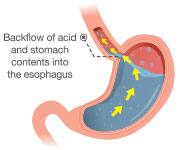
IMAGE TAG 
GERD can be a frustrating, vexing problem. It is not caused by excess stomach acid.
The underlying reason for GERD is failure of the sphincter valve between the stomach and esophagus to properly close. This enables stomach contents that include enzymes, food, drink, bile, and acids to reflux back up into the delicate esophageal lining. The outward symptomatic effect is heartburn. The long term impact can be an increased risk for Barrett’s esophagus, a type of change in the epithelium (lining) of the esophagus which may increase the risk for a type of esophageal cancer.50-52 Though the increase in risk of Barrett’s esophagus is not known with certainty, most medical experts suggest the long-term risk is around 15%-20%, which necessitates an upper endoscopy to assess the esophagus lining every three to five years in chronic GERD sufferers.53-55
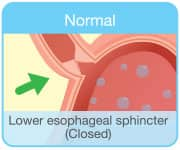
IMAGE TAG 
Lifestyle modifications that can mitigate or eliminate GERD include weight loss, reducing or eliminating caffeine/alcohol/nicotine, reducing meal size, not eating late in the evening, and elevating the head end of one’s bed so that gravity holds down stomach contents that otherwise enter the esophagus while one sleeps.56-61

IMAGE TAG 
While these GERD-mitigating steps work reasonably well, few people implement them consistently.
The convenience of taking a proton pump inhibitor to prevent heartburn has resulted in large swaths of the aging population taking this drug every day, but doing nothing to correct the underlying problem causing GERD.
QUOTE FROM STUDY PUBLISHED BY AMERICAN MEDICAL ASSOCIATION
“Chronic kidney disease (CKD) affects approximately 13.6% of adults in the United States, is associated with a substantially increased risk of death and cardiovascular events, and accounts for a disproportionately large burden on the financial resources of Medicare. The increasing prevalence of CKD among communities cannot be fully explained by trends in known risk factors, such as diabetes mellitus and hypertension, suggesting that other variables may contribute to the disease process. Medication use may be a potential factor, particularly given tendencies toward polypharmacy. Identifying iatrogenic risk factors for CKD may help to promote the rational use of medications and reduce the burden of CKD worldwide.”1
Proton Pump Inhibitor Use and the Risk of Chronic Kidney Disease,” JAMA Internal Medicine,February, 2016.

Raft-Forming Alginates

Several years ago, Life Extension® introduced a chewable tablet that, when taken during a meal, forms a temporary protective barrier between the stomach and esophagus to prevent stomach contents from refluxing.
Most users found the chewing of these tablets at mealtime to be inconvenient and did not continue with them. This is somewhat understandable considering how easy it is to pop a 20 mg tablet of Prilosec® (omeprazole) once or twice a day to stop heartburn symptoms from manifesting.
With data mounting about the side effects of long-term use of proton pump inhibitors, those with mild to moderate GERD should consider lifestyle changes and a new approach described in this issue of Life Extension.
Severe GERD sufferers should strike a balance between a less frequent dose of the proton pump inhibitor, once symptoms are resolved, and “on demand” therapy if appropriate.
Lifestyle modifications and occasional use of raft-forming alginates should be considered to give the body a break from chronic proton pump inhibitor use.
Sublingual and/or vitamin B12 injections are recommended for those who continue daily use of proton pump inhibitors (hopefully no more than once a day).

New Chewable Antacid Tablets

The article on page 40 of this issue describes a novel antacid utilizing magnesium, calcium, and licorice extract. This unique formula is designed to neutralize acid in the esophagus and promote movement of stomach contents away from the delicate esophageal lining.
This antacid lozenge can help GERD sufferers reduce or eliminate reliance on proton pump inhibitor drugs.
OUR FRAGILE KIDNEYS
Our Fragile Kidneys
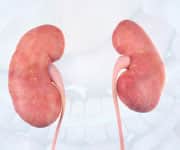
Most people don’t understand the delicate nature of the tiny structures that comprise their kidneys. Even fewer realize that kidney function involves more than merely removing toxic waste from the blood.
The kidneys support water/fluid balance, secrete hormones to make red blood cells, maintain electrolyte levels and regulate blood pressure. They are also involved in maintaining healthier levels of precursors to endothelial nitric oxide.
Every day, our two kidneys filter about 120 to 150 quarts of blood to produce about 1 to 2 quarts of urine.62
Those with chronic kidney disease often have sharply higher homocysteine and C-reactive protein levels that predispose them to a myriad of cardiovascular disorders.
Maintaining youthful kidney function is of utmost importance if one’s goal is to live a long and healthy life. Yet far too little attention is paid to these critical organs. Documented chronic kidney disease risk factors are:
  • Diabetes63-65 and metabolic syndrome66
  • High blood pressure64,67
  • Obesity64,68
  • Toxic medications69,70
Overlooked is the adverse impact that poor dietary patterns and normal aging inflict on the fragile structures (glomeruli) that comprise the filtering units of our kidneys.
Supplemental nutrients that have been shown to protect and support healthy kidney function include coenzyme Q10,71,72 omega-3s oils,73,74 and N-acetylcysteine.75,76

Importance of Blood Tests to Evaluate Kidney Health
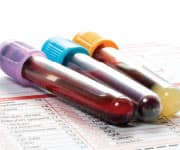
IMAGE TAG 
No one should wait for kidney disease to manifest where it may progress toward end-stage renal failure. This is especially important for users of proton pump inhibitors (and pain relieving drugs).
A comprehensive CBC/chemistry blood test evaluates markers of kidney function such as creatinine and blood urea nitrogen.
The safe upper limit for serum creatinine is 1.00 (mg/dL). Any fractional number over this (such as 1.1) raises concern that can signal the need for the most accurate blood test to evaluate kidney function, called cystatin-C.
Cystatin-C is an underutilized blood marker, which is regrettable because it provides a far more accurate indicator of kidney function than the standard kidney tests.77 Optimal levels of cystatin-C are less than 0.91 mg/L. Any result that comes back higher indicates the presence of kidney disease.
If caught in time, cystatin-C levels can be brought back to normal by discontinuing suspected drugs, such as ibuprofen and/or a proton pump inhibitor.
The only factor that impedes routine use of the cystatin-C blood test is its high cost. Commercial labs charge around $200 for it. Life Extension offers the cystatin-C blood test to consumers for $99.
A comprehensive CBC/chemistry blood test that includes dozens of important markers such as glucose, lipids, and blood counts, along with markers of liver and kidney function, can be obtained directly from Life Extension for only $35.
Cystatin-C provides an earlier indicator of kidney impairment than tests like creatinine that are included in the CBC/chemistry panel.
In light of the new findings, long-term users of proton pump inhibitors should consider ordering the cystatin-Cblood test as this provides the earliest warning to cut back or discontinue use of proton pump inhibitor drugs. The CBC/chemistry and/or cystatin-C blood tests can be ordered by calling 1-800-208-3444 or at LifeExtension.com/CBCPlus

Try Reducing Frequency and Dose – “On Demand” Therapy

A number of published papers conclude that Americans are overusing proton pump inhibitor drugs.78-80
The medical literature reveals a dose-response relationship regarding the side effects these drugs induce.1
As reported in the introduction to this article, a recent study has observed increased risks of chronic kidney disease in users of proton pump inhibitors, and the risk may be higher in those who take two doses a day instead of one. Most proton pump inhibitors start to wear off after 12 hours, so by taking only one of these drugs a day, there is at least some restoration of stomach acid production to help better absorb vital nutrients.
Studies dating back 25 years, however, demonstrate that proton pump inhibitors themselves can induce acute interstitial nephritis, which is a condition in which spaces between the kidney tubules become swollen and interfere with filtration of toxins out of one’s blood.81-83
These data should prompt you to consider reducing the dose frequency of your proton pump inhibitor medication to three times per week. Studies that have examined the possibility of intermittent therapy in patients with GERD, however, have been inconsistent as it relates to heartburn relief.
All things considered, an attempt to restrict intake of proton pump inhibitors to “on-demand” dosing, along with the regular use of a novel antacid lozenge described in this issue, may be an effective alternative solution to chronic use of acid-suppressing drugs.

Don’t Be a Victim of Medical Ignorance

IMAGE TAG 
Proton pump inhibitor drugs provide almost immediate relief from heartburn symptoms and can facilitate a cure for esophagitis.
In 2013, more than 15 million Americans were prescribed proton pump inhibitors and many more bought this class of drug over the counter.1,84 Study findings suggest that chronic prescribing of these drugs is not medically indicated in many cases.85 One study found that 27% of long term proton pump inhibitor users could discontinue therapy without encountering symptoms.86
Published studies show consistent associations between use of these acid-blocking drugs and higher risk of chronic kidney disease.42,43,46,48 This disorder has increased in prevalence during a time period that corresponds with widespread use of proton pump inhibitors.1,48
Many GERD sufferers have come to rely on proton pump inhibitors to offset the heartburn-inducing effects of eating large meals, excessive ethanol consumption and carrying too much weight.
Common-sense lifestyle changes can enable those with GERD to reduce or eliminate reliance on proton pump inhibitors.
A preponderance of clinical data indicates that this will beneficially result in a reduction in risks of bone fracture, heart attack, stroke, infections, dementia, and kidney failure.
Blood tests can readily reveal if kidney damage is occurring and provide an early warning to discontinue certain drugs before permanent kidney damage manifests.
Please turn this page to see how easy it is to obtain low-cost blood tests that can help you maintain optimalhealth throughout the New Year.
For longer life,

For Longer Life
William Faloon


Thursday, 15 December 2016

MUST READ: DCA - Overlooked drug beats cancer, confirms “nutty” theory of what causes it

“These kinds of results to my mind are as good as it gets,” enthused Professor Evangelos Michelakis, a cancer researcher from the University of Alberta in Canada back in 2007.
He and his team succeeded in shrinking human brain, breast and lung tumors implanted into rodents by 70% in just a few weeks, with no side effects. Their acheivement sparked a huge amount of interest in the cancer community at the time.
Prof. Michelakis was hopeful that human trials would soon follow. But there was a problem. . .

Newsletter #662
Lee Euler, Editor
The pharmaceutical drug he used in the research study was long out of patent and extremely cheap. That meant no drug company was interested in pursuing it. He would have to rely on private or government funding. Not much was forthcoming.
Nine years on there has been little in the way of human research, but some pioneering cancer centers are making use of dichloroacetate or DCA, and they are getting some exceptional results.
The salt and vinegar molecule
DCA is a very simple chemical resembling a combination of salt and vinegar with an additional chlorine atom.
It has been used in medicine for decades mainly to treat a rare metabolic disease called congenital lactic acidosis, so a considerable amount of research had already been conducted before the University of Alberta team came along.
The method by which DCA works against cancer harks back to the observation made by Nobel Prize-winning scientist Otto Warburg back in the 1920s, that cancer cells derive their energy in a different way from healthy cells.
Normally cells generate most of their energy by utilizing oxygen in the mitochondria, the power plants of the cell. These structures can also trigger faulty cells to commit suicide, a process called apoptosis.
In cancer, however, the mitochondria generate energy by a fermentation process, mainly without the presence of oxygen. It’s a process that depends on the availability of sugar. Cancer cells are also able to switch off the mitochondria and evade apoptosis.
DCA works by rebooting the mitochondria so the cancer cell recognizes itself as abnormal and self-destructs.
The first human trial, also conducted by the Canadian team, involved 49 patients with advanced glioblastoma — an aggressive form of brain cancer. Adding DCA to tumor samples confirmed that the mitochondria are turned back on.
When the researchers administered DCA to five of the patients for 15 months, they found, after comparing before and after tissue samples, that cancer cell growth was suppressed, more cancer cells were undergoing apoptosis, and the metabolism of stem cells — believed responsible for the recurrence and spread of cancer — was altered. Four of the five patients lived much longer than expected.
The Michelakis studies had a big impact because they challenged the prevailing view that mutated genes cause cancer, not faulty metabolism in the mitochondria – in other words, the metabolic theory that originated with Warburg.
Mainstream researchers assume that a cell’s switch to a different source of energy takes place after it turns into a cancer cell, not that a cell turns cancerous because of a change in the way it generates energy, which is what Warburg believed.
Prof. Michelakis said, “The timing was right because the metabolic theory of cancer was being born [again].”
Other lab research since has shown that DCA:
  • builds up in the body over time
  • is able to penetrate the brain
  • reduces the growth of blood vessels that tumors need to grow
  • causes apoptosis in endometrial, epithelial ovarian and malignant brain tumors
  • is effective against advanced cervical carcinoma
  • has antiproliferative properties and generates apoptosis against breast cancer
  • produces cytotoxic effects in prostate cancer cells
  • reduces colon tumors by up to 40%
  • encourages the death of glioma stem cells
  • has positive effects on aggressive neuroblastoma
  • enhances the effect of other cancer drugs
DCA case reports
While research into DCA continues, if you or someone you love has cancer you probably want to know if you should seek out this treatment now.
There are no controlled clinical trials. However, a number of case reports have been presented and most have been published in medical journals.
Researchers from the International Strategic Cancer Alliance in Oregon published the case of a man who relapsed after conventional treatment for non-Hodgkin’s lymphoma.
Full clinic records, pathology, imaging and lab reports were available to document that after using DCA as the only therapy, he experienced complete remission and remained well four years later.
Dana Flavin from The Foundation for Collaborative Medicine and Research, Greenwich, CT presented the case of a 51-year-old man suffering from medullary thyroid cancer that had spread to the lung.
Conventional therapy brought him partial remission, but he relapsed, and all attempts at recovery failed. He then started on DCA. Six months later, a PET scan showed dramatic reduction of tumors. He remained in remission nearly a year later.
Dr. Walter Lemmo, a naturopathic physician in Vancouver, Canada, presented two adult cases. In the first, a patient with a type of brain tumor called anaplastic oligodendroglioma was given DCA because the patient wanted the tumor eliminated even though her condition was stable.
After several months of DCA treatment “the tumor was either dead or inactive.”
The second patient had lung cancer with brain metastasis. She was not expected to live more than a few months, but following the introduction of DCA she survived another 64 weeks.
Dr. Gurdev Parmar from the Integrated Health Clinic, Fort Langley, Canada, reported the case of a patient with stage 4 colorectal cancer who was no longer receiving chemotherapy because of a lack of benefit. The patient had no evidence of the disease after nearly one year on DCA. Another patient with the same disease, rapidly metastasizing, became stable after receiving DCA and has remained so for two years.
The approach of one pioneering doctor
One doctor with a great deal of experience in using DCA is Akbar Khan, MD, medical director of Medicor Cancer Centres, Toronto, Canada.
Originally a skeptic of unorthodox approaches, he only admitted a naturopath into his private cancer clinic in 2006 to stop patients from self-medicating with vitamins and herbs, etc., and not informing him.
He said he “didn’t expect much in the way of benefit” but it wasn’t long before his opinion took a 180º turn.
“I was amazed by how many problems conventional medicine has no answer for, yet natural medicines provide safe, effective, and inexpensive solutions.”
Dr. Khan’s view is now quite different: “My greatest concern is helping patients. If it works, who cares where it comes from?”
He started to use DCA after seeing the results of the Michelakis studies. He saw good responses in the first 20 patients and has continued using it ever since, in combination with other therapies.
Not everybody responds to DCA, but about six to seven patients out of ten do.
Originally DCA was taken orally, but it’s now used intravenously as well. Taking DCA by mouth usually causes side effects. These can include numbness in the fingers and toes, memory problems, confusion, behavior changes and even hallucinations.
However, by combining DCA with R-alpha lipoic acid, acetyl L-carnitine and benfotiamine (a derivative of vitamin B1) these side effects are minimized, allowing the liberal use of an effective anti-cancer agent that would otherwise have to be used sparingly.
Dr. Khan has also published five case reports. The first of these was in 2012. A 72-year-old woman who suffered from metastatic kidney squamous cell carcinoma was treated with DCA for three months following radiotherapy. Imaging studies showed no sign of metastatic disease. This was still the case four years later. Five years on, the patient remains well and lives a normal, active life.
The last case report was published in the World Journal of Clinical Cases in October 2016. Oral DCA therapy was able to stabilize stage 4 colon cancer in a 47-year-old woman for what is currently almost four years.
In addition to the three clinics mentioned in Canada, DCA therapy is also available from Sunridge Medical Wellness Center in Scottsdale, Arizona.
http://www.cancerdefeated.com/overlooked-drug-beats-cancer-confirmsnutty-theory-of-what-causes-it/3902/

Tuesday, 8 November 2016

Onions — A Powerful Anti-Cancer Food Staple

Please Don't Overpeel This Vegetable
Packed with anti-cancer compounds, it can slash your risk of several types of cancer - but please don't overpeel as it can reduce its quercetin and anthocyanin content by as much as 20 percent and 75 percent respectively.

07 November 2016

onions anti cancer food

Story at-a-glance

  • People with the highest consumption of onions have a lower risk of several types of cancer, including ovarian, endometrial, liver, colon, kidney, esophageal, laryngeal, prostate, colorectal and breast cancer
  • Onions contain several anti-cancer compounds, including quercetin, anthocyanins, organosulfur compounds such as diallyl disulfide (DDS), S-allylcysteine (SAC) and S-methylcysteine (SMC), and onionin A (ONA)
  • ONA may offer protection against epithelial ovarian cancer, the most common type of ovarian cancer; quercetin helps protect against ovarian, breast, colon, brain and lung cancer
By Dr. Mercola
If you're interested in using food to lower your risk of cancer, remember to eat lots of onions. Research shows that people with the highest consumption of onions (as well as other allium vegetables) have a lower risk of several types of cancer, including:1,2,3,4
  • Liver, colon5 and renal cell (kidney)
  • Esophageal and laryngeal
  • Prostate6 and colorectal
  • Breast7
  • Ovarian and endometrial
Onions contain several anti-cancer compounds, including quercetin, anthocyanins, organosulfur compounds such as diallyl disulfide (DDS), S-allylcysteine (SAC) and S-methylcysteine (SMC), and onionin A (ONA).

Onion Compound Suppresses Ovarian Cancer

Starting with the latter, ONA was recently found to offer protection against epithelial ovarian cancer (EOC),8 the most common type of ovarian cancer. As noted by Medical News Today:9
"With a 5-year survival rate of approximately 40 percent, effective treatments for the illness are needed.
Although new cases of EOC ranks 10th among female malignancies, the team says the number of deaths due to this type of ovarian cancer ranks fifth in the United States.
About 80 percent of patients with EOC have a relapse after initial chemotherapy treatment."
ONA, it turns out, slowed growth of EOC. The compound also inhibited other cancerous activities, and enhanced the effects of anti-cancer drugs. Mice fed ONA also lived longer. According to the authors:
"We found that ONA reduced the extent of ovarian cancer cell proliferation induced by co-culture with human macrophages. In addition, we found that ONA directly suppressed cancer cell proliferation.
Thus, ONA is considered useful for the additional treatment of patients with ovarian cancer owing to its suppression of the pro-tumor activation of [tumor-associated macrophages] and direct cytotoxicity against cancer cells."

The Stronger an Onion's Flavor, the More Effective Its Anti-Cancer Effects

Previous research has revealed that the stronger the flavor of the onion, the better its cancer-fighting potential. A 2004 study, in which food scientists analyzed 10 different varieties of onion, the following were found to be particularly effective against liver and colon cancer:1011
  • Liver cancer: shallots, Western yellow onion, pungent yellow onion
  • Colon cancer: pungent yellow onion, Western yellow onion
Northern red onions were also found to be high in anti-cancer chemicals, just not quite as potent as the others listed.
Mild-flavored onions, such as Empire Sweet, Western white, Peruvian sweet and Vidalia had the lowest antioxidant activity, making them less potent in terms of anti-cancer benefits. According to lead author, Dr. Rui Hai Liu, an associate professor of food science:
"Onions are one of the richest sources of flavonoids in the human diet, and flavonoid consumption has been associated with a reduced risk of cancer, heart disease and diabetes.
Flavonoids are not only anti-cancer but also are known to be anti-bacterial, anti-viral, anti-allergenic and anti-inflammatory …
Our study of 10 onion varieties and shallots clearly shows that onions and shallots have potent antioxidant and antiproliferation activities and that the more total phenolic and flavonoid content an onion has, the stronger its antioxidant activity and protective effect."

Quercetin — Another Potent Anti-Cancer Compound

Quercetin, another anti-cancer compound found in onions, has been shown to decrease cancer tumor initiation and inhibit the proliferation of cultured ovarian, breast, and colon cancer cells. It's also associated with a decreased risk for brain cancer,12 and a lower risk of lung cancer if you're a smoker.13
Quercetin has also been shown to help lower blood pressure in hypertensive patients,14 and helps prevent histamine release, making quercetin-rich foods such as onions "natural antihistamines."
Quercetin is available in supplement form, but getting this flavonoid naturally from onions makes more sense for a couple of reasons:15
  • One animal study found that animals received greater protection against oxidative stress when they consumed yellow onion in their diet, as opposed to consuming quercetin extracts.16
  • Quercetin is not degraded by low-heat cooking, such as simmering, making onion soup an easy-to-make superfood.

Other Beneficial Compounds Found in Onions

The organosulfur compounds DDS, SAC and SMC have also been found to inhibit colon and kidney cancer, in part by inducing cancer cell apoptosis (cell death), but also by inhibiting gene transcription and protecting against ultraviolet-induced immunosuppression.17 Onions are also a good source of:
Fiber, which can help lower your cancer risk, especially colon cancer
Anthocyanins (red, purple and blue plant pigments found in red onions). Research has linked anthocyanins to a reduced risk for a number of diseases, including cancer, cardiovascular disease, and neurological dysfunction and decline.
They also help prevent obesity and diabetes, in part by inhibiting certain enzymes in your digestive tract, and by supporting healthy blood sugar control. They have potent anti-inflammatory effects, which helps explain their protective effects against chronic disease

The Many Health Benefits of Onions

While onions are gaining a reputation for their anti-cancer properties, the more we learn about onions, the more it becomes clear they offer whole body benefits.
That is the beauty of eating whole foods, after all, because they typically contain manybeneficial phytochemicals that enhance your health in numerous synergistic ways. As for onions, research has shown that including onions in your diet may offer the following benefits:19
Prevent inflammatory processes associated with asthma
Reduce symptoms associated with diabetes
Lower levels of cholesterol and triglycerides
Reduce symptoms associated with osteoporosis and improve bone health
Maintain gastrointestinal health by sustaining beneficial bacteria
Diminish replication of HIV
Reduce risk of neurodegenerative disorders
Lower your risk of cataract formation
Antimicrobial properties that may help reduce the rate of food-borne illness
Improvement of intestinal flora, improved absorption of calcium and magnesium due to the fructans they contain
Antibacterial, antifungal, antioxidant and anti-inflammatory properties
Improved heart health. The sulfur compounds have anti-clotting properties and help improve blood lipid profiles.
The allium and allyl disulphide in onions also help decrease blood vessel stiffness by enhancing nitric oxide release.
This may reduce blood pressure, inhibit platelet clot formation, and help decrease the risk of coronary artery disease, peripheral vascular diseases, and stroke

Tips for Storing and Preparing Onions

If learning about their health benefits has inspired you to eat more onions, you're in luck as they are incredibly versatile and come in a variety of colors and flavors. Keep in mind that the antioxidants tend to be most concentrated in the OUTER layers of the onion, so avoid overpeeling.
Ideally, peel off only the outermost paper-like layer. Peeling too many layers can reduce the onion's quercetin and anthocyanin content by as much as 20 percent and 75 percent respectively.20 One piece of good news is that quercetin does not degrade when cooked over low heat, so when you're making soup, for example, it simply transfers into the broth.
As for storing your onions, do NOT keep them in plastic. Whole, dry bulbs should be stored in a cool, dry, dark place with plenty of air movement to maximize shelf life.
To extend shelf life of sweet or mild onion varieties, which have a higher water content, you can store the whole bulbs in the fridge. Once an onion has been cut or peeled, it can be refrigerated in a sealed container for about a week before it starts going bad. Leaving a cut onion in room temperature can significantly reduce its antibacterial properties.21

Cooking With Onions

The video above demonstrates the best way to peel and dice an onion, while the chart below, both from the National Onion Association,22 provides a helpful summary of which types of onions are best used for various dishes.
ColorVariety or TypeAvailabilityRaw Flavor/TextureBest Usage
Yellow Onion:
All-purpose and most popular. The most well-known sweet onions are yellow.
The best type of onion for caramelizing is a yellow storage variety.
Cooking brings out this variety's nutty, mellow, often sweet, quality when caramelized.
Sweet
March-September
Crisp, juicy, mild flavor with a slightly sweet ending with little to no after-taste
Raw, lightly cooked, sautéed, or grilled
Fresh, Mild
March - August
Crisp, juicy, mild to slightly pungent with a faint after-taste
Raw, lightly cooked, sautéed, or grilled
Storage
August-May
Strong onion flavor, mild after-taste
Grilled, sautéed, caramelized, baked, or roasted 
Red Onion:
Red onions have gained popularity in the past decade, especially in foodservice on saladsand sandwiches because of their color. 
Sweet
March-September
Crisp, very mild onion flavor
Raw, grilled, or roasted
Fresh, Mild
March-September
Bright tones, slightly less water content than yellow with a slightly pungent ending
Raw, grilled, or roasted
Storage
August-May
Sharp, spicy, and moderate to very pungent
Raw, grilled, or roasted
White Onion:
White onions are commonly used in white sauces, potato and pasta salads, and in Mexican or Southwest cuisine.
Due to the compact nature of their cell structure, white onions do not store quite as long as other varieties.
Fresh, Mild
March-August
Moderately pungent and clean finish, very little after-taste
Raw, grilled, sautéed, or lightly cooked
Storage
August-May
Moderately pungent to very pungent and full flavored, but finishes with a cleaner and crisper flavor in comparison to yellow and red storage varieties
Raw, grilled, sautéed, or lightly cooked

http://articles.mercola.com/sites/articles/archive/2016/11/07/health-benefits-onion.aspx