Pages

Showing posts with label Fish. Show all posts

Thursday, 30 January 2020

Is this why the Japanese live longer?

Middle-aged adults who regularly eat miso paste added to sushi and soups are 10% less likely to die young, study finds
Daily Mail


Middle-aged adults who regularly eat miso paste added to sushi and soup may add years to life, according to Japanese researchers.
Almost 100,000 people in Japan were quizzed about their diet and then tracked for 15 years. 
Those who ate trendy fermented soy products - such as miso and natto - were 10 per cent less likely to die an early death.  
The researchers say this is likely to be because these products are high in beneficial compounds which help keep cholesterol stable, for example.  
Soy products in general, such as vegan favourite tofu, did not have an effect on mortality. 
Miso, which means 'fermented beans', is a paste added to sushi, soups and salad dressings. Natto is a dish consisting of fermented soybeans which are sticky and stringy.
Recently, soy has been increasing in popularity particularly among vegetarians in Western societies who are searching for protein sources. 
Miso paste.© Getty Miso paste.But Asian populations have typically eaten soy since ancient times. 
People in Japan - who typically live up to 84 years in comparison to the UK's 81 years - often begin their day with a hot bowl of miso soup to kick start their digestion.
The team led by National Cancer Centre, Japan investigated links between several types of soy products and death from any cause and from cancer, cardiovascular disease, respiratory disease, and injury. 
Data on 42,750 men and 50,165 women aged 45-74 years was collected from a study based in 11 of Japan's public health centre areas.

What else do the Japanese eat to boost life expectancy?

It’s widely known that the Japanese live long and healthy lives and experts believe it's down to their immaculate diet.
1. Fish 
Fish.© Getty Fish.
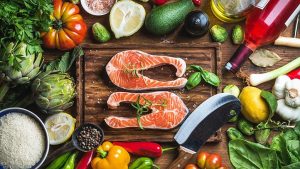
Fish are a great source of omega-3 fatty acids, responsible for maintaining a healthy heart. But not only do they keep the blood flowing, but they also benefit the brain, eyes and reduce inflammation. Fish are rich in selenium, which is vital for our antioxidant defences and immune system, and B vitamins that help to keep our brain chemistry in balance.
2. Seaweed
Seaweed.© Getty Seaweed.
Seaweed is rich in minerals, including iodine, zinc, magnesium, calcium, potassium and dozens of other trace minerals we need for our immune system, antioxidant defences and heart health.
3. Matcha tea
Matcha tea.© Getty Matcha tea.
Matcha is a traditional powdered green tea made from the fresh leaf tips of the tea plant. Green tea – matcha in particular – is high in a specific type of flavanols called catechins. These substances are thought to boost our body’s antioxidant defences. 
 4. Pickled vegetables
Pickled vegetables.© Getty Pickled vegetables.
Traditionally fermented pickled vegetables are a great source of natural probiotics. They can favour digestive health, help to digest and absorb the nutrients in the food we eat, which then benefits all areas of our health.
Participants filled in detailed questionnaires about their dietary habits, lifestyle, and health status, according to the findings published their findings in the British Medical Journal today.
Deaths were identified from residential registries and death certificates over a follow-up period of nearly 15 years.
The researchers found that a higher intake of fermented soy was linked to a significantly lower risk of all cause mortality at 10 per cent.
Total soy intake, including products like tofu, soy milk, okara, did not affect mortality.
5. Natto
Natto.© Getty Natto.
People who ate natto also had a lower risk of death from cardiovascular diseases, such as heart disease, than those who did not eat natto.
Natto is a traditional Japanese food made by fermenting soybeans with a fungus called bacillus subtilis natto.
No links were found between soy intake and cancer-related deaths.  
Results persisted even after further adjusting for the intake of vegetables, which was higher among those consuming larger portions of natto.
The authors point out that fermented soy products are richer in fibre, potassium and bioactive components such as isoflavone than their non-fermented counterparts.
Soy fibre has been shown to reduce cholesterol and keep weight stable, while isoflavone compounds may reduce blood pressure. 
However further research could investigate the exact mechanisms on the body.
In a linked editorial, experts said evidence such as this is increasingly suggesting that fermented soy products have health benefits. 
Natto snack.© Getty Natto snack.Kayo Kurotani and Hidemi Takimoto, of National Institutes of Biomedical Innovation, Health and Nutrition, Tokyo, wrote: 'Increasing evidence has suggested that fermented soy products are associated with health benefits. 
'Whether people eat those products depends on their food culture, but some countries already include soy and fermented soy products in their dietary guidelines.'
This is an observational study, so can't establish cause, and the researchers cannot rule out the possibility that some of the observed risk may be due to other unmeasured factors
For example, miso soup contained a high amount of salt in 1995 and 1998, when the surveys were conducted, before salt reduction measures came into place.
It could be that fermented miso is protecting those in the study from the health risks of salt.
https://www.msn.com/en-my/health/nutrition/is-this-why-the-japanese-live-longer-middle-aged-adults-who-regularly-eat-miso-paste-added-to-sushi-and-soups-are-10percent-less-likely-to-die-young-study-finds/ar-BBZsVRI?ocid=ientp

Monday, 9 December 2019

Study Says Fish Oil Drugs Can Protect Your Heart

.. medications that come from fish oil can protect people from fatal heart attacks, strokes and other types of heart disease.
Two major studies were published in 2018 in the New England Journal of Medicine after they were released at the American Heart Association’s 2018 Scientific Sessions in Chicago, Illinois.
The studies say that medications that come from fish oil can protect people from fatal heart attacks, strokes and other types of heart disease.
The studies focused on two aspects of Omega 3 fatty acids from fish oil.  In the one study which involved over 8,000 participants who were already taking statins, the additional use of two grams Vascepa twice a day were monitored and the study results showed they had less of a chance of serious heart issues.
Vascepa is a purified version of a fish oil component that targets triglycerides which when elevated can harden arteries and potentially lead to strokes and heart attacks.
Deepak Bhatt, who led the study and is the executive director of interventional cardiovascular programs at Brigham and Women’s Hospital in Boston, said the practice of cardiology could change with the use of Vascepa in the same way that it was changed 30 years ago with the development of statins.
Bhatt also said that he has been involved in clinical trials for a very long time and this latest trial has so much potential to improve the lives of tens of millions of people.
This first study was sponsored by Amarin Corp. which makes Vascepa.
The other research studied the effects of a different formula of Omega-3 fatty acids in a drug called Lovaza.  For this study 26,000 people were followed for over five years and suggested that 28 percent of the people who were given the drug were less likely to suffer a heart attach and 8 percent less likely to have a variety of heart illnesses.  Lead researchers say that more study needs to be done, however before the results can be relied on.
People in the second study were given 840 milligrams of Lovaza, less than what is found in a typical serving of salmon. The study also showed that participants who ate less than 1.5 servings of fish per week did see a drop in the number of heart attacks when they started taking the drug.
“The study “further supports . . . the benefits of Omega-3 in heart health,” said JoAnne Manson, chief of the division of preventive medicine at Brigham and Women’s Hospital, who led the study. Manson encourages people to have more fish in their diet and to at least start with two servings a week.
Fish oil has been shown to have many other health benefits as well.
Lovaza is produced by GSK and The National Institutes of Health sponsored the second study.


Monday, 15 October 2018

Hong Kong research warns of sunscreen health risks

NEW research in Hong Kong has found that UV filters commonly used in sunscreen are polluting surrounding waters and could endanger human health, one of the city’s leading universities said .
Hong Kong research warns of sunscreen health risks
There is growing international concern over the polluting effects of sunscreen.

An “extensive amount” of seven common UV filter chemicals was found in Hong Kong seawater as well as in fish, shrimps and mussels on aqua-farms, scientists from Hong Kong Baptist University told reporters.
“The effect of these contaminants passing along the food chain to humans and the long-term impact on human fertility cannot be neglected,” said Dr Kelvin Leung, who led the research.
Tests performed on zebrafish, which share a similar genetic structure to humans, showed the polluted water caused abnormalities and a higher mortality rate in the fish’s embryos as the chemicals entered the food chain.
The university described the study as a world-first in identifying the harm caused by a combination of polluting chemicals in sunscreen. Researchers said they would conduct further tests to learn more about the effects of UV filters on the human body.
The chemicals tested on the zebrafish study included octocrylene (known as OC), benzophenone-3 (known as BP-3) and ethylhexyl methoxycinnamate (known as EHMC), which were found to be the most abundant types of chemical UV filters in Hong Kong waters.
The European Union’s International Chemical Secretariat has already established BP-3 as a threat to human health and called for it to be replaced with another, safer ingredient. Dr Leung added that these chemicals can accumulate in the human body and cannot be dissolved or diluted simply by drinking water.
There is growing international concern over the polluting effects of sunscreen. Hawaii signed a bill in July to ban sunscreens containing chemicals harmful to coral reefs, which will take effect from 2021. But the ban raised concerns that it may deter consumers from using sunscreen to protect their skin from cancer.
Leung called for more regulations on the use of chemicals in personal care products and recommended consumers use mineral-based sunscreens such as titanium dioxide and zinc oxide, or wear sun-protection clothing. – AFP Relaxnews

https://www.star2.com/health/2018/10/15/sunscreen-health-risks/


Wednesday, 1 August 2018

The $300 Million Plan to Farm Salmon in the Middle of the Ocean

The semi-submersible Ocean Farm 1 off the coast of Norway can hold 1.5 million fish.

July 30, 2018

Towing the Ocean Farm 1 into the Norwegian Sea.
 SOURCE: SALMAR

Three miles off Norway’s rugged coast, 1.5 million salmon swim in a 220-foot-high, football-field-long mass of floating mesh-wire frames and nets. This is Ocean Farm 1, the world’s first deep-sea aquaculture project, designed by leading salmon farmer SalMar ASA. The company paid China Shipbuilding Industry Corp. $300 million upfront for six facilities that offer more space than conventional shoreline farms (large nets in sheltered waters) while diffusing fish waste, allowing them to be packed in tighter.

Ocean Farm 1
SOURCE: SALMAR


How It Works

Oxygen sensors and high-definition cameras monitor the salmon for, among other things, growth and signs of illness. Midway through Ocean Farm 1’s yearlong trial run, SalMar says it’s seen strong growth and low mortality rates.


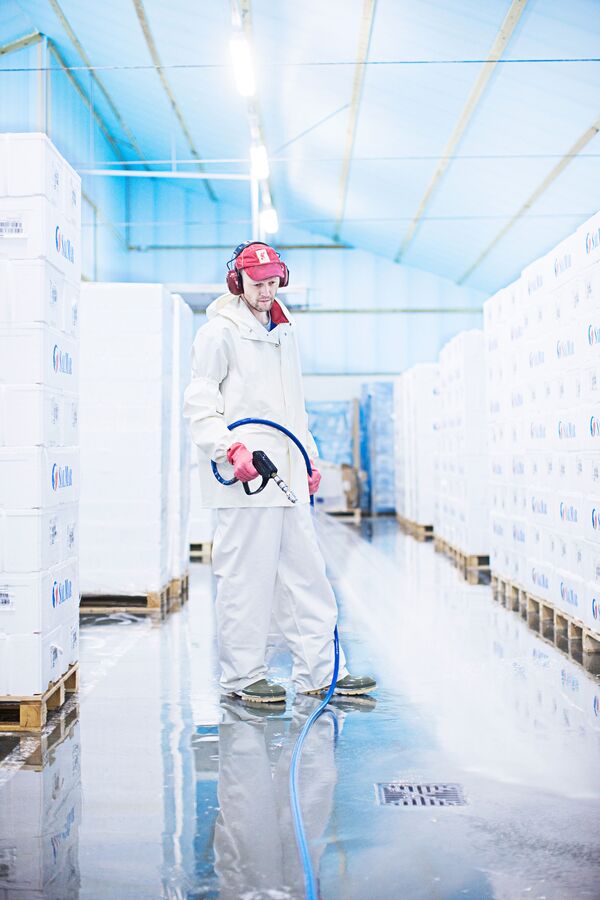
A SalMar employee cleaning the distribution center.
SOURCE: SALMAR


Sixteen movable, submerged valves disperse food at set times and allow fish to live at depths of up to 180 feet, rather than clustering them near the surface, as in other farms.


Next Steps

SalMar plans to harvest the farm’s first generation of salmon in the second half of the year and says that if the development phase is successful, it’ll be possible to establish fish farming anywhere in the open sea. The company says OF1 can withstand devastating waves, on the order of 50 feet.

One drawback: Packing so many fish so closely together heightens the risk of widespread disease if even a few get sick. It also forces the salmon to stay in much deeper water with less oxygen than they’re used to, which limits their growth, according to Tim Dempster, a marine ecologist and professor of biosciences at the University of Melbourne.

https://www.bloomberg.com/news/articles/2018-07-30/this-300-million-deepwater-platform-houses-1-5-million-salmon

Sunday, 29 April 2018

Salmon - Disguised as Healthy, Is This One of the World's Most Toxic Foods?

It should be one of the healthiest foods you can eat, but in recent tests it showed up about 5 times more toxic than any other food tested. Please be ultra-careful.


An Inside Look Into the Fish Industry Reveals Disturbing Facts That Could Threaten Your Health

April 30, 2016


Story at-a-glance

  • Salmon farming is a disaster both for the environment and for human health, and tests show farmed salmon is about five times more toxic than any other food tested
  • In animal feeding studies, mice fed farmed salmon developed obesity and diabetes — effects researchers believe are related to toxic exposures
  • Besides pesticides and antibiotics used in fish farming, the most significant source of toxic exposure is the dry pellet feed, which contains dioxins, PCBs, and other toxic pollutants

By Dr. Mercola
Nicolas Daniel’s documentary “Fillet-Oh-Fish” takes a critical look at the fish industry, featuring exclusive footage from fish farms and factories across the globe. Many still have a rather romanticized view of fishing, but when it comes to large-scale food production, the picture is actually rather grim.
Today’s fisheries are faced with a range of severe problems, from overfishing to chemical pollution and genetic mutation from toxic exposures. As noted by the producers of the film, “through intensive farming and global pollution, the flesh of the fish we eat has turned into a deadly chemical cocktail.”1
Despite that, the fish business is booming, in part due to efforts to keep the dirty underbelly of modern fisheries from public sight.
Aquaculture promotes itself as a sustainable solution to overfishing. But in reality, fish farms actually cause more problems than they solve. There’s really little difference, in terms of environmental pollution, between land-based feedlots and water-based ones.

Farmed Salmon — One of the Most Toxic Foods in the World?

The film starts off in Norway, looking at the chemicals used in fish farms. Kurt Oddekalv is a respected Norwegian environmental activist, and he believes salmon farming is a disaster both for the environment and for human health.
Below the salmon farms dotted across the Norwegian fjords, there’s a layer of waste some 15 meters high, teeming with bacteria, drugs, and pesticides. In short, the entire sea floor has been destroyed, and since the farms are located in open water, the pollution from these farms is in no way contained.
A salmon farm can hold upwards of 2 million salmon in a relatively small amount of space. These crowded conditions result in disease, which spreads rapidly among the stressed salmon.
According to Oddekalv, sea lice, Pancreas Disease(PD)2 and Infectious Salmon Anemia Virus (ISA) have spread all across Norway, yet consumers are not informed of these fish pandemics, and sale of these diseased fish continue unabated.
A number of dangerous pesticides are used in an effort to stave off disease-causing pests, one of which is known to have neurotoxic effects. Fish has always been considered a health food, but according to Oddekalv, today’s farmed salmon is one of the most toxicfoods in the world!
Toxicology researcher Jerome Ruzzin has confirmed Oddekalv’s claims. He’s tested a number of different food groups sold in Norway for toxins, and indeed, farmed salmon contains the greatest amount of toxins of them all, and by an incredibly large margin.
Overall, farmed salmon is five times more toxic than any other food product tested. In animal feeding studies, mice fed farmed salmon grew obese, with thick layers of fat around their internal organs. They also developed diabetes.
Ruzzin notes that a theory gaining traction is that rising rates of obesity is related to the increasing number of toxins and pollutants we’re exposed to through our environment and food. In light of his own studies, Ruzzin has stopped eating farmed salmon.

Genetic Mutations and Other Crazy Facts

Besides keeping pests like sea lice in check, the pesticides used also affect the fish’s DNA, causing genetic mutations. Disturbing examples of deformed cod are shown in the film.
What’s even more disturbing is that, according to Oddekalv, about 50 percent of farmed cod are deformed in this fashion, and female cod that escape from farms are known to mate with wild cod, spreading the genetic mutations and deformities into the wild population.
Farmed salmon suffer less visible but equally disturbing mutations. The flesh of the farmed salmon is “brittle,” and breaks apart when bent — a highly abnormal feature.
The nutritional content is also wildly abnormal. Wild salmon contains about 5 to 7 percent fat, whereas the farmed variety can contain anywhere from 14.5 to 34 percent.
Many toxins accumulate most readily in fat, which means even when raised in similarly contaminated conditions, farmed salmon will contain far more toxins than wild.
Shockingly, research reveals that the most significant source of toxic exposure is not actually the pesticides or the antibiotics, but the dry pellet feed! Pollutants found in the fish feed include dioxins, PCBs, and a number of different drugs and chemicals.

What Makes the Fish Feed so Toxic?

So what’s wrong with the fish feed? Why is it so toxic? In one Norwegian fish pellet plant, the main ingredient turns out to be eel, used for their high protein and fat content, and other fatty fish from the Baltic Sea.
That’s where the problem begins, as the Baltic is highly polluted. Some of the fish used have toxic levels of pollutants, which then simply get incorporated into the feed pellets.
In Sweden, fish mongers are now required to warn patrons about the potential toxicity of Baltic fish. According to government recommendations, you should not eat fatty fish like herring more than once a week, and if you’re pregnant, fish from the Baltic should be avoided altogether.
Swedish Greenpeace activist Jan Isakson reveals some of the sources of all this pollution. Just outside of Stockholm, there’s a massive paper mill on the bank of the Baltic that generates toxic dioxins.
Nine other industrialized countries surrounding the Baltic Sea also dump their toxic waste into this closed body of water. Dioxins bind to fat, which is why herring, eel, and salmon are particularly vulnerable, and end up accumulating higher amounts than other fish.
As a result of being deemed unfit for human consumption, some of these fatty fish are now primarily used as fish food. In this way, toxicity in the farmed salmon is allowed to build up even higher than in the wild.

One of the Best Kept and Most Dangerous Secrets of the Fish Industry

But there’s yet another problem, and it stems from the manufacturing process of the pellets. The fatty fish are first cooked, resulting in two separate products: protein meal and oil. While the oil has high levels of dioxins and PCBs, the protein powder further adds to the toxicity of the end product.
To the protein powder, they add an “antioxidant” called ethoxyquin. According to the filmmaker, this is one of the best kept secrets of the fish food industry. Ethoxyquin was developed by Monsanto in the 1950s — as a pesticide. Its use is strictly regulated, so why is it being added to fish pellets?
A couple of years ago, a Swiss anti-fraud laboratory was surprised to find extremely high levels of ethoxyquin in farmed fish — some 10 to 20 times higher than the 50 mcg per kilo allowed in food in the European Union — and that discovery began to unravel the secret. Ethoxyquin was designed for use on fruits and vegetables, but the fish feed industry discovered another novel use for it — they add it to the feed to prevent the fats from oxidizing and going rancid.
However, the fish feed manufacturers never informed health authorities of their use of the chemical. As a result, the EU strictly regulates ethoxyquin levels in fruits, vegetables, and meat — there are even standards for kangaroos and reptiles — but not for the fish people consume. What’s more, the effects of this chemical on human health have never been established.
The one and only study ever done on ethoxyquin and human health was a thesis by Victoria Bohne, Ph.D. a former researcher in Norway who made a number of disturbing discoveries, including the fact that ethoxyquin can cross the blood brain barrier, and may have carcinogenic effects. Bohne, as many other researchers who have made unpopular findings, was pressured to leave her research job after attempts were made to falsify and downplay her findings.
Others have linked the secret use of ethoxyquin in Norwegian fish farming, and the lack of scientific investigation into its effects, to the Norwegian Minister of Fisheries and Coastal Affairs, Lisbeth Berg-Hansen, who also happens to be a major shareholder in a commercial salmon farm, and has held many high-ranking positions within the fishing industry.

The Rise of Panga Exploited Fish Consumption

In France, fish consumption has more than doubled in the past five decades, now surpassing consumption of both beef and chicken. To meet demand, fish is being imported from around the globe. Rarely will you find a fish caught off the coast of France. Nearly half of all fish sold in France is raised in fish farms. Lesser known and less expensive species have also been brought to market.
Panga, which is now one of the 10 most consumed fish in France, was relatively unknown a decade ago. Its low price has also made panga a top seller in the school system. The questions asked in the film are, how can this farmed fish be sold at such low prices, and what’s actually in these fish that children are now eating on a regular basis?
The investigation begins in southern Vietnam, where panga is part of the culinary tradition. However, behind this cultural image, there’s a more disturbing reality. Over the past 15 years, panga exports have become a major source of income for the region. In fact, 95 percent of the global production of panga comes from southern Vietnam, and this success has resulted in both environmental and human exploitation.
Farmed panga grow twice to four times as fast compared to those in the wild, allowing them to reach adult size in about six months. The fish are then harvested and processed, which includes washing the fillets in big vats filled with water and polyphosphates — chemical additives that facilitate freezing.
The chemical also allows the fish to soak up water, which artificially increases their weight. After this process, the fish lack both taste and odor, and will take on the flavor of whatever spices you add to it during cooking.

Environmental Pollution Poses Risks

Many panga farms are plagued with disease, courtesy of the polluted waters in which they’re raised. Mekong River, where many panga farms are located, is one of the most heavily polluted rivers in the world. In 2009, the World Wide Fund for Nature placed panga on their “red” list of products that pose a danger to environmental and human health.
Millions of Vietnamese households dump their waste directly into the Mekong River each day. Pesticides used in rice cultivation also migrate into this waterway. Green algae and bacteria release toxins into the water and reduce oxygen levels in the water, which adds further stress on the fish’s immune systems, making them more prone to disease.
To address disease, farmers add industrial quantities of drugs into their fish ponds, including a wide array of antibiotics. The side effect is drug resistance, which forces the farmers to keep increasing the dosages. The panga are not the only thing affected by this strategy, of course. Antibiotics spread through the river systems, are absorbed into the fish’s tissues and excreted through feces, which redistributes the drugs into the environment — and to those who eat the fish.

Are You Eating Fish, or Fish Waste?

Fish can be one of the healthiest foods you can eat, but in the industrial age you have to be ultra careful about choosing the right type of fish. If you needed another reason to avoid processed foods, watch this film to the end, where it describes how fish waste has become a “highly valued commodity” used in processed foods. At less than 15 cents per kilo, these fish heads and tails, and what little meat is left over after filleting, is a real profit maker.
Virtually nothing actually goes to waste anymore. Fish skins are recycled for use in the cosmetics industry. The remainder of the fish waste is washed and ground into a pulp, which is then used in prepared meals and pet food.
Since food manufacturers are not required to tell you their products contain fish pulp rather than actual fish fillet meat, this product offers a high profit margin for food manufacturers. One tipoff: if the product’s list of ingredients includes a fish without specifying that it’s made with fillet of fish, it’s usually made with fish waste pulp.
Fish fraud is also commonplace. Investigations have shown that 1 in 3 fish labels are false or misleading. Typically, an inexpensive fish is mislabeled as a more expensive one. Some farmed fish are also passed off as wild. Since traceability is more complex in the processed food industry, due to the mixing of ingredients, that’s where most of the fish fraud occurs. It’s somewhat more difficult to pass off fillets of fish as another species, although that also occurs.

Best Seafood Options: Wild Alaskan Salmon, Sardines and Anchovies

It’s become quite clear that fish farms are not a viable solution to overfishing. If anything, they’re making matters worse, destroying the marine ecosystem at a far more rapid clip to boot ... So what’s the answer? Unfortunately, the vast majority of fish — even when wild caught — is too contaminated to eat on a frequent basis. Most major waterways in the world are contaminated with mercury, heavy metals, and chemicals like dioxins, PCBs, and other agricultural chemicals that wind up in the environment.
This is why, as a general rule, I no longer recommend getting your omega-3 requirements from fish. However, I do make two exceptions. One is authentic, wild-caught Alaskan sockeye salmon; the nutritional benefits of which I believe still outweigh any potential contamination.
The risk of sockeye accumulating high amounts of mercury and other toxins is reduced because of its short life cycle, which is only about three years. Additionally, bioaccumulation of toxins is also reduced by the fact that it doesn't feed on other, already contaminated, fish.
Alaskan salmon is not allowed to be farmed, and is therefore always wild-caught. My favorite brand is Vital Choice Wild Seafood and Organics, which offers a nice variety of high-quality salmon products that test high for omega-3 fats and low for contaminants. Canned salmon labeled "Alaskan salmon" is a less expensive alternative to salmon fillets. 
The second exception is smaller fish with short life cycles, which also tend to be better alternatives in terms of fat content, such as sardines and anchovies, so it's a win-win situation — lower contamination risk and higher nutritional value. A general guideline is that the closer to the bottom of the food chain the fish is, the less contamination it will have accumulated. Just make sure they’re not from the Baltic Sea.
Other good choices include herring and fish roe (caviar), which is full of important phospholipids that nourish mitochondrial membranes.

https://articles.mercola.com/sites/articles/archive/2016/04/30/salmon-fish-farming.aspx?

Sunday, 17 December 2017

Here’s proof that ikan haruan does indeed help heal wounds

The snakehead fish, more commonly known by its Malay name ikan haruan, has a reputation for promoting wound healing.
Here’s proof that ikan haruan does indeed help heal wounds
A filepic of a proud angler and his 4kg ikan haruan.
This fish has long been reputed to help with wound healing.

This is especially so among women who have just given birth, in particular those who have undergone a caesarean section.
It is usually prepared fresh in the form of a soup, although the more concentrated fish essence is also available for sale.
Of course, like much traditional folklore, this reputation is anecdotal and not proven in an objective scientific manner.
Like most Asians, Dr Ahmad Faroukh Musa had heard of the healing properties of ikan haruan.
The cardiothoracic surgeon and senior lecturer at Monash University Malaysia’s Jeffrey Cheah School of Medicine and Health Sciences shares that one of the main obsessions for surgeons has always been wound-healing.
“Because wound-healing somehow or other gives more satisfaction to the patient in a way, apart from the success of the surgery,” he explains.
“It is something the patient can see because it is on the outside, as compared to what we (the surgeons) did on the inside, which the patient cannot observe and cannot really say whether it is good or not.”
He adds that wound infection is another constant worry, especially in Malaysia where there is a significant population of diabetic patients, as diabetes affects the rate of wound-healing.
From study to study

Dr Ahmad notes that his study is the first to look at the effects of ikan haruan in humans. Photo: The Star/Sam Tham
His research into ikan haruan actually had its roots in another study that he did comparing the open surgery method of harvesting the saphenous vein for coronary artery bypass grafting (CABG) for heart patients and the minimally-invasive method using an endoscope.
At that time, Dr Ahmad was working and training at the National Heart Institute (also known as IJN) in Kuala Lumpur.
Part of his analysis included a detailed look into the cost of wound infections for those who underwent the open surgery, to see if it was worth the thousands of ringgit buying an endoscope machine that would result in smaller wounds.
“When I looked at it, to my own surprise, we spent hundreds of thousands of ringgit on managing wound infections, because the patients stayed like two to three months in the ward because of their wound infections,” he says, adding that this was not even including the economic effects of the patient not being able to work in that time.
“So, wound infection plays a significant role not only in patient satisfaction, but also on the economic budget.”
He adds: “I was surprised, because no one had ever done auditing on how much money we spent on managing wounds – buying all the dressings, the antiseptics, etc.”
Despite his findings, many surgeons still carry out the open surgery method of harvesting the saphenous vein for a variety of practical reasons, including lack of training on the endoscopic method and complications encountered during the procedure itself.
Therefore, the problem of wound-healing and infection is still a major issue to consider.
Dr Ahmad then thought to himself, with everything else – like antibiotics, wound care, dressings, etc – standardised, could there be something that could help the patient heal faster?
This is especially as the rate of healing mainly depends on the patient’s own health.
That’s when he remembered how ikan haruan is believed to promote wound healing, especially among women who have just given birth.
“Unfortunately, all this is anecdotal, meaning that it is hearsay – there is no evidence to prove whether it really works or not,” he says.
In his preliminary research, Dr Ahmad found that two local professors – one from Universiti Sains Malaysia (USM) and another from Universiti Putra Malaysia – had done extensive work into the healing properties of ikan haruan.
However, they had only examined these properties in the lab and in animal models.
“Theoretically, there was scientific knowledge that supports the idea that haruan can assist in wound healing in humans,” he says.
Previous research has shown that this fish contains the essential amino acids and fatty acids that can help promote wound-healing.
Ikan haruan has all the essential amino acids that come together to form a polypeptide responsible for the healing process in humans.
It also has omega-3 polyunsaturated fatty acids that help to regulate prostaglandin synthesis, which plays a major role in the inflammatory process that leads to healing.
One fatty acid in particular, arachidonic acid, plays a crucial role in this process, and is available in high quantities in ikan haruan.
In addition, the fish contains two types of collagen, which helps form the structure for tissues to repair and regenerate.
Does it work?
Keen to see if ikan haruan could indeed help speed up the healing process, Dr Ahmad embarked on a prospective, double-blind, randomised, controlled clinical trial from 2012 to 2014.
“It means that the patient is blinded, the surgeons are blinded, nobody knows what they are giving or what they are taking.
“It means that there is no bias – we’ve removed the biases from the study,” he explains.
Only the person who produced the 250mg capsules the patients were to take knew which ones were the real deal (made from dried grinded ikan haruan fillets) and which ones were the placeboes (maltodextrine, made from starch).
This person was the late USM pharmaceutical technology specialist Prof Dr Saringat Baie, who had himself done a lot of work on the healing properties of ikan haruan and whom Dr Ahmad had contacted to get his supply of ikan haruan capsules.
In his study presented at The 1st International Conference on Invention & Design 2016 in Kuala Lumpur, Dr Ahmad looked specifically at whether ikan haruan had an effect on wound healing in CABG patients.
“We assessed wound healing, pain, mobilisation and patient quality of life,” he shares, adding that these areas were evaluated via different standardised methods.
A total of 183 patients from IJN completed the study up to its three-month follow-up, with almost equal numbers receiving 500mg (two capsules) of the ikan haruan and the placebo daily respectively.
The patients were evaluated daily until their discharge from the hospital, and subsequently at six weeks and three months during their clinic follow-up.
“In the end, when we analysed the results, we found that there was a statistically significant difference between the group that received the placebo and the group that received haruan,” says Dr Ahmad.
Patients taking the ikan haruan capsule fared much better in terms of their wound infections, as scored by the ASEPSIS system, starting from day six after their operation, compared to those on the placebo.
They also felt less pain, as evaluated by the Visual Analogue System.
“There was a significant difference in pain, because, as we know, haruan has some anti-nociceptive properties, meaning that it can reduce pain,” he explains.
“And when we look at the health-related quality of life, by using the Nottingham Health Profile questionnaire, we found there was a significant change in the level of energy, pain, emotion and physical effect.
“In summary, it improves the quality of life of patients,” he adds.
However, taking the ikan haruan capsule did not result in a change in the length of the patients’ hospital stay.
When asked if patients could just cook and consume the fish for similar benefits, Dr Ahmad said: “Many people have asked me this.
“My answer is, when we prepare the capsules, it consists of highly-concentrated proteins. Like vitamin C, in order to get the equivalent of one capsule, 500mg, you need like 10 oranges.
“And the capsules are being prepared by a good manufacturing practices (GMP) certified lab.
“So, to me, it is advisable to take the capsules, rather than consuming the flesh itself. Like vitamin C, it’s easier to eat one capsule than 10 oranges.”
However, to the best of his knowledge, no ikan haruan capsules are for sale in the market at the moment.