Pages

Showing posts with label Dr Ludwig. Show all posts

Monday, 10 September 2012

Is Sugar Toxic? - The Bitter Truth


Eliminate This ONE Ingredient and Watch Your Health Soar

May 02 2011 | 386,447 views |


Story at-a-glance

  • Evidence is mounting that sugar is the primary factor causing not just obesity, but also chronic and lethal disease. According to Dr. Robert Lustig, sugar is toxic to your body, acting as a poison all by itself
  • Ending the over-consumption of sugar could have a profoundly beneficial impact on disease rates that currently cost the American health care system a trillion dollars per year
  • It's important to realize that when we talk about "sugar," ALL sugars are included. So when you're evaluating your sugar consumption, don't stop counting once you've accounted for the number of spoons of table sugar you've added to foods and beverages. Also include all other types of sweeteners found in various processed foods, such as corn-based sweeteners like high fructose corn syrup (HFCS), honey, and agave
  • We now know that fructose elevates uric acid, which decreases nitric oxide, raises angiotensin, and causes your smooth muscle cells to contract, thereby raising your blood pressure and potentially damaging your kidneys. Increased uric acid also leads to chronic, low-level inflammation, which has far-reaching consequences for your health. For example, chronically inflamed blood vessels lead to heart attacks and strokes; also, a good deal of evidence exists that some cancers are caused by chronic inflammation


By Dr. Mercola
"Death by sugar" is not an overstatement...

Evidence is mounting that sugar is the primary factor causing not just obesity, but also chronic and lethal disease.

There's really no doubt anymore that excess sugar can be toxic to your body, and it's only a matter of time before it will be commonly accepted as a causative factor of most cancer, in the same way as we accept that smoking and alcohol abuse are direct causes of lung cancer and cirrhosis of the liver.

Dr. Robert Lustig, Professor of Pediatrics in the Division of Endocrinology at the University of California, San Francisco, is one of the leading experts on childhood obesity, and has been a pioneer in decoding sugar metabolism.
His work has highlighted the major differences in how different sugars are broken down and used by the human body.

If you haven't already seen it I would strongly encourage you to watch Dr. Lustig's lecture featured above. 
He a very compelling lecturer and you will learn loads, particularly about how fructose is ruining your health biochemically.

People are Really Waking Up to the Dangers of Sugar

His lecture, which was posted on YouTube in July 2009 went viral and has received more than 2.2 million views so far.
Many of those views are no doubt due to this newsletter, as my two previous articles on Dr. Lustig's work: Sugar May Be Bad, But This Sweetener is Far More Deadly, and This Common Food Ingredient Can Really Mess Up Your Metabolism alone have well over one million views. People are watching the lecture at the rate of 50,000 a month, even though it's 90 minutes long, The New York Times reportsi. Calling sugar a "toxin" or a "poison" 13 times, and referring to it as "evil" five times, Robert Lustig explains that the dangers of sugar apply to all forms of it, whether it's the white granulated stuff – commonly known as sucrose – or high fructose corn syrup.

And his stance has nothing to do with calories, according to the NYT:
"It's a poison by itself," Dr. Lustig says.

"If Lustig is right, then our excessive consumption of sugar is the primary reason that the numbers of obese and diabetic Americans have skyrocketed in the past 30 years," the NYT says. "But his argument implies more than that. If Lustig is right, it would mean that sugar is also the likely dietary cause of several other chronic ailments widely considered to be diseases of Western lifestyles — heart disease, hypertension and many common cancers among them."
The NYT added that Lustig has "a mass" of evidence to back up his claims. In related news, according to the Epoch Times, a report by the Organization for Economic Co-Operation and Development (OECD)ii has found that the United States is the fattest of 33 countries studiediii. Seventy percent of Americans are now overweight, a number that will increase to 75 percent by 2020 and 86 percent by 2030!

Changing Our Diets Could Save U.S. $1 Trillion per Year...

For the first time in history, "lifestyle" diseases -- diabetes, heart disease, and some cancers -- are killing more people than communicable diseases. And treating these entirely preventable illnesses costs more than one-seventh of the U.S. GDP.  
So it stands to reason that simply preventing these diseases could save the US health care system around one trillion dollars a year!

How do we prevent them?

By putting an end to this insane over-consumption of sugar.
A recent New York Times opinion piece discussed the dramatic health care savings promised by healthier lifestyle habits and dietiv:
"The many numbers all point in the same direction. Look at heart disease: The INTERHEART study of 30,000 men and women in 52 countries showed that at least 90 percent of heart disease is lifestyle related; a European study of more than 23,000 Germans showed that people with healthier lifestyles had an 81 percent lower risk.
And yes, we definitely know that people will buy anything that's marketed well. Unfortunately, our current food industry doesn't support a switch to whole, healthy foods. The food industry simply will not change without a fierce fight. Processed foods are HUGE business with great profit margins.

They have NO incentive whatsoever to switch to selling and marketing whole foods—unless the market absolutely demands it… I believe the current situation can change, but only if enough people understand the simple truths of healthy eating and refuse to buy sugar-laden processed foods.Dr. David Ludwig, a Harvard-affiliated pediatrician, recently wrote a commentary in JAMAv, offering concrete suggestions to turn this disease-producing diet trend around, such as:
  • Restructuring subsidies
  • Regulating the marketing of food to children
  • Adequately funding school lunch programs
  • Using existing and future technologies to allow the food industry to retain profits while producing more healthful products
Those are all good suggestions, but while politicians debate and search for their moral compasses, I suggest you do your own homework and change your own diet. At least that way you won't be part of these sad disease statistics.

The Primary Reason Why Sugar is Such a Pernicious Toxin

Many conventional diet "experts" have strongly disagreed with Dr. Lustig. They contend that sugar in fruits and table sugar in moderation is just fine and part of a normal "healthy" diet. Well let me make it crystal clear that I could not disagree more strongly with that position.

What they completely fail to appreciate is the obvious fact that should be hitting EVERY expert on the head. Fructose is the NUMBER ONE source of calories in the US. It is beyond shocking that these supposedly intelligent "experts" fail to appreciate that, especially in light of the very carefully elucidated biochemistry that Dr. Lustig reviews. And it’s the sheer overconsumption that makes it so toxic to your system.

The central issue is that fructose is so cheap it is used in virtually all processed foods. If one were able to assiduously keep their total grams of fructose to below 25 per day then it would not be an issue. But the key here is that while that is theoretically possible, precious few people are doing that. 
Remember the average person is consuming 1/3 of a pound of sugar EVERY DAY which is five ounces or 150 grams, half of which is fructose or 300 percent more than the amount that will trigger biochemical havoc. Remember that is the AVERAGE; many consume more than twice that amount.

The moment I first saw Dr. Lustig's presentation nearly two years ago, I knew he was right. I consider this NY Times article a true landmark story that comes out only once every few years. It has given me the foundation and courage to come out even stronger on this issue and you will see that position emphasized in all future newsletters. I am going to be relentless about WARNING people about this danger in just about every article on weight, cancer, heart disease or diabetes. You might get tired of it but you have to be a beacon of light to your friends and family and let them know so they can change their eating habit and avoid these very real dangers.

Abnormally High Sugar Consumption Fuels Disease Rates

It's important to realize that when we talk about "sugar," ALL sugars are included. So when you're evaluating your sugar consumption, you can't stop counting once you've accounted for the number of spoons of table sugar you've added to foods and beverages. You must also include all other types of sweeteners, such as corn-based sweeteners like high fructose corn syrup (HFCS), honey, and agave.

As you probably know, obesity and diabetes rates have dramatically increased in the past 30 years. These increases dovetail nicely with a profound increase in sugar/fructose consumption with the advent of inexpensive HFCS, which is now found in virtually ALL processed foods. The prevalence of added HFCS in foods and beverages is now so great that the single largest source of calories for Americans comes from fructose.

It's loaded into your soft drinks, fruit juices, sports drinks, and hidden in most processed foods—from bologna to pretzels to Worcestershire sauce to cheese spread. Even most infant formulas contain the sugar equivalent of one can of Coca-Cola!
To put the US sugar consumption into further perspective, based on USDA estimates the average American consumes 12 teaspoons of sugar a day, which equates to about TWO TONS of sugar during their lifetime. Think about that...

Two tons!

Is it any wonder then that the United States is the fattest of 33 countries, with a whopping 70 percent of Americans crowding into the overweight category?No, there can be no doubt whatsoever that this is a direct result of excessive sugar consumption, and the fact that this sugar-rich diet also fuels a number of deadly diseases is another no-brainer. Yet conventional medicine keeps ignoring the basics, seeking to find magic solutions in the form of a pill...  
Do yourself and your family a huge favor, and educate yourself on the health effects of sugar instead, because the truth is, simply making this ONE lifestyle change—drastically reducing your sugar consumption—is the "miracle cure" everyone is seeking!

Do You have Any Idea How Much Sugar You Consume Every Day?

It's interesting to note that we've long acknowledged that the Western diet is associated with increased rates of obesity, diabetes, heart disease, hypertension, and cancer. Yet the conventional paradigm is extremely reluctant to accept that it is the sugar content of this diet that is the primary culprit! Doctors and health officials alike are still trying to make you think that you can have your cake and eat it too, as long as it's in moderation.
Well, that's the whole point. If you eat a diet consisting primarily of processed foods, moderation immediately goes out the window!

Cutting out a few desserts will barely make a dent if you're eating a "standard American diet"—in fact, I've previously written about how various foods and beverages contain far more sugar than a glazed doughnut. Take Vitamin Water, for example. One 20 oz bottle contains 33 grams of sugar, which equates to THREE Krispy Kreme original glazed doughnuts! Another common lunch staple for many kids is Oscar Mayer Lunchables, but just one box of crackers with processed turkey and American cheese contains 36 grams of sugar.

It's like sending them off to school with three-and-a-half doughnuts...

Unfortunately, the Institute of Medicine (IOM) still has not been able to come up with any sort of guidelines on sugar consumption. They acknowledge that there's plenty of research incriminating sugar in increasing disease rates, but have yet to nail down any recommendations for upper limits.

However, if you look at historical data, back in the 1700's, the average person consumed a mere 4 pounds of sugar per year. By the 1800's it had increased to about 18 pounds a year. The primary difference is that they didn't have processed foods back then, so you didn't get 36 grams of added HFCS in your cracker and cheese lunch... Hence, the answer the sugar over-consumption dilemma should be obvious, but I'll spell it out anyway: Return to a diet of natural, whole foods and avoid all processed foods and sweetened beverages!

How Sugar Turns to Fat and Destroys Your Health

We now know that fructose elevates uric acid, which decreases nitric oxide, raises angiotensin, and causes your smooth muscle cells to contract, thereby raising your blood pressure and potentially damaging your kidneys. Increased uric acid also leads to chronic, low-level inflammation, which has far-reaching consequences for your health.

For example, chronically inflamed blood vessels lead to heart attacks and strokes; also, a good deal of evidence exists that some cancers are caused by chronic inflammation.

There are more than 3,500 articles to date showing a strong relationship between uric acid and obesity, heart disease, hypertension, stroke, kidney disease, and other conditions. In fact, a number of studies have confirmed that people with elevated serum uric acid are at risk for high blood pressure, even if they otherwise appear to be perfectly healthy.

Uric acid levels among Americans have risen significantly since the early half of the 20th Century. In the 1920s, average uric acid levels were about 3.5 ml/dl. By 1980, average uric acid levels had climbed into the range of 6.0 to 6.5 ml/dl and are probably much higher now. When your uric acid level exceeds about 5.5 mg per dl, you have an increased risk for a host of diseases, including:
This is exactly why I am so passionate about educating you about the dangers of sugar, particularly fructose! I am thoroughly convinced it's one of the leading causes of a great deal of needless suffering from poor health and premature death.

Additionally, sugar/fructose:
  • Leads to insulin resistance, which is not only an underlying factor of type 2 diabetes and heart disease, but also many cancers. Researchers from the World Health Organization's International Agency for Research on Cancer have reported that those who are obese and/or diabetic are at greater risk of cancer.
  • Tricks your body into gaining weight by fooling your metabolism, as it turns off your body's appetite-control system. Fructose does not appropriately stimulate insulin, which in turn does not suppress ghrelin (the "hunger hormone") and doesn't stimulate leptin (the "satiety hormone"), which together result in your eating more and developing insulin resistance.
  • Fructose rapidly leads to weight gain and abdominal obesity ("beer belly"), decreased HDL, increased LDL, elevated triglycerides, elevated blood sugar, and high blood pressure—i.e., classic metabolic syndrome.
  • Fructose metabolism is very similar to ethanol metabolism, which has a multitude of toxic effects, including NAFLD (non-alcoholic fatty liver disease). It's alcohol without the buzz.

The Sugar/Cancer Connection

The factor that links obesity, diabetes, and cancer is insulin resistance.

According to Lewis Cantley, director of the Cancer Center at Beth Israel Deaconess Medical Center at Harvard Medical School, as much as 80 percent of all cancers are "driven by either mutations or environmental factors that work to enhance or mimic the effect of insulin on the incipient tumor cells," Gary Taubes reports, adding:
"As it was explained to me by Craig Thompson, who has done much of this research and is now president of Memorial Sloan-Kettering Cancer Center in New York, the cells of many human cancers come to depend on insulin to provide the fuel (blood sugar) and materials they need to grow and multiply. Insulin and insulin-like growth factor (and related growth factors) also provide the signal, in effect, to do it.

The more insulin, the better they do.

Some cancers develop mutations that serve the purpose of increasing the influence of insulin on the cell; others take advantage of the elevated insulin levels that are common to metabolic syndrome, obesity and type 2 diabetes.
Some do both.

Thompson believes that many pre-cancerous cells would never acquire the mutations that turn them into malignant tumors if they weren't being driven by insulin to take up more and more blood sugar and metabolize it."
Some cancer centers, such as the Cancer Centers of America, have fully embraced this knowledge and place their patients on strict low-sugar, low-grain diets. But conventional medicine in general has been woefully lax when it comes to highlighting the health dangers of this additive.

It's quite clear that if you want to avoid cancer, or are currently undergoing cancer treatment, you absolutely MUST avoid all forms of sugar!

Not All Calories are Created Equal

As described in Taube's brilliant New York Times article, a calorie from glucose, such a potato or bread, is vastly different from a calorie from sugar (which is a 50/50 mix of glucose and fructose, or in the case of high fructose corn syrup, a 45/55 mix.) This is because they are metabolized differently, and hence affect your body in different ways.
As I've explained before, fructose (whether from regular sugar of HFCS) is metabolized primarily by your liver, whereas glucose is metabolized in every cell of your body. Making matters worse, when you consume fructose in liquid form, such as soda, the effect is not only sped up but also magnified.
Your liver converts the majority of this fructose into FAT.

Additionally, since all sugars raise your insulin levels, you eventually end up with insulin resistance. In response, your pancreas starts releasing higher amounts of insulin in an effort to curb your rising blood sugar levels. Eventually, your pancreas loses the battle; your blood sugar levels keep rising, and you end up with full-blown diabetes.

You've now also laid the groundwork for hypertension, heart disease, and cancer, just to name a few.

What about Healthy Fruit?

As a standard recommendation, I strongly advise keeping your TOTAL fructose consumption below 25 grams per day.

But for most people it would also be wise to limit your fructose from fruit to 15 grams or less, as you're virtually guaranteed to consume "hidden" sources of fructose if you drink beverages other than water and eat processed food. Remember, the average 12-ounce can of soda contains 40 grams of sugar, at least half of which is fructose, so one can of soda ALONE would exceed your daily allotment.

Fifteen grams of fructose is not much -- it represents two bananas, one-third cup of raisins, or two Medjool dates. In his book, The Sugar Fix, Dr. Johnson includes detailed tables showing the content of fructose in different foods -- an information base that isn't readily available when you're trying to find out exactly how much fructose is in various foods. I encourage you to pick up a copy of this excellent resource.

Here's a quick reference list of some of the most common fruits that you can use to help you count your fructose grams:

Fruit Serving Size Grams of Fructose
Limes 1 medium 0
Lemons 1 medium 0.6
Cranberries 1 cup 0.7
Passion fruit 1 medium 0.9
Prune 1 medium 1.2
Apricot 1 medium 1.3
Guava 2 medium 2.2
Date (Deglet Noor style) 1 medium 2.6
Cantaloupe 1/8 of med. melon 2.8
Raspberries 1 cup 3.0
Clementine 1 medium 3.4
Kiwifruit 1 medium 3.4
Blackberries 1 cup 3.5
Star fruit 1 medium 3.6
Cherries, sweet 10 3.8
Strawberries 1 cup 3.8
Cherries, sour 1 cup 4.0
Pineapple 1 slice
(3.5" x .75")
4.0
Grapefruit, pink or red 1/2 medium 4.3
Fruit Serving Size Grams of Fructose
Boysenberries 1 cup 4.6
Tangerine/mandarin orange 1 medium 4.8
Nectarine 1 medium 5.4
Peach 1 medium 5.9
Orange (navel) 1 medium 6.1
Papaya 1/2 medium 6.3
Honeydew 1/8 of med. melon 6.7
Banana 1 medium 7.1
Blueberries 1 cup 7.4
Date (Medjool) 1 medium 7.7
Apple (composite) 1 medium 9.5
Persimmon 1 medium 10.6
Watermelon 1/16 med. melon 11.3
Pear 1 medium 11.8
Raisins 1/4 cup 12.3
Grapes, seedless (green or red) 1 cup 12.4
Mango 1/2 medium 16.2
Apricots, dried 1 cup 16.4
Figs, dried 1 cup 23.0

What About Xylitol?

Xylitol is a sweetener of a type known as a sugar alcohol, or polyol. Sugar alcohols are not as sweet as sugar, but they contain fewer calories. One reason that sugar alcohols provide fewer calories than sugar is because they are not completely absorbed into your body. Because of this, eating many foods containing sugar alcohols can lead to abdominal gas and diarrhea.

However, sugar alcohols -- including xylitol -- do not make "sugar free" foods calorie free. If foods containing sugar alcohols are eaten in large enough quantities, the calories can be comparable to sugar-containing foods. As with all foods, you need to carefully read the food labels for calorie and carbohydrate content, regardless of any claims that the food is sugar-free or low-sugar.

Maltitol, a commonly used sugar alcohol, spikes blood sugar almost as much as a starchy new potato. Xylitol, in comparison, does not spike blood sugar much at all. Pure xylitol also does not usually produce the gas or bloating associated with other sugar alcohols.

In moderation, some sugar alcohols can be a better choice than highly refined sugar or high fructose corn syrup. Of the various sugar alcohols, xylitol is one of the best. When it is pure, the potential side effects are minimal, and it actually comes with some benefits such as fighting tooth decay. All in all, I would say that xylitol is reasonably safe, and potentially even a mildly beneficial sweetener.

How You Can Protect Your Health and Avoid Cancer, Starting TODAY

It should be abundantly clear that preventing chronic disease such as diabetes, heart disease and cancer requires lifestyle changes, and cutting out sugar in all its forms is an essential element.

The good news is that this is something YOU can do right now—no doctor's visit or prescription required.

Ideally, I recommend that you keep your fructose consumption below 25 grams a day. This includes ALL sources, from beverages to condiments, including the fructose you get from whole fruits. This is especially important if you are overweight or have diabetes, high cholesterol, or high blood pressure.

The easiest way to dramatically reduce your fructose consumption is to avoid sweetened drinks, including fruit juices, and processed foods of all kinds. This will require you to spend a little more time in the kitchen preparing and cooking your meals from scratch using whole ingredients, but it will be one of the best investments you could possibly make!

If you're in the habit of adding sugar to your coffee or tea, try using stevia instead. Many complain about a bitter aftertaste with steeia, but this is typically related to the processing. I find that most people enjoy the liquid stevias like French Vanilla or English Toffee that only require a few drops to sweeten a drink. Alternatively, you could use Lo Han or pure glucose (dextrose) as a sweetener. It costs about $1 a pound and does not cause the adverse biochemical disasters that fructose does.

It is only 70 percent as sweet as sucrose though, so you'll end up using a bit more of it for the same amount of sweetness, making it slightly more expensive than sucrose—but still well worth it for your health as it has ZERO grams of fructose. Glucose can be used directly by every cell in your body and as such is far safer than the metabolic poison fructose.

Switching to cane sugar, honey, date sugar, coconut sugar, brown rice syrup, fruit juice, molasses, maple syrup, sucanat, sorghum, turbinado or agave syrup will NOT ameliorate any of the risks as they all contain HIGH amounts of fructose. Agave is probably the worst of the bunch as it can be as high as 90% fructose. Commercial fruit juices come a close second as they are high in methanol that can contribute to MS, just like aspartame.. 
Also, do not make the mistake of switching to artificial sweeteners as they can damage your health even more quickly than fructose.

Bottom Line

If you want to RADICALLY reduce, and in many cases virtually eliminate your risk of the following diseases
  • Cancer
  • Heart Disease
  • Obesity
  • Diabetes
  • Alzheimer's
... then start getting VERY serious about restricting the level of fructose to no more than 25 grams per day. If you already have any of these diseases or are at high risk of any of them, then you are probably better off by cutting that to 10-15 grams per day.

Please remember that I am a fanatic about exercise, especially Peak Fitness exercises, but exercise will NOT compensate for fructose use and can destroy many of the benefits of your hard work. So, if you haven't done so already PLEASE get VERY serious about restricting fructose as there is no doubt in my mind when it is consumed in quantities over 25 grams per day it will rapidly accelerate your path towards chronic degenerative disease.

What Else Does the Science Say about the Health Impact of Fructose?

According to GreenMedInfo.com, scientific studies have linked fructose to about 30 different specific diseases and health problems. Select the hyperlinks provided to review how fructose may:

Raise your blood pressure, and cause nocturnal hypertension Insulin resistance / Type 2 Diabetes Non-alcoholic fatty liver disease (NAFLD)
Raise your uric acid levels, which can result in gout and/or metabolic syndrome Accelerate the progression of chronic kidney disease Intracranial atherosclerosis (narrowing and hardening of the arteries in your skull)
Exacerbate cardiac abnormalities if you're deficient in copper Have a genotoxic effect on the colon Promote metastasis in breast cancer patients
Cause tubulointerstitial injury (injury to the tubules and interstitial tissue of your kidney) Promotes obesity and related health problems and diseases Promotes pancreatic cancer growth

References:


 [+] Comments (212)

http://articles.mercola.com/sites/articles/archive/2011/05/02/is-sugar-toxic.aspx

Wednesday, 7 December 2011

Fruit Juice - Are you STILL drinking it ?

Why is This Soda's Evil Twin?
Posted By Dr. Mercola | December 06 2011 | 47,769views
Story at-a-glance                       
  • Fruit drinks often contain very little fruit juice and may contain more sugar and calories than soda, making them equally bad, if not worse, for your health
  • Sugary drinks, whether fruit juice, fruit drinks or soda, also contain fructose, which has been identified as one of the primary culprits in the meteoric rise of obesity and related health problems
  • If your fruit juice is labeled a “fruit drink,” “fruit beverage,” or “fruit cocktail,” it’s because it does not contain 100% juice and likely contains high-fructose corn syrup and flavorings
  • Virtually all sugary drinks are a primary source of excessive sugar, calories and fructose. Drink plenty of pure water as your primary beverage of choice instead


By Dr. Mercola
Half of the U.S. population over the age of 2 now consumes sugary drinks on a daily basis -- and this figure does not even include 100% fruit juices, flavored milk or sweetened teas, all of which are sugary too, which means the figure is actually even higher.

Many people mistakenly believe that as long as you are drinking fruit juice, it's healthy even though it's sweet, but this is a dangerous misconception that is fueling the rising rates of weight gain, obesity, fatty liver disease, high blood pressure and type 2 diabetes in the United States and other developed nations.

In fact, you are doing your body no favor whatsoever by swapping soda for fruit juice, and as a concise infographic posted by Discovery pointed out, oftentimes fruit drinks are actually worse for your health than soda.

Fruit Juice is NOT a Healthy Beverage

First off, most fruit drinks on the market should be more aptly named flavored sugar-water, because many contain next to no real juice.

If your fruit juice is actually labeled a "fruit drink," "fruit beverage," or "fruit cocktail," it's because it does not contain 100% juice.

In fact, according to the Discovery graphic, on average fruit drinks contain just 10% fruit juice!

And according to the Sugary Drink FACTS report, which was developed to scientifically measure food marketing to youth:
"Some fruit drink packages are covered with images of real fruit, even though these drinks may contain no more than 5 percent real fruit juice. The actual ingredients are water and high-fructose corn syrup, or in some cases "real sugar," such as cane sugar. Examples include: Kool-Aid Jammers, Hawaiian Punch, Capri Sun Orange, and Capri Sun Sunrise (which Capri Sun markets as a breakfast drink).

… Parents believe that full-sugar soda is not a healthy option for their children, but they are under the impression that fruit drinks are healthier. What parents don't realize is that ounce-for-ounce, the fruit drinks are just as high in calories and added sugar as soda."
This is not to say that 100% fruit juices are healthy, although it may provide a source of vitamins and other nutrients if it's freshly squeezed. The real issue here, whether we're talking about fruit juice, fruit drinks, soda or any other sugary beverage is the sugar, and especially the fructose!

One eight-ounce glass of orange juice has about eight full teaspoons of sugar, and at least 50 percent of that sugar is fructose. That's almost as much as a can of soda, which contains approximately 10 teaspoons of sugar. Fruit drinks, on the other hand, will likely contain high-fructose corn syrup, just as soda does. In fact, soda giants like Coca-Cola, Pepsi and Dr. Pepper are actually the parent companies to most sugary drinks on the market, and that includes fruit juices!

Whether it's Fruit Juice or Soda, the Health Damage from Fructose is the Same

Drinking just one eight-ounce glass of orange juice will wallop your system with 25 grams of fructose, which is more than you should have the entire day. Of course, many people, especially kids and teenagers, drink far more sugary fruit drinks in a day than that, and that's just what the beverage companies are banking on.

The problem is that fructose has been identified as one of the primary culprits in the meteoric rise of obesity and related health problems, and while the majority of the problem is caused by the large quantities of high fructose corn syrup added to so many processed foods and sweetened beverages, naturally occurring fructose in large amounts of fruit juice is also a problem.

Around 100 years ago the average American consumed a mere 15 grams of fructose a day, primarily in the form of whole fruit. One hundred years later, one-fourth of Americans are consuming more than 135 grams per day (that's over a quarter of a pound!), largely in the form of soda and other sweetened beverages.

Fructose at 15 grams a day is harmless (unless you suffer from high uric acid levels). However, at nearly 10 times that amount it becomes a major cause of obesity and nearly all chronic degenerative diseases.

The American Beverage Association and other front groups will try to persuade you that fructose in high fructose corn syrup is no worse for you than sugar, but this is not true. ABA also claims there is "no association between high fructose corn syrup and obesity," but a long lineup of scientific studies suggest otherwise.
For example:
  • Dr. David Ludwig of Boston Children's Hospital did a study of the effects of sugar-sweetened drinks on obesity in children. He found that, for each additional serving of a sugar-sweetened drink, both body mass index and odds of obesity increased.
  • The Fizzy Drink Study in Christchurch, England explored the effects on obesity when soda machines were removed from schools for one year. In the schools where the machines were removed, obesity stayed constant. In the schools where soda machines remained, obesity rates continued to rise. Remember, fruit drinks often contain the same amount (or more) of sugar and fructose as soda, so it stands to reason that reducing fruit drinks would result in similar trends.
  • In a 2009 study, 16 volunteers were fed a controlled diet including high levels of fructose. Ten weeks later, the volunteers had produced new fat cells around their hearts, livers and other digestive organs. They also showed signs of food-processing abnormalities linked to diabetes and heart disease. A second group of volunteers who were fed a similar diet, but with glucose replacing fructose, did not have these problems.

Fructose Beats Up Your Liver Just Like Alcohol

Fructose is also a likely culprit behind the millions of U.S. children struggling with non-alcoholic liver disease, which is caused by a build-up of fat within liver cells. Fructose is very hard on your liver, in much the same way as drinking alcohol.

After eating fructose, 100 percent of the metabolic burden rests on your liver—ONLY your liver can break it down. This is much different than consuming glucose, in which your liver has to break down only 20 percent, and the remaining 80 percent is immediately metabolized and used by the rest of the cells in your body.

Fructose is also converted into fat that gets stored in your liver and other tissues as body fat. Part of what makes fructose so bad for your health is that it is metabolized to fat in your body far more rapidly than any other sugar. Under normal circumstances, if you eat 120 calories of fructose, 40 calories are stored as fat. But if you eat the same amount of glucose, only 6 calories gets stored as fat.

Fruit Juice Increases Your Uric Acid Levels, Like Soda Does

Thankfully there is a simple inexpensive test you can use to see if you are consuming too much sugar or fruit.

As it turns out, elevated uric acid levels are a major component of several chronic diseases that have been linked to fructose consumption, such as diabetes and heart disease. Recent research indicates that fructose is the ONLY type of sugar that will raise your uric acid levels, which really strengthens the theory that excessive fructose consumption in sugary drinks is at the very heart of most, if not all, of these diseases.

In fact, it is the specific pathways used to metabolize fructose that generates the production of uric acid (fructose typically generates uric acid within minutes of ingestion). These pathways are entirely different from those used by glucose and other sugars.

I became fully aware of the dramatic and devastating impact fructose has on your uric acid levels when I interviewed Dr. Richard Johnson on this topic last year.
According to Dr. Johnson's research, uric acid appears to take on a lead role in creating health problems when it reaches levels in your body of 5.5 mg per dl or higher. At this level, uric acid is associated with an increased risk for developing high blood pressure, as well as diabetes, obesity and kidney disease.

He believes the ideal range for uric acid lies between 3 to 5.5 mg per dl, and getting your uric acid levels tested can further help you determine just how strict you need to be with limiting your fructose consumption.

On a final note, this is also the reason why drinking sugary drinks, including fruit juice, may significantly increase your risk of gout. In one study, published last year, women who drank 12 ounces or more of orange juice a day doubled their risk of gout, and those who drank just six ounces of juice per day increased their risk by 41 percent. A similar study on men was published in 2008. In that study, men who drank two or more sugary soft drinks a day had an 85 percent higher risk of gout than those who drank less than one a month.

Fruit juice and fructose-rich fruits such as oranges and apples also increased the risk.

Beware: Beverage Companies are Out for Your Kids

As a parent, it's important to talk to your kids not only about the health implications of drinking soda, but also those from drinking all sugary beverages such as fruit juice and fruit drinks. And let your older kids know that they are prime targets for sugary drink marketing tactics.

The Sugary Drink FACTS report revealed some shocking statistics as well as stealthy ways that beverage companies are trying to get your kids hooked on sugary drinks:
  • Children's exposure to TV ads for sugary drinks from Coca-Cola and Dr Pepper Snapple Group nearly doubled from 2008 to 2010.
  • MyCokeRewards.com was the most-visited sugary drink company website with 170,000 unique youth visitors per month (42,000 of whom were young children and 129,000 were teens); Capri Sun's website was the second-most viewed site, attracting 35,000 young children and 35,000 teens per month.
  • Twenty-one sugary drink brands had YouTube channels in 2010 with more than 229 million views by June 2011, including 158 million views for the Red Bull channel alone.
  • Coca-Cola was the most popular of all brands on Facebook, with more than 30 million fans; Red Bull and Monster ranked 5th and 15th, with more than 20 million and 11 million fans, respectively.

There's No Reason to Drink Sugary Fruit Beverages

Many people are now conscious of the health risks of drinking soda. I suggest you add fruit drinks and fruit juice to this category, as they are really one in the same. These types of sugary drinks are a primary source of excessive fructose. Instead, drink plenty of pure water as your primary beverage of choice.

As for fructose, I recommend you get serious about restricting your consumption of fructose to no more than 25 grams per day, with a maximum of 15 grams a day from fresh fruit (not fruit juice). If you're already overweight, or have diabetes, heart disease or cancer, then you're probably better off cutting that down to 10-15 grams per day, fruit included.

I do realize that reducing sugar/fructose in your diet can be tough for some people. After all, sugar is just as addictive as cocaine! But it is possible, and Dr. Johnson provides helpful guidelines for doing so in his book, The Sugar Fix.

Source: Discovery November 18, 2011

Related Links:


.

Monday, 21 November 2011

Drinking This "Popular Poison" is Worse than Smoking - BEWARE!

Posted By Dr. Mercola | November 21 2011 | 3,469views


Story at-a-glance

  • The soda industry engages in many of the same marketing tactics as Big Tobacco, including forming “independent” front groups, funding research to discredit links to health problems, and making large donations to health organizations
  • Soda is linked to numerous health problems among children and adults, including obesity, liver disease and even violent behavior; frequent soft drink consumption is associated with a 9-15% increase in aggressive behavior, according to new research
  • Processed foods and junk foods are heavily marketed to kids and promoted to schools; manufacturers of sugar-laden processed foods pay “rebates” (aka “kickbacks”) to food service companies that serve school districts across the United States
  • You can fight back against soda and junk-food giants by purchasing healthy, locally grown organic foods instead of processed foods and beverages


By Dr. Mercola
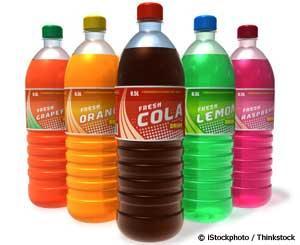
Soda, which is loaded with sugar primarily in the form of high fructose corn syrup, is a leading contributor to the rising rates of obesity, diabetes, heart disease and other chronic diseases facing Americans.

So when I say that drinking a can of soda is just as bad for you as smoking a cigarette (and maybe even worse) it is not an exaggeration.

Drinking soda is in many ways worse for you than smoking, and it is only because of massive marketing campaigns from the industry that these sugary beverages are deemed acceptable for our most vulnerable members of society – our kids.

In the 21st century there would indeed be an uproar if tobacco companies attempted to target our kids, but the soda companies do it everyday.

It's time to wake up and face the facts: the soda industry is out for your children, and the message they send is every bit as damaging (and manipulative) as the one spewed by Big Tobacco.

Striking Similarities Between the Soda Industry and Big Tobacco

If I asked you to quickly recall a commercial or slogan from leading soda companies, like Coca-Cola or Pepsi, could you do it?

Chances are you'd have no trouble recalling the friendly polar bear commercials or "the real thing" logo, and if you asked your kids, they'd probably come up with a few too.

This is just the tip of the iceberg for how beverage big-wigs have gotten their products firmly embedded into the homes of millions of Americans and others worldwide. Coca-Cola, for instance, spends close to $3 billion a year on advertising. With that amount of money it's no wonder the company has managed to hold on to its wholesome reputation.

They, and other beverage giants, are also in the habit of forming strategic alliances with health organizations that make it appear as though they are looking out for your health, which is about as laughable as Big Tobacco sponsoring a marathon. And like Big Tobacco, they also create front groups to fight anti-soda legislation and science.
For instance, as Time magazine reported:
  • The American Beverage Association, which represents Coca-Cola, Pepsi and other soft drink producers, has attacked suggestions to tax soda as "discriminatory." Their organization is touted as a "neutral forum," but in reality is devoted to discrediting negative press against soft drinks. For instance, in relation to obesity, ABA states, "All of our industry's beverages can be enjoyed as part of a balanced lifestlye."
  • The soda industry has created the front group Americans Against Food Taxes, which runs anti-tax campaigns. As Kelly Brownell wrote in Time:
    "The name of the group implies a patriotic, grass roots movement, not a highly financed entity initiated and organized by industry."
  • Another industry-created front group, Foundation for a Healthy America, recently donated $10 million to the Children's Hospital of Philadelphia to research and prevent childhood obesity! Diet Coke has also teamed up with the National Heart, Lung, and Blood Institute (NHLBI) to raise awareness for women's heart health programs and was the official "Beverage of Choice" for the 2010 winter Olympics.
  • The soda industry funds research to discredit links between soda drinking and health problems. Brownwell writes:
    "The tobacco industry paid scientists who did research disputing links between smoking and lung cancer, the addictive nature of nicotine, and the dangers of second-hand smoke. The soda industry funds scientists who reliably produce research showing no link between SSB [sugar-sweetened beverage] consumption and health. The tobacco industry bought favor from community and national organizations by giving large donations. In an ironic twist, Coca Cola and PepsiCo are corporate sponsors of the American Dietetic Association."
The Coca-Cola Company Beverage Institute for Health and Wellness (isn't that name an oxymoron?) even creates continuing education courses for registered dietitians!

The Top Reason to Give Soda the Boot …

Some of you reading this are undoubtedly thinking, how bad could soda really be? From my perspective, there is absolutely NO REASON you or your kids should ever drink soda. If you were stranded in the middle of a desert with no other fluid available, then maybe, but other than that … none, nada, zip, zero. No excuses.

From a health perspective, drinking Coke or any soft drink is a disaster. Just one extra can of soda per day can add as much as 15 pounds to your weight over the course of a single year, not to mention increase your risk of diabetes by 85 percent. The primary reason why soda is so dangerous to your health?

Fructose.

The fructose content of the high fructose corn syrup (HFCS) used in many popular soda brands has been sorely underestimated. Around 100 years ago the average American consumed a mere 15 grams of fructose a day, primarily in the form of fruit. One hundred years later, one fourth of Americans are consuming more than 135 grams per day, largely in the form of soda.

Fructose at 15 grams a day is harmless (unless you suffer from high uric acid levels). However, at nearly 10 times that amount it becomes a major cause of obesity and nearly all chronic degenerative diseases. Instead of consisting of 55 percent fructose and 45 percent glucose, many soda brands, including Coke, Pepsi and Sprite, contain as much as 65 percent fructose, nearly 20 percent higher than originally believed.

According to one study, the mean fructose content of all 23 sodas tested was 59 percent -- higher than claimed by the industry. When you consider that Americans drink an average of 53 to 57 gallons of soda per year (depending on the source of your statistics), this difference in actual fructose content could make a huge difference in your health.

The Down and Dirty About Fructose

The American Beverage Association and other front groups will try to persuade you that fructose in high fructose corn syrup is no worse for you than sugar, but this is not true. ABA also claims there is "no association between high fructose corn syrup and obesity," but a long lineup of scientific studies suggest otherwise.

For example:
  • Dr. David Ludwig of Boston Children's Hospital did a study of the effects of sugar-sweetened drinks on obesity in children. He found that for each additional serving of a sugar-sweetened drink, both body mass index and odds of obesity increased.
  • The Fizzy Drink Study in Christchurch, England explored the effects on obesity when soda machines were removed from schools for one year. In the schools where the machines were removed, obesity stayed constant. In the schools where soda machines remained, obesity rates continued to rise.
  • In a 2009 study, 16 volunteers were fed a controlled diet including high levels of fructose. Ten weeks later, the volunteers had produced new fat cells around their hearts, livers and other digestive organs. They also showed signs of food-processing abnormalities linked to diabetes and heart disease. A second group of volunteers who were fed a similar diet, but with glucose replacing fructose, did not have these problems.
Fructose is also a likely culprit behind the millions of U.S. children struggling with non-alcoholic liver disease, which is caused by a build-up of fat within liver cells. Fructose is very hard on your liver, in much the same way as drinking alcohol.
  • Liver burden number one: After eating fructose, 100 percent of the metabolic burden rests on your liver—ONLY your liver can break it down. This is much different than consuming glucose, in which your liver has to break down only 20 percent, and the remaining 80 percent is immediately metabolized and used by the rest of the cells in your body.
  • Liver burden number two: Fructose is converted into fat that gets stored in your liver and other tissues as body fat. Part of what makes fructose so bad for your health is that it is metabolized to fat in your body far more rapidly than any other sugar. For example, if you eat 120 calories of fructose, 40 calories are stored as fat. But if you eat the same amount of glucose, less than one calorie gets stored as fat. Consuming fructose is essentially consuming fat!
Fructose metabolism is very similar to the way alcohol is metabolized, which has a multitude of toxic metabolites that, if consumed in excess, can lead to non-alcoholic liver disease. For a complete discussion of fructose metabolism, see my comprehensive article about this.

Does Soda Actually Cause Violence?

It's a well-known fact that poor diet, particularly one high in sugar, exacts a toll on your emotional health.

For example, one recent study published in the journal Psychology Today found a strong link between high sugar consumption and the risk of both depression and schizophrenia. It's also a well-known fact that chronic inflammation plays a major role in heart disease, diabetes, arthritis, and cancer. So consuming excessive amounts of sugary beverages can truly set off an avalanche of negative health events -- both mental and physical.

A diet high in sugar, fructose and sweetened beverages like soda also causes excessive insulin release, which can lead to falling blood sugar levels, or hypoglycemia. Hypoglycemia, in turn, causes your brain to secrete glutamate in levels that can cause agitation, depression, anger, anxiety and panic attacks.

One 1985 study published in the Journal of Abnormal Psychology found that reducing sugar intake had a positive impact on emotions. And another, the Los Angeles Probation Department Diet-Behavior Program: An Empirical Analysis of Six Institutional Settings, published in 1983, documented the results when juvenile delinquents were given a reduced-sugar diet. They saw a 44 percent reduction in the incidence of antisocial behavior during the subsequent 3 months, after the implementation of the revised diet.

So can drinking soda affect your child's behavior?

Yes, it can.

A new study further supported this point, and revealed that frequent soft drink consumption was associated with a 9-15% point increase in the probability of engaging in aggressive actions, even after controlling for gender, age, race, body mass index, typical sleep patterns, tobacco use, alcohol use and having family dinners.

Researchers concluded:
"There was a significant and strong association between soft drinks and violence. There may be a direct cause-and-effect relationship, perhaps due to the sugar or caffeine content of soft drinks, or there may be other factors, unaccounted for in our analyses, that cause both high soft drink consumption and aggression."
The effect is not a new finding, as in 1979 the now notorious "Twinkie Defense" was used in a murder trial for the first time.

As Discovery News reported:
"In a notorious 1979 San Francisco murder trial, lawyers blamed the killer's actions on his recent switch from a health-food diet to one filled with Coca-Cola and other junk food. Their argument worked. Instead of a homicide ruling, the defendant was convicted of a lesser offense of voluntary manslaughter. The legal strategy became known as the "Twinkie Defense," and the precedent raised a number of questions that persist, despite years of research on the subject."

Processed Food "Rebates" Dominate School Cafeterias

Soda manufacturers are not the only ones scheming for a permanent share of your child's diet. In an article published on La Vida Locavore, Ed Bruske revealed, possibly for the first time, that manufacturers of sugar-laden processed foods pay "rebates" (aka "kickbacks") to food service companies that serve school districts across the United States.

Bruske obtained documents under the Freedom of Information Act that revealed more than 100 companies paid rebates to Chartwells, a food service management company hired by D.C. Public Schools. As you might suspect, the "rebates" present a conflict of interest that could prompt Chartwells to order food for your children based on the amount of rebate it will receive, versus the food's nutritional value.
The end result?
School lunches that contain heavily processed foods like muffins, pizza, tator tots and flavored milk in lieu of fresh produce.

According to Bruske:
"Manufacturers pay rebates based on large volume purchases -- literally, cash for placing an order. Rebates are said to be worth billions of dollars to the nation's food industry, although manufacturers as well as the food service companies who feed millions of the nation's school children every day -- Chartwells, Sodexo and Aramark -- treat them as a closely-guarded secret.

The U.S. Department of Agriculture requires that food service companies engaged in "cost reimbursable" contracts with schools credit any rebates they receive to their school clients. For more than a year, attorneys for D.C. Public Schools refused to make public an itemized list of rebates collected by Chartwells, claiming the information constituted "trade secrets." The schools were overruled by Mayor Vincent Gray's legal counsel after I filed an administrative appeal.

John Carroll, an assistant New York State attorney general investigating rebating practices there, has said rebates pose "an inherent conflict of interest" in school feeding programs because they favor highly processed industrial foods. In cases where schools pay a food service company a flat rate to provide meals, the companies are not required to disclose the rebates they collect. In those cases, Carroll recently told a U.S. Senate Panel, rebates tend to drive up the cost of food, cheating children out of nutrition they might otherwise have on their lunch trays.

Carroll also described cases where rebates discouraged the use of local farm products in school meals. Produce vendors can't afford to pay a rebate for local apples. But in at least one case, a produce distributor raised the prices of his goods so that he could pay a rebate to a food service company. A Homeland Security sub-committee in the U.S. Senate is investigating possible rebate fraud in contracts across the entire federal government."
The top contributors to Chatwells' rebate dollars included Performance Food Group, which paid more than $400,000 over the last three years, followed by General Mills, Kraft Foods, Country Pure Foods and Jenny-O Turkey. Other companies who made the list include:
ConAgra Otis Spunkmeyer Kellog's
Coca-Cola, Dr. Pepper, 7-Up FritoLay Tyson
Nestle Cargill Meat Solutions Campbell's Foodservice


Raising a Life-Long Healthy Eater

Food and beverage companies spend $2 billion a year promoting unhealthy foods to kids, and while ultimately it's the parents' responsibility to feed their children healthy foods, junk food ads make this much more difficult than it should be. As a result, the state of most kids' diets in the United States is not easy to swallow.
As The Interagency Working Group on Foods Marketed to Children (IWG) reported:
  • Nearly 40% of children's diets come from added sugars and unhealthy fats
  • Only 21% of youth age 6-19 eat the recommended five or more servings of fruits and vegetables each day
This is a veritable recipe for disease, and is a primary reason why today's kids are arguably less healthy than many prior generations. Obesity, type 2 diabetes, high blood pressure -- these are diseases that once appeared only in middle-age and beyond, but are now impacting children. The U.S. Centers for Disease Control and Prevention (CDC) estimates that by 2050, one in three U.S. adults will have diabetes -- one of them could be your child if you do not take steps to cancel out the messages junk-food marketers are sending and instead teach them healthy eating habits.

Make no mistake, the advertisers are doing all they can to lure your child in, just as Big Tobacco did generations ago.

So you need to first educate yourself about proper nutrition and the dangers of junk food and processed foods in order to change the food culture of your entire family. To give your child the best start at life, and help instill healthy habits that will last a lifetime, you must lead by example. Children will simply not know which foods are healthy unless you, as a parent, teach it to them first.

My nutrition plan offers a step-by-step guide to feed your family right, and I encourage you to read through it now to learn how to make healthy eating decisions for you and your children.

If you want to get involved on a larger scale, the Prevention Institute's "We're Not Buying It" campaign is petitioning President Obama to put voluntary, science-based nutrition guidelines into place for companies that market foods to kids. You can sign this petition now. I also urge you to go a step further and stop supporting the companies that are marketing junk foods and beverages to your children today.

Ideally, you and your family will want to vote with your pocketbook and avoid processed food and sugary sodas while instead choosing unprocessed raw, organic and/or locally grown foods as much as possible. These are the foods your child will thrive on, and it's important they learn what real, healthy food is right from the get-go.

This way, when they become tweens and teenagers, they may eat junk food here and there at a friend's house, but they will return to real food as the foundation of their diet -- and that habit will continue on with them for a lifetime.


Source: Time Magazine October 24, 2011

Related Links:


http://articles.mercola.com/sites/articles/archive/2011/11/21/soda-linked-to-health-problems.aspx