What's the magical formula to achieve your weight goals? Everyone is looking for the easy diet or pill to lose extra pounds. With all the media hype about new products and diets, it’s easy to forget the basics.
Weight maintenance is really a simple matter of energy balance. Energy balance is achieved when "energy in" is equivalent to "energy out".
"Energy in" comes from food you consume each day, whereas "energy out" is the number of calories you expend each day.
Eating fewer calories than you expend results in weight loss, whereas consuming more than you expend results in weight gain.
Three factors that have an impact on your energy expenditure are:
- Basal metabolic rate - the number of calories the body needs to maintain body functions while at rest.
- Thermic effect of food - the number of calories required to digest, absorb, transport, and store food.
- Physical activity - the number of calories expended during daily activity, lifestyle and exercise.
1 Factors Affecting Thermic Effect of Food You Eat
Thermic effect of food (TEF) is the energy you use to eat, digest and metabolise food. Diet induced thermogenesis is different for each nutrient and represents about 10% of the total amount of energy ingested over 24 hours.
- Fats have thermic effect approximately 3%. Dietary fat is very easy to process.
- Carbohydrates induced thermogenic response is about 7%.
- Proteins are hard to process. Protein is the most thermogenic nutrient, with the thermic effect close to 30%.
Regular eating habit
There is good evidence that frequency of food intake has effects on metabolism and therefore very likely in the long term on weight, all other things being equal.
Studies have found that irregular meal frequency may lead to obesity over time. Researchers who compared the effect of eating anywhere from three to nine meals per day and regularly eating six times per day found that irregular patterns produced a lower TEF12.
Hot spicy foods
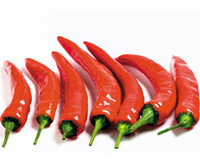 Hot spicy foods can really spice things up. These thermogenic herbs and spices are: chilli pepper, horseradish, mustard, cinnamon, fennel seed, garlic, ginger, ginseng, guarana, and turmeric.
Some studies have shown hot pepper and very spicy foods can increase metabolism by about 20% for about 30 minutes. A study9 in 2003 evaluated 10 Thai women and their glucose response after a glucose drink and their metabolic rate with and without 5 g of fresh chili pepper. The chili pepper increased the metabolic rate above resting metabolic rate. There was also an immediate increase of 20 percent in the metabolic rate within a few minutes of taking the chili pepper.
Protein
Protein has recently received a lot of attention with new research showing its satiating ability as well as its thermogenic fat burning characteristics.
There is clear evidence8 that protein exerts an increased thermic effect when compared to fat and carbohydrate. A main reason for the difference may be due to the fact that the body has no storage capacity for protein. The increased amount of energy attributable to this thermic effect is probably too small to have a visible effect on weight loss in the short term, but over periods of months or years, this difference may become significant, both clinically and statistically. Evidence is also convincing that higher protein diets increase satiety when compared to lower protein diets.
The Danish researchers conducted a study6 comparing the effects of pork-meat protein, soy protein and carbohydrates on a 24-hour energy expenditure with young, healthy, overweight and mildly obese men in a randomized, single blind, three-way crossover study lasting four days. The study concluded substituting 17 to 18 percent of the carbohydrate energy with pork meat or soy protein produced 3 percent higher 24-hour energy expenditure. The animal protein in the pork meat produced 2 percent higher 24-hour energy expenditure than the soy protein.
Another study7 looked for differences in thermogenesis and macronutrient oxidation between lean and obese women. Lean and obese women were studied on two occasions, one week apart. In one visit, they consumed a protein-rich meal; in the other visit, a fat-rich meal. The two meals were isocaloric, of equal volume and given in random order. Thermogenesis was not significantly different between lean and obese women after eating the protein-rich or the fat-rich meal. However it was significantly higher, by almost three-fold, after consumption of the protein-rich meal in comparison with the fat-rich meal in both study groups.
Amazing Water thermogenic effect

But now comes scientific evidence that water drinking really does help you to boost your metabolic rate - the rate at which calories are burned.
Researchers in Germany report that water consumption increases the rate at which people burn calories. The impact is modest and the findings are preliminary, but the researchers say their study could have important implications for weight-control programs.
German scientists1 tracked energy expenditures among 7 men and 7 women who were healthy and not overweight. After drinking approximately 17 ounces of water, the subjects' metabolic rates increased by 30% for both men and women. The increases occurred within 10 minutes of water consumption and reached a maximum after about 30 to 40 minutes.
The researchers estimate that over the course of a year, a person who increases water consumption by 1.5 liters a day would burn an extra 17,400 calories, for a weight loss of approximately five pounds. They note that up to 40% of the increase in calorie burning is caused by the body's attempt to heat the ingested water.
Recent study demonstrated, that this thermic effect is not seen with ingestion of salt-containing fluids. Scientists suggest that the water-drinking induced increase of energy expenditure may be explained by stimulation of osmosensitive structure5.
The world's healthiest drink - Green Tea

Both caffeine and catechin polyphenols in green tea aid in stimulating the metabolism. Scientists have found that green tea thermogenic effect cannot be completely attributed to its caffeine content because the effect of green tea is greater than an equivalent amount of caffeine4.
Green tea polyphenols are known to promote weight loss by increasing the metabolism of fats by the liver (thermogenic effect), inhibiting lipase (fat absorption enzyme) in the digestive tract, and providing a feeling of satiety and fullness3. Recent high-quality study2 demonstrated that green tea can reduce body weight in obese persons by increasing energy expenditure and fat oxidation.
2 Factors Affecting Basal Metabolic Rate
Basal Metabolic Rate (or resting metabolic rate) is the mimimal caloric requirement needed to maintain all your internal physiological functions at complete rest. This is the amount of energy your body would burn if you slept all day (24 hours).
Basal Metabolic Rate accounts for approximately 65-70% of your total daily calorie needs, but this figure varies due to different factors.
Let's look at several key factors that affect BMR:
Body composition (Muscle-to-Fat Ratio)
Body composition is important factor which determines rate of metabolism. Body composition is the difference between total lean weight compared to fat weight.
It is a simple fact that muscle burns more calories than fat does - even while at rest. Muscle tissue is about 8 times more metabolically demanding than fat. A higher percentage of lean body weight (muscles) results in a higher metabolism compared to individuals of the same weight with a lower percentage.
An interesting point is the fatter person will burn almost the same amount of calories during exercise but the leaner person burns more calories at rest.
Age
In youth, the BMR is higher. As we age, our calorie needs decrease. On average it drops 2% each decade.
After 30 years of age there is usually a gradual decline in lean body weight and an increase in fat weight although this is mainly due to hormonal changes. A decline in our metabolic rate can also be attributed to a gradual change in lifestyle which is one thing we can control. It is interesting to note that regular exercise in adulthood will slow the rate at which lean weight is lost and help keep an optimum metabolism.
When it comes to aging and muscle loss, "if you don't use it, you're going to lose it. " So, use it!
Body size and weight
 The more weight you carry, the faster your metabolism is likely running. The fact is that the extra weight causes your body to work harder just to sustain itself at rest, so in most instances, the metabolism is always running a bit faster.
 That's one reason it's almost always easiest to lose weight at the start of a diet, and harder later on. When you are very overweight your metabolism is already so high that any small cut in calories will result in an immediate weigh loss.
Then, when you lose significant amounts of body fat and muscle, your body needs fewer calories to sustain itself. That helps explain why it's so easy to regain weight after you have worked to lose it.
Dieting, Fasting, Starvation
Dieting, fasting, or malnutrition all result in a lowering of BMR. When you restrict calories too low your metabolism slows down. Your body slows down in order to adapt to the lower calorie intake so it can function with less fuel. And, it actually begins holding on to every calorie you eat and storing it as fat. This is why people who diet, usually gain back their weight once they start eating normally again.
The negative effect of dieting on metabolic rate can be offset with a positive effect from increased physical activity.
Weather or environmental temperature
Both the heat and cold raise the BMR. If we are too cold we shiver. Shivering burns up much energy from the constant contraction and relaxation of muscle cells trying to produce heat to maintain body temperature. When we are hot we also burn more energy through the process of sweating.
Psychological state, stress
Stress hormones can raise the BMR. Stress and anxiety can cause a rapid increase in energy expenditure. When a person is in state of high alert, stress hormones circulate the blood and communicate to cells to break down energy stores ready to provide a greater supply of energy if needed.
Thyroid hormone thyroxine
The thyroid hormone thyroxine regulates the basal metabolic rate. People with an under-active thyroid gland tend to be sluggish and overweight.
Genes
Some people have a naturally faster metabolism.
Gender
Generally, men have faster metabolisms than women because they tend to be larger and have less body fat.
Growth
Children and pregnant women have higher BMR's.
Fever
Fevers can raise the BMR.
So what factors can you control?
- Build lean body mass. People who have more muscles on their bodies burn more calories just sitting or sleeping than people who have more fat on their bodies.
- Avoid restrictive diets. Your body slows down in order to adapt to the lower calorie intake
3 Energy Expended During Daily Activity
 Physical activity includes the calories you spend during normal daily activities (such as walking, driving, or household chores) as well as the calories you spend during purposeful exercise sessions (like jogging, swimming, and resistance training).
 The calories burned in physical activity varies widely, but it usually accounts for about 20-30% of the total daily calorie needs.
Exercise is a key ingredient to increase metabolism. The aerobic workouts burn more calories in the short term, and weight training builds the muscles that will boost your metabolism in the long run.
During heavy physical exertion, the muscles may burn through as much as 3,000kJ (717 kcal) per hour. Energy used during exercise is the only form of energy expenditure that you have any control over.
Other important things to consider for permannent results
Slow down when eating. It takes 10-20 minutes for your brain to get the message from your stomach that you've had enough to eat. If you eat too fast, you'll exceed your calorie needs before you even realize you're full!
4 Fiberouse Foods
 Dietary fiber is a group of very complex carbohydrates - found mostly in plants - whose chemical structure prevents them from being digested by humans. Although some metabolism of fiber (by certain bacteria) occurs in the intestines, we lack the digestive enzymes needed to break down the bonds that hold together fiber's sugar units. Therefore, fiber cannot be converted to glucose and contributes no calories to our diet. Most dietary fiber passes through the intestinal tract undigested.
Fiber helps you to feel full longer without adding calories, so fiber helps you to lose weight and maintain that weight loss. Eating enough fiber will also help to control blood sugar and will keep your energy levels high.
High fiber foods:
- Vegetables: asparagus, artichoke, beets, broccoli, brussels sprouts, carrots, cauliflower, green peas, spinach, turnip, celery
- Fruits: apple, apricot, fig, orange, peach, pear, plum, prune, raspberries, strawberries, mango, date
- Legumes: black beans, black-eyed peas, kidney beans, lentils, pinto beans, navy beans
- Grains: barley, wheat bran, oatmeal, brown rice
- Nuts and seeds: sunflower seeds, almonds, pistachio nuts
5 Apples & Pears
 Although apples and pears are not "metabolism boosters" in the literal sense, these fruits are worthy of notice as may really aid in weight loss.
 The evidence supporting the use low-energy-dense fruits for weight loss comes from clinical interventions.
Brazilian researchers, studying the impact of fruit intake on weight loss, found that overweight women who added just three apples or three pears a day to their diet lost more weight on a low-calorie diet than women who added oat cookies11. All groups consumed exactly the same calories, with a diet consisting of 55% carbohydrates, 15% protein and 30% fat.
6 Satiety index
Satiety index determines the ability of specific foods to create satiety, a feeling of fullness.
"Satiety Index" diet concept was developed by Australian researcher Dr. Susanne Holt at the University of Sydney10. It was developed by having participants come in the morning and eat 240-calorie portions of a specific food. Then they rated their feelings of hunger every 15 minutes, and over the next two hours, participants could eat as much as the liked, all under the observation of researchers.
Why should you care about the satiety index? Some foods fill your stomach faster and/or remain in your stomach longer, and therefor do a better job of holding off hunger.
Using white bread as the baseline of 100, researchers scored 38 different foods that were given to the participants. Foods scoring higher than 100 were judged to be more satisfying than white bread, while those under 100 were less satisfying. Foods that have a higher satiety index keep hunger down longer, and would be better choices for those who want to lose weight.
| All are compared to white bread, ranked as "100" | |
| Bakery Products | |
| Croissant | 47 |
| Cake | 65 |
| Doughnut | 68 |
| Cookies | 120 |
| Crackers | 127 |
| Snacks and Confectionar | |
| Peanuts | 84 |
| Yoghurt | 88 |
| Crisps | 91 |
| Ice cream | 96 |
| Jellybeans | 118 |
| Popcorn | 154 |
| Breakfast Cereals | |
| Muesli | 100 |
| Honeysmacks | 132 |
| All Bran | 151 |
| Porridge/Oatmeal | 209 |
| White bread | |
| Carbohydrate Rich Foods | 100 |
| French fries | 116 |
| White pasta | 119 |
| Brown Rice | 132 |
| White rice | 138 |
| Grain bread | 154 |
| Brown pasta | 188 |
| Potatoes | 323 |
| Protein Rich Foods | |
| Lentils | 133 |
| Cheese | 146 |
| Eggs | 150 |
| Baked beans | 168 |
| Beef | 176 |
| Fish | 225 |
| Fruits | |
| Bananas | 118 |
| Grapes | 162 |
| Apples | 197 |
| Oranges | 202 |
Roughly speaking, the more fibre, protein and water a food contains, the longer it will satisfy. Ironically, the tastiest foods—those high in sugar and fat, like sweet bakery products—were the least satiating.
Bottom Line
For permanent success, you need to make small, healthy changes in your eating and activity patterns that you can live with forever.
Sources & References
- 1. Water-induced thermogenesis. Boschmann M, Steiniger J, Hille U, Tank J, Adams F, Sharma AM, Klaus S, Luft FC, Jordan J. The Journal of Clinical Endocrinology and Metabolism. 2003 Dec;88(12):6015-9.
- 2. Auvichayapat P, Prapochanung M, Tunkamnerdthai O, Sripanidkulchai BO, Auvichayapat N, Thinkhamrop B, Kunhasura S, Wongpratoom S, Sinawat S, Hongprapas P. Effectiveness of green tea on weight reduction in obese Thais: A randomized, controlled trial. Physiol Behav. 2007 Oct 18 PubMed
- 3. Dulloo AG, Duret C, Rohrer D, Girardier L, Mensi N, Fathi M, Chantre P, Vandermander J. Efficacy of a green tea extract rich in catechin polyphenols and caffeine in increasing 24-h energy expenditure and fat oxidation in humans. Am J Clin Nutr. 1999 Dec;70(6):1040-5. PubMed
- 4. Dulloo AG, Seydoux J, Girardier L, Chantre P, Vandermander J. Green tea and thermogenesis: interactions between catechin-polyphenols, caffeine and sympathetic activity. Int J Obes Relat Metab Disord. 2000 Feb;24(2):252-8.
- 5. Boschmann M, Steiniger J, Franke G, Birkenfeld AL, Luft FC, Jordan J: Water drinking induces thermogenesis through osmosensitive mechanisms. Journal of Clinical Endocrinology & Metabolism 92: 3334–3337, 2007
- 6. Mikkelsen, PB et al. “Effect of fat-reduced diets on 24-h energy expenditure: comparisons between animal protein, vegetable protein, and carbohydrate” American Journal of Clinical Nutrition. 2007;72(5):1135-41.
- 7. Tentolouris, N et al. “Diet-induced thermogenesis and substrate oxidation are not different between lean and obese women after two different isocaloric meals, one rich in protein and one rich in fat.” Metabolism. 2008;57(3):313-20. PubMed
- 8. Halton TL, Hu FB.The effects of high protein diets on thermogenesis, satiety and weight loss: a critical review. J Am Coll Nutr. 2004 Oct;23(5):373-85.
- 9. Chaiyata P, Puttadechakum S, Komindr S. “Effect of chili pepper (Capsicum frutescens) ingestion on plasma glucose response and metabolic rate in Thai women.” J Med Assoc Thai 2003;86(9):854-60. PubMed
- 10. Holt SH, Miller JC, Petocz P, Farmakalidis E. A satiety index of common foods. Eur J Clin Nutr. 1995 Sep;49(9):675-90. PubMed
- 11. Weight loss associated with a daily intake of three apples or three pears among overweight women. Conceição de Oliveira M, Sichieri R, Sanchez Moura A. Nutrition. 2003 Mar;19(3):253-6.
- 12. Farshchi HR, Taylor MA, Macdonald IA. Decreased thermic effect of food after an irregular compared with a regular meal pattern in healthy lean women. Int J Obes Relat Metab Disord. 2004 May;28(5):653-60. PubMed
http://www.emedexpert.com/tips/metabolism-tips.shtml

 HOW MUCH For That Bag of Groceries?