Pages

Showing posts with label Lentils. Show all posts

Monday, 23 December 2019

Indian VEGAN DAL MAKHANI

Dal makhani is an urad dal and kidney bean butter curry and this vegan version of the popular Indian dish is absolutely mouth watering and delicious!

 BY 

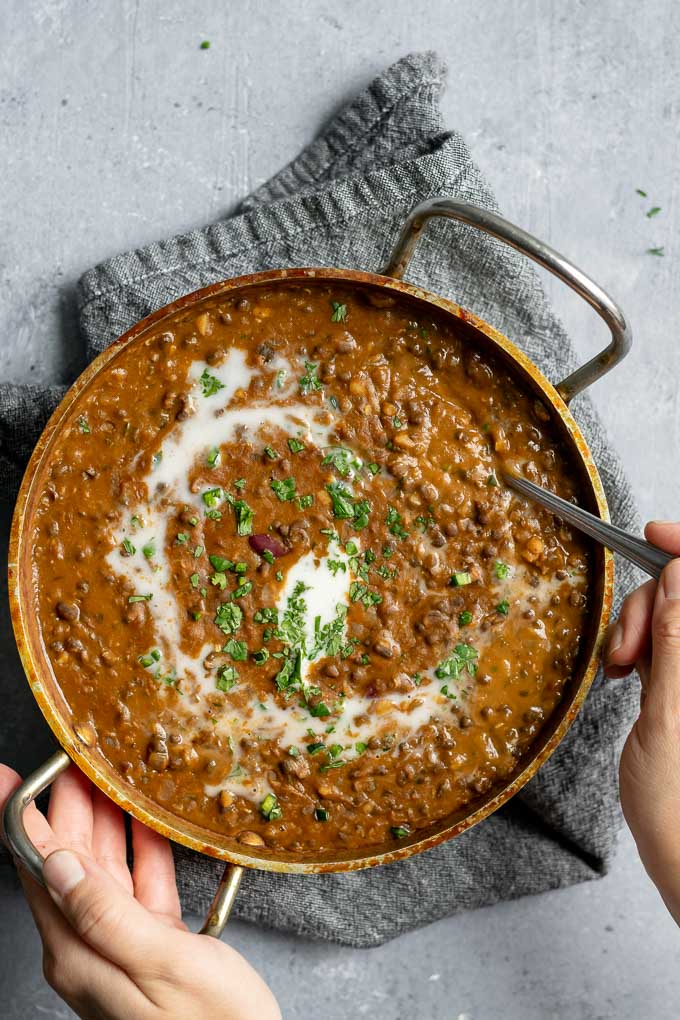
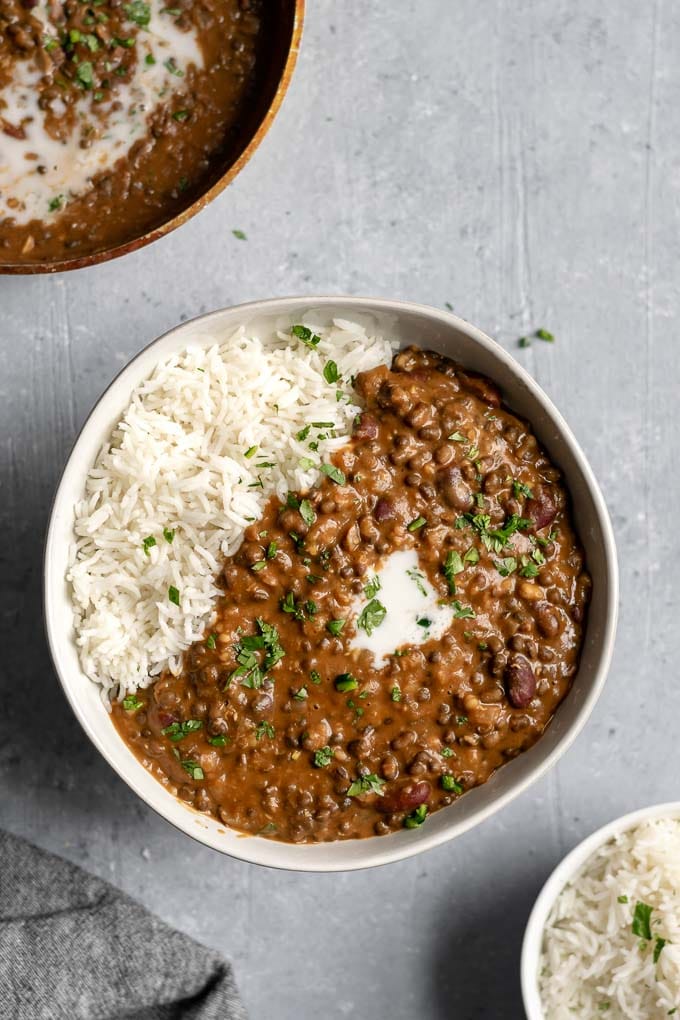
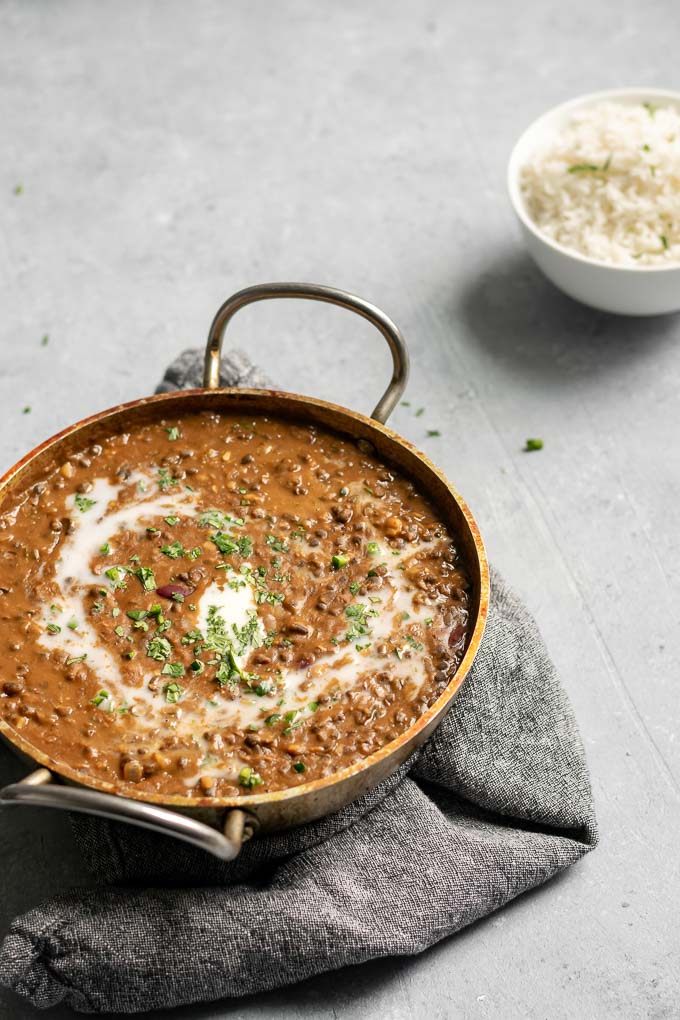
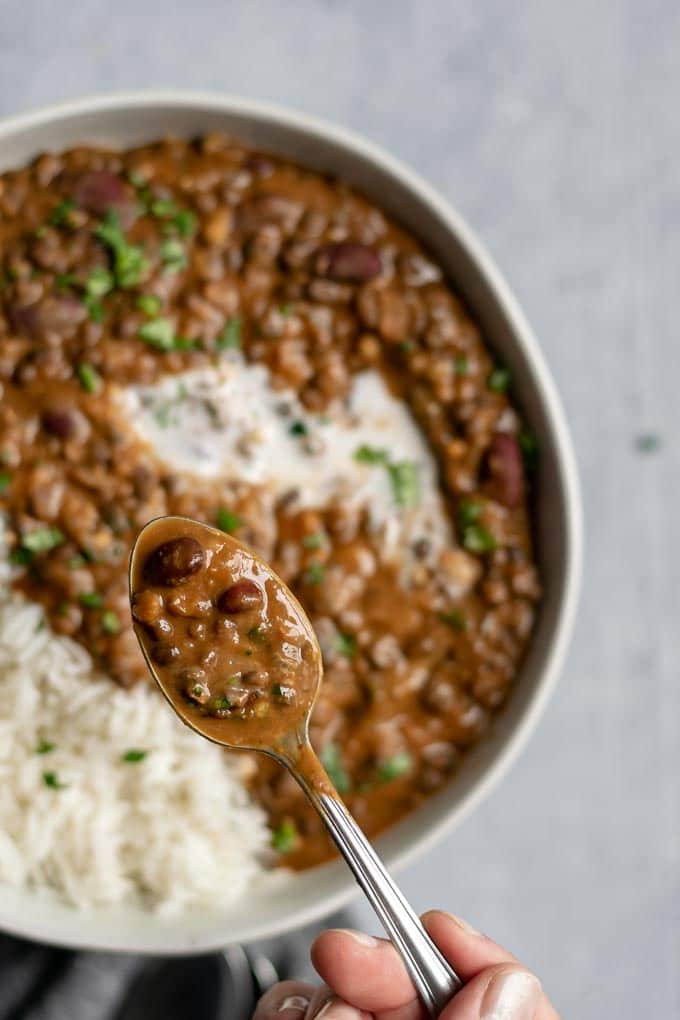
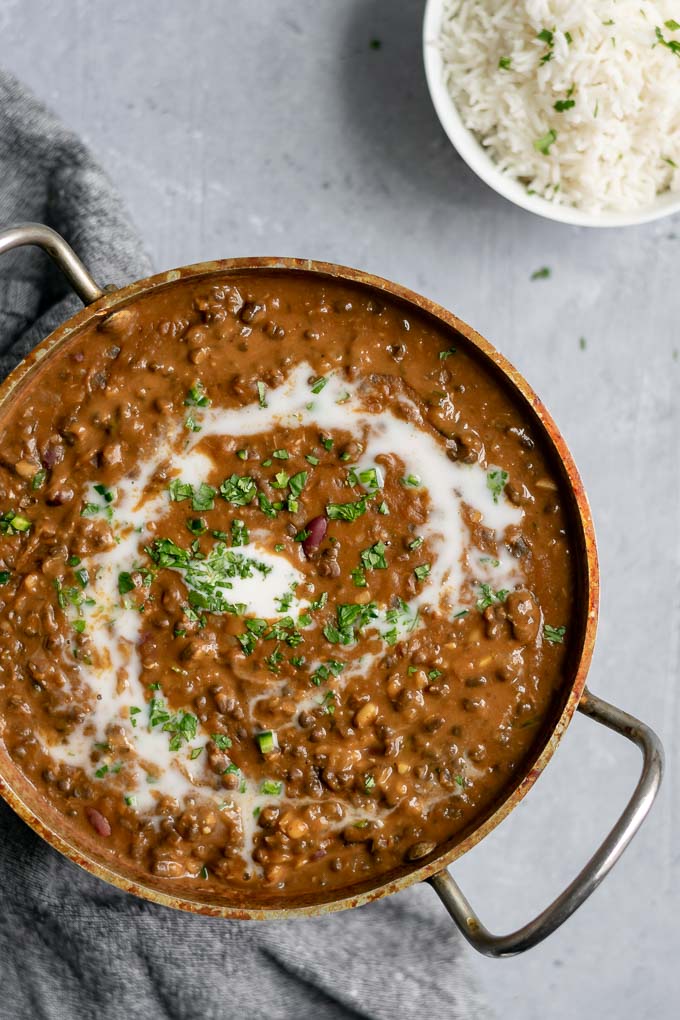
vegan dal makhani with a swirl of coconut milk and garnished with cilantro served with a bowl of basmati rice
Dal Makhani (pronounced makh-nee) is probably everyone’s favorite dal. It’s creamy and rich, with a silky almost luscious texture to the gravy. It hits those perfect savory notes, bursting with Indian spices and balanced with just enough of the sweet leaning ones.
Dal translates to pulses (and typically refers to lentils) while makhani means with butter. But while this dish is essentially named “lentils with butter,” we all know and love it specifically as the Punjabi dish of urad dal with kidney beans cooked in a creamy rich tomatoey gravy.
As the name might suggest, this dish is not the most vegan friendly of restaurant dals. Traditional recipes often stick an entire stick of butter (that’s 8 tablespoons, if anyone is counting) in a recipe such as this, and after that will still add a bit of cream. And that doesn’t even include the oil or butter used to fry a tadka.
Now home cooked recipes are likely to decrease the amount of butter or cream, but they are still laden with it, making this dish one of those you probably want to make on your own if you want to avoid dairy.
And thankfully, the vegan version of this dish is just as delicious–if not more! It has the richness without alllllll that butter. It’s made creamy with coconut milk (though if you needed to avoid coconut for any reason you could use a thick cashew cream), and the rich flavors come from the carefully chosen spices and pulses used in the recipe.
First we have whole urad dal, also commonly known as black gram. You want to be sure you have the whole bean, which has a black skin. If the beans are white, that means they have been peeled and split (which means faster cooking time, no need to soak prior, etc).
Urad dal is the star of this dish. I have on occasion made a similar recipe with black beluga lentils when out of urad dal, and while the results are very flavorful and good, they certainly aren’t 100% the same and it’s not the traditional dish.
The black gram lentils create a thick and luscious texture when cooked in water. They’re a little sticky and really unique, and worth the little bit of extra time to make a dal with them (and by that I just mean you’ll want to soak your lentils for at least 6 hours before cooking! You can do it). Especially when you consider what nutritional powerhouses those little lentils are.
Urad dal is paired with red kidney beans (called rajma) in dal makhani. These buttery red beans provide a nice textural counterpoint in the dish, and help the creamy gravy turn a beautiful red color. While you can cook them from the dried bean alongside the dal, I personally find it super easy to just crack open a can of the beans.
The lentils (and beans if you’re making them from scratch) are cooked separately then added into the tadka once fully cooked. Now the tadka refers to a cooking technique of tempering spices in oil before adding to a dish. Cooking the spices in oil releases flavor, as the flavor molecules of spices tend to be oil soluble.
You only want to cook whole spices in oil as ground spices will burn quickly. To keep this recipe easy and more accessible I use pre-ground and store bought garam masala, along with ground coriander seed, ground turmeric, and cayenne (because spicy Indian food is better). We add these ground spices after the liquid so that they do not burn.
Once the whole spices are toasty and fragrant, we add the minced garlic, ginger, and chiles so they have a chance to release some of their best flavors before the onion gets added. The onion is cooked until soft and golden. Together this makes up the tadka.
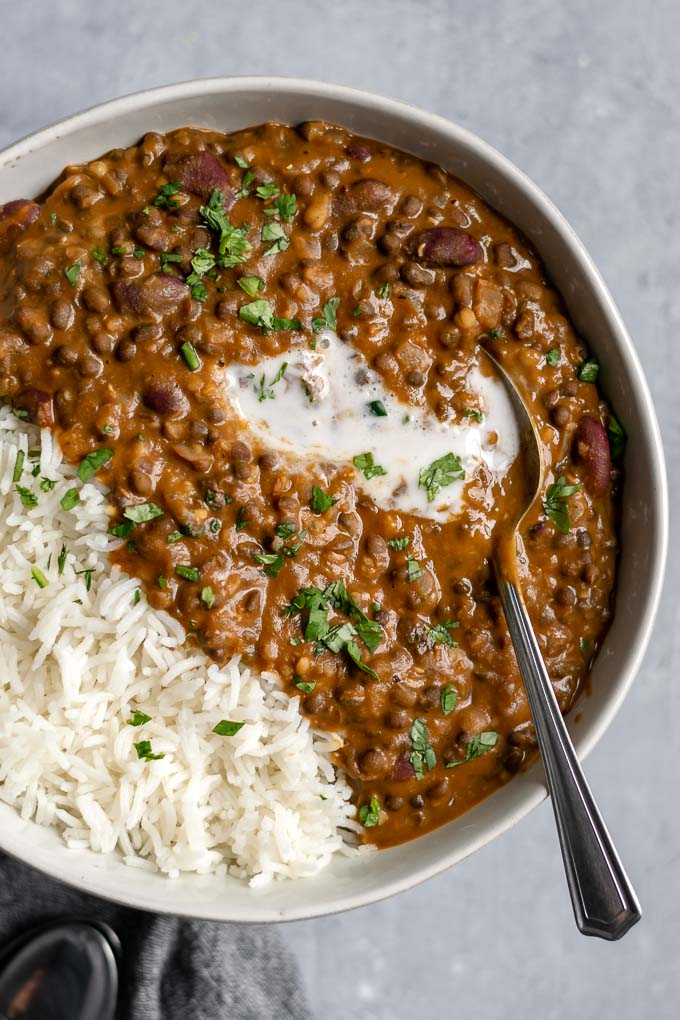
vegan dal makhani with a swirl of coconut milk and garnished with cilantro served with a bowl of basmati rice
To the tadka we add tomato puree (also known as strained tomatoes), the leftover cooking water from the lentils + a little extra water to make a total of 1 1/2 cups liquid, salt, the ground spices, and crush in some fenugreek leaves (kasoori methi). If you don’t have the kasoori methi, still make the dish, just know it would be better and more authentic with the fenugreek in it! It’s real good 😛 .
This cooks a bit to infuse the spices into the sauce, then add the lentils and beans, bring it to a simmer and let it cook away (covered!) for a half hour over super low heat. I let it cook for a full 30 minutes because this brings out the best flavor.
Dal makhani is one of those dishes that tastes best when simmered for long periods of time over low heat, and will definitely taste somehow magically even better the next day! But in 30 minutes you will have a deliciously richly flavored stew.
At the very end we add the cream, in this case coconut cream. You can scoop it out from the top of a separated can of coconut milk. But if all you have is well combined coconut milk then just use the creamy milk and it’ll be great still.
Add water if you need to thin the dal at any point and serve it with fresh cilantro and basmati rice. You can even make some restaurant style naan for an INSANELY delicious and satisfying meal. Feel free to browse through my other Indian recipes for more tasty curries if you want to make a feast!
I love love love dal makhani and I am so glad that this recipe is easily made vegan. Whether you are a diehard dal makhani lover or have never eaten the dish, you really should try it! It’s just insanely good and really like no other dal or lentil soup!
https://www.thecuriouschickpea.com/vegan-dal-makhani/

Monday, 13 November 2017

Curious Cook: Vegetarianism and other dietary tales, Part 2

Although most are comfortable with their vegetarian diets, there are some facts which are not always commonly known – and most vegetarian media do not even mention them, especially the “raw” or “paleo” diet media.
People on raw and paleo diets may be depriving themselves of 
mineral nutrients, simply by eating too many raw beans, seeds, 
nuts and wholegrains. – VisualHunt

Read PART 1

And it is not the usual stuff about how vegetarian diets are deficient in nutrients which can only be found in meat and fish – many people simply may not know that several highly popular components of a vegetarian diet can actually result in a significant loss of nutrition, primarily by a chemical process called chelation (pronounced “key-lay-shun”).
Chelation prevents nutrients from being absorbed by the body because a chelating agent tightly binds its own molecules with metal ions, rendering the metals insoluble, inert and indigestible.
Not all chelating agents are bad; for example, sodium calcium edetate is used medically to treat lead and mercury poisoning.
A bit of bad news about beans, grains and nuts
The main dietary compound involved with chelation in humans is phosphorous-based phytic acid (also known as myo-inositol hexakisphosphate) – and salts of phytic acid are known as phytates.
Seeds use phytates as energy stores of phosphates to assist in germination and hence phytates are present in various concentrations in all seeds, grains and legumes used for human consumption.
Due to its undoubted ubiquity, chelation by phytates is generally not a major issue for most humans eating food based on plant seeds, though there are some possible exceptions.
By this I mean that there are significant differences in the levels of phytates in food and these levels are very dependent on the way the food has been prepared.
As an example, lentils which are cooked straight from the packet will have high concentrations of phytates whereas lentils soaked overnight before cooking will have much lower levels of phytates.
In short, wherever possible, always make sure that seeds are pre-soaked and on its way to germination before using them – the germination process greatly depletes phytates in seeds.
As such, people who need enhanced minerals should not eat excessive amounts of seeds which have not been pre-soaked or germinated – this applies to pregnant women, for example.
The chemical summary is that phytates are plant seed-based complex phosphorous compounds which have six sub-groups which bond fiercely with calcium, iron, manganese and zinc molecules, rendering these important metals insoluble and unavailable for digestion.
These minerals would probably be from foods ingested at the same time as phytates – plants do not tend to have them in large quantities. Minerals bound by phytates are excreted by the body as waste material.
It should be noted that phytates are not destroyed by cooking – and people on raw and paleo diets may inadvertently be depriving themselves of mineral nutrients, simply by eating too many raw beans, seeds and nuts. This may also apply to people eating a lot of wholegrain foods in general, such as wholemeal baked goods, oats, granola, muesli, et cetera.
Eating plants means more fibre
On the plus side, eating more plants and plant-based foods can increase the amount of dietary fibre, both soluble and insoluble. Fibre may be a significant contribution to the AHS-2 and EPIC-Oxford findings that vegetarian diets generally lead to lower rates of coronary heart disease (CHD).
A review of several studies by the BMJ in 2013 also concluded that the incidence of CHD is inversely related with the consumption of fibre – basically, eating more fibre reduces the likelihood of CHD while eating less fibre increases the chances of CHD.
The amplitude of this inverse correlation varies depending on which research papers are used but the overall relationship remains true across several large scale studies.
While this is good news, we might like to understand why this inverse relationship exists in the first place. Even if everybody has heard about how good fibre is for health, some may still not know the reasons WHY fibre is actually beneficial – and that may be because the two types of fibre work in different ways.
Soluble fibre and cholesterol
Soluble fibre is termed soluble because it can combine with water to form a gel. A common example is pectin in apples (which is also used to make jams). Soluble fibre appears to help reduce the amount of low-density lipoprotein (LDL) cholesterol circulating in the body by intervening in the intestines before the cholesterol is released into the bloodstream – this intervention is done by soluble fibre binding with cholesterol from digestive bile juices and ingested food and rendering such cholesterol into waste matter.
It seems that between 5 to 10g of soluble fibre can reduce LDL cholesterol by around 5%, though increasing the consumption of soluble fibre does not mean a corresponding decrease in LDL cholesterol as the relationship is not linear – therefore, perhaps an optimal level of soluble fibre consumption for people should be between 5 to 25g a day.
It should be added that LDL is not necessarily the prime cause of CHD but a stressful lifestyle which introduces arterial wall damage combined with LDL is definitely a significant risk factor for CHD. To understand this better, you may choose to read http://www.star2.com/food/food-news/2016/04/24/a-fat-lot-of-good-part-1/
Insoluble fibre and the one-eyed Irishman
Insoluble fibre is plant material which is impervious to water, such as cellulose or the bits of vegetables that you find a little stringy in the mouth.
To understand the function of insoluble fibre, we have to delve into the toilet habits of 20th century British sailors and African tribesmen and recount the work of an interesting one-eyed Irishman called Dr Denis Parsons Burkit.
While in Africa between 1966 and 1972, Burkit conducted curious experiments which noted that African tribesmen were producing between 2.5 to 4.5 times more faeces than British sailors on a regular basis.
This study was done initially to support his hypothesis that the health of people (as measured by the number of visits to hospitals) could be predicted by the frequency and quantity of their bowel movements – the less they pooped, the more sick they were likely to be.
His suspicions were also augmented by the introduction of refined flour (a food containing only a fifth of the fibre of unrefined flour) into the diets of British sailors – this helped to make the naval deposits hard and puny compared to the large soft poops from the Africans.
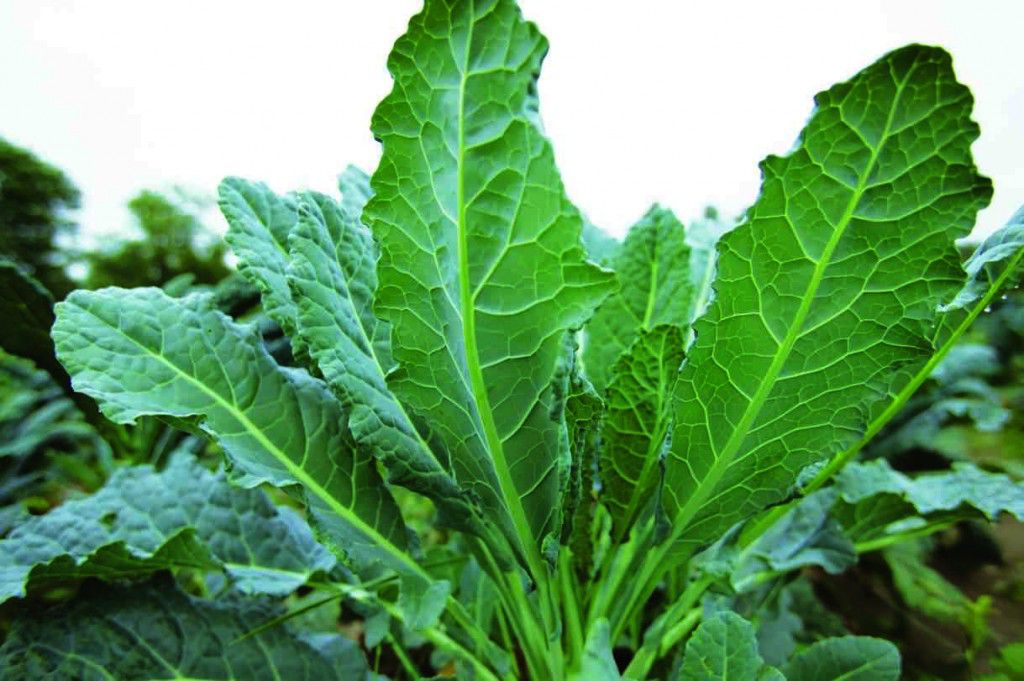
kale, vegetarian, vegetables, fibre
Eating more plant-based foods means a higher fibre intake, 
which in turn has shown to reduce incidences of coronary heart disease. – AP

An examination of the diets found that Africans ate much more fibre than British sailors and in general had notably healthier intestines.
Later it was established that much of the Africans’ diet was based on plants high in insoluble fibre. Analysing the ailments suffered by British sailors found that issues common with the sailors such as Irritable Bowel Syndrome (IBS), diverticulosis, haemorrhoids, colorectal cancers, et cetera, were absent from the Africans – and from his observations, Burkit proposed that insoluble fibre plays a significant part in maintaining the health of the human gastrointestinal system.
To this day, nobody has been able to challenge this assertion, though there have been disputes about Burkit’s original hypothesis about the numbers of hospital visits in relation to amounts of poop.
As for reasons why insoluble fibre has this beneficial effect, it may be the human digestive system had evolved to expect and handle the fibre load involved in digesting plant material. The human digestive system functions autonomously (ie. without conscious effort) and gut motility (stretching and contraction in the gut) is affected by the type and content of ingested food.
As such, the reduced amount of insoluble fibre in many modern diets would be alien, might not be tolerated so well intestinally and may therefore be a cause of at least some modern gastrointestinal issues.
Insoluble fibre is also high in plant oligosaccharides and these oligosaccharides are very often retained by the gut as food for intestinal microbiota – therefore insoluble fibre can also promote health of gut bacteria. Intestinal flora is very important for human health; as an example, much of the body’s defences against infection are based on the outputs from such flora. More recent research has indicated that gut microbiota may also be related to moods and mental health – this is a complex subject probably suited by another dedicated review.
There appears to be no upper limit to the amount of insoluble fibre which humans can consume – perhaps 30-50g a day should be adequate for most people. Any more may cause exuberant flatulence and require some people to always remain within a 10 metre range of a toilet facility. Nevertheless, it is quite plausible that insoluble fibre can also play a part in the reduction of gastrointestinal cancers (especially in women) as noted by the AHS-2 study.
At this point, it should be noted that both the AHS-2 and EPIC-Oxford dietary studies can also be regarded as proxies for research in dietary fibre, though they both actually did not initially record dietary fibre content in detail.
Subsequent analysis of both studies found that the US-based AHS-2 subjects ingested much more fibre as well as more antioxidants (as measured by Vitamin C content) than the UK EPIC-Oxford subjects.

oats
Oats and bran are a good source of soluble fibre. – Marcoverch/VisualHunt
Fibre and/or antioxidants may therefore explain the major difference in mortality between vegetarian subjects compared to regular meat-eaters: AHS-2 found a 12% lower mortality rate for US vegetarians. However, EPIC-Oxford detected no significant differences across all categories for the UK, possibly due to the difference in dietary fibre.
Although one can think that “non-meat eaters” are automatically “vegetarians”, it is quite important to understand that the “vegetarians” in both studies included people who ate meat, dairy and/or fish occasionally – they are not studies of vegans or people who fastidiously avoid all non-plant proteins compared to meat-eaters.
If you take this view, then both studies can also be taken as proxy studies into the impact of eating less meat, simply by comparing the regular meat-eaters against the other categories which ate meat and/or dairy or fish only occasionally.
Viewed in this context, the AHS-2 research is particularly interesting as the irregular meat eaters seem to be more protected against early mortality and various diseases, especially CHD. But – why is this mortality pattern not observed in EPIC-Oxford?
An analysis of AHS-2 against EPIC-Oxford of ONLY the general meat eaters might help explain the difference in mortality rates (bearing in mind that correlation does not necessarily mean causation).
One striking difference is that Americans eat around 50% more meat per person compared to the United Kingdom, according to the FAO statistics for 2013.
There are many reasons why Americans eat so much more meat – partly it is a cultural issue, partly it is an economic issue as meat is comparatively cheap there due to generous subsidies (which can make various vegetables more expensive than meat).
Also, the US food industry appears to emphasise the nutritional importance of meat and downplays the fact that meat is not required every day. By this simple (and admittedly crudely inferential) analysis, the joint results do appear to indicate that a reduction in meat consumption does reduce mortality – people who ate around 50% more meat die 12% more often compared to people who ate less meat, even if they are all general meat eaters.
The next part will cover intestinal flora, how human mothers nourish the guts of their babies and why certain dietary issues may be attributed to the wrong sources.
http://www.star2.com/food/2017/11/13/vegetarian/
Thursday, 25 July 2013

9 Foods That Will Boost Your Energy And Make You Active

No date of article

Jogging And Being Active
Feeling low on energy? You might be lacking the essential minerals and vitamins. Here is a selection of top 9 foods for boosting your energy and being more active to get through your busy day.
 
Banana
 
An excellent post workout recovery food item, banana is a simple carbohydrate but an instant energy source. They are also an excellent source of potassium – reduced level of potassium in the body can result in physical weakness. The sugars found in banana can be digested quickly and converted right into energy for your body.
 
Lentils
 
Lentils must be a staple part of your daily diet. They’re rich in amino-acids, protein, minerals and vitamins, and can replace rice or pasta in almost any recipe. Lentils are also rich in fiber that keeps you at the peak of satiety and doesn’t allow glucose levels to rise to higher level. Give your lunch salad an energy boost by adding a cupful of cooked red kidney-beans or garbanzo beans.

Oatmeal
Oatmeal

Oatmeal is one of the primary energy boosting foods. Without butter and brown sugar, oatmeal is a good complex carbohydrate. It helps control your blood glucose levels and also keep your tummy fuller for a long time. Also, it has B vitamins that are known for improving the levels of body energy. Having said that, oatmeal would certainly add more energy to your day; the optimum time to eat oat meal is before 11-a.m.
 
Eggs
 
One of the food items that a lot of people undervalue as a major source of energy is eggs. Eggs are rich in protein, amino acids and omega-3 essential fatty acids, which are vital for muscle growth, a powerful immune system, brain power and equilibrium of fluids in the body. Eggs are also one of the top high energy foods because they contain more than 10 key nutrients that are essential for your body.
 
Walnuts
 
Walnuts are one of the best plant protein sources. They are usually regarded as “brain-food”, not just because of the wrinkled look of the shells, but also because of the higher concentration of omega-3 essential fats. A fistful of walnuts in your daily diet will certainly boost the energy levels. Walnuts are also a good source of fiber, bone-building calcium, and several other essential nutrients that your body requires in order to function effectively and have ample amount of energy.

Chocolate
Dark Chocolate
 
Sources of energy don’t have to be tasteless and lack luster as many energy sources taste really sweet. One such amazing energy source is dark chocolate. Dark chocolate is filled with heart-healthy anti-oxidants. Additionally, it consists of caffeine, which is a stimulant that helps keep your body alert and improve metabolism. If you go for dark chocolate as an energy source, then be sure to you buy organic dark chocolate, that’s free of dairy. At the same time, eat dark chocolate in moderation for best results.
 
Coconut Water
 
Coconut water isn’t a solid food; however, it’s one of the most inexpensive and valuable sources of energy. It is often known as “natural energy drink”. It’s full of vital vitamins and minerals, such as potassium along with lauric acid. The potassium supplies the body with the nutrients and electrolytes that replenish the body. Lauric acid is useful in accelerating a person’s metabolic process and providing an energy boost. Additionally, coconut water is low in sugar, fat as well as sodium content.

Yogurt
Yogurt

Yogurt is a yummy, filling treat that is now available in a range of flavors. For desserts, you should try eating low fat yogurt instead of something that’s high in sugar. Yogurt contains calcium, vitamin B-12 and protein; all of these are quite good for your overall body health. It’s also able to convert nutrients directly into energy.
 
Green Smoothies/Shakes
 
Get the energy packing power of leafy greens, yogurt bananas, apples and combine it with some other fruits you like, and now you have got a wake up call just in a glass. Kale and spinach are the most favorite for green smoothies as their mild flavor is either masked or complemented by the flavor of the fruits.

http://www.fitnea.com/9-foods-that-will-boost-your-energy-and-make-you-active/

Monday, 1 April 2013

Top 10 Vegetarian Sources of Protein


One of the most common myths about the vegetarian diet is that after ditching meat it becomes nearly impossible to meet the suggested guidelines for protein intake.

The USDA recommends that women get about 46 grams of protein a day and men get about 56. Some people, like athletes and pregnant or breastfeeding women, may need more, according to WebMD.

But, thanks in part to initiatives like Meatless Monday, this year, Americans are expected to eat 12 percent less meat and poultry than five years ago, USA Todayreported.


While protein is essential to growth, building muscle, the immune system and heart and respiratory functions, MSNBC explains, meat-free protein has the benefit of generally being lower in calories and fat than the animal variety.

Whether you're a vegetarian , or not there are lots of tasty meat-free sources of protein that also pack additional health benefits. Read through the list of the top 10 vegetarian sources of protein below and tell us your favorite in the comments.


1. Spirulina

Spirulina is 65-71 percent complete protein compared to beef, which is only 22 percent, and lentils, which is only 26 percent.

In addition to being protein-rich, spirulina is an excellent source of vital amino acids and minerals easily assimilated by your body. You would need to consume only two tablespoons of spirulina as a protein substitute for a meal.


2. Hemp

Protein Content: Seeds, 6 g per ounce; Milk, 2 g per cup

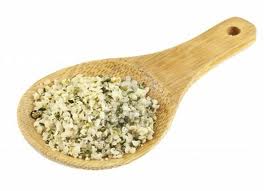
If you're allergic to soy, or just freaked out by its estrogenic activity, hemp products are your next best bet. Sold as a dairy alternative or as seeds, hemp is one of very few plant proteins that supply you with all the essential amino acids, acids your body can't produce on its own to build muscle and create more protein. The fatty acids in hemp seeds and hemp milk also boost your immune system, and the crop itself is highly sustainable, growing as fast as 10 feet in 100 days and naturally requiring very few pesticides.


3. Chia Seeds

Protein Content: 4 g per ounce

Though the protein content isn't as high as some other vegetarian foods out there, chia seeds pack a huge nutritional punch. For starters, they're an incredible fiber resource with nearly half (11 g) of the amount you need every day in a single ounce. That helps fill you up and eat fewer calories. They also contain 18 percent of your daily calcium requirement, more than triple that of milk, which helps your bones. Chia seeds have no flavor, so you can add a tablespoon to any food you wish to without altering its flavor, and unlike flax, chia seeds don't need to be ground in order for your body to absorb all the nutrients.


4. Quinoa

Protein Content: 1 cup of cooked quinoa (185 g) contains 8.14 grams of protein

Quinoa is perhaps one of the most perfect non-animal sources of protein on the planet. What makes quinoa (pronounce keen-wah) unique is that it is the only plant based source of complete protein.

"Complete" means that it contains all 9 of the essential amino acids that are crucial to human function and health. It is also a wonderful option for those that follow a gluten free diet, since it is completely gluten free.


5. Tempeh

Protein Content: A firmer, chewier cousin of tofu, a half-cup serving of this soybean-based bite has 15 grams of protein.

Fermented foods ought to be part of everyone’s diet, vegetarian or not. Tempeh is one that is chewy and delicious, even to die-hard burger fans. It’s healthy and a much better bet than heavily processed tofu or “mock meats” that are brimming with poor-quality modified proteins, sodium, chemicals and starchy fillers. In my opinion it doesn’t compare nutritionally or in taste to a juicy steak but as vegetarian options go it ain’t half bad.


6. Almonds and Almond Butter

Protein Content: (between 6 and 8 grams, per handful).

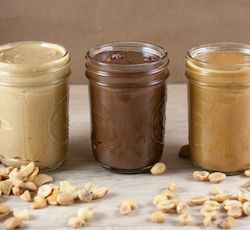
When adding a handful of nuts to your salad for protein, go with almonds. Almond butter is less toxic and allergenic than peanut butter, although the protein amounts are similar by comparison. Still, this is about quality protein, not necessarily the amount.


7. Veggies

Yep, good old greens will pack a protein punch. One cup of cooked spinach has about 7 grams of protein. The same serving of French beans has about 13 grams. Two cups of cooked kale? 5 grams. One cup of boiled peas? Nine grams.


8. Lentils and Beans

A cup of iron-rich lentils packs 18 grams of protein, almost as much as three ounces of steak. One cup of chickpeas, contains 15 grams of protein, as does a cup of black or kidney beans.


9. Organic, Plain, Greek Yogurt (not vegan)

Protein Content: 15 to 20 g per 6-ounce serving

All dairy products are good sources of protein. A glass of milk provides you with 8 g, but Greek yogurt is a protein powerhouse, with twice the protein and half the sugar and carbs of regular yogurt. In fact, Greek yogurt contains the same protein as a three-ounce serving of lean meat. Top that with a handful of nuts and you could get half of your daily protein intake at breakfast.


10. Eggs (not vegan)

Protein Content: 6 g per egg

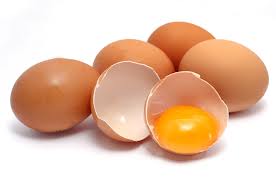
There's a reason the incredible, edible egg is such a popular breakfast choice. The protein in eggs has the highest biological value, a measure of how well it supports your body's protein needs, of any food, including beef. And the yolks contain vitamin B12, deficiencies of which are common in vegetarian diets and can cause attention, mood, and thinking problems while raising blood homocysteine levels, a risk factor for heart disease, dementia, and Alzheimer's.

To get the healthiest eggs, find a local producer whose chicken flocks are small and feed off of grass, bugs, and organic grain; studies have shown that E. coli and salmonella contamination in eggs is directly related to the size of the flock.

Source Links:http://www.mindbodygreen.com...
http://abcnews.go.com/...
http://www.marksdailyapple.com/...
http://www.huffingtonpost.com....
http://foodmatters.tv/articles-1/top-10-vegetarian-sources-of-protein

Thursday, 3 January 2013

The Lentil Dish You Can’t Stop Eating


Bottom Line's High Energy for Life
Original publication date:
December 14, 2012
 
3564.jpg
OK, if you are like me, you have made lots of different dishes with all sorts of beans. But I bet that there’s a whole branch of the legume family that you probably don’t use often—and that’s lentils. In the Middle East, India and Mediterranean countries, lentils are an essential, inexpensive meatless protein used in many dishes. In the US, most of us have them only when we heat up a can of lentil soup—what a shame! The good news is that finally interest in lentils in this country is growing. Chefs are serving them, and more specialty-food stores are featuring them.
 
What makes lentils special: They are loaded with nutrients and come in a variety of colors, tastes and textures. They cook faster than other legumes—and don’t need to be soaked. They are great either as the main ingredient in soups and salads or can be combined with other foods in vegetarian or meat dishes. Since I know how healthful lentils are but have no experience cooking them, I turned to Dana Jacobi, author of The Essential Best Foods Cookbook, to find out more about the impressive lentil. What’s more, she gave me one of her favorite recipes for a Red Lentil and Apricot Soup. Thanks to a blend of spices and fruit, it’s got a Middle Eastern flavor—and is so delicious that it has become a dish I can’t stop eating. We think you’ll feel the same way about it…
 
WHAT’S IN THE LENTIL
 
Like beans, their legume cousins, lentils pack a nutritional punch. One-half cup of cooked lentils has about nine grams of protein and eight to 10 grams of fiber. They also are a good source of folate, iron, manganese and phosphorus. Lentils contain valuable antioxidant phytonutrients, particularly catechins and proanthocyandins.
 
Fiber-rich and cholesterol-free, lentils slow the absorption of sugars into the bloodstream and help prevent type 2 diabetes. They protect the heart by reducing blood lipid levels. Their high fiber content helps you feel full, making it easier to practice portion control and watch calories.
 
SELECTING LENTILS
 
There are hundreds of varieties of lentils. They come in a range of colors—from dull green…to red-orange…and even shiny black. Some lentils are sold whole, while others are split in half. Each variety tastes different, too—from comfortingly starchy to faintly sweet, grassy, earthy or even peppery.
 
Lentils are sold dried in bulk or packaged in plastic bags or boxes. They also can be found cooked and ready to eat in plastic pouches or cans, although canned lentils are wet and tend to be mushy.
 
Shop around and you’ll find, in addition to basic dried green and/or red lentils (which can be found at most supermarkets), lentils that are called Le Puy (or French Green)…Pardina…Petite Crimson…and Red Chief, to name just a few. Online, you can find a good selection of lentils at Timeless Natural Food (www.TimelessFood.com) and Purcell Mountain Farms (www.PurcellMountainFarms.com).
 
DANA’S FAVORITE LENTIL RECIPE
 
Red Lentil and Apricot Soup
1 cup dried red lentils
1 cup finely chopped onion
1 cup canned diced tomatoes
½ cup chopped Turkish dried apricots
2 teaspoons grated fresh ginger
1 garlic clove, finely chopped
½ teaspoon ground cumin
½ teaspoon ground turmeric
¼ teaspoon ground cinnamon
⅛ teaspoon ground black pepper
½ cup cilantro leaves, chopped
4 Tablespoons pomegranate juice
 
Place the lentils in a mixing bowl. Fill the bowl with cool water, covering the lentils by two inches.
 
Using your hand, swish the lentils until the water is cloudy. Carefully pour out the water. Repeat this two to three times, until the water stays almost clear. The lentils will be stuck together in a lump after the last draining. Push them into a large, deep saucepan.
 
Add to the pot the onions, tomatoes, apricots, ginger, garlic, cumin, turmeric, cinnamon and pepper.
 
Add four cups water. Bring the liquid to a boil, then reduce the heat and simmer the soup, covered, until the lentils are soft, about 30 minutes. Off the heat, mix in the cilantro and season the soup to taste with salt.
 
To serve, divide the soup among four deep soup bowls. Drizzle one-fourth of the pomegranate juice in a swirl in the center of each bowl. Serve immediately.
 
Makes four servings.
 
Source: Dana Jacobi is a New York City–based recipe developer and cookbook author. Her cookbooks include The Essential Best Foods Cookbook and 12 Best Foods Cookbook (both from Rodale). www.DanasMarketBasket.com