Pages

Showing posts with label Canola. Show all posts

Wednesday, 27 November 2019

Friday Five: Why You Should Stop Using Canola Oil

Health Watch readers know when it comes to diet, fat isn’t the enemy. Despite what over 50 years of bad science will tell you, eating the right fats can sustain—even improve—your good health. 
INH Research
But there are still some you should avoid at all costs. Canola oil is one of them. There are numerous studies—many funded by the U.S. Canola Association—touting the benefits of canola oil.1 But don’t let them fool you…
Here are five reasons to stop using canola oil:
1. It’s rancid before you buy it. Canola oil is a polyunsaturated fat. This type of fat is prone to oxidation.2 In other words—heat, light, or oxygen can cause it to go bad. But that doesn’t matter to Big Food.
They still use a high-heat process to extract the oil from the seed. The result? Much of the product spoils before it ever exits the factory. That means it’s been ready for the garbage for weeks—even months—before you bought it.
2. It poses major health threats. Canola oil won’t make you sick the moment you eat it… But the consequences of long-term use should have you reaching for other oils.
The manufacturing process produces chemical byproducts called aldehydes. These compounds take time to build up in your body. Over the years they can lead to heart disease and cancer.3 A study in the Journal of Agricultural and Food Chemistry reveals that aldehydes are formed at higher rates as the temperature of canola oil rises.4 Yet canola oil manufacturers subject their product to temperatures of 80–120° Celsius… That’s 176–248° Fahrenheit.5
3. It’s devoid of health benefits. Canola oil is rich in omega-3 fatty acids… But heat processing can change this. Heat destroys omega-3s. It also produces a foul smell.6 Canola oil manufacturers know this… So they deodorize the product. How? They use even more heat.7
It would be bad enough if the omega-3s were just useless… But they can turn into harmful trans fatty acidsHealth Watch readers know these fats can cause heart disease, stroke, diabetes, and other devastating conditions.8
4. Its safety is questionable. Canola oil began as rapeseed oil. This oil contains high levels of erucic acid and glucosinolates. The FDA found them unfit for human consumption in 1956.
In the early 1970s, newer breeding practices helped reduce the amount of toxins in this oil.9 But don’t let lower levels fool you… These compounds are still present in canola oil today. And erucic acid is linked to heart damage.
In one study, researchers found that rats that consumed the most erucic acid developed the most lesions and fat deposits in their hearts.10
5. It’s genetically modified (GM). About 90% of the canola oil in the U.S. is GM.11 The DNA is altered so that rapeseed plants can resist the pesticide Roundup.
The chemicals in Roundup put us at risk for DNA damage. They may also raise our risk of developing certain cancers. And if you consume GM canola oil, there’s a good chance you’re getting a mouthful with each serving.
Research also suggests that genetically modified organisms (GMOs) could be to blame for a number of other health problems… Things like compromised immunity, infertility, insulin spikes, and premature aging. GMOs can also cause changes in major organs and in your digestive system.12
Canola oil is the third largest source of vegetable oil in the world.13 But you have healthier options to choose from. You always want to choose fats that have gone through the least processing. Try using coconut or avocado oils instead.
Always look for terms like “first cold-pressed.” This means manufacturers keep the oil below certain temperatures. It keeps them from turning rancid. The result is less toxins—and health threats. Avoiding GM products is a little easier. Just look for “organic” or “Non-GMO Project Verified” on the label.
five-reasons-to-stop-using-canola-oil
References:
1http://www.ncbi.nlm.nih.gov/pmc/articles/PMC3746113/#__sec3title
2Rubin, Jordan, and Joseph Brasco. Restoring Your Digestive Health: How the Guts and Glory Program Can Transform Your Life. New York: Twin Streams, 2003. 84. Print.
3http://www.livestrong.com/article/459786-can-you-get-sick-from-eating-rancid-oil/
4http://pubs.acs.org/doi/abs/10.1021/jf035241f?_sm_au_=iHVlsFnjnWrF6S57
5https://www.oecd.org/env/ehs/biotrack/49343153.pdf
6http://www.westonaprice.org/health-topics/the-great-con-ola/
7http://www.drfranklipman.com/canola-oil-a-healthy-oil-fraud/
8http://www.hsph.harvard.edu/nutritionsource/transfats/
9http://www.ers.usda.gov/topics/crops/soybeans-oil-crops/canola.aspx
10http://www.ncbi.nlm.nih.gov/pmc/articles/PMC1277456/pdf/compmed00043-0031.pdf
11http://www.nongmoproject.org/learn-more/what-is-gmo/
12http://www.responsibletechnology.org/posts/gmo-health-dangers/
13http://www.ers.usda.gov/topics/crops/soybeans-oil-crops/canola.aspx

https://www.institutefornaturalhealing.com/2015/05/friday-five-why-you-should-stop-using-canola-oil/

Saturday, 13 January 2018

DANGERS OF MODERN VEGETABLE OILS

Can I vent a little bit? Will you mind? I’m so tired of hearing about how “heart-healthy” canola oil is! This is the newest cooking oil on the market today. It didn’t even exist until the late 1970s, and the variety of canola grown today wasn’t invented until 1998! Not only is it a genetically-modified herbicide-resistant crop, but it’s the prime example of a modern vegetable oil.
Doctors tell you this is a fantastic cooking oil because it’s low in saturated fats, high in polyunsaturated fats, and has an Omega-6 to Omega-3 ratio that’s considered favorable (about 3:1). Yet what they don’t tell you is that polyunsaturated fats are fragile and oxidize in heat. So cooking with canola oil (and other modern cooking oils) will create huge amounts of oxidized fatty acids (which are carcinogenic and lead to inflammation). Is it any surprise that since our culture started following conventional dietary wisdom by embracing these modern cooking oils in the late 1970s that our heart disease, obesity, and cancer rates have skyrocketed?
In the sneak peek video below, you’ll get an inside look at one of the 6 videos shared in this week’s lesson. This video’s title? The Dangers of Modern Vegetable Oils.
The complete lesson include 5 other videos covering a host of subjects, including:
  • About Kaizen: or Making Changes
  • The Dangers of MSG
  • The Prevalence of Corn in Industrial Food Production
  • The Dangers of GMOs
  • Industrial Meats


https://www.foodrenegade.com/dangers-of-modern-vegetable-oils/

Thursday, 27 July 2017

Coconut Oil – Are You Coco-Nuts to Eat It?

Did you know that 50 percent of media headlines about medical studies are dead wrong? And that many of these headlines don’t accurately match the conclusions of the studies they cover?

Written by

Image result for coconut oil

That’s from a review published in the New England Journal of Medicine.
It makes me sad and furious at the same time that journalists don’t do their homework and create firestorms of confusion because of their negligent work.
That is exactly what happened when USA Today published their article, “Coconut Oil Isn’t Healthy. It’s Never Been Healthy.” Shame on you USA Today editors for doing such a sloppy job of journalism.
Why the American Heart Association Has Been and Still Is Wrong
First, there is not a single study showing that coconut oil causes heart disease. Not one. Second, the whole case against coconut oil is founded on a hypothesis that has been proven wrong. It’s the diet-heart hypothesis. Saturated fat raises LDL cholesterol. LDL cholesterol causes heart disease. Anything that raises LDL cholesterol is bad. Only problem is that the data does not support this hypothesis.
If you are geeky and want to read more where I cover the science in detail, read my blog “Fat: What I Got Wrong, What I Got Right.” But just like it took 150 years after Copernicus recognized that the earth revolves around the sun before it was finally accepted, it will take a while for the world to catch up with the false idea that low-fat and low-cholesterol diets won’t save us from heart disease. In fact, low-fat diets cause heart disease. I have covered all this in my last book, Eat Fat, Get Thin with hundreds of references.
The USA Today article was based on a review by the American Heart Association (AHA). They published a review of fat and heart disease. The AHA has been at the vanguard of bad advice for decades since they first hooked onto the “fat is bad and will kill you” meme. They told us to eat very low fat, low cholesterol diets and to eat tons of starchy carbs. By the way, the AHA gets huge funding from cereal makers that put the AHA seal of approval on sugary (including cereal makers) cereals because they are “fat free” despite containing 75 percent sugar. Except now the overwhelming amount of research has proved that idea to be dead wrong. In fact, their recommendations have killed millions of people (no joke) from heart disease and diabetes. That’s why the very conservative 2015 USDA Dietary Guidelines removed any upper limits on dietary fat and eliminated any restrictions on dietary cholesterol. In fact, after decades of telling us to avoid eggs and shrimp they said, “Cholesterol is not a nutrient of concern for overconsumption.”
If you are interested in the corruption of the AHA, its funding is supported by the Pharma industry, industrial food giants (including sugary cereal makers) and industrial vegetable oil manufacturers, then read this recent blog on Medium entitled, Is the American Heart Association a terrorist organization? I’m not calling the AHA a terrorist organization, I just want you to read the article and question who’s really pulling the strings.
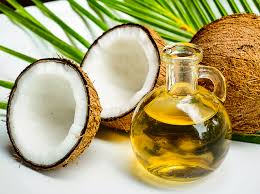
Image result for coconut oil
How could this happen you might wonder? How could the scientists have gotten it so wrong? It all comes down to how we do the research. Most nutrition research is based on what we call observational studies. You follow a group of people for a long time, you ask them once a year what they ate last week and you see if patterns emerged. Good luck if they can remember. And people aren’t always honest – if they think butter is bad, then they will underreport consumption. Problem is those types of studies do not prove cause and effect, just correlation. If I did a study on women over 55-years of age who have sex, I could conclude that sex RARELY leads to pregnancy. Pretty meaningless. The populations studied that ate saturated fats also were coincidentally smokers, didn’t exercise and ate otherwise unhealthy diets. Those who actually ate well, exercised and didn’t smoke (i.e. lead healthier lifestyles) also didn’t eat saturated fats because they were told not to. Studies prove that it was the well-rounded healthy habits that saved them, not less saturated fats.
Why Saturated Fats Are Not Bad and Are Essential for Health
This is exactly why multiple recent studies have shown no link between saturated fat and heart disease. You can read most of the important ones from the references, below, in my book and in the Fat: What I Got Wrong, What I Got Right article. In fact, there have been very few cause and effect studies in nutrition – they are hard to do, take a long time and cost a lot. But two of the largest ones every published show that fat and saturated fat are not the problem. The first was the PREDIMED studywhere researchers gave 7,000 participants olive oil (which contains 20% saturated fat) or nuts vs. a low-fat diet. PERDIMED had to stop the study because the people who were following the low-fat diet were dying. 
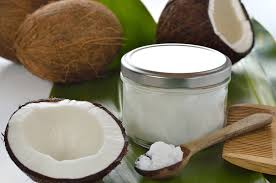
Image result for coconut oil
The next study was completed over 40 years ago, but it wasn’t published because the results contradicted the prevailing dogma that saturated fat was bad and that LDL cholesterol caused heart disease. This was a study that could not be conducted today because it would be considered unethical. They fed 9,000 people in mental hospitals butter and saturated fats or corn oil (polyunsaturated vegetable oil, which the AHA report says we should eat more of). And, guess what? Those who ate the corn oil had more heart attacks and deaths, despite lowering their LDL cholesterol. Really? Yes, it’s true. In fact, for every 30-point drop in LDL the risk of heart attack went up 22 percent. To top it off a recent review of all the science on big bad butter looking at 6.5 million patient years of butter eating, researchers found that butter eaters had no increased risk of heart disease, but they did have decreased risk of type 2 diabetes. You read that right. Butter = lower risk of type 2 diabetes. And if you still need to be convinced, here’s a review of 17 meta-analyses(reviews of all the best and relevant research) showing no link between saturated fat and heart disease.
The whole idea that LDL cholesterol causes heart disease is the reason we have a multi-billion dollar statin industry. One study of over 130,000people who had heart attacks over 5 years showed that 75 percent had normal LDL and 50 percent had optimal LDL cholesterol. But only 10 percent had normal HDL or the protective cholesterol. Guess what raises HDL? Saturated fat. And coconut oil raises it the most of any saturated fat. And what lowers it? A low-fat, high-starch, and high-sugar diet. We need cholesterol and saturated fat for the health of every cell membrane, for your brain cells, your sex hormones and more. Cholesterol is not the cause of heart disease, it is the band-aid that tries to repair the arteries when damage occurs from a low-fat, high-starch, high sugar diet. This causes pre-diabetes and inflammation from a processed food diet, environmental toxins, a bad gut from a low fiber, processed diet or anything that causes inflammation.
Before we get off saturated fats, here’s one BIG warning. They ARE a problem if you eat them in the context of a high-sugar, high-starch, processed foods diet. It’s what I call sweet fat. Stay away. No bagels and butter. No donuts or French fries. Stick with butter and broccoli.
Why We Shouldn’t Be Mainlining Omega-6 Vegetable Oils
The other recommendation from the AHA other than dramatically lower saturated fat intake is to increase omega-6 refined vegetable oils. Bad idea. Yes, some studies show a lower risk of heart disease with a higher intake of omega-6 oils (otherwise known as polyunsaturated fats or PUFAs which include soy, corn, safflower, canola oils). Again I cover this in detail in Eat Fat, Get Thin, but the take-home is this: If you eat saturated fat in the context of the typical American diet, it will cause problems and the people in omega-6 studies were eating exactly that. And to make it more confusing, the studies looking at PUFAs included both omega-3 (super protective) and omega-6 fats. The omega-3s made the omega-6 cousins look better. When you look at just the studies of the effects of omega-6 fats, you find actually increase the risk of heart attacks. And it is just common sense and evolutionary sense – our intake of these refined, heat processed, hexane treated, chemically deodorized oils (never consumed before in human history) have increase more than 1000 times (that’s 100,000 percent) in the last 100 years. Saturated fats make your cholesterol molecules stable and less likely to oxidize or go rancid. It is oxidized cholesterol that causes heart attacks. The PUFA’s are unstable and easily oxidized so when they are incorporated into cholesterol they make it unstable and go rancid – which is bad for your heart.
Is Coconut Oil Healthy?
We have had a coconut craze. What’s the deal? Broccoli is healthy but if that’s all you ate you would get sick. Coconut oil is healthy but only as part of an overall healthy diet not as the main course. Coconut oil has been consumed by populations in the South Pacific for thousands of years without ill effect. It has so many health benefits. You can read more in my article Is Coconut Oil Bad for My Cholesterol. But here’s the short list of benefits. It raises HDL, the good cholesterol. It improves the quality and size and type of cholesterol. It lowers the total cholesterol to HDL ratio – a far better predictor of heart disease than LDL. And cultures with 60 percent of their diet as coconut oil have no heart disease. It also contains a unique type of saturated fat called MCT oil that boosts metabolism, reverses insulin resistance, and improves cognitive function. Coconut oil is also anti-fungal and anti-microbial and it contains lauric acid that is great for immune function. The only other good source of lauric acid is breast milk, which contains 24 percent saturated fat – far higher than the 6 percent the AHA recommends.
Who would you trust, nature/God or the American Heart Association? So, I am sorry you have to be buffeted about by bad conclusions from insufficient outdated science and bad journalism. But hopefully reading this helps, and if you are so inclined check out the references below, my other blogs on this topic, and my book so you can come to your own conclusions. 
Wishing you health and happiness,
Mark Hyman, MD

References
Appel, L.J., Sacks, F.M., Carey, V.J., Obarzanek, E. Swain, J.F., Miller, E.R. 3rd,OmniHeart Collaborative Research Group. (2005). Effects of protein, monounsaturated fat, and carbohydrate intake on blood pressure and serum lipids: results of the OmniHeart randomized trial. Journal of the American Medical Association, 294(19):2455-2464.
Assunção, M.L., Ferreira, H.S., dos Santos, A.F., Cabral, C.R., & Florêncio, T.M.M.T. (2009). Effects of dietary coconut oil on the biochemical and anthropometric profiles of women presenting abdominal obesity. Lipids, 44(7), 593-601.
Barberger-Gateua, P., Samieri, C., Feart, C., & Plourde, M. (2012). Dietary omega 3 polyunsaturated fatty acids and Alzheimer’s disease: interaction with apolipoprotein E genotype. Current Alzheimer’s Research, 8(5), 479-491.
Calder, P.C. (1998). Dietary fatty acids and the immune system. Nutritional Reviews, II, S70-S83.
Cardoso et al. (2015). A coconut extra virgin oil-rich diet increases HDL cholesterol and decreases waist circumference and body mass in coronary artery disease patients. Nutrition Hospitals, 32(5), 2144-2152. doi: 10.3305/nh.2015.32.5.9642.
Crawford, M.A., Broadhurst, C.L., Guest, M., Nagar, A., Wang, Y., Ghebremeskel, K., & Schmidt, W. (2013). A quantum theory for the irreplaceable role of docosahexaenoic acid in neural cell signaling throughout evolution. Prostaglandins Leukotrienes and Essential Fatty Acids, 88(1), 5-13.
Daley, C. A., Abbott, A., Doyle, P. S., Nader, G. A., & Larson, S. (2010). A review of fatty acid profiles and antioxidant content in grass-fed and grain-fed beef. Nutrition Journal, 9(1), 10.
Das, U.N. (1994). Beneficial effect of eicosapentaenoic and docosahexaenoic acids in the management of systemic lupus erythematosus and its relationship to the cytokine network. Prostaglandins Leukotrienes and Essential Fatty Acids, 51(3), 207-213.
de Souza et al. (2015). Intake of saturated and trans unsaturated fatty acids and risk of all cause mortality, cardiovascular disease, and type 2 diabetes: a systematic review and meta-analysis of observational studies. British Medical Journal, 351.
Estruch, R., Ros, E., Salas-Salvado, J., Covas, M.I., Corella, D., Aros, F.,…PREDIMED Study Investigators. (2013). Primary prevention of cardiovascular disease with a Mediterranean diet. New England Journal of Medicine, 368(14), 1279-1290. doi: 10.1056/NEJMoa1200303
FAO/WHO. (2009). Fats and fatty acids in human nutrition. Proceedings of the Joint FAO/WHO Expert Consultation. November 10-14, 2008. Geneva, Switzerland. Annals of Nutrition and Metabolism, 55, 1-3.
Fernando, W.M.A.D.B., Martins, I.J., Goozee, K.G., Brennan, C.S., Jayasena, V., & Martins, R.N. (2015). The role of dietary coconut for the prevention and treatment of Alzheimer’s disease: potential mechanisms of action. British Journal of Nutrition, 1-14.
Intahphuak, S., Khonsung, P., & Panthong, A. (2010). Anti-inflammatory, analgesic, and antipyretic activities of virgin coconut oil. Pharmacological Biology, 48(2), 151-157.
Kalmijn, S., Feskens, E.J.M., & Kromhout, D. (1997). Polyunsaturated fatty acids, antioxidants, and cognitive function in very old men. American Journal of Epidemiology, 145, 33-41.
Liau, K.M., Lee, Y.Y., Chen, C.K., & Rasool, A.H.G. (2011). An open-label pilot study to assess the efficacy and safety of virgin coconut oil in reducing visceral adiposity. ISRN Pharmacology. doi: 10.5402/2011/949686
Mensink, R.P., Zock, P.L., Kester, A.D., & Katan, M.B. (2003). Effects of dietary fatty acids and carbohydrates on the ratio of serum total to HDL cholesterol and on serum lipids and apolipoproteins: a meta-analysis of 60 controlled trials. American Journal of Clinical Nutrition, 77(5), 1146-1155.
Mielke, M.M., Zandi, P.P., Sjogren, M., Gustafson, D., Ostling, S., Steen, B., & Skoog, I. (2005). High total cholesterol levels in late life associated with a reduced risk of dementia. Neurology, 64(10), 1689-1695.
Mozaffarian, D., & Ludwig, D.S. (2015). The 2015 US Dietary Guidelines: Lifting the Ban on Total Dietary Fat. Journal of the American Medical Association, 313(24), 2421-2422.
Morin, C., Blier, P.U., & Fortin, S. (2015). Eicosapentaenoic acid and docosapentaenoic acid monoglycerides are more potent than docosahexaenoic acid monoglyceride to resolve inflammation in a rheumatoid arthritis model. Arthritis Research Therapies, 17, 142. doi: 10.1186/s13075-015-0653-y.
Morgan, R.E., Palinkas, L.A., Barrett-Connor, E.L., & Wingard, D.L. (1993). Plasma cholesterol and depressive symptoms in older men. The Lancet, 341(8837), 75-79. doi:10.1016/0140-6736(93)92556-9
Nafar, F., Clarke, J.P., & Mearow, K.M. (2017). Coconut oil protects cortical neurons from amyloid beta toxicity by enhancing signaling of cell survival pathways. Neurochemical International, 105, 64-79. doi: 10.1016/j.neuint.2017.01.008.
Narayanankutty, A., Mukesh, R.K., Ayoob, S.K., Ramavarma, S.K., Suseela, I.M., Manalil, J.J.,…Raghavamenon, A.C. (2016). Virgin coconut oil maintains redox status and improves glycemic conditions in high fructose fed rats. Journal of Food Science and Technology, 53(1), 895-901.
Nettleton, J. (1995). omega-3 fatty acids and health. New York Chapman & Hall. p. 67-73.
Nonaka, Y., Takagi, T., Inai, M., Nishimura, S., Urashima, S., Honda, K.,…Terada, S. (2016). Lauric acid stimulates ketone body production in the KT-5 astrocyte cell line. Journal of Oleo Science, 65(8), 693-699.
Ogbolu, D.O., Oni, A.A., Daini, O.A., & Oloko, A.P. (2007). In vitro antimicrobial properties of coconut oil on Candida species in Ibadan, Nigeria. Journal of Medical Foods, 10(2), 384-387.
Petrusson, H., Sigurdsson, J.A., Bengtsson, C., Nilsen, T.I., & Getz, L. (2012). Is the use of cholesterol in mortality risk algorithms in clinical guidelines valid? Ten years prospective data from the Norwegian HUNT 2 study. Journal of the Evaluation of Clinical Practice, 18(1), 159-168.
Ramsden et al. (2016). Re-evaluation of the traditional diet-heart hypothesis: analysis of recovered data from Minnesota Coronary Experiment (1968-1973). British Medical Journal, 353.Simopoulos, A.P., & Salem Jr., N. (1992). Egg yolk as a source of long-chain polyunsaturated fatty acids in infant feeding. American Journal of Clinical Nutrition, 55, 411-414.
Rose, D.P. (1997). Dietary fatty acids and cancer. American Journal of Clinical Nutrition, 66(suppl), 998S-1003S.
Seaman, D.R. (2002). The diet-induced pro-inflammatory state: a cause of chronic pain and other degenerative diseases? Journal of Manipulative and Physiological Therapeutics, 25(3), 168-179.
Seneff, S., Wainwright, G., & Mascitelli, L. (2011). Nutrition and Alzheimer’s disease: The detrimental role of a high carbohydrate diet. European Journal of Internal Medicine, 1-7.
Simopoulos, A.P. (1991). Omega-3 fatty acids in health and disease and in growth and development. American Journal of Clinical Nutrition, 54, 483-463.
Sinclair, H. (1981). The relative importance of essential fatty acids of the linoleum and linolenic families: studies with an Eskimo diet. Progress in Lipid Research, 20, 897-899.
Siri-Tarino, P.W., Sun, Q., Hu, F.B., & Krauss, R.M. (2010). Meta-analysis of prospective cohort studies evaluating the association of saturated fat with cardiovascular disease. American Journal of Clinical Nutrition, 91(3), 535-546.
Stillwell, W., & Wassall, S.R. (2003). Docosahexaenoic acid: membrane properties of a unique fatty acid. Chemistry and Physical Lipids, 126(1), 1-27.
Veum et al. (2016). Visceral adiposity and metabolic syndrome after very high-fat and low fat isocaloric diets: a randomized controlled trial. American Journal of Clinical Nutrition
Yang, H.Y., de la Rubia Orti, J.E., Sabater, P.S., Castillo, S.S., Rochina, M.J., Ramon, N.M., & Montoya-Castilla, I. (2015). Coconut oil: Non-alternative drug treatment against Alzheimer’s disease. Nutrition in Hospitals, 32(6), 2822-2877.
http://drhyman.com/blog/2017/06/26/coconut-oil/?

Thursday, 1 December 2016

How GMOs, Pesticides and Processed Foods Contribute to Common Bowel Disorders

Linked to IBD, IBS and cancer, it could be making you downright miserable (not to mention embarrassed) today with cramps, diarrhea, etc. If you're one of...

November 23, 2016 

Rise in Inflammatory Bowel Disease

Story at-a-glance

  • Inflammatory bowel disease (IBD) is an autoimmune disease that affects an estimated 3 million American adults. It can have serious consequences, including raising your risk for colorectal cancer
  • Factors thought to play a role in rising IBD rates include antibiotics, toxic exposures such as pesticides and GMOs, and processed food ingredients such as the emulsifiers polysorbate-80 and carboxymethylcellulose
  • Glyphosate and Bt toxin have both been linked to rising IBD rates. Independent testing reveals glyphosate is present at “alarming levels” in many popular processed foods
By Dr. Mercola
Inflammatory bowel disease (IBD) — not to be confused with irritable bowel syndrome (IBS) — is an autoimmune disease that can have very serious consequences.
(IBS, on the other hand, is a functional bowel disorder. In other words, there are no significant physical conditions that contribute to the problem; hence it's a functional disease.)
According to the latest statistics from the Centers for Disease Control and Prevention (CDC), IBD affects more than 3 million American adults, nearly triple previous estimates.1 There are two types of IBD:
Both of these IBD conditions involve chronic inflammation in the gastrointestinal (GI) tract. Symptoms include abdominal cramps, fatigue and diarrhea. IBD also raises your risk of developing colorectal cancer, the third most common cancer in the U.S.2

What's Behind Rise in IBD?

As with many other autoimmune disorders, IBD cannot be traced back to any single cause; rather, it appears to be influenced by several factors, including:
  • Genetics
  • Toxic environmental exposures
  • Diet
  • Altered intestinal microbiome
  • Immune dysfunction
Researchers believe the rise in IBD may be linked to dietary changes, as more people are now eating primarily processed foods high in sugars and synthetic chemicals. Other factors thought to play a role in IBD include:3,4
  • Air pollution
  • Excessive exposure to antibiotics
  • Pesticide exposure (glyphosate being identified as being particularly harsh on gut microbes)
  • Genetically modified organisms (GMOs)
As noted by Digestive Medical Solutions:5
"[I]n addition to the rising economic, ecological and ethical questions raised by GMOs, there is a growing health risk … Specifically, a higher risk for allergies, toxic intestinal bacteria, reduced immune function, liver problems and many other highly controversial links.
These risks apply to everyone, but especially those with irritable bowel diseases. For a patient with Crohn's disease or ulcerative colitis, they're devastating, making it difficult for patients to recover properly, especially with so many other complications involved.
Ultimately, GMOs create bowel hypersensitivity, increase inflammation and damage to the intestinal lining. This makes IBD and IBS cases much worse, as they contribute and in some cases, may actually trigger these diseases."

How Glyphosate Affects Your Health

While Monsanto insists that Roundup is safe and "minimally toxic" to humans, independent research6 strongly suggests that glyphosate residues "enhance the damaging effects of other food-borne chemical residues and toxins in the environment to disrupt normal body functions and induce disease."
According to Stephanie Seneff, Ph.D., a research scientist at the Massachusetts Institute of Technology (MIT) and Anthony Samsel, Ph.D., a research scientist and consultant:
"Negative impact on the body is insidious and manifests slowly over time as inflammation damages cellular systems throughout the body."
Samsel and Seneff have also published research tying glyphosate exposure to Celiac disease and gluten intolerance.7
While genetically engineered (GE) crops such as corn, soybeans and sugar beets tend to contain higher levels of glyphosate due to them being more heavily sprayed, conventional non-organic crops such as wheat are also routinely doused with glyphosate pre-harvest to boost yield, a practice known as dessication. In summary, studies have found that glyphosate:
Inhibits cytochrome P450 (CYP) enzymes that catalyze the oxidation of organic substances. This, Samsel and Seneff believe, is "an overlooked component of its toxicity to mammals."
One of the functions of CYP enzymes is to detoxify xenobiotics — chemical compounds found in a living organism that are not normally produced or consumed by the organism in question.
By limiting the ability of these enzymes to detoxify foreign chemical compounds, glyphosate enhances the damaging effects of those chemicals and environmental toxins you may be exposed to.
Impairs the serum sulfate transport system in your body. Consequences of glyphosate interfering with CYP enzymes and impairing sulfate transport include GI disorders, obesity, diabetes, heart disease, depression, autism, infertility, cancer and Alzheimer's disease.
Destroys the tight junctions in the cell membranes in your gut, thereby leading to "leaky" gut and absorption of undigested foods you were never designed to absorb.
Makes the gliadin in wheat highly indigestible. Moreover, by attaching to gliadin, glyphosate may promote immune reactions.

Alarming Levels of Glyphosate Found in Popular Foods

According to independent testing by The Detox Project, glyphosate (the active ingredient in Monsanto's best-selling herbicide Roundup) is present at "alarming levels" in many popular processed foods.8
Scientists have found glyphosate can alter gene function in the livers and kidneys of rats at levels as low as 0.05 parts per billion (ppb).
Meanwhile, Cheerios was found to contain more than 1,125 ppb of glyphosate, Doritos more than 481 ppb and Ritz crackers more than 270 ppb. According to Dave Murphy, executive director of Food Democracy Now!:
"It's time for regulators at the EPA [Environmental Protection Agency] and the White House to stop playing politics with our food and start putting the wellbeing of the American public above the profits of chemical companies like Monsanto."

GMOs May Be Responsible for Rise in IBS Too

IBS is far more common than IBD, affecting an estimated 70 million Americans. Symptoms of IBS (irritable bowel syndrome), a functional GI disease, include frequent:
  • Abdominal discomfort and/or pain
  • Spastic colon (spastic contractions of the colon)
  • Gas and bloating
  • Diarrhea
  • Constipation
Avoiding gluten is an important first step in treating this condition. But avoiding GMOs and pesticides may be equally important. As noted by Naked Food:9
"If you … suffer from a chronic digestive issue, then you should know that the food you choose to consume could be carrying a gene that is designed to intentionally cause intestinal rupture. [GMO] foods that contain Bt toxin, a built-in insecticide that inherently works by imploding the stomach of the creature that is feasting on it, could very well be contributing to your intestinal angst."

Bt Crops Are Pesticides

Bt plants are a different breed of GE crops. Contrary to herbicide-resistant GE crops, Bt crops are equipped with a gene from the soil bacteria Bacillus thuringiensis (Bt), allowing them to produce Bt toxin internally. Plant-incorporated pesticides such as Bt (both the protein and its genetic material) are actually registered with the EPA as a pesticide,10 but the Bt plant itself is not regulated as such. This has resulted in the false claim that Bt plants have reduced pesticide usage.
The Bt toxin produced inside Bt crops is NOT actually included in the data collection on pesticide usage. So to say that Bt crops promote less chemical-heavy agriculture is truly a gross misrepresentation of reality. Every single cell of the Bt plant contains this insecticide, yet not a drop of it is counted. The failure to count the toxin inside the plant, and only counting the pesticides applied topically, is a significant loophole that makes Bt plants appear to provide a benefit that in reality simply isn't true.
Moreover, while topically applied Bt toxin biodegrades in sunlight and can be washed off, the Bt toxin in these GE plants does not degrade, nor can it be removed or cleaned off the food because it's integrated into every cell of the plant. The plant-produced version of the poison is also thousands of times more concentrated than the topical spray, so in reality, Bt pesticide exposure has risen exponentially, no matter what the pesticide usage data says.

Bt Toxin Is Exempt From Toxicity Requirements

Plant-incorporated Bt toxin in Bt soybeans is also exempt from the requirement of a tolerance level for residues,11 both in the commodity and in the final food product. The final rule on this was issued in February 2014. This is truly incomprehensible in light of the potential for harm.
Originally, Monsanto and the EPA claimed the Bt toxin produced inside the plant would be destroyed in the human digestive system, therefore posing no health risk. This was proven false when, in 2011, doctors at Sherbrooke University Hospital in Quebec found Bt toxin in the blood of 93 percent of pregnant women tested, 80 percent of umbilical blood in their babies and 67 percent of non-pregnant women.12
The study showed that Bt toxin actually bioaccumulates in your body. Other research13 suggests it may produce a wide variety of immune responses, including elevated IgE and IgG antibodies, typically associated with allergies and infections, and an increase in cytokines, associated with allergic and inflammatory responses. A study14 published in 2011 found that Bt toxin affects human cells, both in isolation and in combination with glyphosate-based herbicides, including Roundup. 

Since Introduction of Bt Crops, IBD Has Significantly Risen

That study also showed that the pesticide crystal proteins Cry1Ab, a subspecies of the Bt toxin, causes cell death starting at 100 parts per million (ppm). As noted by Naked Food Magazine, there are distinct parallels between the prevalence of Bt crops and GI disorders such as IBD and IBS:15
"Genetically modified foods that carry the Bt toxin first came to American households in 1996. Between the years of 1979 and 1998, the number of Americans to suffer from Crohn's Disease … bounced back and forth between 225 per 100,000 people to 300 per 100,000 people.
In 2000, that number shot up to 375 per 100,000 people, and has been on the rise ever since. Ambulatory care visits from those who reported inflammatory bowel symptoms went from 275 per 100,000 people to 375 per 100,000 people between the years of 1994 and 1998."

Protect Your Health by Avoiding GMOs

As noted by Digestive Medical Solution:16
"The first and more important step you can take to protect yourself from damages that may be caused by GMOs is to change your diet. Non-GMO, free-range and otherwise organic foods should replace any GMOs you regularly consume. It also helps to avoid the most common food allergens, such as gluten and sugar products …
However, the damage caused may be long-lasting. GMOs may make you allergic to non-GM foods. Since the genetic material in GM soy transfers to the bacteria living in the intestines, it continues to function and spew proteins continuously. Clearing the body of these harmful substances is no easy task."
The most commonly consumed GMO crops (which includes both herbicide-resistant and Bt varieties) are:17,18,19
  • Corn (found in most processed foods in the form of corn meal, corn syrup, corn starch, corn flour and so on)
  • Soy (which can hide under descriptions such as lecithin and starch, among others)
  • Canola (rapeseed oil)
  • Sugar beets
You may also be exposed to Bt toxin via meat from animals fed Bt corn, and glyphosate via herbicide-resistant GE grain feed such as corn and soy, all of which are common staples in concentrated animal feeding operations (CAFOs). This is one of several good reasons for making sure your meats come from organically raised grass-fed animals.

Other Processed Food Ingredients May Also Wreak Havoc in Your Gut

Besides pesticides such as glyphosate and Bt toxin, processed foods contain a variety of other ingredients that can wreak havoc in your gut. Recent research suggests emulsifiers such as polysorbate 80 and carboxymethyl cellulose play a role in IBD and colorectal cancer, primarily by inducing chronic low-grade inflammation.20,21 As reported by Medical News Today:22
"Normally the intestine is protected from a variety of harmful bacteria via the mucus structures that cover the intestines, keeping the harmful bacteria away from the epithelial cells that line the intestine. But emulsifiers seem to help transport bacteria across epithelial cells … The team fed mice the two most common additives have also been linked to low-grade bowel inflammation and metabolic disease: polysorbate 80 and carboxymethylcellulose.
The doses were replicated so as to mirror the proportions these emulsifiers are commonly added to human processed food … Not only did emulsifiers alter the microbiotic environment in a way that is pro-inflammatory, but it also changed the balance between cell proliferation and cell death, which enhances tumor development."

For Optimal Health, Opt for Organic Food

A large number of studies have shown that organic foods:23,24,25,26,27,28
  • Are less likely to be contaminated with pesticide residues. (Synthetic chemicals are not permitted in organic agriculture, yet can occur due to contamination from nearby conventional farms.)
  • Contain fewer heavy metals (on average 48 percent lower levels of cadmium,29 for example).
  • Contain anywhere from 18 to 69 percent more antioxidants than conventionally grown varieties.
  • May in some cases be more nutrient-dense. For example, one 2010 study,30 which was partially funded by the U.S. Department of Agriculture (USDA), found that organic strawberries were more nutrient-rich than non-organic strawberries.
If you live in the U.S., the following organizations can help you locate farm-fresh foods:
EatWild.com provides lists of farmers known to produce wholesome raw dairy products as well as grass-fed beef and other farm-fresh produce (although not all are certified organic). Here you can also find information about local farmers markets, as well as local stores and restaurants that sell grass-fed products.
Weston A. Price has local chapters in most states, and many of them are connected with buying clubs in which you can easily purchase organic foods, including grass fed raw dairy products like milk and butter.
The Grassfed Exchange has a listing of producers selling organic and grass-fed meats across the U.S.
This website will help you find farmers markets, family farms, and other sources of sustainably grown food in your area where you can buy produce, grass-fed meats, and many other goodies.
A national listing of farmers markets.
The Eat Well Guide is a free online directory of sustainably raised meat, poultry, dairy, and eggs from farms, stores, restaurants, inns, hotels and online outlets in the United States and Canada.
CISA is dedicated to sustaining agriculture and promoting the products of small farms.
The FoodRoutes "Find Good Food" map can help you connect with local farmers to find the freshest, tastiest food possible. On their interactive map, you can find a listing for local farmers, CSAs and markets near you.
The Cornucopia Institute maintains web-based tools rating all certified organic brands of eggs, dairy products, and other commodities, based on their ethical sourcing and authentic farming practices separating CAFO "organic" production from authentic organic practices.
If you're still unsure of where to find raw milk, check out Raw-Milk-Facts.com and RealMilk.com. They can tell you what the status is for legality in your state, and provide a listing of raw dairy farms in your area.
The Farm to Consumer Legal Defense Fund31 also provides a state-by-state review of raw milk laws.32 California residents can also find raw milk retailers using the store locator available at www.OrganicPastures.com.
http://articles.mercola.com/sites/articles/archive/2016/11/23/inflammatory-bowel-disease-rise.aspx