Pages

Showing posts with label Fast Food. Show all posts

Friday, 9 June 2023

How obesity evolved from a lack of willpower into a disease

 Walk into your local convenience store and take a good look at the shelves. Are you looking at food? 


Obesity evolution
Obesity evolution

Walk into your local convenience store and take a good look at the shelves. Are you looking at food? Or does the brightly coloured packaging largely contain something engineered to resemble food, but with a list of unrecognisable ingredients as long as your arm? The chances are you are mainly looking at what is termed ultra processed food (UPF), and which experts believe is responsible for a grave public health crisis on a par with smoking.

Welcome to the obesogenic environment in which we all now live. Just as parking an ice cream van outside a school every day will lead inexorably to more children eating more ice cream on school days, filling our shops and food outlets with the kinds of products that make it easy to make bad choices and hard to make the right ones leads to more obesity.

At least, that is one explanation for why, as a society, we have become so overweight. In the UK, an estimated 25 per cent of adults are living with obesity, according to the NHS. By 2030, this figure is expected to rise to 35 per cent in England. As the health service points out, it is “a complex health issue with many causes.”

The NHS is yet to categorise obesity as a disease. But a growing number of health experts and organisations believe it should be viewed as such.

The World Health Organisation, European Parliament and American Medical Association (AMA) already use the term “disease” to describe what used to be regarded as the failure of individual willpower.

Time and again we were told that if only we ate a healthy, balanced diet and took regular exercise, we could more or less avoid becoming fat, or lose any excess weight we had gained. This remains the official advice in the UK. And of course, for many people, it remains true – to some extent. But as the NHS acknowledges, the obesity problem has grown because “the environment we live in makes it difficult for many people to eat healthily and do enough physical activity.”

It is here – and also in our increased understanding of the part genetics plays – that the line between personal responsibility and an affliction beyond our control becomes blurred.

It has been a decade since the AMA voted to recognise obesity as a disease, with a number of other medical societies supporting this position. We have been slower in the UK to reach this conclusion; but in 2019, the Royal College of Physicians adopted the same stance. Their reasoning? That this was the only way to ensure funding for effective treatment options that could halt the spread of obesity across society and control its health and socioeconomic costs.
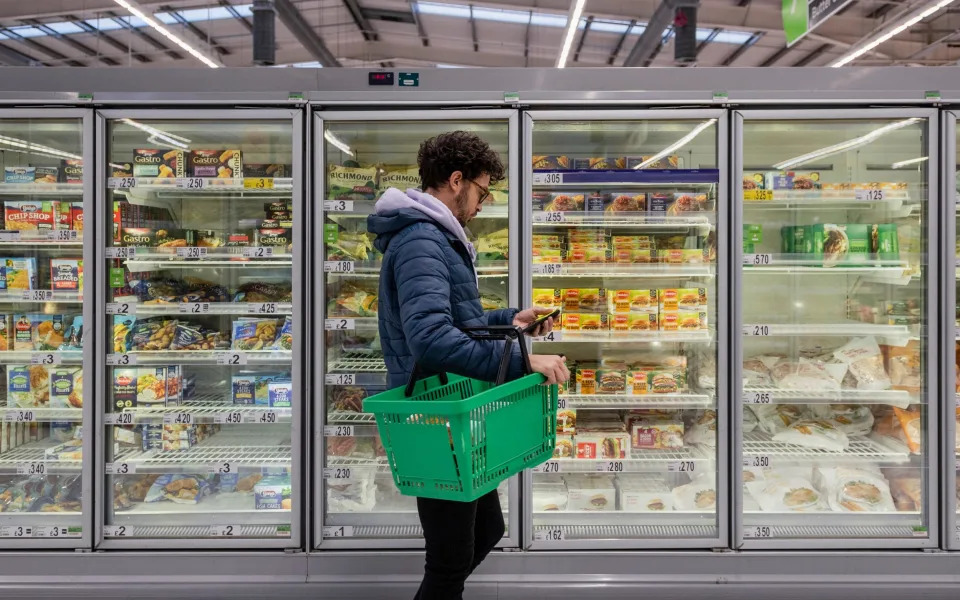
Man in supermarket - Getty Images

“I think the scientific community is well aligned with the view [that obesity is a disease],” says Dr Simon Cork, senior lecturer in physiology at Anglia Ruskin University. “We’ve known…for a long time that body weight isn’t due to personal choice but a combination of genetics, physiology and the environment.

“I often think of body weight as like blood pressure. If your blood pressure goes too high, we use medication to artificially bring it down. Body weight is regulated in very much the same way. It’s programmed around what we call a set point. So for the vast majority of people, whether they are underweight, overweight or obese, their body weight is stable…Your body tries to protect what it thinks is your normal body weight.”

You may succeed in shedding the pounds temporarily. Keeping them off is far harder. The reasons for this, as Dr Cork explains, lie in the interplay between genetics and the environment.

There are hundreds of gene variants associated in some way with body weight so many people have a genetic vulnerability to weight gain.

In a world where energy-dense foods that are rich in refined carbohydrates, saturated fats and salt, and low in dietary fibre are widely available to the point of being impossible to avoid, the environment makes it impossible for many of these people to live at a so-called ‘healthy weight’.

“I like to count the number of opportunities to buy a can of Coke from when I arrive at an airport to when I board a plane,” says Dr Chris van Tulleken, author of Ultra-Processed People, an investigation into the science and economics of ultra-processed foods. “There are typically dozens of opportunities. These foods are everywhere in the way cigarettes were in the 1970s. And the evidence that for some people they’re addictive is very strong.”
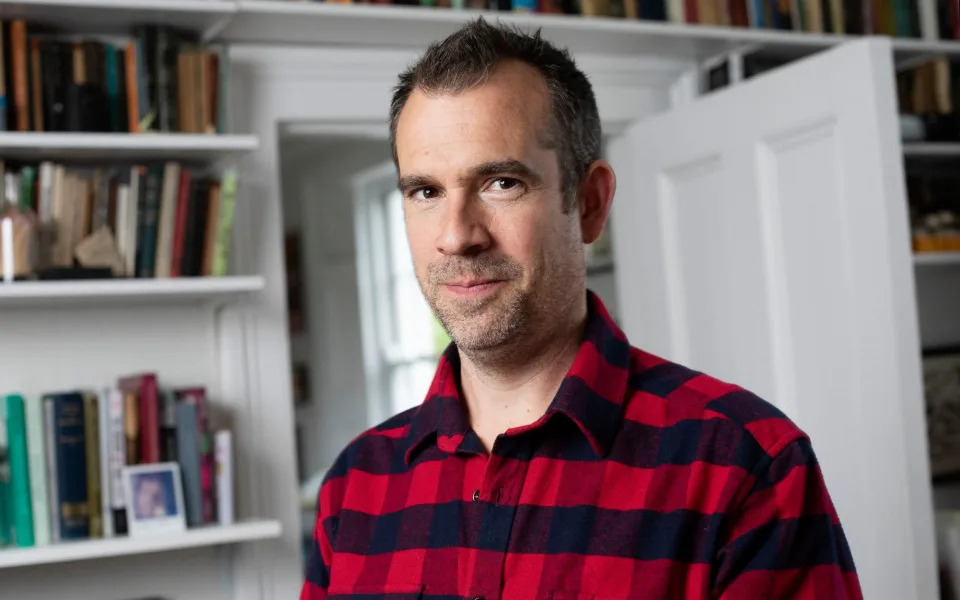
Dr. Chris von Tulleken - Rii Schroer

Most of us already know that cola does not form part of a healthy diet. Fewer people may be aware how many of our daily comestibles fall into the category of UPF: from supermarket sliced bread, breakfast cereals and frozen pizzas, to fruit-flavoured yoghurts, ham, sausages and some alcoholic drinks.

These foods and beverages are everywhere – more than half our diet is now composed of UPFs – and research in recent years has linked high consumption of them with being overweight and obesity. Because these (often highly flavoured) energy-dense foods are designed to be so moreish, it is hard to regulate our intake of them.

The solution, then, is evidently nowhere near as simple as telling people to cut them out and switch to a diet of whole foods and meals cooked from scratch. (Although, ideally, this is exactly what we should do.) Not only are UPFs ubiquitous and addictive, but as Henry Dimbleby, Leon co-founder and former Government food tsar, writes in his recent book Ravenous: “The plain fact is that unhealthy processed food is cheaper per calorie than fresh food.” In other words, not everyone can afford to avoid it.

Van Tulleken, like Dimbleby and others in the public health and scientific arenas, believes it makes no more sense to blame obesity on the individual than we would cancer or any other condition.

“As a doctor, I see [people living with obesity] as having a disease caused by living in an environment that’s deeply harmful to their body,” he says. “The idea that willpower or personal responsibility has anything to do with any of this is entirely debunked.”

He cites the weight gain that was seen across all ethnic and income groups in the US from the Seventies onwards. “You can’t think of anything that suddenly created a failure of individual willpower or personal responsibility that would explain all those groups being affected together, especially when we have a robust explanation: the rise in food engineered to be eaten to excess.”

So what do we do about it? Dimbleby and van Tulleken are among those who believe far more robust regulation of the food industry is needed. Frustrated at the Government’s failure to take the required action, Dimbleby quit his role in March, blaming ministers’ obsession with “ultra-free-market ideology”. They were too worried about being seen as a “nanny state” to act, he suggested.

But van Tulleken argues we are already living in a “nanny state”, only one in which the nannying is done by the food corporations. “I’d like our elected officials to enable us to have access to good information and to make real food available,” he says. “I’d like more choice and freedom. It’s a libertarian argument.”

In the meantime, we now have effective drugs to treat the symptom of the problem – obesity – just as the lung cancer caused by cigarettes has long been treated in hospitals. At a time when the NHS is under inordinate pressure, we can hardly afford not to treat obesity before it triggers the illnesses associated with it (including cancer and cardiovascular disease). The illnesses that also cause economic inactivity.

Data shows that in 2021, the NHS spent £166 billion on the treatment of obesity and overweight across the UK. It seems clear that advising people to get off the sofa more often just isn’t working.

It is against this backdrop that a new generation of weight loss drugs has arrived. You’ve probably heard of Ozempic. Wegovy is another. Such medications are now seen as crucial weapons in our multi-pronged battle against the bulge.
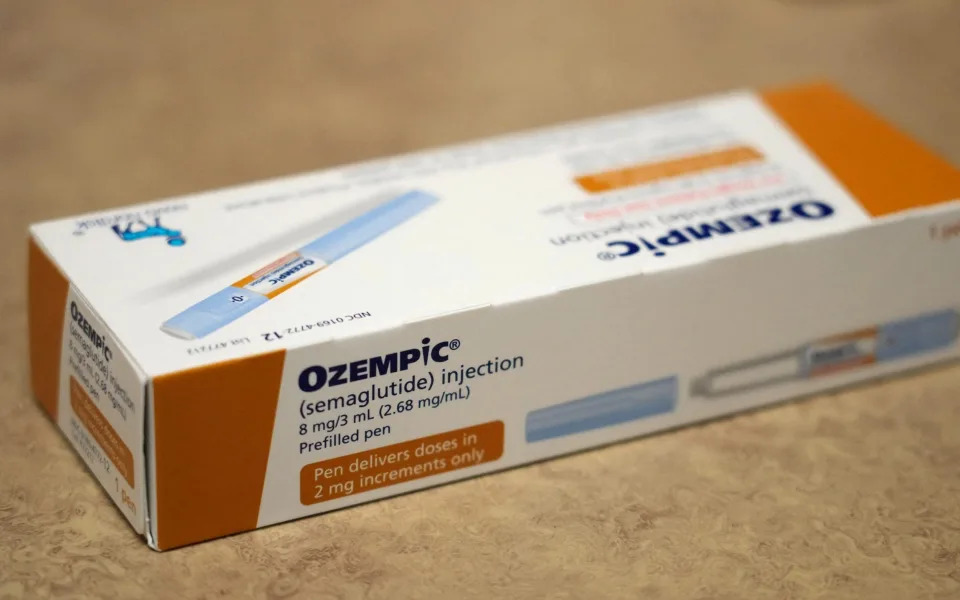
Ozempic - George Frey/Reuters

“Obesity leads to disease states so we should treat it as a disease and treat it with effective, safe drugs,” says Dr Cork.

Are we satisfied they are effective and safe?

“I think we are,” he says. “As long as they are prescribed and monitored appropriately.”  Although all drugs carry the risk of potential side effects, Dr Cork believes the weight loss drugs we have now are the best yet.

“It’s not a question of ‘is [the solution] drugs or is it changes to the environment?’” says van Tulleken. “People living with obesity today need treatment now. The drugs aren’t as good as the companies say they are, but they’re among the best treatments we have, they’re good and they should be freely available and accessible to everyone.”

Failing to take action, both in treating the disease of obesity and treating its causes, is a false economy, he argues. “I want people to have real choice,” he says. “We can’t afford not to do this.”

https://uk.news.yahoo.com/obesity-evolved-lack-willpower-disease-171158210.html

Wednesday, 25 September 2019

The 10 Point Plan for Preventing Cancer

World-renowned independent experts gave us the most up-to-date and authoritative information about cancer prevention and survival – as seen from the perspective of conventional medicine

By Lee Euler / October 21, 2018
The World Cancer Research Fund published its Third Expert Report, Diet, Nutrition, Physical Activity and Cancer: A Global Perspective, in May.
World-renowned independent experts gave us the most up-to-date and authoritative information about cancer prevention and survival – as seen from the perspective of conventional medicine, of course.
Their detailed analysis – running more than 10,000 pages – is based on three decades of studies involving 51 million people, 3½ million cases of 17 types of cancer.
You will be relieved to learn they boiled this massive pile of documents down to ten recommendations we should follow. And some of the findings are surprising. . .
By following healthy lifestyle recommendations, you can lower the risk of cancer by about one-third to one-half.
The authors also state that you can gain additional protection from cancer by avoiding exposure to environmental pollution and carcinogens encountered in the workplace. But these aspects and others were not covered because they’re beyond the study’s original purpose.
The report confined itself to steps where there was strong evidence – convincing or probable – that a given factor caused or prevented cancer. Where the evidence was “limited but suggestive,” it didn’t make the grade.
1. Keep a healthy weight
If current trends continue, overweight and obesity are expected to overtake smoking as the number one risk factor for cancer. The evidence is considered to be strong and has grown even stronger since the group’s Second Expert Report in 2007.
Metabolic and hormonal abnormalities that come with obesity, such as elevated levels of fasting insulin, estradiol (a strong type of estrogen), and inflammation, all increase cancer risk.
The microenvironment of tissues can be changed by obesity, making them more prone to act as colonization sites for tumors. Obesity is also linked to changes within cancer cells that make them more likely to spread.
In addition, adipose (fat) connective tissue cells promote the establishment and growth of vascular networks (angiogenesis) that support and stimulate tumor growth.
Chromosomes and genes are also more likely to mutate in obese people. This has been demonstrated in human studies of colorectal and endometrial cancer in women, and in cancer of the esophagus in lab studies.
There is now convincing evidence that body fat causes cancers of the esophagus (adenocarcinoma), pancreas, liver, colorectum, breast (postmenopause), endometrium, and kidney. It’s also a probable cause of cancers of the mouth, pharynx, larynx, stomach, gallbladder, ovary, and prostate.
2. Be physically active
Appropriate activity creates a metabolic environment in the body that makes some cancers less likely to occur.
Positive effects of physical activity take effect within the endocrine and immune systems. The result is to lower circulating estrogen, fasting insulin and inflammation, enhance innate and acquired immunity, and promote tumor surveillance.
Keeping active also lessens the chance of becoming overweight or obese. Aerobic exercise decreases oxidative stress (free radical attacks) and enhances DNA repair mechanisms.
Evidence is convincing that physical activity decreases the risk of cancer of the colon, and probably decreases the risk of endometrial and postmenopausal breast cancer.
Vigorous, intense exercise probably decreases the risk of premenopausal breast cancer.
3. Eat a diet rich in wholegrains, vegetables, fruit and beans
Make wholegrains, non-starchy vegetables, fruit, and pulses (legumes) such as beans and lentils a major part of the daily diet.
Fruits and vegetables contain a host of micronutrients that protect against cancer, such as vitamins A, C, E, folate and selenium. Lab studies also demonstrate that many phytochemicals like carotenoids, dithiolthiones, isothiocyanates, flavonoids and phenols have anti-cancer effects.
However, hard evidence is not easy to come by when looking at large population studies, so there was no convincing evidence that eating such a diet is protective.
But a probable decreased cancer risk exists for wholegrains and fiber (colorectal cancer), non-starchy vegetables and fruit (aerodigestive) and dairy foods (colorectal).
There was also convincing evidence for an increased risk from aflatoxin (mold) contamination in certain foods, leading to liver cancer.
Other probable sources of cancer risk were foods preserved by salting (stomach cancer) and Cantonese-style salted fish (cancer of the nasopharynx – the upper part of the throat behind the nose).
4. Limit consumption of ‘fast foods’ and other processed foods high in fat, starches and sugars
An increased glycemic load (raised blood glucose) probably causes endometrial cancer. There was no other strong direct association with any other cancer. Fast foods and a Western-type diet are a concern in the context of cancer because they probably promote weight gain.
5. Limit consumption of red and processed meat
Eat no more than moderate amounts of red meat such as beef, pork and lamb each week (12 – 18 ounces cooked weight). Eat little if any processed meat, such as hot dogs, bacon and ham.
Red meat cooked at high temperatures forms compounds that potentially cause gene mutations. DNA damage can also be caused by the increase in heme iron, a form of iron that circulates in the blood.
Processed meat is usually energy dense, has high amounts of salt which can damage the stomach lining, and the methods used to prepare it generate carcinogens.
Red meat was found to be a probable risk, and processed meat a convincing risk for colorectal cancer. No level of processed meat intake can be considered risk-free.
6. Limit sugar-sweetened drinks
The offending sugars include sucrose, high fructose corn syrup and sugars naturally present in honey, syrups, fruit juices and fruit juice concentrates.
The report recommends sticking to water, (although they did point out that arsenic in drinking water was a convincing cause of some cancers. Have your water tested if this is a concern in your area.) If you’re a tea or coffee drinker, limit yourself to a maximum of four cups (to limit caffeine consumption), and don’t sweeten it. Coffee probably lowers the risk of cancers of the liver and endometrium.
There is no strong evidence in humans for artificial sweeteners causing cancer, so drinks such as diet soda are acceptable in limited amounts. (I find this conclusion questionable.)
Sugar sweetened drinks are not strongly linked to any cancer but convincingly put on the pounds.
7. Limit alcohol consumption
Their preferred option: Don’t drink at all. The report states that “there is no level of consumption below which there is no increase in the risk of at least some cancers.”
Drinking alcohol increases the production of metabolites that are genotoxic and carcinogenic. These effects come from acetaldehyde, free radicals, changes in hormone metabolism and alcohol’s solvent properties which allow carcinogens to penetrate cells.
A convincing increased risk was attached to cancers of the mouth/pharynx/larynx, esophagus (squamous cell), liver, colorectum, breast (postmenopausal) and a probable greater risk for stomach and premenopausal breast cancer. However, up to two drinks a day probably lowers the risk of kidney cancer. (Considering the other health risks, I would not drink this much merely because it may help one organ.)
8. Do not use supplements for cancer prevention
The report authors accept certain vulnerable groups even in high income countries may need to be helped, at least in the short-term, with supplements, but feel people should aim to eat “nutrient-dense” diets to protect against cancer.
Trials of high dose supplements “have not consistently demonstrated” protective effects and there is “uncertainty as to the effects of dietary supplements on cancer risk.”
Only calcium supplements above 200mg/day offered strong evidence for probably decreasing the risk of colorectal cancer.
NOTE: This is probably the worst recommendation in the report, and flies in the face of tens of thousands of published studies on nutrition. How could the authors be so far off the mark?
The explanation may be something like this: In studies of large populations, it’s almost impossible to determine who used what supplements, and for how long, and whether the supplements were of high quality (NOT the ones you buy at, say, Walmart or Walgreens.) It’s well-known that merely popping a cheap multivitamin provides little benefit, and that’s all it takes to get yourself classified as a “supplement taker.”
9. For mothers, breastfeed your baby if you can
Having been breastfed protects children against weight gain and probably protects the mother against breast cancer.
10. After a cancer diagnosis, follow the above recommendations if possible
The report states that diet, nutrition, physical activity and body fat are increasingly recognized as being important in cancer survival. People diagnosed with cancer should be able to consult with trained health professionals in these fields.
A blueprint to beat cancer
Dr. Kate Allen, the World Cancer Research Fund Executive Director of Science & Public Affairs, commented on their report:
“Our Cancer Prevention Recommendations work together as a blueprint to beat cancer that people can trust, because they are based on evidence that has now proved consistent for decades.”
“We are committed to giving you the most up-to-date and authoritative information about cancer prevention and survival, enabling you to make healthy lifestyle choices in your daily lives to reduce cancer risk.”
Rowan Chlebowski, head of medical oncology at City of Hope National Medical Center, Duarte, California, agreed with the findings of the report:
“I believe that the evidence is strong enough to make a compelling case that people should take the 10 recommendations for cancer prevention seriously.
“A good number of scientific studies support the concept that cancer can be prevented with diet, nutrition, weight management, and physical activity.”
In our last issue, we talked about a building you don’t want to enter, if you value your life. The article is running again below just in case you missed it.

References:

  1. https://www.wcrf-uk.org/uk/preventing-cancer/cancer-prevention-recommendations
https://www.cancerdefeated.com/the-10-point-plan-for-preventing-cancer/

Saturday, 22 June 2019

Cutting cancer risks | 10 recommendations


https://healthticket.blogspot.com/2019/06/game-changing-cancer-drugs-which-can.html


Our cancer prevention recommendations

Cutting out high-calorie foods and sugary drinks. Drinking less alcohol. Losing weight.
What changes could you make to your life to reduce your risk of getting cancer?
Based on the latest scientific research about how to prevent cancer, our advice is practical and simple to understand.
Cancer Prevention Recommendations weight graphic

Be a healthy weight

Keep your weight within the healthy range and avoid weight gain in later life
Cancer Prevention Recommendations physical activity graphic

Move more

Be physically active as part of everyday life – walk more and sit less
Cancer Prevention Recommendations wholegrains graphic

Enjoy more grains, veg, fruit & beans

Eat a wide variety of wholegrains, vegetables, fruit and pulses such as beans
Cancer Prevention Recommendations fast food graphic

Avoid high-calorie foods

Limit consumption of fast foods and other processed foods high in fat or sugar
Cancer Prevention Recommendations red meat graphic

Limit consumption of red and processed meat

Eat no more than three portions of red meat a week and eat little, if any, processed meat
Cancer Prevention Recommendations alcoholic drinks graphic

For cancer prevention, don’t drink alcohol

If you do, limit alcoholic drinks and follow national guidelines
Cancer Prevention Recommendations supplements graphic

Don’t rely on supplements

Eat a healthy diet rather than relying on supplements to protect against cancer
Cancer Prevention Recommendations breastfeeding graphic

Breastfeed your baby

If you can, breastfeed your baby for six months before adding other liquids and foods
Cancer Prevention Recommendations cancer survivors graphic

Cancer survivors

After a cancer diagnosis, follow our recommendations, if you can

Our recommendations

How do we know that they work?


https://www.wcrf-uk.org/uk/preventing-cancer/cancer-prevention-recommendations

Friday, 27 January 2017

Put down that cheeseburger! Just one is enough to trigger liver disease and diabetes, experts warn


  • Eating one unhealthy meal is enough to temporarily alter the body's metabolism
  • Fitter adults should be able to recover from one such meal, researchers claim
  • But regular big helpings of rich, fatty foods are likely to cause lasting damage 

Eating a single cheeseburger and a portion of chips is enough to temporarily alter the body's metabolism, experts have found.

Consuming the saturated fat contained in just one unhealthy meal can trigger changes linked to fatty liver disease and diabetes, a study suggests.

While a fit body might be able to recover from one such meal, regular big helpings of rich, fatty food are likely to cause lasting damage, the scientists say.

Consuming the saturated fat contained in just one cheeseburger can trigger changes linked to fatty liver disease, a study suggests
Consuming the saturated fat contained in just one cheeseburger can trigger changes linked to 
fatty liver disease, a study suggests

Experts at the German Diabetes Centre in Dusseldorf tested their theory on 14 healthy men aged 20 to 40.

Each volunteer was given either a glass of vanilla-flavoured palm oil or a glass of plain water.

The palm oil contained as much saturated fat as an eight-slice pepperoni pizza or 110g cheeseburger served with a large portion of french fries.
Tests showed that consuming the palm oil resulted in an immediate increase in fat accumulation and reduced sensitivity to insulin, the vital hormone that regulates blood sugar.

It also raised levels of triglycerides - a type of fat linked to heart disease - altered liver function and led to changes in gene activity associated with fatty liver disease.

Levels of glucagon, a hormone that stops blood sugar falling, were also raised.

Similar effects were seen in mice given the same palm oil treatment.

While a fit body might be able to recover from one such meal, regular big helpings of rich, fatty food are likely to cause lasting damage - including diabetes
While a fit body might be able to recover from one such meal, regular big helpings of rich, fatty food 
are likely to cause lasting damage - including diabetes

The researchers, led by Professor Michael Roden, wrote in the Journal of Clinical Investigation: 'The practical implication of this work is that the palm oil challenge used in this study most likely resembles the effects of ingestion of a meal rich in saturated fat, eg an eight-slice pepperoni pizza or a meal consisting of a 110g cheeseburger and a large portion of french fries.

'One such meal would probably be sufficient to induce transient insulin resistance and impair hepatic [liver] metabolism.'

The scientists added: 'We presume that lean, healthy individuals are able to compensate adequately for excessive intake of saturated fatty acids, however, sustained and repeated exposure to such nutrients will ultimately lead to chronic insulin resistance, and non-alcoholic fatty liver disease.'

Palm oil was found to reduce insulin sensitivity by 25 per cent in the whole body, 15 per cent in the liver and 34 per cent in fat tissue.

Triglyceride levels in the liver were increased by 35 per cent and the mechanism that generates glucose sugar from non-carbohydrate foods became 70 per cent more active.