Pages

Showing posts with label Sinusitis. Show all posts

Monday, 12 February 2018

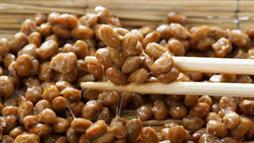
Here's the Latest on Nattokinase

If you're ever given a blood thinner, you may first want to explore nattokinase, a supplemental derivative of natto, referred to in a recent study as a 'versatile and potent' fibrinolytic enzyme to combat blood clots far better than conventional medications. But this enzyme goes further, improving your heart function and more.

February 12, 2018

natto

Story at-a-glance

  • Nattokinase, an enzyme isolated from natto (the bacterium Bacillus subtilis, a traditional Japanese food made from fermented soybeans that has been eaten for millennia), has been found to have unique health benefits
  • A recent study shows that nattokinase relieves nasal inflammation, chronic rhinosinusitis (CRS) and related problems like nasal polyps, which is good news since conventional interventions have proven ineffective
  • Nattokinase has been shown to break down and dissolve fibrinogen, a component of blood clots and atherosclerotic plaque, which are risk factors for cardiovascular disease, and has no side effects
  • Consumption of nattokinase is linked with lowering systolic and diastolic blood pressure, as well as viscosity, which in turn improves blood flow and subsequently, lowers blood pressure
By Dr. Mercola
If you’re not familiar with nattokinase, you’re not alone. CliffsNotes on the term might describe it as an enzyme that’s purified and extracted from the bacterium Bacillus subtilis (aka natto), a traditional Japanese food made from fermented soybeans and eaten for millennia. How is nattokinase significant for health? The answer is multifaceted, as it’s been found to be significant in both disease treatment and prevention.
Benefits include a dramatic effect on blood clots; more recently, research has revealed how the enzyme impacts persistent sinus conditions. Especially during colder times of the year, a common malady is nasal-related problems, which can turn into a number of variants, including sinus inflammation. The symptoms are not pleasant (few nasal problems are) and can lead to chronic rhinosinusitis (CRS) and/or nasal polyps.
But a recent study1 indicates that nattokinase is an effective way to deal with these and related symptoms. Natural health proponent Dr. Michael Murray says nattokinase has the ability to produce powerful effects to improve CRS, far better than conventional drugs. He explains how nattokinase is produced:
“The enzyme nattokinase is produced by adding the bacterium Bacillus natto to boiled soybeans. The bacteria try to digest the soybeans by secreting nattokinase. The most popular and scientifically studied application for nattokinase has focused on its potent fibrinolytic (‘clot-busting’) activity.
What that means is that it breaks down fibrinogen, a component of blood clots and atherosclerotic plaque. Elevated fibrinogen levels are another clear risk factor for cardiovascular disease.”2
One of the most common ways high fibrinolytic levels manifest in the body is via the development of nasal polyps, as it settles in the nasal mucous. That’s also the reason why researchers decided to determine how nattokinase might be beneficial for this condition.

What Is a Mucolytic Agent?

A mucolytic is an agent that renders mucus — the thick substance that makes spit difficult to rid your throat of when you have a cough, and often contributes to an “unproductive” cough as well —  looser and thinner, making it easier to get rid of. Most mucolytics are prescription form because they’re chemically concocted rather than being a natural substance. Further, you’ll note that drug companies producing them make it clear that taking the drugs regularly is needed for them to work properly.
Murray noted that for healthy nasal passages, sinuses and airways, it’s important for secretions to maintain elasticity and fluidity in your respiratory tract. If your mucus is too thick, it’s hard to get rid of, which promotes inflammation, blocked airways, difficulty breathing and, as a result, polyp formation. That’s where nattokinase comes in, improving these secretions and the resulting inflammation and other issues. In addition:
“This effect is similar to other enzymes such as bromelain and serrapeptidase. And, indicates that nattokinase is a strong consideration in conditions beyond CRS such as chronic obstructive pulmonary disease (COPD), bronchitis, and sinusitis.”3

Background on Nattokinase: What It Is and What It Does

In 1980, Hiroyuki Sumi from Chicago University Medical School was researching the clot-busting aspects of conventional drugs and tried placing natto in a petri dish with a blood clot. In 18 hours, the blood clot dissolved — far less time than occurs with drugs prescribed for the same purpose. Later clinical studies have determined nattokinase also:
  • Dissolves excess fibrin in blood vessels, which improves circulation, dissolves blood clots and reduces the risk of serious clotting, aka atherothrombotic prevention
  • Increases HDL (good cholesterol), optimizes cholesterol levels and has no side effects
  • Decreases blood viscosity, which in turn improves blood flow and, subsequently, lowers blood pressure
  • Exerts “considerably stronger thrombolytic activity” comparable to that of another well-known blood thinner: aspirin, a remedy known to trigger bleeding and gastric ulcers 
  • Can be absorbed by your intestinal tract when taken orally

Nattokinase and Decreased Blood Pressure

In 2016, researchers observed a link between the consumption of nattokinase and both lowered blood pressure and von Willebrand factor, which helps stimulate blood clotting and control bleeding after an injury. Von Willebrand disease is an inherited condition that impedes this factor (related to another clotting disorder known as hemophilia). According to the study,4 nattokinase consumption was associated with a decrease in both systolic and diastolic blood pressure.
Incidentally, the reduction in systolic blood pressure was seen for both sexes but was more robust in males consuming nattokinase. Significantly, the researchers also noted that while a number of pharmaceutical options are available for these conditions, notably “thiazide-type diuretics, angiotensin-converting enzyme inhibitors/angiotensin II receptor blockers, calcium channel blockers and beta-adrenergic blockers,”5 adverse effects can include:
  • Contraindications, aka possible harm
  • Synergistic effects, which can exacerbate the effects of protocols, making all combined greater than the individual effects
  • Increased risk for certain individuals, such as those with diabetic nephropathy, aka kidney damage caused by diabetes, including the possibility of impaired renal function, abnormally low blood pressure (hypotension) and hyperkalemia, aka higher-than-normal blood potassium
In fact, the study notes:
“There is a growing interest in non-pharmaceutical sources of angiotensin-converting enzyme inhibitors, as well as food-based strategies for supporting cardiovascular function and specifically for reducing hypertension. Natural methods to reduce such inflammatory conditions are of interest, and dietary components of functional benefit for the hypertensive patient include essential fatty acids where cardioprotective fatty acids found in oils from fish, flax, nuts, seeds, and algae have known anti-inflammatory activities.”6

Research on Nattokinase

Studies on both animals and humans have shown how effectively nattokinase (NK) “provides support to the circulatory system by thinning the blood and dissolving blood clots.”7
  • In one study, dogs with chemically induced thrombi in their major leg vein were given nattokinase capsules, and the clots dissolved within five hours.8
  • A similar study on rats with induced thrombosis in their carotid artery showed “considerably stronger thrombolytic activity” and an increased blood flow of 62 percent, compared with other enzymes that exhibited 15 percent and zero percent blood flow.9
  • According to Life Extension, another rat study involved nattokinase supplementation for three weeks before and after endothelial injury to the animals’ femoral arteries.10 The result was more effective thickening and dissolution of blood clots near the injury, as compared to control animals not given the supplement.11
  • Because thicker blood viscosity and coagulation can raise your risk of cardiovascular disease, one study involved the administration of NK to healthy individuals as well as those with elevated cardiovascular disease factors and others undergoing dialysis, with a significant decrease in fibrinogen levels within two months.12
On long-haul flights (and vehicle travel), one risk is the development of deep vein thrombosis, or blood clots, especially when individuals fail to get up and move around. A study comparing the effects of a combination of nattokinase and pycnogenol (derived from pine bark), and a control group of participants given a placebo, resulted in five thromboses problems among the control group and zero in the NK/pycnogenol group.13
In addition, studies indicate that the longevity of Japanese who’ve been consuming natto (interestingly, one of the derivatives is vitamin K2) for thousands of years is greatly increased.14 In a far lower life form, the life span of nematodes (Caenorhabditis elegans) was also significantly extended by nattokinase.15

Nattokinase: Conventional Remedies

Previous research on nattokinase, involving a collaboration between Qingdao University in China and Northeastern State University at Broken Arrow, Oklahoma, called natto a “miracle food” and noted one of its most significant benefits: heart disease prevention.
It’s well-known in the medical world that when patients exhibit the main risks for the primary cause of death in the U.S. — cardiovascular disease (CVD) — such as obesity, high blood pressure and Type 2 diabetes, the first order of business is to put them on statin drugs, suggest bypass surgery or angioplasty to clear excess plaque from arteries or prescribe blood thinners. The latter can pose serious side effects, including:
Hemorrhage (internal bleeding)
Abdominal pain and cramping
Fatigue
Feeling cold and chills
Liver damage
Hair loss
Nausea
However, savvy scientists understand that blood clots are another risk factor for heart health. The risk rises due to several factors, age being one of them. Smart Publications notes:
“Although our human body produces several enzymes for making blood clots, it produces only one enzyme — plasmin — for dissolving them. The problem is, as we age the production of plasmin is reduced, making blood more prone to coagulation and clotting.
To make matters worse, fibrinogen (a blood clotting protein) levels rise as we get older. And high levels of fibrinogen usually lead to increased platelet aggregation, blood clots, and eventually heart attack or stroke ... Preventing blood clots, particularly in older individuals, is a crucial step in preventing heart attack and stroke.”16
The key is doing it naturally, which is what nattokinase offers. According to Life Extension, nattokinase has been available for purchase since 1998. Keep in mind that the food natto may be made from genetically engineered soy, so be sure to read food labels.

Final Notes on Nattokinase

Currently, scientists say the recommended amount of powdered nattokinase is two 100-milligram capsules per day. If you’re wondering about the soy it contains, remember that natto is fermented soy, and fermentation removes the disadvantages associated with eating raw or cooked soy. You can even make your own natto at home, but if you prefer a supplement form, nattokinase is actually an enzyme derived from the food. The Baseline of Health Foundation notes:
“Some may question the use of using a soy-derived product for health. Note that when soy is fermented, it neutralizes the harmful effects on your hormones. But more importantly, what you get in a supplement is not natto, the food derived from fermenting soy, but nattokinase, the purified enzyme extracted from natto. In other words, there’s virtually no soy left in nattokinase. Just be sure to look for a brand that uses non-GMO Nattokinase since most soy is genetically modified.”17
Significantly, a study in Egypt asserts that nattokinase may benefit people with Alzheimer’s disease, as it did in research on rats, which scientists determined after oral administration and subsequent study of their brain tissue.18 Additional studies are ongoing.
https://articles.mercola.com/sites/articles/archive/2018/02/12/nattokinase.aspx

Monday, 26 September 2016

Try Clearing Your Sinuses If You Have Dark Circles Under Your Eyes

Dark circles under your eyes can be caused and exacerbated by a number of things, not just lack of sleep. One thing you might not know could cause dark circles: nasal congestion.


The Mayo Clinic explains the problem and the easy solution:
Extra zzzs may not cure those dark circles under your eyes. One common cause is nasal congestion. When your nose gets congested, veins that usually drain from your eyes into your nose become widened and darker. Rinsing your sinuses with a saltwater solution (mix 1/4 teaspoon sea salt with 2 cups warm water) or over-the-counter saline spray can help relieve nasal congestion, and your dark circles.
It's something to try, at least, if the area under your eyes is darker than usual.
http://lifehacker.com/try-clearing-your-sinuses-if-you-have-dark-circles-unde-1660174413

See also:

Thursday, 14 April 2016

Unblocking hypersensitive noses

Imagine living without being able to smell.
No more scents of aromatic coffee, fragrant flowers, stinky tofus or potent farts. Without the sense of smell, our ability to taste is also affected and food tastes different.

If you don’t have the capacity to detect odours, you wouldn’t smell a gas leak, smoke, or sour milk – in essence, you have nothing to protect you from dangerous stimuli.
This condition is known as anosmia, or a complete loss of the sense of smell. Fortunately, for most people, anosmia is a temporary nuisance caused by a severely stuffy nose from a cold or an allergy.
However, more people suffer from hyposmia, which is the partial loss of the ability to perceive smells.
If you have allergic rhinitis, a chronic nasal inflammatory state characterised by sneezing spells, a runny or blocked nose and itching of the nose, eyes and throat; or sinusitis, which refers to an inflammation of the sinus mucosa, then you may have experienced hyposmia at some point.
“Sinusitis lends additional symptoms such as headaches and facial pain to an inflamed nose. Sinusitis almost always happens as a result of inflammation starting in the nose. As both the conditions are closely related, doctors now use the term ‘rhinosinusitis’ to describe someone who has both an inflamed nose (rhinitis) and inflamed sinuses (sinusitis),” explained consultant otorhinolaryngologist, and head and neck surgeon, Dr Azida Zainal Anuar.
On a mission to increase public awareness about the olfactory function (smell organ or nose), allergic rhinitis and sinusitis, the Nuvaceutical division of Nuvanta Sdn Bhd recently hosted The Scent-sitive Nose Forum, an educational media get-together with a panel of experts.
‘Almost half of allergic rhinitis patients also suffer from asthma as the two conditions affect the same airway,’ said Dr Azida Zainal Anuar. Photos: The Star/Low Boon Tat
The team comprised Dr Azida, clinical psychologist Dr Priyadarshini Srinivasan Moharkonda and pharmacist Datin Swanee Teh.
According to Dr Azida, approximately 25-33% of the population have allergic rhinitis, and sometimes it may be difficult to distinguish the ailment as the common cold also has similar symptoms, although this tapers off over time.
“The cause of allergies can be genetic, and it may not come early in life but may be triggered much later. Similarly, non-allergic rhinitis, which doesn’t involve the immune system, can also manifest later in life due to other factors,” she said. “Uncontrollable allergic rhinitis can develop into asthma and enlarged adenoids or tonsils.”
Although most people believe that allergic rhinitis and sinusitis are caused by allergens present in the environment such as dust mites, pet dander, mould and pollen, the root cause is actually the person’s immune system, which has somehow been tuned to “hypersensitive mode”.
Every day, the mucosa of our nose and sinuses produce approximately one litre of mucous, which is moved to the back of the nose by cilia (hair-like structures that extend from the surface of the cell) and then swallowed subconsciously.
“When inflammation occurs in the nose and sinuses, the cilia stop beating and fail to transport the mucous, which then builds up in the nose and sinuses.
“At the same time, the mucosal lining swells up and blocks up the ostia (opening) of the sinuses. If an infection sets in, the mucous then changes from a colourless fluid to greenish pus in the affected sinuses,” added Dr Azida.
When the nose is blocked, the tendency is to breathe through the mouth, resulting in the blood not getting all the oxygen that is required. This then leads to a dry cough, bad breath, gum disease and mouth ulcer.
Clinial psychologist Dr Priyadarshini Srinivasan Moharkonda.(R) and pharmacist Datin Swanee Teh shedding light on the olfactory function.
There is plenty of clinical evidence that mouth-breathing has an adverse effect on the growth and development of a child’s face and jaw. Not only do children end up having a smaller jaw and longer face, they also tend to be more hyperactive.
Both allergic rhinitis and sinusitis can cause anosmia due to a blocked nose or an obstructive lesion like a polyp in the nose. In these cases, removal of the obstructive factor may lead to return of the sense of smell, but not always.
Having a chronically blocked nose can lead to sleeping disorders, snoring and sleep apnoea. Although snoring was previously thought to be no more than an irritant to sound-sleeping partners, the otorhinolaryngologist pointed out that it is now recognised as a serious health risk, especially if it involves apnoea (the cessation of breathing during sleep).
Dr Azida said, “Snoring coupled with sleepless nights can drive a deep wedge between couples as both parties find themselves tired, moody and not surprisingly lacking sexual desire and intimacy.”
As a pharmacist, Teh has seen countless customers giving the “allergic salute”, i.e. the habitual gesture of wiping and/or rubbing the nose in an upwards or transverse manner with the fingers, palm, or back of the hand. It may be off-putting but that is what sufferers have to contend with.
She said, “It’s easy to dismiss a runny nose or frequent sneezing spells as a minor nuisance. But if the public was more aware of this condition, of how it robs one’s ability to breathe and smell and function optimally, besides its role in increasing the risk of asthma, you’ll be on your way to recognising it as a legitimate medical problem and significant burden.
“Both these conditions tend to run in families, and can last for decades, and may lead to many days of missed school or work. It can also affect a person’s concentration and performance at school or at work, and how they feel about themselves.
“In fact, some countries consider it the most common chronic allergic disease in the world today.”
Psychologically, the annoying, leaky or blocked nose often translates into a sense of self-betrayal and shame. Patients with sensitive noses tend to keep to themselves.
“A blocked nose may not look like a serious condition, but patients who suffer from this have had a normal ability taken from them. A once happy child can turn grumpy and irritated; a former sociable spouse can turn into a couch potato; and a go-for-gold athlete can lose strength and the will to win,” offered Dr Priyadarshini.
It’s easy to tell a sufferer to avoid triggers and flush the nose with a salty solution after being in a polluted environment, but these may not offer a permanent solution.
The many options for treating allergic rhinitis and sinusitis can be confusing at first, but if you nose around, you’ll find a way to keep your nose unblocked and less drippy.
While conventional drugs such as antihistamines and decongestants sometimes help, they are not able to address the hypersensitive state of the immune system, which is the root cause of the problem.
Dr Azida noted that allergen immunotherapy may be the most effective long-term approach towards a cure as it gradually decreases your sensitivity and builds up your immunity to allergens.
It involves regular administration of gradually increasing doses of allergen extracts over a period of three to five years. Immunotherapy can be given to patients as an injection or as drops or tablets under the tongue. But, the long duration of treatment can be a deterrent.
For an alternative remedy, sufferers can try the natural, activated astragalus root extract, which has shown to be effective in alleviating nasal allergies.
Instead of blocking histamine, as what antihistamines do, the extract helps “calm” the immune system from acting angrily each time it encounters an allergen in the environment. Harmless allergens are then neutralised without the nose flaring up into inflammation.
Here are some quick tips to manage allergic rhinitis and avoid sinusitis:
• Minimise exposure to allergens by closing windows and running air conditioners.
• Reduce exposure to allergens such as dust mites and moulds, by covering pillows and mattresses with pillow protectors, and removing dust-collecting household items, such as carpets, heavy drapes and bedspreads.
• Although air purifiers and dust filters can be costly, they may help reduce the amount of allergens in the air.
• Saline nasal sprays and humidifiers can help clear congestion.
• Avoid strong “smell-influenced” triggers like perfumes or colognes, flowers and other powerful odours.
http://www.star2.com/health/wellness/2016/04/10/unblocking-hypersensitive-noses/

This post is on Healthwise

Thursday, 10 March 2016

This Happens With Your Body If You Eat Ginger Everyday

Ginger is one of the healthiest spices known without any doubt. This spice has various beneficial qualities that can be helpful against many health problems.

January 15, 2016

Eat Ginger
Eat Ginger
You can consume both ginger tea and ginger supplement. This incredible root has many different uses. For instance, it is effective against cancer. It can completely destroy ovarian cancer cells. It also reduces the risks of suffering from irritable bowel syndrome. Furthermore, ginger can aid the weight loss process. This root can activate the digestive juices, which significantly improves the function of the digestive tract.
Ginger is also able to burn excessive fat and aid the process of fat loss. Regular consumption also makes you feel fuller for long time. According to recent studies, ginger reduces the loss of brain cells, which is a huge problem in cases of Alzheimer’s disease.
Ginger also has anti-inflammatory qualities which means that it can relieve any type of pain. Drinking one cup of ginger tea in the morning, will allow you to enjoy the numerous amazing benefits of ginger during the entire day.
The ginger root can also help your sinuses. It can ease the drainage and unclog them. Only one cup of hot ginger tea will help you enjoy all of these benefits of ginger. Moreover, there are no side effects of drinking this healing tea.
The levels of glucose in the body affect the energy levels and the weight directly. Ginger keeps the glucose levels normal. It also improves concentration.
Ginger increases the absorption of the nutrients that the body needs. Due to its anti-inflammatory qualities, it can help with any condition and disease that is based on an inflammation. This spice is able to reduce arthritis inflammation as well.
Even though ginger cannot cure asthma entirely, it can ease the symptoms by easing the pain and opening up the airways.
Ginger can also be helpful in cases of bad breath. It will make you mouth and palate clean and fresh. Make your ginger cleansing drink using hot water. It will cleanse your mouth and neutralize the bad scent.
Ginger will also protect you from colds and other diseases since it improves the immune system.
Ginger improves circulation and makes you feel energized. It opens the pores and this leads to better circulation.
Ginger functions as an aphrodisiac as well. It can also make people more active by recovering tired muscles.
Ginger destroys excess acids that cause heartburn. Consume it regularly to eliminate heartburn.
Drinking one cup of ginger tea before bed, will cleans the digestive tract and prevent gasses.
This root also stops motion sickness and its symptoms like nausea, dizziness and cold sweats.
Incorporate fresh ginger root in your daily diet and prevent all kinds of health condition and diseases.
http://healthydefinition.com/eat-ginger-everyday/


Click on Healthwise for more articles

Wednesday, 18 March 2015

Astragalus: Chinese medicinal herb enlisted in fight against allergic rhinitis

A herb long used in traditional Chinese medicine for diabetes has been recently proven effective for allergic rhinitis, with some even touting the plant as a 'superfood'.

This post is on Healthwise

Sunday June 1, 2014

BY TAN SHIOW CHIN

For those with seasonal allergies, like hay fever, the A. membranaceus activated root extract needs to be taken one month before the start of the season as a preventive measure. – AFP

A herb long used in traditional Chinese medicine for diabetes has been recently proven effective for allergic rhinitis, with some even touting the plant as a 'superfood'.
Take a look around you, is there someone you know who has symptoms of allergies?
This might be in the form of allergic rhinitis — runny and/or blocked nose, watery eyes and sneezing; food allergies — itching, rashes, and even, difficulty breathing, upon consumption of the trigger food; eczema or contact dermatitis — itchy, red skin rashes; and allergic asthma — difficulty breathing upon exposure to the allergen, among others.
There is a pretty good chance that you know one or more persons who have some form of allergy, or even have allergies yourself, as the Malaysian Society of Allergy and Immunology estimates that one in three Malaysians suffer from some sort of allergy.
In fact, allergies are a rising medical trend both globally and locally. Experts predict that if the present trend continues, around half the country's will be affected by ailments caused by allergies by 2020.
While allergies are unlikely to be fatal for most sufferers, they do seriously affect quality of life. This is especially so for those who are allergic to substances that are commonly found in the environment, like dust mites, pet dander and pollen.
According to Croatian medical doctor and researcher Dr Silva Pecanic, the current goals of allergic rhinitis management is to improve quality of life and minimise side effects from treatment.
“There are three main methods of management. First, of course, is the allergen avoidance. But this requires a lot of education of the patient, a lot of discipline, habit changes, and is quite restrictive,” she says, noting that when one family member has an allergy, the entire family usually suffers along as well.
“The other method is pharmacotherapy. Current pharmacotherapy includes nasal steroids, which have a lot of side effects like dryness, and after long-term use, leads to thinning of the nasal mucosa, making it prone to bleeding or infections. There are also a lot of side effects for antihistamines, which are often used to decrease allergy symptoms, like dryness, drowsiness, dizziness, and sometimes, trouble urinating,” she says.
The third method of treatment is with leukotriene inhibitors. However, Dr Pecanic notes that the US Food and Drug Administration has updated the precautions on this group of drugs to include warnings on reported adverse neuropsychiatric side effects like agitation, aggression, problems sleeping, hallucinations and suicidal thoughts.
She says: “All these treatments are directed at the final symptoms — after the histamine attack. And all these patients usually change their therapy because they are never fully satisfied with their medication — changing from one antihistamine to another, and the nasal steroids and the nasal decongestants.”
Regulating allergy genes
Dr Pecanic, who is currently the Regulatory Department head of the South-East European Croatian-based health supplements and non-prescription drugs company Milsing, was in town recently to speak about a new allergy treatment based on the herb Astragalus membranaceus.
Also known as huang qibei qi or huang hu huang qi in Chinese, the dried root of A. membranaceus has actually been used in traditional Chinese medicine (TCM) for thousands of years. Its primary function in TCM is as an energising tonic and boosting the immune system, as well as treating diabetes.
It is this last function that led a group of researchers at the Ruder Bokovic Institute in Zagreb, Croatia, to take a deeper look at the root of this herb 14 years ago.
Milsing Product Development head and pharmacist Iva Martic shares: “During the research, they discovered that the activated root extract of A. membranaceussubstantially influences some of the genes which are involved in the inflammatory reaction.
“After that, they performed a series of tests, and animal and clinical trials, to show that it does affect more than 20 genes involved in the inflammatory process.”
In was at this stage in 2003 that Milsing, which develops such products commercially, got involved.
According to Martic, their research showed that the activated root extract of A. membranaceus helps to regulate the genes involved in the Th1 (Type 1 helper T cell) pathway. (See What are helper T cells?)
Increased activity of this pathway helps balances out the Th2 (Type 2 helper T cell) pathway, which is the one responsible for releasing histamine and other inflammatory chemical mediators that cause allergy symptoms.


Providing effective relief
In 2007, Dr Pecanic and her colleagues conducted a randomised, double-blind clinical trial at the University Hospital Dubrava in Zagreb. The results were published inPhytotherapy Research in 2010.
Forty-eight patients with seasonal allergic rhinitis were randomly put into two groups for the six weeks of the trial. Two-thirds of them received the activated root extract of A. membranaceus, while one-third received a placebo. No other pharmacological treatment for allergies was allowed.
According to Dr Pecanic, participants on the root extract showed significant improvement for rhinorrhoea (runny nose) after three weeks on treatment, and itching or burning eyes after six weeks, compared to those on the placebo.
In addition, subjective evaluations on treatment efficacy from patients and doctors respectively both showed an agreement that the root extract was significantly more effective than the placebo.
She adds: “There were very few adverse reactions, and all of them were actually symptoms from the allergy. The conclusion was that there were no adverse reactions related to the root extract.”
While the treatment for the clinical trial was administered at the start of the allergy season, Dr Pecanic says that the treatment works best when begun a month before exposure to the allergen or allergy season (for example, spring in temperate countries when pollen starts to spread), as a preventive measure.
Patients need to take the treatment as long as there is risk of exposure to the allergen.
However, those who have perennial or constant allergies can also start the treatment at any time, as then, it will work to reduce the symptoms they are already suffering from. They would need to take a stronger dose of the root extract until their symptoms subside, whereupon they can continue with the maintenance dose until they are no longer at risk of being exposed to the allergen.
Dr Pecanic says that it takes up to about a week in such patients for the treatment to start showing effect. She adds that they can also combine the root extract with their usual pharmacologic treatments for symptom relief.
Although patients will probably have to continue taking the root extract for as long as they have allergies, which is usually lifelong, Dr Pecanic notes: “It is a natural product; it does not have side effects. And it is much better to take such products than drugs with side effects. It is safe.”
http://www.thestar.com.my/Lifestyle/Health/Alternatives/2014/06/01/Astragalus-Chinese-medicinal-herb-enlisted-in-fight-against-allergic-rhinitis/

Go to Healthwise for more articles

Friday, 13 February 2015

Is It Really Sinusitis?

Don’t assume that it’s merely a bad cold when you’re stuffed up and feeling lousy for more than the usual seven to 10 days. It could be something worse—and much harder to get rid of. It could be sinusitis.


This post is on Healthwise

November 1, 2014

SIMPLE SELF-TEST PLUS REMEDIES THAT WORK


5413Don’t assume that it’s merely a bad cold when you’re stuffed up and feeling lousy for more than the usual seven to 10 days. It could be something worse—and much harder to get rid of. It could be sinusitis.
Sinusitis is a condition where the nasal passages become inflamed and swollen. It’s usually caused by a cold, but it could be triggered by allergies or a bacterial or fungal infection.
Here’s how to tell if you have sinusitis and what to do about it if you do…

STEP 1: MAKE THE DIAGNOSIS

Sinsitis testLong-lasting congestion, accompanied by tenderness around the eyes, forehead and/or cheeks, is the hallmark of sinusitis. Mucus will probably be yellow or greenish rather than clear.
Sinusitis can persist for weeks, months or even years. Colds never last that long. Another hint is when you get sick. If your symptoms are predictable—they occur only in the spring or summer, for example, or when you eat certain foods—you might have sinusitis triggered by allergies.
Most people with sinusitis have slow-moving cilia, microscopic filaments in the respiratory tract that propel mucus out through the nose or down the back of the throat. After an allergy or a cold, the cilia slow down. Also, some people with certain conditions such as cystic fibrosis have chronic slow-moving cilia. Impaired mucus transport is what causes congestion, which can become a breeding ground for infection.

STEP 2: IRRIGATE THE NASAL CAVITIES

Irrigation is the best treatment for congestion-related problems, including sinusitis, colds and allergies. It thins and flushes away mucus and helps the sinuses drain. It also washes out allergens and infection-causing bacteria.
Mix about one teaspoon of salt and one-half teaspoon of baking soda in two cups of warm sterile water. Pour it into a squeeze bottle or another type of nasal-irrigation device. (Or you could try a system I invented called the Hydro Pulse Sinus System, available online—it applies the low, steady pressure needed to create suction and pull out mucus.)
Keeping the head centered, put the solution into one nostril. Keep it flowing until the solution begins to flow out the other nostril. Gently blow your nose, then repeat on the other side. Caution: If you’re using a squeeze bottle, try to maintain steady pressure. A University of Pennsylvania study found that infected mucus can backflow into squeeze bottles and cause a reinfection.

STEP 3: SHRINK THE SWELLING

Much of the discomfort of sinusitis comes from swollen mucous membranes. To reduce swelling, apply moist heat to the sinus area. Soak a washcloth in warm-to-hot water, and drape it over the nose and cheeks. When it cools, resoak and reapply it several times a day.
Another way to reduce swelling and congestion is to lift the tip of your nose. It sounds (and looks) silly, but it works because a downward-dipping nose (common in older adults) can block the nasal openings. At night, loop a piece of one-half-inch-wide medical-grade tape under the end of the nose…pull the ends slightly upward…and stick them between the eyes. It will keep the nasal passages open while you sleep.
Also helpful: My Clear-ease natural fruit enzyme tablets. Follow the label directions. Fruit-based enzymes such as bromelain and papain reduce sinus swelling.

STEP 4: CLEAN YOUR HOME

Pollens, molds and dust mites, along with plain old dust, can cause sinusitis.
You don’t have to give your home the “white-glove treatment.” But do wash bedding weekly in hot water to kill dust mites and their eggs. Also consider dust mite–proof mattress and pillow covers. Vacuum carpets once a week, preferably with a vacuum equipped with a HEPA filter. It’s also a good idea to keep dogs and cats out of the bedroom to minimize nighttime exposure to dust and dander from their coats.

STEP 5: MORE VITAMIN C

Vitamin C can reduce the intensity and duration of coldlike symptoms, including congestion. It’s a mild antihistamine that reduces mucus production and sinus swelling. When sinusitis flares, increase your dietary intake of vitamin C by eating plenty of salads, leafy green vegetables, citrus, etc.
Caution: Some fresh fruits such as strawberries contain high levels of natural histamines, but canned or cooked do not. If you notice an increase in congestion and/or head pain after eating certain foods, avoid them until you’re feeling better.

STEP 6: USE A DECONGESTANT

I don’t recommend decongestants before trying drug-free treatments. But if you’ve had sinusitis for a few weeks or longer, your body’s defenses are probably exhausted. Using a decongestant spray once or twice will provide relief and give your natural defenses a chance to catch up.
Any decongestant spray, tablet or liquid can help, but I like Patanase Nasal Spray. It’s a prescription spray that quickly clears congestion and doesn’t contain a corticosteroid. Menthol inhalers such as Vicks and Benzedrex also can provide relief.

STEP 7: DE-STRESS

Doctors have known for a long time that emotional stress can dampen immunity and increase the risk for infection. It also tends to increase the incidence (and discomfort) of colds, allergies and sinusitis.
Stress creates a cycle known as anxiety reinforcement. The more stress you experience, the more likely you are to get sick—and the more you’ll notice the discomfort.
My advice: Practice biofeedback. It’s easy—and effective. Once or twice a day, sit in front of a mirror. Slowly inhale for a count of four, then exhale for a count of six. As you exhale, consciously relax the muscles in the face, jaw and shoulders. It’s physiologically impossible to feel anxiety when your muscles are relaxed.
People who practice this technique soon learn that they can reduce stress-related symptoms at any time, not just when they’re in front of the mirror.

WHEN TO SEE YOUR DOCTOR

By taking the steps in this article, you might be able to avoid a trip to the doctor’s office, which could save you $100 or so. However, if you still have sinusitis symptoms after several weeks, do see your doctor. He/she may recommend other treatments including an antibiotic (usually amoxicillin) if you have a bacterial infection.
http://bottomlinehealth.com/is-it-really-sinusitis/

Go to Healthwise for more articles