Pages

Showing posts with label Tamiflu. Show all posts

Wednesday, 25 September 2019

Study: Vitamin D Is More Effective Than Flu Vaccine

Vitamin D Is More Effective Than Flu Vaccine, Study Says

September 25, 2019

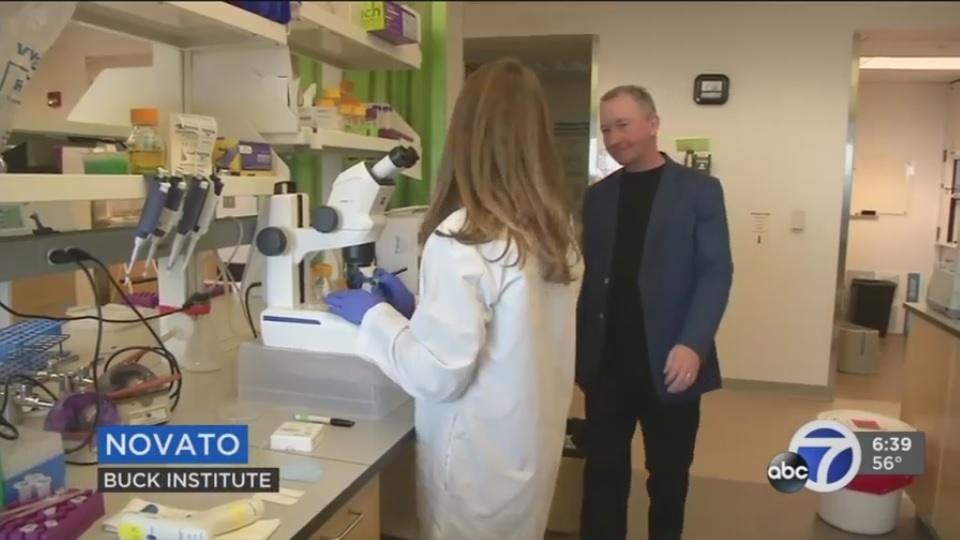
Buck Institute Vitamin D

Conventional health authorities claim getting a flu shot each year is the best way to ward off influenza. But where’s the actual science backing up that claim?
If you’ve repeatedly fallen for this annual propaganda campaign, you may be surprised to find the medical literature suggests vitamin D may actually be a FAR more effective strategy, and the evidence for this goes back at least a decade.
Dr. John Cannell, founder of the Vitamin D Council, was one of the first to introduce the idea that vitamin D deficiency may actually be an underlying CAUSE of influenza.
His hypothesis [1] was initially published in the journal Epidemiology and Infection in 2006. [2] It was subsequently followed up with another study published in the Virology Journal in 2008. [3]
The following year, the largest nationally representative study [4] of its kind to date discovered that people with the lowest vitamin D levels indeed reported having significantly more colds or cases of the flu. In conclusion, lead author Dr. Adit Ginde stated:
“The findings of our study support an important role for vitamin D in prevention of common respiratory infections, such as colds and the flu. Individuals with common lung diseases, such as asthma or emphysema, may be particularly susceptible to respiratory infections from vitamin D deficiency.”

Vitamin D Works Better Than Flu Vaccine If Your Levels Are Low

Since then, a number of studies have come to similar conclusions. Most recently, a scientific review [5,6] of 25 randomized controlled trials confirmed that vitamin D supplementation boosts immunity and cuts rates of cold and flu.
Overall, the studies included nearly 11,000 individuals from more than a dozen countries. As reported by Time Magazine: [7]
“… [P]eople who took daily or weekly vitamin D supplements were less likely to report acute respiratory infections, like influenza or the common cold, than those who did not …
For people with the most significant vitamin D deficiencies (blood levels below 10 [ng/mL]), taking a supplement cut their risk of respiratory infection in half.
People with higher vitamin D levels also saw a small reduction in risk: about 10 percent, which is about equal to the protective effect of the injectable flu vaccine, the researchers say.”
Like Cannell before them, the researchers believe vitamin D offers protection by increasing antimicrobial peptides in your lungs, and that “[t]his may be one reason why colds and flus are most common in the winter, when sunlight exposure (and therefore the body’s natural vitamin D production) is at its lowest …” [8]
According to this international research team, vitamin D supplementation could prevent more than 3.25 million cases of cold and flu each year in the U.K. alone. [9] Another statistic showing vitamin D is a more effective strategy than flu vaccine is the “number needed to treat” (NNT).
Overall, one person would be spared from influenza for every 33 people taking a vitamin D supplement (NNT = 33), whereas 40 people have to receive the flu vaccine in order to prevent one case of the flu (NNT = 40).
Among those with severe vitamin D deficiency at baseline, the NNT was 4. In other words, if you’re vitamin D deficient to begin with, vitamin D supplementation is 10 times more effective than the flu vaccine.

Optimizing Vitamin D May Be Your Best Defense Against Influenza

In my view, optimizing your vitamin D levels is one of the absolute best flu-prevention and optimal health strategies available. Your diet also plays a significant role of course, as it lays the foundation for good immune function.
high-sugar diet is a sure-fire way to diminish your body’s innate ability to fight off infections of all kinds by radically impairing the functioning of your immune system.
However, I do not agree that fortifying more processed foods with vitamin D is the best solution, although I realize it could potentially have a more widespread impact among people who remain unaware of the beneficial health effects of sunlight in general.
I believe sensible sun exposure is the ideal way to optimize your vitamin D. Taking a vitamin D3 supplement is only recommended in cases when you simply cannot obtain sufficient amounts of sensible sun exposure.
It’s also important to point out that, contrary to what’s reported by most mainstream media, including NPR report above, most people cannot optimize their vitamin D levels by getting the recommended 600 IUs of vitamin D from fortified foods. The dose you need really depends on your current blood level of vitamin D.
If it’s very low, you may need 8,000 to 10,000 IUs of vitamin D3 per day in order to reach and maintain a clinically relevant level of 45 to 60 nanograms per milliliter (ng/mL). The only way to know how much you need is to get tested at least once or twice each year.
If you’ve been supplementing for some time and your levels are still below 45 ng/mL, you then know you have to increase your dose further. If using an oral supplement, also make sure to boost your vitamin K2 and magnesium intake, as these nutrients help optimize vitamin D levels.

Other Studies Supporting Link Between Vitamin D Deficiency and Influenza

In a study published in 2010, [10] researchers investigated the effect of vitamin D on the incidence of seasonal influenza A in schoolchildren. The randomized, double blind, placebo-controlled study included 430 children, half of which were given 1,200 IUs of vitamin D3 per day while the other half received a placebo.
Overall, children in the treatment group were 42 percent less likely to come down with the flu. According to the authors: “This study suggests that vitamin D3 supplementation during the winter may reduce the incidence of influenza A, especially in specific subgroups of schoolchildren.”
Another study [11] published that same year concluded that infection-fighting T-cells need help from vitamin D in order to activate. This is yet another mechanism that helps explain why vitamin D is so effective against infections.
When a T cell recognizes foreign invaders like bacteria or viruses, it sends activating signals to the vitamin D receptor (VDR) gene.
The VDR gene then starts producing a protein that binds vitamin D in the T cell. A downstream effect of this is PLC-gamma1 protein production, which subsequently enables the T cell to fight the infection. At the time, lead researcher Carsten Geisler told Food Consumer: [12]
“When a T cell is exposed to a foreign pathogen, it extends a signaling device or “antenna” known as a vitamin D receptor, with which it searches for vitamin D. This means the T cell must have vitamin D or activation of the cell will cease. If the T cells cannot find enough vitamin D in the blood, they won’t even begin to mobilize.”
With that understanding, it’s no wonder flu shots don’t work. Flu vaccinesdo absolutely nothing to address the underlying problem of vitamin D deficiency, which is effectively hindering your immune system from working properly.
In fact, flu vaccines tend to deteriorate your immune function, and their side effects can be significant.

‘Gold Standard’ Studies Ignored by Mainstream Media

The gold standard of scientific analysis, the so-called Cochrane Database Review, has also issued several reports between 2006 and 2012, all of which decimate the claim that flu vaccinations are the most effective prevention method available. In 2010, Cochrane published the following bombshell conclusion, which was completely ignored by mainstream media: [13]
“Influenza vaccines have a modest effect in reducing influenza symptoms and working days lost. There is no evidence that they affect complications, such as pneumonia, or transmission. WARNING: This review includes 15 out of 36 trials funded by industry (four had no funding declaration).
An earlier systematic review of 274 influenza vaccine studies published up to 2007 found industry funded studies were published in more prestigious journals and cited more than other studies independently from methodological quality and size. Studies funded from public sources were significantly less likely to report conclusions favorable to the vaccines …”
So, despite the fact that 15 of the 36 studies included were biased by industry interests, they still couldn’t come up with evidence supporting the conventional claim that flu vaccines are the best and most effective prevention available against influenza!

Scientific Reviews Show Vaccinating Children and Elderly Is Ineffective

Cochrane has issued several reports addressing the effectiveness of flu vaccines on infants and the elderly — two groups that tend to be the most targeted by flu vaccine advertising — and all have had negative findings. For children:
1. A large-scale, systematic review [14] of 51 studies, published in the Cochrane Database of Systematic Reviews in 2006, found no evidence that the flu vaccine is any more effective than a placebo in children under two. The studies involved 260,000 children, age 6 to 23 months.
2. In 2008, another Cochrane review [15] again concluded that “little evidence is available” that the flu vaccine is effective for children under the age of two. Even more disturbingly, the authors stated that:
“It was surprising to find only one study of inactivated vaccine in children under two years, given current recommendations to vaccinate healthy children from six months old in the USA and Canada. If immunization in children is to be recommended as a public health policy, large-scale studies assessing important outcomes and directly comparing vaccine types are urgently required.”
3. In a 2012 review, [16] Cochrane concluded that “in children aged from two years, nasal spray vaccines made from weakened influenza viruses were better at preventing illness caused by the influenza virus than injected vaccines made from the killed virus. Neither type was particularly good at preventing “flu-like illness” caused by other types of viruses. In children under the age of two, the efficacy of inactivated vaccine was similar to placebo.”
The available evidence with regards to protecting the elderly is equally abysmal.
4. In 2010, Cochrane concluded that: [17] “The available evidence is of poor quality and provides no guidance regarding the safety, efficacy or effectiveness of influenza vaccines for people aged 65 years or older.”
5. Cochrane also reviewed whether or not vaccinating health care workers can help protect the elderly patients with whom they work. In conclusion, the authors stated that: [18] “[T]here is no evidence that vaccinating health care workers prevents influenza in elderly residents in long-term care facilities.”

Annual Flu Vaccinations May Raise Risk of More Serious Infections

Other recent studies have shown that with each successive annual flu vaccination, the protection afforded by the vaccine appears to diminish. [19, 20] Research published in 2014 concluded that vaccine-induced protection against influenza was greatest among those who had NOT received a flu shot in the previous five years. [21] The flu vaccine may also increase your risk of contracting other, more serious influenza infections.
  • Data shows people who received the seasonal flu vaccine in 2008 had twice the risk of getting the H1N1 “swine flu” compared to those who didn’t receive a flu shot. [22]
  • Compared to children who do not get an annual flu vaccine, those who receive influenza vaccinations have a three times higher risk of hospitalization due to influenza. [23]
Research also shows that statin drugs — taken by 1 in 4 Americans over the age of 45 — may undermine your immune system’s ability to respond to the flu vaccine. [24,25,26] When you consider the low efficacy rate of the flu vaccine in any given year, getting vaccinated if you’re on a statin may well be a moot point.
Independent science reviews have also concluded that influenza vaccine does not appear to prevent influenza-like illness associated with other types of viruses responsible for about 80 percent of all respiratory or gastrointestinal infections during any given flu season. [27,28,29,30]

Other Foods and Supplements That Send Pathogens Packin’

Besides vitamin D, there are a number of other foods and supplements that can be beneficial for colds and influenza, including the following:
Garlic: [31] Garlic has natural antiviral, antibiotic and antifungal activity and has long been hailed for its immune boosting effects.
The Cochrane Database, which has repeatedly demonstrated that the science in support of the flu vaccine is flimsy at best, has also reviewed studies on alternatives, including garlic. [32]
Unfortunately, such research is harder to come by, as there’s no financial incentive driving it.
Still, in the singular study identified by the Cochrane group, those who took garlic daily for three months had fewer colds than those who took a placebo, and, when they did come down with a cold, the duration of illness was shorter — an average of 4.5 days compared to 5.5 days for the placebo group.
While this may not seem overly impressive, it’s still better than the results achieved by the flu drug Tamiflu!
Zinc: A Cochrane Database Review of the medical research on zinc found that when taken within one day of the first symptoms, zinc can cut down the time you have a cold by about 24 hours.
Zinc was also found to greatly reduce the severity of symptoms. Zinc was not recommended for anyone with an underlying health condition, like lowered immune function, asthma or chronic illness.
I do not recommend taking more than 50 mg a day, and I do not recommend taking zinc on a daily basis for preventive purposes as you could easily develop a copper imbalance that way.
Vitamin C: A very potent antioxidant; use a natural form such as acerola, which contains associated micronutrients.
You can take several grams every hour (use the liposomal form so you don’t get loose stools), till you are better. I never travel without a bottle of our liposomal C.
A tea made from a combination of elderflower, yarrow, boneset, linden, peppermint and ginger; drink it hot and often for combating a cold or flu. It causes you to sweat, which is helpful for eradicating a virus from your system.
Oregano Oil: The higher the carvacrol concentration, the more effective it is. Carvacrol is the most active antimicrobial agent in oregano oil.
Medicinal mushrooms, such as shiitake, reishi and turkey tail.
Propolis: A bee resin and one of the most broad-spectrum antimicrobial compounds in the world; propolis is also the richest source of caffeic acid and apigenin, two very important compounds that aid in immune response.
Olive leaf extract is widely known as a natural, non-toxic immune system builder.

Vitamin D Is Important for Optimal Health and Disease Prevention Year-Round


In related news, researchers are also homing in on how vitamin D may help protect against age-related diseases such as Alzheimer’s. The video above discusses research [33] showing vitamin D extends lifespan in nematode worms by 30 percent and helps slow or even reverse accumulation of beta amyloid protein, which is a hallmark of Alzheimer’s.Vitamin D deficiency has also been linked to heart disease, cancer, diabetes, depression, autoimmune disease and many other chronic diseases. As noted in a recent issue of Orthomolecular Medicine News: [34] “Research on the health benefits of vitamin D continues at a rapid pace. There were 4,356 papers published in 2015 with vitamin D in the title or abstract and 4,388 in 2016 …” Among some of the most impactful studies are ones demonstrating:
• Health benefits from sun exposure unrelated to vitamin D production. One recent review concluded benefits of sun exposure includes lower rates of cancer, heart disease, dementia, myopia, macular degeneration, diabetes and multiple sclerosis. My belief is that the majority of these benefits are due to the near-, mid- and far-infrared wavelengths.
According to the author: “The message of sun avoidance must be changed to acceptance of non-burning sun exposure sufficient to achieve [vitamin D] concentrations of 30 ng/mL or higher … and the general benefits of UV exposure beyond those of vitamin D.” Also, while intermittent sun exposure is associated with higher rates of skin cancer, “the risks of these cancers is dwarfed by the reduced risk of internal cancers from sun exposure,” William Grant, Ph.D. writes.
• Benefits of higher vitamin D levels during pregnancy. Research demonstrates preterm births steadily decrease as vitamin D levels increase among pregnant women. In one study, raising vitamin D blood concentrations from 20 to 40 ng/mL decreased preterm births by 59 percent.
• Reduction in cancer risk from vitamin D supplementation. One pooled analysis showed that women with higher levels of vitamin D had much lower incidence rates of cancer — from a 2 percent per year cancer incidence rate at 18 ng/mL to 0.4 percent at 63 ng/mL.
Overall, maintaining a vitamin D serum level of 45 to 60 ng/mL year-round may be one of the simplest and most efficient ways to safeguard yourself against chronic disease and acute infections. When it comes to seasonal colds and influenza, the rate of protection you get from vitamin D is actually greater than what you’d get from a flu vaccination, and you don’t have to worry about potential side effects either — which in the case of the flu vaccine can be far worse than the original complaint.
While death and complete disability from a flu vaccine may be rare, so is dying from the flu itself. I strongly recommend weighing the risk of suffering a debilitating side effect of the flu vaccine relative to the more likely potential of spending a week in bed with the flu. Remember, most deaths attributed to influenza are actually due to bacterial pneumonia, and these days, bacterial pneumonia can be effectively treated with advanced medical care and therapies like respirators and parenteral antibiotics.

The Role of Vitamin D in Disease Prevention

A growing body of evidence shows that vitamin D plays a crucial role in disease prevention and maintaining optimal health. There are about 30,000 genes in your body, and vitamin D affects nearly 3,000 of them, as well as vitamin D receptors located throughout your body.
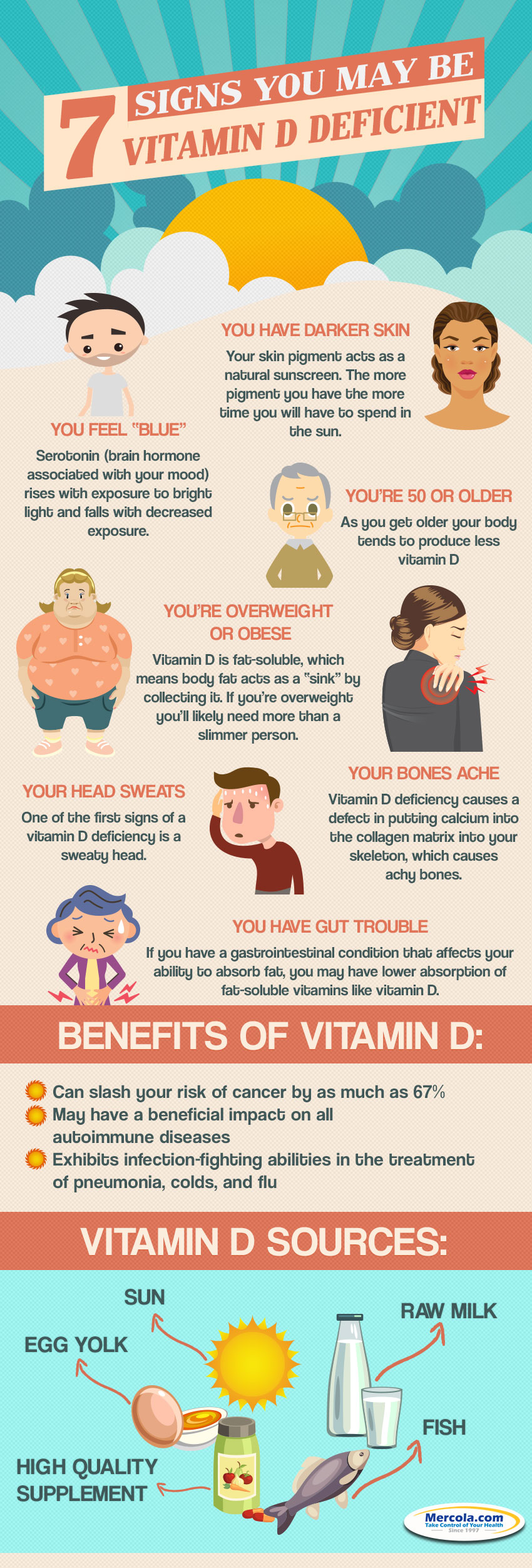
7-signs-you-may-be-vitamin-d-deficient
According to one large-scale study, optimal Vitamin D levels can slash your risk of cancer by as much as 60 percent. Keeping your levels optimized can help prevent at least 16 different types of cancer, including pancreatic, lung, ovarian, prostate and skin cancers.

References

Leaving a lucrative career as a nephrologist (kidney doctor), Dr. Suzanne Humphries is now free to actually help cure people.
In this autobiography she explains why good doctors are constrained within the current corrupt medical system from practicing real, ethical medicine.
One of the sane voices when it comes to examining the science behind modern-day vaccines, no pro-vaccine extremist doctors have ever dared to debate her in public.

Medical Doctors Opposed to Forced Vaccinations – Should Their Views be Silenced?
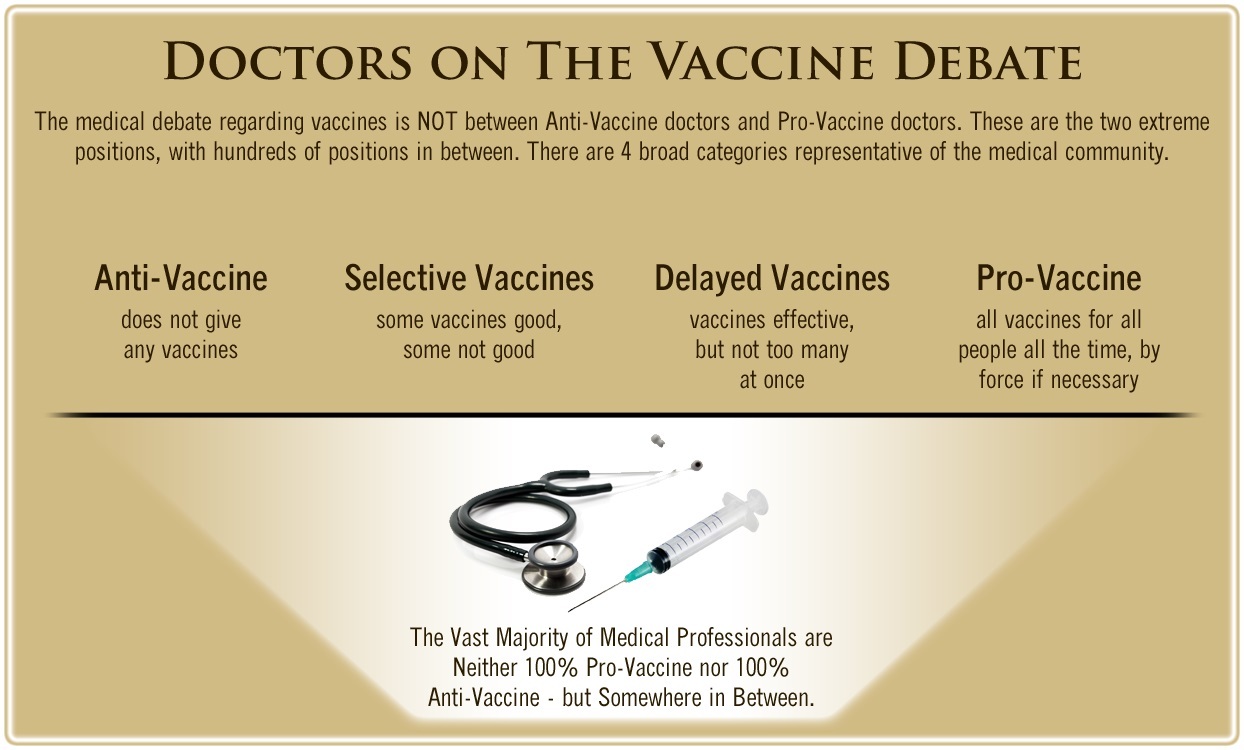
doctors-on-the-vaccine-debate
One of the biggest myths being propagated in the compliant mainstream media today is that doctors are either pro-vaccine or anti-vaccine, and that the anti-vaccine doctors are all “quacks.”
However, nothing could be further from the truth in the vaccine debate. Doctors are not unified at all on their positions regarding “the science” of vaccines, nor are they unified in the position of removing informed consent to a medical procedure like vaccines.
The two most extreme positions are those doctors who are 100% against vaccines and do not administer them at all, and those doctors that believe that ALL vaccines are safe and effective for ALL people, ALL the time, by force if necessary.
Very few doctors fall into either of these two extremist positions, and yet it is the extreme pro-vaccine position that is presented by the U.S. Government and mainstream media as being the dominant position of the medical field.
In between these two extreme views, however, is where the vast majority of doctors practicing today would probably categorize their position. Many doctors who consider themselves “pro-vaccine,” for example, do not believe that every single vaccine is appropriate for every single individual.
Many doctors recommend a “delayed” vaccine schedule for some patients, and not always the recommended one-size-fits-all CDC childhood schedule. Other doctors choose to recommend vaccines based on the actual science and merit of each vaccine, recommending some, while determining that others are not worth the risk for children, such as the suspect seasonal flu shot.
These doctors who do not hold extreme positions would be opposed to government-mandated vaccinations and the removal of all parental exemptions.
In this article, I am going to summarize the many doctors today who do not take the most extremist pro-vaccine position, which is probably not held by very many doctors at all, in spite of what the pharmaceutical industry, the federal government, and the mainstream media would like the public to believe.


https://healthimpactnews.com/2017/study-vitamin-d-is-more-effective-than-flu-vaccine/


Saturday, 24 November 2012

Elderberry - Nature’s Flu Medicine ...


Nature’s Flu Medicine… Effective and Inexpensive

Wednesday, November 21, 2012


elderberry twigBy now, you know that the flu vaccine is dangerous and doesn’t work. And you know it’s a bad idea to get one. But no matter what you do, there’s never a guarantee you won’t get the flu.

So what do you do if you contract the virus? Number one – don’t take Tamiflu!

The drug may sound familiar. The government has been stockpiling it since the swine fu outbreak in 2009.1 It’s quickly become the go-to for doctors during flu season. But we’re not sure why…

Even the FDA released a statement on their website in 2006 regarding Tamiflu:2

“Patients with influenza should be closely monitored for signs of abnormal behavior throughout the treatment period.”

Researchers in Japan deemed Tamiflu so dangerous that they banned the drug for teenagers in 2007.3 The Japanese government claims the anti-flu drug caused odd behavior, hallucinations, and delirium among patients.

A report by Japanese health officials found that over half of children and teenagers who took the drug were more likely to display unusual behavior. That included jumping off houses and running out in to traffic. That’s not all… some users even committed suicide while on the drug.

It’s no surprise, then, that the skepticism is spreading. A leading British medical journal, the BMJ, asked drug maker Roche to release unpublished data about Tamiflu.

BMJ claims there is no evidence that Tamiflu even stops the flu. And really, what good is stopping the flu if you end up suicidal?

Peter Gotzsche, leader of the Nordic Cochrane Centre in Copenhagen even said countries should take legal action to get back the money that was unreasonably spent on stockpiling the drug in case of an unforeseen flu outbreak.

The European Medicines Agency is currently investigating Roche for not reporting side effects and deaths that haven been linked to drugs, including Tamiflu.

But despite the warnings, the World Health Organization put Tamiflu on its list of “essential medicines.”

We would hardly consider it “essential.” Dangerous and ineffective is more like it.

So if you come down with the flu and don’t want to risk jumping off the roof or getting hit by a car we have good news for you.

There’s a natural herb that doesn’t come with the severe side effects. Best of all… in one study it had 100% cure rate in severe flu patients. You don’t get results like that from conventional medicine.

What’s this flu-fighting herb?

Elderberry.

A study out of Norway looked at the effects of elderberry on 60 patients between 18 and 54.4 All patients suffered from influenza-like symptoms for 48 hours or less. They took 15 ml of elderberry or placebo syrup four times a day for five days. Patients who took elderberry recovered four days sooner. Symptoms improved in just two days.

What makes this extract so powerful? Elderberry5 is loaded with antioxidants that stimulate the immune system. And it contains anthocyanins. These give it its anti-inflammatory properties.

Something that is a must to fight flu symptoms such as aches, pains, and fever.

And there weren’t any reported side effects in either study.

No side effects and it heals? Sounds like a win-win.

You can buy elderberry extract in capsule or syrup form. And you can find it in your local health food store. But don’t eat it raw or it could be toxic.

If you start to come down with the flu this season, consider going to the health food store before you call your doctor. In a matter of days your symptoms will begin to ease with the help of this power berry.

Like this Article? Forward this article here to your friends or family or Share on Facebook.

Tweetables:
- Researchers in Japan deemed Tamiflu so dangerous that they banned the drug for teenagers in 2007. Click to Tweet
- Elderberry is loaded with antioxidants that stimulate the immune system. Click to Tweet
References:
1 http://news.yahoo.com/british-medical-journal-slams-roche-tamiflu-105747624–finance.html
2 http://newscientist.com/article/dn10527″>http://www.newscientist.com/article/dn10527
3 http://newscientist.com/article/dn11451-japan-bans-tamiflu-for-teenagers.html
4 http://ncbi.nlm.nih.gov/pubmed/15080016″>http://www.ncbi.nlm.nih.gov/pubmed/15080016
5 http://hort.purdue.edu/newcrop/ncnu07/pdfs/charlebois284-292.pdf


http://naturalhealthdossier.com/2012/11/natures-flu-medicine-effective-and-inexpensive/

Tuesday, 25 September 2012

Flu vaccines revealed as the greatest quackery ...


Flu vaccines revealed as the greatest quackery ever pushed in the history of medicine

Wednesday, October 14, 2009
by Mike Adams, the Health Ranger
Editor of NaturalNews.com (See all articles...)


(NaturalNews) Prepare to have your world rocked. What you're about to read here will leave you astonished, inspired and outraged all at the same time. You're about to be treated to some little-known information demonstrating why seasonal flu vaccines are utterly worthless and why their continued promotion is based entirely on fabricated studies and medical mythology.

If the whole world knew what you're about to read here, the vaccine industry would collapse overnight.

This information comes to you courtesy of a brilliant article published in The Atlantic (November 2009). The article, written by Shannon Brownlee and Jeanne Lenzer, isn't just brilliant; in my opinion it stands as the best article on flu vaccines that has ever been published in the popular press. Entitled Does the vaccine matter?, it presents some of the most eye-opening information you've probably ever read about the failure of flu vaccines. You can read the full article here: http://www.theatlantic.com/doc/200911/brownlee-h1n1

Perhaps its impressive narrative shouldn't be too surprising, though, since writer Shannon Brownlee is also the celebrated author of a phenomenal book on modern medicine entitled Overtreated: Why Too Much Medicine Is Making Us Sicker and Poorer (http://www.amazon.com/Overtreated-Medicine-Making-Sicker-Poorer/dp/15...) (http://www.naturalpedia.com/book_Overtreated.html).

While I've never done this before, I'm going to summarize this article point by point (along with some comments) so that you get the full force of what's finally been put into print.

This information is so important that I encourage you to share the following summary I've put together. Email it to family, friends and coworkers. Or post it on your blog or website (with a link and proper credit to both NaturalNews and The Atlantic, please). Get this information out to the world. People need to know this, and so far the mainstream media has utterly failed to make this information known.

(The really good information begins after around a dozen bullet points, so be sure to keep reading...)

Does the vaccine matter?

What follows is my point-by-point summary of this groundbreaking article by Shannon Brownlee, originally published in The Atlantic. My opinion statements are shown in brackets and italics.

• Vaccination is the core strategy of the U.S. government's plan to combat the swine flu.

• The U.S. government has spent roughly $3 billion stockpiling vaccines and anti-viral drugs.

• The CDC is recommending that 159 million Americans receive a swine flu vaccine injection (as soon as possible).

• What if vaccines don't work? More and more researchers are skeptical about whether they do.

• Seasonal flu (that's the regular flu) currently kills an estimated 36,000 people each year in the United States. [But most people who die are already suffering from existing diseases such as asthma.]

• Most "colds" aren't really caused by the flu virus. As few as 7 or 8 percent (and at most, 50 percent) of colds have an influenza origin. There are more than 200 viruses and pathogens that can cause "influenza-like" illnesses (and therefore be easily mistaken for the flu).

• Viruses mutate with amazing speed, meaning that each year's circulating influenza is genetically different from the previous year.

• The vaccine for each upcoming flu season is formulated by health experts taking a guess [a wild guess, at times] about what strain of influenza might be most likely to circulate in the future.

• The 1918 Spanish Flu infected roughly one-third of the world population and killed at least 40 million.

• In the U.S., the President's Council of Advisors on Science and Technology predicted that H1N1 influenza could infect up to one-half of the U.S. population and kill 90,000 Americans.

[Keep reading, the good part is coming...]

• Of those who have died from the Swine Flu in the U.S., roughly 70 percent were already diseased with some serious underlying condition such as asthma or AIDS.

• Public health officials consider vaccines to be their first and best weapon against influenza. Vaccines helped eradicate smallpox and polio. [I don't agree with that assessment. Vaccines did relatively little compared to improvements in public sanitation.]

• Each year, 100 million Americans get vaccinated, and vaccines remain "a staple" of public health policy in the United States.

Why the research is bogus

• Because researchers can't exactly pin down who has influenza and who doesn't, the research conducted on the effectiveness of vaccines simply calculates the death rate from all causes among those who take the vaccine vs. those who don't. [This includes deaths from accidents, heart attacks, medications, car wrecks and everything.]

• These studies show a "dramatic difference" between the death rates of those who get the vaccines vs. those who don't. People who get vaccinated have significantly lower death rates [from ALL causes, and herein lies the problem...].

• Flu shot propaganda cites these studies, telling people that if they get their flu shots every year, they will have a significantly reduced chance of dying. But this is extremely misleading...

• Critics question the logic of these studies: As it turns out, compared to the number of deaths from all causes, the number of people killed by influenza is quite small. According to the National Institute of Allergy and Infectious Diseases, deaths from influenza account for -- at most -- 10 percent of the total deaths during the flu season (and this includes all indirect deaths aggravated by the flu).

• This brings up a hugely important dilemma: If influenza only accounts for roughly 10 percent of all deaths during the flu season, how could an influenza vaccine reduce total deaths by 50 percent? (As is claimed by the vaccine manufacturers.) [It doesn't add up. Even if the vaccines were 100% effective, they should only reduce the total death rates by 10%, given that only 10% of the total deaths are caused by influenza.]

• Here's a direct quote from the story: Tom Jefferson, a physician based in Rome and the head of the Vaccines Field at the Cochrane Collaboration, a highly respected international network of researchers who appraise medical evidence, says: "For a vaccine to reduce mortality by 50 percent and up to 90 percent in some studies means it has to prevent deaths not just from influenza, but also from falls, fires, heart disease, strokes, and car accidents. That's not a vaccine, that's a miracle." [Emphasis added.]

The failure of cohort studies

• So how do the vaccine companies come up with this "50% reduction in death rate" statistic? Through cohort studies.

• Cohort studies compare the death rates of large groups of people who received the vaccine to large groups of people who did NOT receive the vaccine. But there's a fatal flaw in this approach: People self-select for vaccinations. And what kind of people? As it turns out: People who take more precautions with their health!

[Thus, you automatically have a situation where the more health-cautious people are getting the vaccines because they THINK it's good for them. Meanwhile all the masses of people who don't give a darn about their health tend to skip the seasonal flu vaccines. And these people tend to not take very good of their health in lots of other ways. In other words, in terms of the masses, people who get vaccines are more likely to avoid junk food and live a more health-cautious lifestyle. This explains the differences in the death rates between the two groups! It has nothing to do with the vaccine...]

• There is extreme "cult-like" peer pressure put on doctors and researchers to swallow the vaccine mythology without question. Quoted from the story: Lisa Jackson, a physician and senior investigator with the Group Health Research Center, in Seattle, began wondering aloud to colleagues if maybe something was amiss with the estimate of 50 percent mortality reduction for people who get flu vaccine, the response she got sounded more like doctrine than science. "People told me, 'No good can come of [asking] this,'" she says. "'Potentially a lot of bad could happen' for me professionally by raising any criticism that might dissuade people from getting vaccinated, because of course, 'We know that vaccine works.' This was the prevailing wisdom." [In other words, don't dare question the vaccine, and don't ask tough scientific questions because the vaccine industry runs on dogma, not science... and if you ask any questions, you might find yourself out of a job...].

[Here's where the really good part begins...]

• Lisa Jackson was not deterred. She and three other researchers began to study the widely-quoted vaccine statistics in an attempt to identify this "healthy user effect," if any. They looked through eight years of medical data covering 72,000 people aged 65 or older and recorded who received flu shots and who didn't. Then they compared the death rates for all causes outside the flu season.

The vaccine made no difference in mortality

• What she found blows a hole right through the vaccination industry: She found that even outside the flu season, the death rate was 60 percent higher among those who did not get vaccines than among those who do. [In other words, even when you take the flu season completely out of the equation, elderly people who don't get vaccines have other lifestyle factors that makes them far more likely to die from lots of other causes.]

• She also found that this so-called "healthy user effect" explains the entire apparent benefit that continues to be attributed to vaccines. This finding demonstrates that the flu vaccine may not have any beneficial effect whatsoever in reducing mortality.

• How well done were these particular studies? Quoted from the story: Jackson's papers "are beautiful," says Lone Simonsen, who is a professor of global health at George Washington University, in Washington, D.C., and an internationally recognized expert in influenza and vaccine epidemiology. "They are classic studies in epidemiology, they are so carefully done."

• Many pro-vaccine experts simply refused to believe the results of this study [because it conflicts with their existing belief in vaccine mythology]. The Journal of the American Medical Association refused to publish her research, even stating, "To accept these results would be to say that the earth is flat!" [Which just goes to show you how deeply ingrained the current vaccine mythology is in the minds of conventional medical practitioners. They simply cannot imagine that vaccines don't work, so they dismiss any evidence -- even GOOD evidence -- demonstrating that fact. This is what makes the vaccine industry a CULT rather than a science.]

• Jackson's papers were finally published in 2006, in the International Journal of Epidemiology.

[And here's the really, really juicy part you can't miss...]

Vaccine shortage proves it never worked in the first place

• The history of the flu vaccine reveals some huge gaps in current vaccination mythology, essentially proving they don't work:

• For example: In 2004, vaccine production was low and there was a shortage in vaccines (a 40 percent reduction in vaccinations). And yet mortality rates did not rise during the flu season. [Clearly, if vaccines actually worked, then a year when the vaccine wasn't even administered to 40% of the people who normally get it should have resulted in a huge and statistically significant increase in mortality. It should have spiked the death rates and filled the morgues... but it didn't. You know why? Because flu vaccines don't work in the first place.]

• In the history of flu vaccines, there were two years in which the formulated flu vaccine was a total mismatch to the widely-circulating influenza that made people sick. These years were 1968 and 1997. In both of these years, the vaccine was a completely mismatch for the circulating virus. In effect, nobody was vaccinated! [Knowing this, if the vaccine itself was effective at reducing death rates, then we should have once again seen a huge spike in the death rates during these two years, right? Seriously, if the vaccine reduces death rates by 50% as is claimed by vaccine manufacturers, then these two years in which the vaccine completely missed the mark should have seen huge spikes in the winter death rates, right? But what really happened was... nothing. Not a blip. Not a spike. Nothing. The death rates didn't rise at all.]

• If vaccines really worked to save lives, then the more people you vaccinate, the lower death rates you should see, right? But that's not the case. Back in 1989, only 15 percent of over-65 people got vaccinated against the flu. But today, thanks to the big vaccine push, over 65 percent are vaccinated. And yet, amazingly, death rates among the elderly have not gone down during the flu season. In fact, they've gone up!

• When vaccine promoters (and CDC officials) are challenged about the "50 percent mortality reduction" myth, they invoke dogmatic language and attack the messenger. They are simply not willing to consider the possibility that flu vaccines simply don't work.

• Scientists who question the vaccine mythology are routinely shunned by the medical establishment. Tom Jefferson from the Cochrane Collaboration is an epidemiologist who questions the claimed benefits of flu vaccines. "The reaction [against Jefferson] has been so dogmatic and even hysterical that you'd think he was advocating stealing babies" said a colleague (Majumdar).

• Jefferson is one of the world's best-informed researchers on the flu vaccine. He leads a team of researchers who have examined hundreds of vaccine studies. To quote directly from the article: The vast majority of the studies were deeply flawed, says Jefferson. "Rubbish is not a scientific term, but I think it's the term that applies [to these studies]."

[And here's the real kicker that demonstrates why flu vaccines are useless...]

Flu vaccines only "work" on people who don't need them

• Vaccines supposedly "work" by introducing a weakened viral strain that causes the immune system to respond by building influenza antibodies. However, as Jefferson points out, only healthy people produce a good antibody response to the vaccine. And yet it is precisely the unhealthy people -- the ones who have a poor immune response to the vaccine -- who are most at risk of being harmed or killed by influenza. But the vaccines don't work in them!

[In other words -- get this -- flu vaccines only "work" in people who don't need them!]

[At the same time, it's also accurate to say that vaccines don't work at all in the very people who theoretically could benefit from them. They only produce antibodies in people who already have such a strong immune response that they don't need the vaccine in the first place.]

• Jefferson has called for randomized, placebo-controlled studies of the vaccines. But vaccine pushers are resisting these clinical trials! They call the trials "unethical" [but, in reality, they know that a randomized, double-blind placebo-controlled study would reveal the complete failure of flu vaccines, and they will do anything to prevent such a trial from happening. Don't you find it amazing that drug pushers and vaccine advocates claim they have "science" on their side, but they won't submit their vaccines to any real science at all?]

[No placebo-controlled studies have ever been conducted on flu vaccines because the industry says they would be "unethical." So where do these people get off claiming their vaccines work at all? The whole industry is based on fabricated statistics that are provably false... and the injections continue, year after year, with absolutely no benefit to public health whatsoever...]

Why anti-viral drugs don't work either

• On the anti-viral drug front, hospitals are urged to hand out prescriptions for Tamiflu and Relenza to almost anyone who is symptomatic, whether they actually have swine flu or not. Concern is growing about the emergence of drug-resistant strains of swine flu. " Flu can become resistant to Tamiflu in a matter of days..." says one researcher.

• In 2005, the U.S. government spent $1.8 billion to stockpile antiviral drugs for the military. This decision was made during the time when Donald Rumsfeld was Defense Secretary. Rumsfeld also held millions of dollars worth of stock in Gilead Sciences, the company that holds the patent on Tamiflu. That company saw its stock price rise 50 percent following the government's stockpiling purchase of Tamiflu.

• The evidence supporting Tamiflu's anti-viral benefits is flimsy at best. Even worse, as many as one in five children taking Tamiflu experience neuropsychiatric side effects including hallucinations and suicidal behavior. [In other words, your kid might be "tripping out" on some bad Tamiflu...]

• Tamiflu is already linked to 50 deaths of children in Japan.

• The evidence supporting Tamiflu is based on cohort studies, just like the vaccines, which may distort or exaggerate the apparent benefits of the drug.

• Even supporters of Tamiflu admit it's never been proven to help. A CDC official says that randomized trials to determine the effectiveness of Tamiflu would be "unethical."

• In all, neither vaccines nor anti-viral drugs have any reliable evidence that they work against influenza at all. Both are being promoted based entirely on pure wishful thinking, not hard science.

• The history of pharmaceutical medicine is littered with other examples of drugs that doctors "knew worked" but which later turned out to harm or kill patients. [All along, the proper scientific studies were avoided because, hey, if you already know everything, why bother conducting any actual science to prove anything?]

• The hype about vaccines provides a false sense of security, taking away attention from other things that really do work to prevent influenza deaths. That's why, except for "hand washing," virtually no advice has been offered to the public on preventing influenza beyond vaccines and anti-viral drugs.

• Concluding quote from the author: "By being afraid to do the proper studies now, we may be condemning ourselves to using treatments based on illusion and faith rather than sound science."

A recap of these astonishing points

Let's recap what we just learned here (because it's just mind-boggling):

• There have been no placebo-controlled studies on flu vaccines because the vaccine pushers say such clinical trials would be "unethical." Thus, there is actually no hard scientific evidence that they work at all.

• The "50 percent reduction in mortality" statistic that's tossed around by vaccine pushers is a total fabrication based on "rubbish" studies ("cohort" studies).

• Scrutinizing the existing studies that claim to support vaccines reveals that flu vaccines simply don't work. And when vaccines aren't available or the formulation is wrong, there's no spike in death rates, indicating quite conclusively that these vaccines offer no reduction in mortality.

• Flu vaccines only produce antibodies in people who don't need vaccines. At the same time, they fail to produce antibodies in people who are most vulnerable to flu. Thus, vaccines only work in people who don't need them.

• The entire flu vaccine industry is run like a cult, with dogma ruling over science. Anyone who asks tough, scientific questions is immediately branded a heretic. No one is allowed to question the status quo. (So much for "evidence-based medicine," huh?)

As you can see from all this, the flu vaccine is pure quackery. Those who administer vaccines are, by inference, QUACKS. They claim to have scientific minds, and yet they are the most gullible of all: They will believe almost anything if it's published in a medical journal, even if it's complete quackery.

Today, countless doctors, nurses and pharmacists across North America and around the world are pushing a medically worthless, scientifically-fabricated chemical injection that offers absolutely no benefit to public health... and yet they're convinced it's highly effective! It just goes to show you how easy it is to brainwash people in the field of conventional medicine.

They've abandoned real science long ago, you know. Now the whole industry is just run on the momentum of dogmatic arrogance and the illusion of authority. From the CDC and FDA on down to the local pharmacist at the corner store, the American medical system is run by some seemingly smart people who have been brainwashed into become full-fledged members of the Cult of Pharmacology where vaccine mythology overrules real science.

The vaccine industry is perhaps the greatest medical scam ever pulled off in the history of the world. Don't fall for it.

And don't forget to read the full article in The Atlantic by Shannon Brownlee: http://www.theatlantic.com/doc/200911/brownlee-h1n1

Why people get vaccinated: Superstition

Reading everything you've read here, you might wonder: Why do people get vaccinated at all?

The reason is because no one knows whether they work or not, so people keep on taking them "just in case." It's exactly the kind of superstitious ritual that "science-minded skeptics" rail against on a regular basis... unless, of course, it involves their vaccines, in which case superstition is all okay.

People take vaccines for the same reason they rub a rabbit's foot. It's a good luck ritual that may or may not work, but no one really knows. And besides, what's the harm in it? (They think...)

Personally, I'd rather get some vitamin D and have a healthy, functioning immune system. But for those who prefer to play the lotto, gamble in Vegas or bet their lives on medical superstitions, flu vaccines are readily available.

So what are you waiting for? Shoot up a few flu vaccines, rub your lucky rabbit's foot, then spin around clockwise seven times and you, too, may be able to generate enough luck to avoid the flu this winter.

http://www.naturalnews.com/027239_vaccine_flu_vaccines.html