Pages

Showing posts with label pancreas health. Show all posts

Friday, 1 November 2019

Turmeric Extract May Prevent, Even Reverse Diabetes (Type 1 and 2)

This spice may be a powerful therapeutic intervention for more than just type 2 diabetics.  It may have a role in reversing pancreatic damage in insulin-dependent, type 1 diabetics ...


Published
 
on


IN BRIEF


The Facts:
This article was written by Sayer Ji, founder of Greenmedinfo.com where it was originally published. 
Posted here with permission. 

Reflect On:
What if the long sought after "cure" for diabetes was as safe,
affordable, and accessible as a spice sitting in your kitchen cupboard?


“Leave your drugs in the chemist’s pot if you can cure the patient with food.” -Hippocrates, 420 BC
Slowly but surely the world is waking up to the reality that diabetes is not only a preventable but a reversible condition, and that the drug-based model of symptom suppression and disease management has fatal flaws. For instance, some of the drugs used to treat type 2 diabetes actually increase the risk of death, with a recent study showing GMO insulin given to type 2 diabetics may lead to the development of so-called “double diabetes“: type 2 and type 1 diabetes, together. Clearly, if medicine can’t at least abide by its founding principle to “do no harm,” it must seek the answer somewhere other than from the “chemist’s pot.”
As the pharmaceutically-driven medical paradigm continues to lose adherents by the droves, and the public seeks a system that identifies and resolves the root causes of disease, interest is growing in the use of natural substances and lifestyle modifications to prevent and treat blood sugar disorders. And unlike a few decades ago, where most of the evidence for “natural healing” was anecdotal, there are now thousands of studies on hundreds of natural substances and therapeutic activities that may ameliorate blood sugar disorders and their complications. You can check out a good portion of the relevant research on the topic on GreenMedInfo.com’s blood sugar disorder database.
While plants like cinnamon and gymnema sylvestre have received plenty of attention for diabetes over the years, one special plant extract that is beginning to stand out from the crowd as being exceptionally valuable as an anti-diabetic agent is turmeric. There are, in fact, 21 articles on turmeric’s value in type 2 diabetes on our database alone.
Turmeric’s primary polyphenol curcumin is the main compound in the plant that has been researched for it’s blood sugar regulating properties. One particularly striking study, published in the American Diabetic Association’s own journal, Diabetes Care, found turmeric extract to be 100% effective in preventing pre-diabetics from developing type 2 diabetes — a feat of prevention that no FDA approved drug for type 2 diabetes has yet come even close to accomplishing.
Turmeric Extract May Reverse Pancreatic Damage In Type 1 Diabetes

It turns out that this spice may be a powerful therapeutic intervention for more than just type 2 diabetics. Pre-clinical research now reveals it may have a role in reversing pancreatic damage in insulin-dependent, type 1 diabetics, who are routinely told that their condition can not be cured. Type 1 diabetics are rarely educated to the fact that the root cause of their disorder can be addressed: namely, that the deficiency and/or dysfunction of the beta cells in the pancreas responsible for producing insulin can be repaired, as well as the autoimmune issues at the heart of the problem.
Back in 2013, an exciting study published in the journal Diabetology & Metabolic Syndrome titled, “The effect of a novel curcumin derivative on pancreatic islet regeneration in experimental type-1 diabetes in rats (long term study),” found that diabetic rats who received a novel water-soluble, high concentrate (53.21%) curcumin derivative orally for 40 days showed an improvement of their plasma glucose, insulin and C-peptide (a marker for the health and insulin producing capability of the beta cells) levels, that began after about 4 months, and continued to improve until the 10 month mark, when their values were almost completely normalized and evidence of significant pancreatic regeneration could be observed. The researchers concluded the novel curcumin derivative (NCD): “…possesses antidiabetic actions and enhanced pancreatic islets regeneration.”
The daily dose used in this rodent study (80 mg/kg) was the body weight equivalent of 6,400 mg or 6.4 grams of curcumin for an average North American male adult (80 kilograms/176 lbs). Rodent and human physiology is, of course, radically different, but significant crossovers nonetheless do exist. In another article, titled “Why Turmeric May Be the Diseased Liver’s Best Friend,” we reviewed research indicating that turmeric may help to reverse damage in and even regenerate the diabetic liver, as well as safety literature on what is a safe human dose:
“A 2001 study in cancer patients reported that quantities of curcumin up to 8 g, administered per day for three months, were not toxic and resulted in significant anti-cancer properties in a number of those treated.[5] Considering that turmeric is only 3-4% curcumin by weight, this implies that a larger quantity of turmeric can be consumed safely, as well.”


Given that organ transplantation (pancreatic islet transplants) is exceedingly expensive and prohibitive due to a lack of donor material and the potential for rejection by the host, the notion that a safe, affordable, and non-prescription spice extract like curcumin may have significant therapeutic value and may even regenerate damaged pancreatic tissue, is truly exciting. That said, it should be noted that since curcumin is not patentable, it is unlikely the 800 million dollars or more needed to fund the requisite clinical trials needed to obtain FDA drug approval will materialize. Because the so-called “evidence” needed to justify the use of a new treatment is locked behind an insurmountably high paywall, don’t count on randomized, controlled, trials being performed on this “natural cure” in the near or distant future.
In this study, the authors surmised that the ameliorative effects curcumin treatment on type 1 diabetic rodents observed were the result of beta cell regeneration and they explained the theory behind how this works:
“Each tissue or organ is believed to contain a small sub-population of cells that is capable of self-renewal and has the ability to give rise to each mature cell type [47]. Thus, one of the most promising sources of beta cells might be pancreatic stem cells.”


The researchers theorized that curcumin likely produces,
“…a favorable systemic and pancreatic environment to foster bone marrow transplantation and islet neogenesis. Accordingly, administration of curcumin; as an established anti-inflammatory and immune modulatory drug; would likely boost and preserve the process of islet regeneration; which was evidently proven true in this study.”


Curcumin’s “immunomodulatory” benefit in type 1 diabetes, also known as autoimmune diabetes, appears to be based on it reducing the activity of the host immune system in attacking self-structures. In fact, another recent study, published in 2014 in the journal Clinical and Experimental Immunology titled, “Curcumin ameliorates autoimmune diabetes. Evidence in accelerated murine models of type 1 diabetes,” found that curcumin down-regulates the T cell response that destroys pancreatic beta cells, resulting in an improvement in autoimmune or type 1 diabetes.
It is important for the reader to know that curcumin is not a magic bullet; nor is it the only natural substance studied to have potential beta cell regenerative properties. Indeed, pancreatic regeneration has been induced experimentally for at least 23 different natural substances. We have a keyword dedicated to indexing relevant research on the topic here: beta cell regeneration. We’ve highlighted 10 of the most compelling ones in our article, “10 Natural Substances That Could Help Cure Type 1 Diabetes.”
As the research continues to accumulate on the value of natural substances for disease prevention and treatment, it is clear the future of medicine will rely on returning to the wisdom of the ancients, where Hippocrates’ fundamental principle that one can “cure the patient with food” is once again passionately embraced.
Are you a health professional or just a serious research geek? Interested in taking your the GreenMedInfo experience to the next level? Learn about our GMI pro membership features, which includes access to our research PDF database of over 100,000 documents. Learn More Here.
Originally published: 2015-08-30
Article updated: 2019-09-06

Want to learn more from GreenMedInfo? Sign up for the newsletter here.

Link to the original article
https://www.collective-evolution.com/2019/10/07/turmeric-extract-may-prevent-even-reverse-diabetes-type-1-and-2/


Articles from:

Key Research Topics

https://www.greenmedinfo.health/blog/turmeric-extract-may-prevent-even-reverse-diabetes-type-1-and-2

Thursday, 19 July 2018

Blood sugar and glucose levels: what they mean, and what they should be


Your blood sugar level is in constant flux, depending on what you've eaten, when you ate it, and what you did afterwards. A finger-prick blood test can ascertain your level at any moment in the day – it's a crucial tool for diabetes sufferers, as they need to manage their body's insulin response.

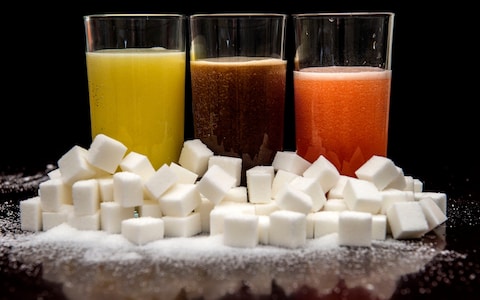
Sugary drinks
How much sugar is in your diet? CREDIT: ANTHONY DEVLIN/PA
In people with diabetes, explains Dr Soon Song, a consultant physician and diabetologist at BMI Thornbury Hospital in South Yorkshire and Sheffield Teaching Hospitals NHS Foundation Trust, the blood glucose levels are raised both before and after a meal.
“In a healthy individual without diabetes,” he says, “the body produces the correct amount of insulin from the pancreas to normalise the blood glucose level. But in diabetes, the pancreas does not produce enough insulin and/or the body is not able to use the glucose effectively due to lack of responsiveness to insulin action (known as insulin resistance).

“So the blood glucose level rises to abnormally high levels, which puts pressure on the body’s organs and nerves. causing permanent damage.”

What is blood sugar and glucose?

Sugar is a carbohydrate found naturally in food. There are different types of sugars: glucose belongs to a type of sugar called monosaccharides or simple sugar. It is the primary source of energy and the body tissues need glucose to function normally, especially the brain. “The terms blood sugar and blood glucose are often used interchangeably and refer to the amount of glucose carried in the blood,” says Dr Song.

What is a normal blood sugar level?

Understanding what is a normal blood sugar level is vital to diabetes prevention or management. Blood sugar level refers to the amount of glucose in the blood, sometimes known as blood glucose level; the concentration of glucose in the blood is expressed in mmol/l.
In healthy people without diabetes, your blood glucose level should measure between 4.0-5.5 mmol/l before a meal and should be less than 8.0 mmol/l two hours after a meal.
The blood glucose level is also measured by glycated haemoglobin, HbA1c, which gives information on the average blood glucose level over the last 2-3 months. A healthy person without diabetes should have HbA1c less than 42 mmol/mol.
Diabetes is diagnosed when the fasting blood glucose is greater than 7.0 mmol/l, random blood glucose greater than 11.1 mmol/l, or HbA1c greater than 48 mmol/mol.
A fasting blood glucose level between 5.5 and 6.9 mmol/l or HbA1c between 42 and 47 mmol/mol may indicate increased risk for type 2 diabetes, particularly those with obesity, family history of diabetes or from certain ethnic groups.

What are low blood sugar symptoms?

Low blood glucose is also known as hypoglycaemia. It is defined by blood glucose below 4 mmol/l.
“In the early stages of hypoglycaemia,” says Dr Song, “the body will react by releasing hormones such as adrenaline to warn that the blood glucose is going low so that actions can be taken to reverse the hypoglycaemia.
“This causes symptoms include palpitations, hunger, feeling warm or flushed, tremulous and sweaty.
“If the blood glucose falls lower, brain function will be affected resulting in confusion, irritability, aggressive behaviour, seizure and coma.
“Since the brain is highly dependent on glucose to function, frequent hypoglycaemia can cause cognitive impairment.”
Some people with diabetes may have hypoglycaemia unawareness where the warning symptoms are weak, especially during the early stages of hypoglycaemia. This usually occurs in those with long duration of diabetes, tight diabetes control or frequent hypoglycaemia. This condition is potentially dangerous as the patient is unaware the blood glucose is going low and therefore, not able to correct the low blood glucose at an early stage until it is too late when the brain function is affected. If untreated, prolonged severe hypoglycaemia can cause permanent brain damage. 
People can experience hypoglycaemia at night when they're asleep. Low blood glucose level can wake the person up or lead to headaches, tiredness and sweat-soaked sheets in the morning.

What are the symptoms of high blood sugar?

The symptoms of high blood sugar level occur when diabetes is uncontrolled, regardless of the type of diabetes. Typically, the patient experiences thirst, dry mouth, frequent urination, blurred vision and tiredness. In more extreme cases, weight loss can occur. 
Occasional mild periods of high blood sugar level are non-threatening. They can require treatment or return to normal levels on their own. But frequent or severe episodes can be dangerous and can lead to coma.

What happens if I don’t control my blood sugar?

Poorly controlled blood glucose levels can lead to health complications, warns Dr Song. “High glucose levels over a prolonged period, usually over several years, can damage the blood vessels in the eyes, kidneys, nerves and legs (peripheral vascular disease and gangrene). It can cause a heart attack or stroke. Apart from poor diabetes control, high blood pressure and high cholesterol levels also contribute to these complications. These risk factors are common in type 2 diabetes. Adequate treatment of the blood pressure and cholesterol levels are as important as managing the glucose control to reduce the complications.
“Type 2 diabetes is often not diagnosed in the early stages due to lack of symptoms. As a consequence, approximately 50 per cent of people with type 2 diabetes have some form of complications at diagnosis.”

How to monitor and test your blood sugar levels
At home, the blood glucose level can be checked by the person with diabetes using a finger prick test with a blood glucose meter. This method checks the glucose level in the capillary blood obtained from the finger prick.
“It is important that the finger is clean and not contaminated by any glucose-containing material when this test is done,” says Dr Song “as otherwise, it can lead to erroneous results. 
“This self-monitoring of blood glucose can help to guide diabetes treatment, especially with insulin injections, that will achieve a satisfactory glucose control.”

Do hot baths lower blood sugar levels?

There is evidence that hot baths do lower blood glucose levels. It could be a good alternative to exercise for some people who want to reduce their blood sugar levels. But doctors will point out that exercise is an important part of a healthy lifestyle.

Can diabetes affect your thinking?

 Diabetes is associated with cognitive impairment but not everyone with diabetes will experience this. Older people with diabetes have been found to lose cognitive ability faster than those without the disease.

https://www.telegraph.co.uk/health-fitness/body/blood-sugar-glucose-levels-mean-should/

Wednesday, 18 April 2018

‘Self experimenter’ Dr Michael Mosley tests on himself in the name of science MUST READ

Would you trust a man who infects himself with tapeworms in the name of science? It sounds crazy, but science journalist and BBC TV presenter Dr Michael Mosley proudly proclaims himself a “Self Experimenter”, according to his Twitter account.
APRIL 18, 2018
‘Self experimenter’ Dr Michael Mosley tests on himself in the name of science
Testing whether certain health fads, trends or concepts really work is the basis of Dr Mosley’s work. This shot represents an episode of the Trust Me, I’m A Doctor series where they check out whether coconut oil is harmful or beneficial. — BBC
Speaking to Star2.com on the phone from Taiwan, he says that there are “lots of programmes I do things to myself to test out ideas and claims”, freely admitting that “I think it is partly because it makes better television, and partly because I’m also genuinely interested in finding out about this stuff”.
No surprise that he was inspired by Australian gastroenterologist and Nobel Prize laureate for medicine Prof Dr Barry Marshall, the original modern day self-experimenter who famously downed a broth filled with Helicobacter pylori bacteria in a bid to prove that the microorganism caused gastritis and peptic ulcers.
This was in 1984. Ten years later, Dr Mosley directed a Horizon episode on the work of Prof Marshall and his colleague, pathologist Prof Dr Robin Warren, which was still not widely accepted though it had proven that H. pylori did cause gastritis and peptic ulcers.
The documentary received tremendous response from viewers, including thousands of letters seeking help to treat their gastritis and ulcers (easily curable by a course of antibiotics that kills off the H. pylori). It also triggered an interest that led to Dr Mosley eventually becoming a presenter.
“At that time, I was a director – so I was behind the camera – and I started reading up all about the history of medicine and discovered that it is full of people who experimented on themselves. (For example) anaesthetics was discovered by people snorting and sniffing everything they could lay their hands on.
“And so I proposed a series that was all about the history of medicine told from the lives of self-experimenters. I pitched that idea for 20 years, until eventually, one of the commissioners at the BBC said they wanted it and they wanted me to present it – that’s how I became a presenter,” he shares.
It was, as he described, “his third career within the BBC”, having previously been an executive producer as well. Coincidentally, working with the BBC is actually indeed his third career.
Coming from a family that tended either towards banking or religious service – his maternal grandfather was a bishop of Hong Kong and his paternal family were bankers and traders in the East – a career in the media was certainly not on his radar.
In fact, after studying philosophy, politics and economics at University of Oxford, Dr Mosley followed the family tradition and went into banking. But after two years in the finance industry, he decided to make the leap into medicine.
“I was very interested in what makes people tick, what makes them behave the way they do – psychiatry is what I would have done,” he shares.
However, after qualifying as a doctor, the long hours got to him and he decided that he would take a break, and work for the BBC as a trainee assistant producer for a couple of years before going back to medicine. “That was 32 years ago, so I’m probably not going back,” he says wryly.


Diet For Diabetes

In over three decades that he’s been at the BBC, Dr Mosley has produced, directed and presented dozens of TV series, episodes and documentaries on various science and health topics. He is probably best known for popularising the 5:2 diet.
About six years ago, he was diagnosed with type 2 diabetes – something not altogether surprising, considering that his father had the disease and eventually died from its complications at the age of 72.
His doctor naturally wanted to start him on diabetes medication, but Dr Mosley wanted to see if there was something else he could try, as he knew that the drugs would be a lifelong commitment.
He explains: “The reason you develop type 2 diabetes in most cases, is because you have too much fat in your liver and in your pancreas, not talking to each other. And the best way to get the fat out is through rapid weight loss, and you can effectively reverse your diabetes in as little as eight weeks.”
After doing his research and speaking to various experts, Dr Mosley came up with the 5:2 diet, where you eat only around 700-800 calories for two days in a week, but normally for the remaining five.
He shares that, to his surprise: “I lost 10 kilos, which was about 15% of my body weight at that time, and my blood sugars went back to normal, where they have stayed.
“If you had spoken to me before that, I would have told you that fasting was good for religious people. That was because I didn’t know about all the scientific research, which had been going on for 20 years.”
His self-experiment with this diet, also known as intermittent fasting, was documented in the 2012 Horizon episode Eat, Fast And Live Longer. He also wrote The Fast Diet with Mimi Spencer.
Later, Dr Mosley refined the diet to become the eight-week blood sugar diet, which is specifically tailored to reverse diabetes and written about in his eponymous 2015 book.
“With the eight-week blood sugar diet, you are eating 800 calories seven days a week – it’s a much faster weight-loss diet. Particularly if you want to reverse type 2 diabetes, it is a good idea to do it rapidly,” he says.
He adds that UK-based studies have shown that those on this diet usually lose an average of 14kg after eight weeks, with 85% of those diagnosed with type 2 diabetes for less than five years managing to reverse their condition. For those who have had diabetes for more than five years, the reversal rate is about 50%.


Exploring Good Science

“What I love about the science programmes I do for the BBC is that we go out there and test things, and we do it in a vigorous and proper way, and sometimes, it can be really surprising,” he shares.
The ideas and inspirations for his shows come from a few sources. “In programmes like Trust Me, I’m A Doctor, there is a big research team behind the scenes with scientific PhDs, and we are in close contact with a lot of experts as well. Our viewers also send in ideas,” he explains.
In fact, one of the upcoming episodes in their latest season – in which Dr Mosley is one of five regular presenters – will feature coconut oil as suggested by a viewer. “They had read some claims about the benefits of coconut oil, but their doctor had said it was terrible, so they wanted to know what was the evidence behind it,” he says.
So the show contacted University of Cambridge professors Dr Kay-Tee Khaw and Dr Nita Forouhi to help conduct a study with 94 healthy adults aged 50-75, who were divided into three groups that ate 50g of extra virgin olive oil, 50g of extra virgin coconut oil and 50g of unsalted butter respectively every day for four weeks.
The prediction was that those consuming the coconut oil would have the worst effect on their cholesterol levels, thus increasing their heart disease risk. But, “To everyone’s surprise, coconut oil came out best,” says Dr Mosley.
“It raised the LDL levels, the bad cholesterol, a bit; also, it raised the HDL levels, the good cholesterol, more. In terms of heart disease risk, it appeared to lower it. And it was also the only one of the oils that lead to a reduction in what they call inflammatory factors, which plays an important part in heart disease.”
The study was significant enough to be published in the journal BMJ Open on Mac 6. Dr Mosley himself also throws in ideas that he finds interesting.
“Sometimes, I read things in the newspaper, and I think, is that really true? Then you start to investigate it. And many things you might think are a bit nonsense have a lot of science behind them.”
One of these, for him, was high-intensity interval training (HIIT).
“When I first heard that you could get many of the benefits of exercise from three-minutes-a-week of intense exercise, I thought that has to be nonsense. But it is true,” he says, adding that he has now incorporated the exercise into his life.
Not only did he try out HIIT on himself, but University of Nottingham researchers Dr Beth Phillips and Dr James Blackwell were also recruited to conduct a small study comparing different types of exercise – including HIIT – to see which was the most effective over a period of one month, for the fifth series of Trust Me, I’m A Doctor.
True enough, for the short period of the experiment, the two groups that did HIIT had the most improved fitness levels. Says Dr Mosley: “There’s a big body of scientific knowledge out there that needs to be more widespread, and that’s kind of one of the things we do on Trust Me, I’m A Doctor, which I’m very proud of.”
He adds that all their work is always double-checked by experts to ensure that it is based in good science. “BBC is very vigorous – journalism is very important, so we have to be able to support any claims we make, we have to be able to point to good, strong, robust evidence to back up what we say.”
Oh, and the reason he infected himself with tapeworms? That was to test the theory that these infestations somehow decrease allergies, and true enough, his hay fever episodes did decrease, as can been seen on his show Infested With Michael Mosley.
He recommends increasing our intake of fermented food for the same effect though, rather than ingesting tapeworms.


Trust Me, I’m A Doctor premiered in Asia Monday at 10.50pm on BBC Earth (Unifi channel 501) and online at www.bbcplayer.com.

Read more at https://www.star2.com/health/2018/04/18/he-self-experiments-in-the-name-of-science/

Monday, 26 March 2018

Fasting Regenerates Your Pancreas

Fasting has been shown to help your pancreas regenerate itself, whereas calorie-restriction significantly reduces levels of a mutant protein known to play a role in Huntington's disease. Cycling between fasting and feasting is a great antidote to chronic disease.

fasting

March 19, 2018

Story at-a-glance

  • Research involving lab mice shows a fasting-mimicking diet not only can help your pancreas regenerate itself, but it can also reverse diabetes symptoms
  • Other animal studies suggest restricting calories to a six-hour window can significantly reduce levels of a particular mutant protein known to play a role in Huntington's disease
  • Fasting has been shown to be beneficial in lowering your risk of cancer, cardiovascular disease and diabetes; it also boosts your body’s immune system and antiaging potential
  • Three fasting methods I encourage you to consider are: the fasting-mimicking diet, intermittent fasting or water-only fasting
  • I personally have experienced great results with both intermittent fasting and water-only fasting, and I believe fasting is one of the best tools you can use in the fight against chronic disease
By Dr. Mercola
Fasting is a powerful tool nearly anyone can use to take control of their health. Animal research indicates a fasting-mimicking diet not only can help your pancreas regenerate itself, but it can also reverse diabetes symptoms. In another study, also involving lab mice, restricting daily calories to a six-hour window significantly reduced levels of a particular mutant protein known to play a role in Huntington's disease.
Given these results, as well as other research, the tremendous benefits of fasting continue to emerge. If you haven't yet considered how fasting can make a positive difference to your health, I encourage you to keep reading and also consider one of three methods: the fasting-mimicking diet, intermittent fasting or water-only fasting. Fasting is one of the best tools you can use in the fight against chronic disease.

Fasting-Mimicking Regenerates Pancreas, Eliminates Diabetes in Lab Mice

In a study published in the journal Cell,1 a group of U.S. researchers, most of whom were affiliated with the University of Southern California (USC), suggest your pancreas may be able to regenerate itself through a fasting-mimicking diet.
In animal experiments, the scientists, led by Valter Longo, Ph.D., professor of gerontology and biological sciences and director of the USC Longevity Institute, were able to restore pancreatic function using a modified version of the fasting-mimicking diet. This diet is characterized by periods of feast and famine.
Longo notes the diet promoted the "generation of insulin-producing beta cells, resembling that observed during pancreatic development."2 (Beta cells detect sugar in your blood and release insulin if blood sugar levels get too high.) Given its restorative effects on the pancreas, the fasting-mimicking diet also reversed diabetes symptoms in lab mice.
Said Longo, "Our conclusion is by pushing the mice into an extreme state and then bringing them back — by starving them and then feeding them again —the cells in the pancreas are triggered to use some kind of developmental reprogramming that rebuilds the part of the organ that's no longer functioning."3 The experiments reflected noticeable benefits for mice with diabetes: Fasting-mimicking diet cycles restored insulin secretion and glucose homeostasis in both Type 1 and Type 2 diabetes mouse models. Longo stated:4
"Medically, these findings have the potential to be very important because we've shown — at least in mouse models — that you can use diet to reverse the symptoms of diabetes. Scientifically, the findings are perhaps even more important because we've shown you can use diet to reprogram cells without having to make any genetic alterations."

How Does the Fasting-Mimicking Approach Work?

Unlike traditional fasting centered on abstinence from all food for a period of time, a fasting-mimicking diet allows you to consume a greatly reduced number of calories, usually for a five-day period, in a way that allows you to realize some of the same therapeutic benefits of traditional foodless fasting.
Longo's fasting-mimicking diet involves restricting your calories to 800 to 1,100 calories per day for five days each month. This approach greatly improves compliance, as many would find a five-day water-only fast to be too difficult. The low-calorie strategy provides many benefits while also reducing your likelihood of suffering adverse side effects.
The five days of calorie restriction come in the form of choosing foods low in carbohydrates, low in protein and high in healthy fats. The rest of the month, you are free to eat whatever you want. The goal is to mimic periods of feast and famine. While all of this sounds simple, Longo is quick to suggest the diet is best undertaken with medical guidance. "It boils down to: Do not try this at home." Longo says, "This [diet] is so much more sophisticated than people realize."5

Calorie Restriction Also Shows Promise for Huntington's Disease

New research by Canadian scientists, published in the journal Acta Neuropathologica Communications,6 indicates restricting food intake to a specific daily time period could benefit sufferers of Huntington's disease. More than 30,000 Americans are affected by this progressive neurological condition, which typically appears between the ages of 30 and 50.7
Symptoms of Huntington's include cognitive impairment, involuntary movements (chorea) and mobility problems. Most conventional approaches involve taking drugs such as tetrabenazine to manage symptoms like chorea. Using lab mice, the researchers found that limiting calorie intake to the same daily six-hour period improved mouse models of Huntington's disease.8
Specifically, this strict eating schedule, which involved fasting for the remaining 18 hours a day, resulted in significant reductions in the levels of a particular mutant protein that plays a role in Huntington's disease. The disease is caused by an inherited mutation in the huntingtin (HTT) gene known to pass from parent to child. The mutant form of HTT is referred to as mHTT; it is thought to work with other bodily proteins to accelerate progression of the disease.
The study revealed food restriction triggered a process in the mice called autophagy — a cell self-cleaning process known to remove damaged or unnecessary components. Researchers noticed fasting-induced autophagy reduced levels of mHTT in the rodents' brains.9About the research, lead study author Dagmar Ehrnhoefer, Ph.D., principal investigator at BioMed X Innovation Center in Heidelberg, Germany, stated:10
"We know specific aspects of autophagy don't work properly in patients with Huntington's disease. Our findings suggest, at least in mice, when you fast, or eat at certain very regulated times without snacking in between meals, your body starts to increase an alternative, still functional, autophagy mechanism, which could help lower levels of the mutant huntingtin protein in the brain."
Study coauthor Dale Martin, Ph.D., assistant professor, department of biology, Waterloo University, Waterloo, Ontario, Canada, said, "More studies are needed, but perhaps something as simple as a modified dietary schedule could provide some benefit for [Huntington's disease] patients and could be complementary to some treatments currently in clinical trials."11

Multiday Water Fasting Is Another Great Metabolic Intervention

After some initial hesitations, I am now embracing multiday water fasting as one of the best metabolic interventions available. I say that because this type of fasting switches your cells to a protected "antiaging mode." It also promotes autophagy, the cell self-cleaning process mentioned earlier, thanks to the activation of stem cells.
I have completed several five-day water-only fasts in recent months and highly recommend this as a regular practice. Assuming you are properly prepared, if you are dealing with insulin resistance, I believe you could benefit from monthly water-only fasts. Provided you're not anorexic, old and frail, pregnant or dealing with a serious health issue, fasting for three to seven days will likely be beneficial; a short fast certainly won't kill you, nor will it cause significant muscle loss. With respect to water-only fasts, ABC Science states:12
"After two or three days of fasting, you get your energy from two different sources simultaneously. A very small part of your energy comes from breaking down your muscles — but you can avoid this by doing some resistance training … The majority of your energy comes from breaking down fat.
But very soon, you move into getting all your energy from the breakdown of fat. The fat molecules break down into two separate chemicals — glycerol (which can be converted into glucose) and free fatty acids (which can be converted into other chemicals called ketones). Your body, including your brain, can run on this glucose and ketones until you finally run out of fat.
In humans, fasting seems to have health benefits for high blood pressure, diabetes, asthma and epilepsy in children. In animals, fasting seems to reduce the cognitive decline that happens in conditions such as Parkinson's disease and Alzheimer's disease."
You may find that starting with intermittent fasting first can prepare your body (and your mind) for a water-only fast. Simply by lengthening the number of hours you go without food can condition your body for completely foodless days. My habit of intermittently fasting 20 hours a day definitely made water-only fasting easier for me. Even if you intermittently fast short of 20 hours, you will be helping your body begin using fat for fuel.
I recommend you take a high-quality multimineral supplement any time you do a water-only fast, and you should continue taking your regular nutritional supplements, too. If you supplement with magnesium, be aware it may cause severely loose stools during foodless fasts. You also need to consume high-quality salt.

Health Benefits of a Fasting-Mimicking Style of Eating

In his book "The Longevity Diet: Discover the New Science Behind Stem Cell Activation and Regeneration to Slow Aging, Fight Disease and Optimize Weight," Longo suggests the fasting-mimicking protocol supports your overall health and well-being because it helps you maintain healthy levels of:
  • C-reactive protein, a marker of inflammation
  • Fasting glucose
  • Insulin-like growth factor 1, a marker associated with increased mortality and DNA damage
  • Stem cells and regenerative markers
Beyond that, according to Longo, the fasting-mimicking diet both protects and rejuvenates your body by going after multiple body systems and causing regeneration and improved performance in those systems. Among the health benefits, Longo says the fasting-mimicking diet:
  • Reduces cancers by nearly 50 percent
  • Delays cancer onset and results in more benign tumors than malignant ones
  • Improves your cognition and markers for aging
  • Strengthens your immune system, which is transformed to a more youthful state
  • Lowers risk factors associated with cardiovascular disease, cancer and diabetes

Fasting-Mimicking Boosts the Effectiveness of Treatment for Malignant Disease

Given his years of research and experience, Longo strongly recommends actively incorporating the fasting-mimicking diet with cancer treatment. Not only will it radically improve the effectiveness of your cancer therapy, he says, but it will also decrease some of the unpleasant side effects. Longo states:
"This has been a difficult battle. We work with the top oncology hospitals in the world: MD Anderson, Mayo Clinic [and] USC Norris Cancer Center … we really didn't want to be the rebels …  We fought very hard, but also, we wanted them to agree with us. We wanted the oncologists to basically say, 'Yes. This [diet] is a good way to do it.'
The safety concerns … are really minimal and the potential benefits are very high … In mice, we consistently see cancer-free survival even in the metastatic models."
Longo believes fasting-mimicking diets are particularly beneficial in cases of more advanced cancers that have metastasized, leaving the patient with very few options. In those instances, he has encouraged oncologists to seriously consider integrating the fasting-mimicking diet with standard cancer care. To date, Longo and his team have demonstrated the effectiveness of the fasting-mimicking diet for kinase inhibitors, chemotherapy and all kinds of cancers.
He says hundreds of clinical trials are underway that involve the fasting-mimicking diet, and new data comes in regularly about new therapies. One of the new therapies, Longo suggests, is immunotherapy. It makes cancer visible to your immune system so it can be attacked by your immune system.
Whatever your situation with respect to cancer treatment, Longo recommends you bring the fasting-mimicking diet to the attention of your oncologist. For starters, you might suggest he or she "at least … read the clinical trials that are already published," said Longo. He adds, "I think it's important to talk to [cancer] patients about this [diet], and give them an opportunity, particularly where they don't have any other viable options."

Important Cautions About Fasting

Certain health conditions require more stringent medical supervision to ensure the safety of fasting. Regardless of your health, be sure to talk to your doctor before undertaking any fasting program. If you have a chronic disease, your doctor will need to closely monitor your condition and any potential complications related to fasting. I advise you avoid, or at least cautiously evaluate, fasting if you are:
Anorexic or seriously underweight
Pregnant or breastfeeding
Fragile or in ill health
Taking medication, especially if it must be taken with food
Have liver or kidney disease
Taking an antihypertensive or hypoglycemic medication, due to the risk of overdosing
More than 70 years of age, unless you're exceptionally healthy

Cycling Is Vital for Success With the Fasting-Mimicking Protocol

If you are in good physical health, you may be able to realize benefits from adopting a fasting-mimicking diet for five days every 90 days. However, if you are facing health challenges such as high blood pressure, high cholesterol or obesity, you may have more success by cycling on and off the diet monthly, at least until you see improvement in your health.
Longo underscores the need for some form of cycling on and off the diet because the cycling is vitally important to your success. The episodic fasting and refeeding is one of the keys that unlocks the many benefits of this diet. Notably, cycling also helps circumvent the negative effects associated with continuous fasting or chronic underfeeding.
If the information presented in this article has stimulated your thinking about fasting, you may be ready to take your diet to the next level. The potential benefits of fasting make each type of intervention worth checking out, mainly because your body was designed to: 1) run on fat as its primary fuel and 2) cycle through periods of feast and famine. As a means of taking control of your health, I encourage you — under the guidance of your doctor — to seriously consider one or more of the following types of fasting:
Since many who are interested in fasting also may be sensitive to lectins, you might want to read my article How Fasting and Minimizing Lectins Can Benefit Your Health.
https://articles.mercola.com/sites/articles/archive/2018/03/19/fasting-regenerates-pancreas.aspx