Middle-aged adults who regularly eat miso paste added to sushi and soup may add years to life, according to Japanese researchers.
Almost 100,000 people in Japan were quizzed about their diet and then tracked for 15 years.
Those who ate trendy fermented soy products - such as miso and natto - were 10 per cent less likely to die an early death.
The researchers say this is likely to be because these products are high in beneficial compounds which help keep cholesterol stable, for example.
Soy products in general, such as vegan favourite tofu, did not have an effect on mortality.
Miso, which means 'fermented beans', is a paste added to sushi, soups and salad dressings. Natto is a dish consisting of fermented soybeans which are sticky and stringy.
Recently, soy has been increasing in popularity particularly among vegetarians in Western societies who are searching for protein sources.
 © Getty Miso paste.But Asian populations have typically eaten soy since ancient times.
People in Japan - who typically live up to 84 years in comparison to the UK's 81 years - often begin their day with a hot bowl of miso soup to kick start their digestion.
The team led by National Cancer Centre, Japan investigated links between several types of soy products and death from any cause and from cancer, cardiovascular disease, respiratory disease, and injury.
Data on 42,750 men and 50,165 women aged 45-74 years was collected from a study based in 11 of Japan's public health centre areas.
What else do the Japanese eat to boost life expectancy?
It’s widely known that the Japanese live long and healthy lives and experts believe it's down to their immaculate diet.
1. Fish
 © Getty Fish.
Fish are a great source of omega-3 fatty acids, responsible for maintaining a healthy heart. But not only do they keep the blood flowing, but they also benefit the brain, eyes and reduce inflammation. Fish are rich in selenium, which is vital for our antioxidant defences and immune system, and B vitamins that help to keep our brain chemistry in balance.
2. Seaweed
 © Getty Seaweed.
Seaweed is rich in minerals, including iodine, zinc, magnesium, calcium, potassium and dozens of other trace minerals we need for our immune system, antioxidant defences and heart health.
3. Matcha tea
 © Getty Matcha tea.
Matcha is a traditional powdered green tea made from the fresh leaf tips of the tea plant. Green tea – matcha in particular – is high in a specific type of flavanols called catechins. These substances are thought to boost our body’s antioxidant defences.
4. Pickled vegetables
 © Getty Pickled vegetables.
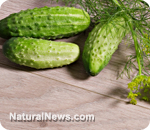
Traditionally fermented pickled vegetables are a great source of natural probiotics. They can favour digestive health, help to digest and absorb the nutrients in the food we eat, which then benefits all areas of our health.
Participants filled in detailed questionnaires about their dietary habits, lifestyle, and health status, according to the findings published their findings in the British Medical Journal today.
Deaths were identified from residential registries and death certificates over a follow-up period of nearly 15 years.
The researchers found that a higher intake of fermented soy was linked to a significantly lower risk of all cause mortality at 10 per cent.
Total soy intake, including products like tofu, soy milk, okara, did not affect mortality.
5. Natto
 © Getty Natto.
People who ate natto also had a lower risk of death from cardiovascular diseases, such as heart disease, than those who did not eat natto.
Natto is a traditional Japanese food made by fermenting soybeans with a fungus called bacillus subtilis natto.
No links were found between soy intake and cancer-related deaths.
Results persisted even after further adjusting for the intake of vegetables, which was higher among those consuming larger portions of natto.
The authors point out that fermented soy products are richer in fibre, potassium and bioactive components such as isoflavone than their non-fermented counterparts.
Soy fibre has been shown to reduce cholesterol and keep weight stable, while isoflavone compounds may reduce blood pressure.
However further research could investigate the exact mechanisms on the body.
In a linked editorial, experts said evidence such as this is increasingly suggesting that fermented soy products have health benefits.
 © Getty Natto snack.Kayo Kurotani and Hidemi Takimoto, of National Institutes of Biomedical Innovation, Health and Nutrition, Tokyo, wrote: 'Increasing evidence has suggested that fermented soy products are associated with health benefits.
'Whether people eat those products depends on their food culture, but some countries already include soy and fermented soy products in their dietary guidelines.'
This is an observational study, so can't establish cause, and the researchers cannot rule out the possibility that some of the observed risk may be due to other unmeasured factors
For example, miso soup contained a high amount of salt in 1995 and 1998, when the surveys were conducted, before salt reduction measures came into place.
It could be that fermented miso is protecting those in the study from the health risks of salt.
https://www.msn.com/en-my/health/nutrition/is-this-why-the-japanese-live-longer-middle-aged-adults-who-regularly-eat-miso-paste-added-to-sushi-and-soups-are-10percent-less-likely-to-die-young-study-finds/ar-BBZsVRI?ocid=ientp