Five signs of a heart attack everyone should know.
Sure Signs Your Heart is in "Immediate Danger" — Eat This Not That
Why Heart Attacks are so Common
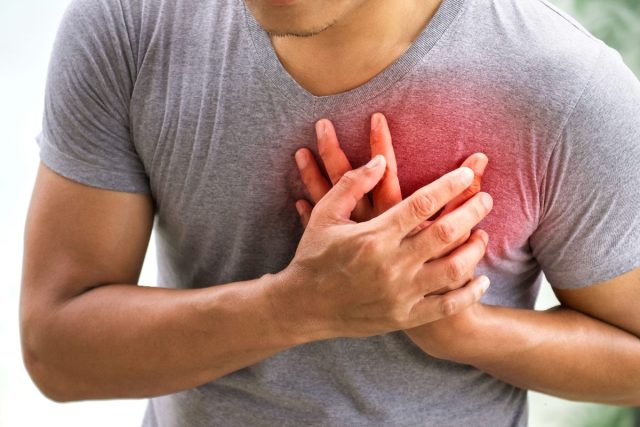
Dr. Mitchell reminds us, "Heart attacks are a leading cause of death in the United States. Each year, about one in every five deaths is caused by cardiovascular disease; of those, almost half are due to heart attacks. So why are they so common? High blood pressure is one of the main risk factors for developing cardiovascular disease. When blood pressure becomes too high, it strains the heart and can damage the arteries. This damage can lead to plaque formation; a substance made up of fat, cholesterol, and other materials. Plaque can narrow or block the streets, making it difficult for blood to flow through. For example, a blood clot can form and block the artery if a plaque ruptures. This can cause a heart attack or stroke.
Another contributing factor to heart attacks is diabetes. Diabetes damages the arteries and makes it more likely for plaque to form. However, smoking is another significant risk factor for heart disease. Cigarette smoke damages the lining of the arteries, making them more prone to plaque buildup. Fortunately, there are things you can do to reduce your risk of having a heart attack. Eating a healthy diet and exercising regularly can help to lower blood pressure and improve cholesterol levels. Quitting smoking also reduces your risk of having a heart attack. If you have diabetes, it's essential to control your blood sugar levels. By making lifestyle changes and taking medication as prescribed by your doctor, you can help reduce your risk of having a heart attack or other cardiovascular event.
Though we all know the importance of taking care of our heart health, many do not know the signs and symptoms of a heart attack. This is especially true for women, who often experience different symptoms than men.
Women and men often experience heart attacks differently. One reason is that women's arteries are usually smaller than men's, making them more susceptible to blockages. In addition, heart attacks in women are often more likely to be silent, meaning that they may not experience the same chest pain typically associated with a heart attack. This can make it more challenging to identify a heart attack in women, and as a result, they may delay seeking medical treatment. Additionally, hormonal changes during menopause can increase a woman's risk for heart disease. Therefore, it is essential for women to be aware of the signs and symptoms of a heart attack and to seek medical attention immediately if they suspect that they are having one.
Regardless of your gender, it is essential to know your risk factors for diabetes and aggressively work to minimize these risks. Therefore, it is essential to know your blood pressure, blood sugars, and cholesterol, to name a few critical parameters."
Chest Pain or Discomfort

Dr. Mitchell explains, "When most people think of a heart attack, they think of chest pain. However, not all chest pain is a sign of a heart attack. Many heart attacks occur without any chest pain at all. So why is chest discomfort a sign of a heart attack? The answer lies in the anatomy of the heart. The heart is supplied with blood by the coronary arteries. These arteries can become blocked by a buildup of plaque, a condition known as coronary artery disease. When one of these arteries becomes blocked, it can cause chest pain. However, if the blockage is severe enough, it can cut off the supply of oxygen-rich blood to the heart muscle. This can damage the heart muscle and lead to a heart attack. Therefore, while chest pain is not always a sign of a heart attack, it is one of the most common symptoms.
If you are experiencing chest discomfort, it is essential to call 911 right away. Don't wait to see if the pain goes away on its own. Every minute counts when someone has a heart attack. Time is critical in getting the person to the hospital to receive treatment. Getting treated quickly can save someone's life."
Shortness Of Breath

According to Dr. Mitchell, "Shortness of breath, or dyspnea, is a common symptom of many health conditions. However, it can also signify a more serious problem, such as a heart attack. The heart is a muscle that requires a constant supply of oxygen-rich blood. When the heart is not receiving enough blood, it can cause the muscles to become weak and lead to shortness of breath. In some cases, this can happen suddenly and without warning; however, other symptoms often accompany shortness of breath, such as chest pain or an irregular heartbeat.
If you experience any of these symptoms, it is essential to seek medical attention immediately so that you can be treated for a potentially life-threatening condition.
If you are experiencing shortness of breath due to a heart attack, it is essential to seek medical attention immediately. While it may be tempting to try to tough it out, this potentially life-threatening condition requires treatment. If you are with someone having a heart attack, call 911 and provide as much information as possible about the person's situation. In the meantime, have the person sit down, rest, and elevate their feet if possible. For example, if you are on medications that were prescribed to help with your breathing or if you are having chest pain, take them. Remember, time is of the essence if you are experiencing shortness of breath due to a heart attack. Seek medical help immediately."
Nausea or Vomiting

"When most people think of a heart attack, they think of chest pain," Dr. Mitchell reveals. "However, nausea and vomiting are common signs of a heart attack, especially in women. This is because the stomach and intestines are supplied by a branch of the coronary arteries, called the right coronary artery. If this artery becomes blocked, it can cause nausea and vomiting. In addition, the autonomic nervous system, which controls involuntary body functions like heart rate and digestion, is located in the same area of the brain as the centers that control emotions. As a result, a heart attack can sometimes trigger a "fight or flight" response, which can cause nausea and vomiting. If you experience these symptoms, it is essential to seek medical attention immediately, as they may signify that you are about to have a heart attack."
Sweating

Dr. Mitchell says, "Sweating is one of the body's natural ways of regulating temperature. When it gets too hot, the sweat glands release a clear, odorless fluid onto the skin. This helps to cool the body by evaporation. However, sweating can also be a sign of a more severe problem. If you suddenly start to sweat excessively, it may be a sign that you are about to have a heart attack. The sudden release of adrenaline can cause the body's temperature to spike, triggering sweating. In addition, chest pain and shortness of breath are common heart attack symptoms. So if you start sweating for no apparent reason, it's essential to seek medical attention immediately."
Lightheadedness & Dizziness

Dr. Mitchell tells us, "When someone experiences a sudden drop in blood pressure, it can cause lightheadedness and dizziness. This can be a sign that a heart attack is imminent. A heart attack occurs when the supply of oxygenated blood to the heart muscle is blocked. This can happen if one or more of the coronary arteries becomes blocked. If blood flow is not restored quickly, the heart muscle begins to die. The drop in blood pressure can cause lightheadedness and dizziness because the brain is not getting enough oxygen. In addition, the heart may not be pumping as efficiently, which can lead to lightheadedness and dizziness. If you experience these symptoms, it is essential to seek medical help immediately."
Dr. Mitchell says this "doesn't constitute medical advice and by no means are these answers meant to be comprehensive. Rather, it's to encourage discussions about health choices."
Sure Signs Your Heart is in "Immediate Danger" — Eat This Not That

