Pages

Showing posts with label Tempeh. Show all posts

Tuesday, 10 December 2019

Is Soy Good or Bad for Your Health?

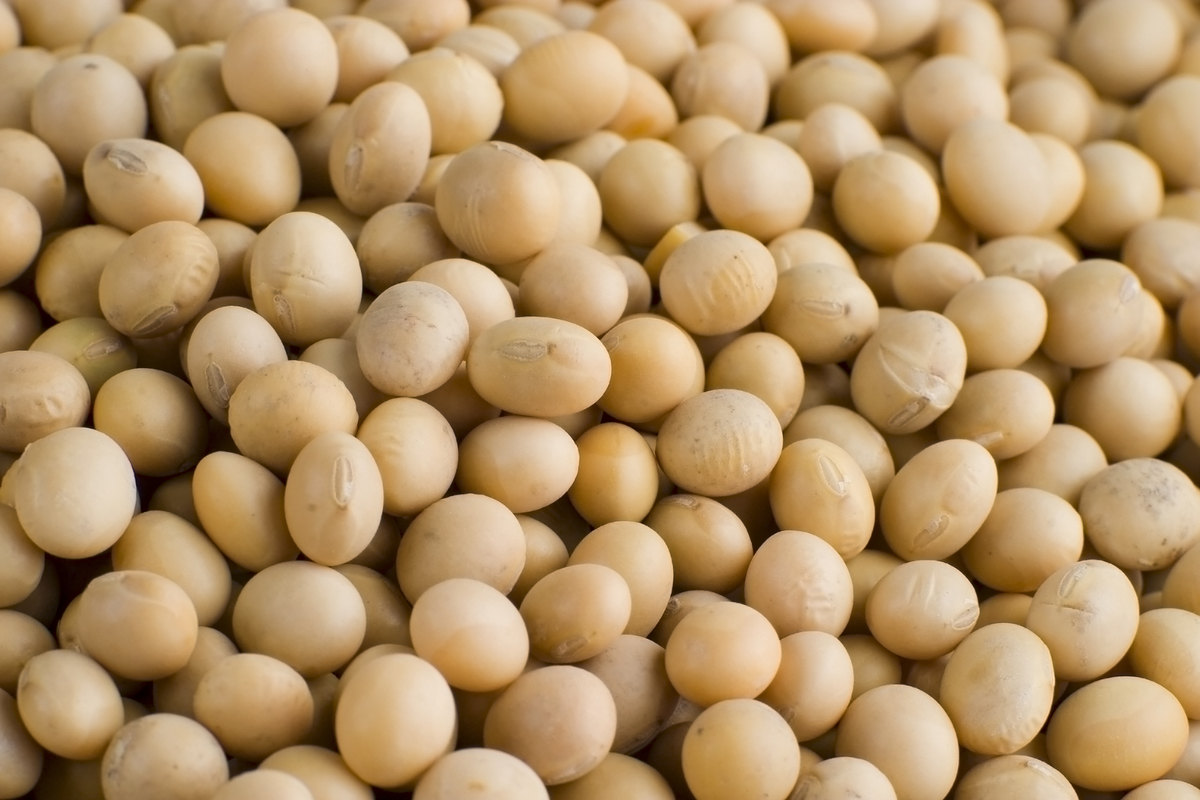
Soy or soybeans are a legume native to Asia and for thousands of years have been included in Asian diets with evidence showing soybeans were grown as far back as 9,000 BC in China reports Melissa Hargroves a Registered Dietition for HealthLine.

As a legume, soy is a plant based protein and is widely consumed for that purpose and many processed foods have it as an ingredient.
Although it’s a popular food, there are many controversies surrounding it as to its benefits — is it healthy or bad for you? There are arguments for both sides.
Melissa lists the different types of soy.
Whole soy products include the whole soybean or edamame (immature, green soybeans) which are a favorite high-protein appetizer. Whole soybeans are used to make soy milk and tofu as well.
For people who wish to avoid milk, soy milk is a good substitute.
Tofu is great for vegetarian diets as it provides a good source of plant-based protein.
Fermented soy products are made using traditional methods. They include soy sauce, tempeh, miso and natto.
Soy sauce is a liquid condiment used to flavor or marinate foods. Tempeh is a source of protein used in vegetarian diets like tofu though not as popular. Miso is a traditional paste used to season soups and other dishes.
Soy-based processed foods include vegan meat substitutes, yogurts and cheeses, as well as soy flour, texturized vegetable protein and soybean oil and all are use in many packaged foods.
Soy supplements such as soy protein isolate is a highly processed derivative of soy and made into a protein powder and used in protein bars and shakes. Other soy supplements are available in capsule form such as soy isoflavones and soy lecithin.
The Benefits of soy are that they are high in nutritional content of protein, fat, fiber, 9 vitamins, 7 minerals, prebiotic fiber, and beneficial phytochemicals, all beneficial for the proper function of the human body.
Studies have shown other soy benefits such as lowering of bad cholesterol, improving fertility outcomes, protecting effect against BPA (a chemical found in plastic), and reducing menopause symptoms.
Negative effects of soy have been found in animal studies on the possible effect on breast cancer, on thyroid function and on male hormones, however human studies suggest otherwise.
Also 90% of soy grown in the US is genetically modified and there’s a lot of debate on the safety of GMO soy affecting increase risk of cancer and birth defects. So eat organic soy if you want to avoid GMOs.
Overall, studies have shown that the benefits of soy in the diet outweigh any potential risks, so eat whole or fermented soy foods in moderation.

Tuesday, 17 September 2019

Is soya bad for women's health?

Soy's isoflavones have oestrogenic properties — and have been blamed for raising the risk of breast cancer (as well as prostate cancer for men). But is this really the case?
Starting to consume soya products at an earlier age may make soya more beneficial

Consumed in many traditional Asian populations for millennia, soya has only been a common part of the Western diet for around 60 years. Now, many of our supermarkets are full of soy milk alternatives, soy burgers and other soya-based meat replacements – not to mention traditional soy-based products like tofu, tempeh, soya milk, miso and soya sauce.
In the meantime, soya has been linked to a lower risk of heart disease compared to other diets. As a good source of protein, unsaturated fatty acids, B vitamins, fibre, iron, calcium and zinc, it is becoming increasingly popular in the West as a healthy substitute for meat. But despite more people associating soya with health over the last decade, one fear has come to the fore: the idea that soya can disrupt our hormones.
The controversy around soya comes down to its uniquely high content of isoflavones. These compounds have oestrogenic properties, which means they act like oestrogen, the primary female sex hormone, and bind to oestrogen receptors in the body – and oestrogen can fuel the growth of some types of breast cancer.
But while scientists have extensively researched the compound’s effects in the body over the last few decades, the answer about whether isoflavones themselves can contribute to cancer risk isn’t straightforward.
And often, it seems soya protects against cancer risk – rather than making it worse. But exactly why that is isn’t certain.
To start, there are the observational findings. High soya intake among women in Asian countries has been linked to their 30% lower risk of developing breast cancer compared to US women, who eat much less soya. (The average person’s intake of isoflavones in Japan, for example, is between 30 and 50mg, compared to less than 3mg in Europe and the US.)
High soya intake among women in Asian countries is linked to a lower breast cancer risk
High soya intake among women in Asian countries has been linked to their 30% lower risk of developing breast cancer (Credit: Getty Images)
 
Soya also has been correlated with reducing breast cancer’s severity. Fang Fang Zhang, associate professor at Tufts University in Massachusetts, carried out population research among 6,000 women with breast cancer living in the US and found a 21% reduction in mortality among those who consumed more soya. 
Population research among 6,000 women with breast cancer found a 21% reduction in mortality among those who consumed more soya
Its benefits were strongest in women with hormone-receptor-negative breast cancer, a more aggressive type of breast cancer where tumours lack oestrogen and progesterone receptors, and therefore doesn’t respond well to hormone therapies.
“Our findings suggest that, for women with hormone-receptor-negative breast cancer, soya food consumption may potentially have a beneficial effect to improve survival,” Zhang says.
Not soy easy
Even so, it’s difficult to conclusively isolate soya’s benefits – if there are any.
Soya is often consumed as part of a healthy diet and as a substitute for red meat, which is associated with a higher risk of heart disease and cancer.
Soya products often replace foods like red meat
Soya products often replace foods like red meat, which could be why soya intake is associated with healthier outcomes (Credit: Getty Images)
“No one has given people soya foods, then looked at whether they’re more or less likely to get breast cancer over time than those not given soya,” says Leena Hilakivi-Clarke, professor of oncology at Georgetown University School of Medicine in Washington DC.
One review of evidence into soya’s effect on breast cancer risk found that studies that adjusted for body mass index (BMI), a common marker of health, showed a weaker association for soya than those that didn’t.
This means a reduced risk of breast cancer could have been due to lower BMI, not to soya consumption.
If soya does lower breast cancer risk, it may be because its isoflavones can enhance apoptosis: a genetically programmed mechanism that tells cells to self-destruct when they get DNA damage they’re not able to repair. Without this process, damaged cells can form into cancer.
Do products like soya milk lower breast cancer risk?
If products like soya milk lower breast cancer risk, it may be by bolstering the mechanism that tells cells to self-destruct when they get DNA damage (Credit: Getty Images)
 
So where did the concern that soya causes cancer come from?
It’s true that soya has been found to fuel the growth cancer cells in lab research. In one experiment from 2001, mice with inhibited immune systems and with cancerous tumours were fed isoflavones. Their tumours were measured for 11 weeks. The researchers found that the isoflavones resulted in increased cell growth. The mice were then switched to an isoflavone-free diet – and their tumours regressed over the following nine weeks. Meanwhile, in a study from 1999, researchers implanted human breast cancer cells into mice, and some were fed isoflavones. They also found that dietary isoflavones enhance the growth of cancerous tumours.
But a more recent, 2010 review of more than 100 studies concluded that, overall, lab experiments have shown no significant increased risk of breast cancer.
One reason there isn’t a more definitive answer is because isoflavone either acts like oestrogen in the body, or its opposite
One reason there isn’t a more definitive answer is because isoflavone either acts like oestrogen in the body, or its opposite. When we eat soya, isoflavone either binds to the alpha oestrogen receptor in the body, which stimulates a tumour’s growth rate, or the beta receptor, which decreases growth rate and induces apoptosis.
Isoflavone prefers to bind to beta receptors, says Bruce Trock, professor of epidemiology and oncology at Johns Hopkins School of Medicine in Maryland in the US. That makes it more likely to reduce potential cancer risk.
The impact of soya on breast cancer risk may depend on when we start eating it.
Most studies on Asian populations included women who have eaten it since early childhood and were probably also exposed to it in the uterus, says Trock, compared to Western studies involving women who mostly didn’t eat soya until later in life. 
Starting to consume soya products at an earlier age may make soya more beneficial
Starting to consume soya products at an earlier age may make soya more beneficial (Credit: Getty Images)
 
“Giving soya to animals at the equivalent of middle age doesn’t seem to reduce risk or growth rate of tumours,” he says.
“But if researchers feed mice [soy] prior to puberty, then expose them to carcinogens, they get fewer and smaller tumours than if you don’t give them soya.”
Soya cycle
Meanwhile, clinical and population data shows daily soya intake can halve the frequency and severity of hot flashes even when the placebo affect is taken into consideration, says Mindy Kurzer, professor of nutrition at the University of Minnesota. (Taking oestrogen medication, on the other hand, brings hot flushes down by 75%.)
Some research has found that these benefits are largely determined by a woman’s ability to produce equol, a bacteria that around 30 to 50 percent of adults produce in their intestines after eating soy. One study found that giving equol supplements to menopausal women who don’t produce it themselves significantly lowered the incidence and severity of hot flushes.  
It could be that a person’s ability to produce equol, rather than the equol itself, is responsible for the benefits of soya. One paper argues that Chinese populations, for example, may be better able to digest and extract nutrients from soya because their ancestors have been eating it for thousands of years.
This could explain why research has found that, while people who move from Asian countries to the US have an increased risk of breast cancer by the second generation, their risk remains lower than Westerners even when they adopt a Western diet.
Soya intake could reduce the risk of cardiovascular disease (Credit: Getty Images)
 
Early soya intake has also been found to reduce the risk of cardiovascular disease. In fact, population studies suggest isoflavone intake could be responsible for the different rates of cardiovascular disease between Asian and Western countries. This is because soya has been found to reduce levels of harmful low-density lipoprotein (LDL) cholesterol in the blood, which is a risk for heart disease.
But may have nothing to do with soya, per se – it could simply be because diets higher in soya are lower in unhealthier foods.
“Soya foods are normally eaten in place of other higher saturated fat foods, such as fatty meat and full-fat dairy products,” says JoAnn Pinkerton, professor of obstetrics and gynaecology at the University of Virginia Health System. “Whereas most soya foods are naturally low in saturated fat.” 
There are also concerns soya could be linked to prostate cancer. However, a review of evidence last year found that regular soya food intake was associated with an almost 30% reduction in risk of developing prostate cancer. Soya doesn’t affect testosterone levels in men, so how this happens isn’t yet known – except that a diet containing more soya is often healthier overall.
We maintain the current conclusion that soya is beneficial in preventing prostate cancer – Catherine Applegate
“Throughout the years and despite the constant emergence of new research that could contain potentially conflicting results, we maintain the current conclusion that soya is beneficial in preventing prostate cancer,” says the study’s author Catherine Applegate, a predoctoral fellow from  the University of Illinois's Tissue Microenvironment Training Program.
Unprocessed soya like edamame beans has higher isoflavone levels than processed versions
Unprocessed soya, like edamame beans, has higher isoflavone levels than processed versions, like soya milk (Credit: Getty Images)
 
Soya’s benefits also depend on the type we consume. Isoflavone content varies in unprocessed soybeans, such as edamame beans, compared to processed soya foods – and the closer the food is to the soyabean, the higher its isoflavone levels. Edamame has around 18mg of isoflavones per 100g, while soya milk has between 0.7 and 11mg.
“The only thing we can say is that women should be safe to consume soya foods in amounts consistent with Asian diet, including tofu, fermented soya foods and soymilk, but studies shown that the more soya is processed, the lower the level of isoflavones, which we think are protective elements,” says Trock.
Soya has been extensively researched over the last few decades. No single study has been perfect, and as with other nutritional research, findings often show correlation – they don’t prove causation.
Even so, the consensus clearly indicates health benefits from eating soya – even if that’s simply because it replaces unhealthier foods.
http://www.bbc.com/future/story/20190816-is-soy-bad-for-womens-health

Thursday, 6 March 2014

Probiotics Could Be Your Key To Weight Loss

Feb 26, 2014 by 
Probiotics Could Be Your Key To Weight Loss
Fashions in diets come and go, but one thing remains constant: Your gut, or digestive tract, needs the right kind of bacteria to properly break down and digest the food you eat.
A poor-quality diet — a diet heavy in sugar and fatty grease — may be responsible for altering your internal flora, making it weaker and unable to do its job. As a result, people are gaining weight and fat (especially the heart-deadly visceral fat) and getting ill. Digestion is weak, the intestinal walls are not protecting against unwanted matter, and the immune system is compromised.
Defining Probiotics
The term “probiotic” is used so freely these days that some people might not know that most foods don’t contain them. Probiotics are nutritional supplements that boost good digestive bacteria in the gut. Along with poor diets, genetically modified foods (GMOs) and stress have led to a weakening of the digestive tract. Because of that, essential elements are not being taken out of food and absorbed into the bloodstream. As a result, candida (intestinal yeast), visceral fat and other issues cause serious problems.
However, a diet high in foods that encourage a healthy digestive environment, instead of those that derail it, can help feed and expand the good (or pro) biotics (bacteria) in the gut. Dietary probiotic supplements, which generally consist of hundreds of billions of freeze-dried bacteria, are indeed a good way to build those good bacteria back up in the gut, as research indicates.
Probiotic Weight-Loss Study
A new study, published in the British Journal of Nutrition (BJN), shows you can lose weight by correcting internal flora (bacteria), even without dieting. In other words, when the digestive tract works properly and is home to healthy probiotics, it can break down foods, properly move out waste and, thus, maintain weight. However, many of us eat such bad diets containing foods from unnatural sources that the gut flora has changed to less favorable — and less beneficial — types of microorganisms.
Scientists jointly working together from Universite Laval in Quebec and Nestle Corporation tested the hypothesis of the weight-loss effect of probiotics on obese men and women. Specifically, they tested the Nestle specific strain called Lactobacillus rhamnosus, a type commonly found in European yogurt. Results published in the BJN showed an “effect of supplementation on weight loss and maintenance in obese men and women.”
In this experiment, 125 obese men and women were gathered for the study lasting about six months. The study of the effects of probiotics on weight loss was performed during the first 12 weeks.
Amazing Weight Loss
The study clearly shows that women who took probiotics lost nearly twice as much weight over 24 weeks as women who did not. Researchers also found that there is a difference in the intestinal bacteria found in obese people and the flora found in skinnier people. The appetite-regulating hormone known as leptin was also at different levels among the groups.
Researchers speculate that the probiotics might be acting to change the permeability of the intestinal wall, in effect keeping pro-inflammatory molecules out of the bloodstream. It is thought that pro-inflammatory molecules are can initiate weight gain and diabetes by making you more vulnerable to glucose intolerance and metabolic syndrome.
During this study, the positive weight-loss results, interestingly, appeared only in women. The male subjects who took probiotics did not lose more weight than men who did not take probiotics. The Canadian researchers theorized that the dose of probiotics they used was too small for men. But they were not certain why the men did not benefit.
Best Foods For Healthy Gut Flora
While taking probiotic supplements is beneficial, there is nothing like changing one’s diet and eating more foods that help create a better digestive environment on their own. There really are no “probiotic” foods, only foods with bacteria that help the human digestive tract. Most of these foods are cultured (like dairy products) or fermented (like cabbages).
The website Sprouts.com offers up a helpful overview of the healthiest natural foods that offer good bacterial (probiotic) support.
Sprouts.com explains the specifics about these foods:
  • Live-cultured yogurt.
  • Fermented kefir.
  • Sauerkraut.
  • Kimchi.
  • Kombucha.
  • Goat’s milk.
  • Miso.
  • Tempeh.
  • Organic dark chocolate.
A note of caution when you purchase foods that say they contain probiotics: They must state clearly that they contain “live active cultures” (or similar wording) to be of value. If the food item is heated to an excessive degree (which is the case with many packaged foods), the bacteria are dead. Only alive bacteria can be helpful.
References:

Monday, 1 April 2013

Top 10 Vegetarian Sources of Protein


One of the most common myths about the vegetarian diet is that after ditching meat it becomes nearly impossible to meet the suggested guidelines for protein intake.

The USDA recommends that women get about 46 grams of protein a day and men get about 56. Some people, like athletes and pregnant or breastfeeding women, may need more, according to WebMD.

But, thanks in part to initiatives like Meatless Monday, this year, Americans are expected to eat 12 percent less meat and poultry than five years ago, USA Todayreported.


While protein is essential to growth, building muscle, the immune system and heart and respiratory functions, MSNBC explains, meat-free protein has the benefit of generally being lower in calories and fat than the animal variety.

Whether you're a vegetarian , or not there are lots of tasty meat-free sources of protein that also pack additional health benefits. Read through the list of the top 10 vegetarian sources of protein below and tell us your favorite in the comments.


1. Spirulina

Spirulina is 65-71 percent complete protein compared to beef, which is only 22 percent, and lentils, which is only 26 percent.

In addition to being protein-rich, spirulina is an excellent source of vital amino acids and minerals easily assimilated by your body. You would need to consume only two tablespoons of spirulina as a protein substitute for a meal.


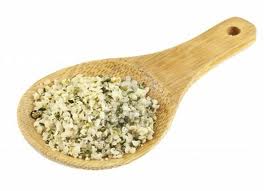
2. Hemp

Protein Content: Seeds, 6 g per ounce; Milk, 2 g per cup

If you're allergic to soy, or just freaked out by its estrogenic activity, hemp products are your next best bet. Sold as a dairy alternative or as seeds, hemp is one of very few plant proteins that supply you with all the essential amino acids, acids your body can't produce on its own to build muscle and create more protein. The fatty acids in hemp seeds and hemp milk also boost your immune system, and the crop itself is highly sustainable, growing as fast as 10 feet in 100 days and naturally requiring very few pesticides.


3. Chia Seeds

Protein Content: 4 g per ounce

Though the protein content isn't as high as some other vegetarian foods out there, chia seeds pack a huge nutritional punch. For starters, they're an incredible fiber resource with nearly half (11 g) of the amount you need every day in a single ounce. That helps fill you up and eat fewer calories. They also contain 18 percent of your daily calcium requirement, more than triple that of milk, which helps your bones. Chia seeds have no flavor, so you can add a tablespoon to any food you wish to without altering its flavor, and unlike flax, chia seeds don't need to be ground in order for your body to absorb all the nutrients.


4. Quinoa

Protein Content: 1 cup of cooked quinoa (185 g) contains 8.14 grams of protein

Quinoa is perhaps one of the most perfect non-animal sources of protein on the planet. What makes quinoa (pronounce keen-wah) unique is that it is the only plant based source of complete protein.

"Complete" means that it contains all 9 of the essential amino acids that are crucial to human function and health. It is also a wonderful option for those that follow a gluten free diet, since it is completely gluten free.


5. Tempeh

Protein Content: A firmer, chewier cousin of tofu, a half-cup serving of this soybean-based bite has 15 grams of protein.

Fermented foods ought to be part of everyone’s diet, vegetarian or not. Tempeh is one that is chewy and delicious, even to die-hard burger fans. It’s healthy and a much better bet than heavily processed tofu or “mock meats” that are brimming with poor-quality modified proteins, sodium, chemicals and starchy fillers. In my opinion it doesn’t compare nutritionally or in taste to a juicy steak but as vegetarian options go it ain’t half bad.


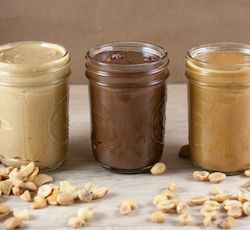
6. Almonds and Almond Butter

Protein Content: (between 6 and 8 grams, per handful).

When adding a handful of nuts to your salad for protein, go with almonds. Almond butter is less toxic and allergenic than peanut butter, although the protein amounts are similar by comparison. Still, this is about quality protein, not necessarily the amount.


7. Veggies

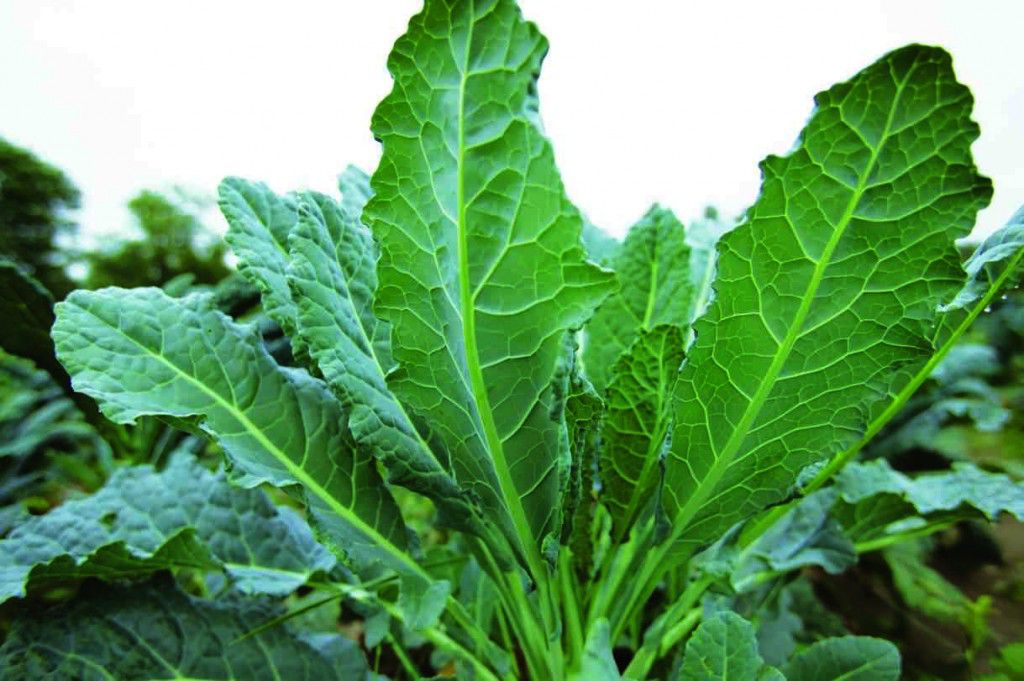
Yep, good old greens will pack a protein punch. One cup of cooked spinach has about 7 grams of protein. The same serving of French beans has about 13 grams. Two cups of cooked kale? 5 grams. One cup of boiled peas? Nine grams.


8. Lentils and Beans

A cup of iron-rich lentils packs 18 grams of protein, almost as much as three ounces of steak. One cup of chickpeas, contains 15 grams of protein, as does a cup of black or kidney beans.


9. Organic, Plain, Greek Yogurt (not vegan)

Protein Content: 15 to 20 g per 6-ounce serving

All dairy products are good sources of protein. A glass of milk provides you with 8 g, but Greek yogurt is a protein powerhouse, with twice the protein and half the sugar and carbs of regular yogurt. In fact, Greek yogurt contains the same protein as a three-ounce serving of lean meat. Top that with a handful of nuts and you could get half of your daily protein intake at breakfast.


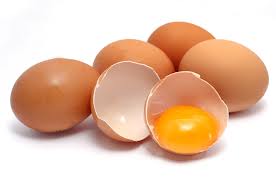
10. Eggs (not vegan)

Protein Content: 6 g per egg

There's a reason the incredible, edible egg is such a popular breakfast choice. The protein in eggs has the highest biological value, a measure of how well it supports your body's protein needs, of any food, including beef. And the yolks contain vitamin B12, deficiencies of which are common in vegetarian diets and can cause attention, mood, and thinking problems while raising blood homocysteine levels, a risk factor for heart disease, dementia, and Alzheimer's.

To get the healthiest eggs, find a local producer whose chicken flocks are small and feed off of grass, bugs, and organic grain; studies have shown that E. coli and salmonella contamination in eggs is directly related to the size of the flock.

Source Links:http://www.mindbodygreen.com...
http://abcnews.go.com/...
http://www.marksdailyapple.com/...
http://www.huffingtonpost.com....
http://foodmatters.tv/articles-1/top-10-vegetarian-sources-of-protein